
Travel planning for 2026 requires awareness of changing entry requirements and potential restrictions for American travelers. Political tensions, health advisories, and immigration policies can affect access to certain countries. Staying informed ensures trips remain safe, smooth, and compliant with local regulations. These seven destinations highlight regions where Americans may encounter visa limitations, additional documentation requirements, or temporary restrictions. Understanding each country’s rules allows travelers to plan responsibly, avoiding unexpected issues while exploring diverse cultures and landscapes abroad.
1. Russia
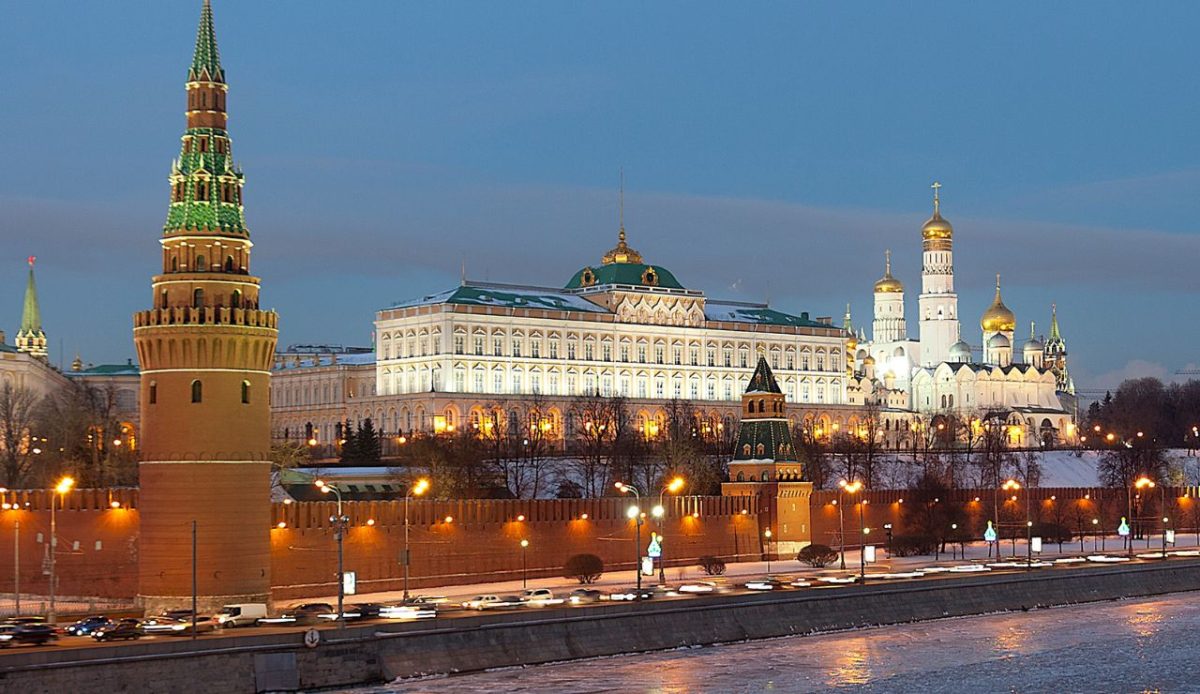
Political tensions and ongoing international sanctions may result in strict visa requirements for Americans traveling to Russia in 2026. Travelers should be prepared for extensive documentation, possible interview processes, and limited consular support. Entry restrictions could also vary depending on the purpose of travel, whether tourism, business, or cultural visits. Researching current travel advisories, consulate guidance, and potential regional limitations ensures a smooth trip. Despite the requirements, Russia offers historic architecture, museums, and cultural experiences for those who plan carefully and follow all regulations.
2. North Korea
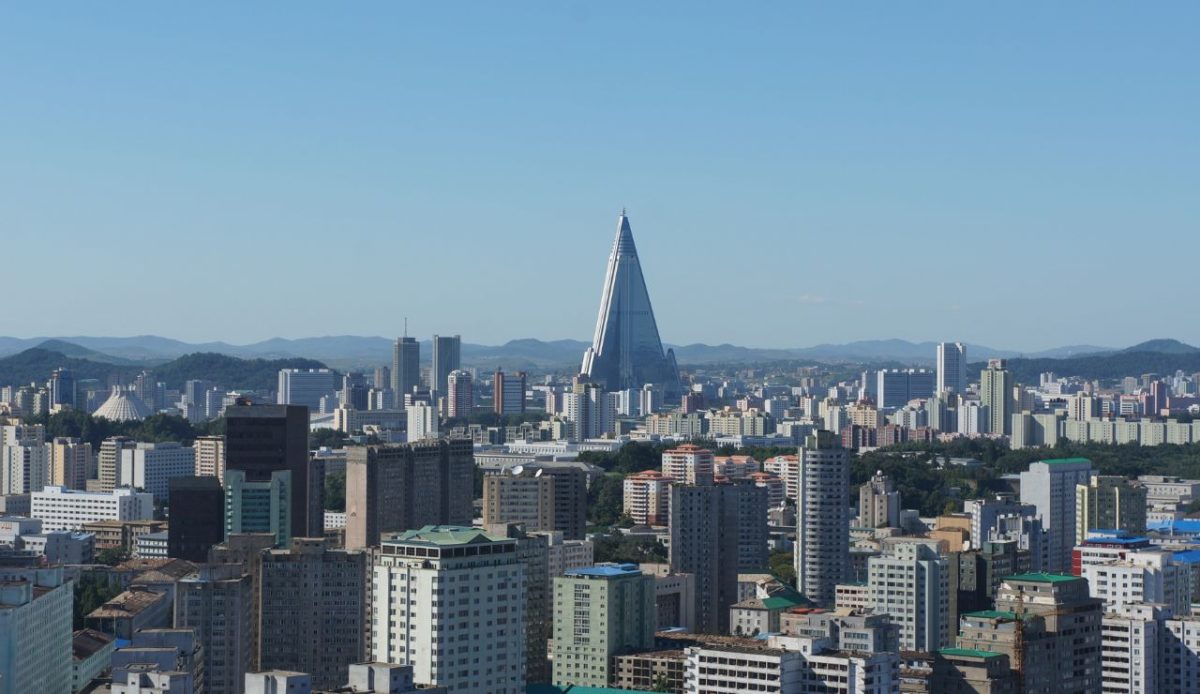
North Korea continues to enforce highly restricted access for American travelers. Independent tourism is generally prohibited, and visits usually require organized tours with government-approved guides. Entry can be denied for political or security reasons, and travelers must strictly follow local laws. Travel advisories recommend caution due to unpredictable diplomatic conditions. Those who are permitted to visit may experience a rare glimpse into the country’s controlled culture, architecture, and historical sites, but careful planning and strict adherence to official protocols are essential.
3. Iran
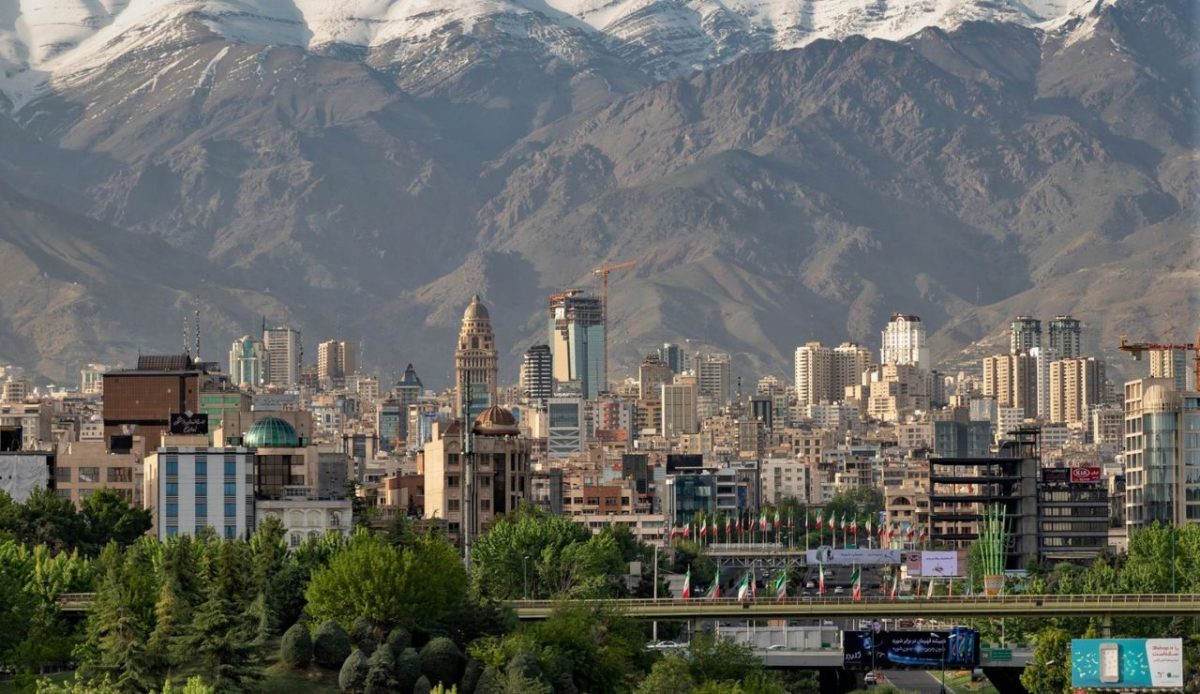
Iran’s entry requirements for Americans are stringent due to political tensions and security considerations. Tourist visas may be limited, require sponsorship, or include strict documentation. Travelers must comply with local laws, including dress codes and conduct regulations. Certain regions may be off-limits, and entry can be denied without explanation. Researching the latest U.S. State Department advisories and embassy updates is crucial for safe planning. Despite restrictions, Iran offers a rich history, ancient architecture, and cultural experiences for those who follow proper guidelines and obtain approvals.
4. Venezuela
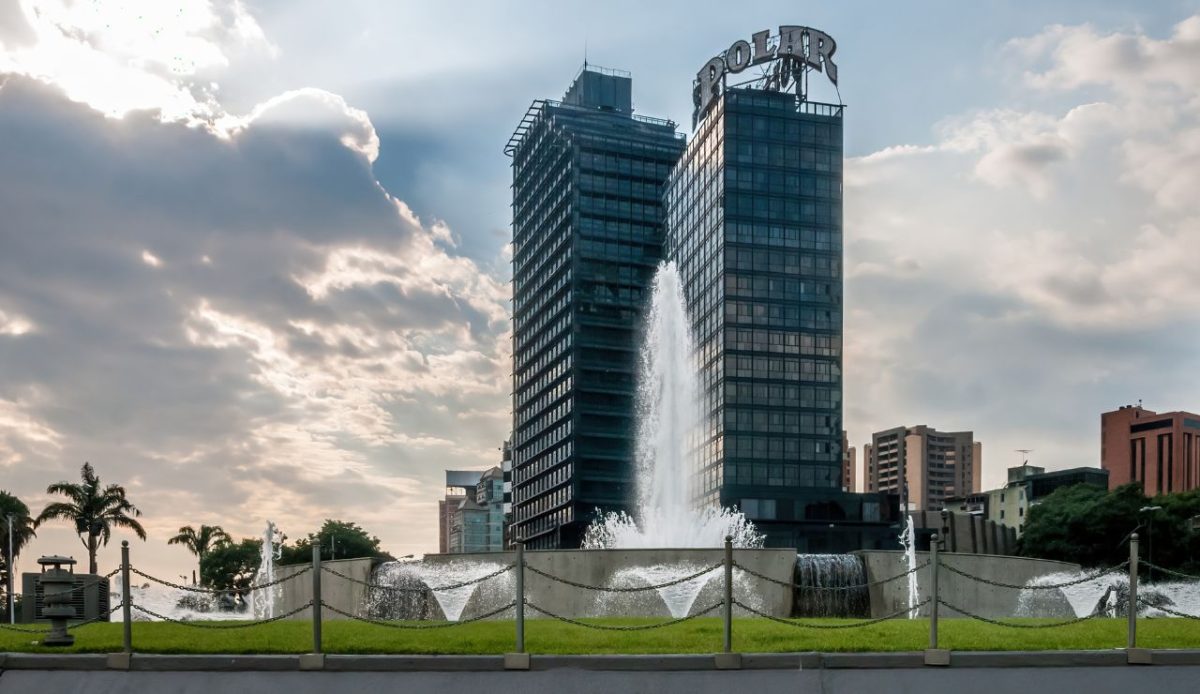
Venezuela has imposed entry restrictions due to political instability, economic challenges, and security concerns. Americans may face stricter visa processes, including documentation for the purpose of travel and proof of return plans. Travelers should monitor updated advisories regarding local unrest, health precautions, and restricted regions. While tourism is possible in selected areas, careful planning and compliance with authorities are critical. Those who research and follow official requirements can explore Venezuela’s natural wonders, cultural heritage, and vibrant cities while minimizing potential risks during their visit.
5. Afghanistan
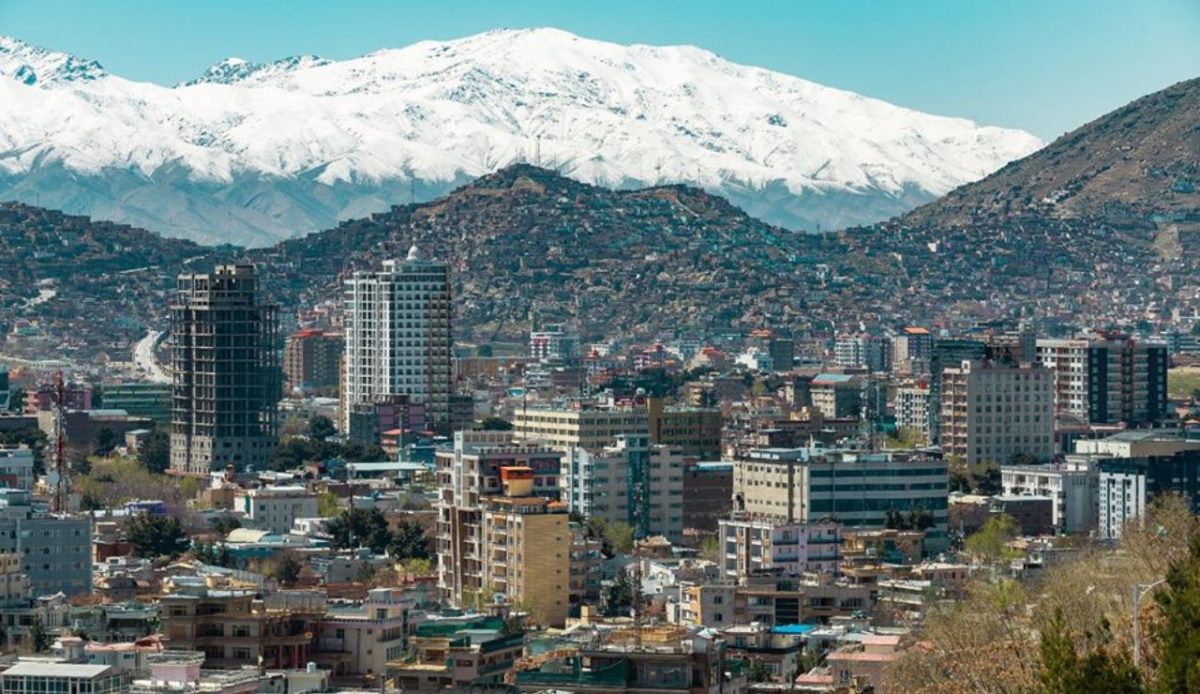
Security concerns and ongoing conflict make Afghanistan a highly restricted destination for American travelers in 2026. Entry is strongly discouraged, with limited consular support available. Americans planning essential travel must undergo rigorous screening and secure official permissions, while most regions remain unsafe for tourism. Travelers must stay informed on military activity, regional conditions, and local laws. Afghanistan offers historical sites and rich cultural traditions, but only those with authorization and extensive preparation should consider visiting. Awareness and adherence to guidance are essential for safety.
6. Syria
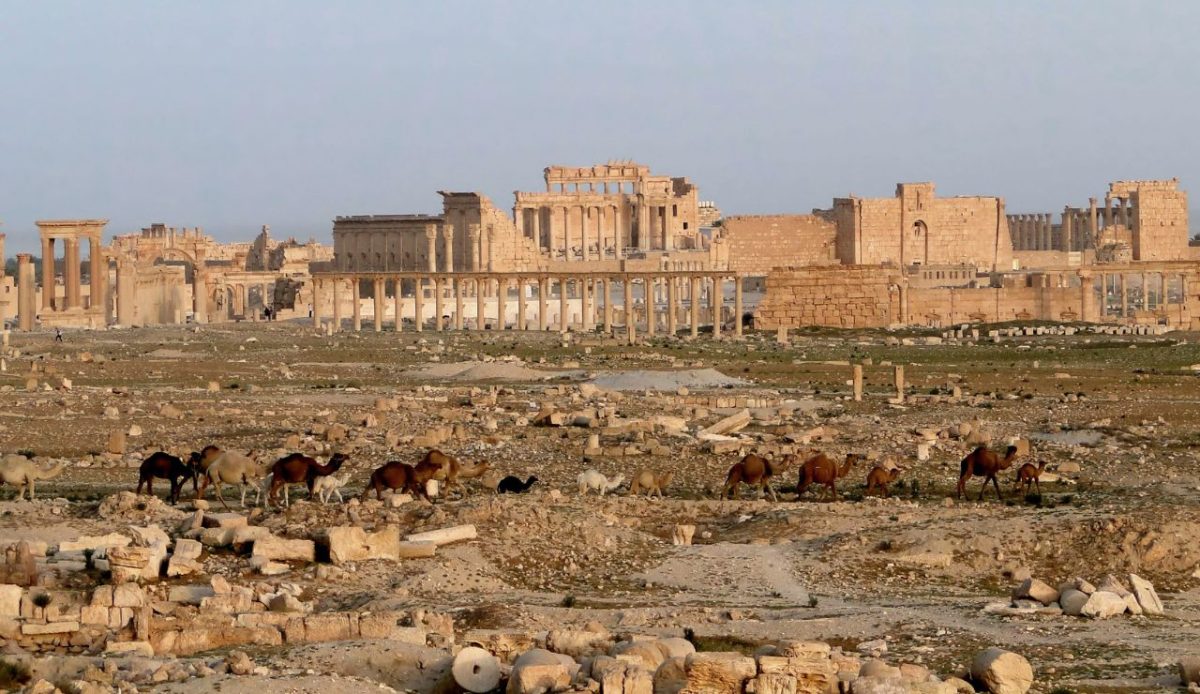
Syria remains largely inaccessible for American travelers due to ongoing conflict and unstable security. Entry is highly restricted, requiring special permits, while many areas remain unsafe. U.S. consular presence is limited, making support during emergencies difficult. Travelers must stay informed on conflict zones, curfews, and regional advisories. While Syria has historical and cultural treasures, including ancient ruins and UNESCO sites, only those with proper approvals and thorough planning should attempt to visit. Research and preparation are critical to ensure safety and compliance with local regulations.
7. Cuba
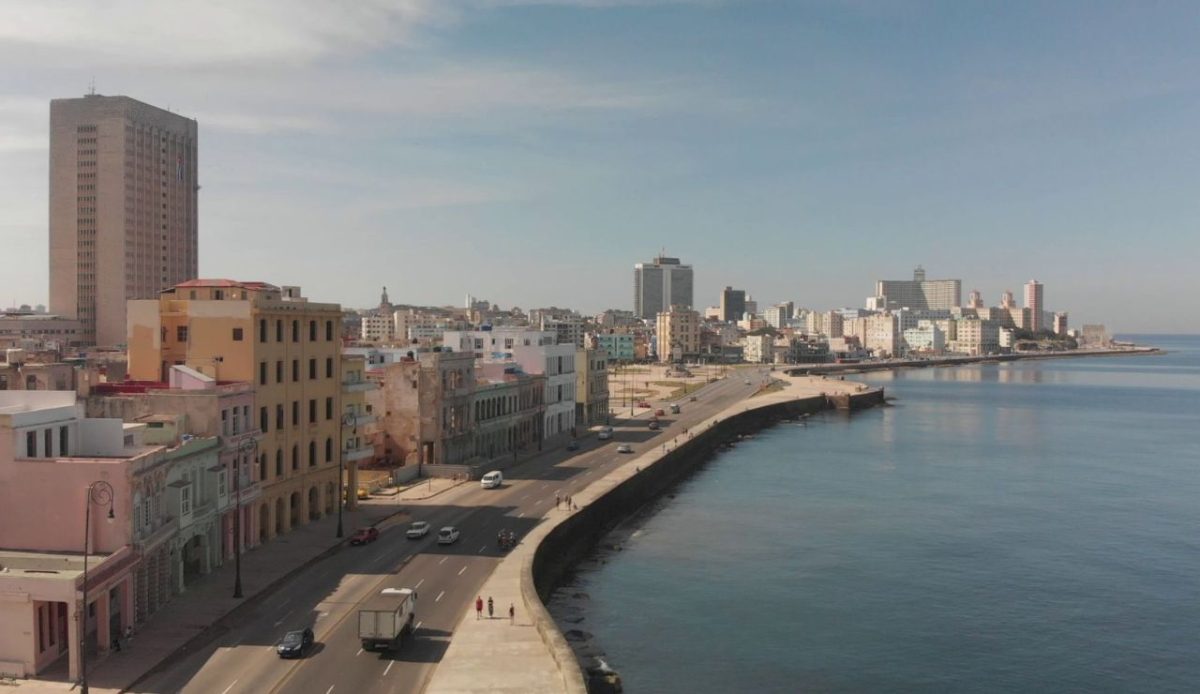
Cuba allows travel for Americans under specific categories, such as cultural exchange, family visits, or educational purposes, rather than open tourism. Entry requirements include supporting documentation, and travelers may face inspections or restrictions. Policies can change quickly depending on diplomatic relations, making current research essential. Despite limitations, Cuba offers a vibrant culture, colonial architecture, and scenic landscapes. Planning, understanding permitted travel purposes, and maintaining proper documentation ensure compliance while enjoying the country’s unique offerings without border complications.
