
Central Asia has long been a region of rich history, vast landscapes, and diverse cultures, yet many of its destinations remained under the radar for travelers. Recently, tourism has started to grow, drawing curious visitors eager to explore Silk Road cities, remote mountains, and unique cultural experiences. From bustling bazaars to serene natural settings, these destinations offer a mix of adventure and heritage rarely found elsewhere. In this article, we highlight seven Central Asian locations that are finally catching the attention of global travelers and becoming must-visit spots for 2026.
1. Samarkand, Uzbekistan
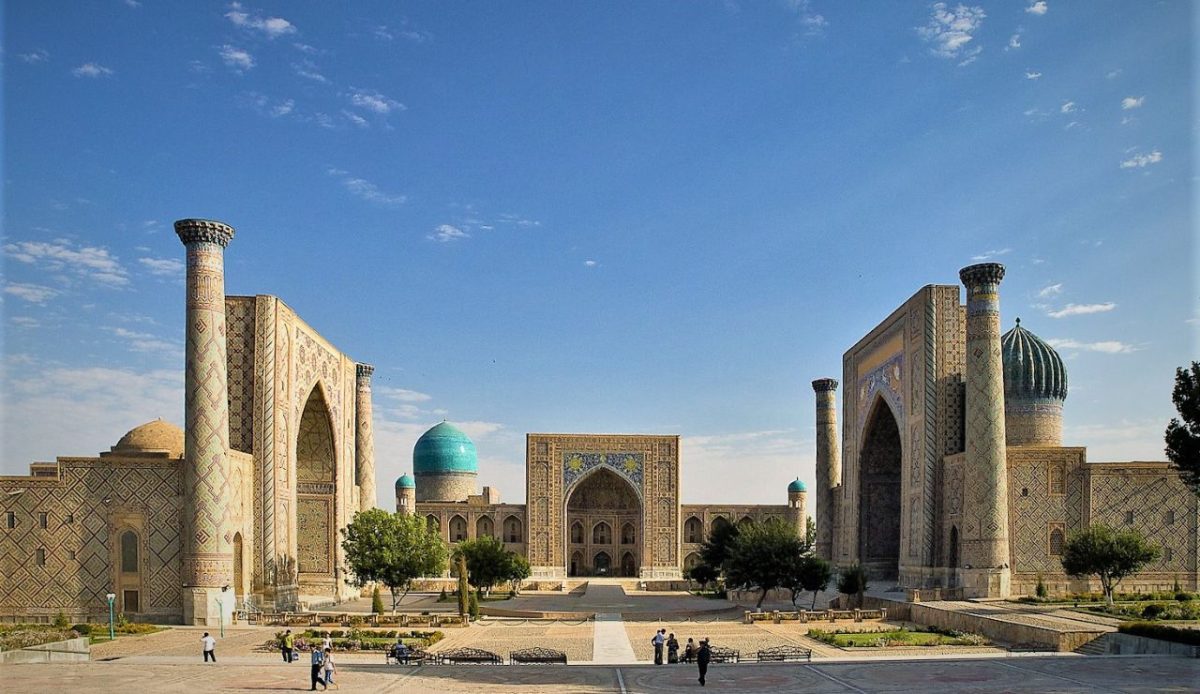
Samarkand, a historic Silk Road city, has long captivated scholars and history enthusiasts but is now attracting broader tourism. It’s stunning. Registan Square, intricately tiled mosques, and mausoleums showcase Islamic architecture at its finest. Recently improved infrastructure and guided tours make it easier for visitors to navigate the city’s ancient streets. Local markets offer spices, textiles, and handcrafted souvenirs, immersing travelers in authentic Uzbek culture. Samarkand’s revival as a tourism hub highlights Central Asia’s historical significance, blending rich heritage with growing accessibility for global travelers.
2. Almaty, Kazakhstan
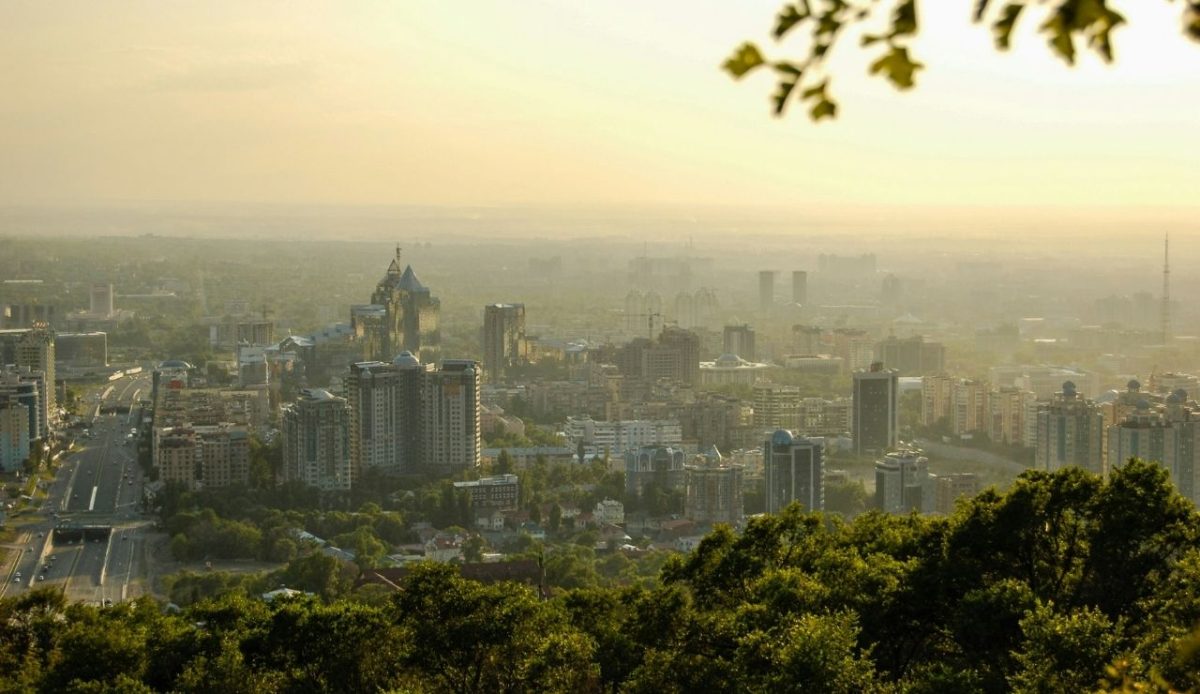
Almaty, Kazakhstan’s largest city, combines modern urban amenities with breathtaking natural surroundings. Nestled at the foot of the Trans-Ili Alatau mountains, it offers skiing, hiking, and stunning landscapes year-round. Cultural attractions, including museums, theaters, and vibrant markets, provide insight into Kazakh traditions. Recent improvements in hospitality and transportation have made Almaty more approachable for international travelers. Its growing popularity reflects Central Asia’s evolving tourism scene, offering a blend of adventure, culture, and city life that encourages exploration beyond traditional destinations.
3. Bishkek, Kyrgyzstan
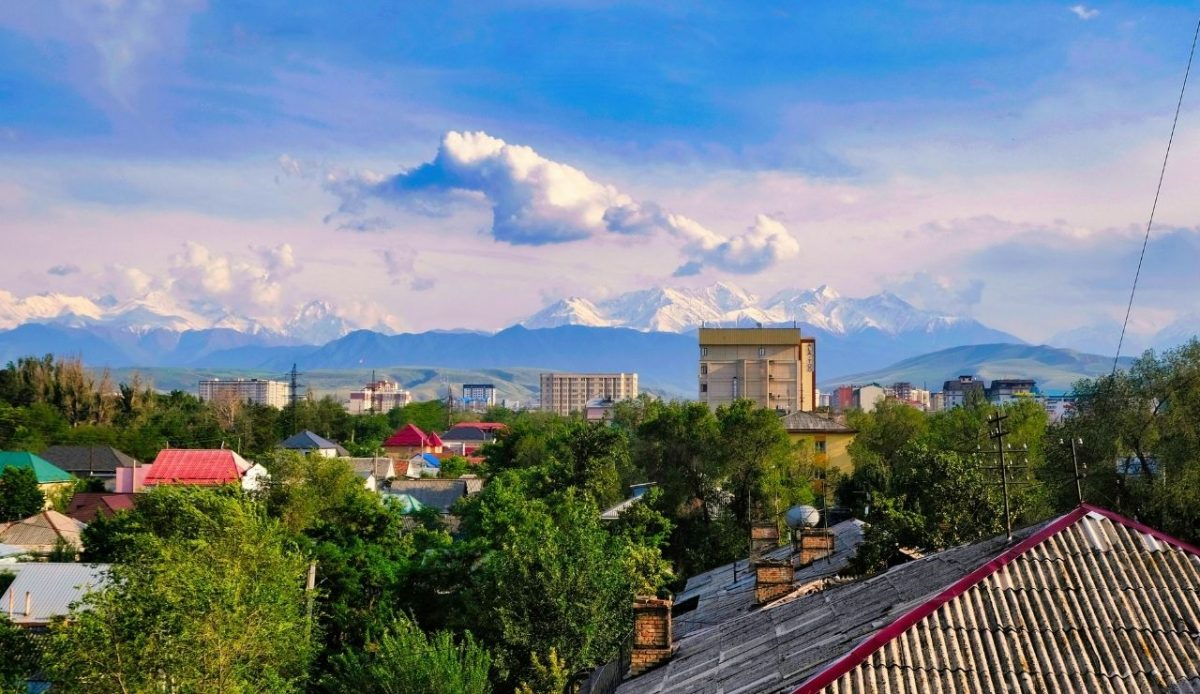
Bishkek, Kyrgyzstan’s capital, is emerging as a gateway to Central Asia’s natural wonders. The city’s Soviet-era architecture, bustling bazaars, and vibrant cafes reveal a mix of history and modern culture. Proximity to Ala-Archa National Park allows easy access to trekking, climbing, and wildlife observation. Adventure tourism combined with urban charm is attracting visitors seeking experiences beyond well-trodden routes. Bishkek shows how previously overlooked capitals are gaining recognition, offering authentic local life and outdoor adventure for travelers seeking something fresh in Central Asia.
4. Bukhara, Uzbekistan
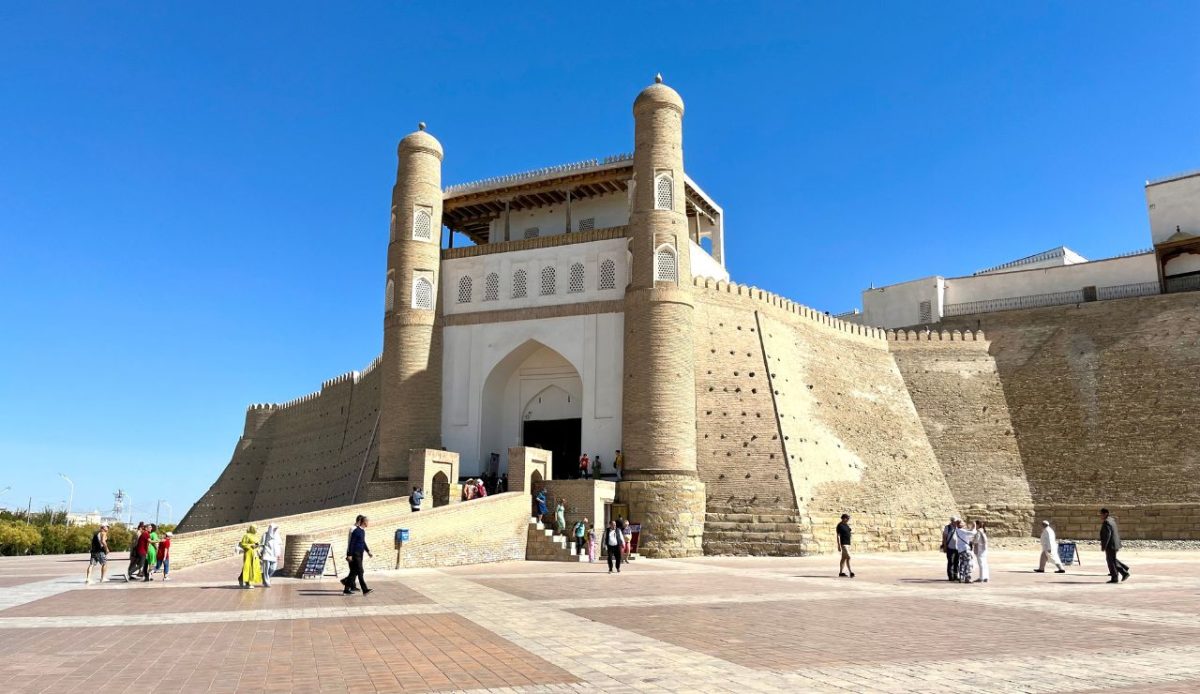
Bukhara is a city where centuries of history remain tangible in every street and monument. Its well-preserved madrasahs, minarets, and bazaars transport visitors to the heart of the Silk Road. Once bypassed by mainstream tourism, Bukhara now draws travelers seeking immersive cultural experiences. Handcrafted goods, local cuisine, and traditional performances offer authentic engagement with Uzbek heritage. Its manageable size and walkable old town make exploration accessible. Bukhara’s emergence as a travel destination demonstrates how Central Asia is finally gaining recognition for its rich, immersive historical experiences.
5. Khiva, Uzbekistan
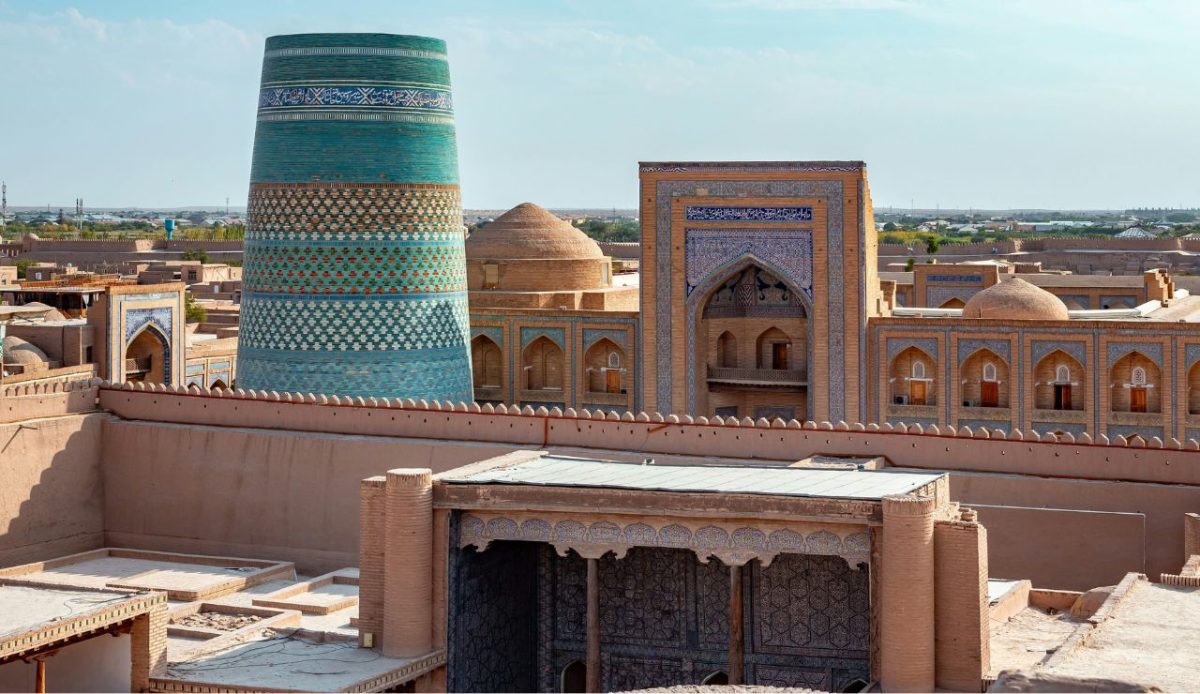
Khiva is a compact city famous for its walled old town, Ichan-Kala, a UNESCO World Heritage site. Cobblestone streets, intricately carved doors, and historic mosques make it a living museum. Previously overlooked due to its remote location, Khiva now attracts travelers seeking authentic, preserved Silk Road culture. Small guesthouses, artisan workshops, and traditional eateries provide intimate experiences. Its growing popularity highlights the region’s potential for cultural tourism while preserving heritage. Visitors now have the opportunity to explore one of Central Asia’s most visually stunning and historically significant towns.
6. Dushanbe, Tajikistan
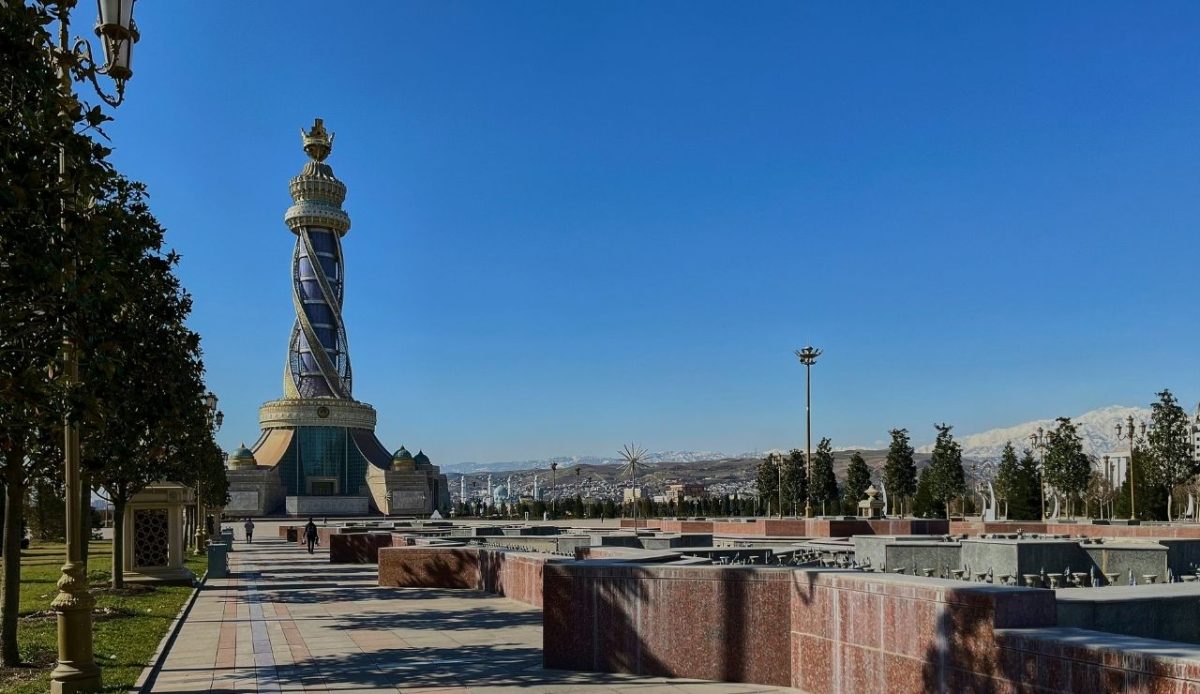
Dushanbe, Tajikistan’s capital, combines Soviet-era architecture with green spaces, markets, and cultural institutions. The city serves as a hub for exploring the country’s mountains, valleys, and remote villages. Recently, improved infrastructure and hospitality services have attracted more travelers seeking authentic Central Asian experiences. Parks, museums, and teahouses showcase Tajik culture, while excursions to nearby landscapes offer adventure tourism opportunities. Dushanbe’s rise in popularity reflects a broader trend of discovering Central Asia’s hidden gems, blending city life, history, and nature for travelers in 2026.
7. Issyk-Kul Lake, Kyrgyzstan
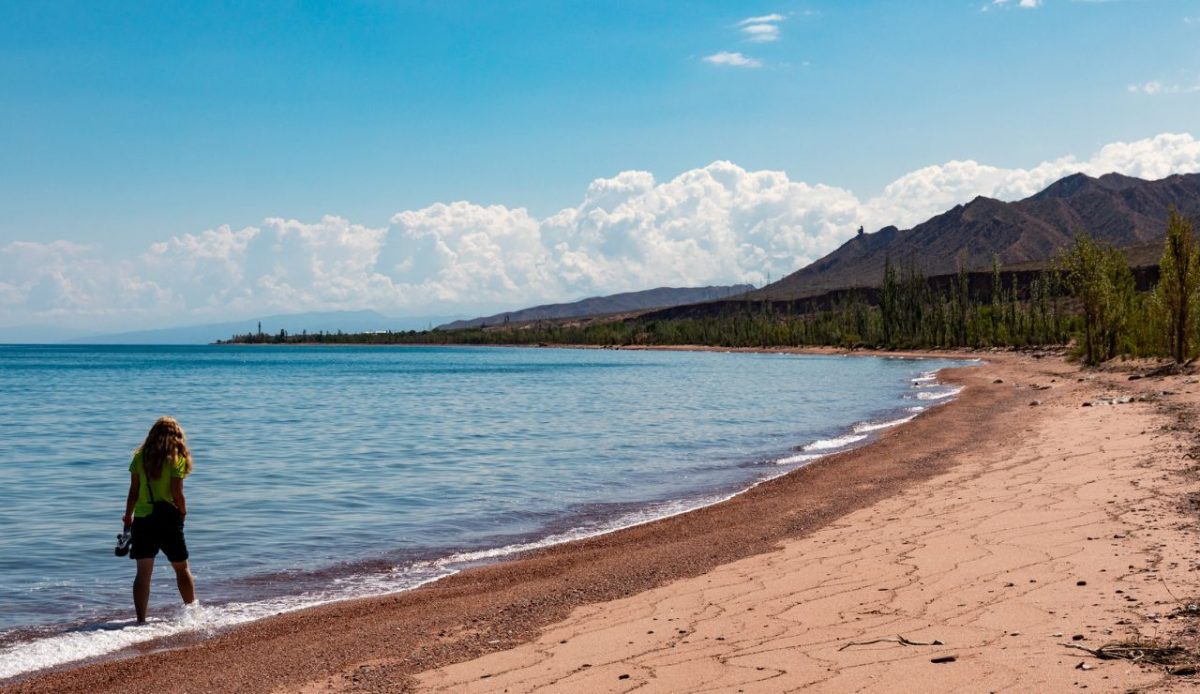
Issyk-Kul Lake, a massive alpine lake in Kyrgyzstan, has long been a local treasure but is gaining international attention for its scenic beauty and recreational opportunities. Surrounded by snow-capped mountains, the lake offers beaches, hot springs, and trekking routes. Villages along the shoreline provide authentic cultural interactions and local cuisine. Recently, improved access and accommodations have made it easier for travelers to explore. Issyk-Kul demonstrates Central Asia’s blend of natural beauty and culture, making it a must-visit for those seeking both adventure and serene landscapes.
