
Border lines can feel like the most unpredictable part of a road trip: one day it’s a quick scan, the next it’s a parking lot with passports. Over the past year, several high-traffic crossings have seen sharper, more frequent spikes tied to staffing, construction, special events, and new screening steps.
The good news is that most surges follow patterns. If you know which ports are prone to sudden backups and why they happen, you can time your run, pick alternates, and set the right expectations.
These seven crossings stand out for recent wait-time jumps that have caught travelers off guard, especially during peak commute and holiday windows.
1. San Ysidro (California–Baja California)
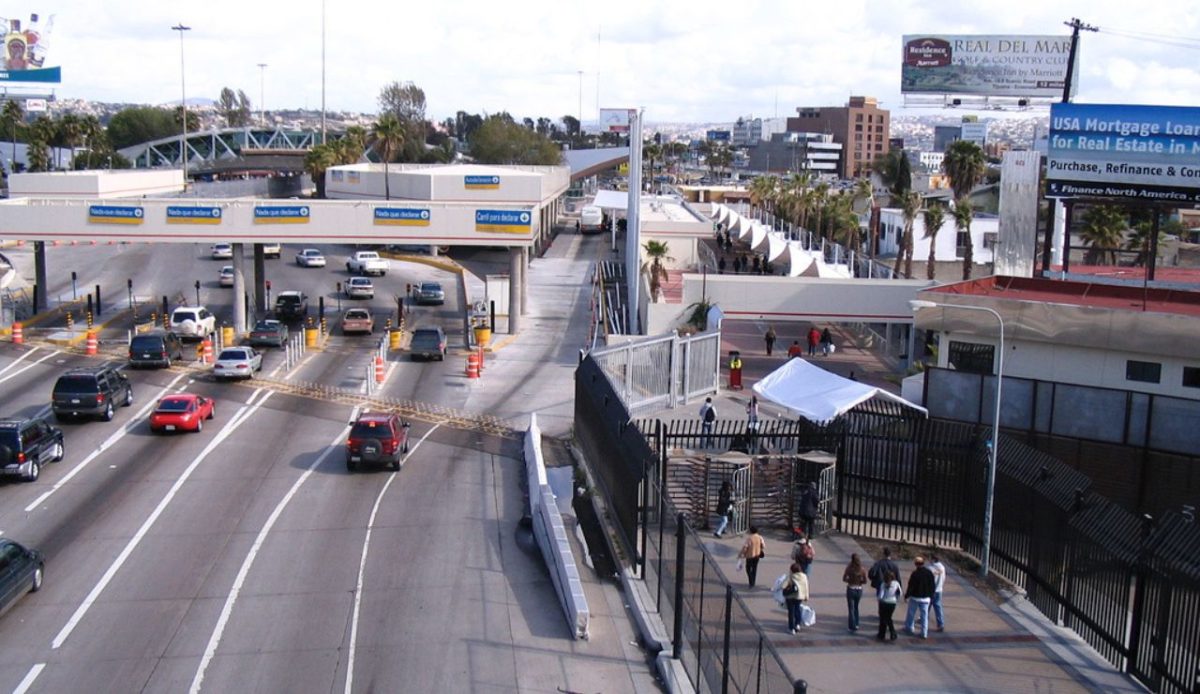
San Ysidro is the busiest land port on the U.S.–Mexico border, so even small slowdowns scale into long lines fast. Waits tend to surge around morning commuter flows into the U.S. and late afternoon returns, when volumes stack up at the same time.
Extra scrutiny on certain days, lane configuration changes, or downstream traffic in San Diego can also ripple backward into the inspection plaza. Pedestrian traffic and vehicle traffic behave differently, so a “quick walk” can still mean a long car wait.
To reduce surprises, check real-time port data before you leave, consider earlier crossings, and avoid arriving right at school and work peak hours.
2. Otay Mesa (California–Baja California)
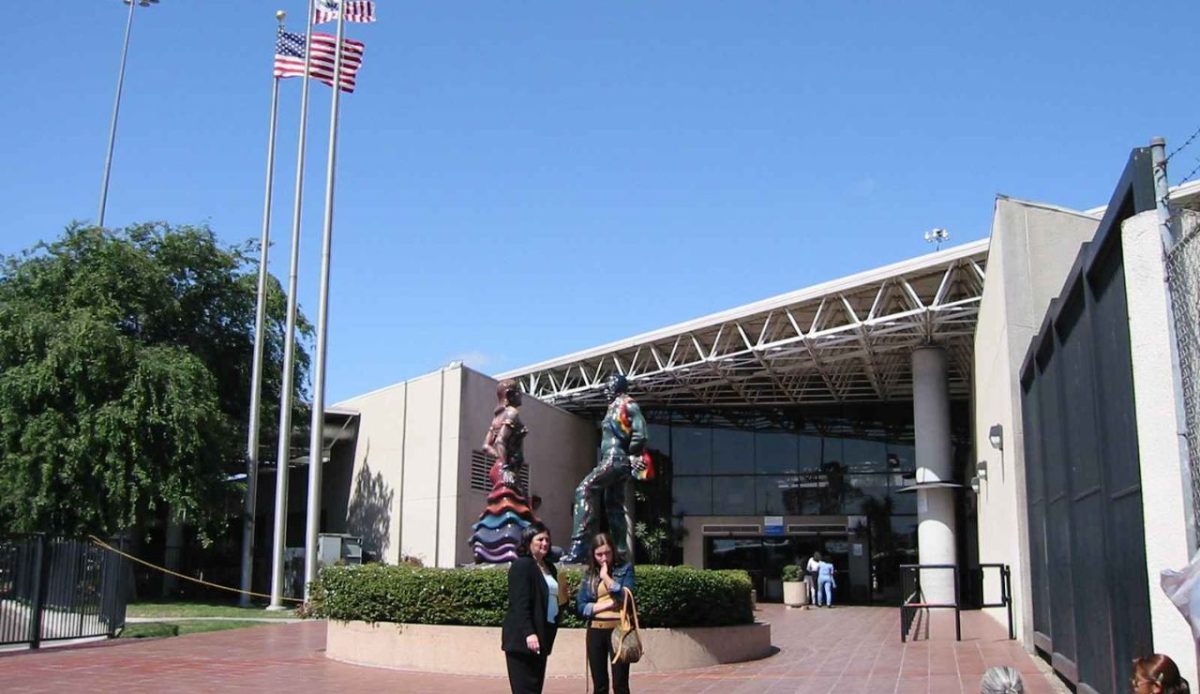
Otay Mesa is a major commercial gateway near San Diego, and passenger vehicles often get squeezed when freight demand surges. Recent spikes show up most clearly overnight and early morning, when staffing and lane availability can be tighter.
Construction in approach corridors, inspection surges for trucks, or overflow from nearby ports can quickly push “normal” waits into the high double digits. Because the port serves both local crossers and long-haul logistics, disruption doesn’t always match tourist expectations.
If you’re not on a fixed schedule, shift to off-peak midday, use trusted-traveler lanes when eligible, and build buffer time if you’re connecting to a flight or rental pickup.
3. Juárez–Lincoln International Bridge (Laredo–Nuevo Laredo)
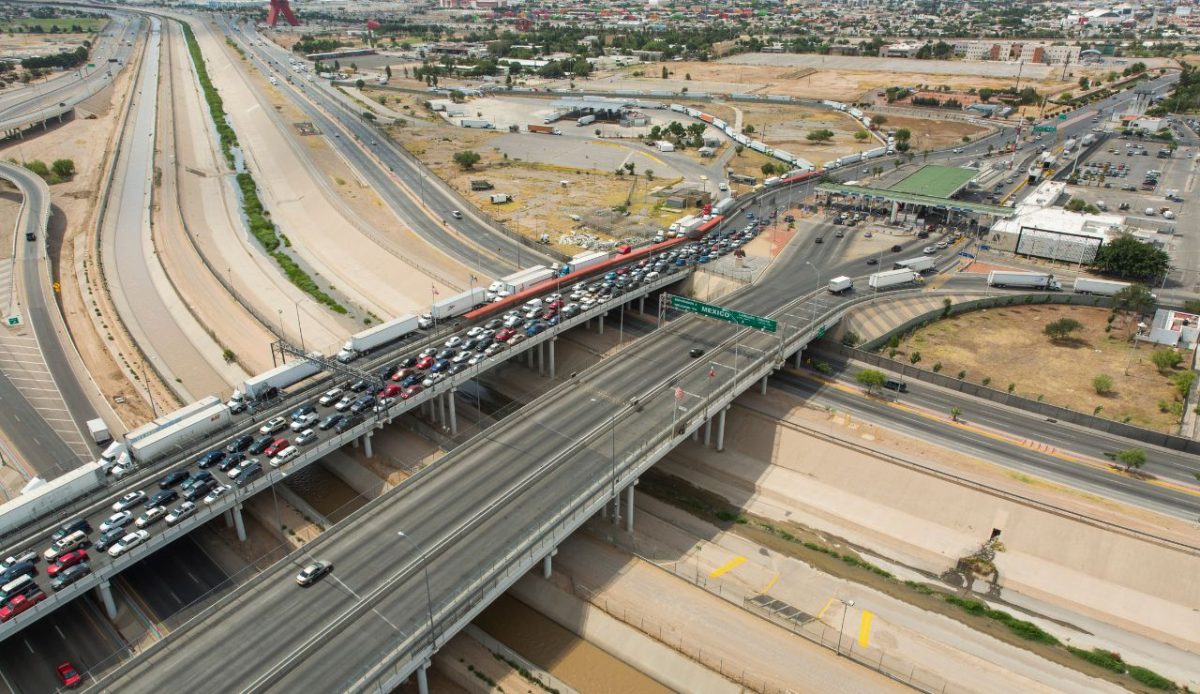
The Juarez–Lincoln International Bridge in Laredo can flip from smooth to snarled when operations change, because it carries heavy local traffic plus commercial spillover. Recent surges have been tied to planned closures and event-related traffic management that temporarily reduce throughput.
When lanes close for setup, security coordination, or scheduled ceremonies, the line doesn’t just grow; it hardens, because drivers have limited alternate routes nearby at the same hour. Even after reopening, queues can linger while the system “catches up.”
If you’re crossing here, watch for CBP advisories, plan a backup bridge in advance, and avoid arriving during early-morning transition periods when closures and reopenings are most disruptive.
4. Ambassador Bridge (Detroit–Windsor)
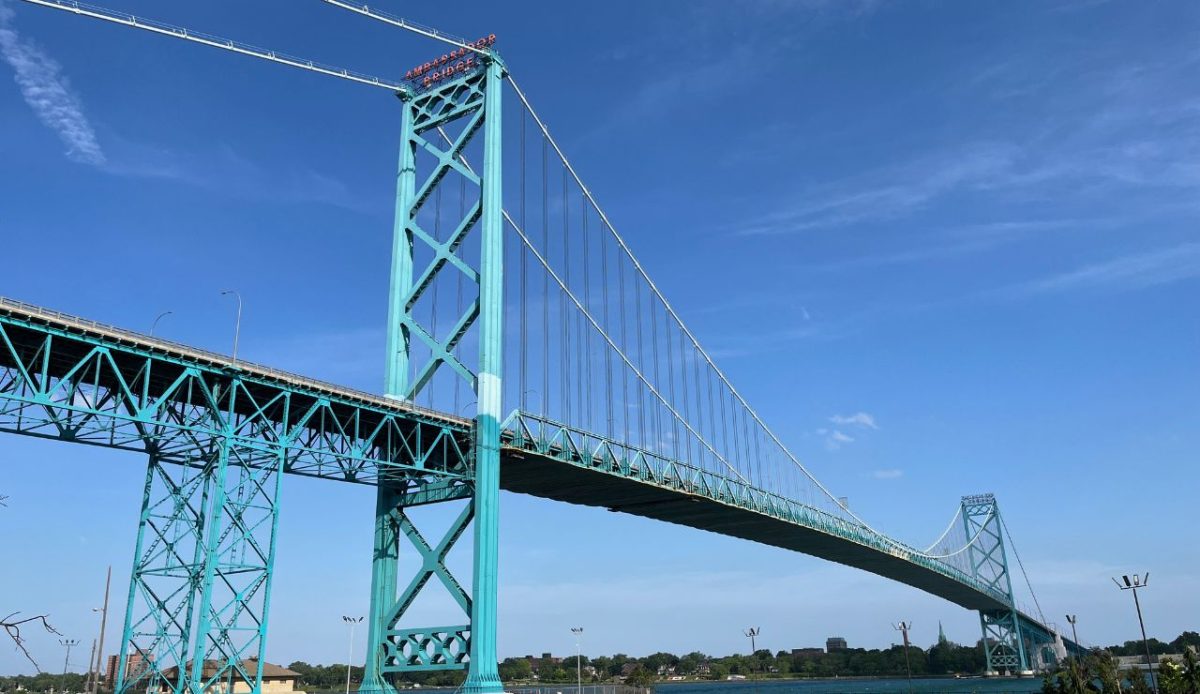
The Ambassador Bridge is a critical Detroit–Windsor link for both travelers and trade, and that mix makes it sensitive to small process changes. Recent spikes often track weekend getaways, major events in either metro area, and periodic slowdowns tied to secondary inspections.
Because the bridge is a chokepoint with limited immediate redundancy, congestion on connecting freeways can feed directly into border queues. Commercial volumes can also rise suddenly, which changes how quickly passenger lanes clear even if you’re not hauling anything.
Before committing, compare bridge conditions with nearby tunnels or alternate crossings, and time your crossing away from Friday afternoons and Sunday returns when demand piles up fast.
5. Peace Arch (Blaine–British Columbia)
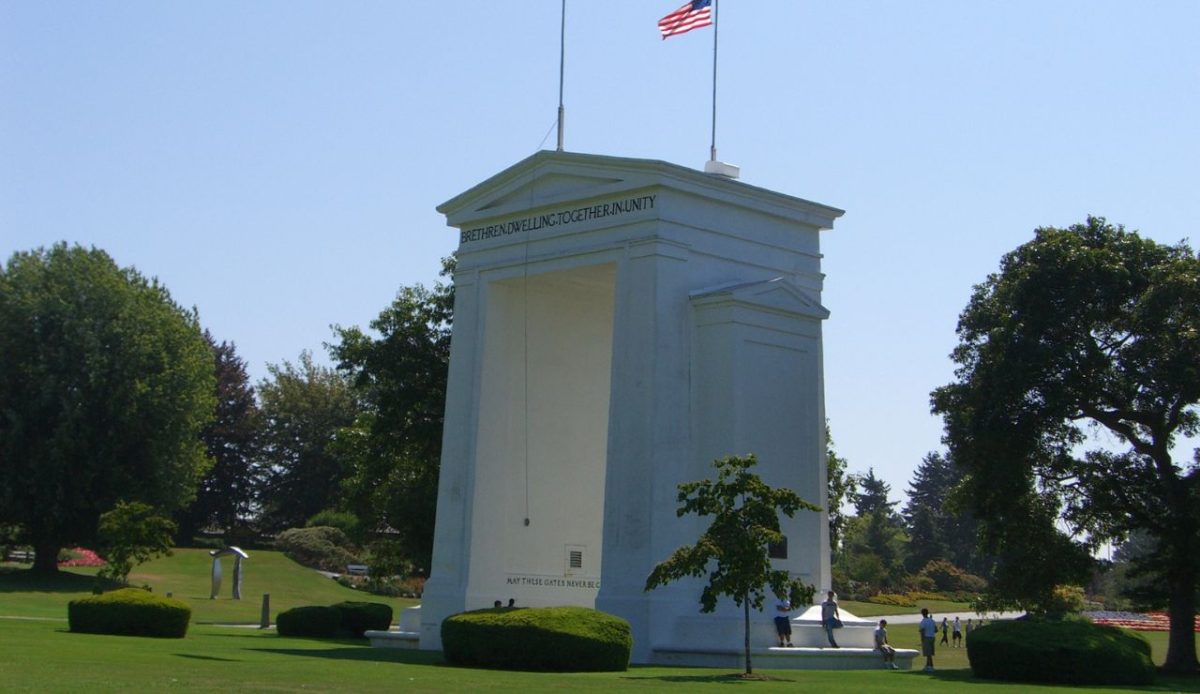
Peace Arch at Blaine sits on the I-5 corridor, so it absorbs everything from Vancouver day-trippers to long-distance West Coast road travel. Recent surges show up when holiday traffic, sports events, or sudden weather-driven travel windows hit at the same time.
Northbound waits can jump quickly because inspection capacity is fixed, and traffic arrives in waves from the interstate. Even when the “current wait” looks calm, a single burst of vehicles can change the picture within an hour.
Your best defense is timing: cross midweek when possible, avoid late-morning weekend peaks, and keep an alternate like Pacific Highway or Sumas in your pocket if the I-5 approach starts to back up.
6. Port of Dover (England–France ferry routes)
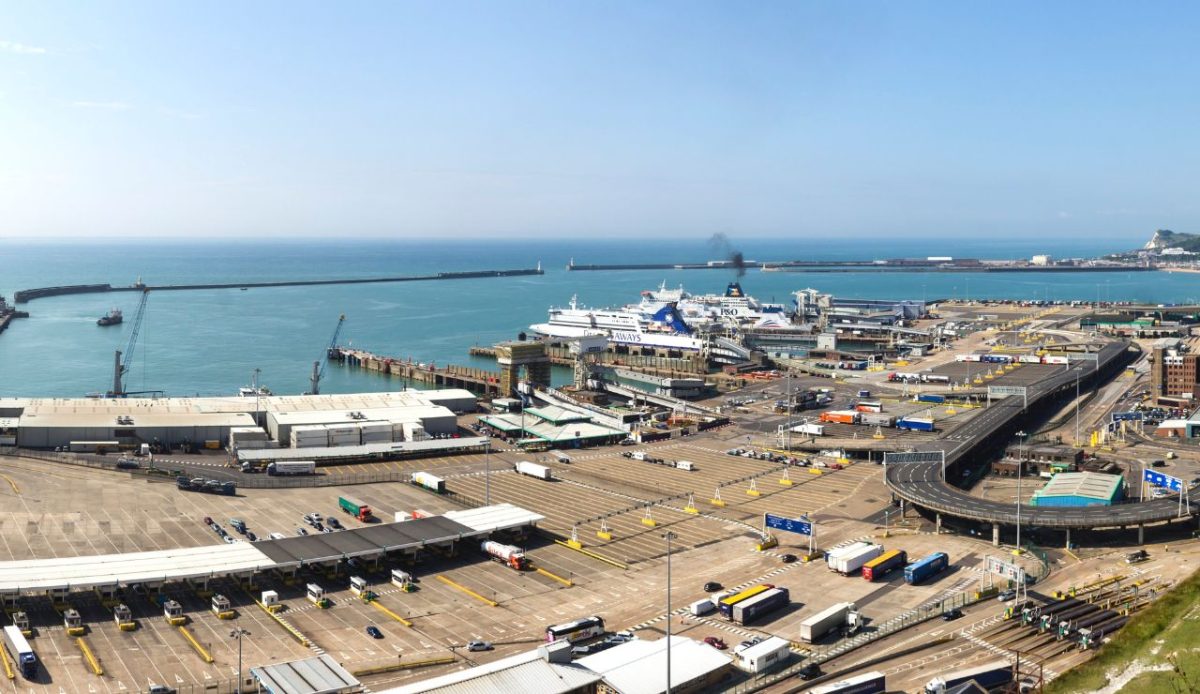
The Port of Dover is unique because French border controls are performed on the UK side for many ferry routes, so a problem across the Channel can still gridlock Kent. Recent holiday-period surges have been amplified by French border-control IT failures that forced slower, manual processing.
When checks slow down, queues don’t just form at booths; they spill onto approach roads, and traffic management plans can kick in to prevent local roads from locking up. That can make a “short” delay feel longer because you’re stationary far from the terminal.
If you’re heading this way, don’t cut it close: arrive within the port’s advised window, keep route updates on, and expect the biggest spikes early morning through midday on peak travel weekends.
7. Eurotunnel (Folkestone–Coquelles)
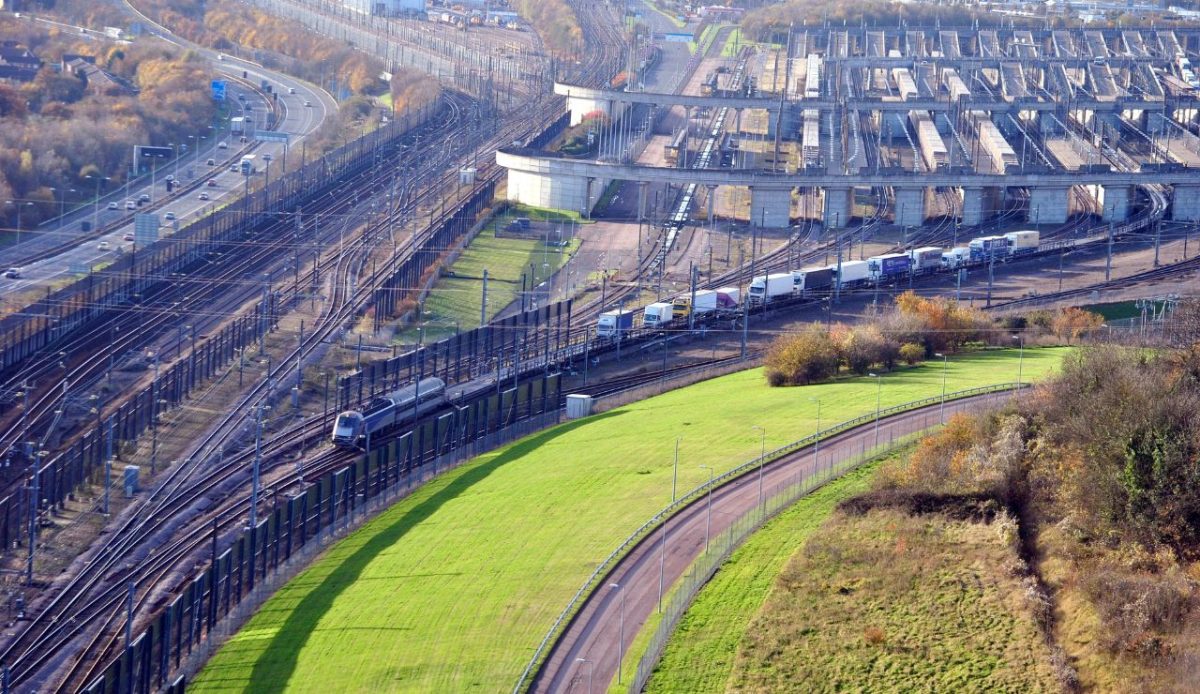
Eurotunnel’s Folkestone–Coquelles shuttle can feel faster than ferries, until border processing becomes the bottleneck. Recent spikes have been linked to the same French system outages that hit Dover, plus the broader transition toward biometric entry procedures under the EU’s phased Entry/Exit System rollout.
The tunnel moves vehicles efficiently, but if passport checks or kiosk steps slow, the queue builds in the holding areas and can stretch back toward the motorway. Because departures run frequently, the line can look manageable and then suddenly jump.
To keep it predictable, travel off-peak, have documents ready before you reach the booths, and treat school breaks and holiday changeover days as “high risk” for multi-hour waits.
