
Airport lounges are sold as calm, comfortable spaces, but the reality can feel awkward when expectations meet policy. Many lounges run at capacity, enforce rules tightly, and offer limited amenities compared with the marketing photos.
This guide explains seven common lounge experiences that can make travelers feel exposed or out of place, from crowded seating to strict entry checks. It’s not about shaming airports; it’s about knowing what can happen.
If you plan ahead, arrive earlier, read the access rules, and set realistic expectations, you can still get value from a lounge without the cringe moments that catch people off guard and avoid surprises at the door.
1. The “no seats left” lounge
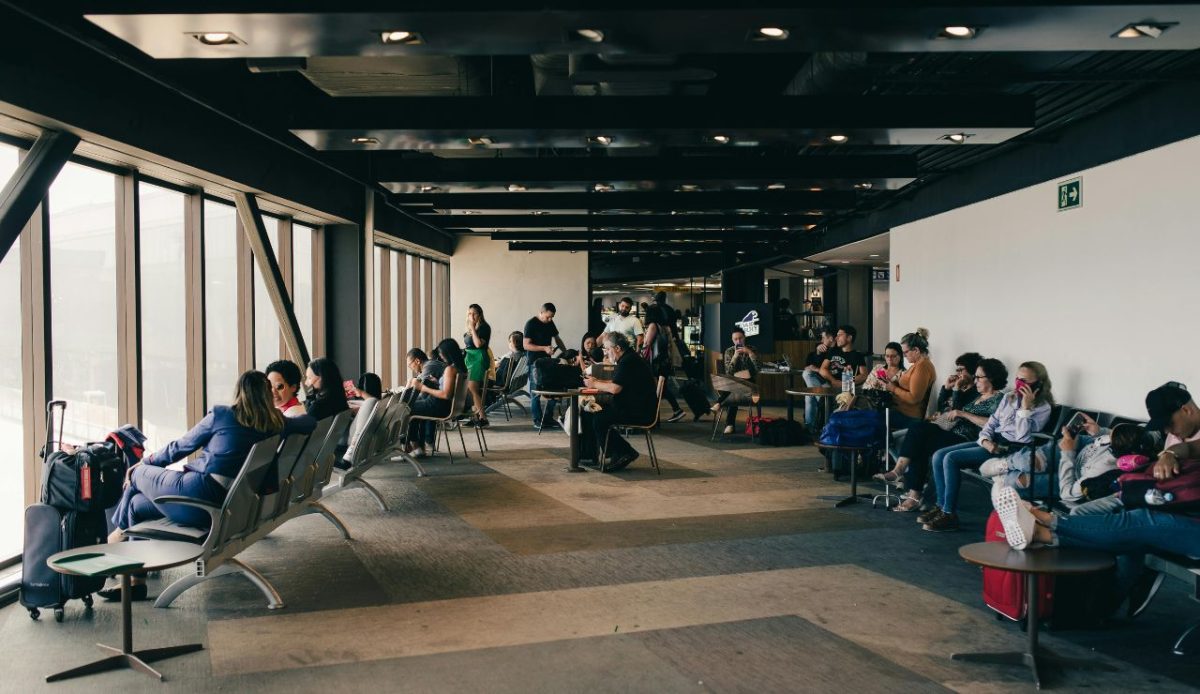
You scan your boarding pass with confidence, then walk into a room packed tighter than the gate area. Staff may point you toward a high-top table, a corner stool, or a seat beside someone’s luggage because every chair is taken.
Overcrowding is common during peak bank times, weather delays, and holiday weekends. Some lounges oversell memberships or day passes, and airline disruptions push more people inside at once.
The humiliation isn’t personal, it’s the mismatch between “premium” and “standing-room only.” A quick check of lounge capacity policies and arriving earlier can reduce the odds of this scene, especially on tight connections.
2. The access desk interrogation
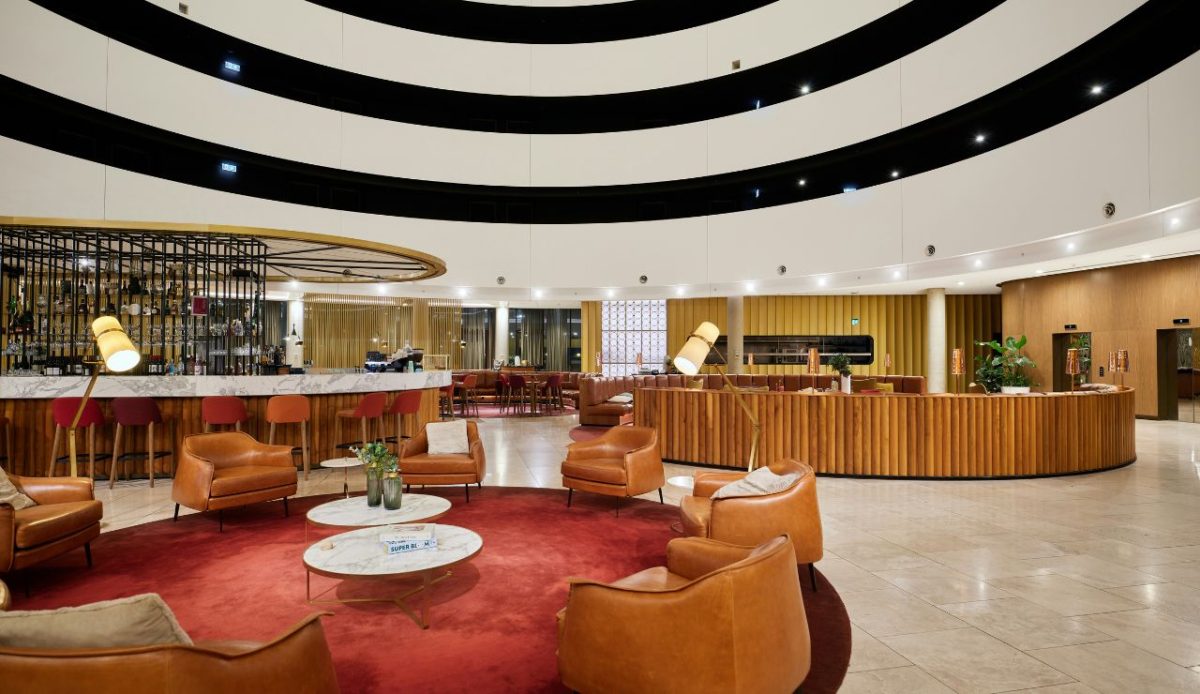
At the entrance, a friendly vibe can flip into a rules audit: flight must be same-day, partner airline only, boarding group restrictions, or time windows like “no entry more than three hours before departure.” One missing detail and you’re turned around.
This happens most with credit-card lounge programs, codeshares, and third-party passes. Terms change, and agents are trained to enforce them consistently, even when signage is unclear.
Getting denied in front of a line feels rough, but it’s avoidable. Confirm eligibility in the app, carry your physical card if required, and know the exact lounge network tied to your benefit.
3. The food spread that looks… tired
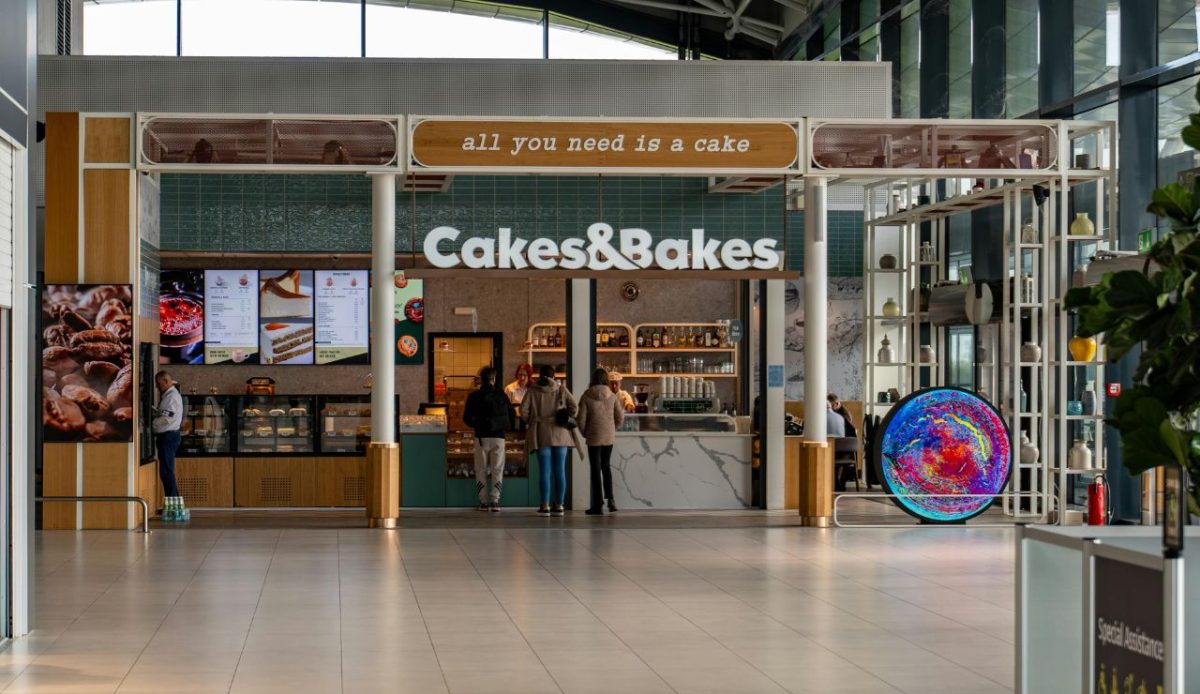
You grab a plate expecting a hot buffet, then find lukewarm pasta, empty salad bowls, and a soup pot that’s been scraped clean. Staff may be rotating items slowly, and the “chef station” is sometimes a closed counter during off-hours.
Catering budgets vary by airport, time of day, and lounge category. When flights bunch up, food runs out faster than it can be replenished, and some lounges prioritize packaged snacks over cooked options.
It can feel embarrassing to hunt for the last yogurt like it’s a scavenger game. Eat a small meal before arriving, and treat lounge food as a bonus rather than the main event.
4. The Wi-Fi and power outlet struggle

You sit down to work, then realize the outlet is loose, blocked by furniture, or already claimed by a tangle of chargers. The Wi-Fi may require repeated logins, time out, or slow down to a crawl when the room is full.
Lounges aren’t always built for today’s device load, especially during peak hours. Older terminals have fewer circuits, and retrofits don’t keep up with travelers streaming, video calling, and syncing large files.
Nothing says “premium” like crawling under a chair for power. Bring a battery bank, download files before the airport, and consider switching to a mobile hotspot when the lounge network gets congested.
5. The shower that’s “available” in theory
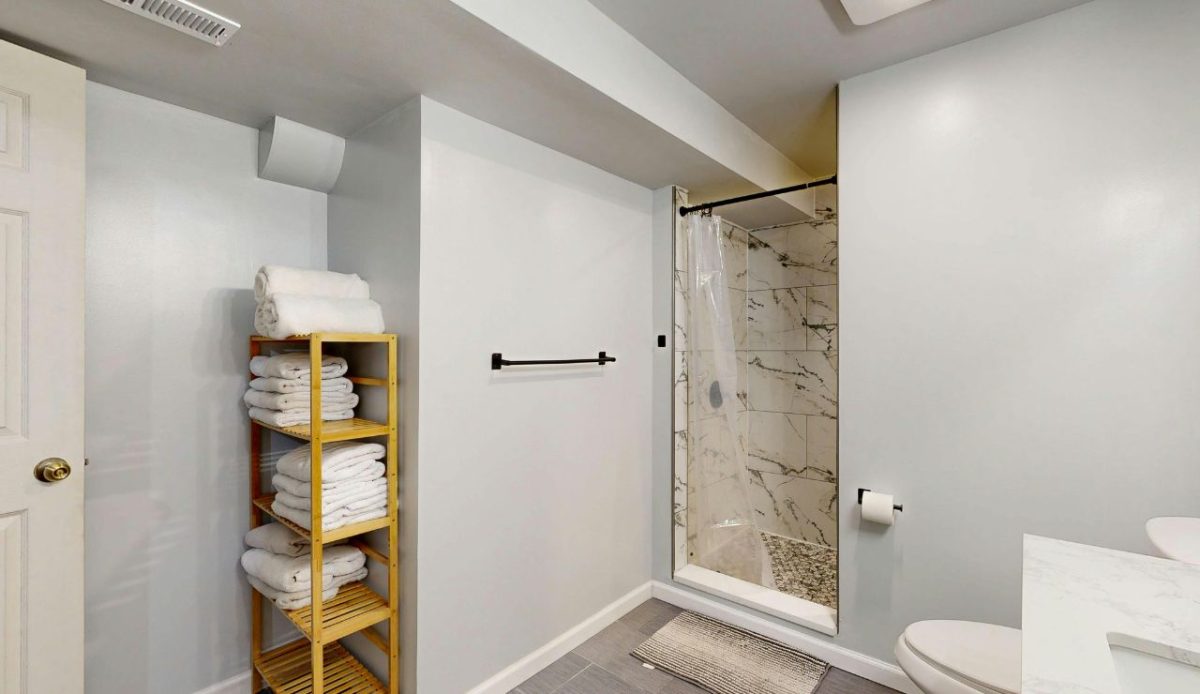
A shower suite sounds like the ultimate reset, until you learn there’s a waitlist, limited slots, or a time cap that starts the moment you check in. Some lounges require you to ask for keys at the desk, which can feel awkward in a crowded lobby.
High demand is normal on long-haul corridors and during morning departures. Cleaning cycles take time, and many locations have only a handful of rooms serving hundreds of guests.
The uncomfortable part is hovering for your turn while carrying a toiletry bag like a signal flare. Put your name down early, keep expectations realistic, and pack quick-dry essentials to reduce stress.
6. The “quiet zone” that isn’t quiet

Some lounges advertise calm spaces, yet the reality includes loud speakerphone calls, kids running between seats, and clinking dishes echoing off hard surfaces. If you complain, you may feel like the problem is wanting silence.
Airport acoustics are tough, and lounges often prioritize maximizing seating over sound control. When delays stack up, even well-managed rooms become noisy because everyone is stuck longer.
The awkward moment is putting on headphones and pretending the chaos is fine. Choose corners away from bars and buffets, use noise-canceling earbuds, and consider the gate area if it’s actually calmer.
7. The upsell and “premium tier” reminder
You finally get in, then discover half the space is roped off for a higher tier: reserved tables, better drinks, or a separate room behind a door. Staff may suggest an upgrade, and the contrast can make standard access feel second-class.
Airports and lounge operators segment guests to manage demand and revenue. It’s similar to airline cabins: more benefits for higher fees, especially in hubs where space is scarce.
It can feel humiliating to be visibly redirected to the basic area, but it’s structural, not personal. Know what your pass includes, and pick lounges where the standard offering still meets your needs.
