
Mexico City has seen street actions that connect rising rents, packed streets, and shifting storefronts to more U.S. remote workers and short-stay visitors.
Roma, Condesa, and Reforma corridors became focal points because landlords can price in dollars and because short-term rentals often compete with long leases for the same units.
Organizers cite wage gaps and exchange rates, arguing that local pay cannot keep up when newcomers bid higher. The sections below summarize documented protests in 2025 and early 2026, focusing on the mechanism from housing pressure to public mobilization, the chosen routes, and the state response on the day.
1. July 4, 2025, Roma And Condesa March
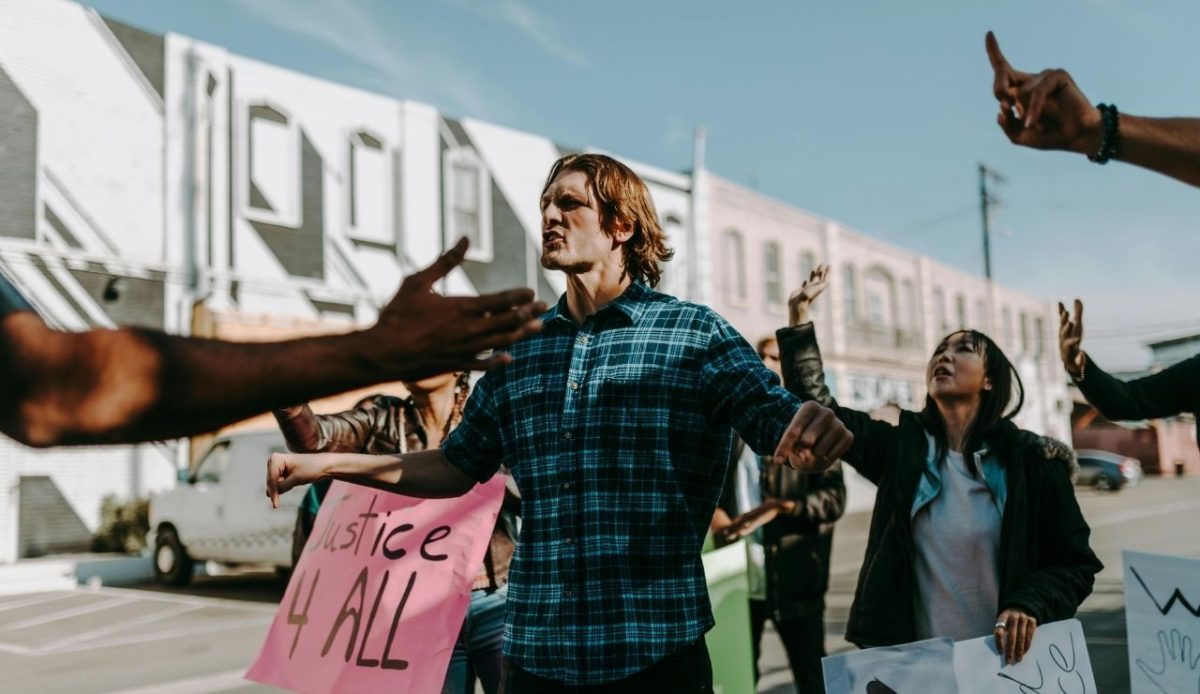
A march on July 4, 2025, moved through Roma and Condesa, districts where rent resets and eviction pressure have been widely reported as demand shifted toward short stays.
Placards attacked gentrification, and some chants targeted Americans, linking dollar income to higher asking prices, English-first marketing, and cafés priced for visitors instead of residents.
Graffiti and minor damage were reported in the area, while most of the crowd stayed orderly. Police shadowed the route and kept traffic moving, treating it as a public order event. The protest drew attention because blame was aimed at a traveler category, not only at city hall or developers.
2. July 20, 2025, Tlalpan Housing Rally
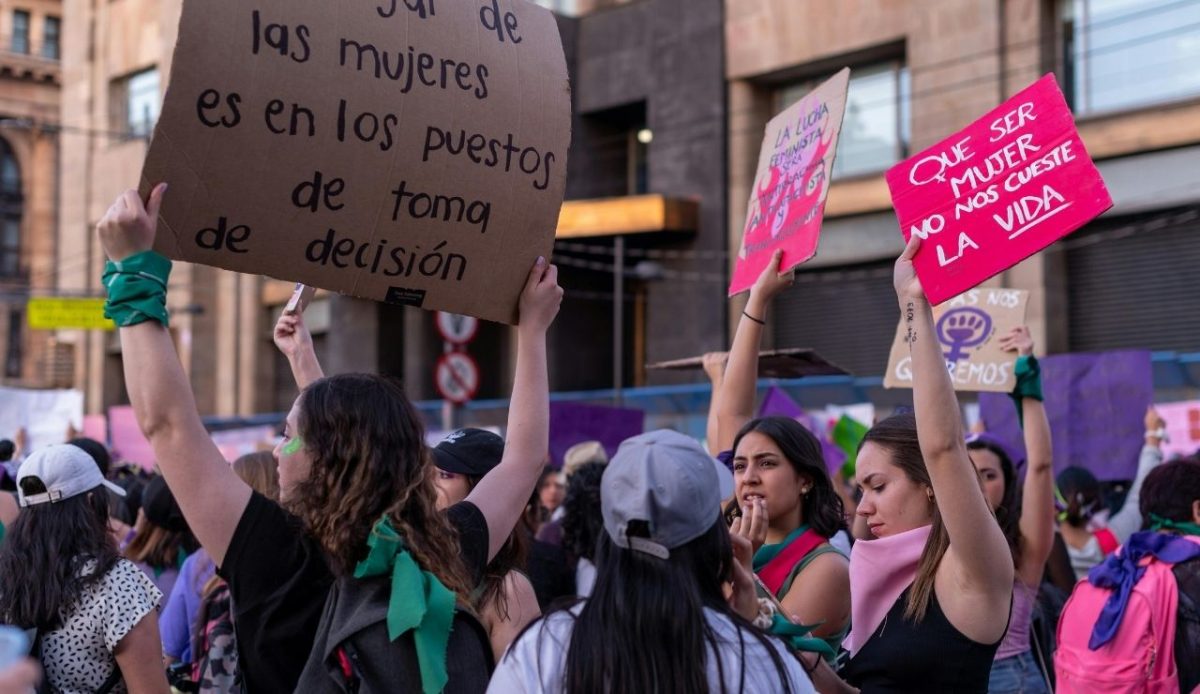
On July 20, 202,5 a rally in Tlalpan framed housing stress as a predictable outcome of global demand meeting limited supply in the south of the city, where new listings have climbed.
Organizers tied the issue to World Cup planning and to remote work migration, arguing that speculation rises when international events raise visibility and investors expect higher yields.
Speeches focused on lease conversion to short-term rentals and on landlords who screen for foreign pay stubs. Officers monitored intersections, and the crowd dispersed without major clashes, showing how a neighborhood march can pressure policy without confronting the police line.
3. July 26, 2025 Reforma To U.S. Embassy March
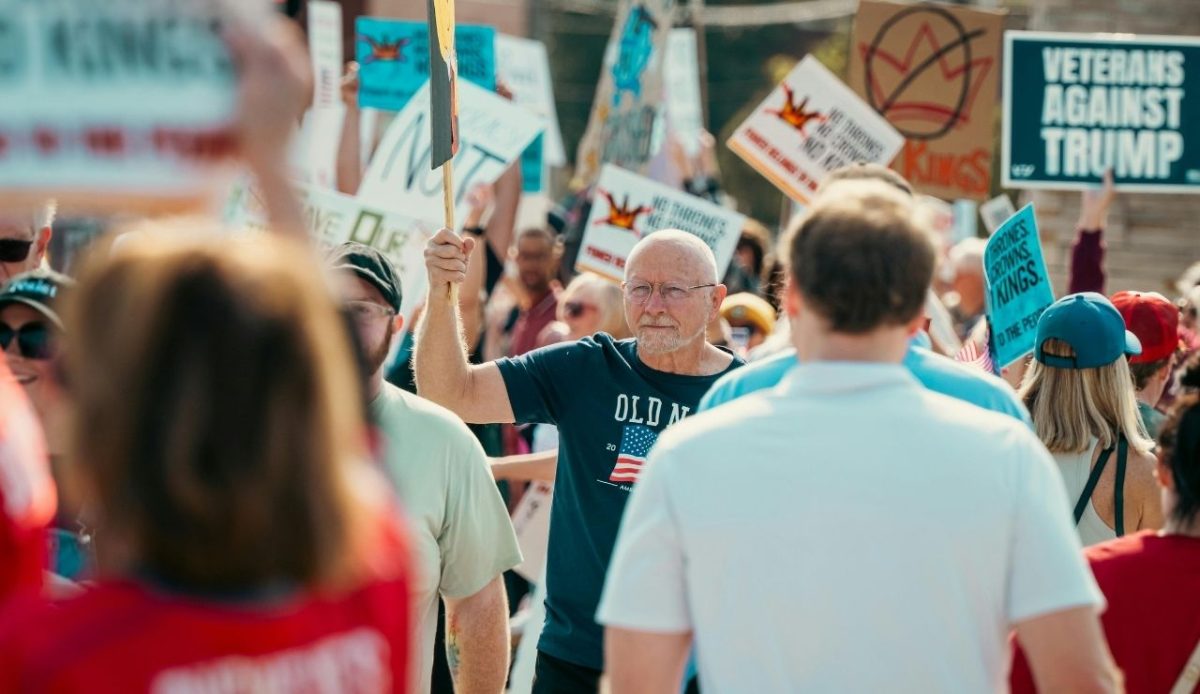
On July 26, 2025, protesters gathered at the Hemiciclo a Juárez and marched along Reforma toward the U.S. Embassy, using a weekend route built for visibility and media capture.
Messages linked American arrivals to rent inflation, arguing that exchange rate advantages let newcomers outbid locals and shift retail toward higher margins and English service.
Barriers and police lines were placed near the embassy, so the march functioned as a pressure signal rather than an attempt to enter the compound. Crowd control relied on channeling movement and preventing bottlenecks. The event shows how symbolism, not distance, can define a protest target.
4. August 2025 UNAM Rectoría Gathering
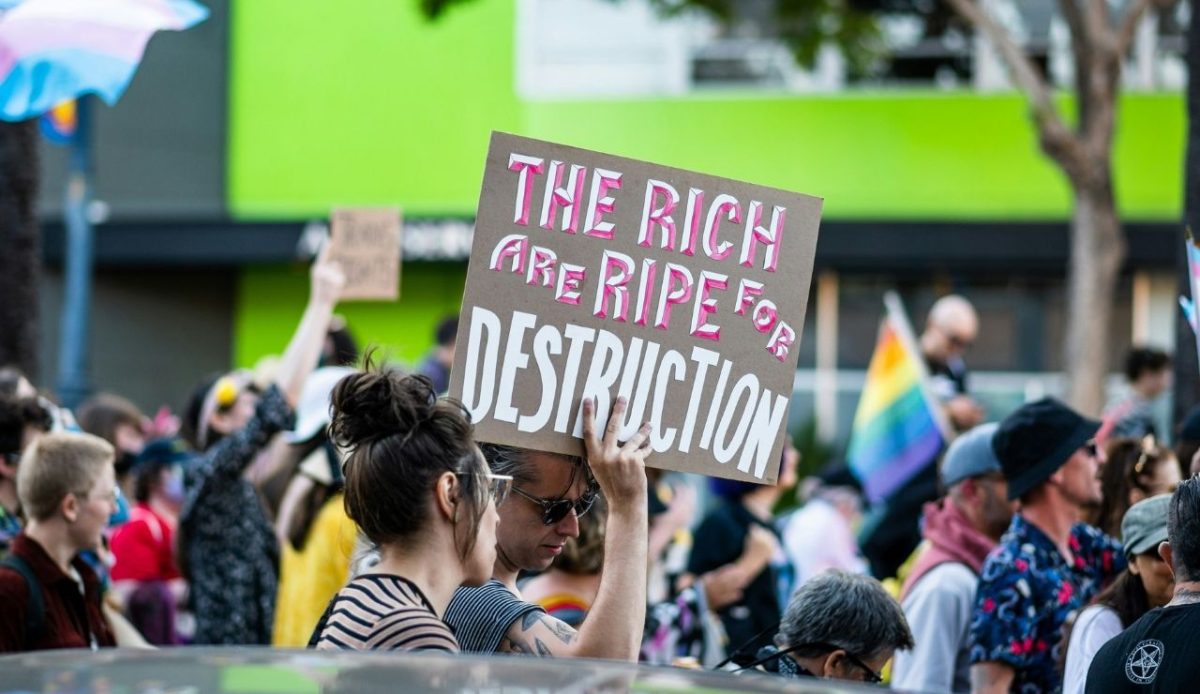
In early August 2025, a protest at UNAM near the Rectoría argued that gentrification is not only a housing topic but also a barrier to study and cultural life.
Participants described longer commutes as central rooms become unaffordable and claimed that U.S. digital nomads raise demand for furnished units that students once rented.
Reports from that period noted property damage linked to anti-gentrification actions, though the core gathering emphasized speeches and banners. University security and city police maintained separation and limited escalation. The campus setting shifted the debate from nightlife districts to public institutions.
5. September 14, 2025 Hemiciclo Protest
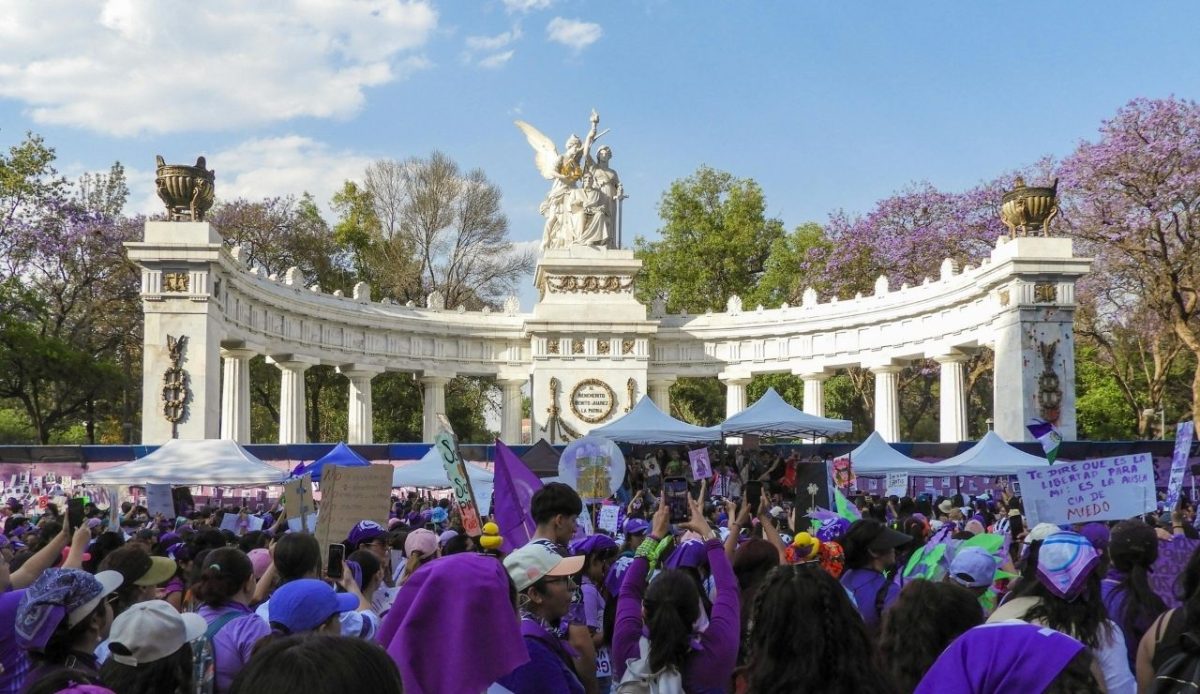
On September 14, 2025, activists returned to the Hemiciclo a Juárez for another anti-gentrification demonstration that had been flagged in advance by travel security alerts.
The messaging again referenced Americans and the peso dollar gap, arguing that a city can be priced for outsiders even when national wage growth stays flat.
Demands centered on stricter oversight of short-term rentals, clearer tenant protections, and enforcement against illegal conversions of residential stock. Police presence stayed visible but hands off, with officers watching for vandalism and keeping lanes open. The repeated use of the same plaza shows how movements build continuity through place.
6. January 2026 Polanco World Cup Protest
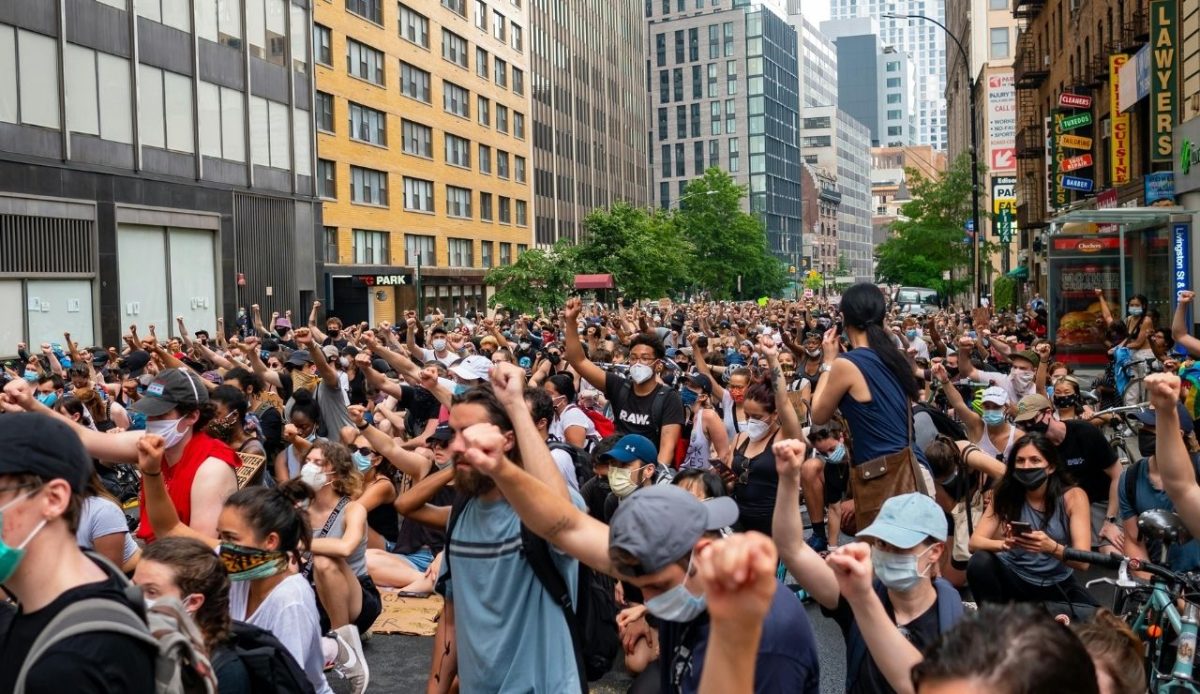
In January 2026, a protest near a World Cup installation in Polanco criticized upscale development and the tourist economy that follows major sporting branding.
Speakers argued that American newcomers concentrate in high amenity districts, encouraging landlords to seek dollar equivalent rents and encouraging businesses to chase higher spend.
Security reporting from that period warned of demonstrations with anti-gentrification themes, and the event was managed with basic crowd control and staged dispersal. The mechanism was indirect, with global marketing feeding speculation that then filters into leases. Polanco served as a shorthand for who benefits from the shift.
