
Honduran violence is shaped by territorial street gangs, prison influence, and smaller crews that borrow famous names. Money often comes from extortion and local retail drug sales, which drives intimidation of homes, buses, and shops.
Deadlier than ever can be misleading because national homicide rates have changed over time, yet localized killing bursts still occur. When control shifts, murders can rise fast as rivals test borders and punish suspected informants.
This article lists fifteen groups cited in institutional reporting. Each section explains why the group can be lethal in daily life, focusing on recruitment pressure, extortion enforcement, and the role of prisons, without operational guidance.
1. Mara Salvatrucha 13 (MS-13)
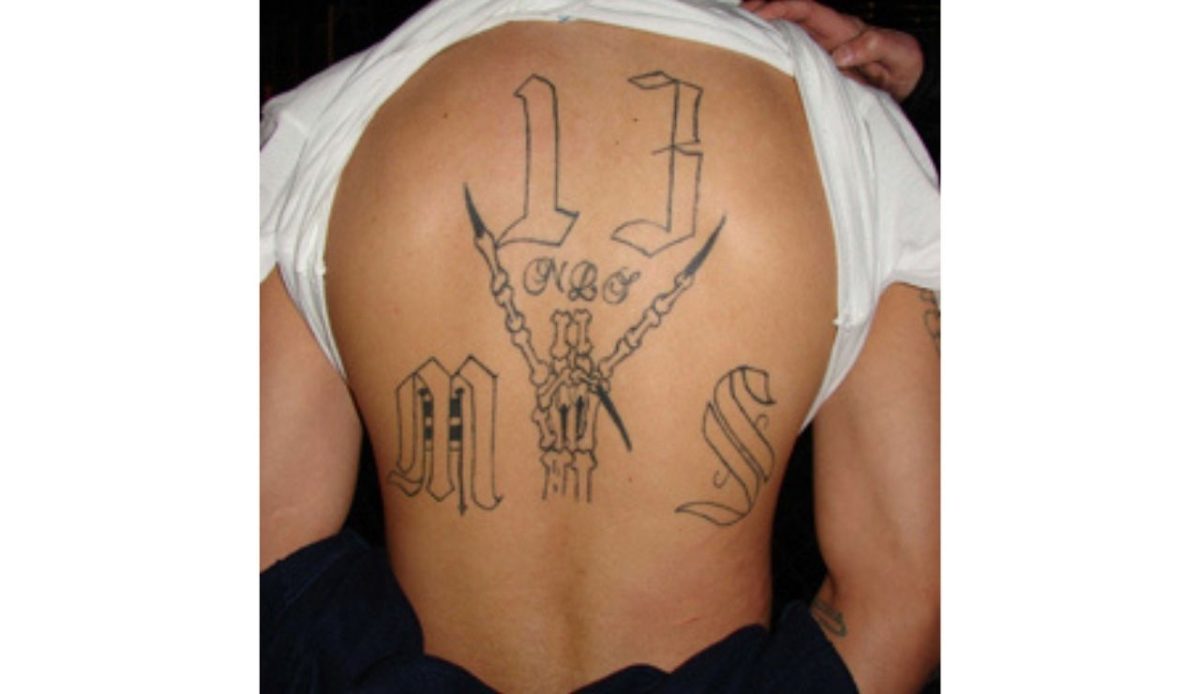
MS-13 operates through neighborhood cliques linked by prison channels and cross-border ties. Orders can be relayed from locked units, so arrests on the street do not always break command. Public discipline is used to keep members aligned.
Extortion acts as a tax on transit, markets, and informal deliveries. Payment refusal is answered with threats, arson, or selective shootings meant to be seen by the community. Shopkeepers can be pushed to close or move after warnings.
Risk rises when a family is tagged as allied with a rival or the police. Teens are pressured into courier work and lookouts, while escape is complicated because relocation may be tracked via relatives. Witnesses may stay silent because retaliation is expected.
2. Barrio 18 (Pandilla 18)
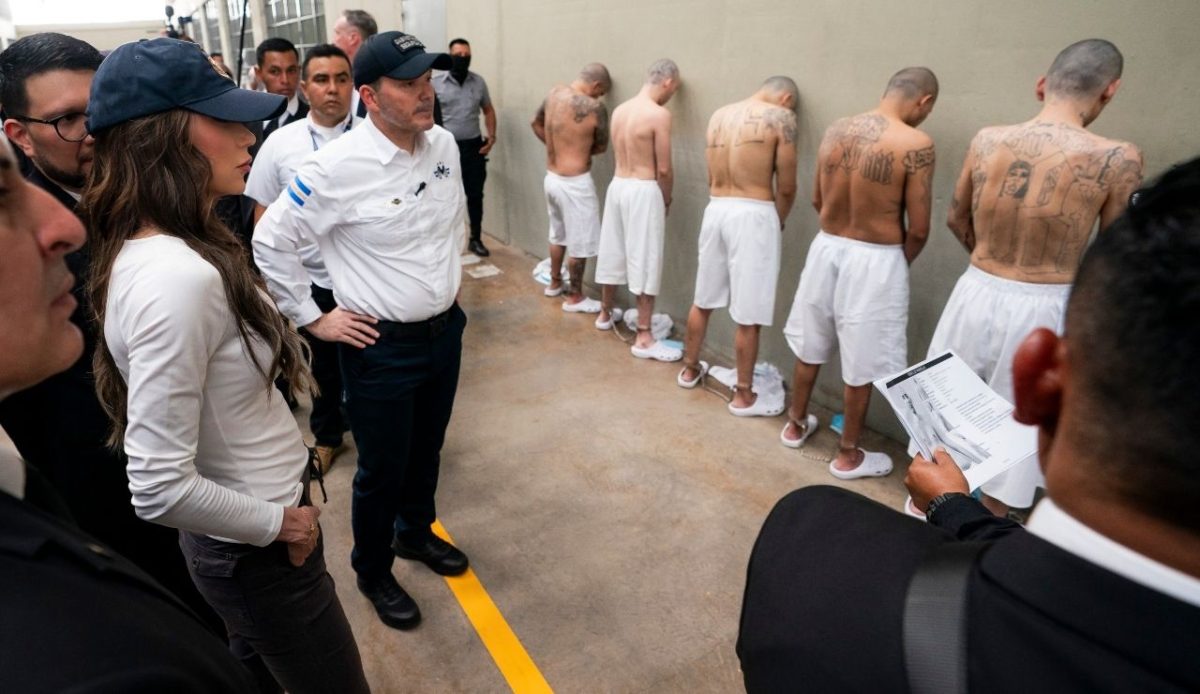
Barrio 18 in Honduras is organized into competing factions that can feud even inside the same city. Control is maintained through neighborhood checkpoints, graffiti marking, and messaging networks that survive police sweeps.
Violence is often triggered by disputed street corners and extortion routes. Bus drivers, mototaxi operators, and corner stores can be charged fixed weekly amounts, and nonpayment can lead to beatings or killings used as deterrence.
Community risk grows when residents cross an invisible boundary to work or visit family. Young people may be coerced into joining by promises of protection, then punished for trying to quit. Mothers are often left to negotiate threats alone.
3. Los Chirizos
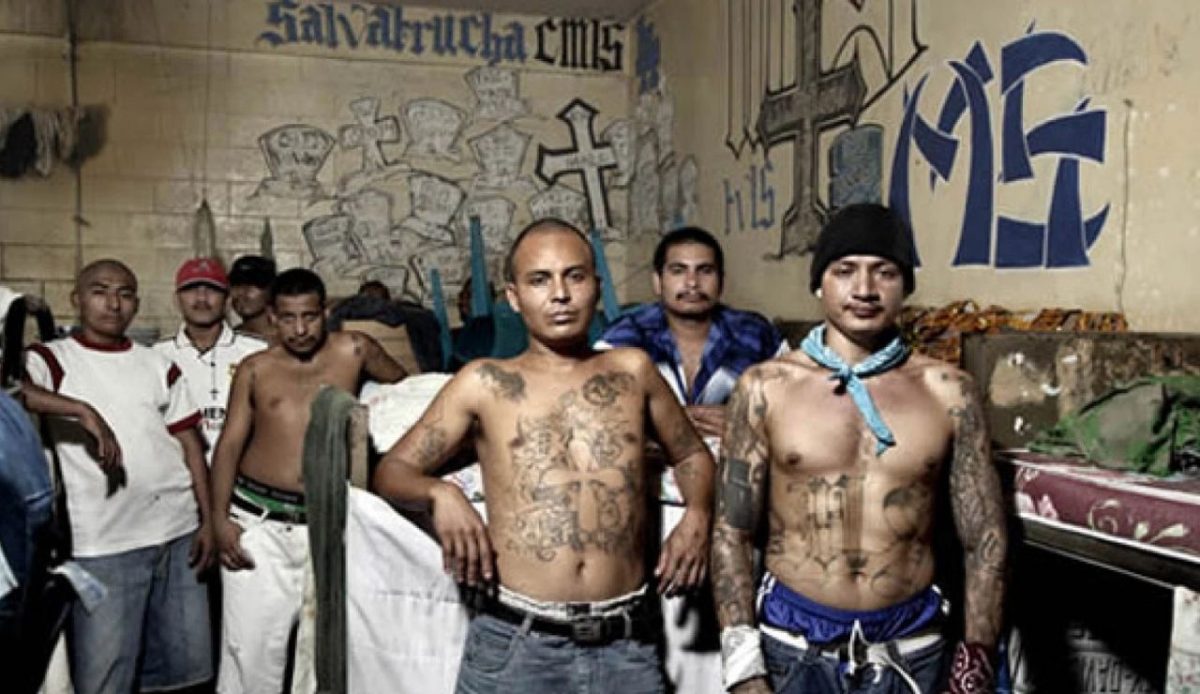
Los Chirizos is often framed as a small structure that thrives in areas where big gangs are stretched thin. It can function as an extortion crew, borrowing fear linked to larger brands while staying locally rooted.
Rather than a citywide rule, pressure is applied to specific economic nodes such as market stalls, neighborhood bars, and delivery routes. Victims may be told that payments are for security, yet the same group controls the danger.
Deadliness comes from unpredictability and weak mediation channels. A dispute that a major gang might settle through elders can be handled with quick shootings. Residents face uncertainty because the group can shift alliances without notice.
4. Los Olanchanos
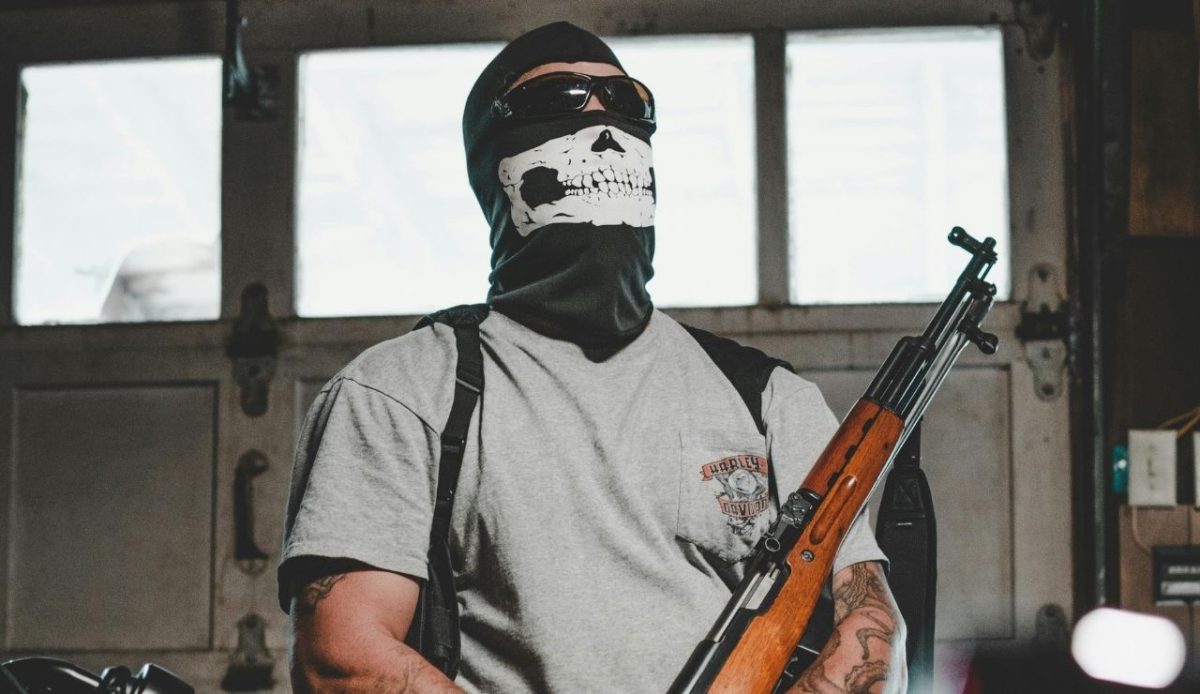
Los Olanchanos is used as a label for a network associated with people from Olancho and linked to trafficking style violence in some reporting. In urban settings, the name can also refer to a crew that competes with street gangs.
Unlike classic barrio gangs, such networks may rely on hired shooters and corruption rather than mass recruitment. Attacks can be planned to remove rivals or intimidate witnesses, which raises lethality even with fewer members.
Risk tends to concentrate near transport corridors and safe house zones. Because ties can extend into business or politics, victims may doubt that complaints will be protected. Fear rises when cases stall, and suspects are seen moving freely.
5. Vatos Locos
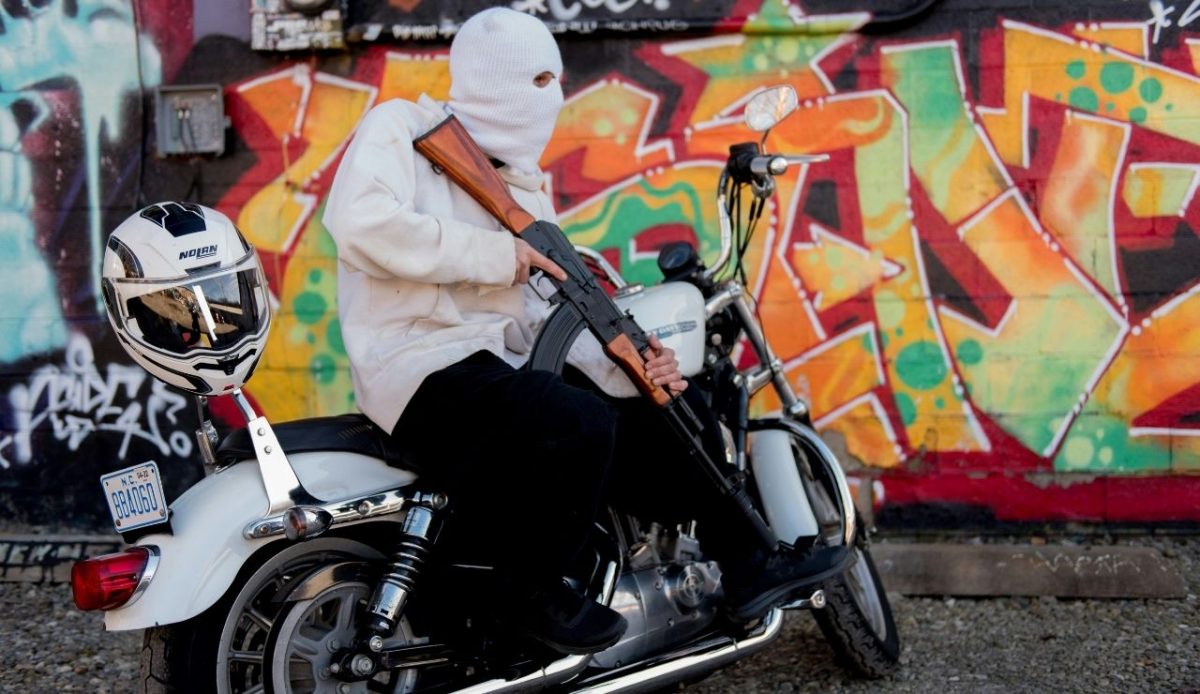
Vatos Locos is reported as a neighborhood gang presence in parts of San Pedro Sula, where micro territories can change block by block. Its strength comes from local knowledge and quick regrouping when members are detained.
Extortion demands can focus on informal vendors, corner groceries, and household remittances. The group may send collectors who rotate often, making identification harder. Violence serves to show that refusal will reach the whole street.
Daily life becomes risky because residents must guess which side controls a short route. A wrong turn may be read as spying. Teen boys are watched closely, while girls can face coercion through relationships that later become traps.
6. Los Tercereños
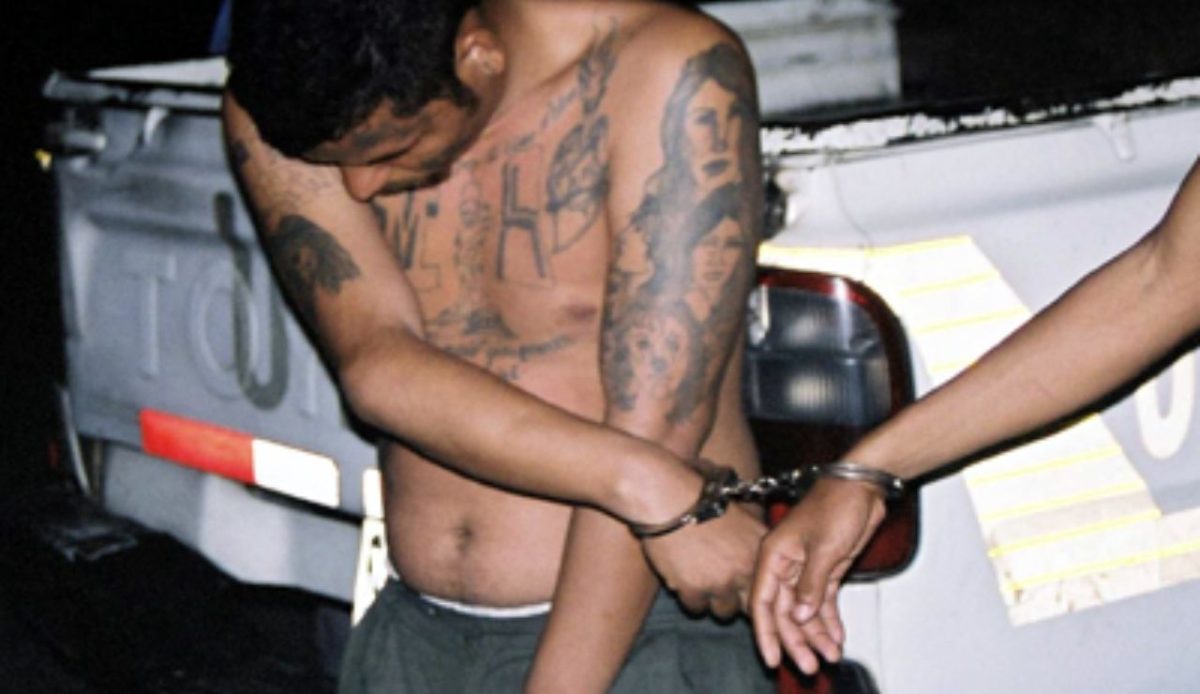
Los Tercereños is noted as a neighborhood rival in the Rivera Hernández zone, a sector known for dense housing and fragmented control. Its identity is linked to specific blocks, which makes departures feel like betrayal.
Conflict often centers on who collects extortion from transport routes and who controls entry to alleys. When a rival pushes in, shootings can escalate quickly because both sides fear appearing weak. Civilians are caught in the middle.
Deadliness is amplified by proximity. Homes, schools, and shops sit within the contested space, so stray rounds can hit bystanders. People may be forced to host members or store items, which increases risk if police raid the area.
