
The smartest vacation meal is not always the fanciest one. Sometimes it is the food sitting in plain sight.
Travelers often spend weeks choosing flights, hotels, and tours, then treat food like an afterthought. That is where a surprising amount of money, energy, and local flavor can disappear. The meals below are not risky dares or luxury splurges. They are practical vacation foods people pass by because they seem too ordinary, too unfamiliar, or too inconvenient. Skip them without thinking, and the trip can get pricier and less memorable fast.
Hotel Breakfast Eggs
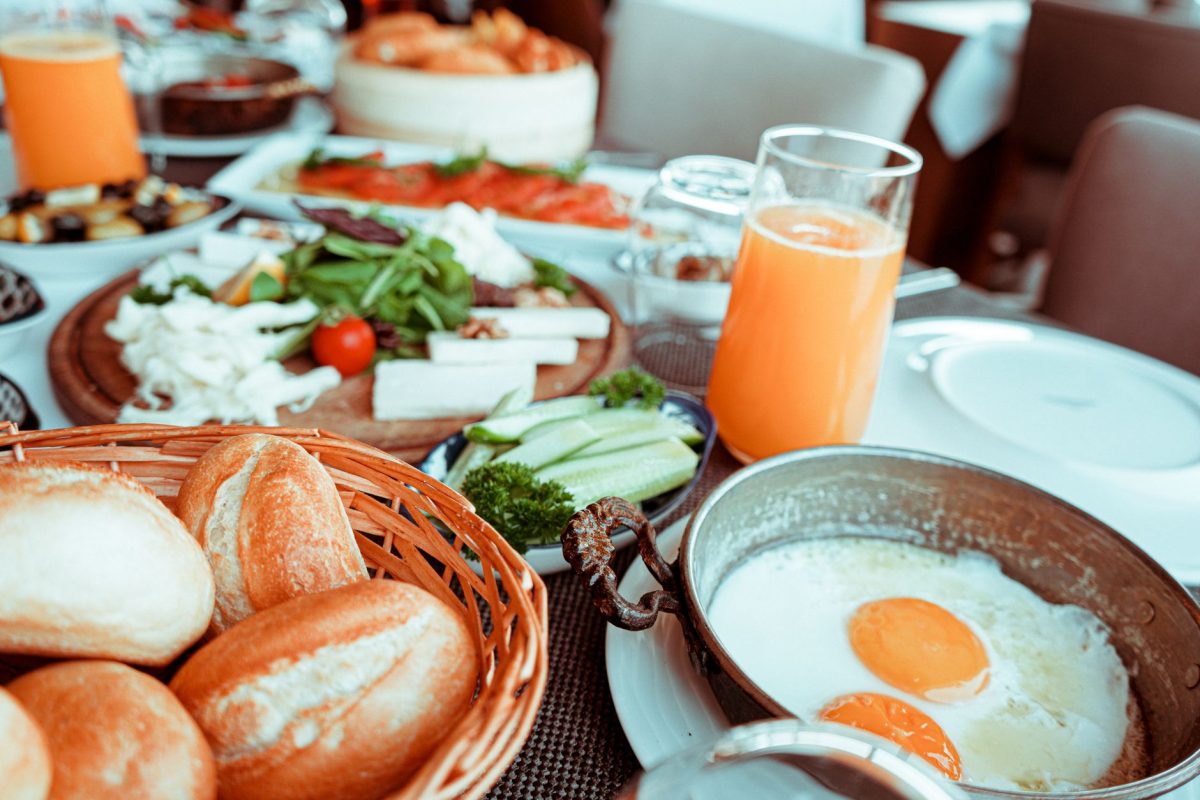
Hotel breakfast can look forgettable when a city full of cafes is waiting outside, but skipping it automatically can be a quiet budget leak. Eggs, toast, yogurt, fruit, and coffee eaten before leaving the hotel can prevent the first expensive panic purchase of the day. It also helps early tour groups, families, and travelers catching trains who may not know when the next easy meal will appear.
- Why it matters: a simple breakfast can stretch the travel budget before attractions and transit start adding up.
- What to check: whether breakfast is included, when it ends, and whether hot food is being kept hot.
- What can go wrong: skipping it can lead to overpriced airport snacks, weak coffee lines, or a rushed meal before a timed ticket.
Market Fruit
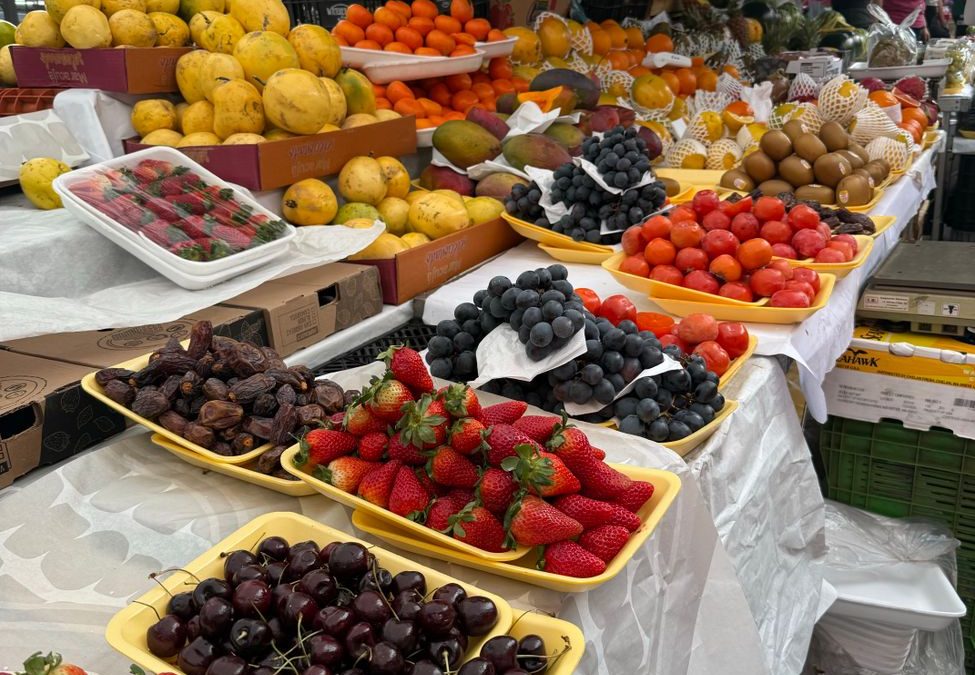
Fresh fruit is one of the easiest vacation foods to ignore because it feels too basic compared with restaurant plates and famous desserts. That is the mistake. A few oranges, bananas, apples, or other easy-to-peel fruits can cover the gap between breakfast and a late dinner without forcing another sit-down meal. It is especially useful for road trips, beach days, theme parks, and hotel rooms with no real kitchen.
- Why it matters: fruit is portable, often cheaper than packaged snacks, and easy to share.
- Who it helps: parents, walkers, hikers, and anyone trying to avoid spending every hunger pang at a cafe.
- What to check: choose fruit you can peel or wash safely, and be cautious where water safety or sanitation is uncertain.
Bakery Bread
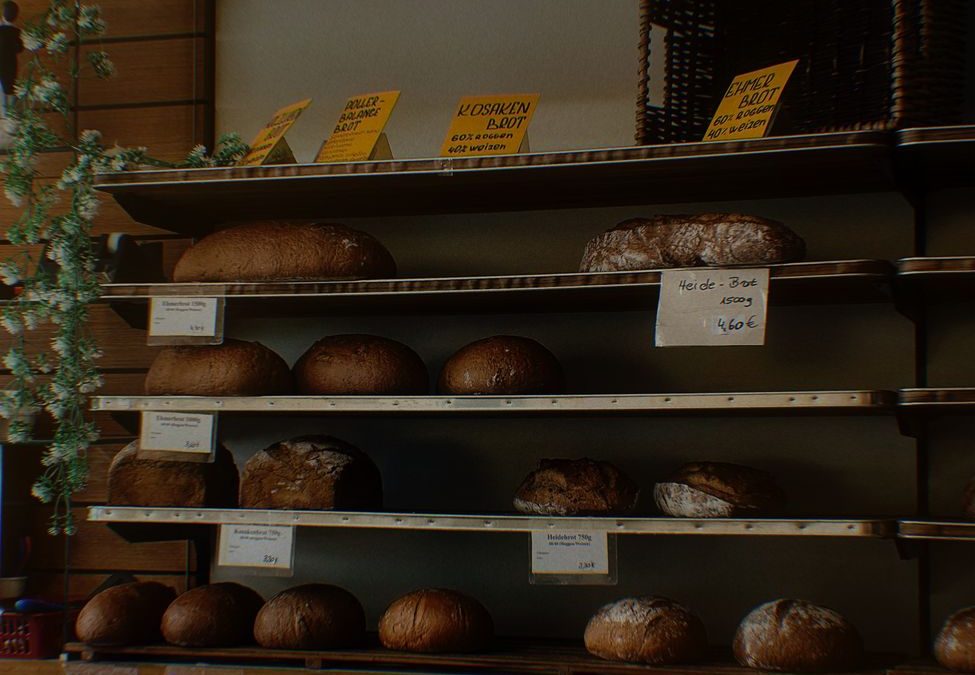
A local bakery can solve more vacation problems than travelers expect. Bread, rolls, savory pastries, or plain croissants can become breakfast, a park snack, or the base for a cheap lunch. Many visitors walk past because they are hunting for a famous restaurant, but bakeries often reveal how locals actually start the day. The bonus is timing: bakeries are usually useful before museums, shops, and lunch spots fully wake up.
- Why it matters: bakery food is often quick, filling, and easier to carry than a full restaurant meal.
- What can go wrong: waiting until hunger peaks can push travelers into the nearest overpriced tourist cafe.
- What to check: look for busy morning turnover, clear prices, and items that travel well in a day bag.
Grocery-Store Picnic
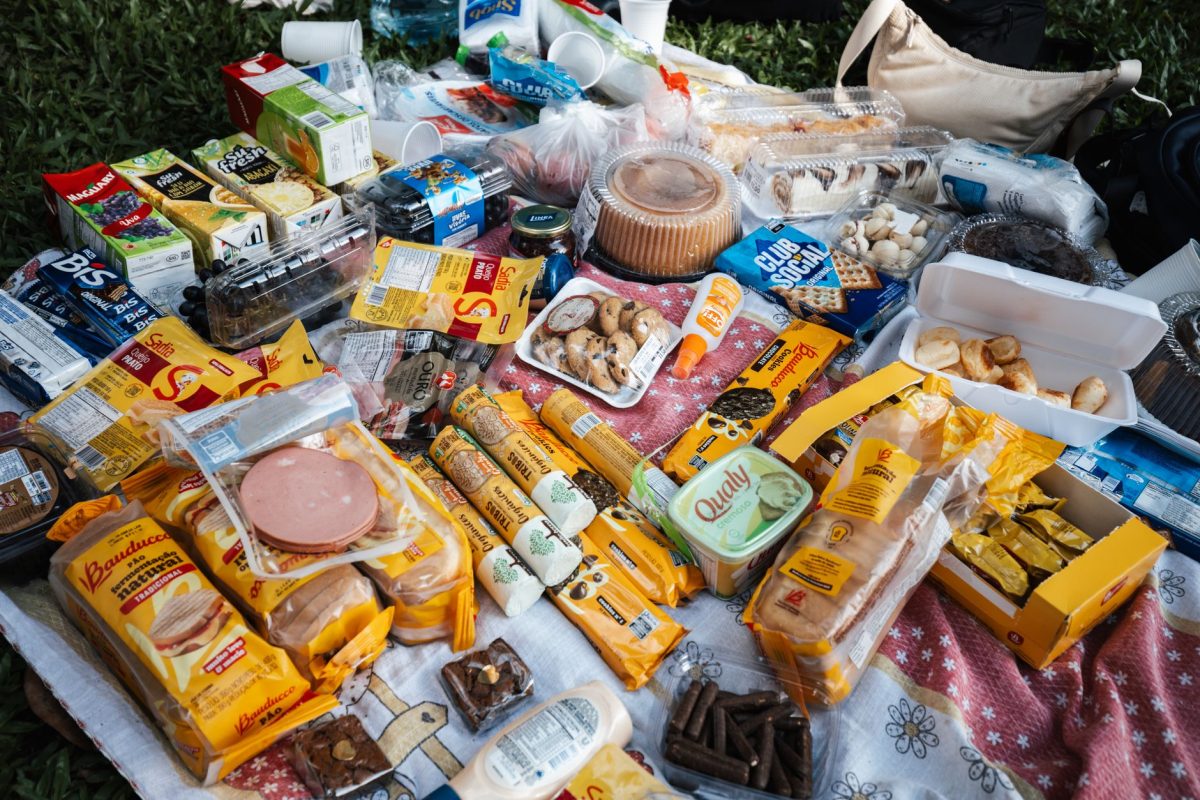
The grocery-store picnic is the meal many travelers dismiss as unromantic, then wish they had planned after seeing restaurant prices near major sights. Bread, cheese, hummus, prepared salads, fruit, and sealed drinks can turn a bench, beach towel, train ride, or hotel desk into a flexible meal. It is not about avoiding restaurants completely. It is about saving the restaurant budget for meals that actually feel worth it.
- Why it matters: one grocery meal can free up cash for a better dinner, museum ticket, or ride home.
- Who it helps: families, solo travelers, road trippers, and anyone with picky eaters or tight schedules.
- What to check: keep perishable foods cold when needed and follow local rules about eating in parks, beaches, or transit areas.
Street-Grill Skewers
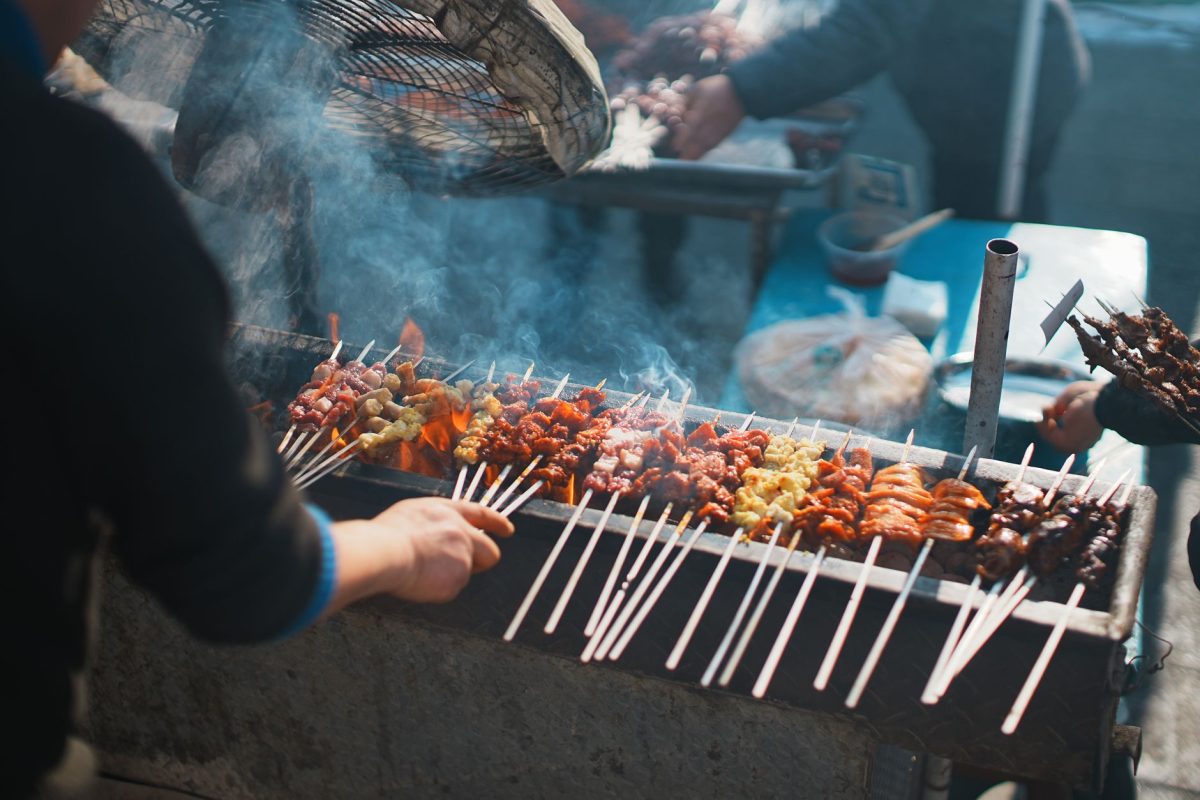
Street food gets skipped for two opposite reasons: some travelers assume it is always unsafe, while others only trust sit-down restaurants. The better approach is to judge the scene carefully. A busy grill where food is cooked thoroughly in front of customers can be a memorable, affordable way to taste a place. Travelers should still be selective, especially in destinations where hygiene and water safety are uncertain.
- Why it matters: street-grill food can deliver local flavor without the time or cost of another long restaurant meal.
- What to check: look for high turnover, hot food served immediately, clean handling, and separate raw and cooked items.
- What can go wrong: choosing lukewarm food, questionable sauces, or poorly handled raw ingredients can ruin more than lunch.
The best vacation food strategy is not to eat cheaply at every meal or chase every viral dish. It is to notice the simple foods that make the day easier: breakfast before the rush, fruit in the bag, bread from a bakery, groceries for one flexible meal, and street food chosen with care. Spend where the meal matters most, but do not let convenience, caution, or habit make every bite more expensive than it needs to be.
This article was created with AI assistance and reviewed for clarity, sourcing, and editorial quality.
