
The lowest price is not always the best deal when zones, transfers, airport rides, peak hours, and replacement fees get involved.
A public transit pass can feel like the responsible traveler move: buy once, tap in, stop thinking about fares. The catch is that the real value often hides in the rules printed below the price. A pass that looks cheaper can become annoying fast if it skips the airport, times out between transfers, or fails right at a zone boundary. These are the details worth checking before you load money onto a card.
The Zone Boundary

Zone rules are where a bargain pass can quietly lose its shine. Many city systems price travel by distance, rings, or fare zones, and the cheaper pass may only cover the central area. That is fine if your hotel, museum plans, and dinner reservations all sit inside the covered zone. It is less helpful if the airport, cruise terminal, stadium, beach suburb, or day-trip train stop falls just outside it.
- Check whether your lodging and main attractions are in the same fare zone.
- Look for zone add-on prices before assuming the pass covers the whole map.
- Pay special attention to regional trains, ferries, and suburban buses.
This matters most for travelers staying outside the tourist core to save on hotel rates. A cheaper room can become less of a deal if every ride requires a supplement. Before buying, search the official fare map and test two or three real routes you expect to take.
The Transfer Clock
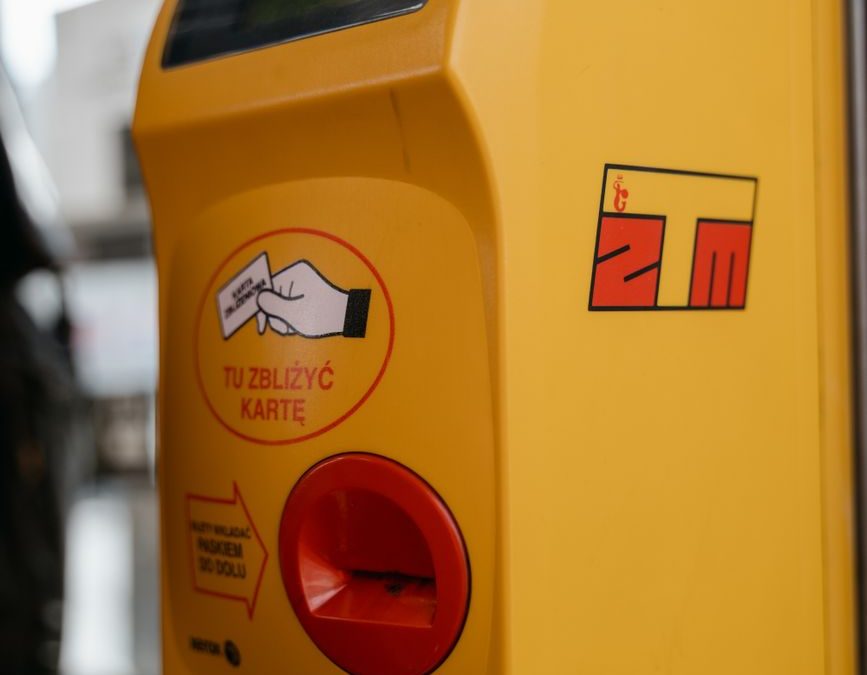
The transfer window can decide whether a pass saves money or simply adds stress. Some systems allow free transfers for a set period after the first tap, while others limit transfers by direction, vehicle type, or route. If your sightseeing style includes short rides, coffee stops, and quick detours, a narrow transfer clock can turn one planned trip into several paid fares.
- Find the transfer time limit before you start chaining buses, trams, and trains.
- Check whether the clock starts when you tap in or when you exit.
- Confirm whether return trips count as transfers or require a new fare.
This helps families, slower walkers, and anyone traveling with luggage because delays are common when you are unfamiliar with a system. A missed connection, crowded platform, or wrong-side stop can eat up the transfer window. If the official app offers route planning with fares, run a sample itinerary and see how it charges each leg.
The Airport Ride

Airport transit is often the ride travelers care about most, but it is not always treated like an ordinary city trip. Some passes include the airport train or bus with no problem. Others exclude it, require a special airport supplement, or cover only part of the route. That small rule matters because it usually hits when you are tired, carrying bags, and trying to reach a hotel without guessing at machines.
- Check whether airport stations are inside the regular fare area.
- Look for words such as surcharge, premium fare, express, or special service.
- Compare the pass cost against a simple airport round trip plus normal daily rides.
This detail affects couples and families especially because an airport surcharge can multiply quickly across several travelers. It can also matter on departure day, when ticket lines are longer and mistakes feel more expensive. Before buying any visitor pass, search the transit agency airport page rather than relying only on a tourist brochure.
The Peak-Hour Blackout

A pass that works all day is different from a pass that works only at certain times. Some discounted products, tourist cards, senior fares, or off-peak tickets come with time restrictions. The price may look appealing until you realize it does not cover the exact morning train to a tour, the early ferry to an island, or the evening ride back from a show. The rule is not always obvious at the first price screen.
- Check for off-peak, weekend-only, weekday-only, or holiday language.
- Match the pass hours against your actual reservation times.
- Watch for separate rules on trains compared with buses or trams.
This matters for travelers who build days around timed entries, cruise embarkation, guided tours, or restaurant bookings. If a pass is blocked during the hours you most need it, you may end up buying extra tickets anyway. The smarter move is to compare the pass against your busiest travel day, not against an ideal day with flexible timing.
The Lost Card Fee
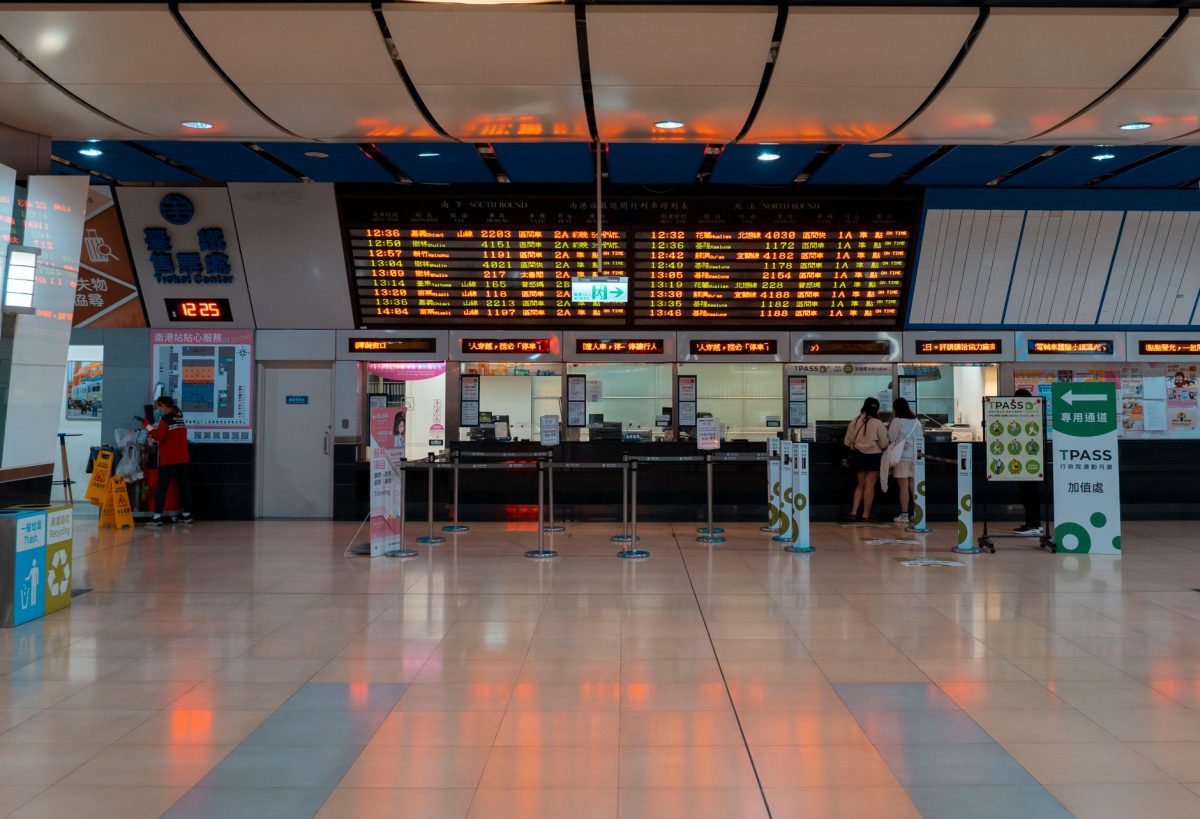
The cost of replacing a card rarely gets the same attention as the purchase price, but it can matter on a trip. Some passes are tied to an account and can be blocked or restored. Others behave more like cash: lose the card and the remaining value may be gone. Even when replacement is possible, there may be a fee, a waiting period, or a service counter that is nowhere near your hotel.
- Check whether the pass is registered to your name or device.
- Find out if stored value transfers after loss or theft.
- Note any card deposit, replacement charge, or refund rule.
This is especially useful for families handing cards to teenagers, travelers juggling luggage, or anyone using a phone wallet with a low battery. A pass with a slightly higher upfront cost may be easier to protect if it can be reissued. Take a screenshot of purchase details and know where customer service is before the card disappears.
The best transit pass is the one that matches your real trip, not the one with the prettiest price. Before you buy, test your airport ride, hotel route, busiest day, and any side trip against the official fare rules. If the pass still works after zones, transfers, time limits, and replacement policies are clear, you can tap in with far less second-guessing.
This article was created with AI assistance and reviewed for clarity, sourcing, and editorial quality.
