
The trouble usually starts before the train moves. A sign, gate, ticket detail, or forgotten bag can turn an easy rail trip into a scramble.
Train stations can feel simple until the clock starts winning. One building looks like another, platforms change, apps refuse to load, and a tiny line on a ticket suddenly matters. The mess is rarely dramatic at first; it is usually a small assumption made while carrying luggage, watching the board, or following a crowd. These five train station mistakes are easy to make and even easier to prevent if you know where trips most often go wrong.
The Wrong Station
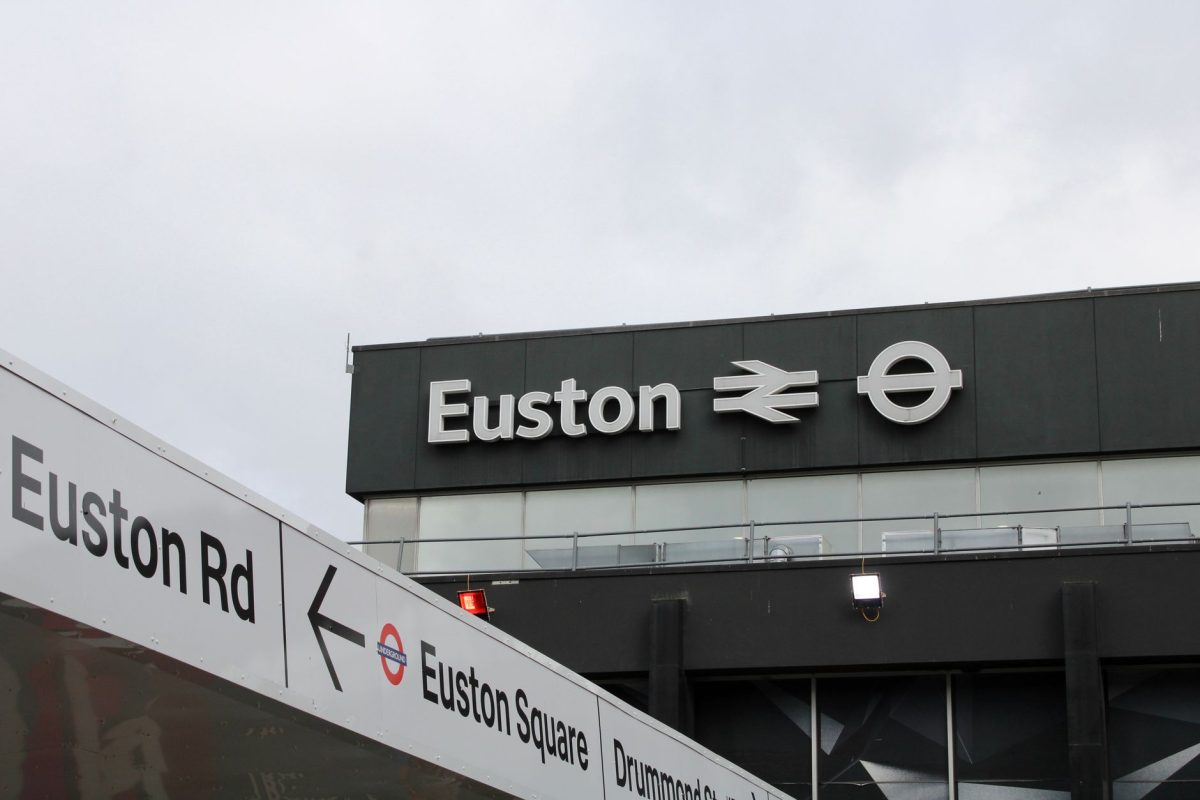
Many cities have more than one major rail station, and the names can sound similar enough to fool a rushed traveler. The mistake usually happens before the trip technically begins: someone books from one station, takes a taxi to another, and only notices when the departure board does not show the train. This is especially risky for visitors, families managing bags, and anyone connecting from an airport or hotel.
- Check the full station name, not just the city name.
- Confirm the address in your map app before leaving.
- Look for transfer time if you must cross town.
If you realize the error early, ask station staff about rebooking, a later train, or the fastest route to the correct station before leaving the area in a panic.
The Platform Sprint

Arriving at the station is not the same as being ready to board. Large stations can hide long walks, security checks, ticket gates, stairs, elevators, and crowded corridors between the entrance and the actual platform. The platform sprint becomes a problem when travelers assume they can show up five minutes before departure and still glide onto the train. That gamble can punish anyone with kids, mobility needs, heavy luggage, or an unfamiliar station layout.
- Build in walking time after you enter the station.
- Watch for platform changes on the main board.
- Do not follow a crowd blindly; confirm the train number.
If the departure is close, go straight to staff or the information desk rather than guessing which corridor will save time.
The Tiny Ticket Detail
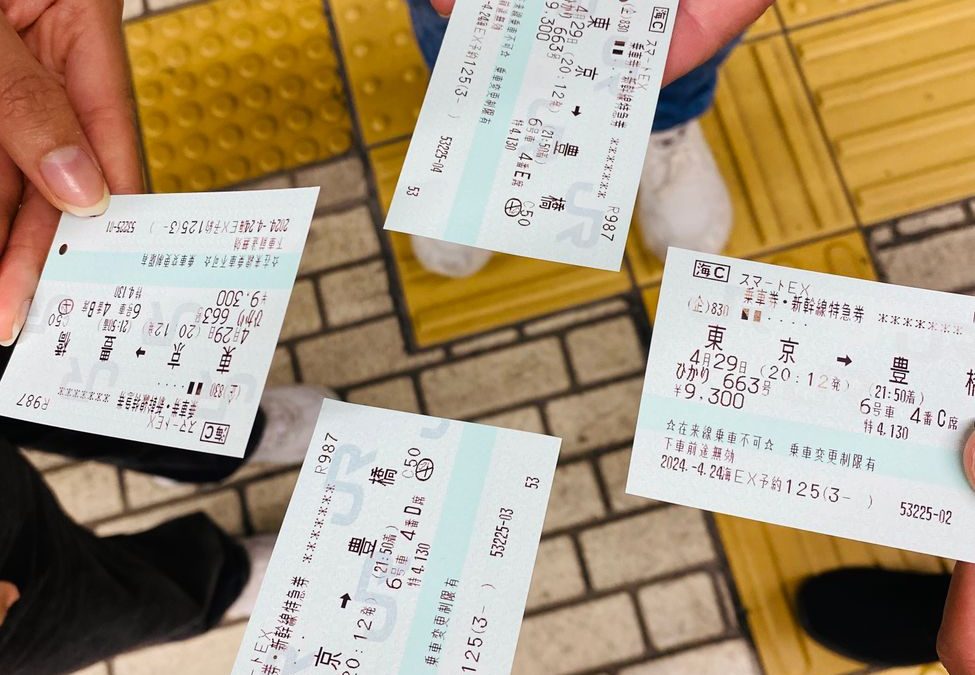
A train ticket can contain more traps than travelers expect: the departure station, train number, travel date, seat reservation, coach number, fare type, and sometimes rules about which services are allowed. The trouble begins when someone checks only the destination and ignores the smaller lines. A ticket for an off-peak service, a reserved seat in a specific coach, or a different train number can create stress at the gate or on board.
- Compare train number and time with the departure board.
- Find coach and seat details before the train arrives.
- Check fare restrictions if your plans changed.
This matters most on busy routes, where staff may have little time to untangle a mistake while passengers are boarding behind you.
The Closed Fare Gate
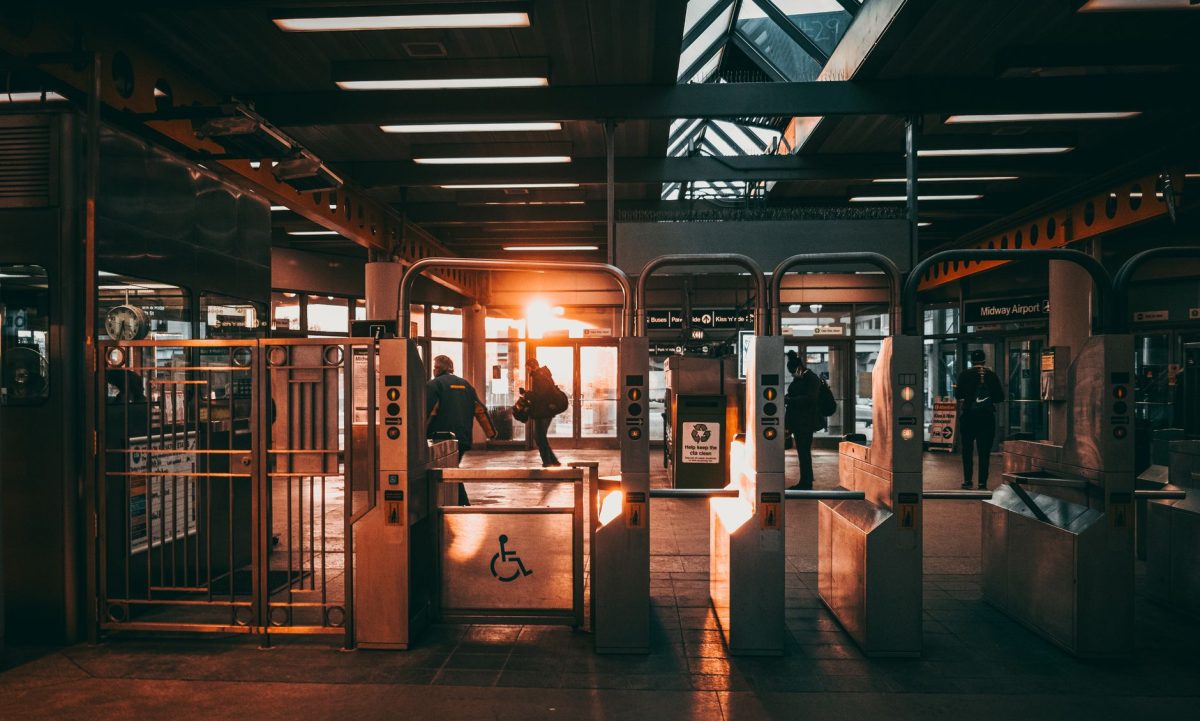
Fare gates look like a quick final step, but they can expose every loose end at once. A phone battery dies, a QR code will not load, a paper ticket is in the wrong pocket, or a payment card used for entry is packed away. The delay feels small until the line backs up and the platform is several minutes away. It affects commuters, tourists using unfamiliar ticket systems, and anyone relying on station Wi-Fi at the last second.
- Open the ticket before entering the station and take a screenshot if allowed.
- Keep the payment card handy if it is tied to the fare.
- Use the staffed gate when a scanner rejects a valid ticket.
The goal is not just getting through the barrier; it is avoiding a last-minute bottleneck that makes the train leave without you.
The Forgotten Bag
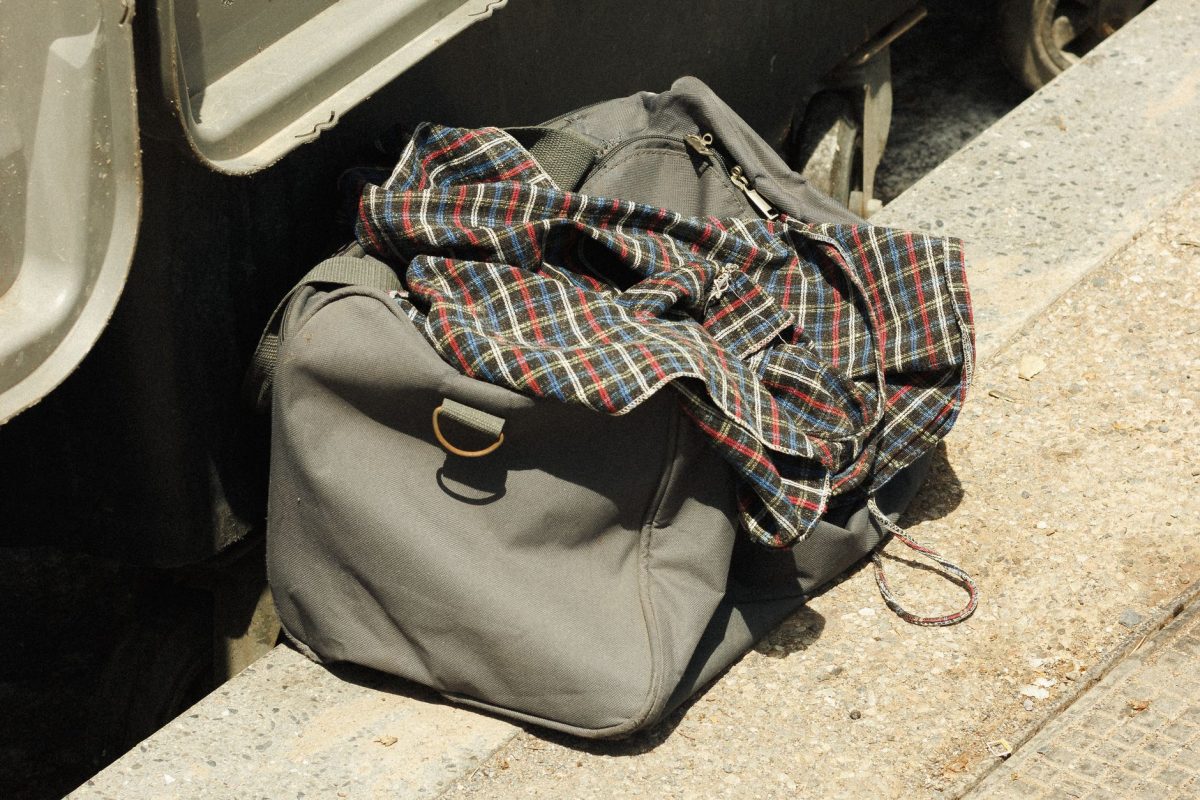
Train stations encourage multitasking: checking boards, buying coffee, answering messages, watching children, and listening for announcements. That is exactly when bags get left on benches, under seats, beside ticket machines, or in overhead racks after a rushed exit. The forgotten bag can derail a trip even if the train itself runs perfectly, because documents, medication, chargers, keys, or work gear may be inside.
- Count your bags every time you stand up.
- Keep essentials in one small pouch that stays with you.
- Ask staff quickly if you leave something on board or at the station.
A simple bag count at the platform, seat, and exit can save hours of forms, calls, and expensive replacements later.
The best train station habit is a short pause before every move: confirm the station, match the train number, check the platform, open the ticket, and count the bags. If something already went wrong, do not wander farther away from the system that can help. Find station staff or the train crew, explain the mistake clearly, and ask what to do next. Rail travel is often forgiving, but only if you catch the problem early.
This article was created with AI assistance and reviewed for clarity, sourcing, and editorial quality.
