
A short walk across the station can become the most stressful part of the trip if you trust the wrong sign, door, queue, or shortcut.
Train transfers look simple on paper: arrive, find the next platform, board. In real stations, the details can change quickly. A platform may split into sections, a departure board may update after you stop checking, or a ticket gate may add just enough delay to watch your connection leave without you.
These five platform mistakes are easy to make because they feel minor until the clock is running. A quick check before you move can protect your seat, your fare, and your mood for the rest of the trip.
The Split Platform
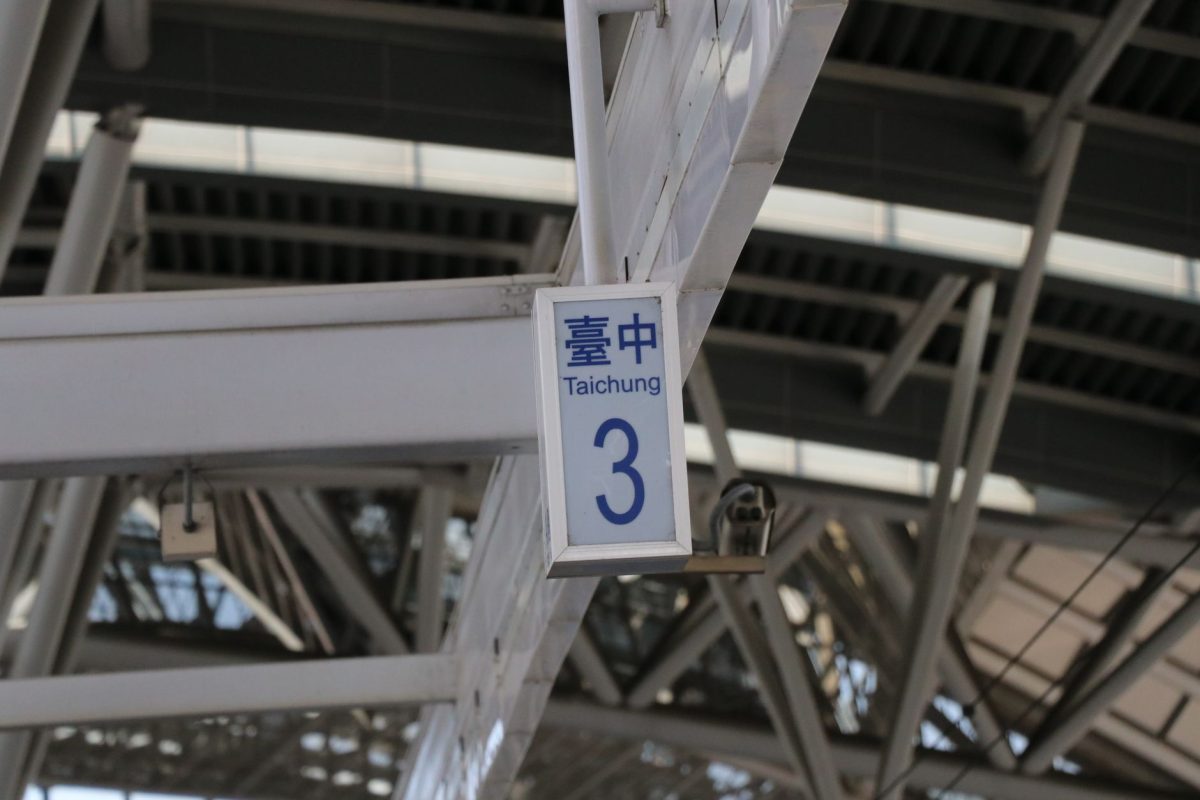
A platform number is not always the whole answer. In many stations, one long platform can be divided into sections, or two trains may use different ends of the same track. If you hear platform 4 and walk to the nearest sign, you may still be too far from the correct stopping point when boarding begins.
- Check the suffix: Look for labels such as A, B, north, south, east, or west.
- Match the train details: Compare destination, departure time, and service number, not just the platform.
- Ask before settling in: Staff or regular commuters may know if your train usually stops at the far end.
This matters most when your connection is tight or your luggage slows you down. The wrong end of a split platform can quietly turn a two-minute walk into a sprint.
The Flashing Departure Board
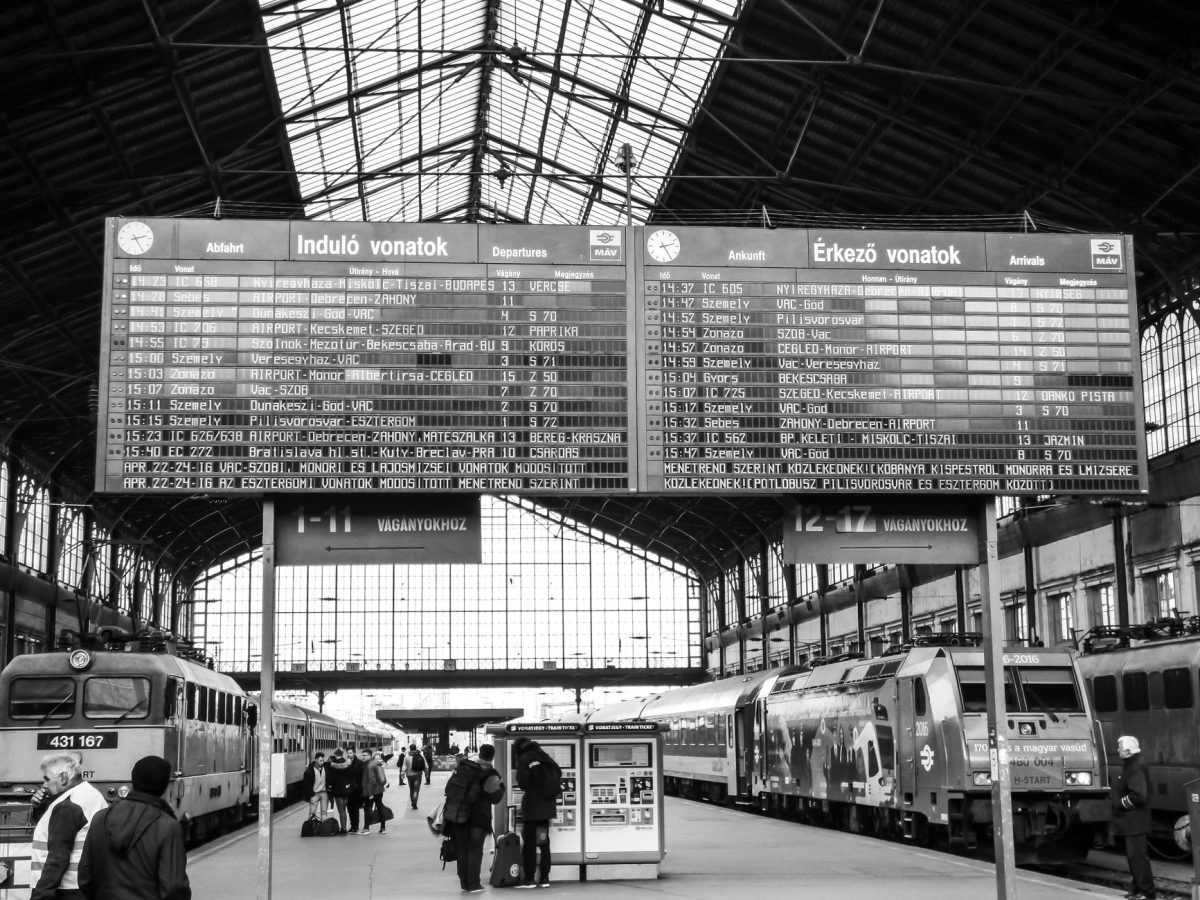
The first platform shown on an app or ticket is not a promise forever. Rail operators can change platforms close to departure because of delays, track work, incoming train positions, or station congestion. The mistake is checking once, walking away, and assuming nothing has changed.
- Watch for updates: Recheck the main board after you arrive at the station and again before heading down to the platform.
- Listen for announcements: Audio updates can come before app notifications in busy stations.
- Confirm the destination: A board that flashes or refreshes may be correcting a platform, not just repeating old information.
This helps anyone transferring in an unfamiliar station, especially when several trains leave within minutes of each other. A thirty-second board check can save the far bigger hassle of rebooking.
The Wrong Train Door
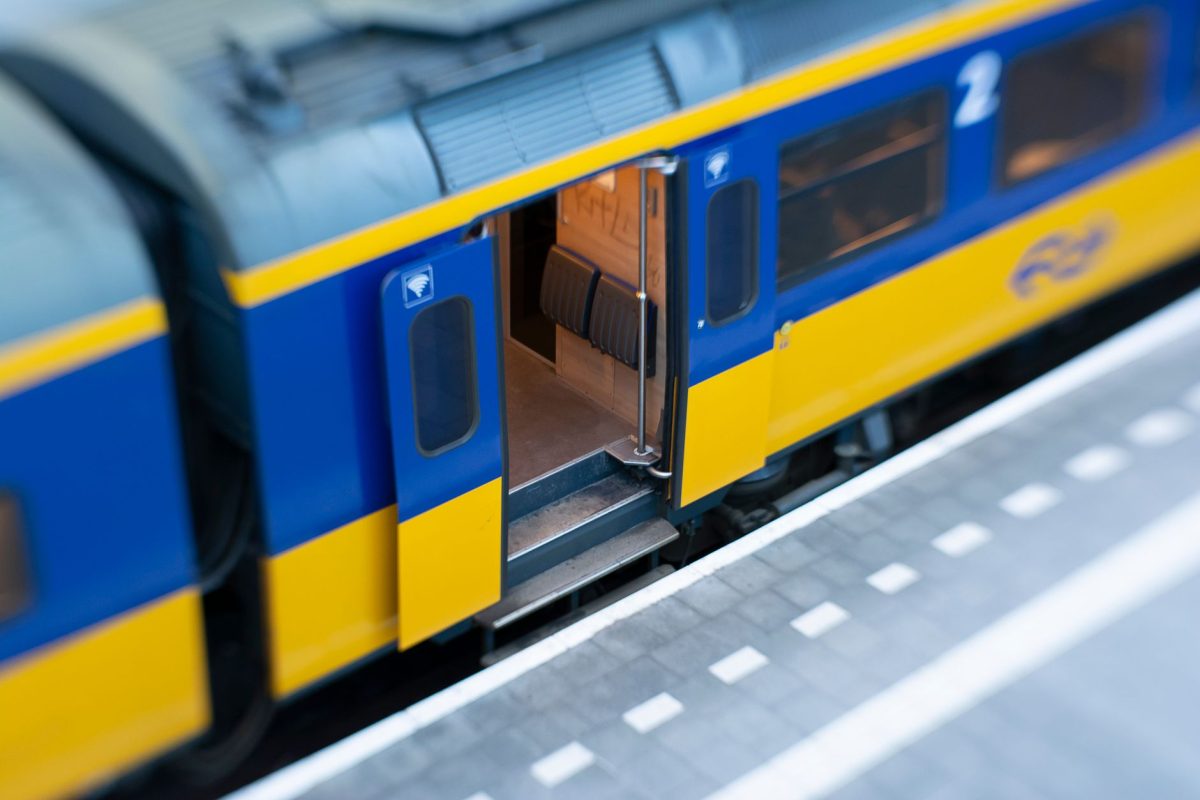
Boarding the first open door can feel efficient, but it can create problems during a transfer. Some trains are long, crowded, or split by class, reservations, bike areas, luggage racks, or quiet cars. If you step into the wrong carriage and then fight through aisles with bags, you may lose the minutes you were trying to save.
- Check the car markers: Look for coach letters, seat zones, or platform diagrams before the train arrives.
- Stand near your carriage: This reduces walking inside the train and lowers the chance of blocking other passengers.
- Think about the next transfer: If you know where the exit or stairs will be, position yourself accordingly.
The right door is not only about comfort. On a close connection, it can determine whether you reach the stairs first or get trapped behind a slow aisle.
The Elevator Line
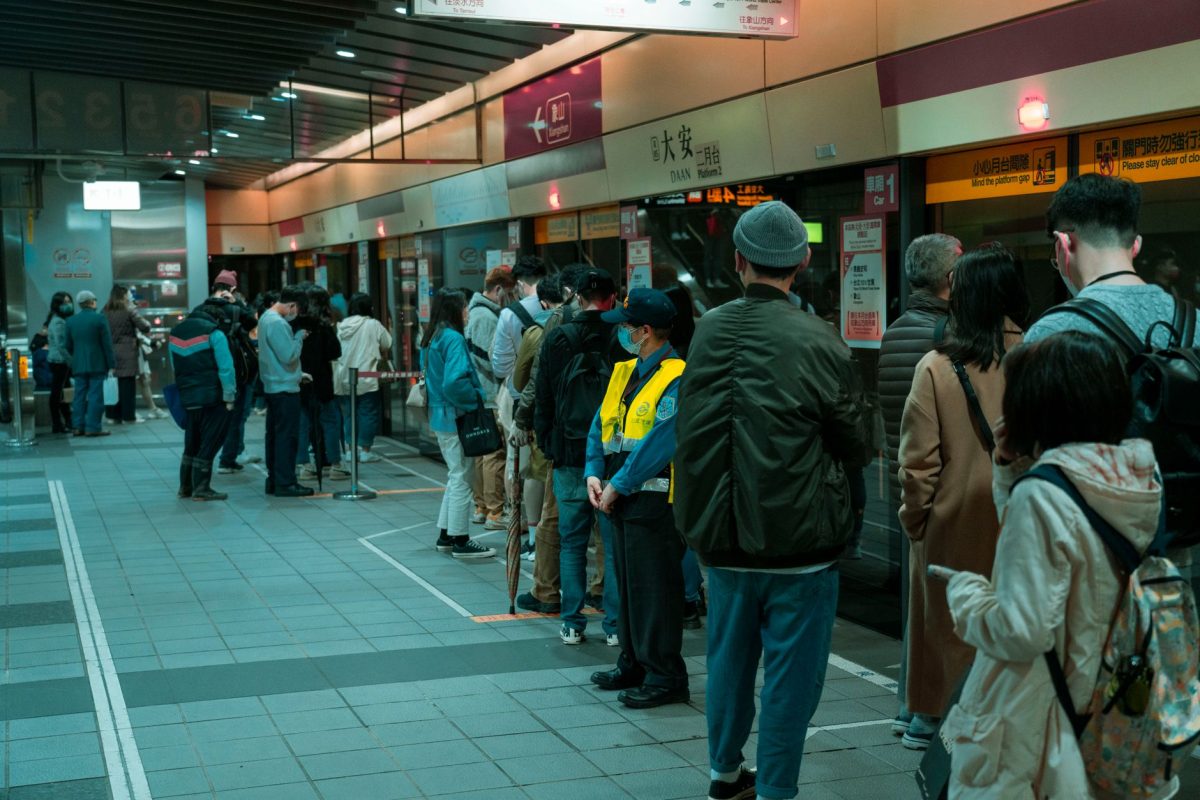
Elevators and escalators are lifesavers for travelers with heavy luggage, strollers, bikes, or mobility needs. The mistake is assuming they will be fast. In large stations, a single elevator may serve several platforms, and one out-of-service lift can create a line at exactly the wrong moment.
- Notice backup routes: Look for stairs, ramps, escalators, and accessible routes before your train arrives.
- Do not block the doors: Let people exit quickly so the line moves for everyone.
- Build in extra time: If you rely on step-free access, a few minutes of buffer can matter.
This affects families, older travelers, and anyone carrying more than a backpack. If the elevator is essential, check station maps or staff guidance early instead of discovering the bottleneck during boarding.
The Ticket Gate Detour
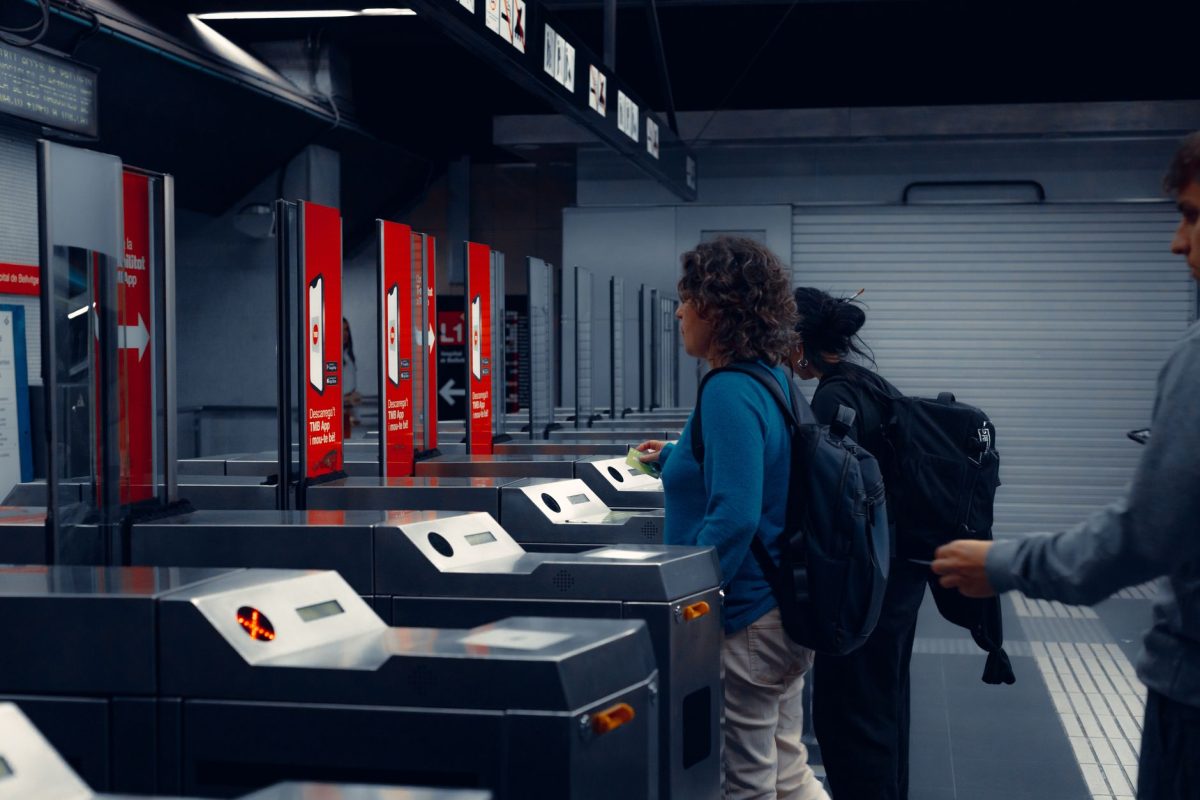
Some transfers are not simply platform to platform. You may need to pass through ticket gates, scan a mobile code, tap a transit card, leave one station area, or cross to another operator. That extra step can be easy to miss when a route planner shows only the train times.
- Have the ticket ready: Open the barcode or card before you reach the gate.
- Check operator rules: Some tickets are valid only on certain services, routes, or time windows.
- Look for the correct exit: The fastest connection may require a specific gate line or passageway.
The risk is not just delay. A rejected scan can force you to find staff, reload an app, or buy a new fare. If the transfer involves gates, treat them as part of the connection time.
The best train transfer habit is simple: verify before you move. Match the platform with the destination, keep watching the board, stand near the right carriage, know your vertical route, and keep your ticket ready before the gate.
If your connection is already tight, do not be shy about asking station staff where to go next. A quick question can beat a confident walk in the wrong direction.
This article was created with AI assistance and reviewed for clarity, sourcing, and editorial quality.
