
A train transfer usually fails before the first train even arrives. The smartest move is knowing which details to check while there is still time to fix them.
Train connections look simple on a booking screen: arrive, change platforms, board again. Real stations are messier. Platforms change, tunnels eat up minutes, luggage slows the sprint, and a separate ticket can turn one late arrival into a costly new purchase. These five habits are the ones frequent rail travelers tend to build before they learn them the hard way.
Separate Tickets
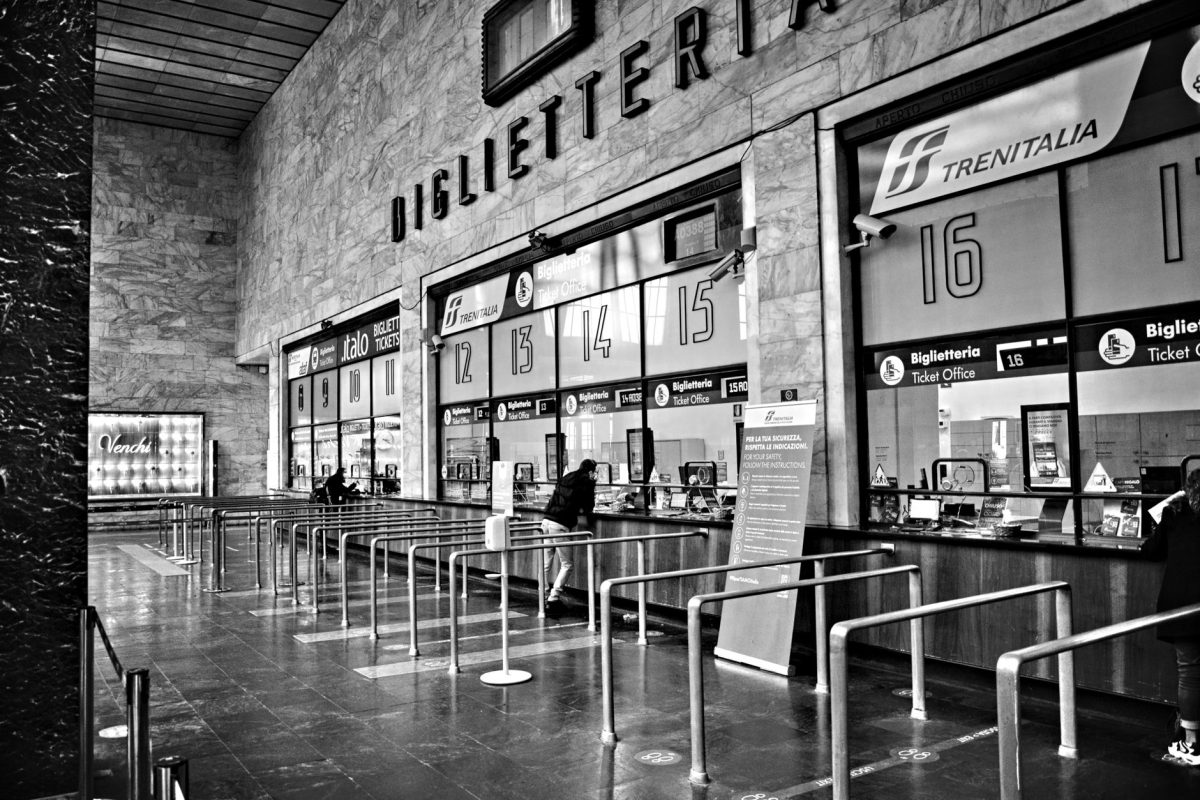
Separate tickets can look cheaper or more flexible, but they change the risk of a connection. If the first train is delayed and the second ticket is not part of the same protected itinerary, the next operator may treat the missed train as your problem. That can mean buying a new fare, waiting longer, or negotiating at a staffed counter when everyone else from the late train is doing the same.
- Check whether the whole journey appears under one booking reference.
- Read the missed-connection or exchange rules before paying.
- Leave a bigger cushion when mixing operators, countries, or fare types.
This habit matters most for travelers building their own route from multiple apps or chasing the lowest fare without noticing the fine print.
Platform Changes
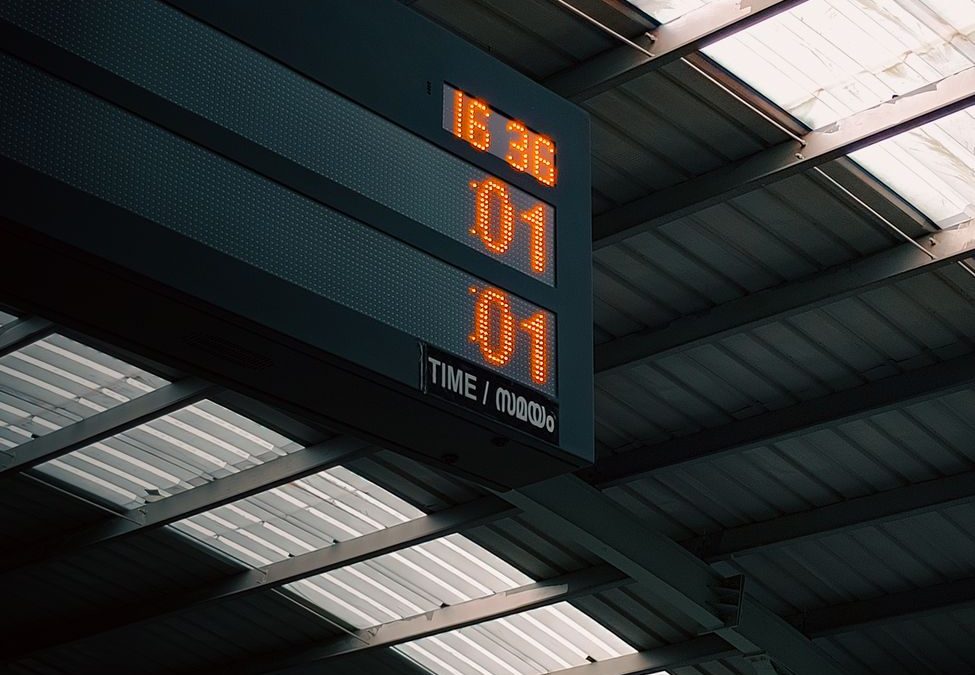
Platform changes are easy to miss when you assume the number printed on the ticket is final. In many stations, the usable platform may be confirmed close to departure or changed because of operational issues. A traveler who walks straight to the original platform can lose the exact minutes needed to cross the station, especially with stairs, lifts, children, or bags.
- Recheck the station board as soon as you arrive.
- Keep notifications on for the rail app, but do not rely on the app alone.
- Listen for announcements if the board suddenly shows a delay or blank platform.
The point is not to hover nervously. It is to avoid waiting confidently in the wrong place.
Station Tunnels
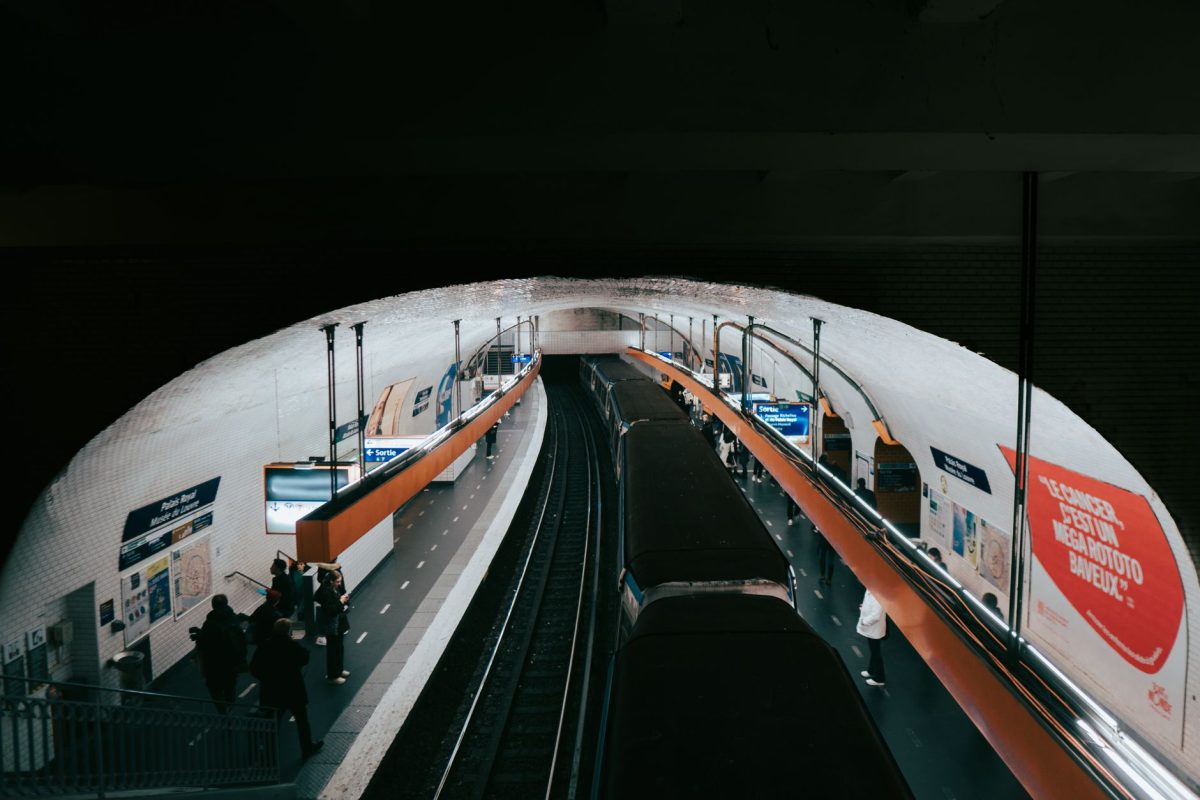
Station tunnels can turn a comfortable connection into a race. The timetable may show a ten-minute transfer, but that does not always mean two platforms sit across from each other. Some stations require travelers to go down stairs, through an underpass, past ticket barriers, across a concourse, and back up to another platform. Mobility needs, heavy luggage, and crowded peak-hour foot traffic make that gap feel much shorter.
- Look up the station map before the travel day.
- Note whether lifts or escalators are available if you need them.
- Do not plan a tight transfer around a station you have never used.
A few minutes of map-checking can prevent the awful moment when the connecting train is visible but unreachable.
Door-Ready Luggage
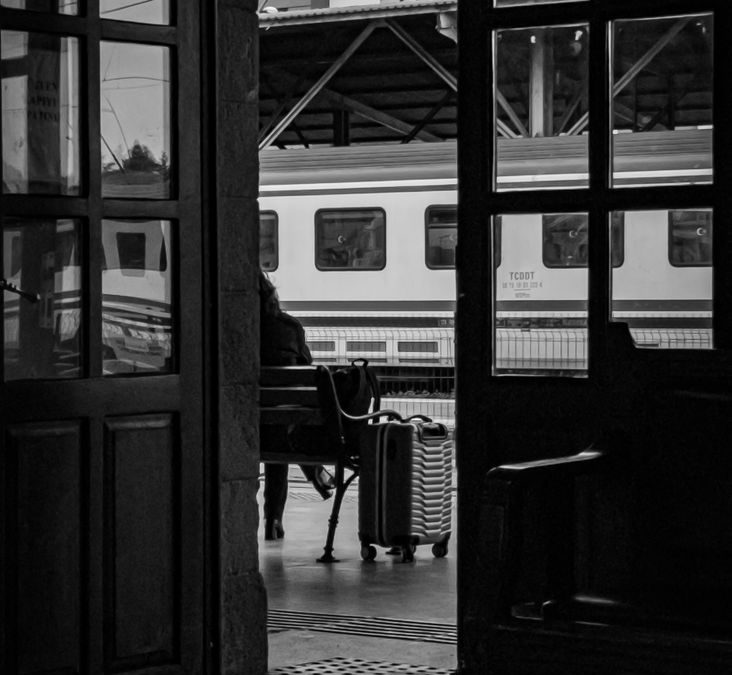
Door-ready luggage is a small habit that protects the last five minutes of the ride. Travelers often relax once they are on the first train, then scramble when the station is announced. Coats are on hooks, bags are overhead, chargers are still plugged in, and someone is blocking the aisle. By the time everything is gathered, the transfer clock is already running.
- Pack chargers, snacks, and loose items before the final stop.
- Move bags from racks only when it is safe and not blocking others.
- Stand near the correct door shortly before arrival if the connection is tight.
This helps families, older travelers, and anyone with larger bags avoid turning a normal exit into a stressful pileup.
Backup Departures
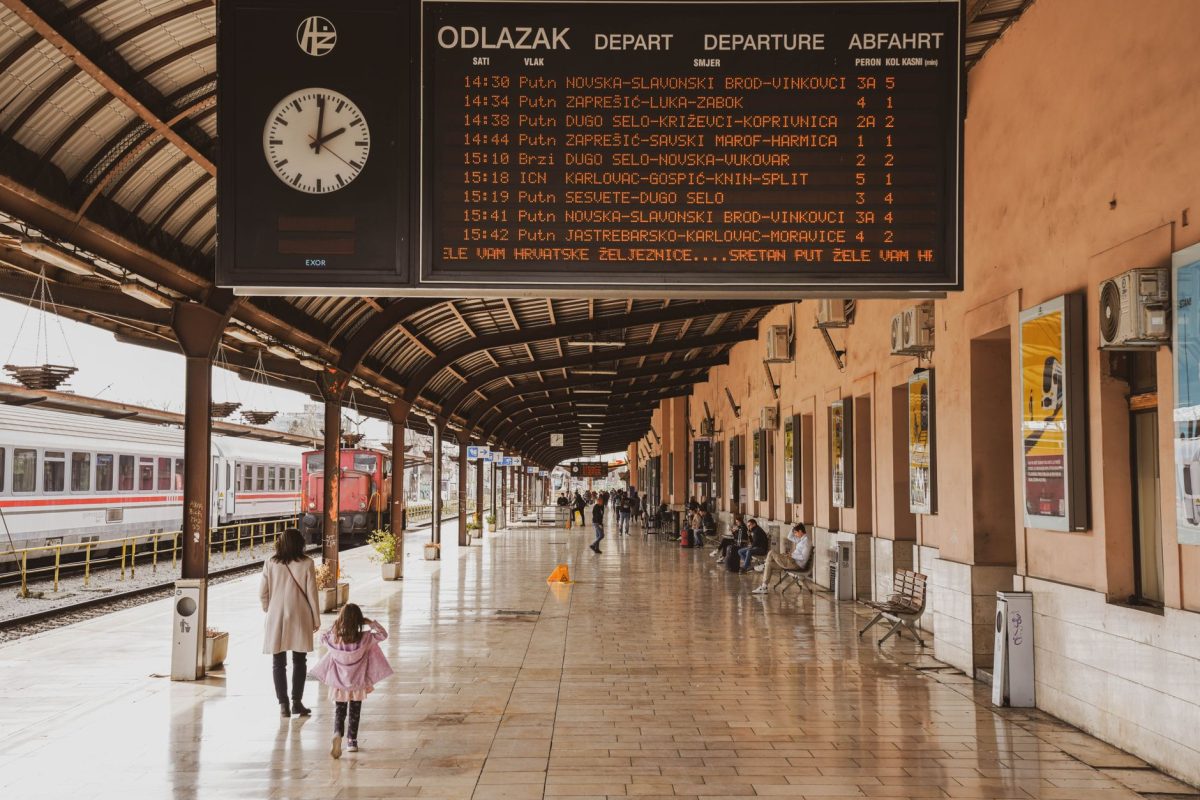
Backup departures are what keep a missed transfer from becoming a full travel day disaster. Before boarding the first train, look at the next realistic service after your planned connection. Then check whether your ticket allows a later train, requires a change at the counter, or becomes invalid after the booked departure. Policies vary widely by operator, fare class, and country, so assumptions are risky.
- Save the next two departure times before you lose signal.
- Know where customer service or ticket offices are in the transfer station.
- Keep proof of delay if you may need help rebooking.
Even if everything runs on time, knowing the backup lowers the panic level when the first delay appears.
A good train connection is not just about the number of minutes between arrivals and departures. It depends on ticket protection, station design, platform accuracy, luggage readiness, and what happens if the plan slips. Before the next rail trip, check those five details while you still have options. The transfer will feel less like a gamble and more like a route you actually control.
This article was created with AI assistance and reviewed for clarity, sourcing, and editorial quality.
