
A smoother drive often comes down to where you stop, not just how far you go.
On a long drive, a rest stop can either reset the whole car or quietly derail the next three hours. The closest exit is not always the smartest one, especially when fuel, food, bathrooms, pets, kids, and driver fatigue all compete for attention. These five stop choices are easy to overlook, but they can keep a road trip from turning into a string of delays.
The Welcome Center
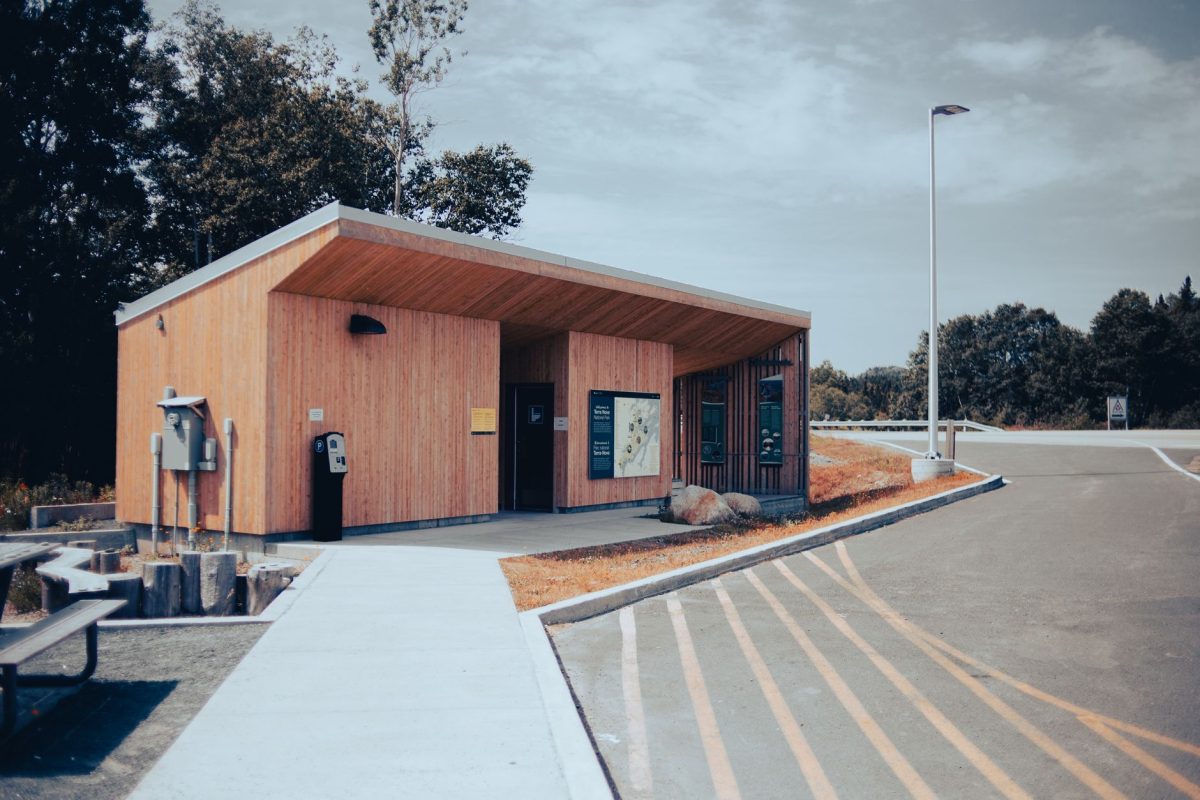
Welcome centers are useful because they combine the basics with trip information in one low-pressure stop. Instead of guessing at the next exit, travelers can use the restroom, stretch, check posted maps, refill water, and look for road condition or tourism information before committing to the next leg. That helps drivers, families, and anyone crossing into an unfamiliar state.
- Look for restroom access, water, picnic tables, and posted route information.
- Check whether the center has staff during your travel hours.
- Use the stop to reset navigation before phone service gets spotty.
What can go wrong is assuming every welcome center is fully staffed or open late. Treat it as a smart planning stop, not a guaranteed full-service stop.
The Full-Service Truck Stop
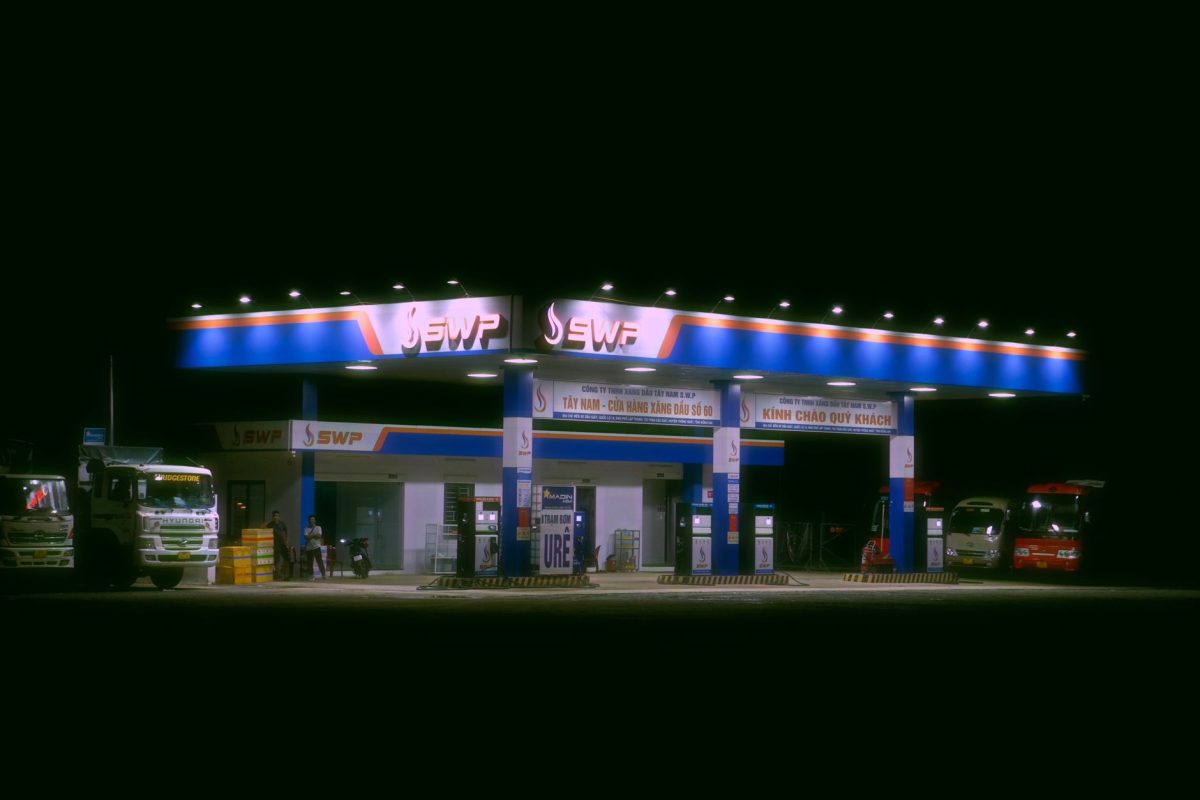
A full-service truck stop can save a surprising amount of time because it bundles fuel, food, bathrooms, coffee, and supplies into one stop. That matters when the group is hungry, the driver needs caffeine, and the tank is no longer comfortably full. One good stop can prevent three small ones later.
- Choose one with easy highway access and visible parking.
- Scan for clean restrooms, fresh food options, and working pumps.
- Use the chance to top off windshield fluid, snacks, and chargers.
The downside is traffic flow. Big truck stops can be busy, and unfamiliar drivers sometimes wander into truck-only areas. Park deliberately, watch signage, and avoid blocking fuel lanes while the family shops.
The Shaded Picnic Table
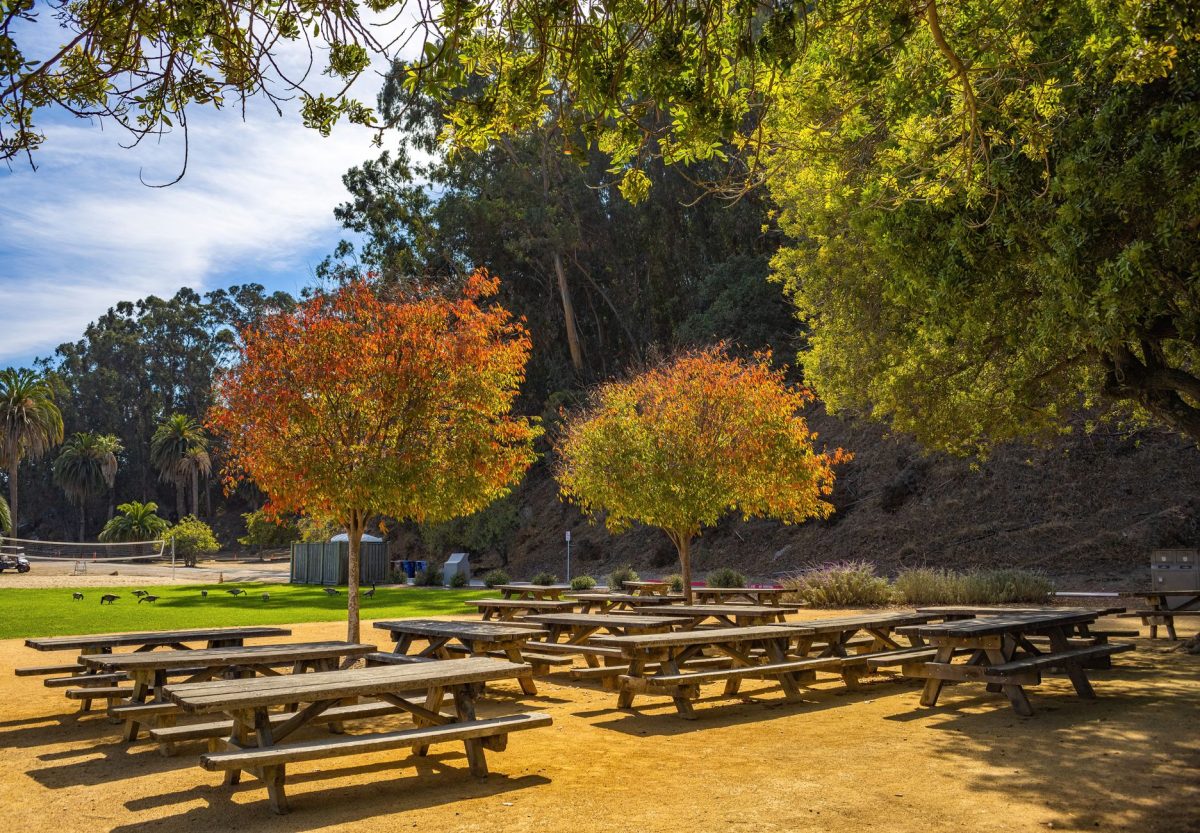
A shaded picnic table can turn a stop from a rushed bathroom break into an actual reset. Eating packed food outside helps families avoid drive-through lines, gives kids room to move, and lets the driver step away from the wheel long enough to notice fatigue. It is especially helpful on hot days when a sunny parking lot makes everyone crankier.
- Check for shade, trash cans, and a safe walking path from the car.
- Keep a small cooler accessible instead of buried under luggage.
- Use the stop for stretching before anyone gets stiff or restless.
What can go wrong is choosing a pretty table with no restroom, no lighting, or no nearby parking. Convenience still matters when the clock is tight.
The Grocery Store Detour
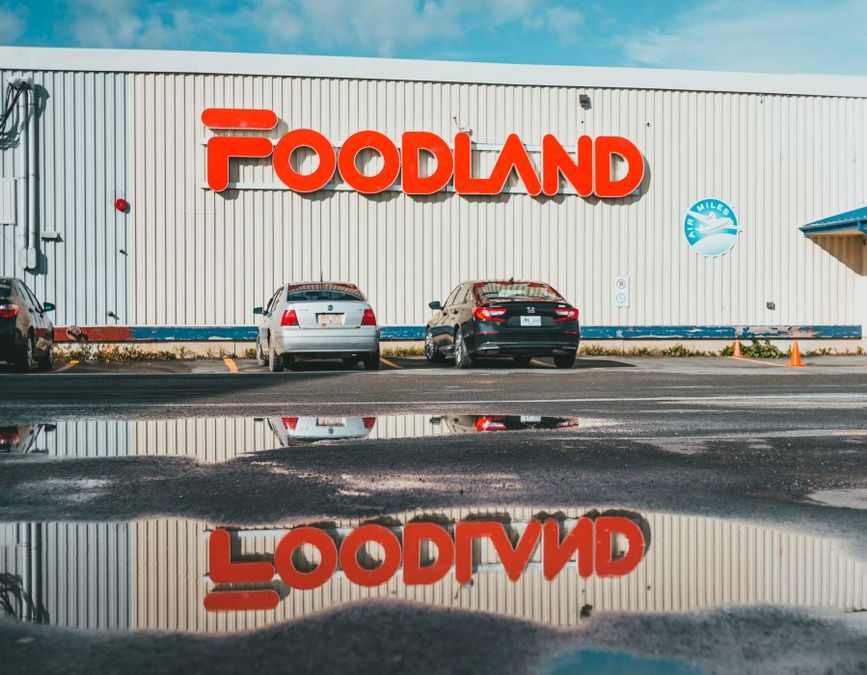
A grocery store detour looks slower than a convenience stop, but it can keep the rest of the day cheaper and calmer. It helps when everyone is tired of fast food, someone needs fruit or a simple sandwich, or the car is running low on drinks. For families, it can also solve small problems like forgotten wipes, sunscreen, pain reliever, or a phone cable.
- Pick a store close to the route, not one buried deep in town.
- Send one person in with a short list to prevent wandering.
- Restock before remote stretches where options thin out.
The mistake is treating the grocery stop like a full errand. Set a time limit, use the restroom if available, and get back on the road before momentum disappears.
The Last Stop Before Empty Roads
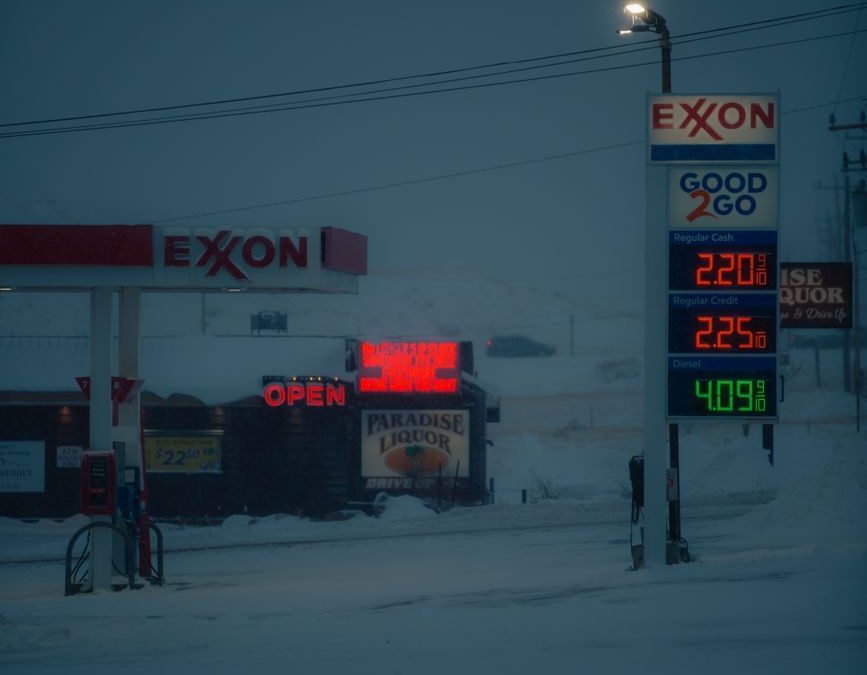
The last stop before empty roads is the one drivers regret skipping. On rural highways, mountain routes, desert stretches, or late-night drives, the next fuel, restroom, or food option may be much farther than it looks on the map. This stop matters most for cautious drivers, parents with kids, pet owners, and anyone traveling outside peak hours.
- Top off fuel before long gaps, even if the tank is not low yet.
- Use the restroom and refill water before services disappear.
- Check daylight, weather, and phone signal before continuing.
What can go wrong is relying on an app listing that is outdated or a station that closes early. When signs warn of limited services, believe them and stop while you can.
A good rest stop is not just a pause in the drive. It is a small decision that affects fuel range, moods, meals, bathroom timing, and driver alertness. Before choosing the next exit, ask what the car actually needs in the next two hours. The best stop is usually the one that solves several problems at once.
This article was created with AI assistance and reviewed for clarity, sourcing, and editorial quality.
