
The shuttle is supposed to make park travel easier. These are the small misses that turn into long waits, lost trail time, and a rushed ride back.
National park shuttles can be the smartest way to reach busy canyons, trailheads, overlooks, and village stops. They can also become the part of the day that quietly eats your schedule. A missed parking window, a misunderstood stop, or one late-afternoon gamble can turn a simple day trip into a chain of waiting, backtracking, and cutting plans short. Here are five shuttle snags worth checking before you leave the hotel.
The Full Visitor Center Lot
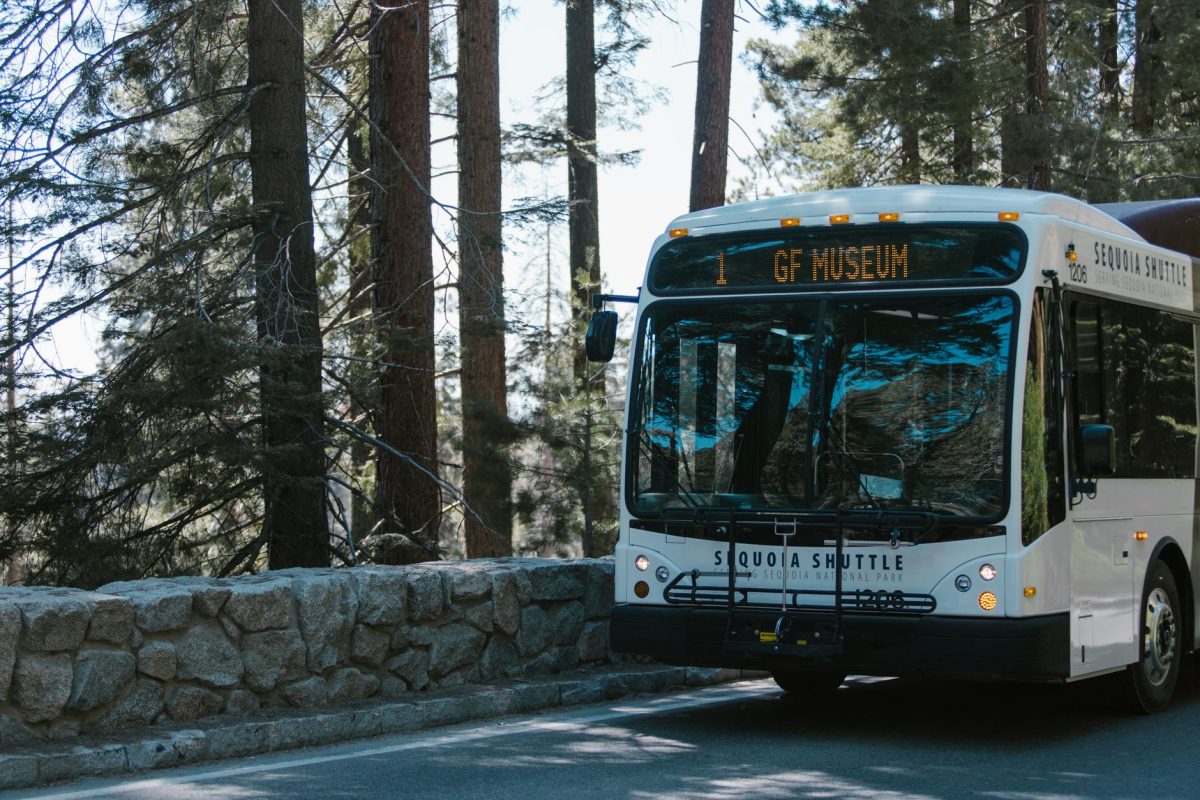
The first shuttle problem often happens before anyone boards. In popular parks, the visitor center or main shuttle lot can fill early, especially on weekends, holidays, and warm-weather mornings. If your plan assumes you can arrive casually and park next to the first stop, the whole day can start with circling, rerouting, or giving up on the trail you came to see.
This matters most for day trippers with limited daylight, families carrying gear, and travelers who have timed-entry windows or dinner plans outside the park. Check the park page for parking notes, overflow lots, and town shuttle connections before you drive in.
- Check next: whether parking fills early at the season you are visiting.
- Build in: time to park outside the gate and ride in if needed.
- Avoid: assuming a shuttle system also guarantees easy parking.
The Seasonal Schedule Switch
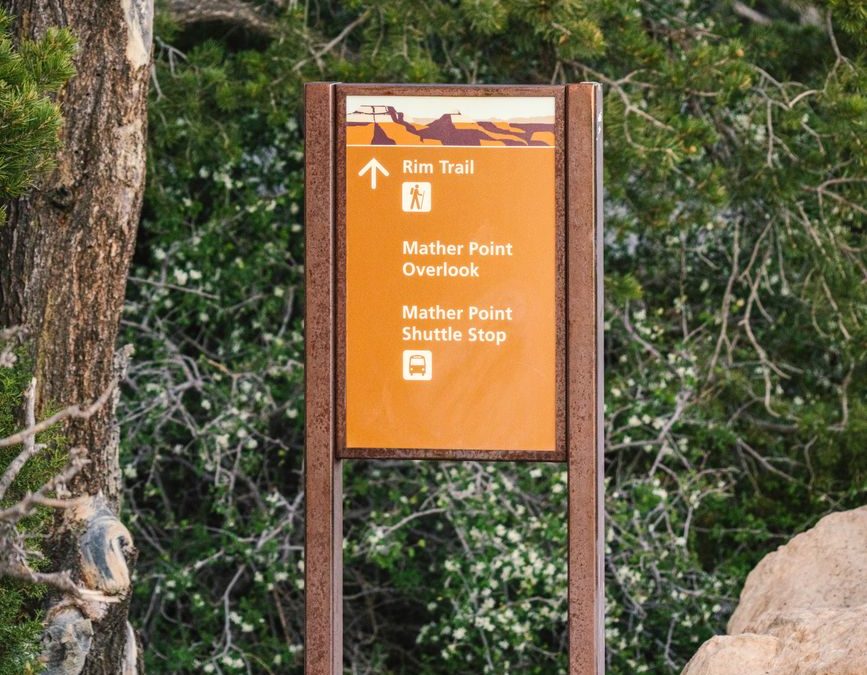
Shuttle hours are not always the same in spring, summer, fall, and winter. Some parks adjust first departures, last departures, route frequency, and town connections as daylight and crowd levels change. A schedule you saw in an old blog post or saved from a previous trip may be just wrong enough to cost you the morning hike or the easy ride back.
The fix is simple but easy to skip: use the current official park transportation page, then screenshot the schedule in case cell service fades. This helps visitors who plan around sunrise, sunset, lodging check-in, or a must-do trail. It also prevents the classic mistake of arriving for a bus that does not start running for another hour.
- Check next: first bus, last bus, and seasonal date ranges.
- Look for: route changes during shoulder season.
- Do not rely on: last year’s saved schedule.
The Last Bus Countdown
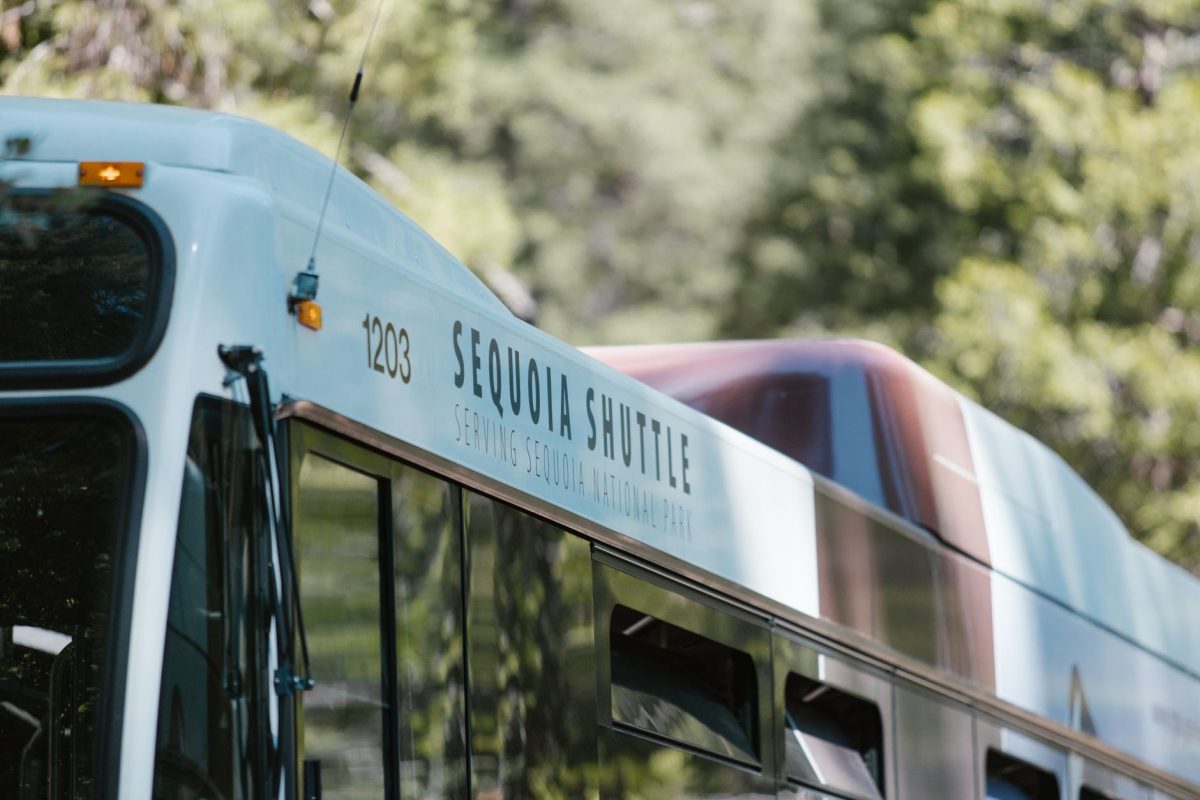
The last shuttle time is not a suggestion. If you push deep into a canyon, linger at an overlook, or underestimate the walk back to the stop, you may be stuck arranging an expensive workaround or facing a long walk on roads where pedestrians may not be allowed or safe. Even when another bus is still running, full vehicles near closing time can make the final stretch feel tense.
This affects hikers, photographers, and anyone who likes to improvise once they are inside the park. Work backward from the last return bus, not from the time you hope to finish. Add a buffer for tired legs, crowded viewpoints, restroom stops, and the possibility that you miss one bus and need to wait for the next.
- Check next: the final return from your farthest stop.
- Set: a phone alarm for turnaround time.
- Remember: sunset photos still need a ride home.
The Wrong Shuttle Stop
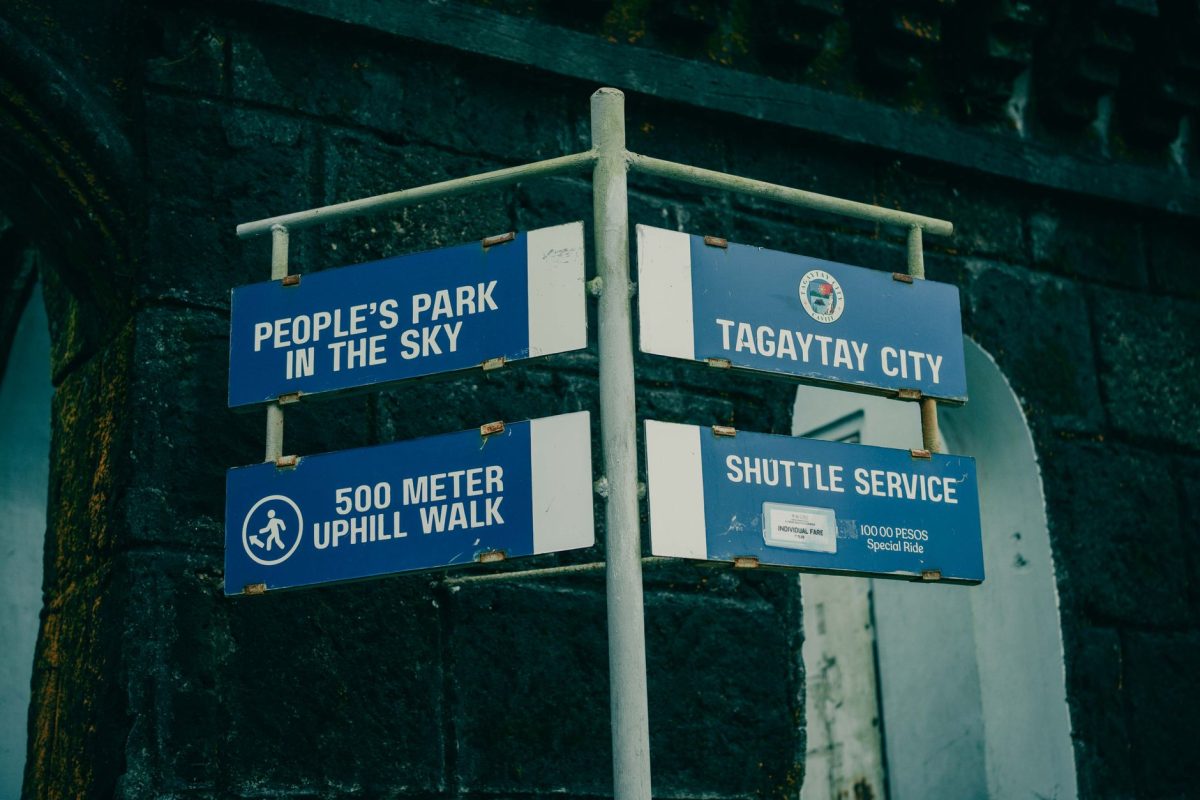
Some park shuttle systems have route loops, town connectors, express sections, or stops that only work in one direction. That can make a stop look correct when it is actually sending you away from the trailhead, back toward town, or onto a longer loop than expected. The mistake is especially easy when people follow a crowd instead of reading the stop name and route direction.
For visitors with kids, mobility concerns, or a tight day-trip itinerary, one wrong boarding can steal the best weather window. Before you step on, confirm the route name, direction, and the stop where you need to exit. If a driver or ranger is available, ask the practical version of the question: which bus gets me to this trailhead fastest?
- Check next: stop number, route color, and direction of travel.
- Photograph: the map at the first stop.
- Watch for: town shuttles that connect to, but do not enter, every park route.
The Trailhead Bottleneck

The busiest shuttle stop is often the one attached to the most famous hike, overlook, or canyon walk. Even if buses are running smoothly, crowds can stack up when many visitors finish at the same time or when a full bus reaches a popular stop with little room left. That can turn a short transfer into a long pause in the sun, rain, or wind.
This matters for anyone planning multiple stops in one day. A shuttle map can make distances look easy, but it does not show how many people will be trying to board after lunch. If the headline trail is your priority, consider doing it early, building the rest of the day around it, and keeping a backup overlook nearby if the line looks worse than expected.
- Check next: which stops serve the most popular trails.
- Pack: water, layers, and snacks for unexpected waiting.
- Plan: one must-do stop instead of four rushed ones.
A shuttle can make a national park visit calmer, cleaner, and easier than driving from stop to stop. The trick is treating it like part of the itinerary, not background transportation. Check current schedules, parking options, stop directions, and last-bus times before the trip, then keep a backup plan for the one trail or viewpoint you care about most.
This article was created with AI assistance and reviewed for clarity, sourcing, and editorial quality.
