
A pretty window is nice. A quiet room in the right part of the hotel can matter far more once the door closes.
Most travelers notice the view first, then discover the real problem later: elevator dings, hallway traffic, pool noise, parking-lot headlights, or a connecting door that makes the next room feel too close. Room placement can shape the whole stay, especially for light sleepers, families, business travelers, and anyone trying to recover after a long travel day. These are the spots worth checking before you unpack.
Room Beside the Elevator
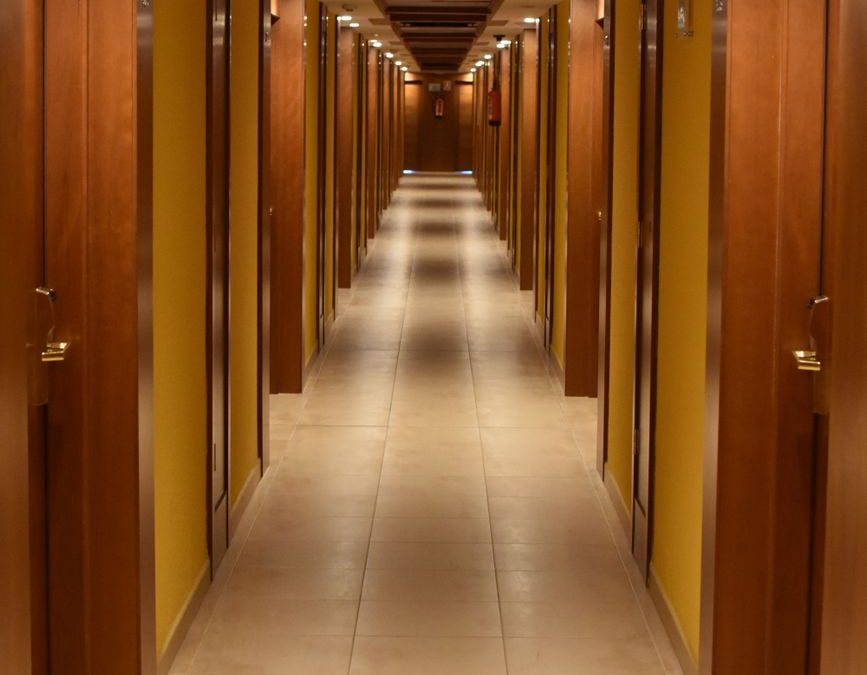
A room beside the elevator can look convenient on paper, especially when you are hauling bags or traveling with kids. The tradeoff is that the elevator area often becomes a mini gathering spot. Guests wait there, talk there, roll suitcases there, and return there late at night after dinner, weddings, or conferences. The sound is not only the elevator chime; it is the stop-and-start traffic outside your door.
- Who it affects most: light sleepers, early risers, business travelers, and families with young children.
- What can go wrong: door slams, rolling luggage, loud conversations, and late-night arrivals.
- What to check next: ask for a room a few doors away from the elevator bank, not directly beside it.
If mobility is a concern, you may still want to stay near the elevator. Just be specific: close enough to avoid a long walk, but not sharing a wall with the elevator lobby.
Room Above the Bar

Hotels often stack guest rooms above lobbies, restaurants, bars, banquet rooms, or event spaces. That can be perfectly fine in a well-built property, but it is worth asking about if you need quiet. Music, chairs scraping, closing cleanup, delivery carts, and the dull bass from an event can travel in ways that a nice view will not fix. The issue can be worse on weekends, during weddings, or in hotels that host conferences.
- Who it helps to avoid: travelers with early flights, work meetings, or long driving days ahead.
- What can go wrong: evening noise continues after you expected the public areas to quiet down.
- What to check next: ask whether your room is above a bar, restaurant, ballroom, or loading area.
If the front desk mentions an event, request a higher floor or a room on the opposite side of the building before you settle in.
Room Near the Ice Machine
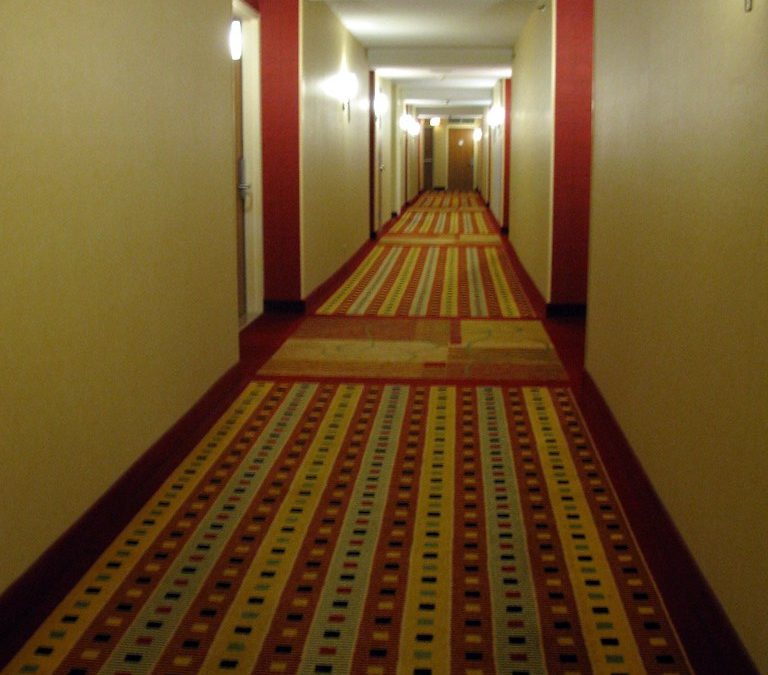
The ice machine sounds harmless until it is outside your room at midnight. These alcoves can attract quick trips all evening: guests filling buckets, kids exploring the hallway, people buying snacks, and doors opening and closing. The machine itself may hum, drop ice, or cycle at odd times. Some travelers barely notice it, but if you are sensitive to intermittent noise, this placement can be more annoying than steady city traffic.
- Who it affects most: light sleepers, solo travelers who want privacy, and anyone staying multiple nights.
- What can go wrong: repeated hallway visits make the room feel less tucked away.
- What to check next: look at the floor map or ask if the room is beside ice, vending, or a service alcove.
A small move down the hall can make a big difference. You still get access to the machine without becoming the room everyone passes to reach it.
Ground-Floor Room by the Lot

A ground-floor room near the parking lot can be useful when you have heavy luggage, sports gear, or a pet. It can also feel exposed if your window faces parked cars, headlights, walkways, or people coming and going. Privacy becomes a bigger issue because you may keep curtains closed the whole time, losing natural light. Noise can also arrive early when guests start cars, load trunks, or leave for morning activities.
- Who should think twice: solo travelers, families changing after the pool, and anyone who values privacy.
- What can go wrong: headlights, foot traffic, car doors, and a view that forces closed curtains.
- What to check next: ask whether the room faces the parking lot, pool gate, smoking area, or main walkway.
If you prefer easy access, request a ground-floor room facing an interior courtyard or quieter side instead of the busiest entrance zone.
Connecting-Door Room
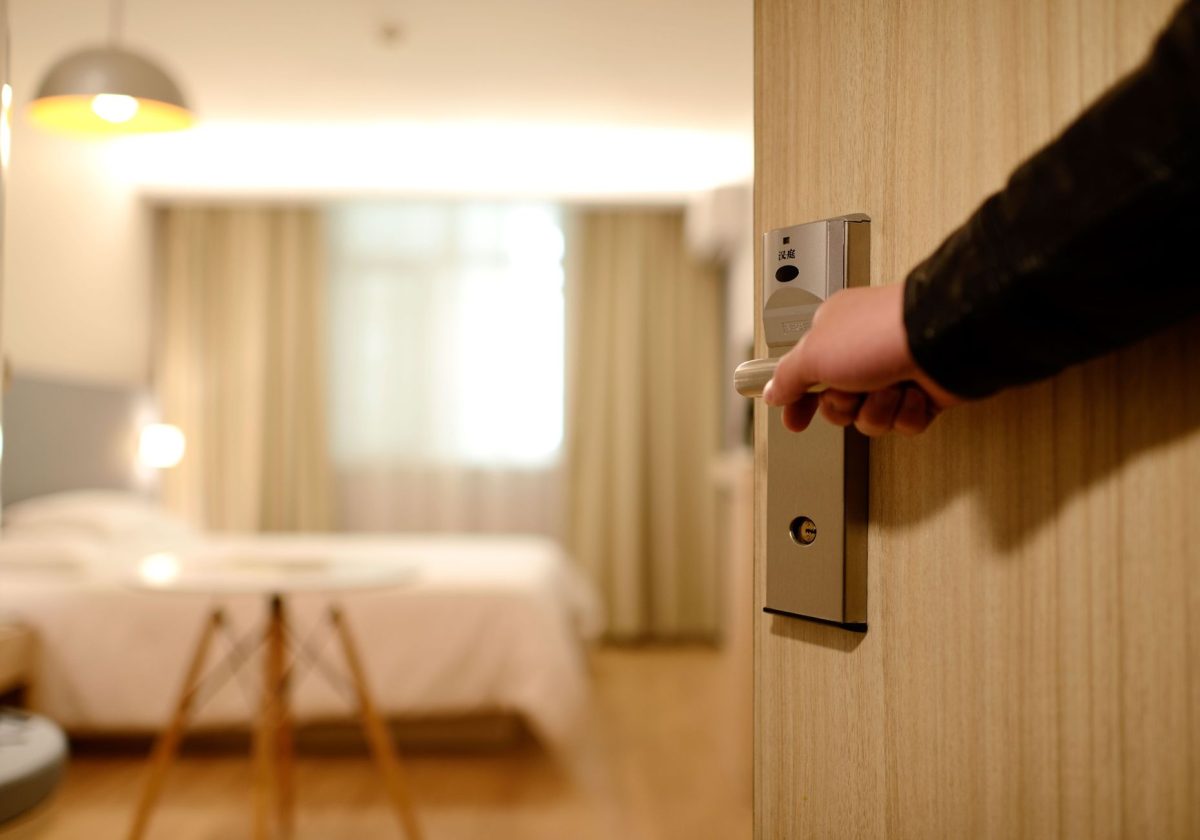
Connecting rooms are great when you booked both sides. When you did not, the extra door can make the neighboring room feel much closer. Depending on the hotel, voices, television noise, phone alarms, and kids playing may carry through more clearly than through a standard wall. It is not automatically a bad room, but it is a detail many guests do not notice until the first evening, when changing rooms becomes harder.
- Who it affects most: couples, solo travelers, remote workers, and anyone planning to sleep late.
- What can go wrong: less privacy, more neighbor noise, and uncertainty about who is on the other side.
- What to check next: look for a locked interior door and call the desk right away if you prefer a non-connecting room.
If the hotel is full, use a towel at the base of the door and keep your white-noise option ready. Better yet, ask at check-in before you unpack.
The best room is not always the one with the prettiest window. Before accepting the assignment, ask one practical question: what is this room next to, above, below, or facing? A front desk agent may not be able to guarantee perfection, but a specific request is easier to help with than a vague plea for a nice room. If quiet, privacy, or easy access matters most, say that clearly before the key card is made.
This article was created with AI assistance and reviewed for clarity, sourcing, and editorial quality.
