
A few quick questions at check-in can change the whole stay. Most guests remember the room key, then miss the small requests that matter later.
The hotel front desk is not just where you collect a key card. It is also where small problems can be prevented before they turn into noisy nights, surprise charges, missed shuttles, or a rushed morning. The catch is that tired travelers usually want to get upstairs fast, so they skip the questions that can make the stay smoother. These five front desk moves are easy to forget, but they are worth asking before you unpack.
The Late Checkout Ask
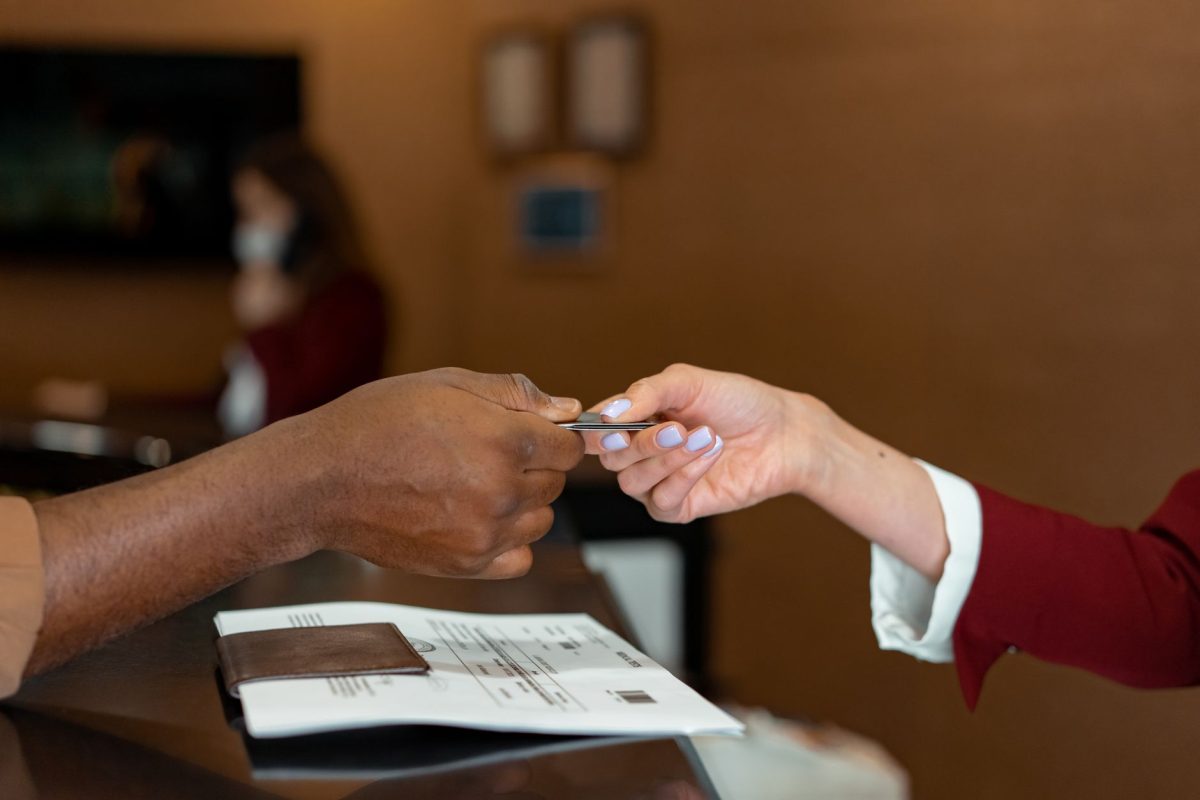
Late checkout is one of the easiest requests to make and one of the easiest to forget. Many travelers wait until the final morning, when housekeeping schedules, incoming arrivals, and staff coverage may already be locked in. Asking at check-in gives the desk more room to note your preference or explain the exact policy.
- Why it matters: It can buy time for a late flight, a slow breakfast, or a child who needs a nap.
- What can go wrong: Waiting too long may leave you paying for extra hours or rushing out with wet swimsuits and half-packed bags.
- What to check next: Ask whether loyalty status, room type, or occupancy affects the answer.
Even if the hotel cannot promise it immediately, getting the request into the system early can help.
The Quiet Room Request
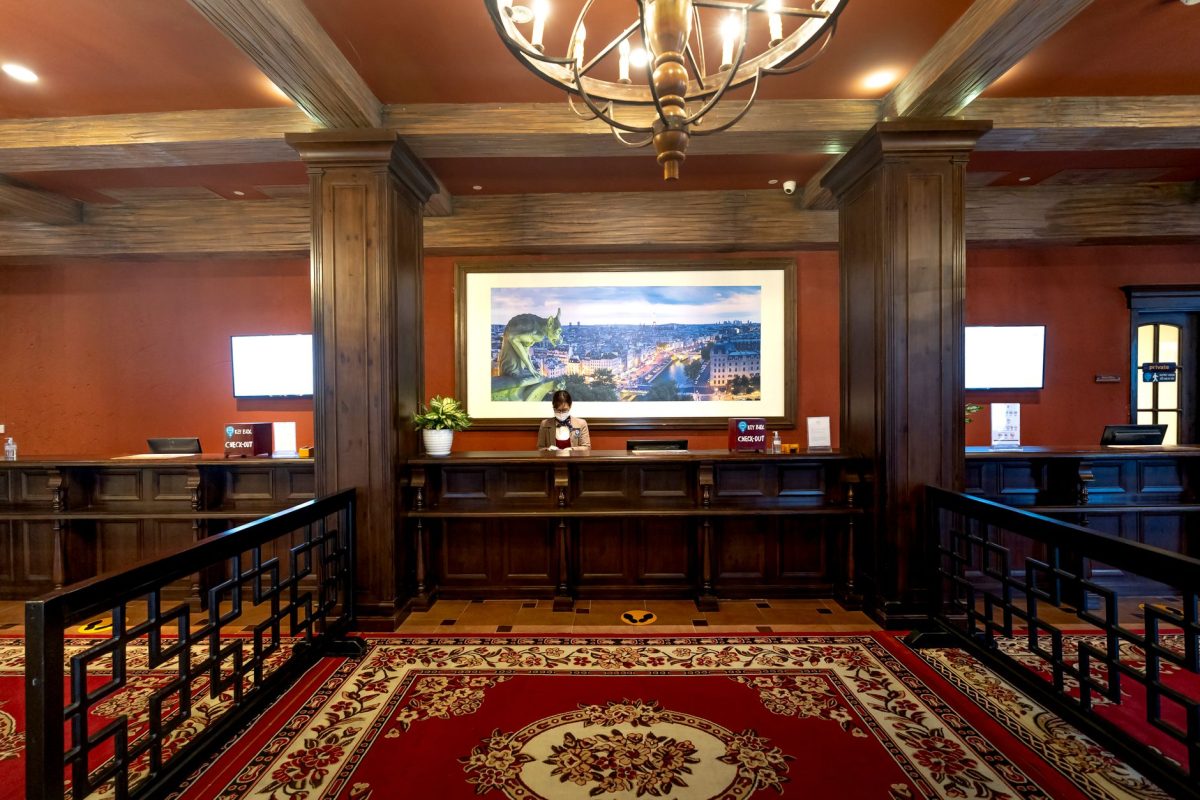
Most guests accept the first room offered, then discover the ice machine, elevator bank, service door, or street noise after bedtime. The front desk may not be able to redesign the building, but it can often steer you toward a better fit if rooms are available. The right wording helps: ask for a room away from elevators, vending areas, event spaces, and connecting doors if sleep matters.
- Who it helps: Light sleepers, families with babies, business travelers, and anyone recovering from a long travel day.
- What can go wrong: A convenient room can become the loudest room when guests return late or housekeeping starts early.
- What to check next: Confirm whether the room faces a road, pool, nightclub, loading area, or interior courtyard.
One polite request at the desk can be easier than asking to move rooms at midnight.
The Card Hold Question
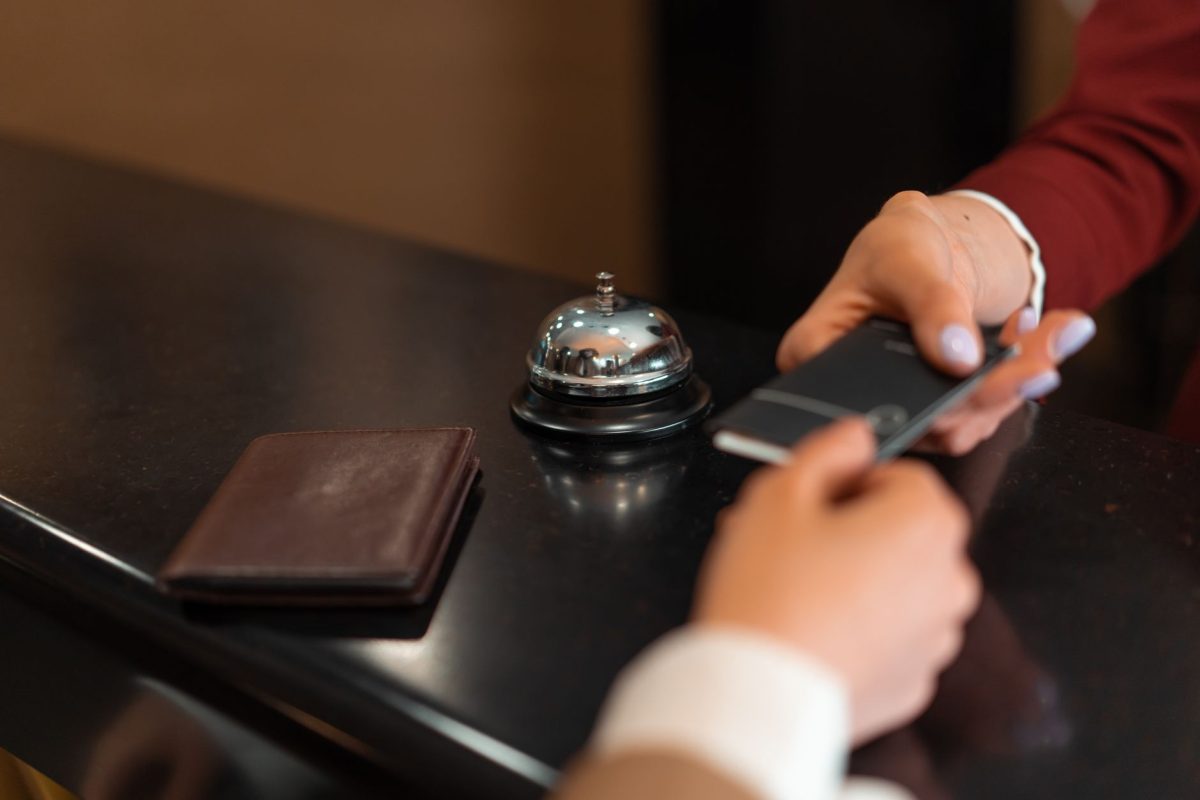
Hotel card holds can surprise travelers because they may look like a charge before they fall off. The amount can vary by property and may include incidentals, parking, resort fees, minibar access, or a nightly deposit. Asking the front desk for the total hold and release timing can prevent confusion later, especially if you are traveling with a debit card or a tight budget.
- Why it matters: A temporary hold can reduce available funds during the trip, even when it is not a final charge.
- What can go wrong: Guests may mistake an authorization for a duplicate bill or get caught short for meals, fuel, or rideshares.
- What to check next: Ask what is refundable, what is mandatory, and whether the final folio can be emailed at checkout.
The best time to clarify money is before the card is swiped, not after the vacation mood is gone.
The Shuttle Schedule

Many hotels mention shuttle service, but the details can matter more than the perk itself. Some shuttles run only during certain hours, require reservations, stop at several terminals, or pick up from a specific curb that is not obvious. A front desk check can save you from standing outside with bags while the ride you expected never appears.
- Who it helps: Airport travelers, cruise passengers, conference guests, and anyone without a rental car.
- What can go wrong: You may miss an early departure if the first shuttle leaves too late or fills up before you arrive.
- What to check next: Ask where to wait, how often it runs, whether seats are guaranteed, and if there is a backup taxi or rideshare plan.
A free shuttle is only useful if the timing and pickup point actually match your trip.
The Essentials Drawer

Travelers often run to a convenience store before asking the hotel for the basics. Many front desks keep a supply of small essentials such as toothbrushes, toothpaste, razors, combs, sewing kits, phone chargers, adapters, umbrellas, or extra coffee packets. The selection varies, but it is worth asking before spending money or losing time outside the hotel.
- Why it matters: A missing charger or toothbrush can turn into an annoying errand after a long day of travel.
- What can go wrong: Nearby shops may be closed, overpriced, or too far away when you finally notice what you forgot.
- What to check next: Ask whether the item is complimentary, loaned, or sold, and whether housekeeping can deliver it to the room.
The front desk cannot replace everything, but it may solve more packing mistakes than guests expect.
A hotel stay often turns on small details: where the room sits, when you can leave, how much is held on the card, and whether transportation is actually ready when you need it. The best move is simple: before walking away from the desk, pause for one minute and ask the questions tied to sleep, money, timing, and missing essentials. That short conversation can prevent the most avoidable hotel headaches.
This article was created with AI assistance and reviewed for clarity, sourcing, and editorial quality.
