
The first evening at a campsite sets the tone. These easy-to-miss choices can turn a relaxing trip into a scramble before breakfast ever arrives.
The first night at a campground has a way of exposing every skipped step. A late arrival, a rushed tent spot, or one misplaced food bin can make a perfectly good reservation feel harder than it should. The fix is not buying more gear. It is knowing which small decisions matter most during the first hour after you park.
The Sunset Arrival
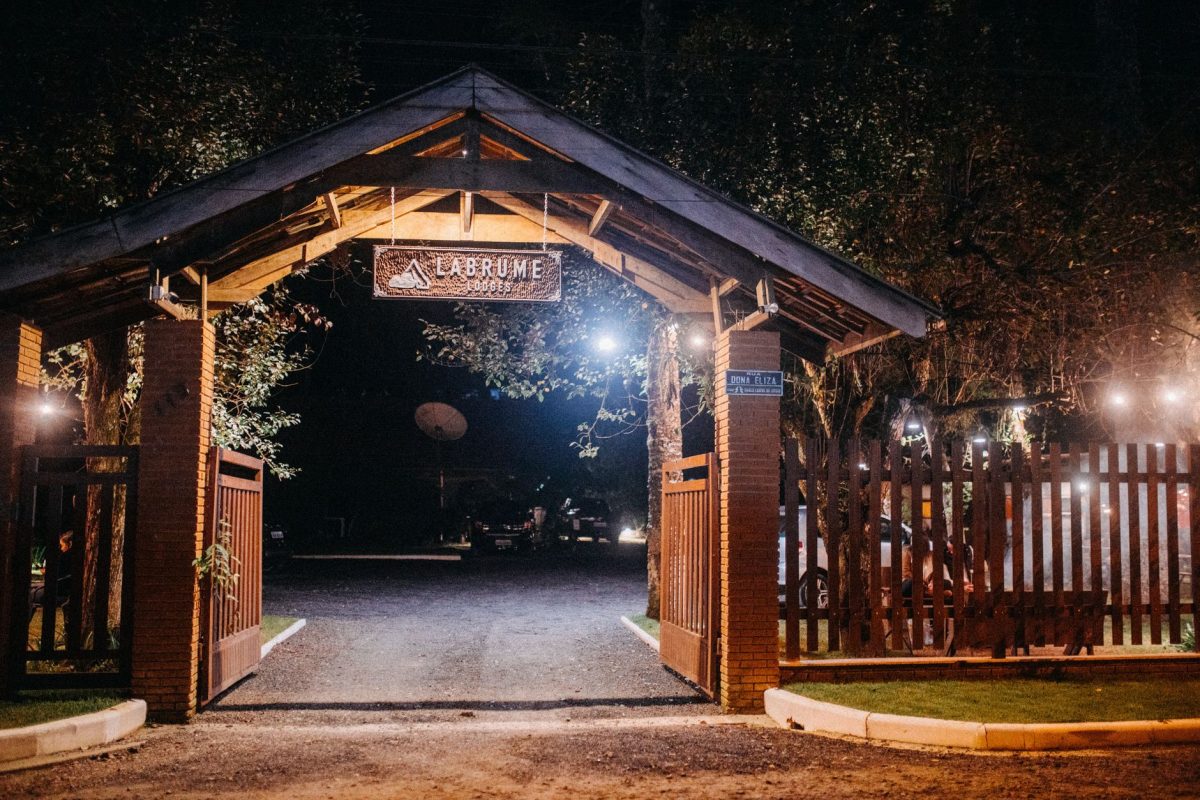
Arriving near dark is the mistake that makes every other mistake louder. Campsites look simple on a reservation map, but the first visit still requires finding the loop, reading the site post, backing in, unloading, and figuring out where everything goes. When that happens after sunset, even basic tasks take longer and tempers can rise fast.
- Check the campground gate hours, quiet hours, and check-in window before leaving home.
- Build in time for traffic, fuel stops, and slow park roads.
- Keep headlamps, lanterns, and the reservation number reachable in the front of the vehicle.
This helps families, first-time campers, and anyone towing a trailer. A daylight arrival gives you time to correct a bad parking angle, spot the bathhouse, and set up without turning the first evening into a flashlight scavenger hunt.
The Unchecked Tent Spot
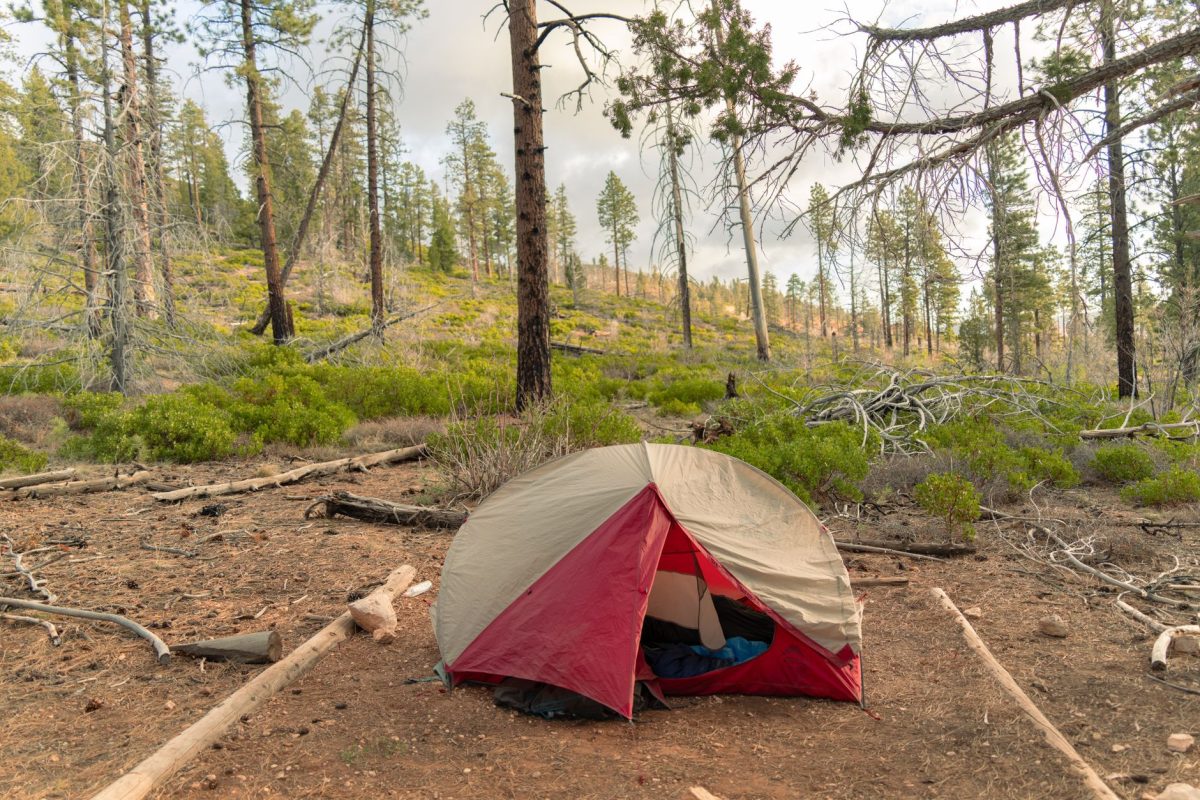
The flattest-looking patch is not always the best place to sleep. On the first night, campers often rush the tent onto the first open area and only discover the problem after midnight: a slope that rolls everyone downhill, roots under a sleeping pad, standing water marks, ant activity, or brush close enough to snag fabric.
- Walk the site before unpacking the tent.
- Look for drainage, low branches, insect mounds, sharp rocks, and worn paths.
- Lie one sleeping pad down briefly to test the angle before staking everything.
This matters most when kids are tired or bad weather is possible. A five-minute ground check can prevent poor sleep, wet gear, and a frustrating morning spent moving a tent that should have been placed differently from the start.
The Too-Close Fire Ring
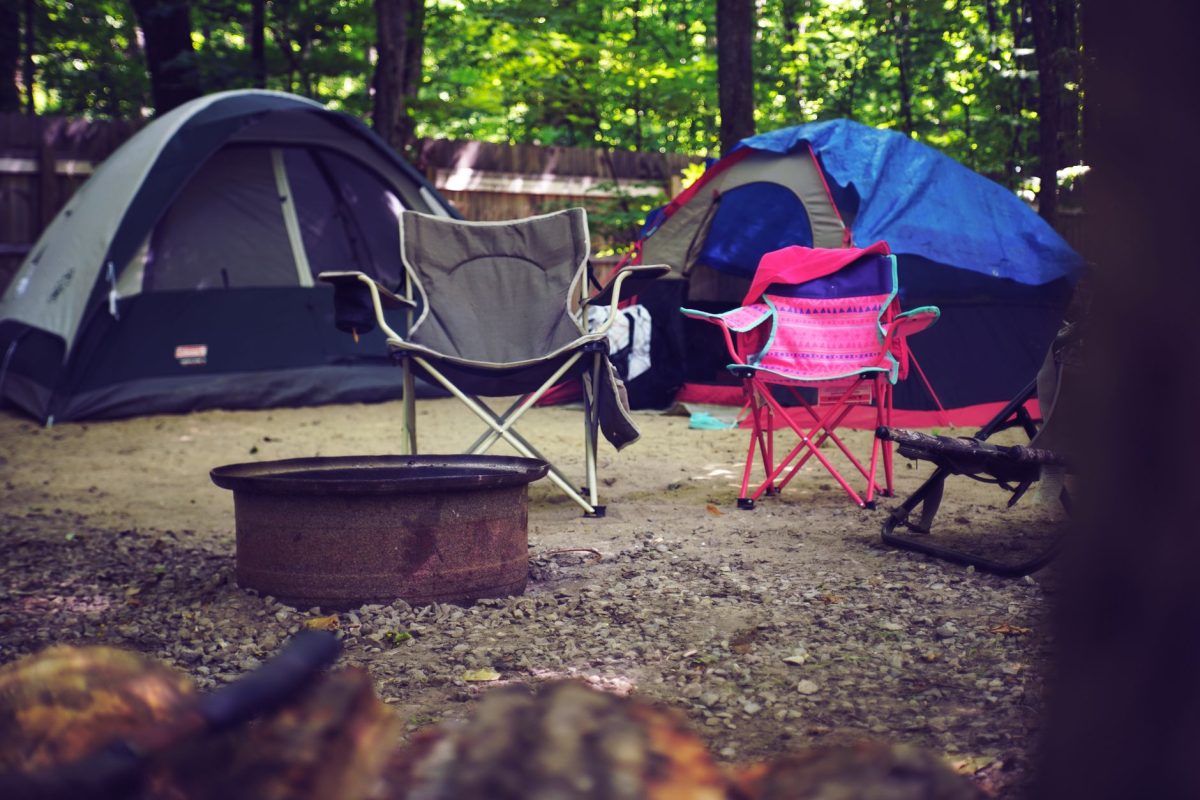
A cozy layout can become a bad layout once cooking and smoke begin. New campers sometimes place the tent wherever it fits, then realize it is too close to the fire ring, grill, dry leaves, or the path people take while carrying hot food. State and park guidance commonly emphasizes keeping tents away from flames, heat sources, and loose dry material.
- Leave clear space around the tent, especially near the door and guy lines.
- Keep cooking, lanterns, and open flames outside the sleeping area.
- Move dry leaves, pine needles, and loose debris away before evening.
The issue affects safety and comfort. Smoke can drift into bedding, children can trip near the fire, and a crowded site makes cleanup harder. If the site feels tight, choose a smaller cooking footprint rather than squeezing the tent into the risky spot.
The Loose Food Tote
Leaving food loose on the first night teaches the campsite the wrong lesson. After a long drive, it is tempting to snack, cook, and leave the tote half-open while everyone gets settled. Crumbs, wrappers, pet food, and scented trash can attract animals ranging from raccoons to bears, depending on the destination and campground rules.
- Read the posted food-storage rules before dinner, not after.
- Use bear boxes, lockers, vehicles, or approved containers where required.
- Put trash, toiletries, and cooking scraps away before heading to bed.
This protects your group and the next campers who use the site. It also prevents the 2 a.m. noise that sends someone outside with a flashlight to rescue a chewed bag of buns. First-night food discipline makes the rest of the stay calmer.
The Unmarked Tent Stakes
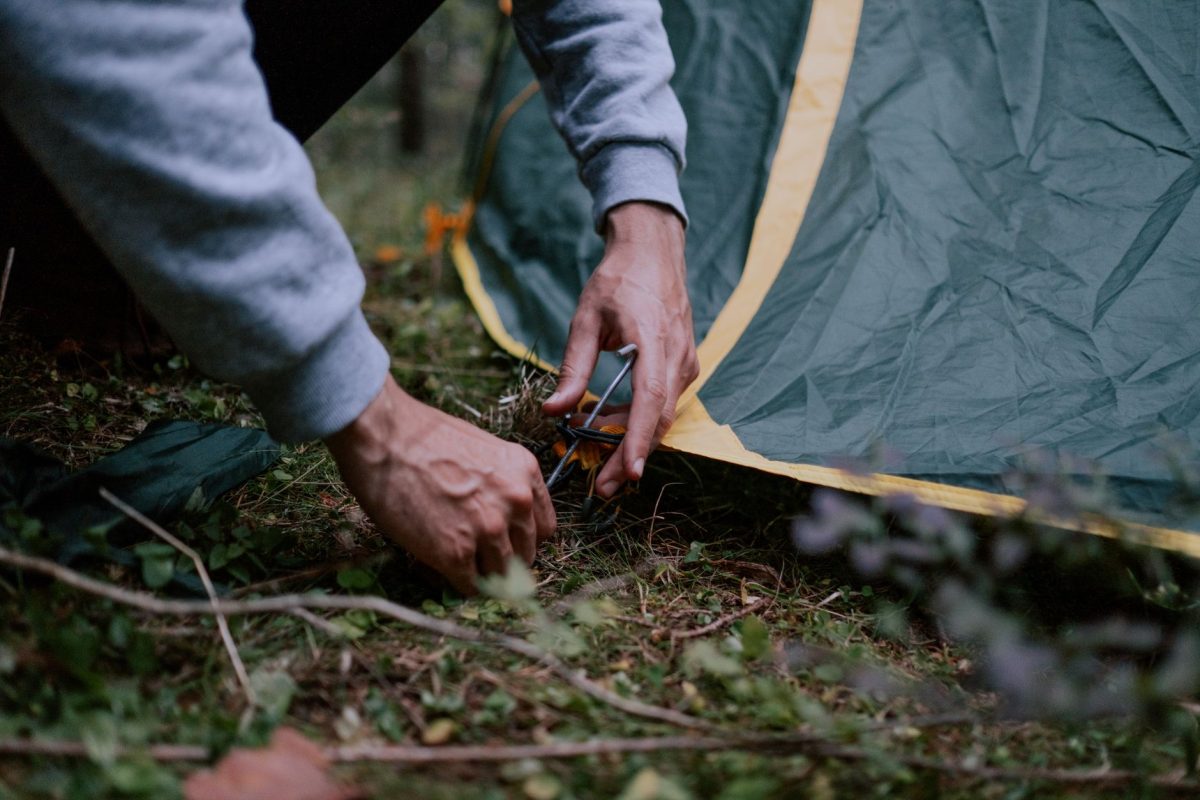
Tent stakes disappear after dark exactly when everyone is walking around tired. The first night brings bathroom trips, late dishwashing, kids looking for shoes, and adults trying to find the cooler. Low guy lines and metal stakes become easy trip points, especially on sites with gravel, roots, or uneven ground.
- Mark stakes with bright fabric, reflective cord, or small soft markers.
- Keep the main walking path free of ropes, chairs, and open bins.
- Place a low lantern outside the tent door, aimed down instead of into neighbors sites.
This is a small fix that helps nearly everyone, including older campers and children. It reduces stumbles, bent stakes, ripped tent corners, and the awkward first-night crash that wakes nearby sites.
The easiest first-night win is to treat arrival like its own mini-itinerary. Get there with light left, inspect the ground, separate fire and food areas, secure scented items, and make the campsite visible after dark. Those few checks do not make camping complicated; they keep the first evening from stealing energy from the trip you planned.
This article was created with AI assistance and reviewed for clarity, sourcing, and editorial quality.
