
The runway view, terminal road, and first cab ride can make a city look nothing like the trip waiting beyond baggage claim.
Airports are powerful mood-setters. A long taxi line, a bland arrivals hall, or a drive past warehouses can make travelers decide they already understand a place. That snap judgment is often wrong. The first 30 minutes after landing usually show the city built for logistics, not the city built for wandering, eating, listening, shopping, or sitting in a square with no plan.
These five cities are easy to underestimate, overestimate, or misunderstand from the airport alone. The better move is simple: treat the airport as a transfer point, then let the neighborhoods make the case.
Los Angeles
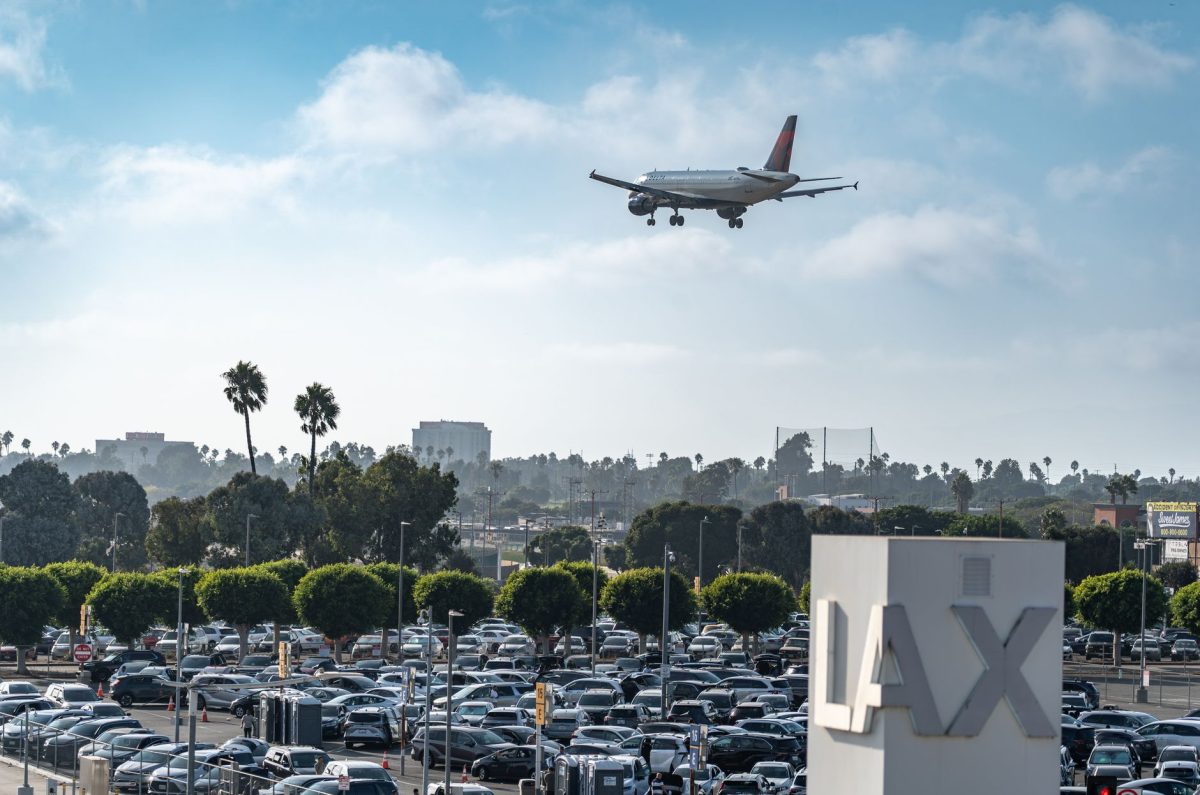
Los Angeles can feel like a test before it feels like a vacation. The airport area is busy, spread out, and wrapped in traffic patterns that rarely match the postcard version of Southern California. A traveler who judges the city from the curb at LAX may see congestion, concrete, and a long ride ahead, then assume the whole place is exhausting.
That first impression misses how neighborhood-driven Los Angeles is. The version you get in Santa Monica, Koreatown, Silver Lake, Venice, Pasadena, or the Arts District can feel like entirely different trips.
- Why it matters: visitors who plan around one central downtown model may get frustrated fast.
- What to check next: choose lodging near the places you will actually visit, not simply near the airport.
- Who it helps: first-timers, families, and anyone trying to avoid spending the trip in a car.
The airport shows the scale. The neighborhoods show the reason people come back.
Paris
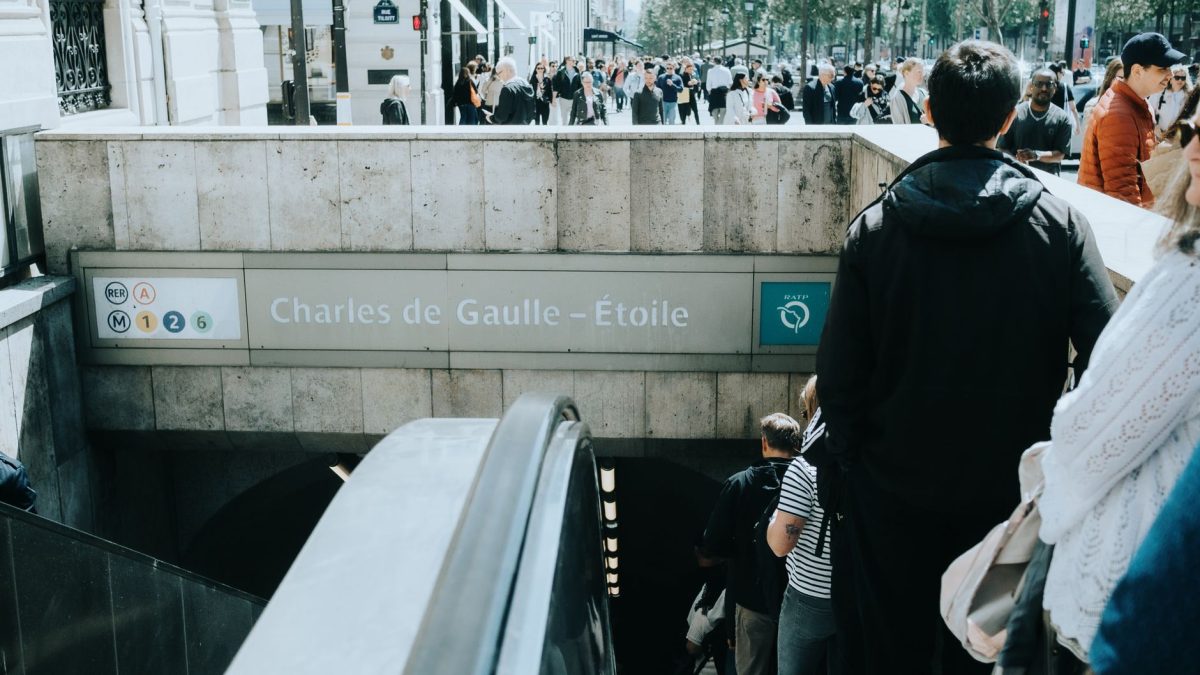
Paris is one of the easiest cities to misread on arrival because the airport experience can feel more procedural than poetic. Charles de Gaulle is large, transfers can be confusing, and the ride toward the center may pass roads, business zones, and gray edges that do not resemble the Paris many travelers imagined. If you are tired, that gap can feel disappointing.
The mistake is expecting the airport corridor to deliver the city fantasy immediately. Paris reveals itself more slowly through street corners, bakeries, parks, museums, markets, and small routines.
- Why it matters: a rocky arrival can sour expectations before the trip begins.
- What can go wrong: travelers may overpay for convenience or panic during train and taxi decisions.
- What to check next: confirm your airport transfer plan before landing, especially if arriving late.
Paris is rarely best judged while hauling a suitcase under fluorescent lights.
Newark

Newark gets judged harshly by travelers who land there only because they are headed somewhere else, especially New York City. The airport surroundings can look industrial, the road network can feel blunt, and the name often becomes shorthand for a complicated arrival. That is not a fair reading of Newark itself, and it is not a fair reading of the region.
The city has its own food scene, performing arts spaces, historic districts, and transit links. It also functions as a practical gateway for travelers who want access to Manhattan, New Jersey towns, or onward rail connections.
- Why it matters: dismissing Newark can lead travelers to ignore cheaper hotels, easier trains, or worthwhile local stops.
- What can go wrong: assuming every transfer is quick may create missed connections.
- What to check next: compare train, taxi, and rideshare times instead of choosing by habit.
The view from the airport roads is only one narrow slice of a working metro area.
Las Vegas

Las Vegas may be the rare city that can be overjudged from the airport as much as underjudged. The moment travelers see gaming machines, neon-style visuals, and ads for shows, they may assume the entire destination is one loud strip of casinos. For some visitors, that is the point. For others, it can make the city feel one-note before they have even reached the hotel.
That first impression skips the broader map. Las Vegas can also mean desert hikes, neighborhood restaurants, convention travel, family pools, vintage signs, art spaces, and day trips beyond the Strip.
- Why it matters: travelers who dislike casinos may write off a city that still has useful alternatives.
- What can go wrong: booking only by room rate can hide resort fees, distance, and transportation costs.
- What to check next: look at the actual location, not just the famous name on the property.
The airport is theatrical, but the trip does not have to follow the loudest script.
Mexico City
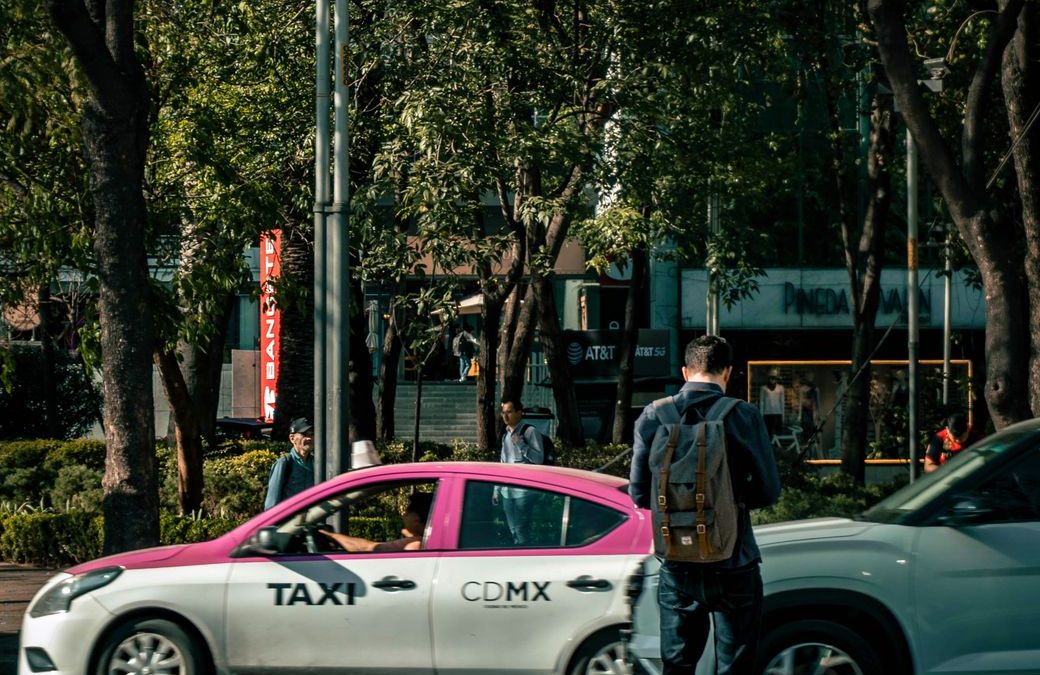
Mexico City can overwhelm travelers who use the airport as their first and only measuring stick. The arrival area is busy, traffic can be intense, and the first ride may move through dense urban corridors that make the city feel hard to read. For visitors expecting an instant vacation mood, the scale alone can be jarring.
But judging Mexico City from the airport misses its greatest strength: the way distinct neighborhoods create different rhythms. Roma, Condesa, Coyoacán, Polanco, Centro Histórico, and other areas can change the feel of the trip within a single afternoon.
- Why it matters: first-timers may mistake size and traffic for a lack of warmth or beauty.
- What can go wrong: underestimating travel times can turn dinner plans, museum tickets, or tours into a scramble.
- What to check next: group daily plans by neighborhood instead of crossing the city repeatedly.
The airport hints at the scale. The neighborhoods explain the appeal.
A city airport is built to move people, bags, taxis, buses, cargo, and schedules. That job rarely produces the most flattering first impression. Before writing off a destination, give it at least one real neighborhood, one meal away from the terminal, and one slow walk where nobody is checking a boarding time.
The smartest travelers do not ignore airport friction. They plan around it. Then they let the city start after the luggage carousel.
This article was created with AI assistance and reviewed for clarity, sourcing, and editorial quality.
