
The first hour at a campsite can decide whether the trip starts calm or turns into a flashlight scramble.
The first night at a campground has a way of revealing small problems at the worst possible time: after sunset, after dinner, or after everyone is tired. A quick look around before unpacking everything can save campers from damp sleeping bags, dead outlets, long bathroom walks, and a smoky fire pit. These five checks are simple, but they are the ones many travelers only remember after something gets annoying.
The Sloped Tent Pad
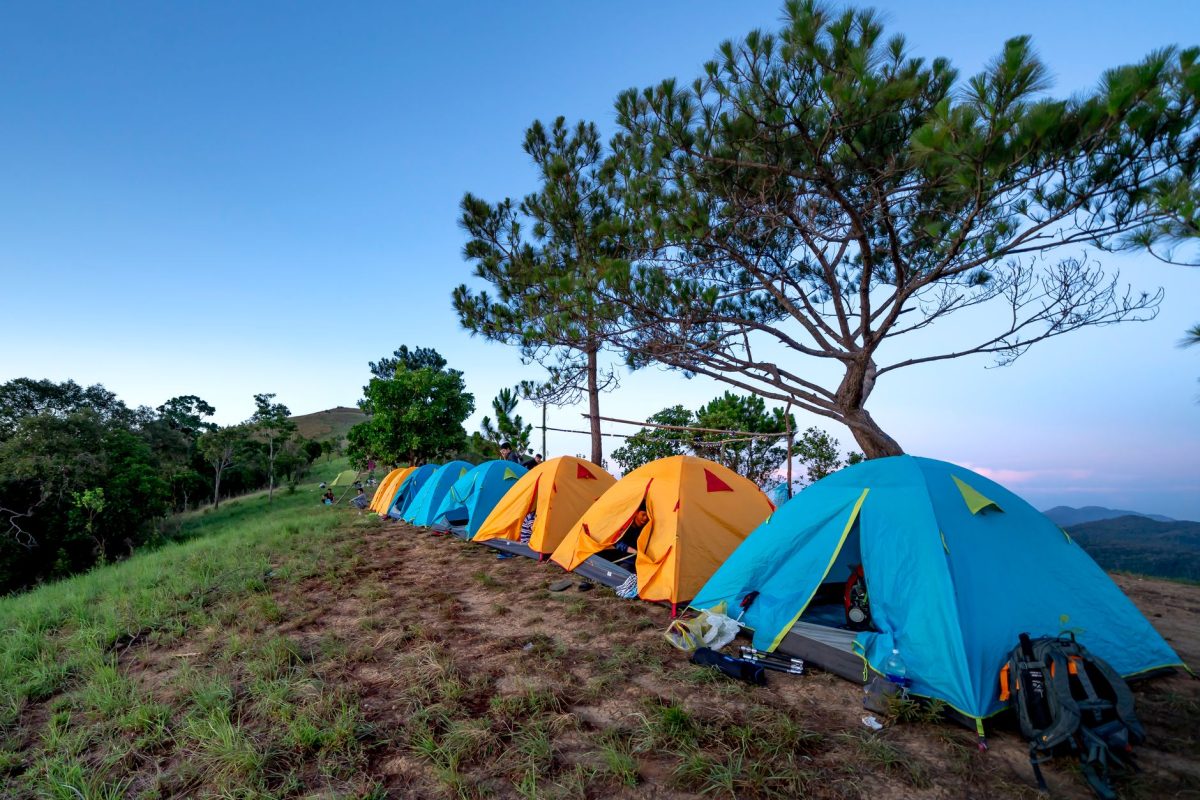
Before the tent goes up, stand where the sleeping area will be and look for slope, roots, puddle marks, low spots, and loose gravel. A pad that looks fine at check-in can feel very different once everyone is trying to sleep. Even a slight downhill angle can send pillows sliding, push sleepers against one wall, or collect rain under the floor.
- Check the head end: Place heads uphill if the ground is not perfectly level.
- Look for runoff: Avoid the lowest corner of the site if rain is possible.
- Test before staking: Lay down a sleeping pad or bag briefly before committing.
This helps families, couples, and solo campers avoid the frustrating job of moving a fully staked tent in the dark. If the pad is unusable, ask the host early, while staff may still be available.
The Picnic Table Perimeter
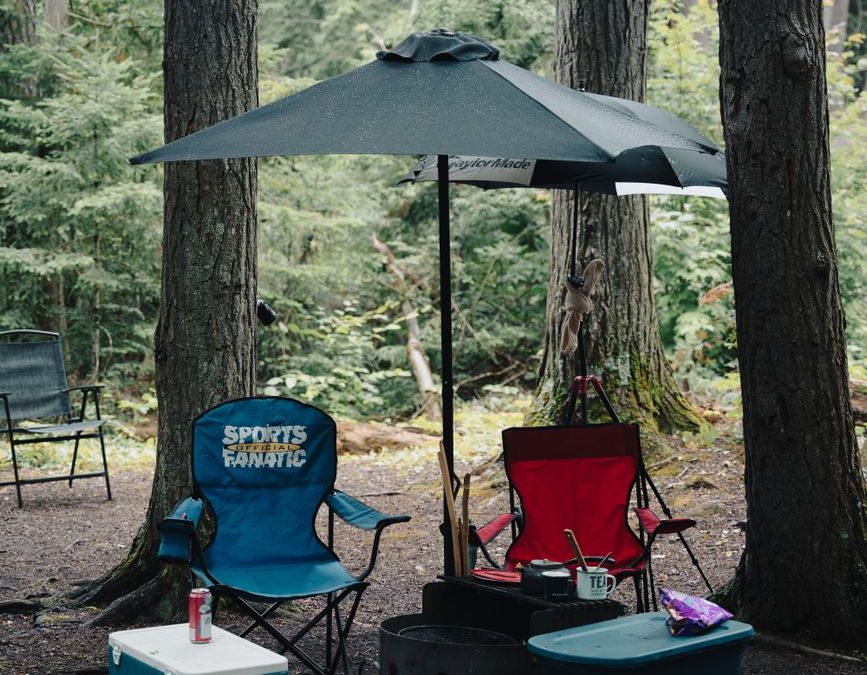
The picnic table usually becomes the kitchen, charging station, card table, and gear drop all at once. On the first night, take two minutes to decide what belongs there and what should be stored away. Crumbs, open snack bags, and scented items can attract insects and wildlife, while scattered gear makes it easier to misplace keys, headlamps, or the reservation tag.
- Choose one food zone: Keep meals, utensils, and cleanup items together.
- Clear sleeping gear: Do not let blankets or pillows sit near spills or smoke.
- Close the cooler: A loosely latched lid can become a late-night problem.
This check matters most when kids are hungry, daylight is fading, and everyone starts dropping items wherever there is space. A tidy table makes dinner easier and reduces the chance of waking up to a mess.
The Power Pedestal
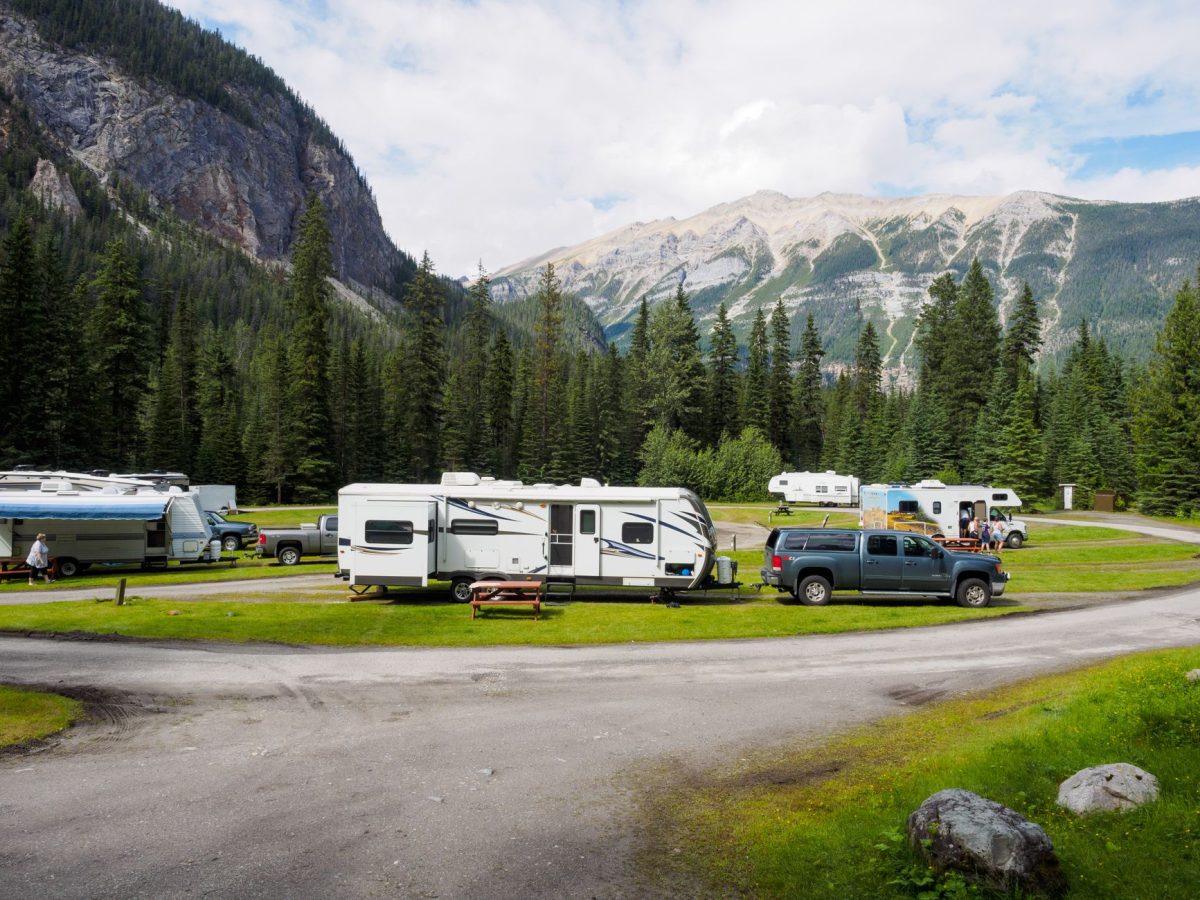
For RVers and tent campers using electric sites, the power pedestal deserves attention before the site is fully arranged. Confirm the outlet type, breaker position, cord reach, and whether the post looks damaged or loose. It is much easier to discover a mismatch before the awning, chairs, and cooking gear are spread across the site.
- Match the plug: Make sure the site has the outlet your setup needs.
- Check cord routing: Keep cords away from puddles, paths, and vehicle tires.
- Report damage: Do not ignore scorch marks, broken covers, or unstable posts.
This helps prevent spoiled groceries, dead device batteries, and uncomfortable nights without fans or heat. If the hookup is not right, campground staff may be able to move you or provide guidance before the office closes.
The Bathhouse Route
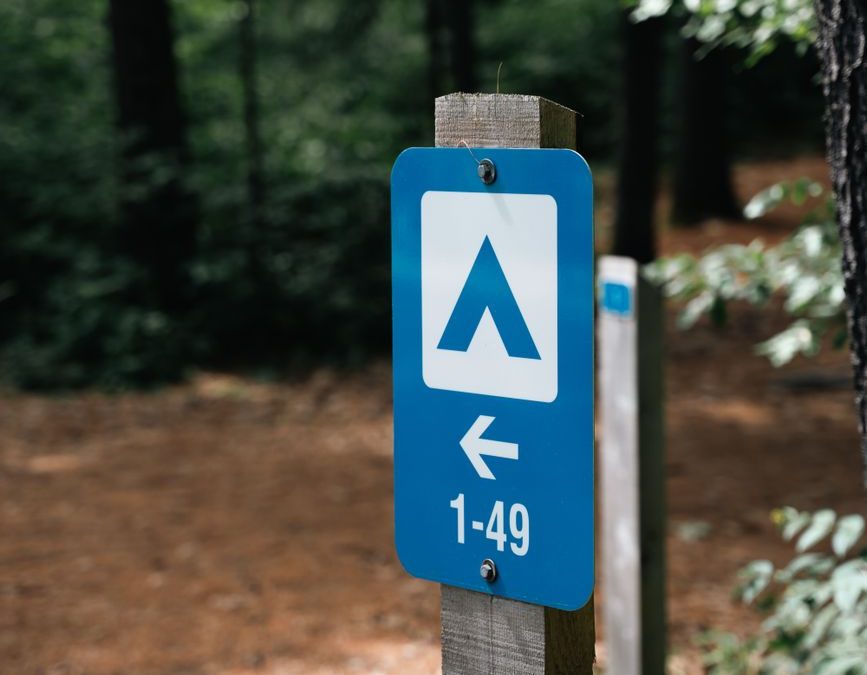
Find the bathhouse, trash area, water spigot, and any posted quiet-hour signs before nightfall. A route that looks obvious in daylight can feel confusing after dark, especially in a large loop of similar campsites. This is also the time to notice whether the path is steep, muddy, poorly lit, or longer than expected for children or older travelers.
- Walk it once: Do a quick daylight trip from your site to the restroom.
- Note landmarks: Remember a sign, water post, or unusual camper nearby.
- Pack a light: Keep a headlamp or flashlight where it can be reached fast.
This check reduces late-night wandering and helps everyone feel more settled. It is especially useful when arriving tired, camping with kids, or staying at a campground with multiple loops and one central facility.
The Fire Ring
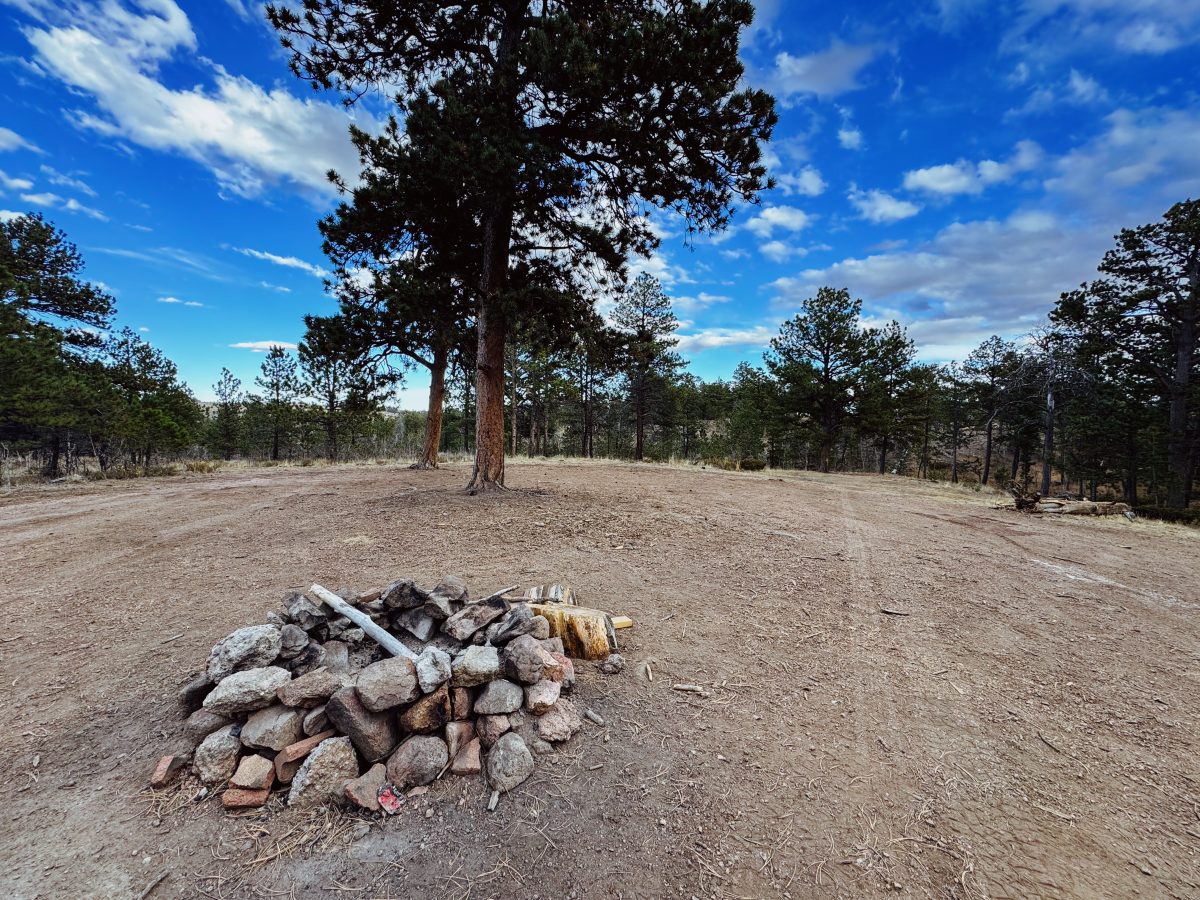
A fire ring can tell you a lot before the first match is lit. Check whether it is clean, stable, and far enough from tents, awnings, dry leaves, and overhanging branches. Also look for posted fire rules, because some campgrounds restrict wood collection, require local firewood, or ban fires during dry conditions.
- Clear the edges: Move chairs, bags, and loose paper away from sparks.
- Check the wind: Smoke can blow straight into a tent door or neighboring site.
- Find the water: Know where a bucket, spigot, or extinguisher is before cooking.
This matters because the first campfire often happens when people are distracted by dinner and setup. A quick fire ring check protects gear, keeps neighbors happier, and avoids the awkward moment of learning the rules after the fire is already burning.
A smoother first night usually comes from checking the campsite before it is fully unpacked. Walk the site, test the basics, and make small adjustments while there is still daylight. If something feels off, ask the campground host early rather than trying to solve it after the office closes and everyone is ready for bed.
This article was created with AI assistance and reviewed for clarity, sourcing, and editorial quality.
