
The small words on airport signs can matter more than the big arrows, especially when you are tired, rushed, or changing flights.
Airport signs are designed to move huge crowds quickly, but they also ask tired travelers to make fast decisions in unfamiliar buildings. One arrow can mean a short walk, a security exit, or a surprise train ride to another terminal. The trick is knowing which signs deserve a second look before you follow the crowd.
Terminal Arrows
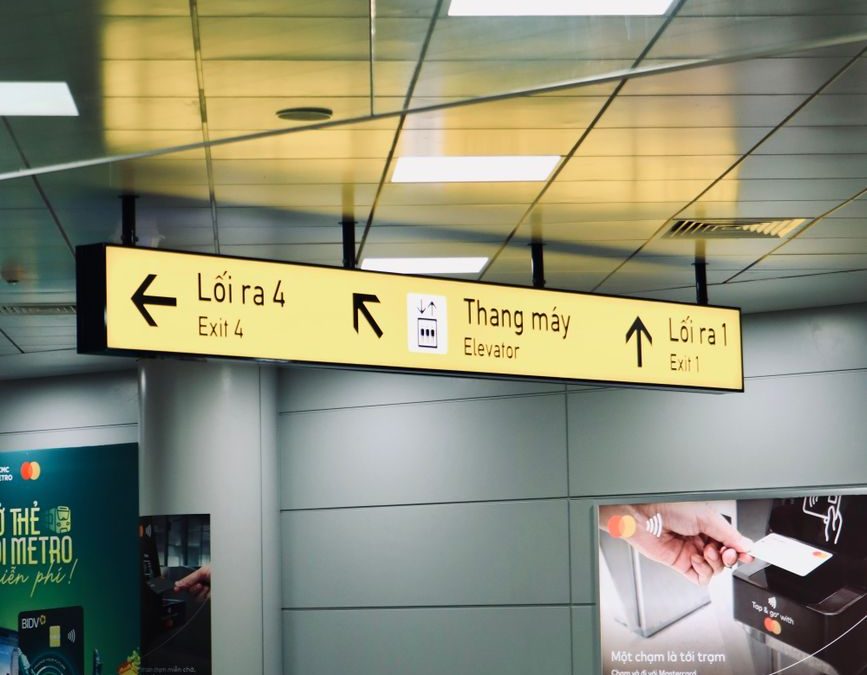
Terminal arrows look obvious, but they can be the start of the longest mistake in the airport. A sign pointing toward Terminal 2 may mean a nearby corridor, a security exit, an airport train, or a completely separate building. Travelers often follow the largest arrow without checking whether it is for departures, arrivals, baggage claim, or connecting flights.
- Check whether the sign mentions your airline, gate range, or flight type.
- Look for words like airside, landside, or exit before leaving secure areas.
- If your gate is still unassigned, confirm the terminal on the airport app or departure board.
This matters most in large hubs, where the wrong terminal can mean another security line and a missed boarding window.
Gate Change Boards
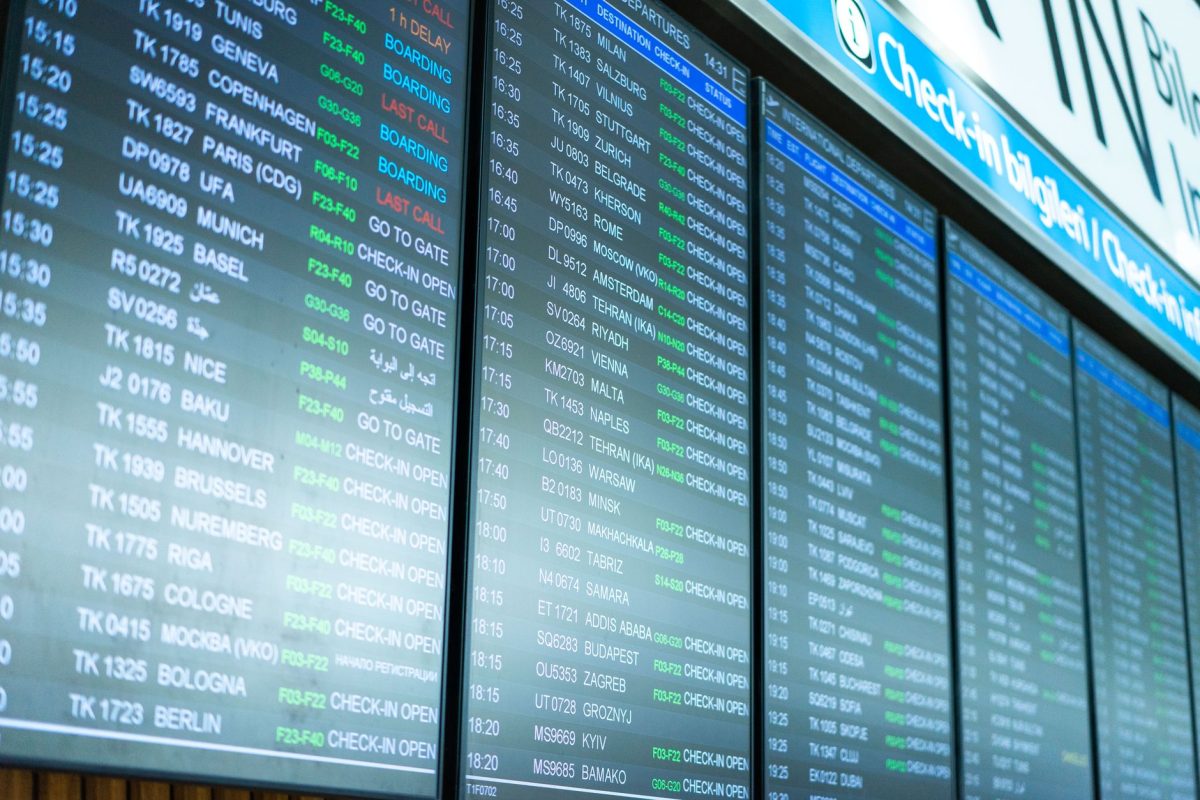
Gate change boards cause confusion because travelers scan them while walking, texting, or listening for announcements. A flight may show a gate, then a new gate, then a delay, then a boarding status that changes again. The most common mistake is reading the row above or below your flight, especially when several flights share the same city name or airline code.
- Match the flight number first, not just the destination.
- Watch for terminal letters attached to gate numbers.
- Recheck the board after food stops, lounge visits, or restroom breaks.
It helps rushed families, nervous first-time flyers, and anyone with a tight connection to pause for ten seconds instead of trusting an old screenshot.
Baggage Recheck Belt
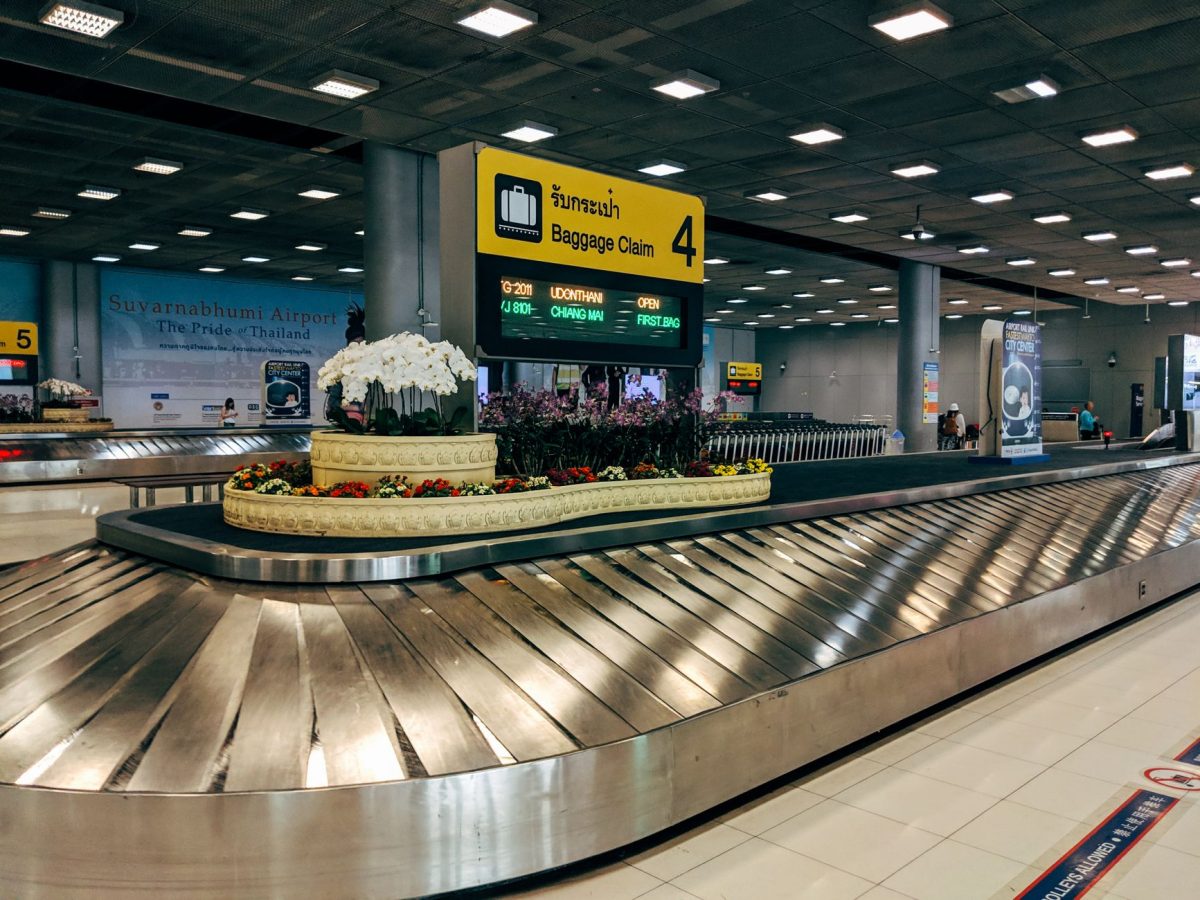
Baggage recheck belt signs are easy to miss because they appear when travelers are already overloaded: they have landed, cleared immigration, found their luggage, and want to leave. On some international connections, checked bags must be collected and dropped again even if the final destination is printed on the tag. Misreading this sign can send a passenger out of the airport with a bag that should have continued onward.
- Look for signs that say connecting bags, transfer baggage, or recheck.
- Ask staff before walking past a staffed belt with your suitcase.
- Keep bag tags handy until you reach your final airport.
The sign affects connecting travelers most, because a small baggage step can become a major trip disruption.
Passport Control Line
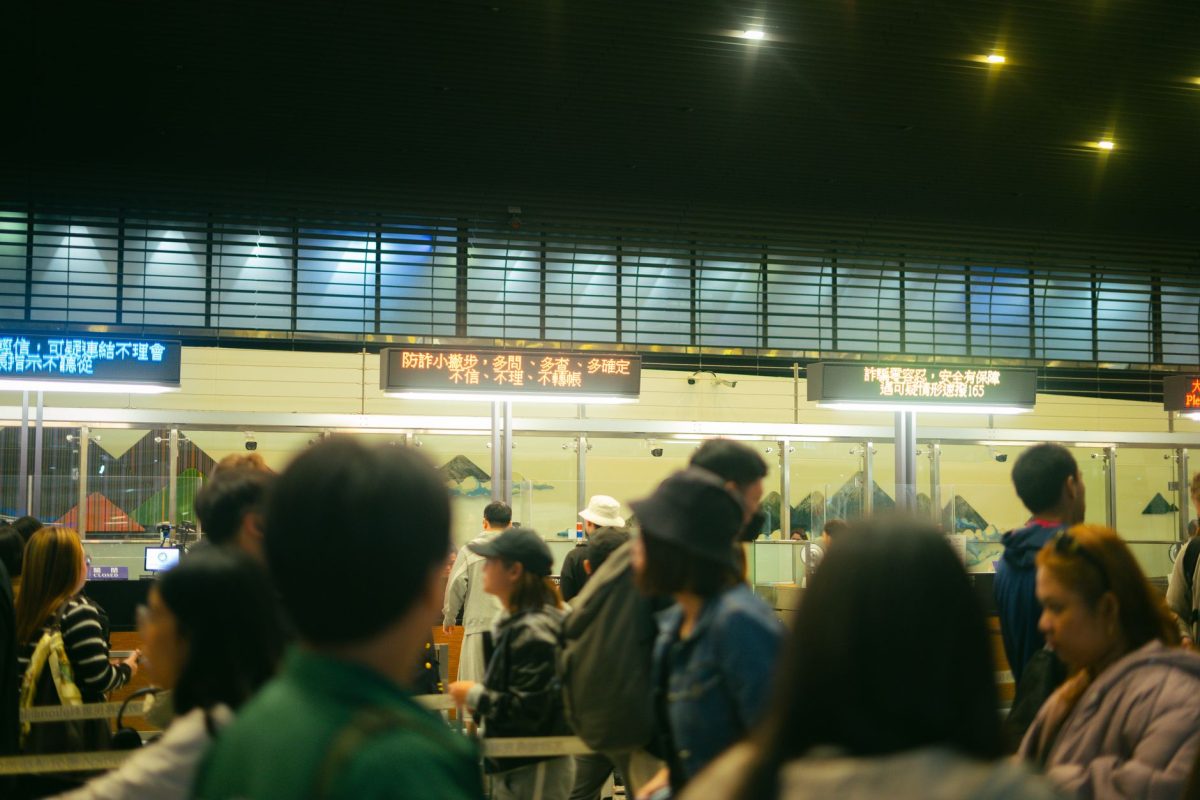
Passport control line signs can look similar from a distance, but the difference between them is not minor. Airports may divide lines by passport type, visa status, residency, electronic gates, crew, families, or special assistance. Travelers who choose the shortest line without reading the category can reach the front and be sent back to start again.
- Read the full line label before entering the queue.
- Check whether automated gates accept your passport type and age group.
- Do not assume a travel companion can use the same lane if they hold a different passport.
This is especially important after overnight flights, when fatigue makes the shortest-looking line feel like the smartest choice.
Ground Transport Zones
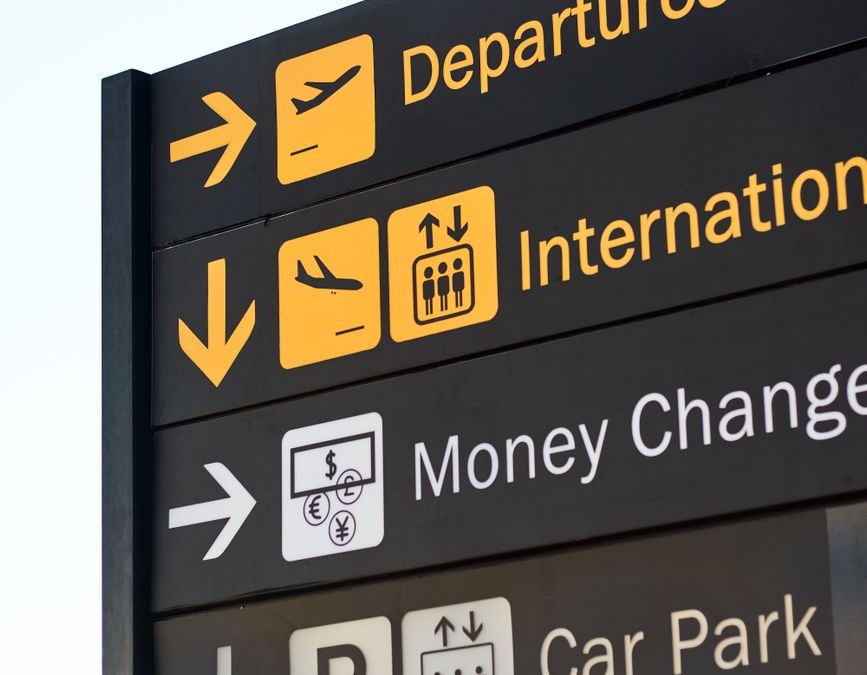
Ground transport zones are where many trips go wrong after the flight is technically over. Signs for taxis, hotel shuttles, app pickups, rental car buses, public transit, and private vehicles may point to different doors, levels, or traffic islands. The mistake is assuming every ride leaves from the nearest curb, then watching the driver circle while you stand in the wrong zone.
- Check whether pickup is on arrivals, departures, or a numbered island.
- Match the sign to your ride type before requesting a car.
- For hotel or rental shuttles, confirm the stop number or company logo.
This helps late-night arrivals, families with luggage, and travelers in unfamiliar cities avoid extra walking, cancellation fees, and stressful curbside calls.
The safest airport habit is simple: read the noun, not just the arrow. Terminal, gate, recheck, passport, and pickup signs often split travelers into different paths that look identical at first glance. When time is tight, a brief pause at the sign can save far more time than rushing in the wrong direction.
This article was created with AI assistance and reviewed for clarity, sourcing, and editorial quality.
