
The checkpoint is not where most travelers expect to lose time, but a few tiny packing and line choices can make the minutes disappear fast.
Airport security delays are not always caused by giant crowds or bad luck. Sometimes the slowdown starts with one bottle, one buried laptop, one forgotten pocketknife, or one family digging for IDs at the front of the line. TSA procedures can shift, and airports handle crowds differently, but these five mistakes are common enough to check before every trip.
The Buried Laptop
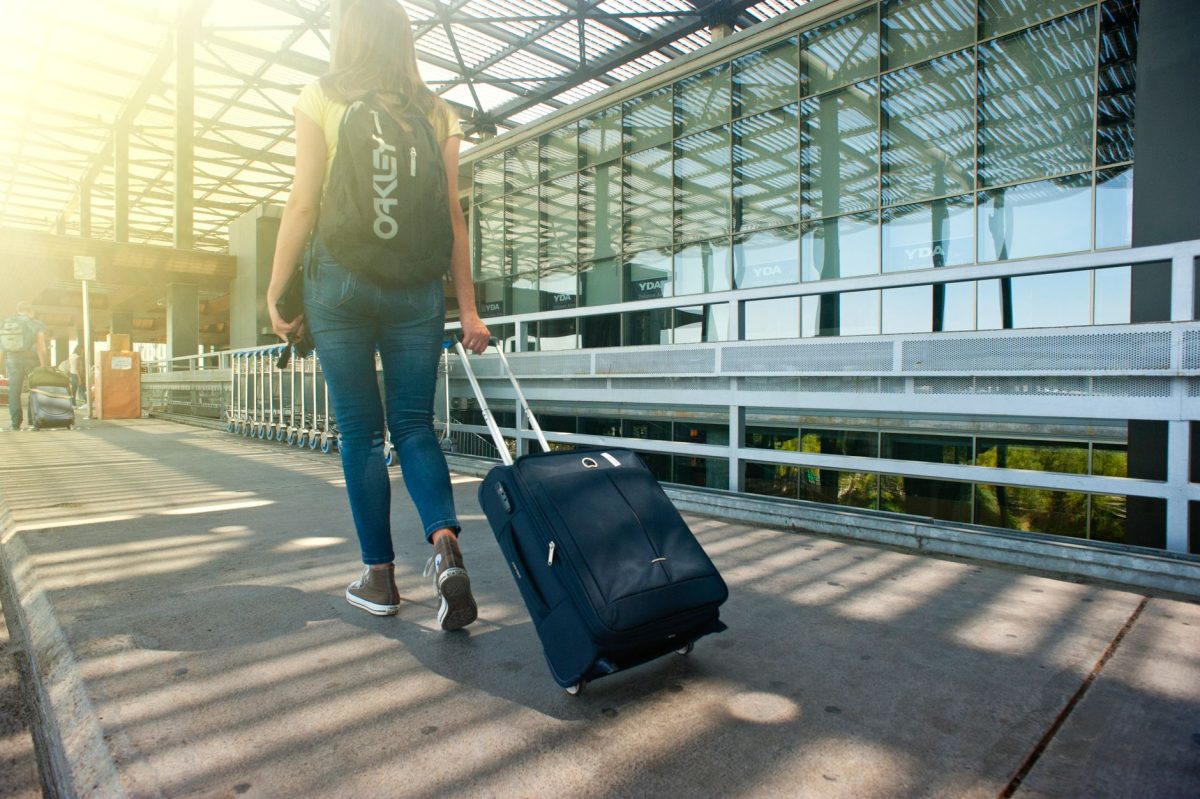
The problem is not the laptop itself. The problem is packing it so deeply that you have to unpack half your bag while the line stacks up behind you. Some screening lanes and trusted traveler programs may handle electronics differently, but you still need to be ready for the rules in front of you, not the rules you remember from your last trip.
- Keep large electronics in a sleeve or outer pocket when possible.
- Do not wedge chargers, snacks, and jackets on top of them.
- Check the signs at the checkpoint before you reach the bins.
This helps business travelers, parents, and anyone carrying multiple devices. What goes wrong is simple: you arrive at the table confident, then start digging. That can turn a quick bin drop into a mini repacking session.
The Mystery Water Bottle
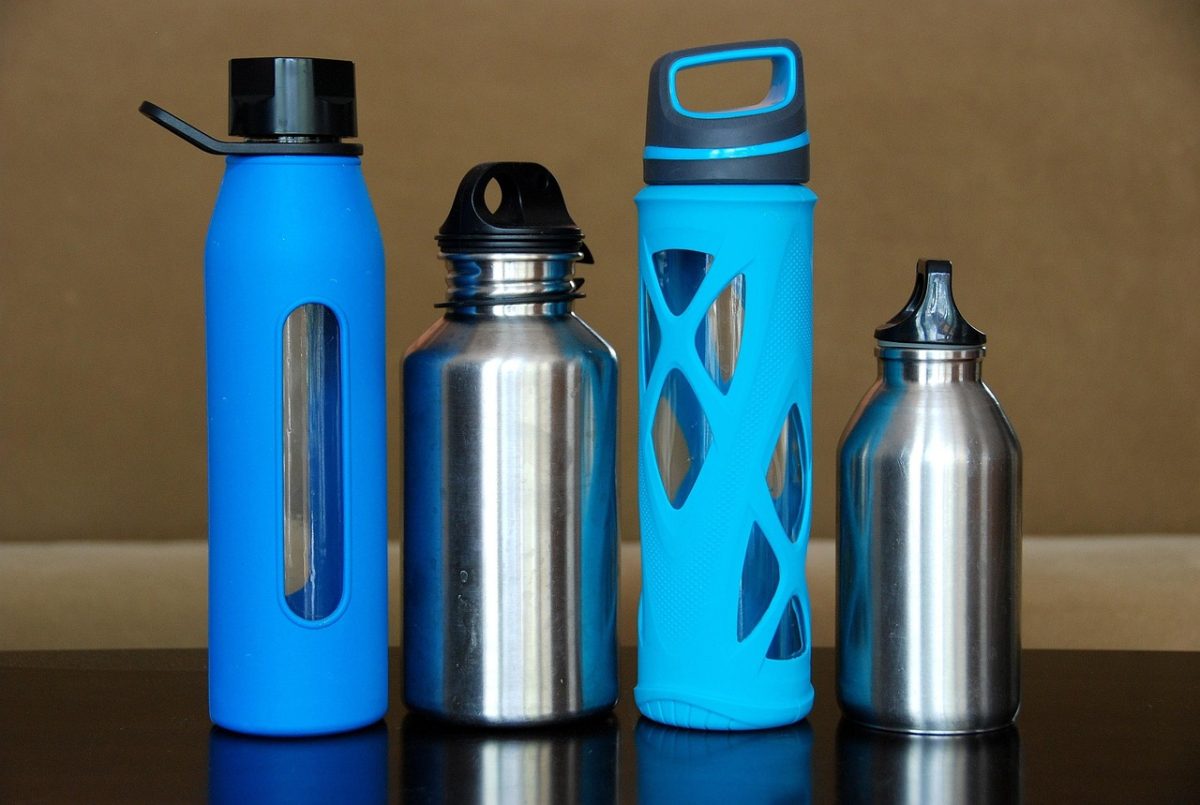
A full bottle is one of the easiest checkpoint delays to create by accident. Travelers often fill a reusable bottle at home, drink half of it on the ride, then forget it is still in the side pocket. Liquids rules can vary by item and country, so the safest habit is to empty the bottle before screening and refill it after you are through.
- Check side pockets before joining the line.
- Finish or dump drinks before the checkpoint entrance.
- Separate any allowed liquid items so they are easy to show if needed.
This matters most for families and road-to-airport travelers who carry coffee, kids drinks, or reusable bottles. If the bottle is caught late, you may have to step aside, discard the liquid, or send the bag through again.
The Pocket Dump
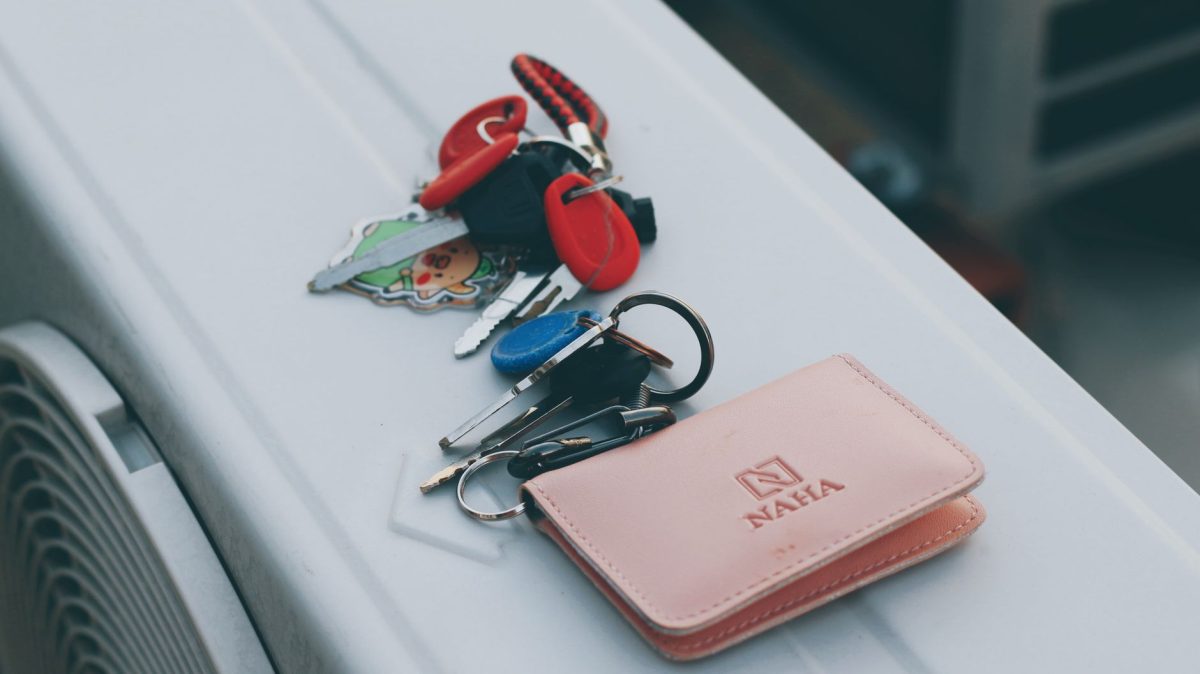
The slowest pocket dump is the one that happens at the scanner. Coins, keys, earbuds, watches, belts, and phones can feel harmless until you are being waved back to remove one more thing. The fix starts before the conveyor belt. Put loose metal and small items into a zip pocket of your bag while you are still in line.
- Use one jacket pocket or pouch for everything small.
- Remove belts and bulky watches early if the checkpoint requires it.
- Do not balance loose items on top of a bin where they can slide away.
This helps anyone traveling with work gear, children, or tight connections. What can go wrong is not just delay; small valuables can scatter, fall under bins, or be forgotten during the rush to get shoes and bags back together.
The Forgotten Pocketknife
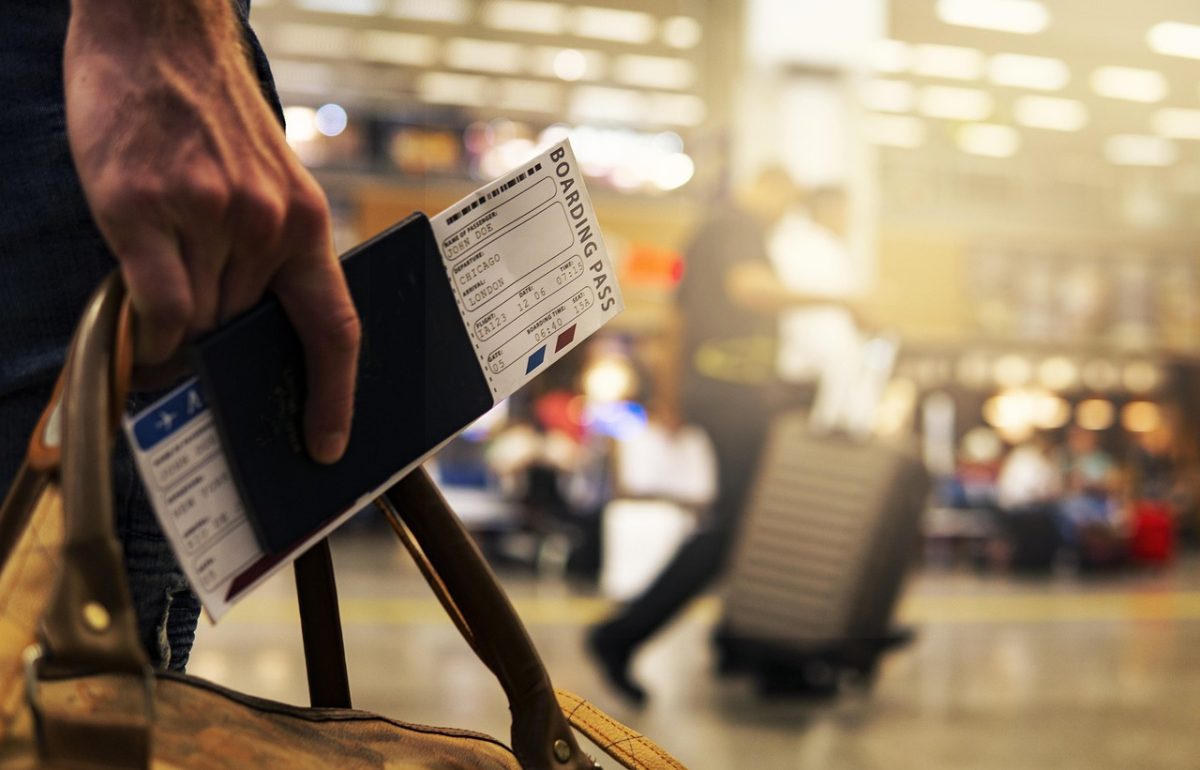
The item that delays you may be something you carry every day. A small pocketknife, multitool, corkscrew, oversized tool, or souvenir can live in a work bag for months before becoming a checkpoint problem. TSA offers searchable guidance through its travel tools, and checking questionable items before you leave home can save you from surrendering something useful or repacking at the airport.
- Empty every pocket of the bag, not just the main compartment.
- Check toiletry kits, tool pouches, and old backpack pockets.
- When unsure, look up the item before deciding carry-on or checked bag.
This affects commuters who reuse a laptop bag, parents borrowing a backpack, and travelers bringing gifts. The mistake feels small until the bag is pulled aside and the whole group loses momentum.
The ID Scramble
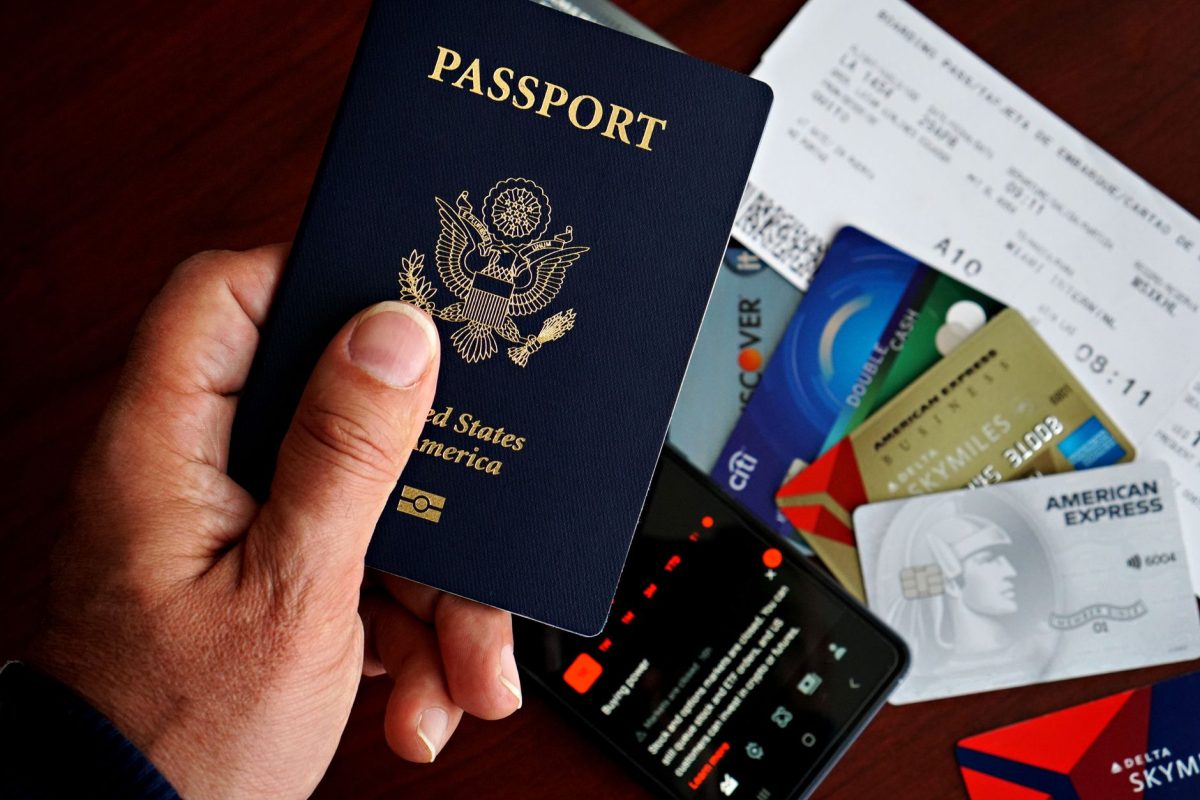
The document check looks simple until the line is moving faster than your phone loads. A dim screen, expired mobile boarding pass session, misplaced ID, or family member holding the wrong passport can stall the first step of screening. Before you join the line, make sure every traveler has the right document ready and the boarding pass is easy to open.
- Turn up phone brightness before the scan.
- Keep IDs and passports in one accessible pocket.
- For families, match each boarding pass to the correct person before the front of the line.
This helps groups, infrequent flyers, and anyone juggling bags. The risk is not only embarrassment. If you have to step aside to search, the minutes you saved by arriving early can disappear fast.
Security lines are unpredictable because procedures, staffing, and passenger volume can change. The practical move is to control the parts you can: check questionable items before leaving home, keep documents ready, empty liquids, and pack so the things most likely to be inspected are easy to reach. Five quiet fixes can make the checkpoint feel much less like a gamble.
This article was created with AI assistance and reviewed for clarity, sourcing, and editorial quality.
