
A faster checkpoint often starts before you reach the conveyor belt.
The airport security line is not only about which lane you choose. The bigger slowdown often happens in the 90 seconds before your bag reaches the scanner: pockets are still full, liquids are buried, laptops are trapped under clothes, and everyone behind you starts doing the same awkward shuffle. These five habits are small, but they can make the checkpoint feel less chaotic, especially when the terminal is crowded and your boarding time is getting close.
The Bin-Ready Bag
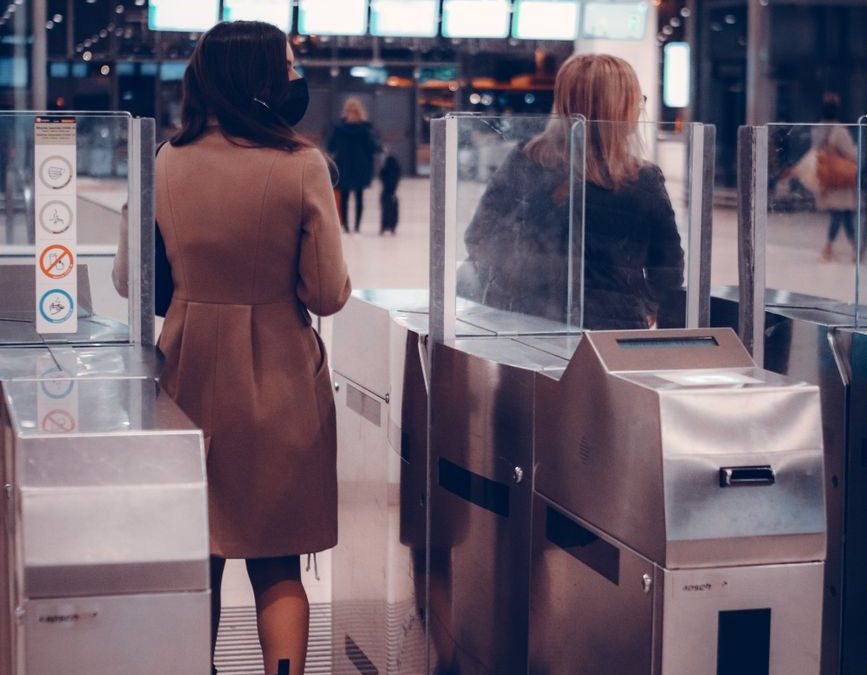
A bin-ready bag is packed so the items most likely to come out at security are already near the top. That means electronics, liquids, medication, snacks, and documents are not buried under sweaters, chargers, or a neck pillow. This helps travelers who carry one personal item plus a roller bag, because the checkpoint becomes a simple sequence instead of a public unpacking project.
- Put likely inspection items in one easy pocket before leaving home.
- Keep fragile or spillable items upright so you are not repacking under pressure.
- Use the same pocket every trip so muscle memory does the work.
What can go wrong is familiar: one missing cable or bottle triggers a full bag search, and now the faster lane no longer matters. A little bag staging can save more time than trying to recover after the scanner flags something.
The Empty-Pocket Pause
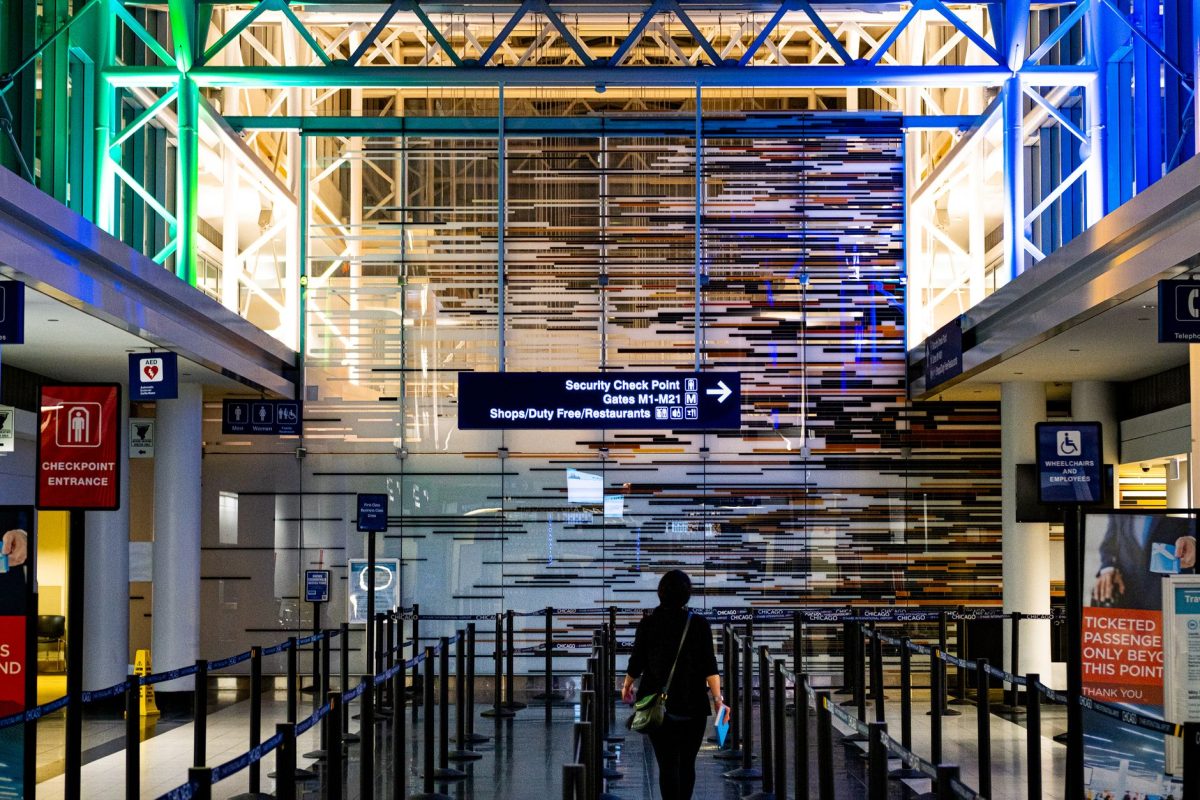
The best time to empty your pockets is not when you are standing at the mouth of the scanner. Do it before the line starts moving fast. Put your phone, keys, coins, earbuds, watch, and loose receipts into a jacket pocket, zip pouch, or personal bag while you are still several travelers away from the trays. That way you are not balancing metal items in one hand while trying to remove a laptop with the other.
- Choose one pocket or pouch as your temporary checkpoint dump zone.
- Zip it closed before your bag goes on the belt.
- Check for forgotten items like sunglasses, clips, or a money clip.
This habit helps families and business travelers most, because they often carry more small electronics and accessories. It also reduces the chance that something slides loose in a bin and gets left behind.
The Slip-On Shoe Choice
Shoes can quietly become the checkpoint bottleneck. Laces, tall boots, stiff buckles, and complicated straps all take extra time, and the delay doubles when you need to put everything back on while people crowd the end of the belt. If your itinerary allows it, wear shoes that come off and go back on cleanly, with socks that you are comfortable walking in through the screening area if required.
- Avoid fussy footwear on heavy travel days or tight connections.
- Keep socks in mind if you normally fly in sandals.
- Use a shoe bag if you plan to change after security.
This matters most for travelers with children, older relatives, or mobility concerns. The easier the shoe process is, the less you have to rush, bend, and reorganize in a crowded lane.
The Laptop Layer
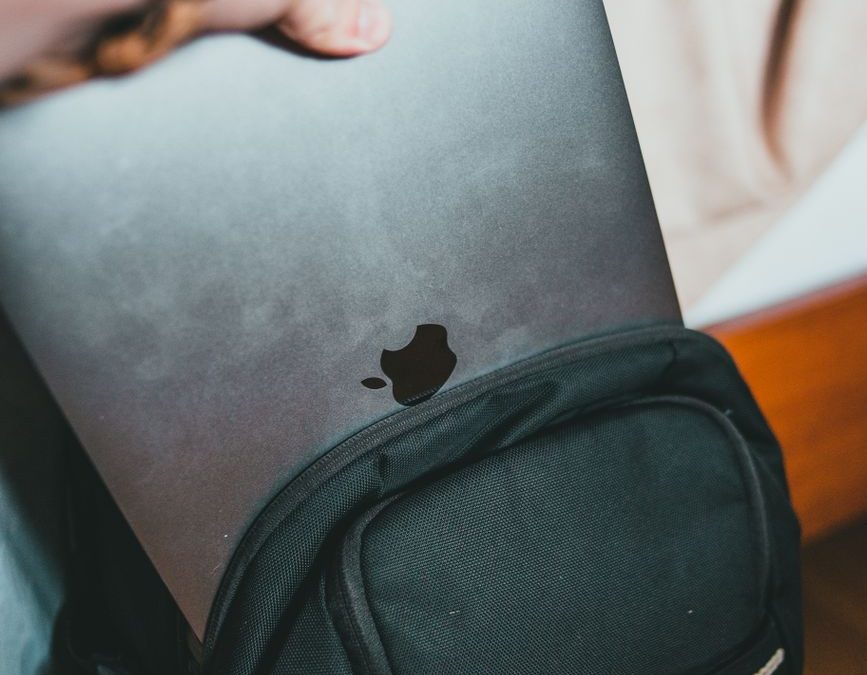
A laptop packed flat at the very bottom of a carry-on turns security into a full excavation. Even when a checkpoint uses newer scanners or different procedures, electronics still need to be accessible in case staff ask for them. The smarter move is to create a laptop layer: one spot in your bag where the computer, tablet, and any required accessories can slide out without disturbing the rest of your packing.
- Place electronics in a dedicated sleeve near the opening of the bag.
- Keep cords separate so they do not snag on clothing.
- Do not stack heavy items on top if you may need quick access.
This helps remote workers and parents carrying tablets for kids. It also prevents the common mistake of repacking in a panic, when chargers disappear into the wrong bag and the gate agent is already calling groups.
The Liquids Reality Check
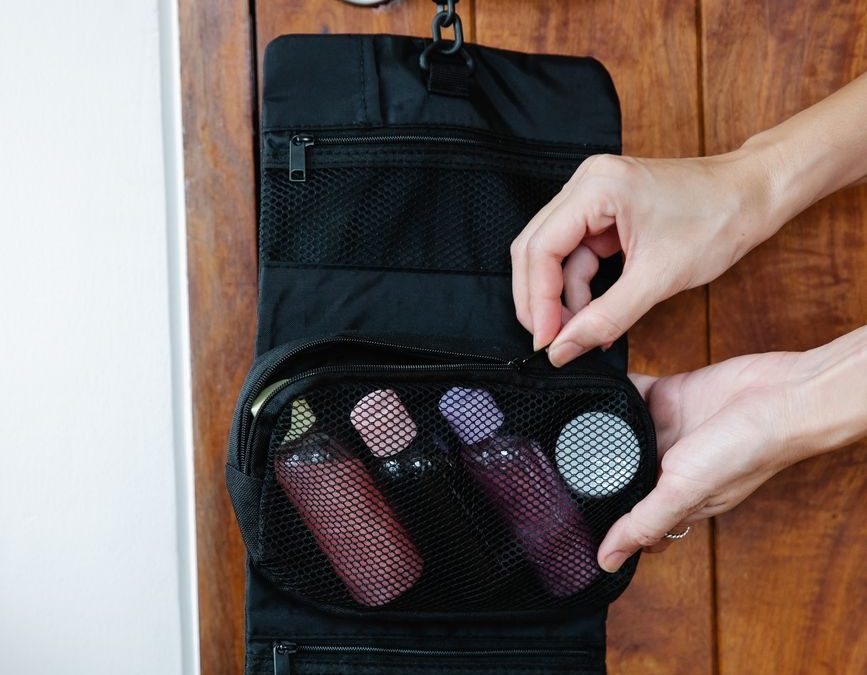
Liquids are where many confident travelers lose time because they assume the rule is flexible or forget that gels, creams, aerosols, and pastes may count too. Before you leave for the airport, do a quick liquids reality check. Pull out anything questionable, confirm the current rules for your airport and destination, and decide what belongs in checked luggage instead of carry-on space.
- Use travel-size containers that are easy to inspect.
- Keep the clear bag accessible instead of buried in a toiletry kit.
- Watch for sneaky items like sunscreen, peanut butter, hair gel, or large toothpaste.
This habit helps anyone bringing medications, skincare, baby supplies, or gifts. If an item needs extra screening or must be surrendered, the delay is stressful and avoidable. Checking before the trip is faster than debating at the belt.
A premium lane can shorten the wait, but it cannot fix a disorganized bag, buried electronics, complicated shoes, or pockets full of metal. The practical move is to treat security as a short routine you prepare for before the conveyor belt. Pack the checkpoint items where your hands can find them, check the current rules for your airport, and give yourself enough time that one small snag does not turn into a missed boarding call.
This article was created with AI assistance and reviewed for clarity, sourcing, and editorial quality.
