
The smartest airport meal is not always the fanciest one. Regular travelers tend to follow a few quiet rules before they eat near a gate.
Airport food can feel like a gamble: one slow line, one messy sandwich, or one overpriced snack can throw off the whole boarding window. Frequent flyers are not immune to hunger or bad coffee, but they do tend to spot the traps earlier. These five habits are less about being fussy and more about staying ready when the gate changes, the line stalls, or the seatbelt sign stays on longer than expected.
The Gate-Side Coffee Line

Frequent flyers often treat coffee as a timing decision, not a craving. A long cafe line can look harmless until boarding starts early or a gate agent announces a final call. The habit is simple: check the gate area first, then decide whether the coffee line is worth it. If the gate is crowded, the flight is already boarding by groups, or the cafe is understaffed, regular travelers usually skip the elaborate drink and choose something faster.
- Why it matters: hot drinks are hard to juggle with passports, laptops, and rolling bags.
- What can go wrong: a delayed pickup order can become a missed boarding group.
- What to check: boarding time, walking distance, and whether the line is actually moving.
This habit helps business travelers, parents, and anyone with a tight connection. A plain coffee from a shorter kiosk may beat a specialty drink that traps you ten minutes from the gate.
The Sealed Water Bottle

Experienced travelers rarely board depending only on the beverage cart. Service can be delayed by turbulence, short flights, crew workload, or a long taxi before takeoff. That is why many frequent flyers buy or refill water after security and keep it sealed until they are settled. It is not glamorous, but it prevents the familiar mistake of boarding thirsty and then waiting half the flight for a small cup.
- Why it matters: airport meals are often salty, and cabins can feel dry.
- Who it helps: nervous flyers, families, and travelers who need to take permitted personal items with water after screening.
- What can go wrong: an open bottle can spill during boarding or under the seat.
The key is to keep it practical. Choose a bottle that fits the seat pocket or bag side sleeve, and avoid opening it until the climb is over if pressure changes tend to make bottles hiss or leak.
The Grab-and-Go Sandwich
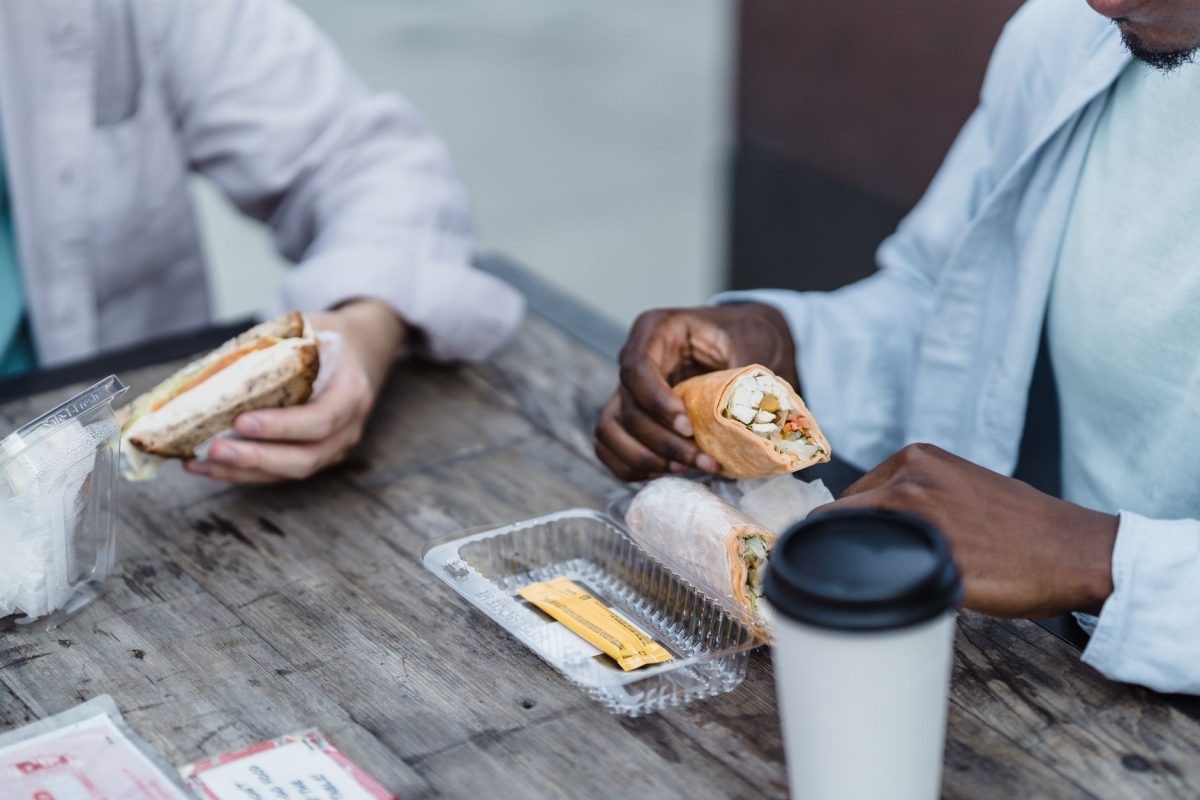
A grab-and-go sandwich is not always exciting, but frequent flyers like it because it gives them control. Sit-down meals can be better, yet they depend on service speed, table availability, and how quickly the check arrives. A wrapped sandwich, salad, or snack box can move with you if the gate changes or boarding begins. The best choice is usually tidy, sturdy, and easy to eat without turning the tray table into a mess.
- Why it matters: portable food protects you from delays and short layovers.
- What to avoid: leaky sauces, strong smells, and anything that needs cutting.
- What to check: freshness date, ingredients, napkins, and whether utensils are included.
This habit is especially useful for travelers in the last boarding groups. If overhead bins fill, you may be rearranging bags while hungry. A compact meal in your personal item keeps dinner from depending on perfect airport timing.
The Near-Gate Table
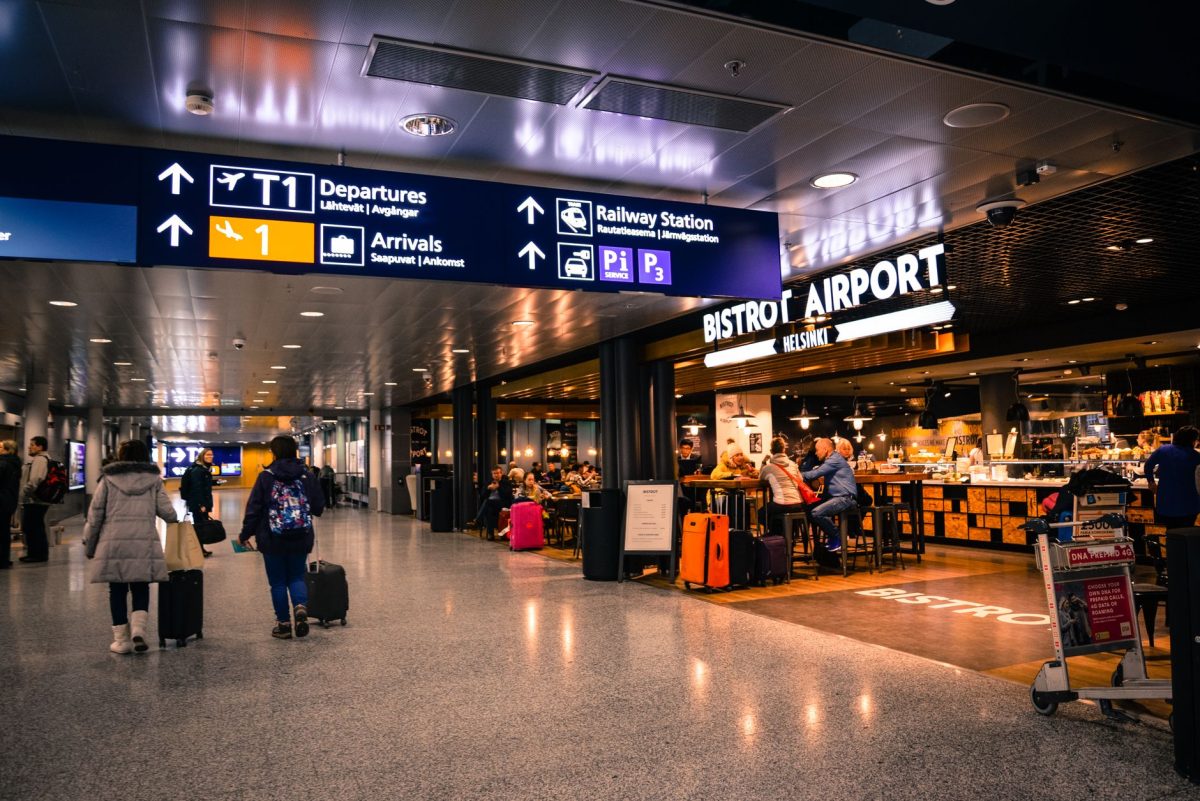
Frequent flyers often choose the restaurant closest to their gate over the one with the flashiest menu. That sounds boring until a delay flips back to on time or a gate changes to the far end of the concourse. Eating near the gate lets travelers keep one eye on the boarding area and one ear on announcements. It also makes it easier to abandon the meal gracefully if the schedule suddenly tightens.
- Why it matters: airports can involve long walks, trains, or unexpected terminal changes.
- Who it helps: solo travelers who cannot leave bags unattended and groups trying to stay together.
- What to ask: how long the kitchen is taking before you order.
The smartest move is to order food that can arrive quickly and request the check early. A relaxed meal is great, but not if it ends with a sprint past moving walkways while your name is being called.
The Receipt Check
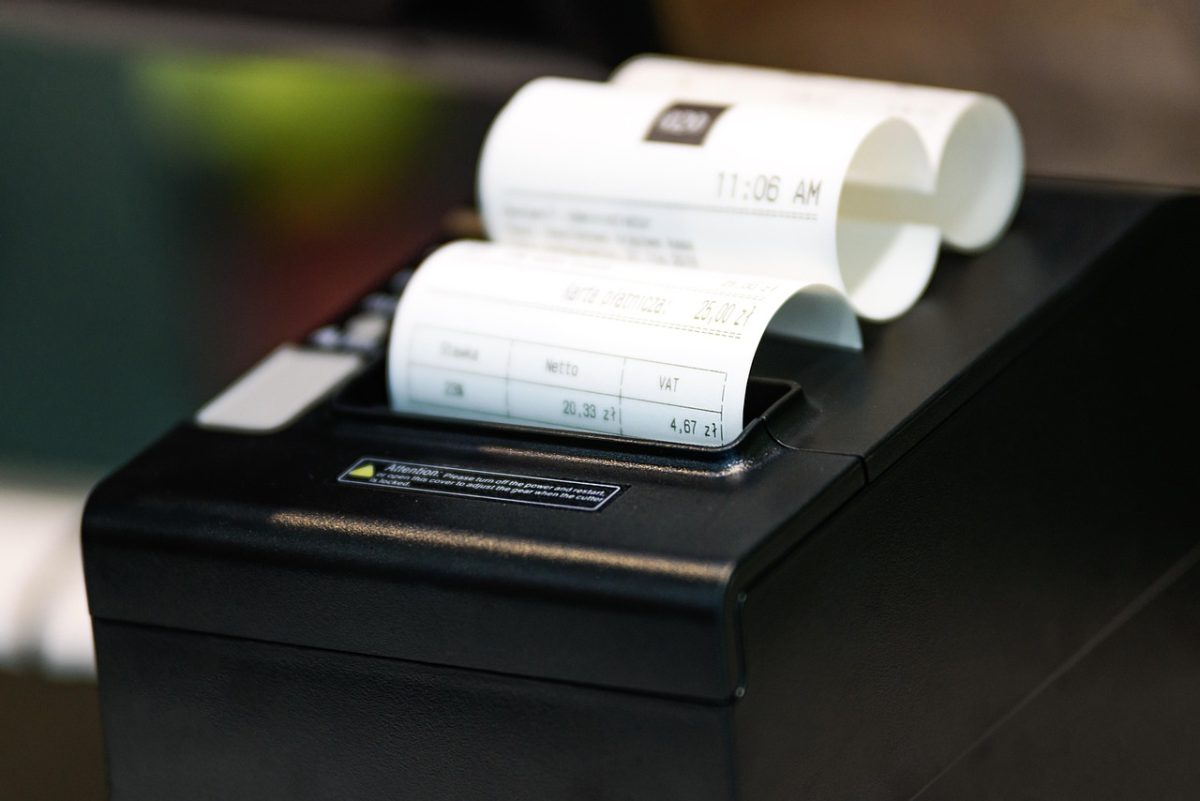
Frequent flyers know airport dining prices can feel confusing, especially when taxes, service charges, tips, or add-ons appear at checkout. The habit is not to argue over every cent; it is to pause long enough to understand what was charged before walking away. This matters because travelers are often distracted, rushing, and paying with a card they may not check again until the trip is over.
- Why it matters: mistakes are easier to fix while you are still at the counter.
- What can go wrong: duplicate items, automatic gratuity confusion, or a missing reimbursement receipt.
- What to check: item count, total, tip line, and whether you need a printed copy.
This habit helps business travelers submitting expenses and families trying to keep a travel budget from drifting. A quick receipt check also reminds you to pack the food, grab utensils, and leave with the card you just used.
The best airport dining habits are not complicated. They are small defenses against bad timing: stay close to the gate, choose food that travels well, keep water handy, and check the bill before the next announcement pulls you away. If a meal choice gives you more options instead of fewer, frequent flyers would probably call it the right one.
This article was created with AI assistance and reviewed for clarity, sourcing, and editorial quality.
