
Popular tourist hotspots are often crowded, expensive, and overwhelming, but lesser-known alternatives provide equally memorable experiences and hidden delights. These destinations offer natural beauty, vibrant culture, historic charm, and delicious local cuisine without long lines, packed streets, or sky-high prices. Traveling to these hidden gems allows for a more relaxed pace, authentic immersion, and meaningful encounters with locals. From serene islands to quaint towns and scenic mountains, these destinations give you the benefits of famous sites while letting you enjoy them in comfort, tranquility, and style.
1. Naxos, Greece, instead of Santorini
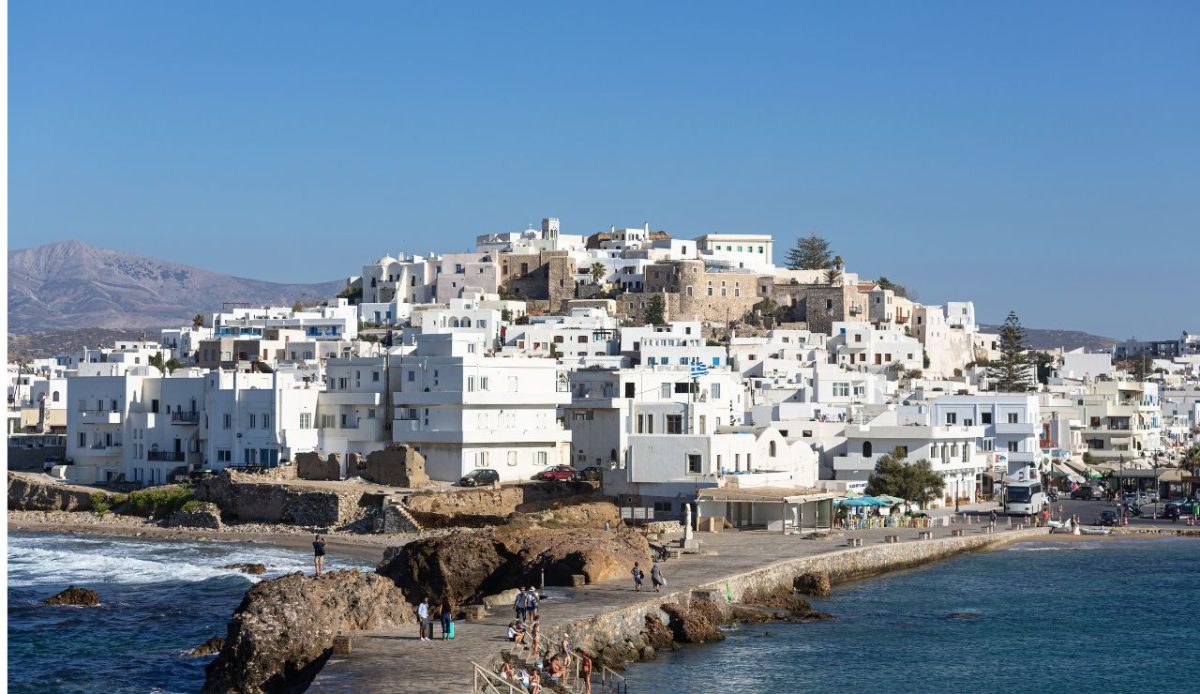
Santorini’s fame brings crowds and inflated prices, but Naxos offers authentic Greek island charm without the congestion. Its whitewashed villages and Aegean views rival Santorini’s beauty, while quiet beaches invite relaxation. Inland trails lead to traditional mountain villages where local cheeses, fresh seafood, and seasonal fruits are savored in family-run tavernas. The Portara doorway and other archaeological sites provide cultural depth beyond the shorelines. With fewer tourists, lower costs, and a laid-back atmosphere, Naxos delivers a peaceful, unforgettable Greek island experience that feels truly special.
2. Lombok, Indonesia, instead of Bali
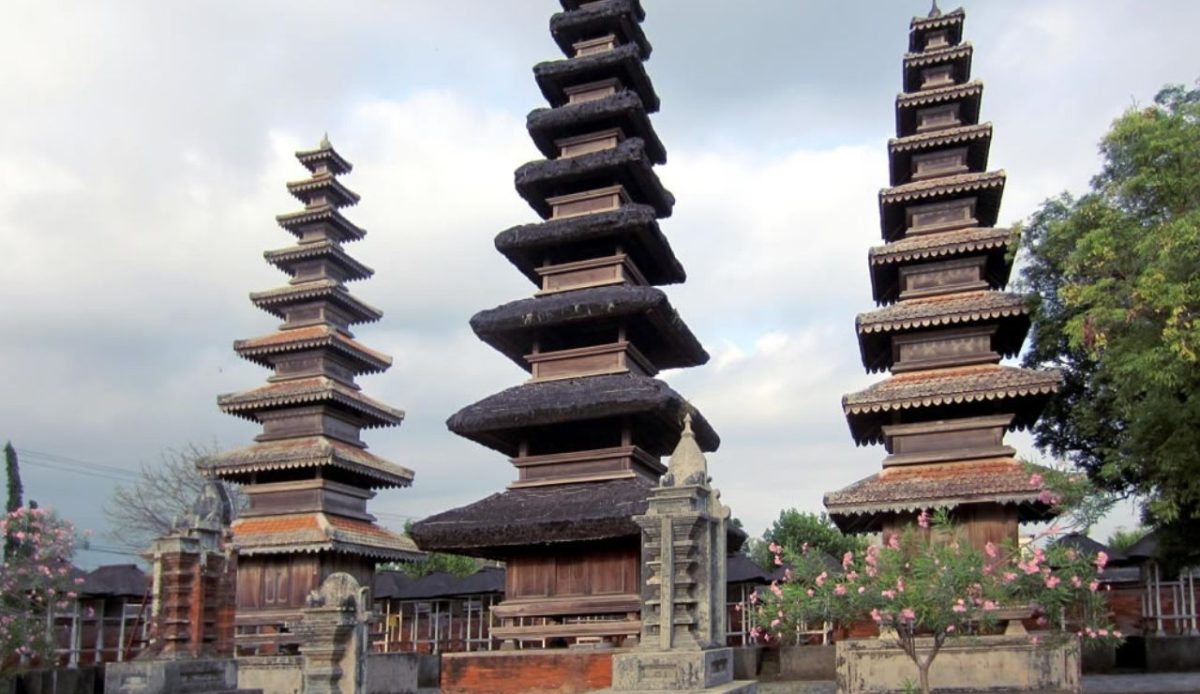
Bali is famous for beaches, temples, and nightlife, but Lombok offers a more secluded, nature-centered experience. Towering Mount Rinjani draws hikers, while pristine beaches and waterfalls are perfect for quiet exploration. The local Sasak culture thrives here, offering authentic crafts, cuisine, and village life. Lombok’s small towns, traditional markets, and calm pace provide travelers a chance to connect with nature and culture simultaneously. For those seeking an Indonesian escape without crowds or commercialized tourism, Lombok is a serene alternative that balances adventure, relaxation, and authenticity.
3. Cinque Terre, Italy, instead of the Amalfi Coast
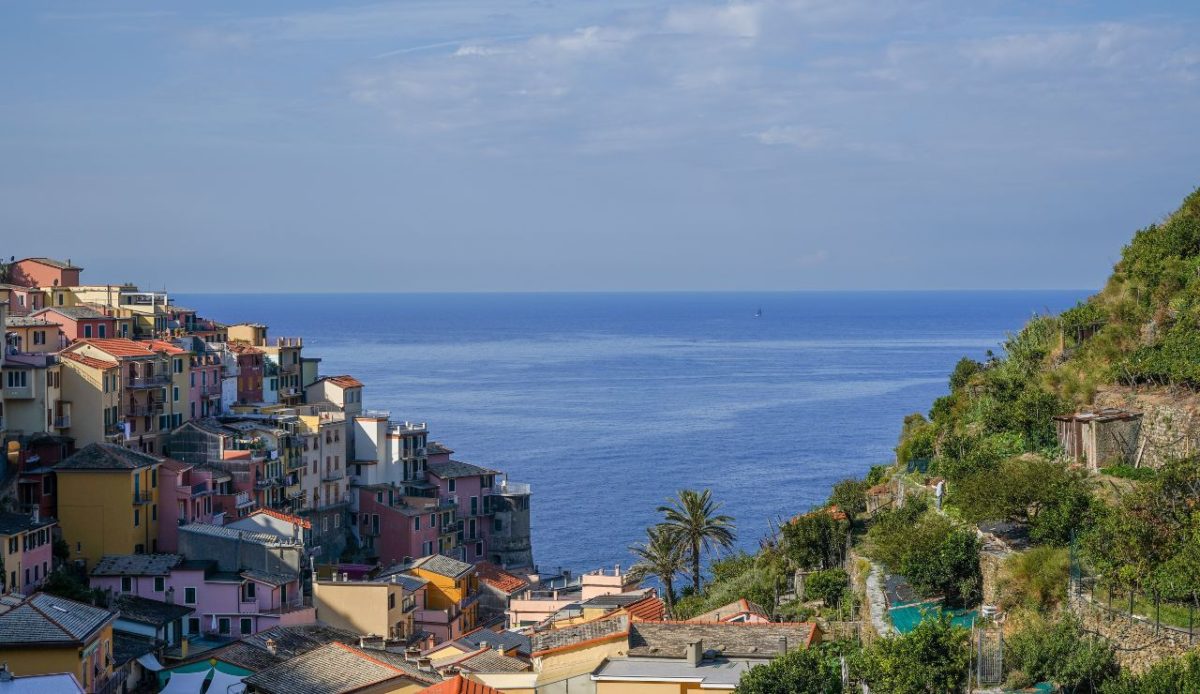
The Amalfi Coast dazzles but attracts massive crowds in summer. Cinque Terre, with its five colorful villages clinging to cliffs above the turquoise sea, offers similar charm with fewer tourists. Hiking trails link towns and provide stunning views, while seaside cafes and local markets invite leisurely enjoyment. Ancient churches, terraced vineyards, and local seafood restaurants highlight authentic Italian culture. Its compact villages make walking or train travel easy, allowing a relaxed pace that’s perfect for soaking in coastal beauty. Cinque Terre combines scenic splendor and cultural richness without Amalfi’s congestion.
4. Fez, Morocco, instead of Marrakech
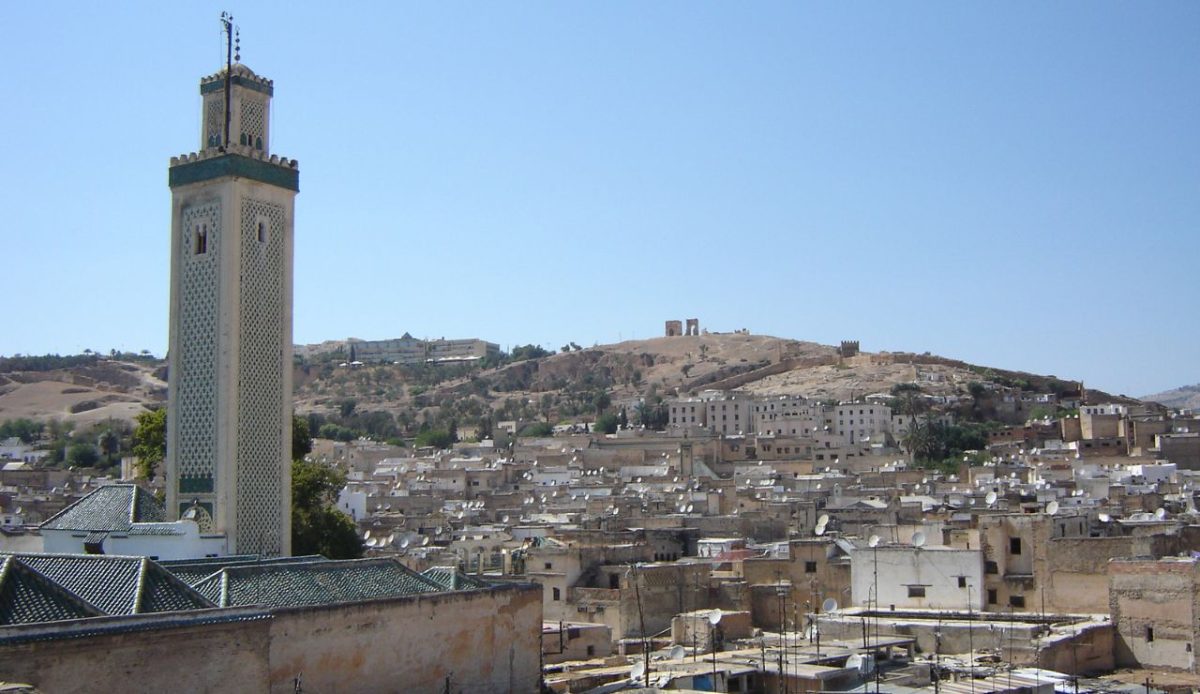
Marrakech can feel overwhelming with busy markets and tourist circuits. Fez, in contrast, offers a slower, immersive Moroccan experience. The ancient medina’s maze-like streets, traditional leather tanneries, and artisanal workshops feel timeless. Local crafts, spices, and culinary specialties can be enjoyed without the push of large crowds. Historical architecture and centuries-old schools provide cultural depth, while smaller guesthouses allow for authentic stays. Fez blends history, tradition, and local life in a way Marrakech often cannot, making it a richer and quieter destination for travelers seeking genuine Moroccan experiences.
5. Valencia, Spain, instead of Barcelona
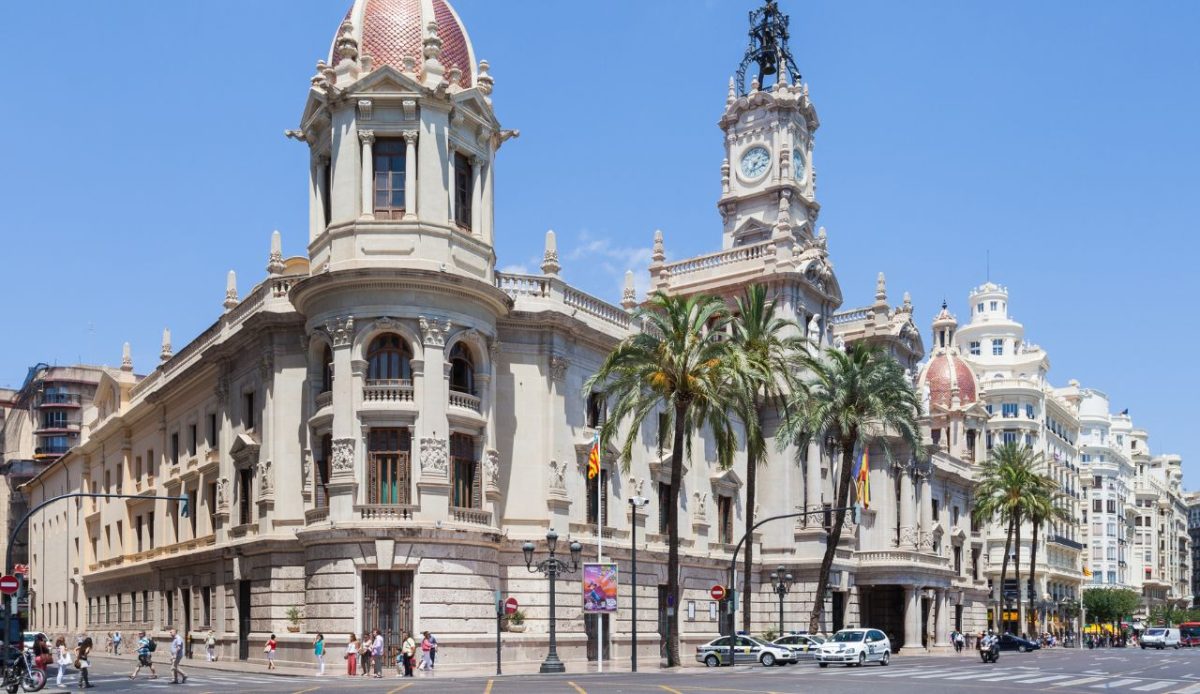
Barcelona is famous for its architecture and beaches, but often overcrowded. Valencia offers a similar Mediterranean allure with far fewer tourists. The futuristic City of Arts and Sciences, vibrant historic quarters, and wide beaches provide diverse experiences. Local markets showcase paella and fresh produce, offering authentic cuisine without long waits. Parks, bike paths, and quiet plazas allow relaxation, while cultural festivals celebrate regional heritage. Valencia blends modern innovation with historical charm in a calm, approachable environment. Its lower costs and relaxed pace make it a smart alternative to Barcelona for mindful travelers.
6. Ljubljana, Slovenia, instead of Venice
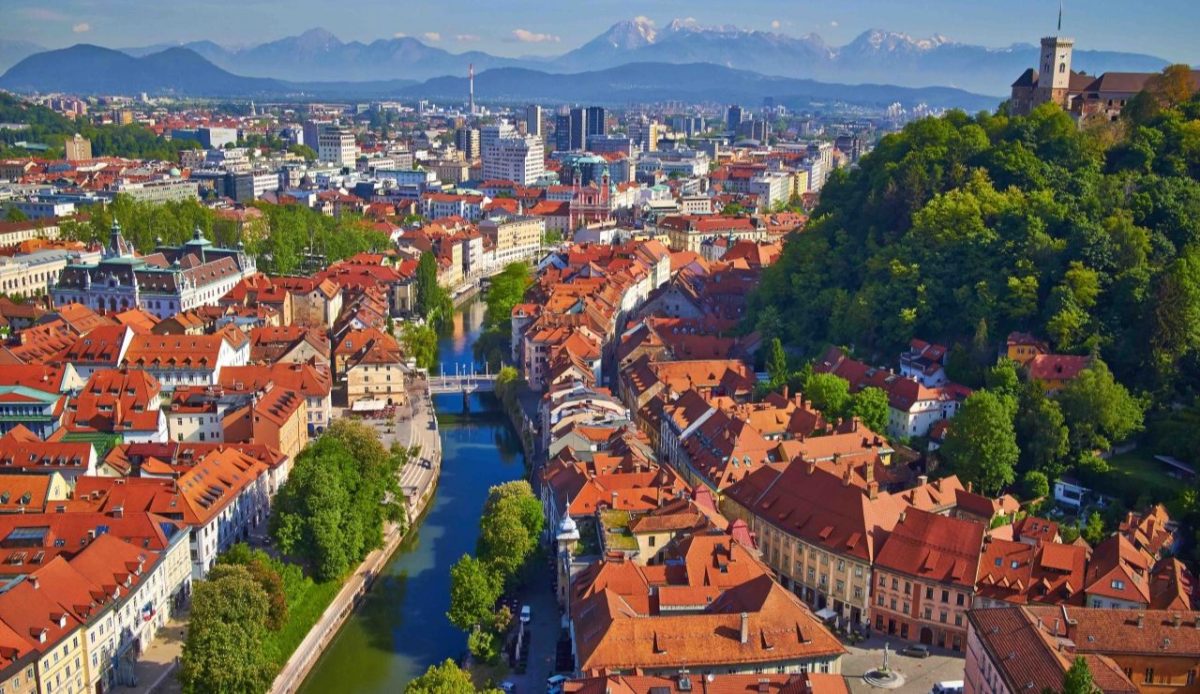
Venice is iconic but congested, whereas Ljubljana offers scenic canals, bridges, and pastel buildings with far fewer crowds. Walking or biking along the Ljubljanica River reveals charming cafes, local markets, and riverside terraces. The city is surrounded by green hills and castles, ideal for day trips. Its approachable size and friendly locals make it easy to explore cultural sites and historic architecture without stress. Ljubljana balances urban charm with a relaxed pace, allowing travelers to enjoy European canal life, lively squares, and stunning scenery without the pressure of Venice’s throngs.
7. Valletta, Malta, instead of Dubrovnik
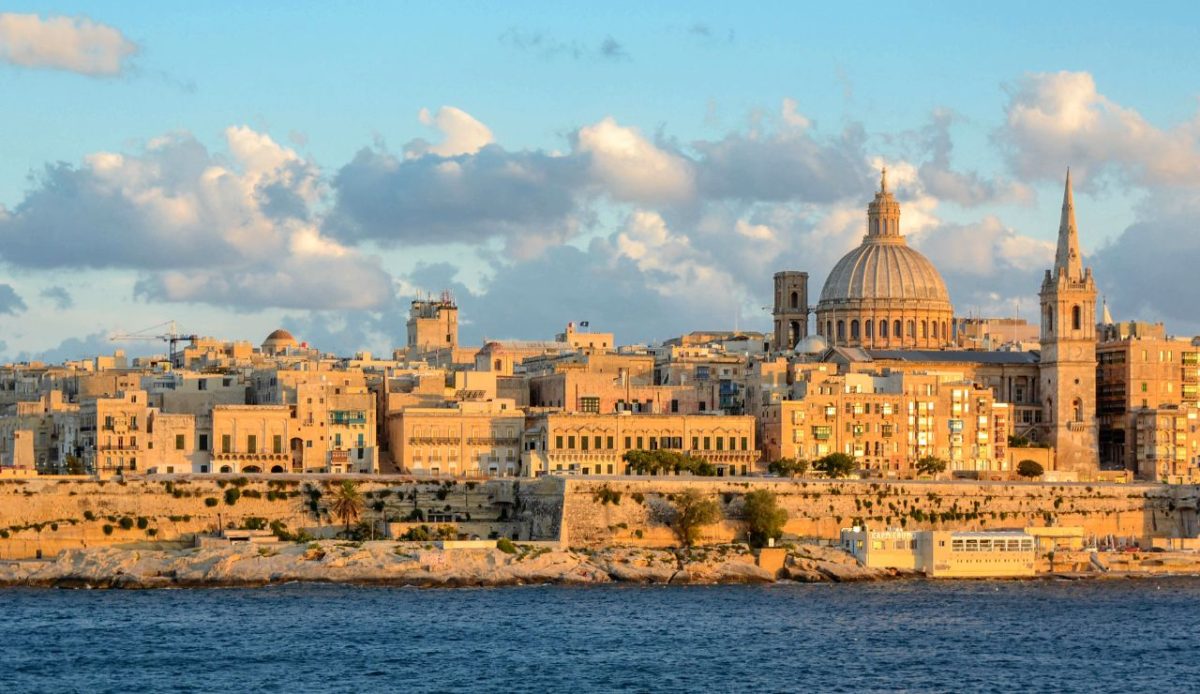
Dubrovnik is popular but often packed with tourists. Valletta, Malta’s capital, offers similar historic charm and sea views with more space to explore. Baroque streets, fortresses, and harbors invite leisurely discovery. Rooftop cafes and museums provide cultural depth, while nearby beaches and villages extend experiences beyond the city center. Valletta blends Mediterranean history, architecture, and culinary delights in a calm, walkable environment. Fewer crowds and moderate prices allow travelers to immerse themselves fully in its charm, making it an ideal alternative to the often-crowded Dubrovnik.
8. Kotor Bay, Montenegro, instead of the Amalfi Coast
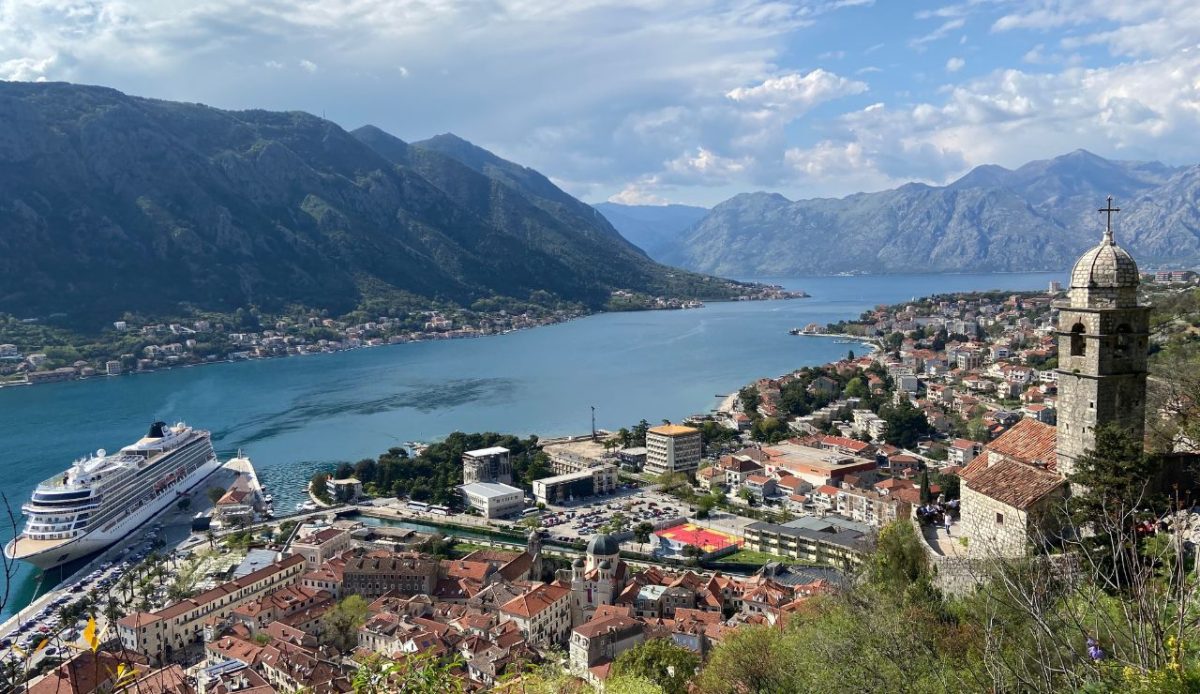
The Amalfi Coast is iconic but often overwhelmed with visitors. Kotor Bay in Montenegro offers fjord-like scenery with fewer crowds and lower costs. Historic towns like Kotor and Perast sit along turquoise waters beneath steep mountains. Explore cobbled streets, seaside cafes, medieval fortresses, and local markets. Water activities, sailing, and hiking provide active options, while tranquil landscapes encourage relaxation. Kotor Bay combines breathtaking scenery, cultural richness, and calm surroundings, making it a compelling alternative for travelers seeking Mediterranean charm without the high-season crush of Amalfi.
9. Luang Prabang, Laos, instead of Chiang Mai
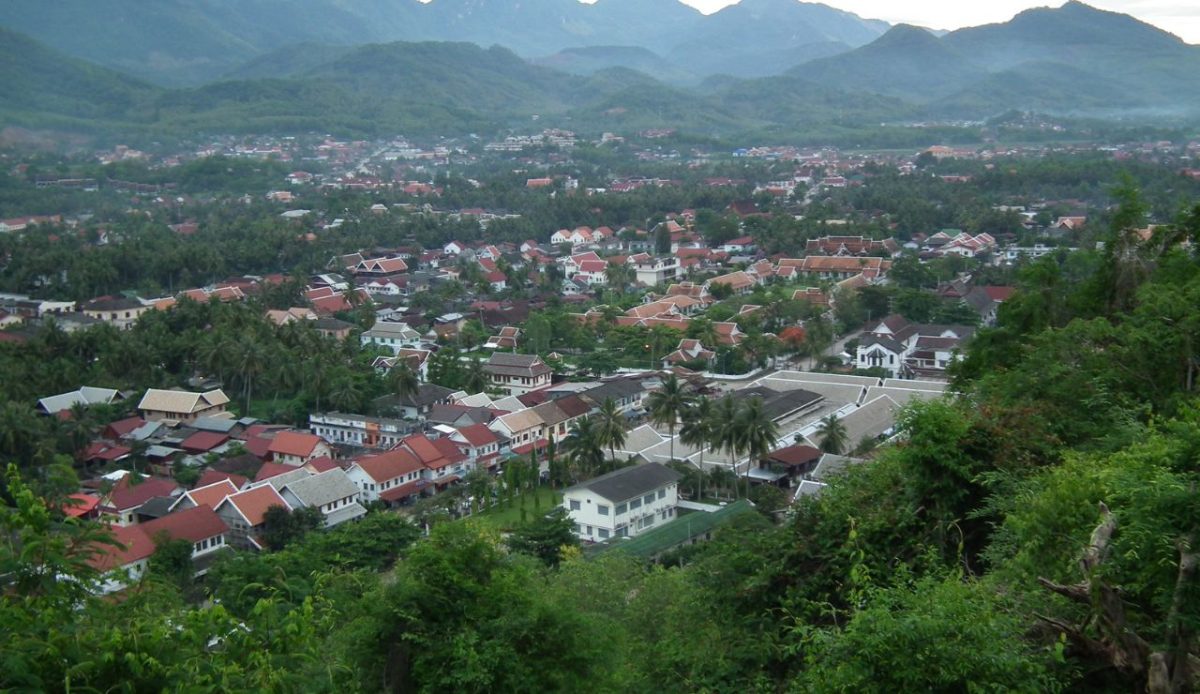
Chiang Mai draws tourists, but Luang Prabang offers serene riverside charm and spiritual depth with fewer crowds. Golden temples, French colonial streets, and daily alms ceremonies create a culturally rich environment. Night markets, local cafes, and nearby waterfalls provide leisurely exploration. Boat trips along the Mekong and surrounding mountains invite adventure in a peaceful setting. Traditional Lao hospitality and cuisine enhance the authentic experience. Luang Prabang balances history, nature, and local culture, providing travelers with a slower-paced, immersive alternative to the bustling northern Thai city.
10. Tatra Mountains, Poland, instead of the Swiss Alps
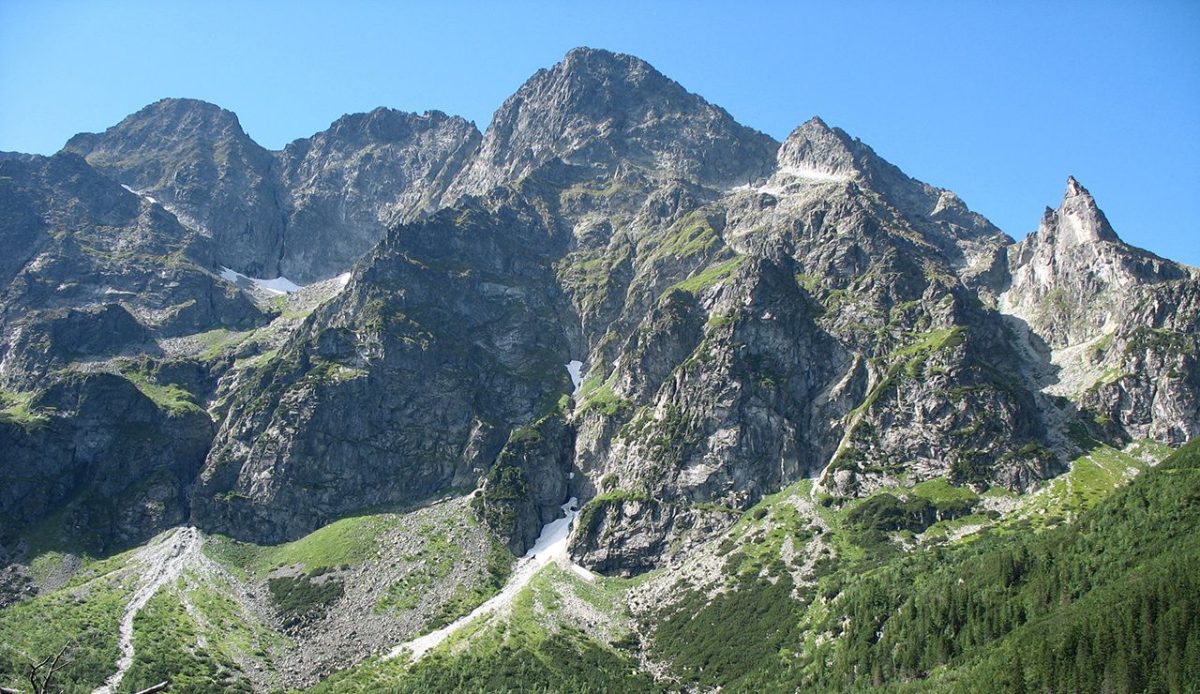
The Swiss Alps are majestic but often crowded and expensive. The Tatra Mountains on the Poland–Slovakia border offer similar alpine beauty with fewer tourists and affordable stays. Snow-capped peaks, alpine lakes, and hiking trails provide scenic adventures year-round. Quaint mountain towns serve as hubs for skiing, trekking, and exploring local culture. Traditional cuisine, cozy lodges, and friendly locals enhance the experience. The Tatras’ dramatic landscapes and accessible nature allow travelers to enjoy alpine adventure, stunning panoramas, and peaceful surroundings without the crowds and high prices of Switzerland.
11. Ohrid, North Macedonia, instead of Santorini
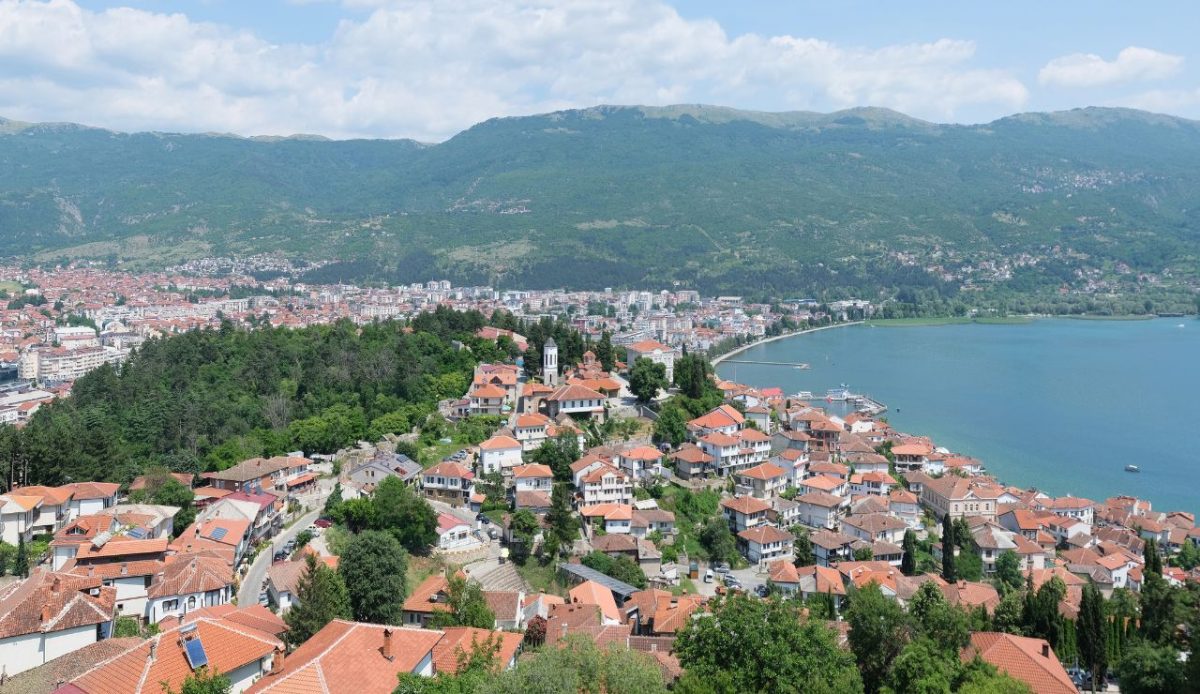
While Santorini dazzles with its iconic sunsets and caldera views, Ohrid offers tranquil lakeside charm with historical depth. The UNESCO-listed town features cobbled streets, Byzantine churches, and centuries-old monasteries. Lake Ohrid provides crystal-clear waters for swimming, kayaking, or lakeside relaxation. Traditional markets and family-run tavernas offer local cuisine without tourist crowds. Ohrid’s combination of natural beauty, rich heritage, and calm atmosphere allows travelers to enjoy a memorable Greek-like island experience while avoiding the congestion and high prices of Santorini.
12. Ischia, Italy, instead of Capri
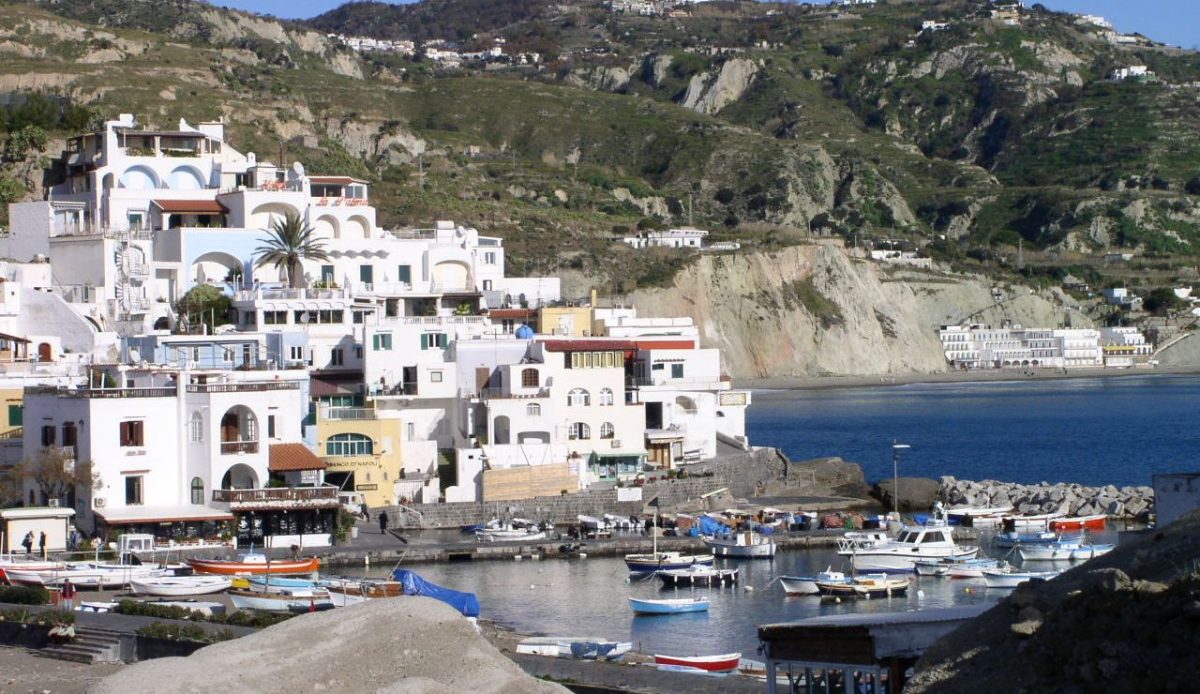
Capri attracts large crowds and luxury-seekers, but Ischia provides an authentic Italian island escape with thermal spas, charming villages, and volcanic beaches. Gardens, castles, and hot springs invite relaxation and exploration. Local markets and family-run eateries serve traditional dishes, giving visitors a taste of everyday island life. Hiking trails through hills and coastlines reveal panoramic views and hidden coves. With fewer tourists and moderate prices, Ischia allows travelers to experience Italian island charm at a relaxed pace, combining nature, history, and wellness in an inviting Mediterranean setting.
13. Ghent, Belgium, instead of Bruges
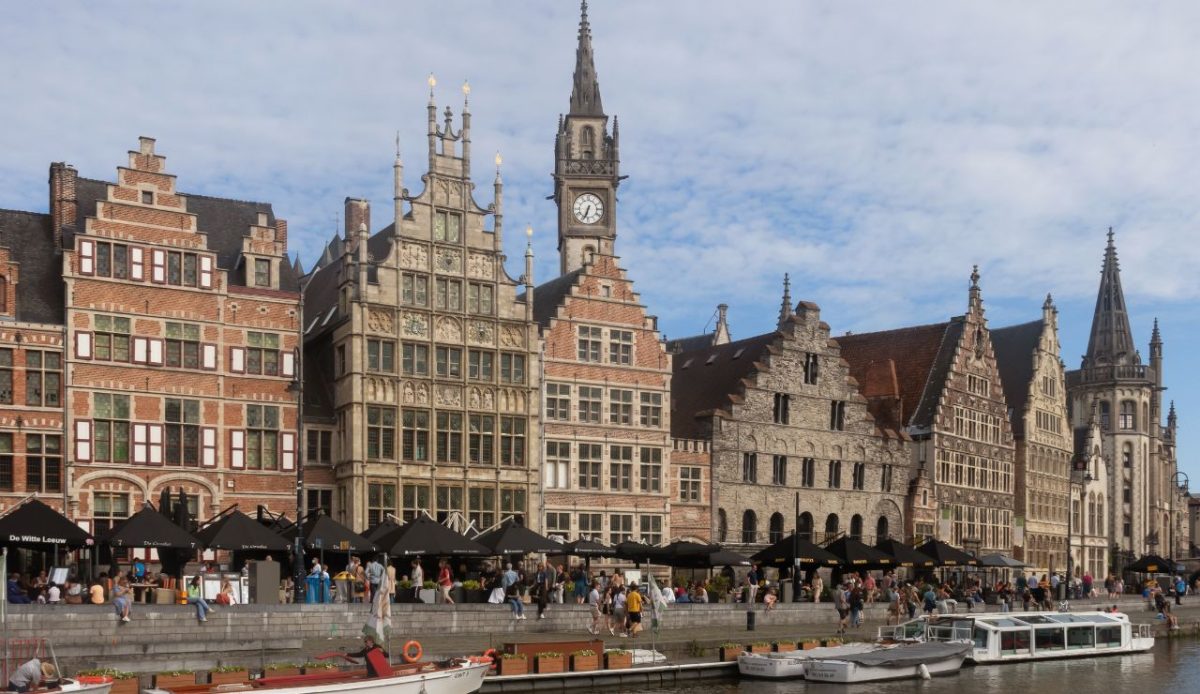
Bruges can feel crowded with tourists, but Ghent offers medieval architecture, canals, and cultural charm with more space to explore. The city’s castles, cathedrals, and vibrant squares invite leisurely discovery. Boat tours, local breweries, and art museums provide diverse activities. Ghent’s culinary scene, from street waffles to fine dining, highlights Belgian flavors authentically. Its dynamic university population adds energy, while riverside cafes allow for calm moments. Travelers seeking Belgian charm without the overwhelming tourist traffic of Bruges will find Ghent an engaging, picturesque, and less commercial alternative.
14. Killarney, Ireland, instead of Dublin
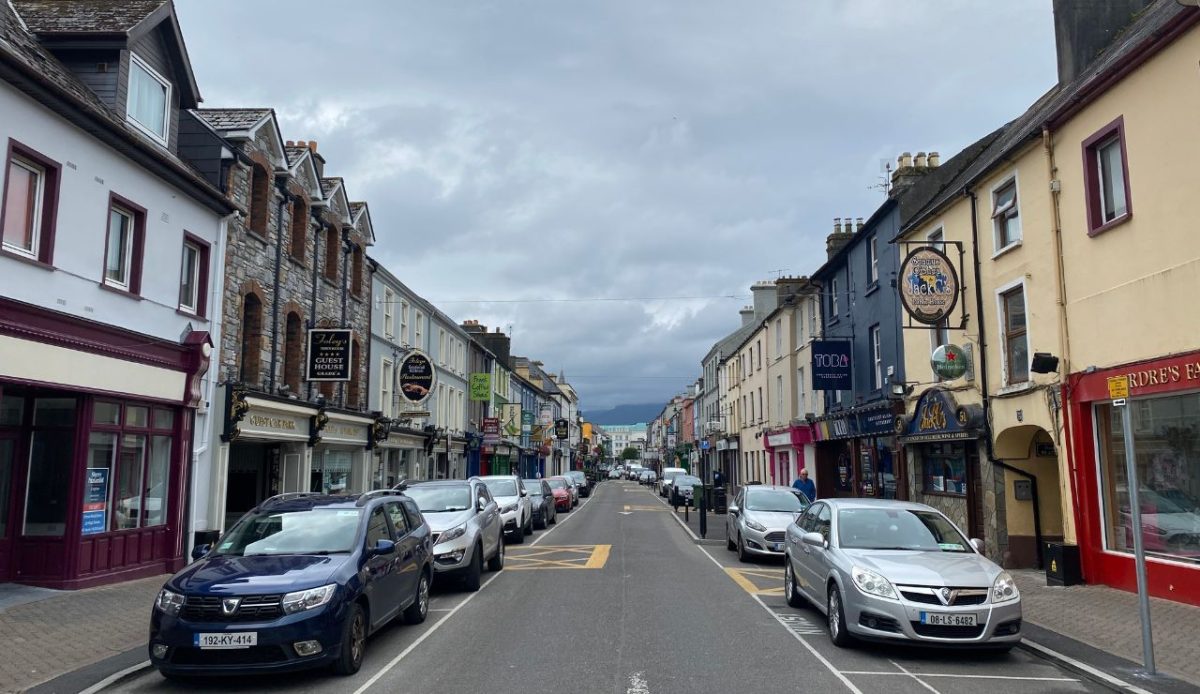
Dublin is lively but often crowded, while Killarney offers Ireland’s natural beauty and culture in a serene setting. Lakes, mountains, and national parks surround the town, ideal for hiking, cycling, or boat trips. Historic castles, charming pubs, and local artisan shops create a cozy atmosphere for discovery. Killarney’s smaller size allows travelers to enjoy traditional Irish hospitality and cuisine at a relaxed pace. With scenic drives, tranquil landscapes, and a welcoming community, Killarney captures the essence of Ireland while avoiding the hustle, traffic, and overwhelming tourist-heavy spots that define Dublin.
15. Bergen, Norway, instead of Oslo
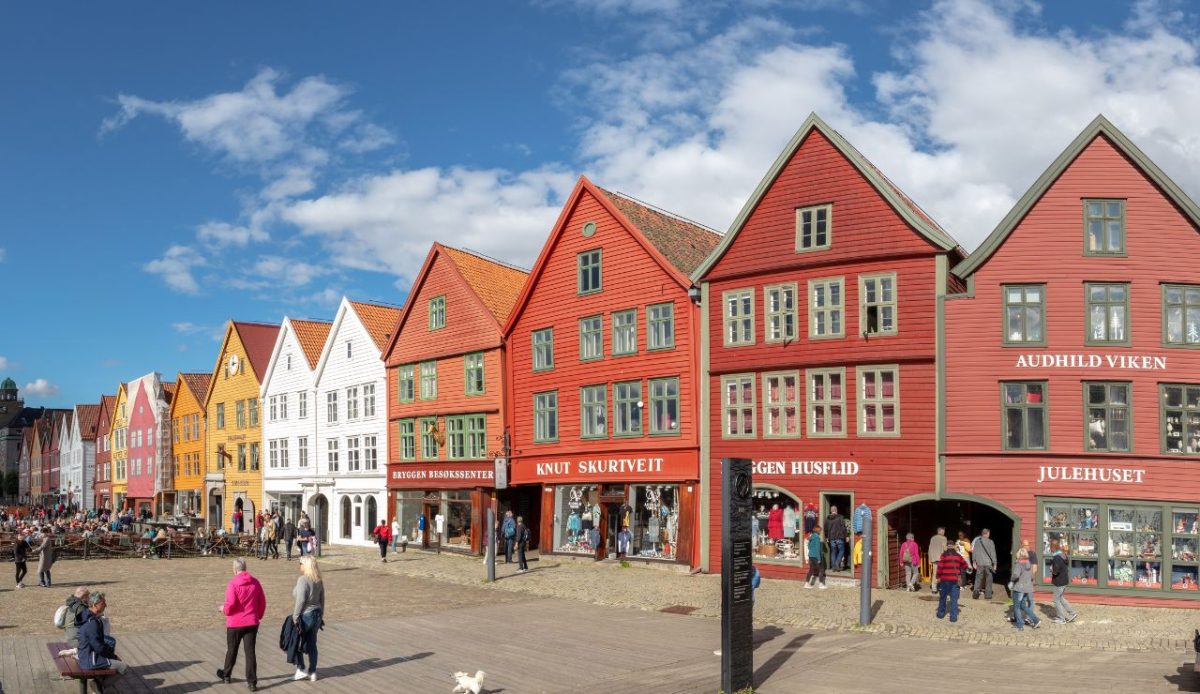
Oslo is modern and popular, but Bergen offers fjord-side charm with colorful wooden houses, scenic harbors, and surrounding mountains. The historic Bryggen district and bustling fish market invite cultural and culinary exploration. Fjord tours and hiking trails provide natural beauty at your doorstep. Bergen combines outdoor adventure with urban comforts, offering museums, cafes, and local traditions without the crowds of Norway’s capital. With a relaxed pace and breathtaking landscapes, Bergen provides an accessible gateway to Norway’s stunning nature while delivering authentic Scandinavian experiences beyond Oslo’s busy streets.
16. Porto, Portugal, instead of Lisbon
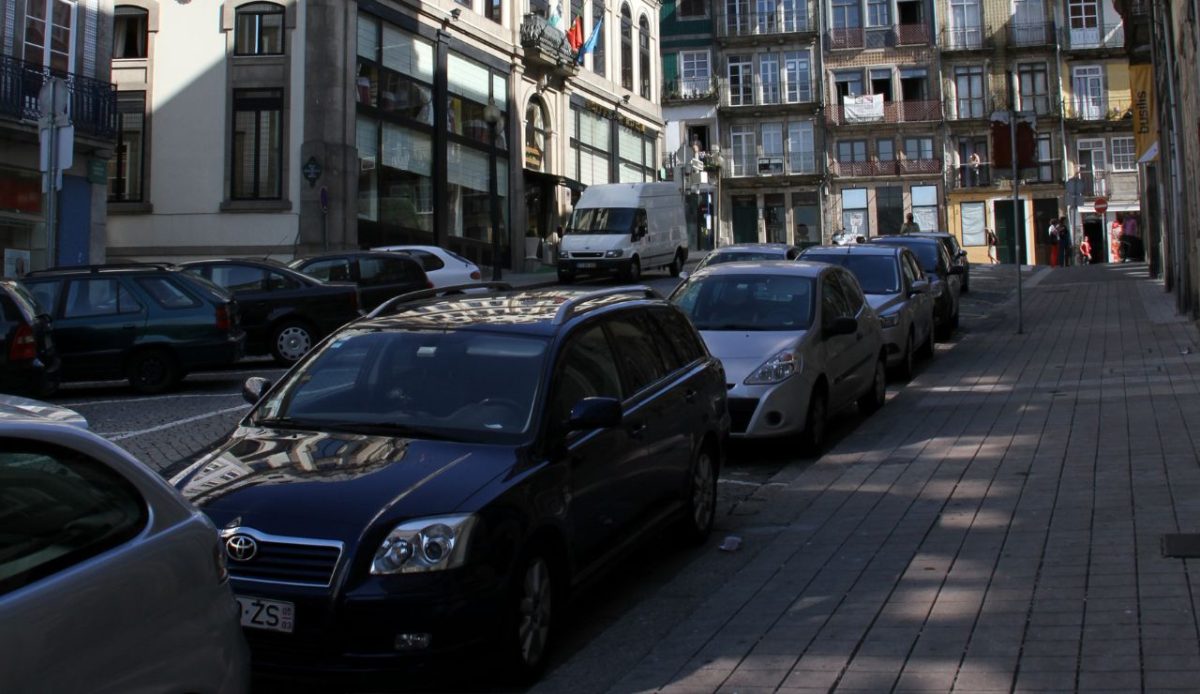
Lisbon draws many tourists, but Porto offers authentic charm along the Douro River. Its historic streets, tiled facades, and riverside cafes invite leisurely exploration. Port wine cellars, traditional markets, and local eateries allow for cultural and culinary immersion. Bridges, waterfront walks, and boat tours showcase the city’s scenic beauty. With fewer tourists, lower prices, and a more relaxed vibe, Porto delivers an enriching Portuguese experience. Visitors can enjoy historic architecture, picturesque streets, and vibrant local life without the crowds, making Porto a compelling alternative to Lisbon for mindful travelers.
17. Kotor, Montenegro, instead of Dubrovnik
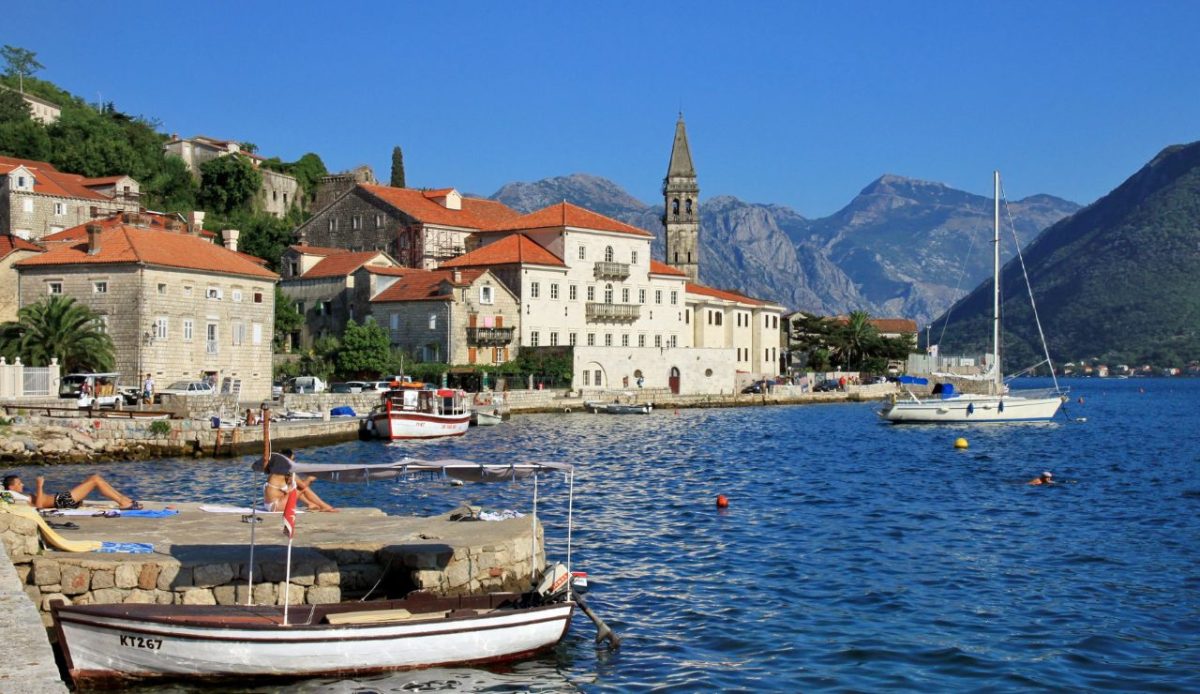
Dubrovnik is famous but heavily crowded, while Kotor offers stunning fjord-like scenery with a peaceful atmosphere. Its medieval walls, cobbled streets, and historic churches provide cultural depth. The Bay of Kotor invites sailing, kayaking, or riverside relaxation. Nearby mountains offer hiking and panoramic views. Quaint cafes and local eateries allow authentic experiences at a slower pace. Kotor combines natural beauty, rich history, and tranquil surroundings. Travelers can enjoy Mediterranean charm without throngs of tourists, making it a serene and memorable alternative to Dubrovnik’s often hectic environment.
18. Hoi An, Vietnam, instead of Hanoi
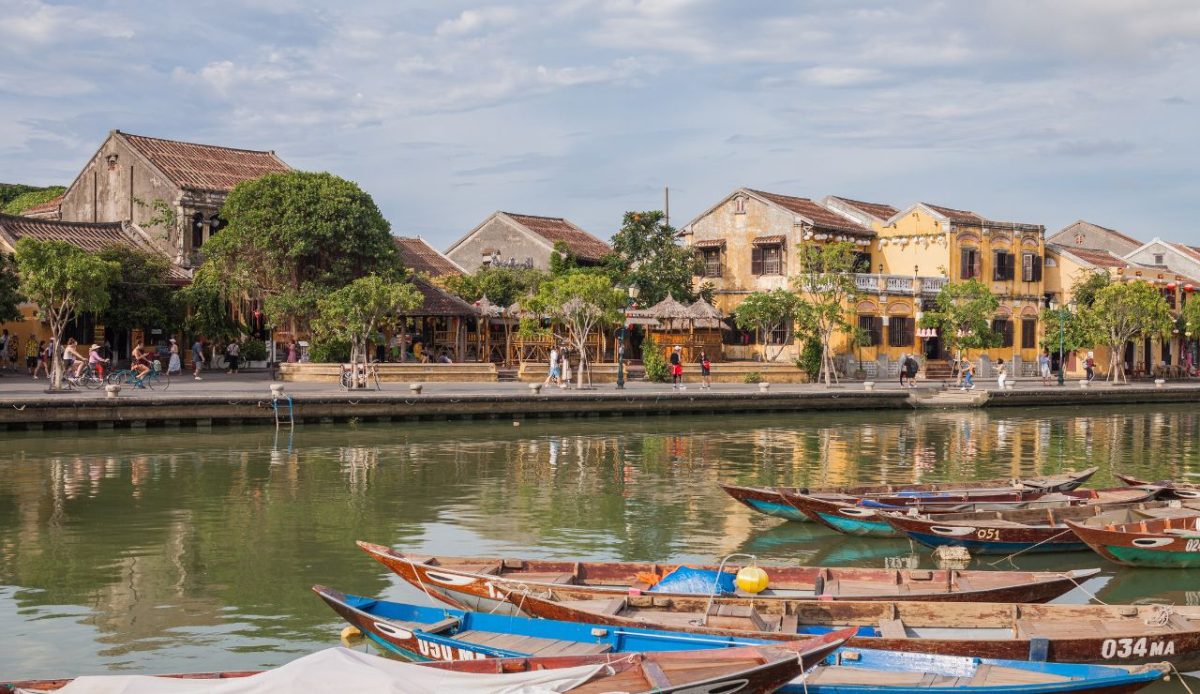
Hanoi’s bustling streets and traffic can be overwhelming, but Hoi An offers a more relaxed Vietnamese experience. Its lantern-lit streets, historic architecture, and riverside charm create a magical atmosphere. Local markets, tailor shops, and cafes provide an authentic culture. Cycling through rice paddies or exploring nearby beaches offers scenic and leisurely adventures. Traditional cuisine, including specialties like cao lầu, delights travelers. Hoi An balances heritage, scenic beauty, and tranquility, allowing visitors to connect with local life without the stress and crowds of Vietnam’s capital.
19. Ronda, Spain, instead of Barcelona
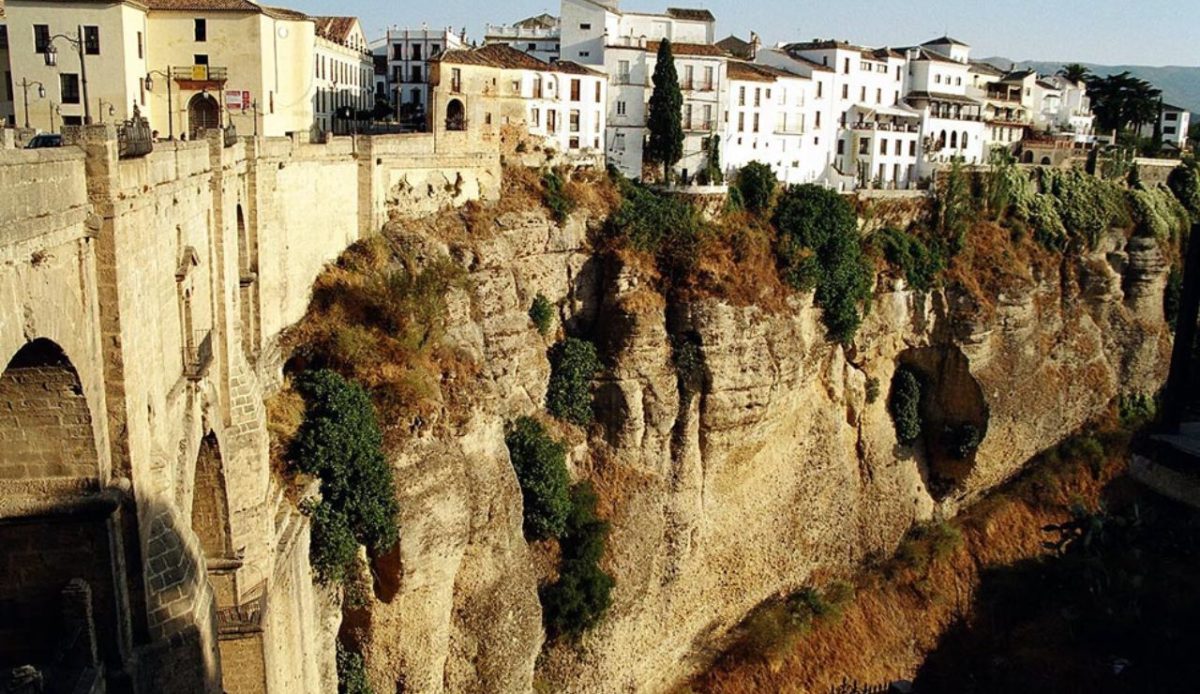
Barcelona is vibrant but crowded; Ronda offers dramatic cliffs, historic bridges, and Andalusian charm with fewer tourists. The town’s old quarter, plazas, and flamenco culture invite cultural immersion. Stunning gorge views, nearby wineries, and quiet rural landscapes provide exploration opportunities. Local cuisine and markets highlight regional flavors authentically. Ronda allows travelers to experience Spain’s history, architecture, and scenic beauty at a calm pace, offering a striking alternative to Barcelona’s tourist-heavy streets while maintaining a rich, immersive cultural experience.
20. Puglia, Italy, instead of Rome
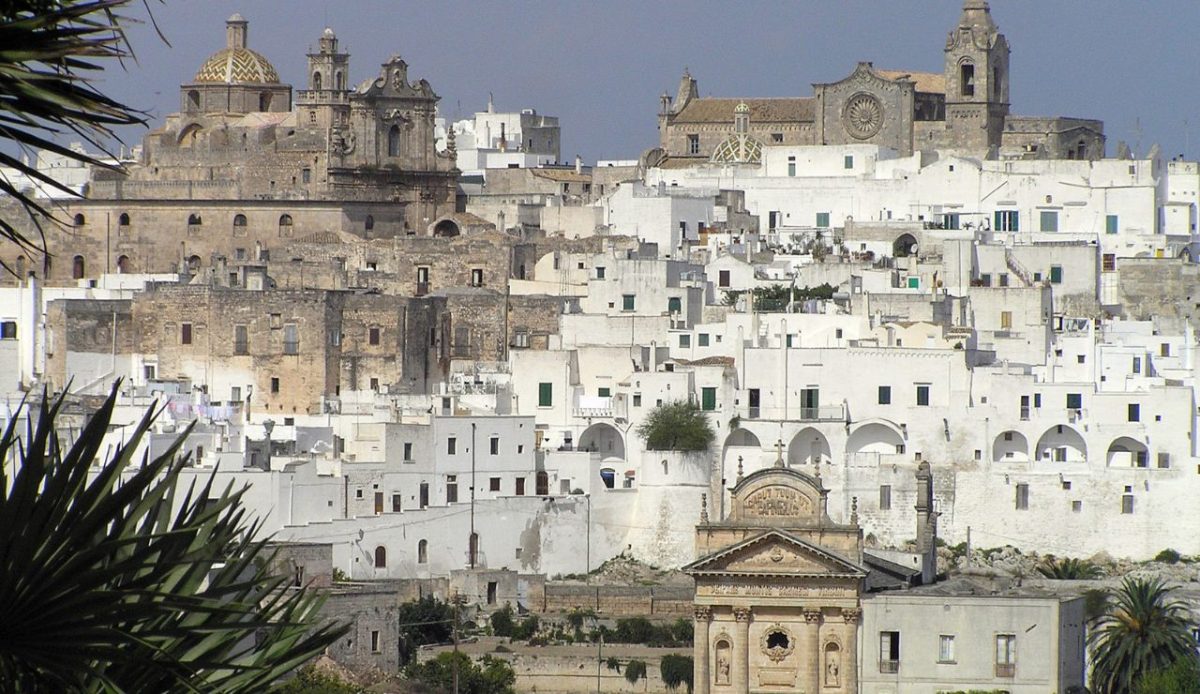
Rome is iconic but overwhelming, while Puglia in southern Italy offers coastal charm, historic towns, and culinary delights with fewer tourists. Whitewashed villages, olive groves, and Trulli houses create picturesque scenery. Local markets, seafood restaurants, and artisan shops provide authentic Italian experiences. Beaches and inland hikes offer relaxation and exploration away from crowds. Puglia combines history, culture, and natural beauty in a peaceful, approachable setting, making it a perfect alternative for travelers seeking Italy’s charm without the congestion, noise, and high prices of Rome.
