
Retirement markets in the United States share clear traits. Strong hospitals, steady public services, and easy daily mobility draw older residents who want predictability. Over time, housing and commerce adapt to long tenures and fixed-income planning.
New migration datasets show many millennials moving into the same places. Remote eligible work and high rents in legacy hubs redirect younger households. In many cities, housing supply cannot expand fast enough to match the inflow.
The change is measurable, not personal. When younger earners compete in tight inventories, prices rise and short-term rentals spread. Retail prices for new spending habits, while seniors face higher taxes, higher rents, and busier streets.
1. Cambridge

Older adults value dense care networks and transit access near major hospitals and clinics. Long ownership patterns around Harvard Square and Riverside keep turnover low and zoning cautious.
SmartAsset style migration analyses often place Cambridge highly for millennial moves because biotech and university-linked hiring stays strong. Many arrivals accept smaller units near transit, which concentrates demand in a limited rental stock.
In a tight market, older residents feel change through property tax increases, higher service prices, and louder late-night activity. Investor buying can increase, which can reduce owner occupancy and weaken long-term neighborhood stability.
2. Seattle

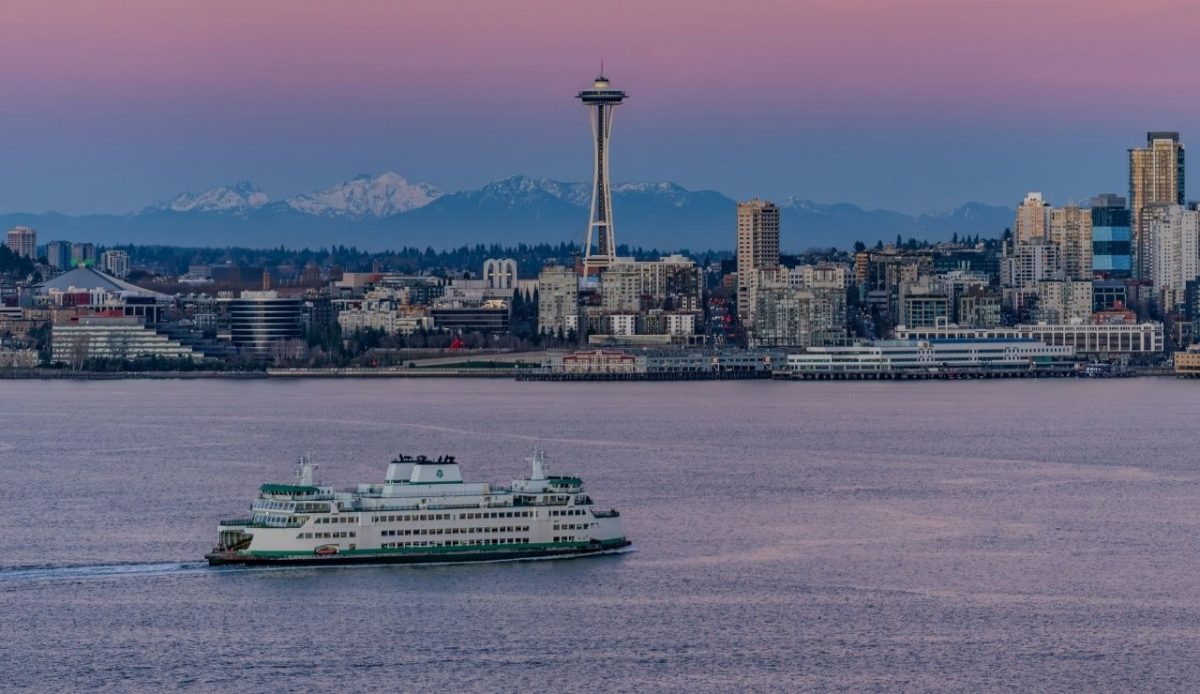
Senior households benefit from strong medical systems, frequent transit, and neighborhood services that reduce driving. Many boomers also hold long-term equity in single-family zones. Public health systems and ferry plus bus links make appointments easier for non-drivers.
Seattle draws millennial households through tech pay, port-linked logistics, and a large remote eligible workforce. New renters cluster near light rail extensions, which increases competition in a corridor that already has zoning constraints.
Housing pressure shows up as rent hikes, condo conversion interest, and more short-term rentals near key districts. When newer venues replace legacy shops, daily errands can cost more for seniors on fixed budgets.
3. Arlington

Retirees pick Arlington for safety metrics, walkability, and quick access to specialty care in the DC region. Condo living near Metro stops supports aging in place. Property taxes are influenced by county assessments that move with market churn.
Arlington attracts younger adults through federal contracting, defense tech, and proximity to DC offices. High-income renters often target elevator buildings near Metro, pushing up rents in the same buildings that seniors prefer for accessibility.
Accessibility friendly buildings become contested. When rents climb, older tenants may face non-renewal, and the area’s retail profile can tilt toward higher-priced dining rather than practical services.
4. Alexandria
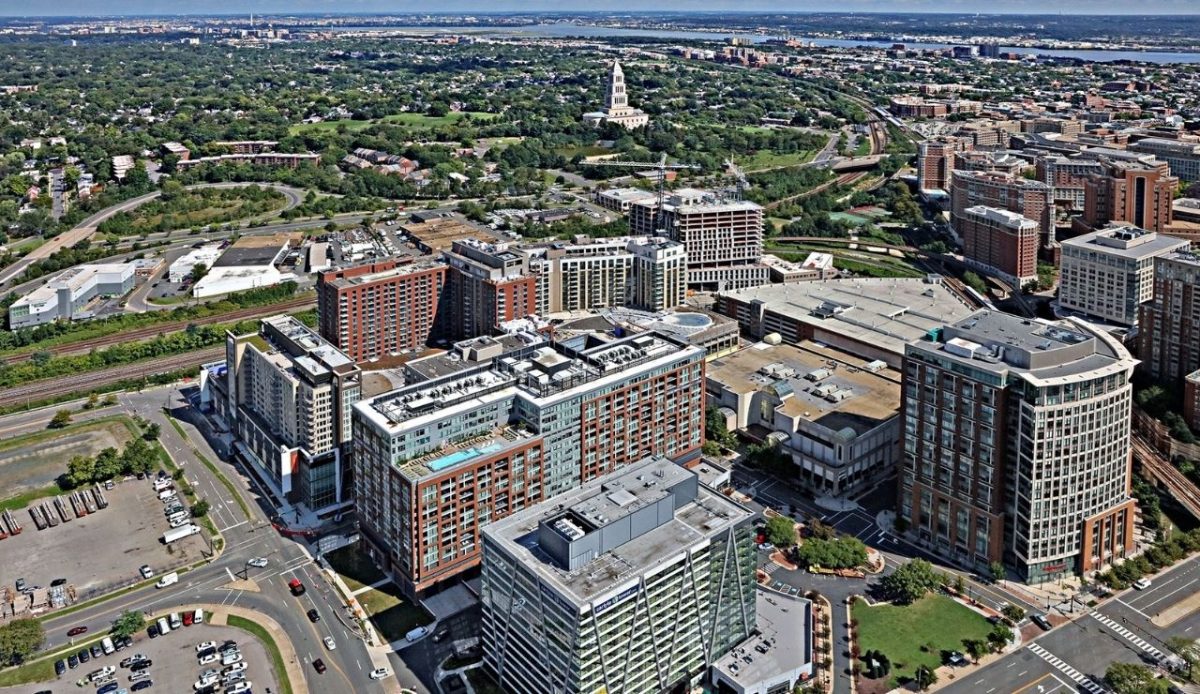
Old Town Alexandria has a mature housing stock and a large share of owners who stay for decades. Waterfront amenities and proximity to care have kept it retiree-friendly. Historic preservation limits teardowns, so small shifts in demand move prices quickly.
Alexandria sees younger migration tied to regional jobs and commuter access. A short supply of rowhomes and condos near the waterfront means bids rise quickly when well-paid buyers appear.
The waterfront and historic core have limited expansion capacity. As demand grows, short-term rentals and second home purchases can reduce long-term lease options and alter street-level retail toward tourism.
5. Denver

Boomers are drawn by hospital systems, airport access, and nearby recreation without needing a resort town. Suburban stability has supported long tenures and predictable tax bases. Front Range climate risk and wildfire smoke seasons also influence insurance costs.
Denver has been a millennial magnet for years due to diversified jobs and airport connectivity. When newcomers arrive from higher-priced metros, their down payment capacity can reset local price expectations.
Price acceleration changes who can buy entry-level homes. Contractors pivot to high-margin remodels, and service workers commute farther, which strains the local labor pool for health and care roles.
6. Washington
Older residents benefit from unmatched healthcare density and transit options in core neighborhoods. Many have stable pensions and own property bought before recent price surges. The city uses a comp plan and zoning hearings that often slow new multifamily permits.
Washington pulls millennials through government, consulting, and graduate education pipelines. Demand concentrates in older rowhouse districts where additions are slow, so competition tightens quickly.
When rowhouse districts reprice, older owners may stay, but neighbors shift quickly. Schools, parking policy, and retail leasing adapt to younger usage patterns, while affordable units become harder to find.
7. Portland

A compact grid, light rail, and strong clinic access have supported older adults who want a car-light routine. Longtime homeowners in inner neighborhoods often resist rapid change. Statewide land use rules and urban growth boundaries shape where building can occur.
Portland continues to draw younger households seeking walkable neighborhoods and a strong food scene. Inflow often targets a few close-in districts, which raises rents and increases small lot redevelopment pressure.
As rents rise, arts and maker spaces get displaced by higher-rent tenants. Noise complaints and parking demand increase, which can push the city toward stricter enforcement and fee-based permits.
8. Salt Lake City
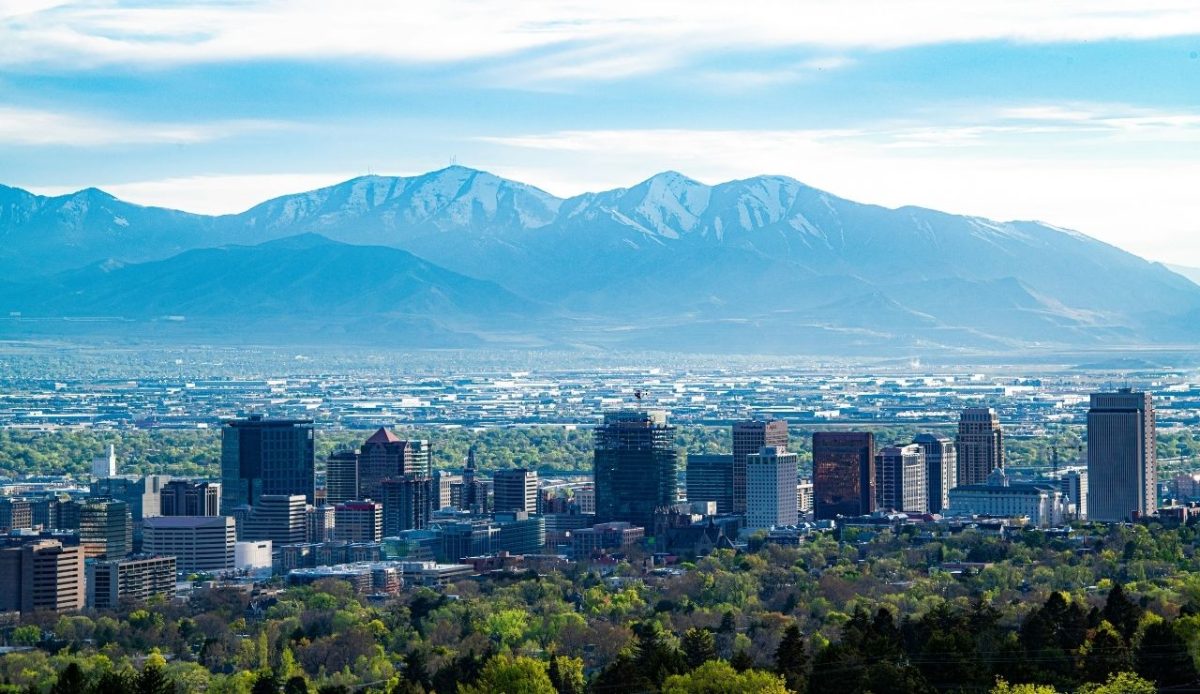
Retirees value access to regional hospitals and a cost profile that has long been lower than coastal metros. Outdoor amenities support active aging and long stays. Winter air inversions and basin geography complicate growth management decisions.
Salt Lake City gains millennials from tech growth along the Wasatch Front and the ability to ski or hike close to home. A narrow developable valley concentrates demand and can move prices faster than wages.
Growth can stress water, air quality, and winter inversion management, leading to higher utility and mitigation costs. Housing scarcity also pushes seniors to the edge of the valley for affordability.
9. San Francisco

Despite high costs, older adults benefit from transit, walkability, and top-tier medical centers. Many remain due to controlled rents, paid off homes, or proximity to family. Rent control history and strong tenant advocacy affect how turnover is handled.
San Francisco still attracts millennials through high-wage tech roles and dense career networks. Even modest net migration can strain a housing market where permits lag, and vacancy stays low. High-cost markets also show strong roommate demand, which keeps smaller units fully absorbed.
New demand raises rents even where long-term tenants exist. Short-term rental activity and luxury retail can shift the city’s street-level character away from practical neighborhood shopping.
10. St. Petersburg

The Gulf Coast climate and Florida tax structure keep St Petersburg in the retiree conversation. A large stock of condos and seasonal homes suits fixed-income planning. Hurricane season and flood insurance costs play into condo budgeting for retirees.
St Petersburg has gained younger residents seeking a coastal lifestyle with lower costs than Miami. Remote workers and seasonal visitors increase year-round occupancy and intensify condo demand. Local planners have debated limits on vacation rentals, showing that the pressure is recognized.
Condo fees rise as amenities expand to meet new expectations. Seasonal neighborhoods become year-round, which increases traffic and local service demand beyond what retirees once experienced.
11. Boston

Mass General and other institutions create a care advantage that matters in later life. Dense neighborhoods make errands possible without long drives, which keeps older residents engaged. Snow and freeze cycles raise maintenance costs that hit older homeowners on fixed budgets.
Boston keeps pulling millennials through universities, hospitals, and finance roles. Many seek transit-oriented rentals, which cluster demand near a limited set of subway lines.
High rents drive older residents to rely on fixed-income savings faster. Small businesses face higher commercial leases, which can replace familiar shops with chains that can absorb higher costs.
12. Jersey City
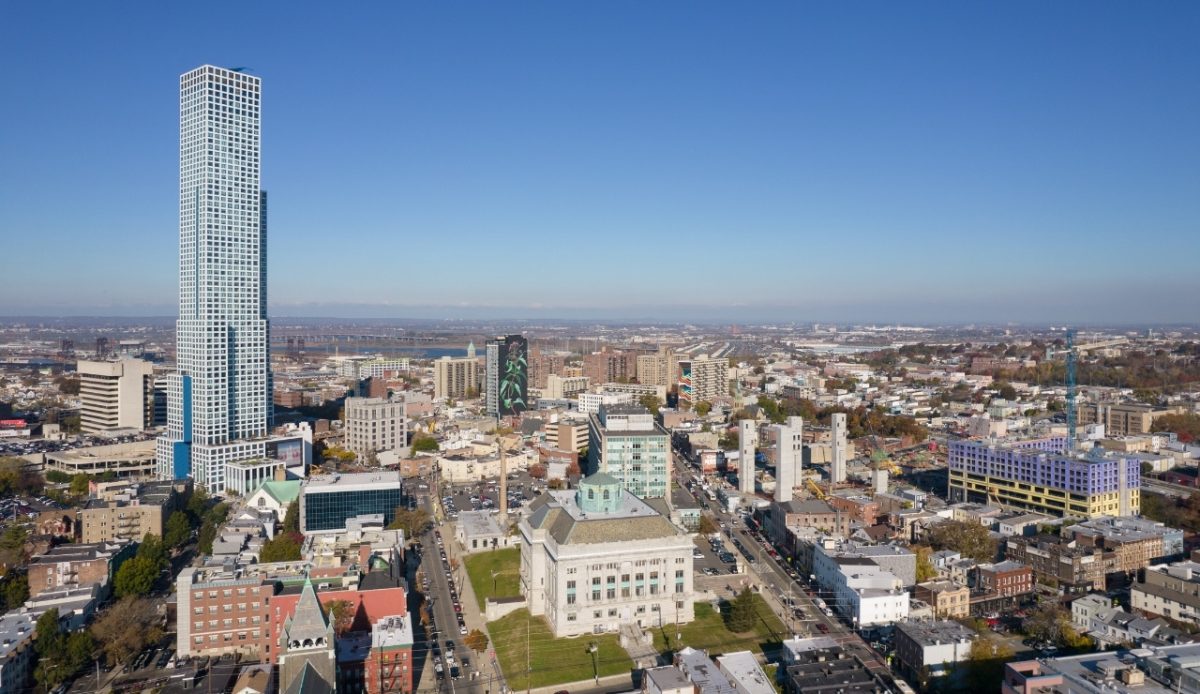
Hudson County offers quick access to regional hospitals and transit to Manhattan without a car. Older owners often stay as amenities remain close and familiar. Transit tunnels and PATH access reduce driving needs for older residents.
Jersey City benefits from millennial demand tied to Manhattan access and a growing local job base. High-rise supply adds units, yet premium demand keeps vacancy tight in desirable waterfront zones. Many movers keep New York jobs, so commuter demand stays high.
Luxury towers lift nearby rents and retail pricing. Older residents who valued a quieter pace may see more nightlife and weekend crowds as younger households settle in. Curbs can trigger paid permit systems.
13. Hillsboro
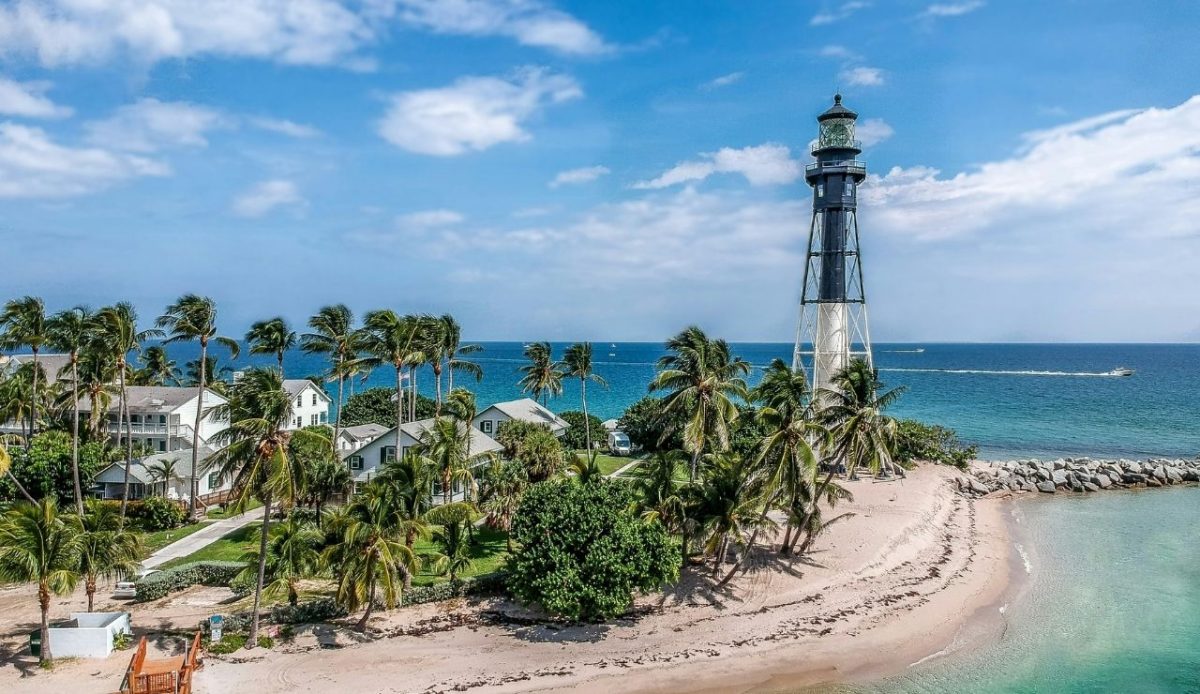
Washington County has suburban stability and access to healthcare systems tied to Portland. Many boomers settled during earlier growth cycles and stayed for schools and services. Industrial parcels are scarce, so redevelopment can displace light industry.
Hillsboro attracts millennials through semiconductor and supplier jobs in the county. Newer families compete for the same school zone homes that older owners hold, which pushes turnover and pricing. New hires arrive, and highway access spreads growth outward.
Property values move when demand targets specific subdivisions. Rising taxes and insurance can force earlier downsizing.
14. Reno
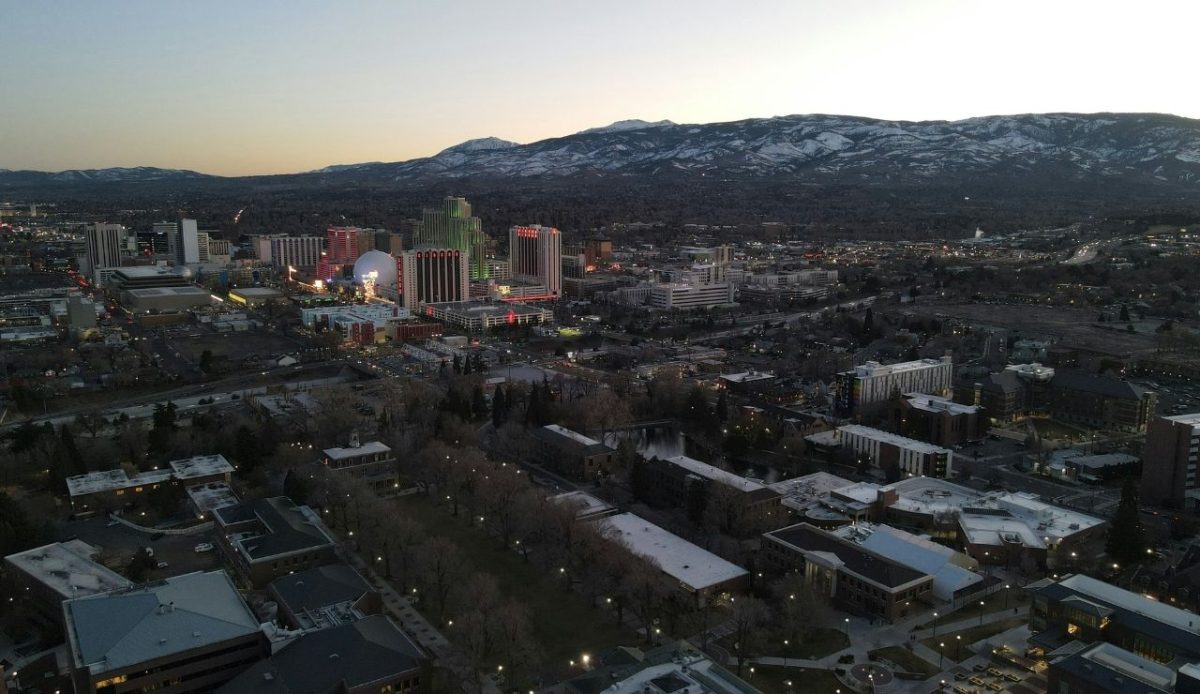
Retirees often arrive for lower taxes and a smaller city feel while staying near Western medical centers. The region has long served as a downsized alternative to California metros. Wildfire smoke and water planning constrain growth.
Reno draws millennials priced out of the Bay Area and Sacramento. Remote work makes the move easier, and the market reacts sharply when cash buyers compete with local incomes. Logistics growth also adds workers who need housing.
Rapid price gains shift the market from local wage anchored to investor anchored. That can increase homelessness risk and push essential workers into longer commutes. Higher housing costs can lift service wages and prices.
15. Madison
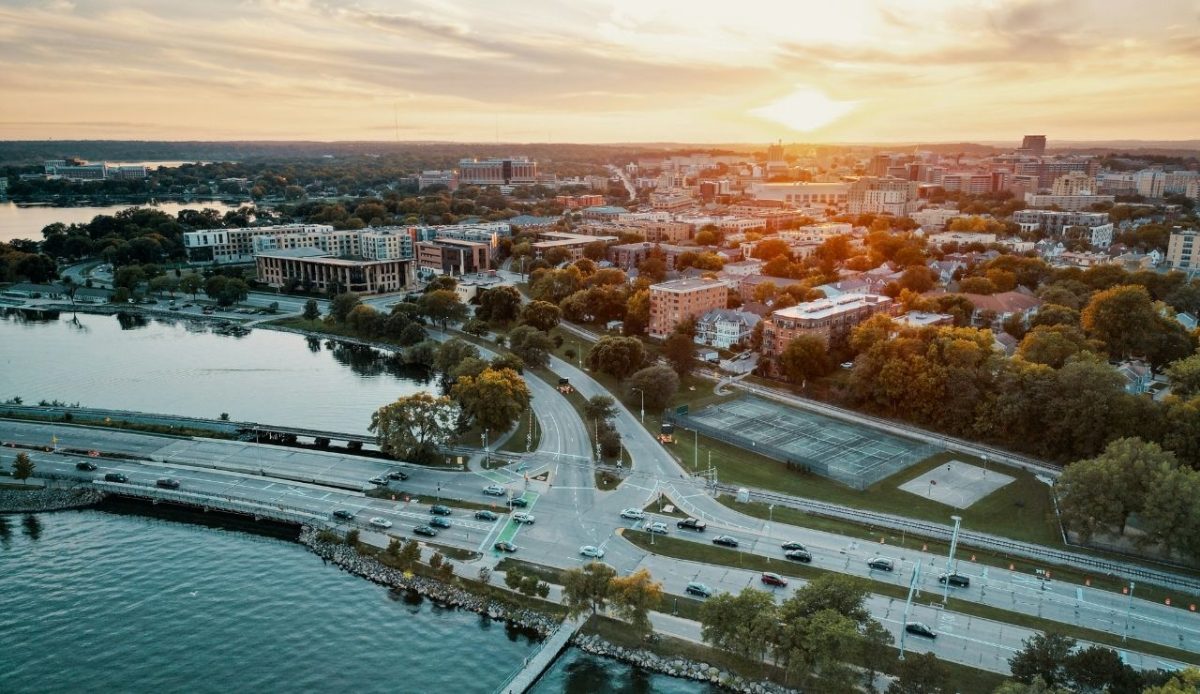
Older residents benefit from healthcare anchored by a major university and a compact, safe core. Lake adjacency and public services keep long-term residents rooted. University health systems also support geriatric care and specialty clinics close to downtown.
Madison pulls millennials through university employment, state government, and a growing tech presence. Many target neighborhoods near the Capitol and lakes, where the housing stock cannot expand much. Graduate retention after university programs keeps a steady stream of renters in the same few districts.
Competition around the core increases parking stress and pushes redevelopment near older homes. Seniors can face higher assessments and fewer moderately priced rentals for downsizing.
