
Winter towns across the United States are adjusting as snow seasons become shorter and less predictable. Later snowfall, early spring melt, and frequent temperature swings affect ski access, staffing plans, and local revenue. Many communities now rely on targeted snowmaking, tighter operational planning, and stronger non-ski offerings to reduce exposure to long winter assumptions. Instead of waiting for conditions to return to past norms, these towns are adapting through practical changes that protect access, manage costs, and stabilize visitor demand as winter reliability continues to decline.
1. Aspen, Colorado
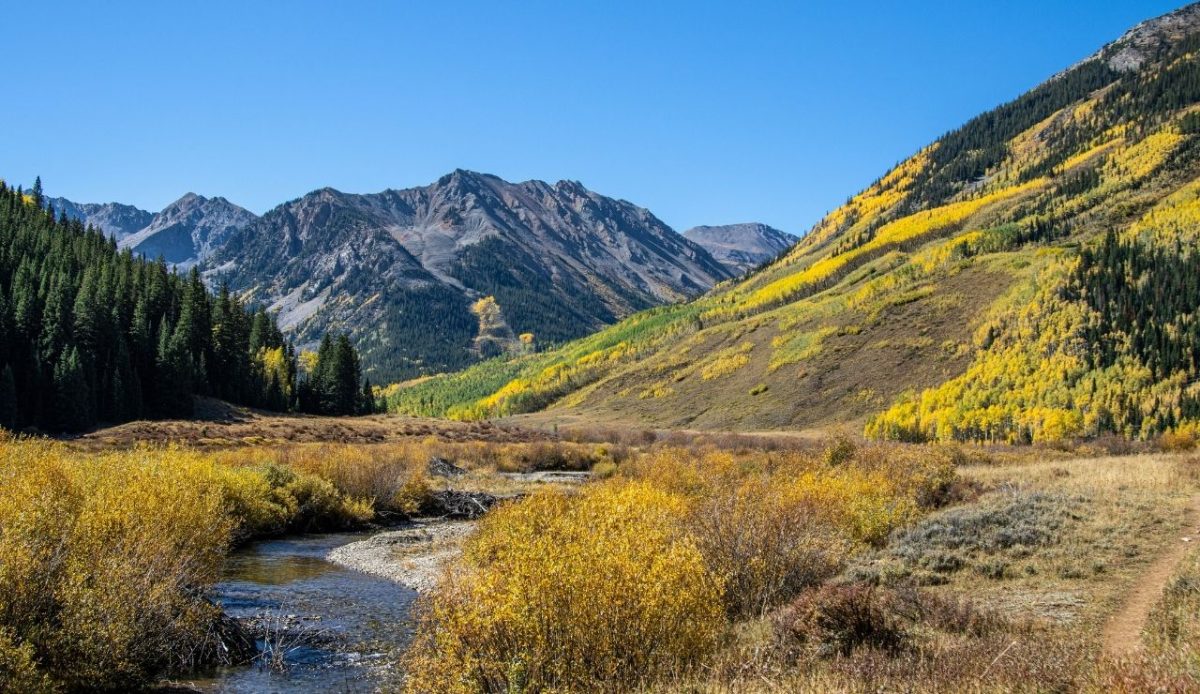
Aspen has adjusted winter operations as snowfall arrives later and melts sooner. Resorts focus snowmaking on main access routes and core terrain so lifts can open even with limited accumulation. Water storage projects capture runoff earlier in the year to support production during short cold periods. Grooming now prioritizes protecting base depth rather than widening terrain quickly. Local businesses plan staffing with flexible start dates instead of fixed holiday expectations. The town also supports fall and spring events to reduce revenue gaps caused by shorter winters, helping Aspen remain stable as snow patterns continue to shift.
2. Vail, Colorado
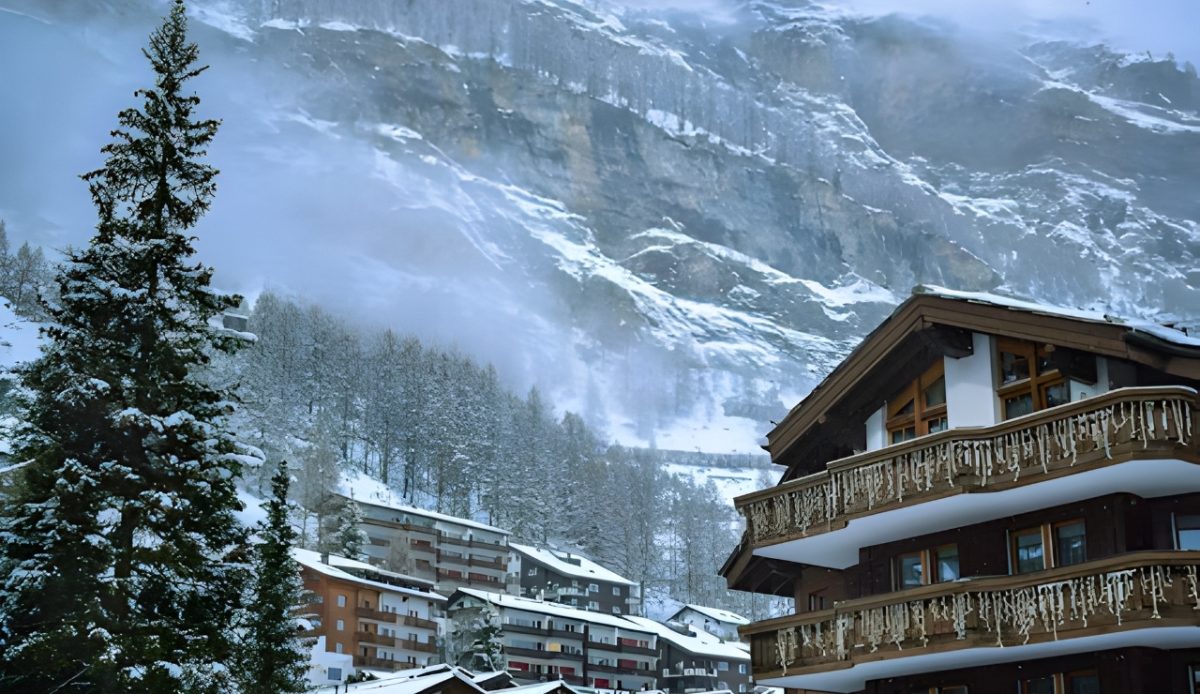
Vail has refined mountain operations to respond to shorter snow seasons. Snowmaking concentrates on corridors that keep lift systems connected during uneven coverage. Weather monitoring guides crews to produce snow only during viable cold windows, reducing waste. Marketing emphasizes shorter visits tied to dependable terrain rather than long winter stays. Outside ski season, Vail has expanded trail access, festivals, and lift-supported summer activities. Lodging and service providers use staffing models that scale quickly instead of relying on extended peak periods, allowing the town to operate smoothly despite greater winter uncertainty.
3. Breckenridge, Colorado
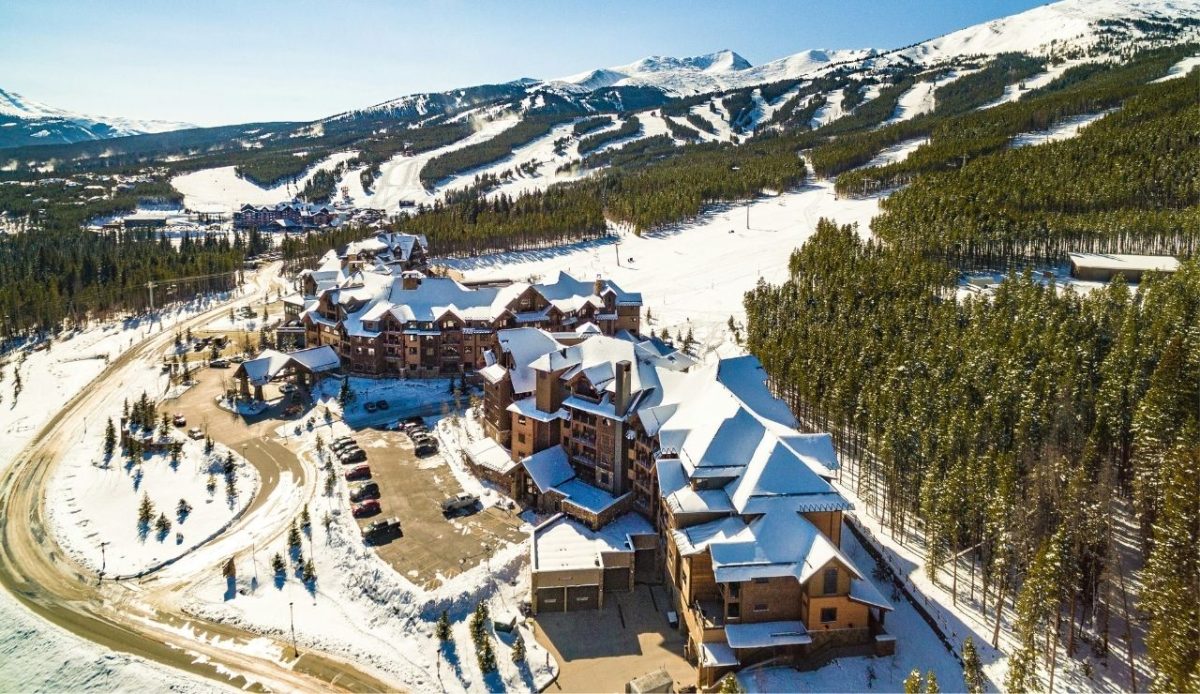
Breckenridge faces growing variability in early-season snowfall, particularly before the holiday period. The resort prioritizes snowmaking on beginner slopes and connector runs that allow partial operations with limited coverage. Equipment upgrades support rapid production during short temperature drops. Tourism planning now spreads visitation beyond traditional peak dates to reduce risk tied to delayed openings. Local businesses adjust inventory and hours based on real-time demand rather than fixed calendars. By narrowing operational focus and controlling costs, Breckenridge continues serving visitors while adapting to shorter and less predictable snow seasons.
4. Steamboat Springs, Colorado
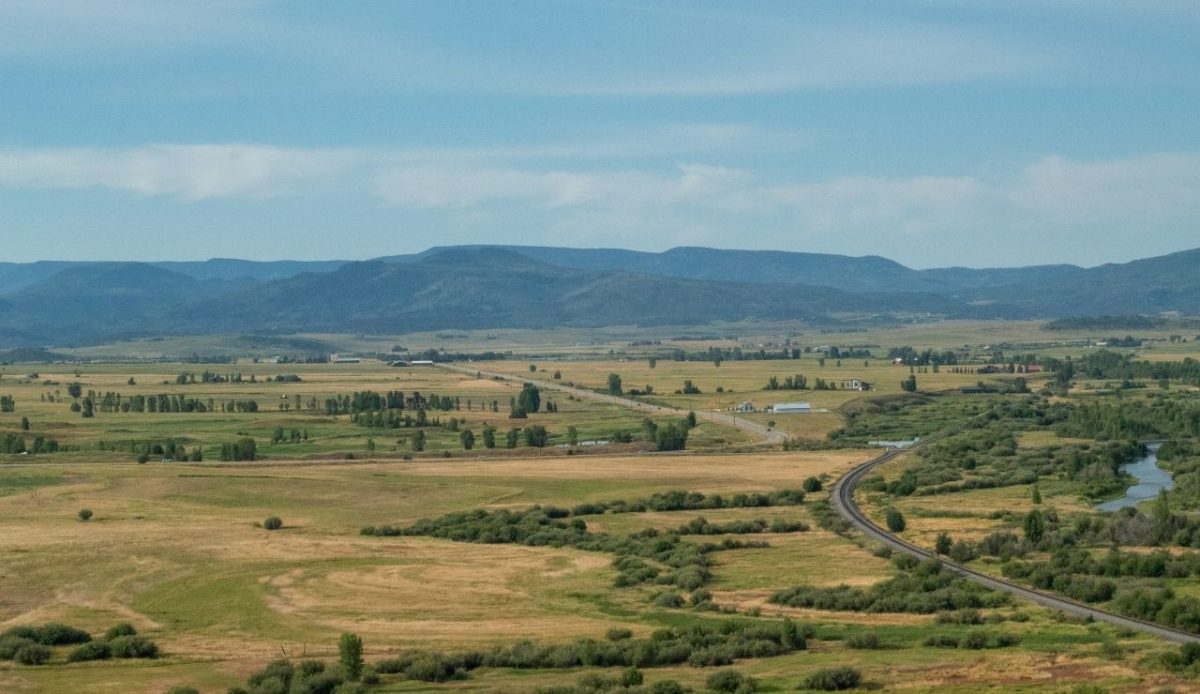
Steamboat Springs has modified winter planning as snowfall patterns shift toward later starts and earlier melts. Snowmaking upgrades now emphasize preserving base depth instead of full-area coverage, improving trail durability during warm cycles. Water storage improvements support production during compressed cold intervals. The town has expanded winter options that do not rely on deep snow, including events and guided activities. Workforce planning favors shorter contracts with flexible start dates. Lodging operators also adjust pricing within tighter booking windows, helping Steamboat remain active as winter conditions fluctuate.
5. Park City, Utah
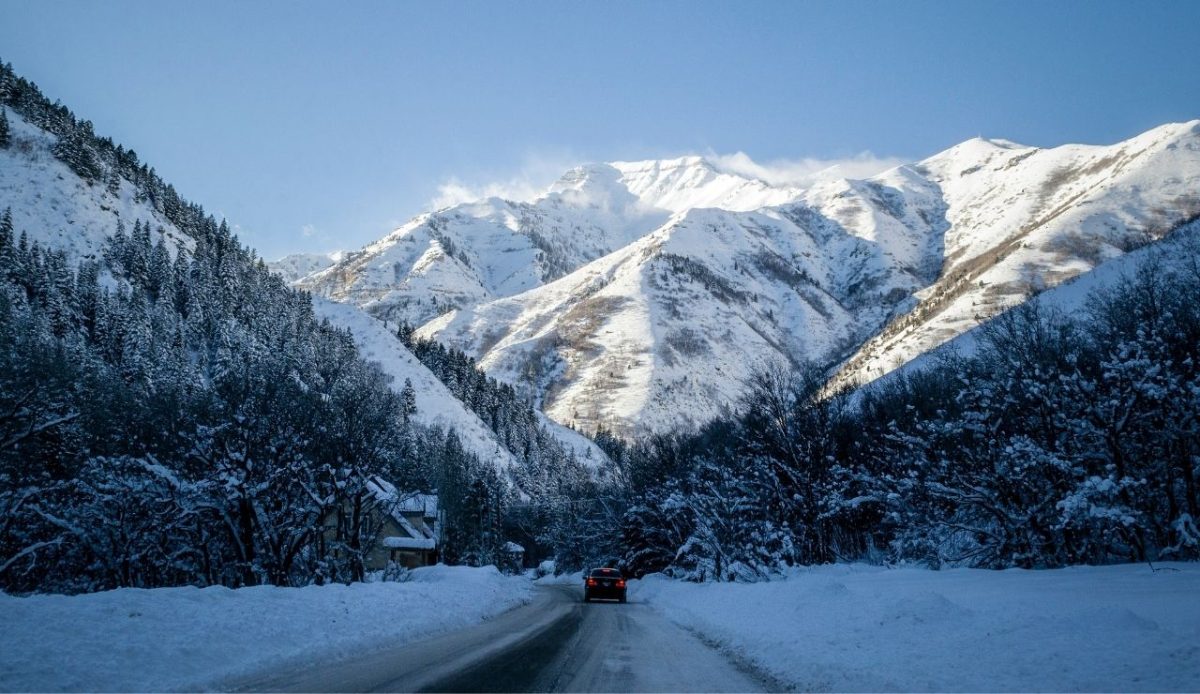
Park City has adopted a diversified strategy as snow seasons shorten. Resorts concentrate snowmaking on elevation zones and transport routes that maintain access during limited coverage. Efficient equipment reduces strain during marginal conditions. The town has expanded conference travel, festivals, and recreation outside skiing to support year-round occupancy. Transit schedules and services adjust based on demand rather than fixed winter assumptions. Local businesses benefit from this flexibility, allowing Park City to maintain economic stability even as snowfall timing and duration grow less reliable.
6. Jackson, Wyoming
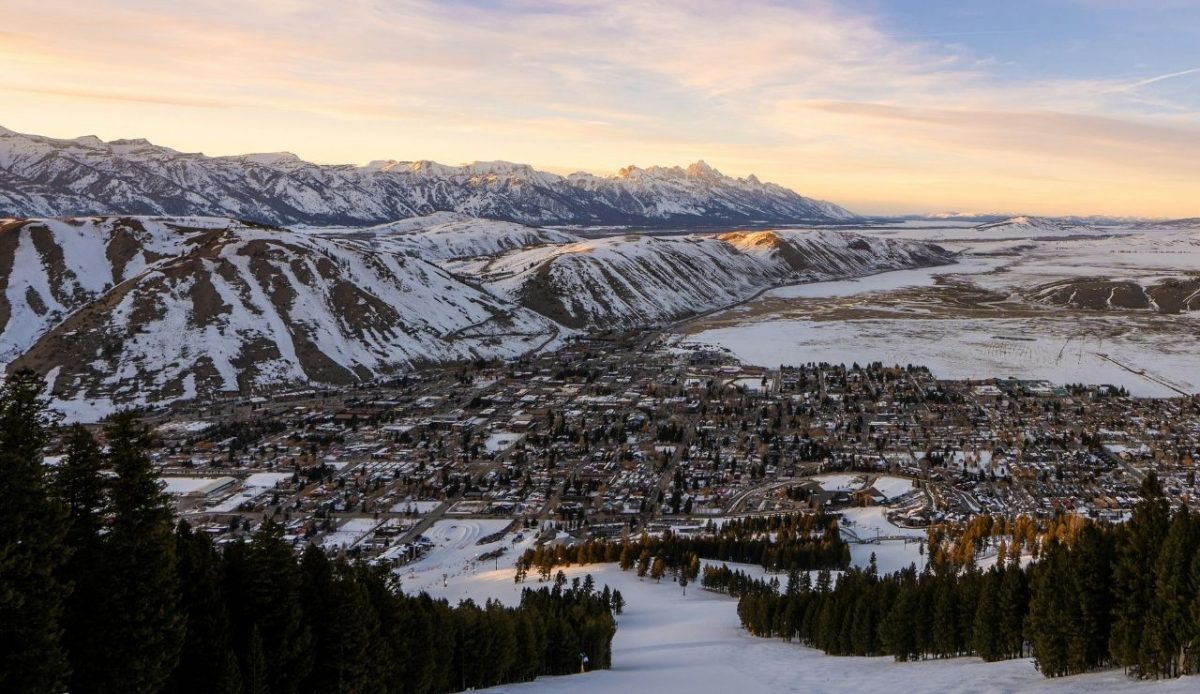
Jackson experiences greater winter variability, with cold periods interrupted by warmer spells that affect snow quality. Resorts focus snowmaking on access runs that keep lift networks operating despite thin natural coverage. The town has expanded winter activities that rely less on deep snow, including wildlife tours and cultural programming. Outfitters stagger seasonal hiring instead of committing to long contracts. Lodging providers monitor booking trends closely and adjust pricing in shorter intervals. These operational changes help Jackson continue attracting winter visitors while managing shorter and more unpredictable snow seasons.
7. Ketchum, Idaho
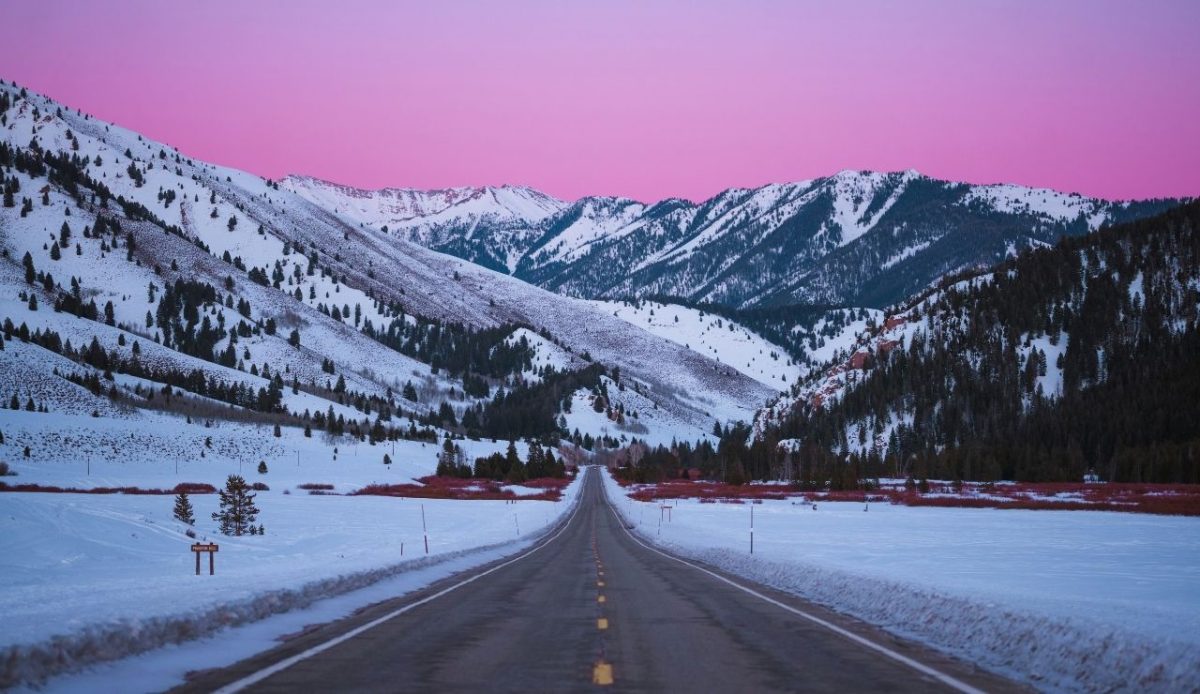
Ketchum, anchored by the Sun Valley area, has refined winter planning as snowfall timing shifts. Snowmaking targets terrain that supports lessons, racing, and reliable downhill connections. This focus reduces pressure during warm interruptions and improves daily operating consistency. Water management planning ensures supply during brief cold periods. The town has strengthened summer and fall tourism to offset winter uncertainty through events, trail access, and arts programming. Businesses now plan staffing and inventory using wider seasonal ranges instead of fixed winter dates, improving stability as snow seasons continue to shorten.
8. Truckee, California
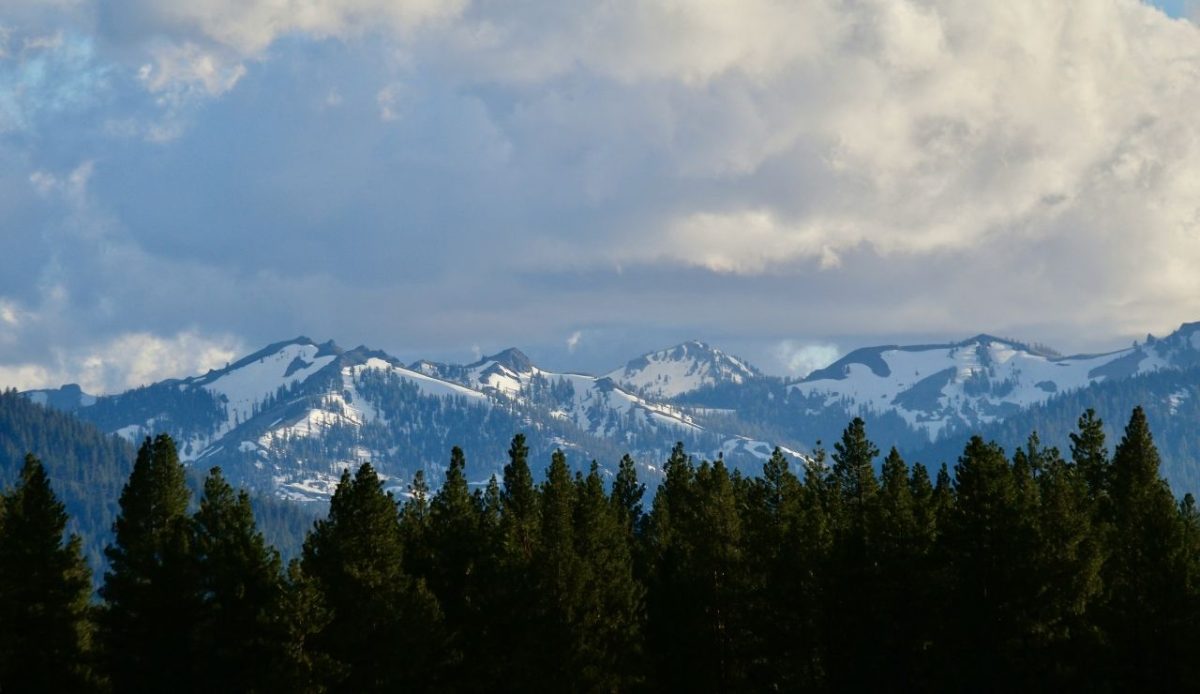
Truckee faces growing challenges from shorter Sierra Nevada snow seasons and frequent midwinter rain. Resorts rely more on managed snow to protect base layers during temperature swings. Production timing is closely controlled to avoid waste during brief cold windows and unstable forecasts. The town promotes four-season tourism, highlighting hiking, cycling, and lake access to reduce winter dependence. Infrastructure planning accounts for fluctuating visitor volume instead of long ski seasons. Businesses adjust schedules weekly rather than by calendar, helping Truckee remain stable as snow reliability declines.
9. Bend, Oregon
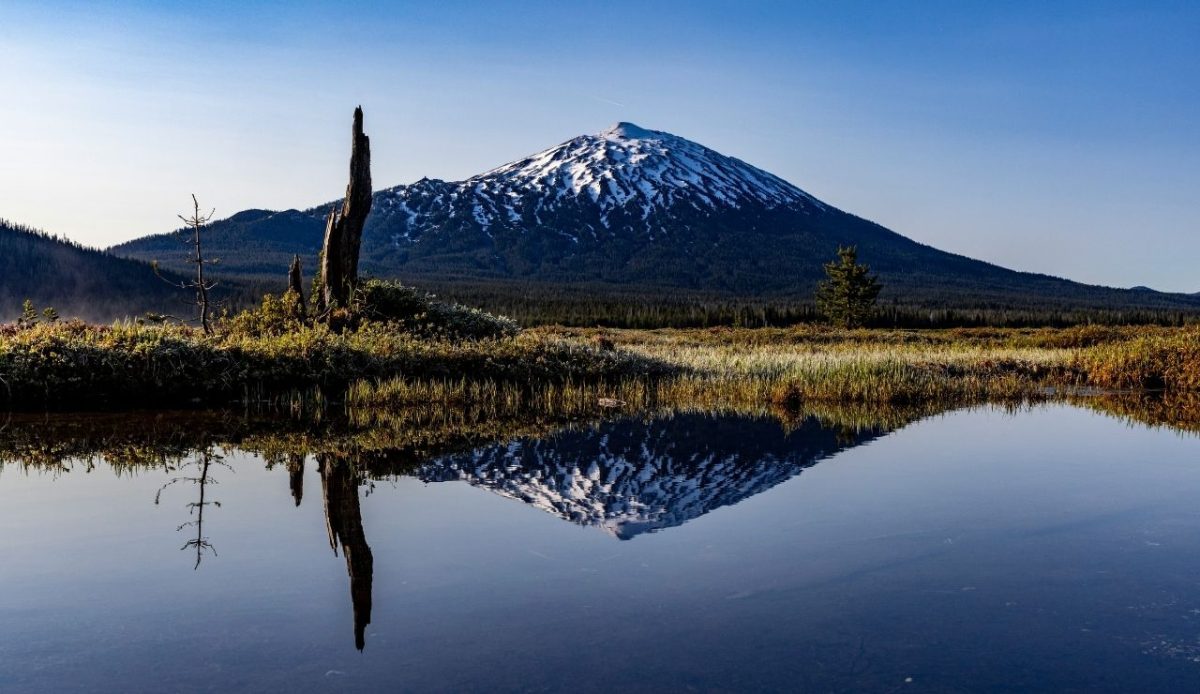
Bend has adjusted winter planning as Cascade snowfall becomes less consistent. Resorts emphasize snow production on main access routes to keep terrain usable during shorter cold periods. Weather tracking allows crews to respond quickly when conditions permit limited production windows. Bend has expanded winter alternatives such as trail systems, guided outings, and indoor recreation that support visitors during uneven snow coverage. A strong summer economy helps offset winter downturns. Businesses budget with wider seasonal margins rather than relying on extended snow coverage, supporting steady tourism despite ongoing winter variability.
10. Taos Ski Valley, New Mexico
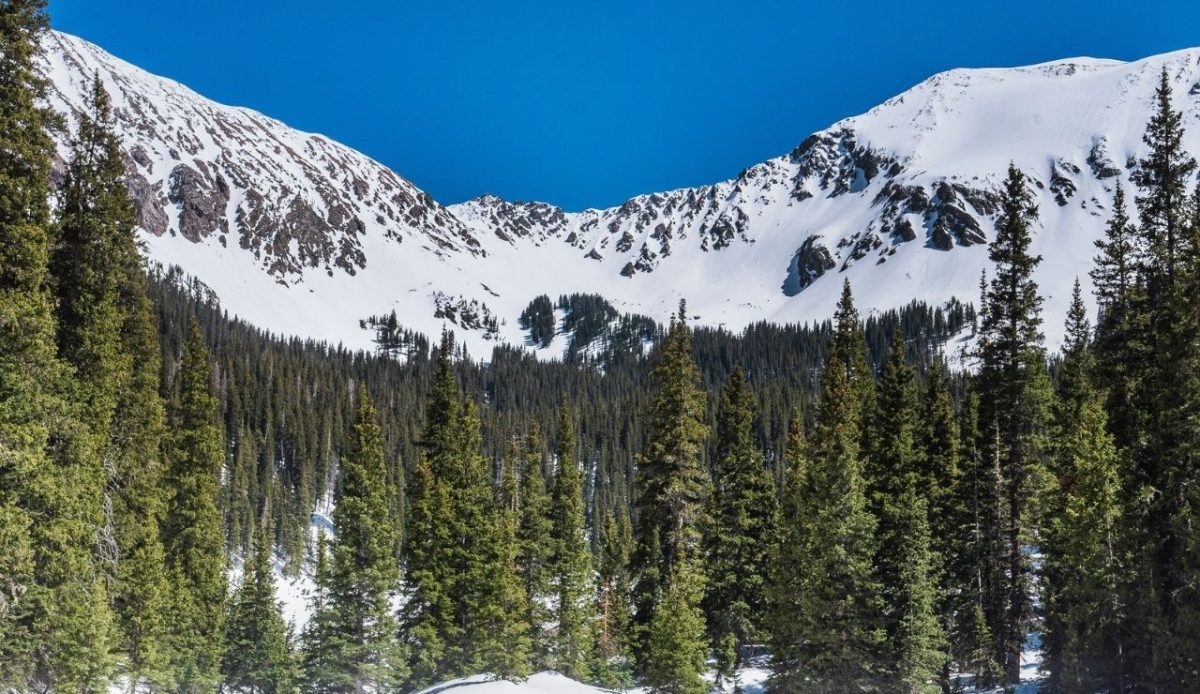
Taos Ski Valley operates in a region with warmer winter averages and reduced snow consistency. Snowmaking focuses on areas where elevation supports better retention across changing temperature patterns. Crews prioritize preserving base depth instead of opening large areas early. Water use planning aligns closely with short cold windows. The surrounding town promotes cultural tourism and off-slope activities to balance winter risk. Lodging and service providers scale staffing cautiously, expanding only when conditions support operations, allowing Taos to maintain winter access despite shorter snow seasons.
11. Stowe, Vermont
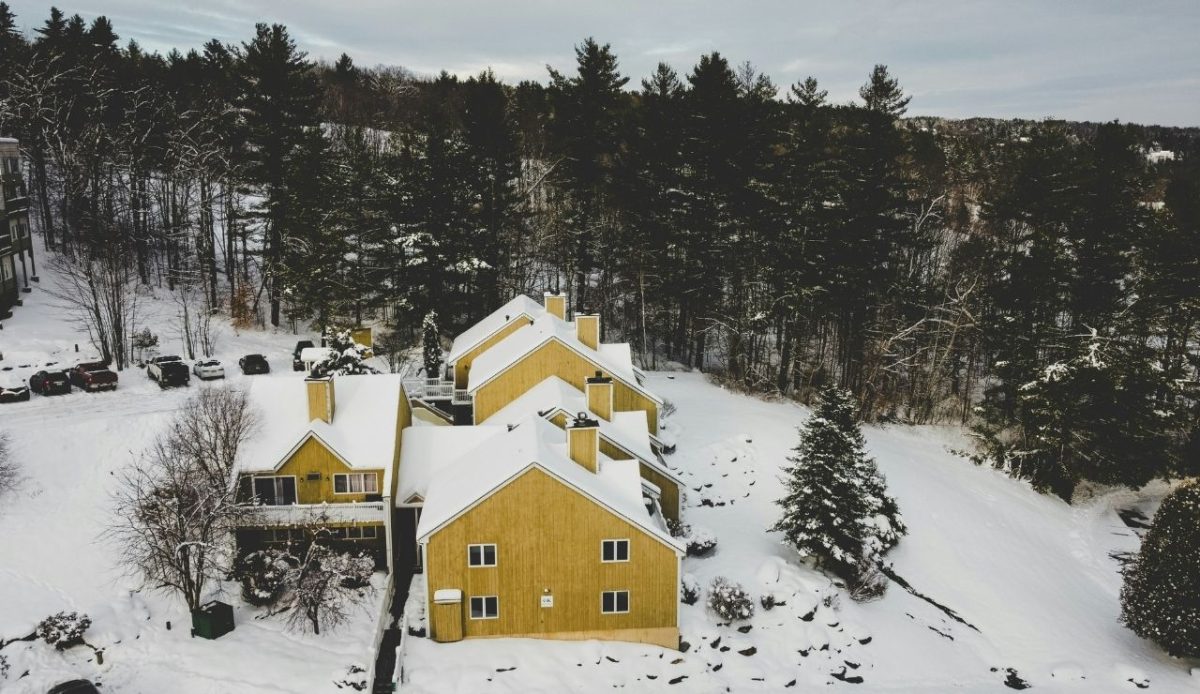
Stowe has shifted toward operational reliability as freeze and thaw cycles increase across northern New England. Snowmaking focuses on beginner terrain and main connectors that support daily access. Equipment upgrades allow faster response during narrow cold periods. Grooming strategies emphasize trail preservation rather than expansion during unstable weather. The town has expanded winter events and indoor attractions to reduce reliance on peak ski conditions. Lodging operators plan around flexible booking windows instead of long winter blocks, helping Stowe adapt as natural snowfall becomes harder to predict.
12. Lake Placid, New York
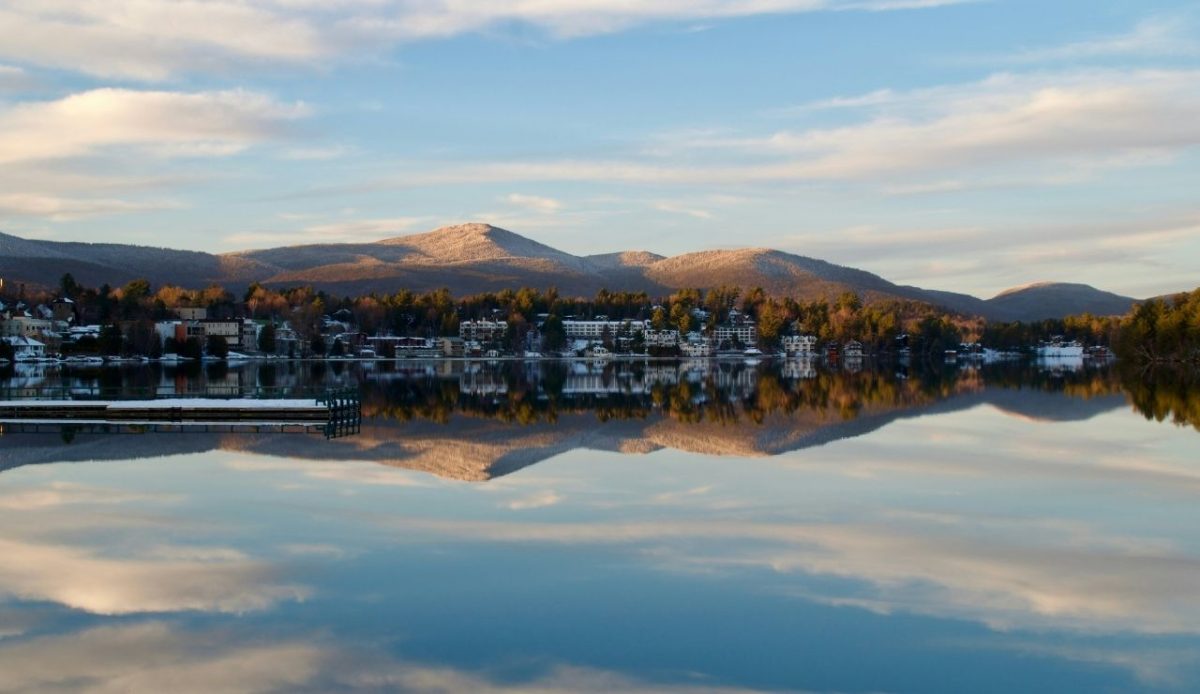
Lake Placid has adjusted winter planning as snow coverage grows less consistent across the Adirondacks. Snowmaking prioritizes competition and training venues that support scheduled events. This protects key revenue streams even during limited snowfall. The town emphasizes its Olympic facilities, which attract visitors regardless of snow depth. Event planning includes wider date ranges to allow weather adjustments. Businesses rely on shorter staffing commitments to manage uneven demand, allowing Lake Placid to host winter visitors despite narrowing snow seasons.
13. North Conway, New Hampshire
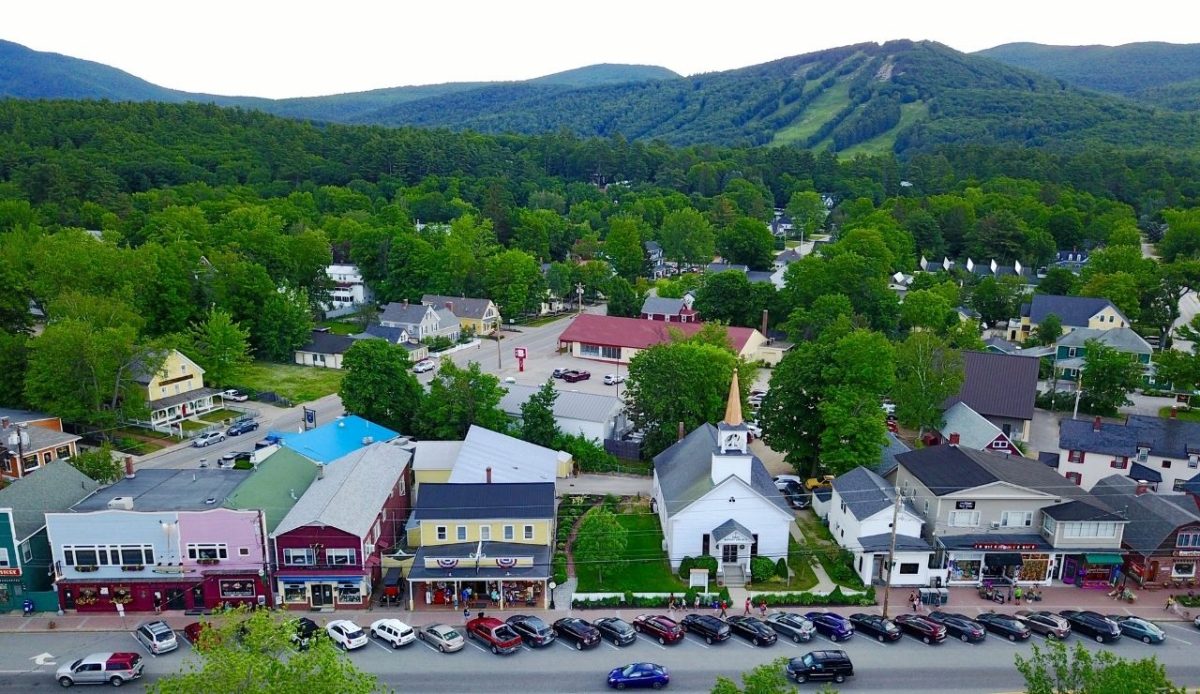
North Conway operates in a region where snow seasons start later and fluctuate more often year to year. Resorts focus snowmaking on high-use routes that connect lifts and learning terrain. Access to multiple nearby mountains gives visitors options when conditions vary across the region. The town promotes winter shopping, dining, and indoor attractions that support tourism beyond skiing. Businesses adjust staffing and hours weekly rather than assuming fixed winter demand, helping North Conway remain active as snow coverage becomes less dependable.
14. Boyne Falls, Michigan
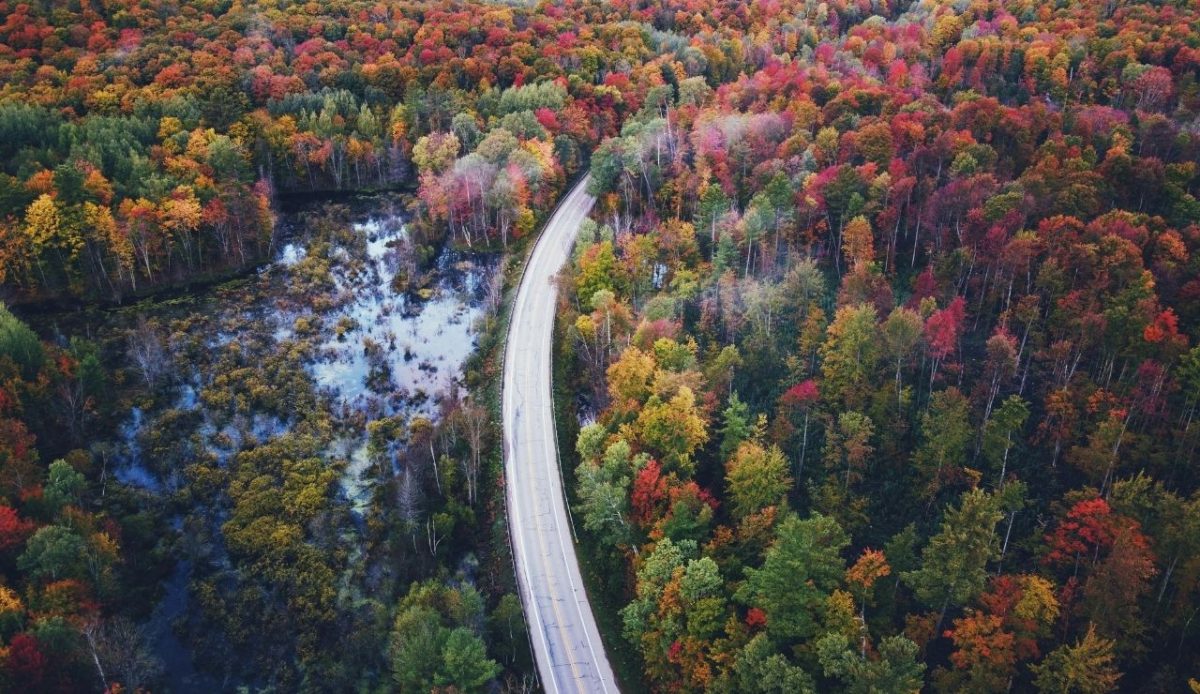
Boyne Falls has taken a technical approach to shorter Midwest snow seasons. Resorts experiment with snow storage methods that preserve snow piles for early-season use. Snowmaking concentrates on terrain supporting instruction and reliable access. Cold snaps are used efficiently through rapid production schedules and careful timing. The town maintains winter visitation through events and non-ski activities during limited coverage. Business planning assumes greater seasonal variation rather than steady winter flow, helping Boyne Falls extend operations despite declining natural snowfall duration.
