
Fodor’s No List 2026 flags places where visitor volume is outpacing local capacity. The 2026 list is short, yet its themes apply across U.S. public lands, where roads, toilets, trails, and staffing were built for smaller crowds.
National Park Service visitation has stayed above 325 million recreation visits. Use concentrates in tight corridors such as valley floors, single scenic roads, and sunrise pullouts. That compression drives erosion, wildlife disruption, wastewater load, and more rescues.
This guide keeps the fourteen parks you selected and explains why each matches the No List warning signals for 2026 planning. Each section names one mechanism that can be measured, managed, and reduced through timing and transport choices.
1. Yellowstone National Park
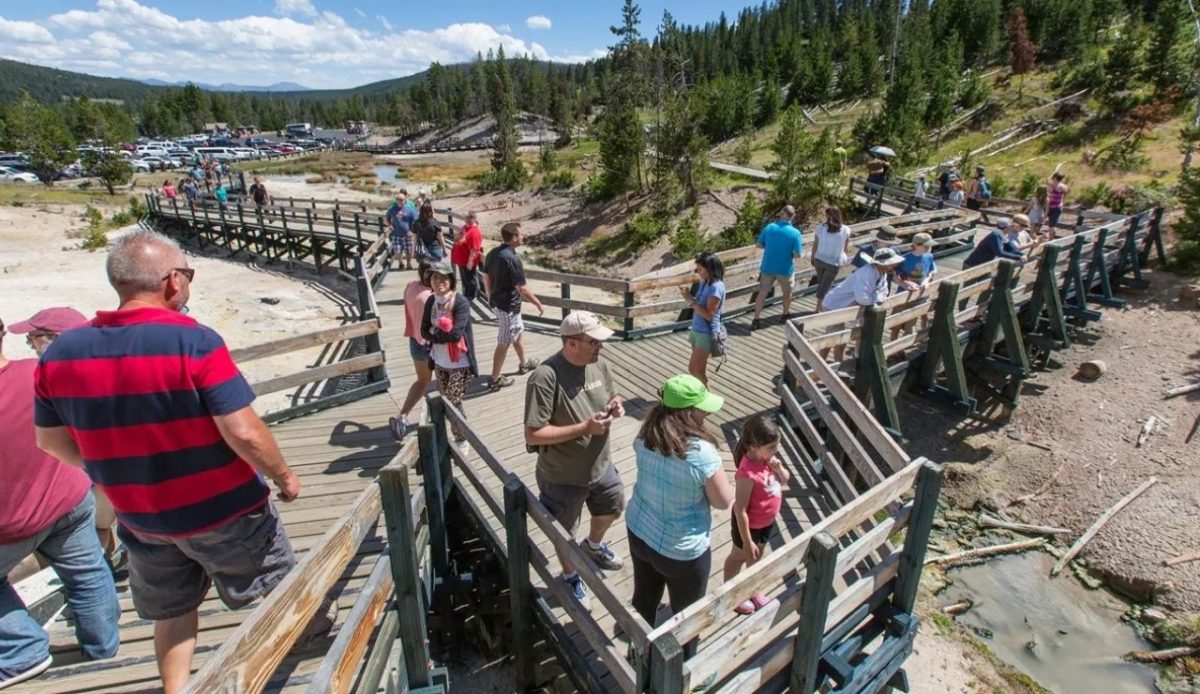
Yellowstone draws over four million visitors a year, with jams forming where wildlife crosses two-lane roads. Long idling lines raise crash risk, worsen air quality, and delay medical response during the busiest weeks.
Thermal basins add another constraint because boardwalks funnel people into narrow loops. When viewing platforms fill, off-walk stepping occurs, and thin crust near features can be punctured, creating injury and repair incidents.
After the 2022 floods, routes and utilities were rebuilt while demand stayed high. When repairs and summer crowd peaks overlap, staffing, shuttle plans, and routine upkeep are pushed beyond design limits.
2. Zion National Park
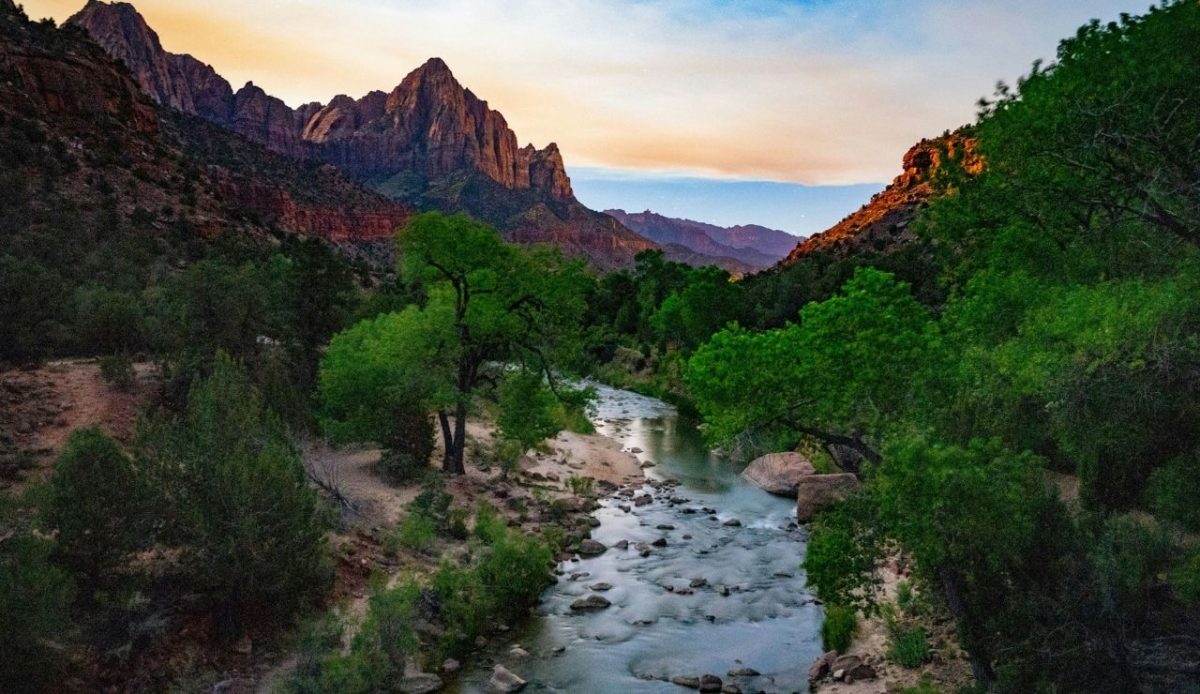
Zion concentrates millions of visits inside a single canyon road where private cars are restricted, and a shuttle became the main carrier. When buses fill at midday, waits grow and visitors bunch at the same stops and trailheads.
Angels Landing shifted to a permit lottery after crowding raised fall risk on chains and narrow ledges. Rescue calls and ranger time increase when many first-time hikers attempt a high-exposure route at once, often during heat spikes.
Springdale and nearby towns face limited worker housing, so seasonal staffing can be thin. With fewer employees per visitor, litter pickup, trail repair, and rule enforcement become harder to sustain.
3. Arches National Park
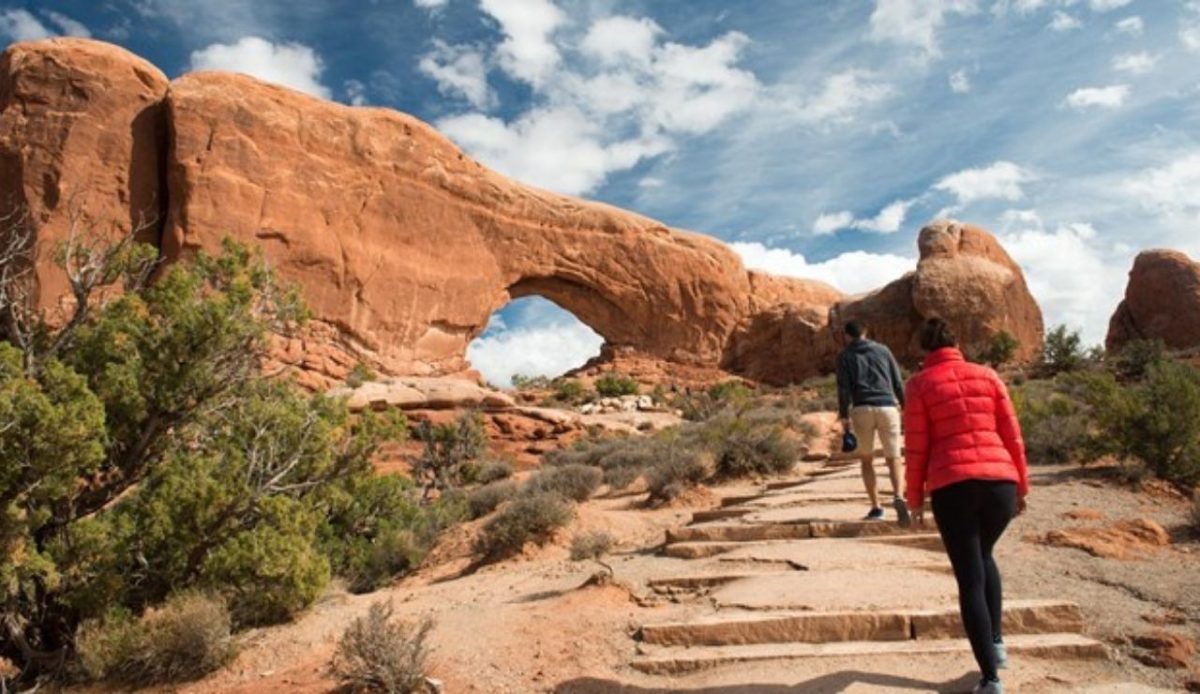
Arches adopted timed entry after the entrance was repeatedly closed due to parking overflow. The trigger was vehicle volume, not trail rules, since a short road network serves nearly every major viewpoint in one loop.
Desert soil crust is a living layer that holds moisture and prevents erosion, yet it breaks under a single step. As footpaths spread from crowded lots, wind and runoff remove fine sediment that took decades to form.
Moab absorbs much of the spillover through rentals, traffic, and wastewater demand. When local systems are overtaxed, Arches sees more illegal camping, more human waste issues, and more patrol needs during peak spring.
4. Grand Canyon National Park
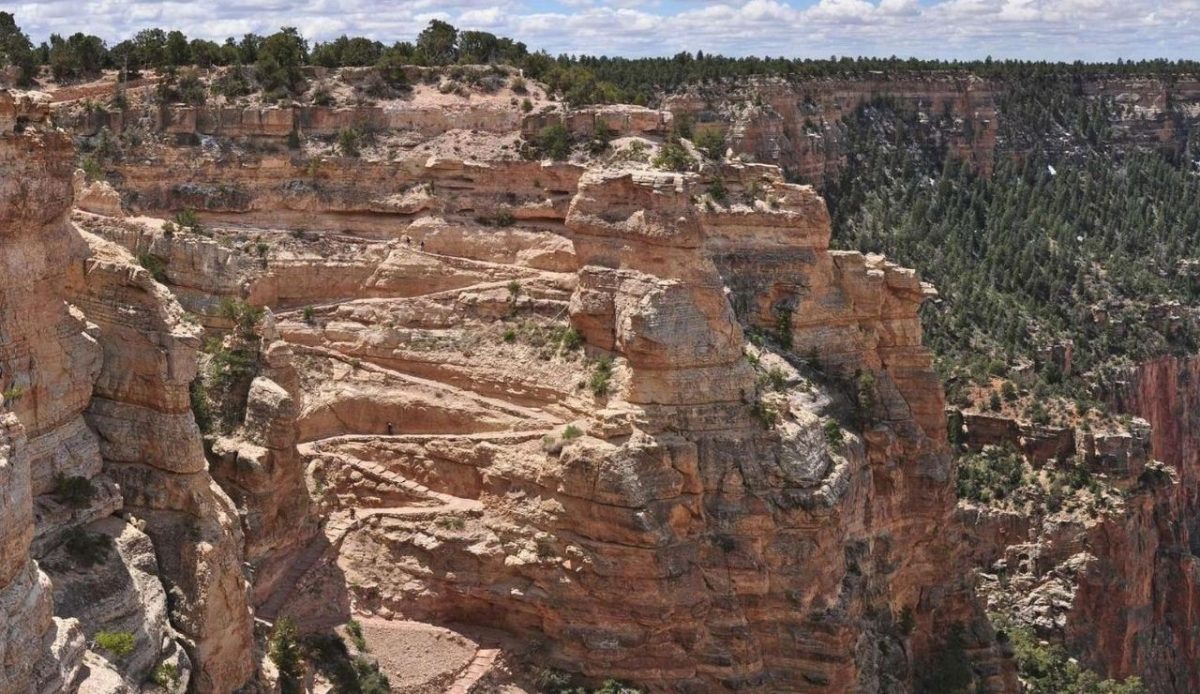
Grand Canyon visits cluster on the South Rim, where most lodging, roads, and viewpoints sit on a narrow plateau. Parking fills early, shuttle lines lengthen, and roadside walking increases crash risk on busy days.
Heat is a defining constraint because inner canyon trails drop thousands of feet and reflect the sun off the rock. When hikers start late, dehydration and heat illness cases rise, pulling staff and ambulances from other duties.
Water supply is limited and costly to expand in a drought-prone region. Aging pipelines must be repaired under heavy use each summer, so managers often lean on reservations and transit plans instead of adding more beds.
5. Great Smoky Mountains National Park
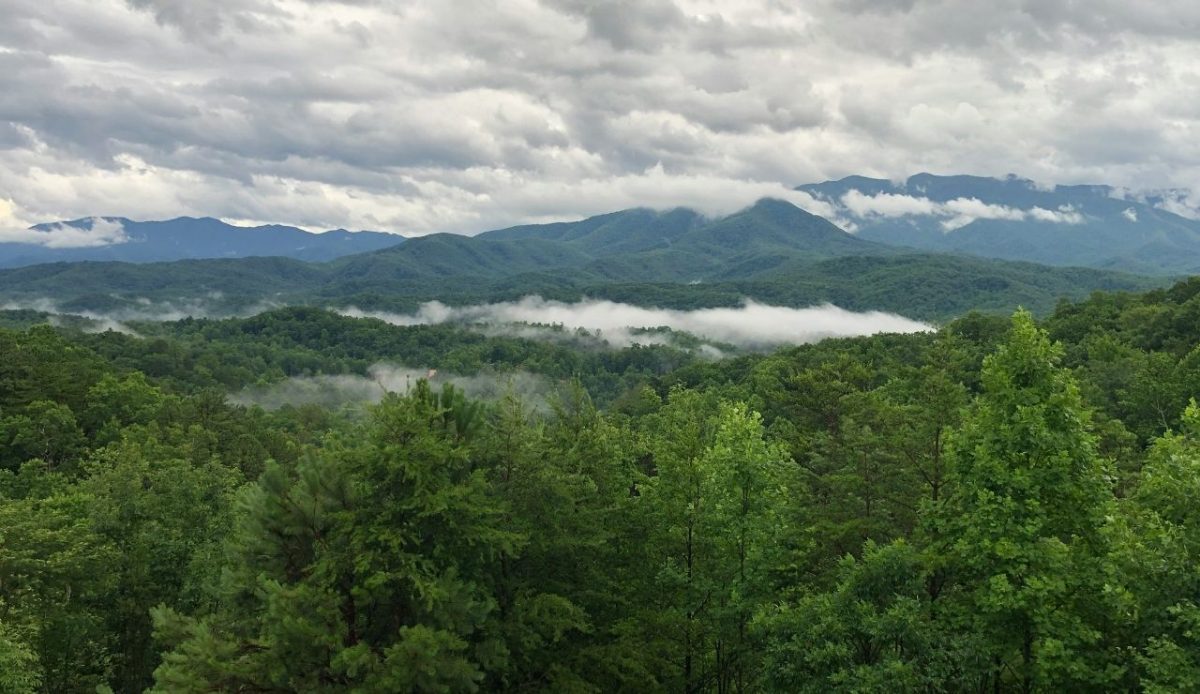
The Smokies receive the highest visitation in the system, with many trips centered on scenic drives rather than long hikes. Cades Cove traffic can crawl for hours, raising wildlife collision risk and blocking emergency vehicles.
Because entry is free, use is spread across many access points, yet popular loops still get overwhelmed. Trail widening and root exposure occur where wet soils are compacted by heavy footfall after summer storms.
Gateway towns such as Gatlinburg and Pigeon Forge absorb the overflow through roads, parking, and trash handling. When town infrastructure is strained, illegal roadside parking increases and slows ranger response.
6. Yosemite National Park
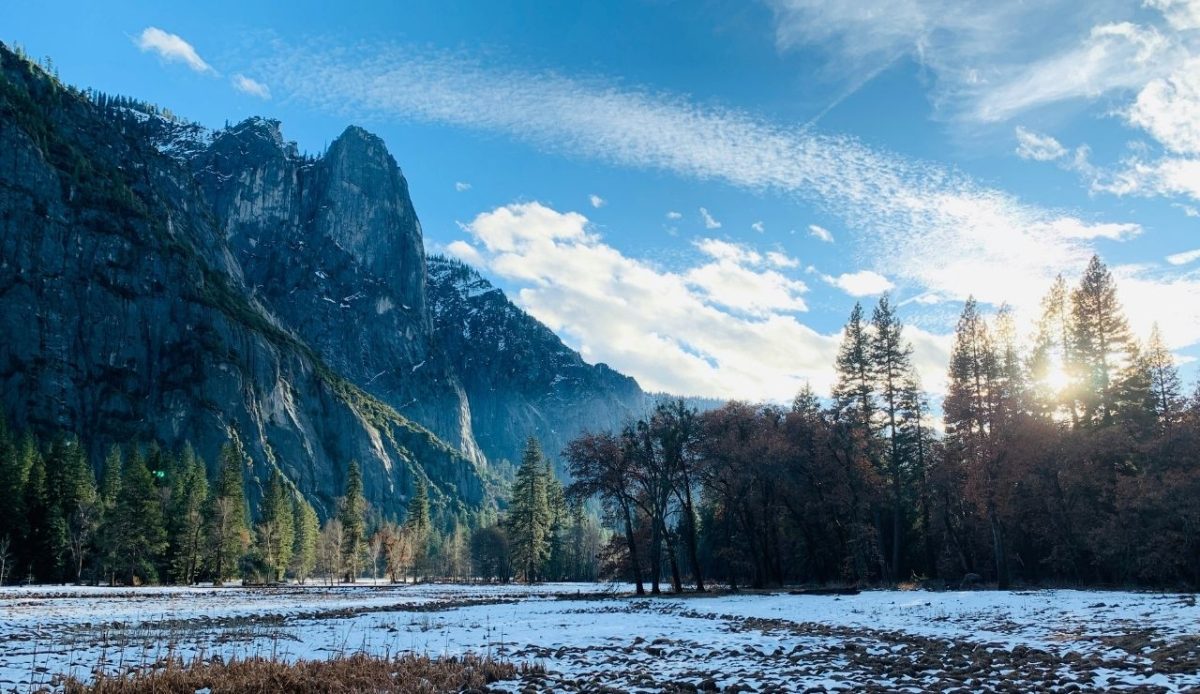
Yosemite Valley funnels most visitors into a small loop road around cliffs, meadows, and waterfalls. When day use surges, cars circle for parking, buses stall, and air quality worsens in the bowl-like valley as engines idle.
Half Dome permits limit crowd size on cables, yet congestion persists on approach trails and at river crossings. Meadow restoration shows how quickly trampling spreads when people step off the pavement to bypass crowds.
Fire seasons and smoke can compress visitation into fewer clear days, intensifying peaks. Entry reservations have been used to smooth demand, but compliance, bear safe food storage, and staffing remain constant challenges.
7. Glacier National Park
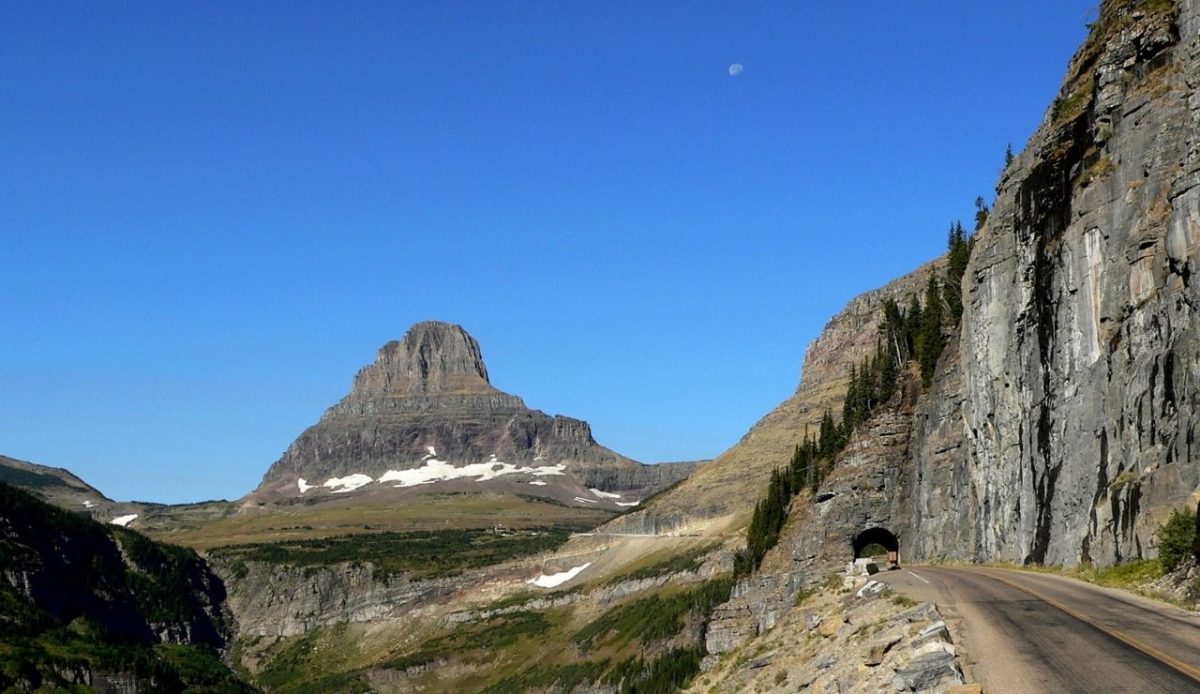
Glacier was singled out in Fodor’s No List 2026 as a U.S. example of overtourism pressure. Visitation has risen to above three million a year, much of it funneled into the Going to the Sun Road corridor.
To prevent gridlock, vehicle reservation windows and timed entry controls were expanded. Even with limits, pullouts and trailheads fill fast, and alpine habitat is disturbed when hikers spread onto tundra edges.
Last chance travel tied to shrinking glaciers adds demand while increasing emissions from long drives and idling. With staff housing tight and budgets constrained, road repair, patrol work, and sanitation can be stretched in peak season.
8. Acadia National Park
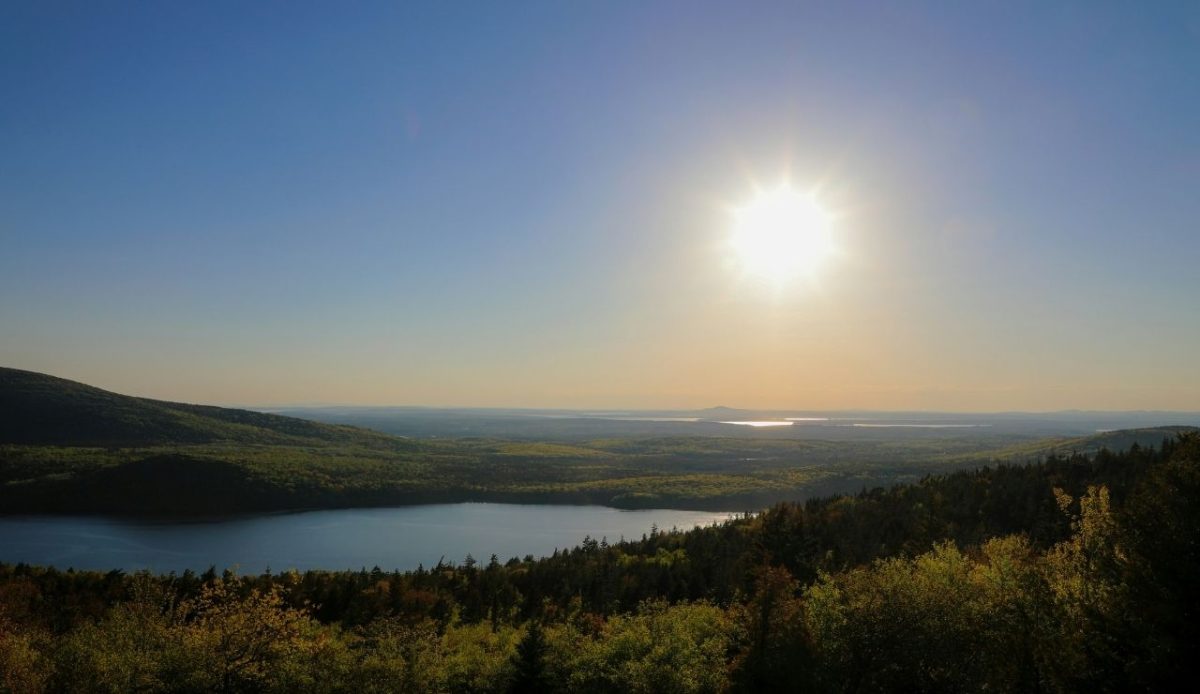
Acadia packs high visitation into a small coastal park with limited road width and few large lots. The Cadillac Mountain sunrise reservation program was created after predawn queues and unsafe shoulder parking became routine.
Cruise days in Bar Harbor can add sudden spikes that overwhelm sidewalks and restrooms. On popular carriage roads, bikes and walkers stack up at pinch points, increasing conflict and requiring more patrol time.
Island housing constraints affect seasonal staff and local workers, raising service gaps. Storm-driven coastal damage can close sections, and when shuttles, parking, and lodging are full together, overflow spreads into fragile shoreline areas.
9. Rocky Mountain National Park
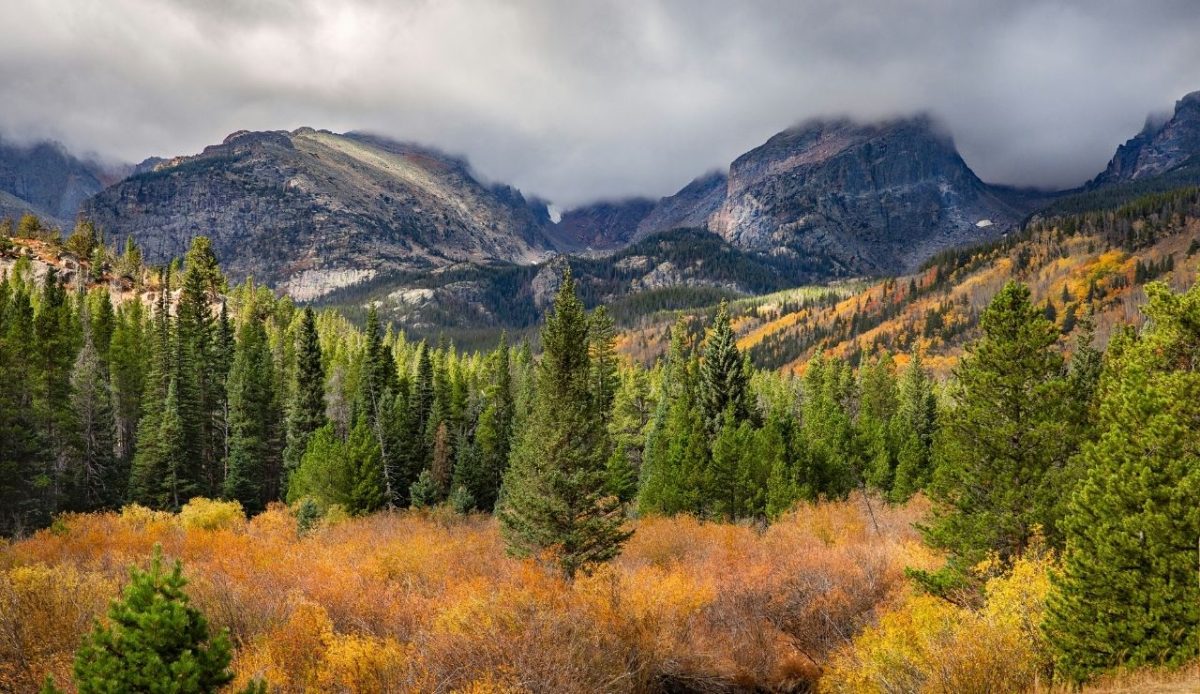
Rocky Mountain relies on a few entry corridors into Estes Park and Trail Ridge Road, so traffic spikes translate into long backups at gates. Timed entry permits were adopted to spread arrivals across the day and protect the Bear Lake road from gridlock.
Alpine tundra is highly sensitive, and even a short detour off the trail can crush plants that grow slowly in thin soil. When trailheads overflow, visitors create social paths that fragment habitat and accelerate erosion.
Lightning, sudden cold, and thin air increase rescue demand when novices push high-elevation hikes. With staffing tied to short summer seasons, high-use periods can outstrip available rangers and medics.
10. Joshua Tree National Park
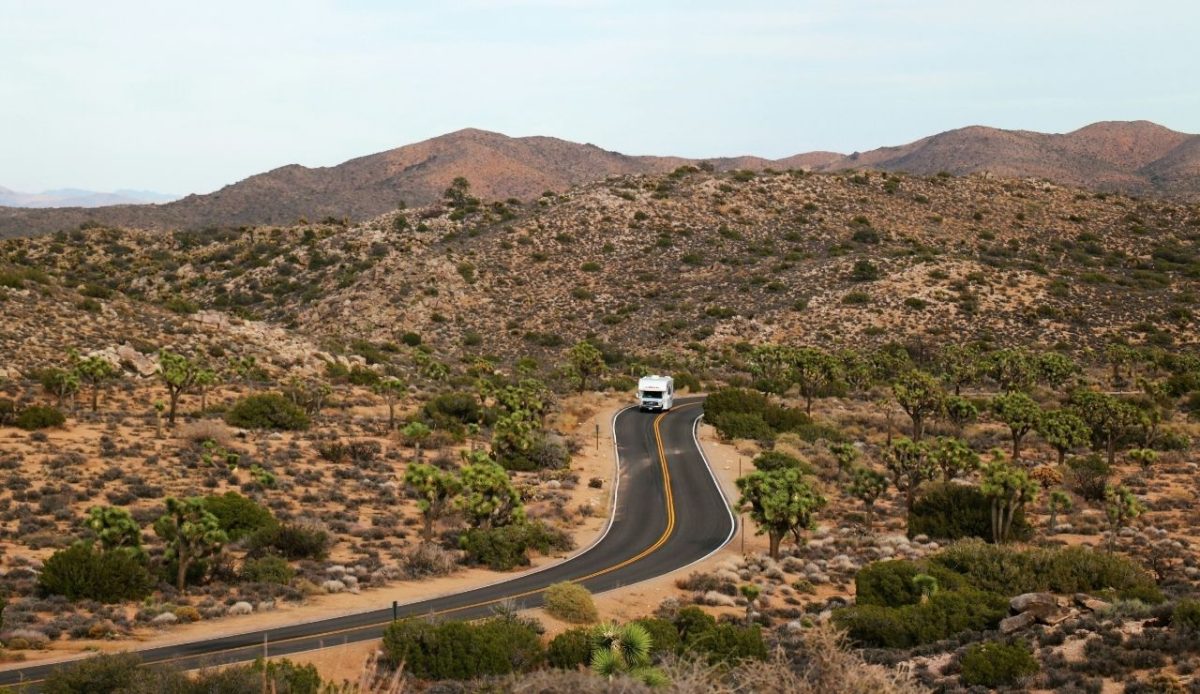
Joshua Tree saw sharp growth in visitation as desert photo spots went viral, and weekend surges now overwhelm entrances. Limited campgrounds and few paved lots lead to roadside parking and resource damage near popular boulder areas.
Desert soils recover slowly, so illegal pullouts and new footpaths can last for years. Rangers have documented vandalism to Joshua trees and rock art, problems that rise when crowding reduces informal social control.
Water is scarce, and summer heat can be deadly when visitors underestimate conditions. More calls for assistance are logged on high temperature days, raising costs for small local emergency services.
11. Haleakalā National Park
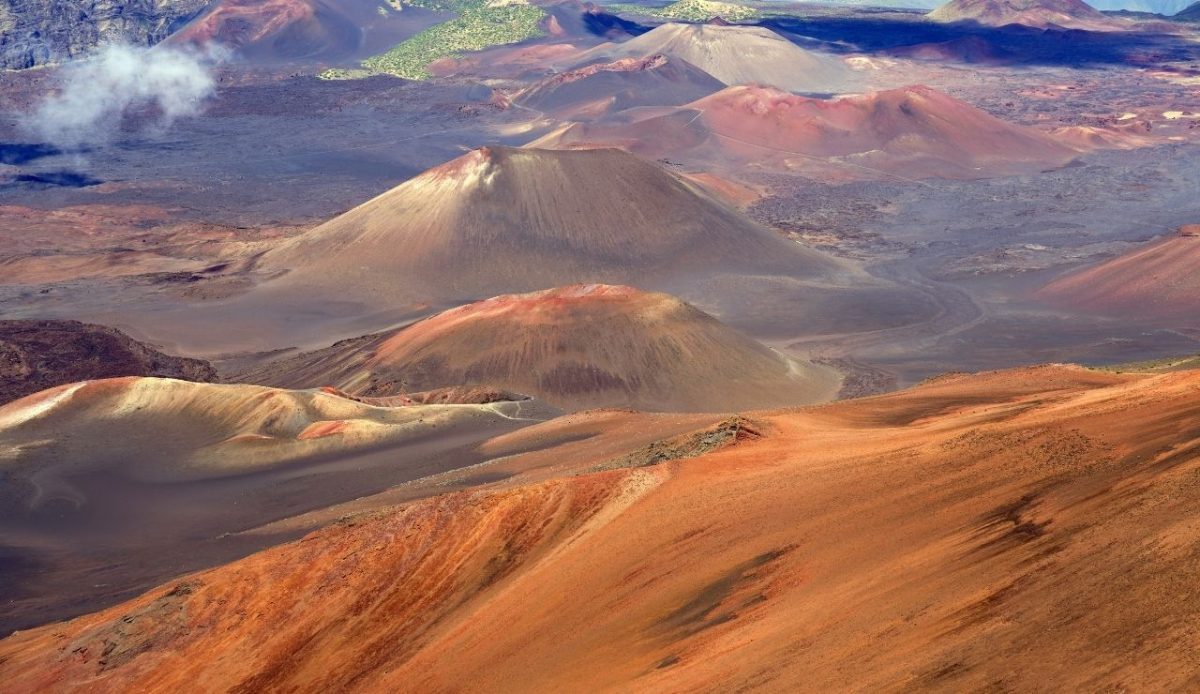
Haleakalā concentrates demand at one event, sunrise above the clouds, so congestion happens before dawn. A reservation system limits vehicles, yet the narrow summit road and small lots still create safety and staffing strain.
Native species and volcanic soils are sensitive to trampling, especially near short trails reached from pullouts. When crowds arrive in waves, people step off the path to pass slower groups, widening trails and increasing erosion.
Maui’s recovery from recent disasters has intensified debate about visitor volume and local capacity. When lodging is tight and services run strained, the park must manage heavier demand with limited on-site resources.
12. Denali National Park and Preserve
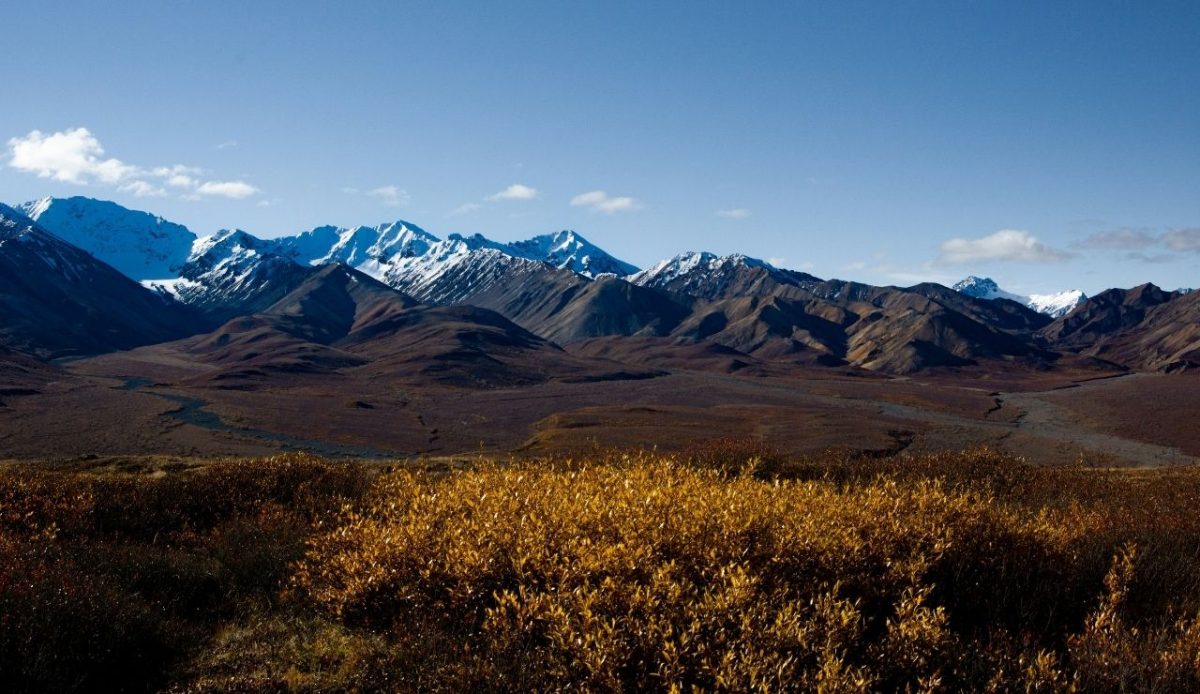
Denali access depends on a single park road, and a major landslide forced long-term closure of the far segment. With fewer miles open, buses and visitors are concentrated into shorter routes and fewer stops.
Wildlife viewing is pushed into the same river flats and ridgelines, raising disturbance risk for bears, caribou, and nesting birds. When vehicles stack at sightings, noise and repeated approach can alter animal behavior.
The short summer season compresses demand into a narrow window, so any weather delay often causes crowding for days. Limited lodging and worker housing in nearby communities also constrain operations and emergency response.
13. Everglades National Park
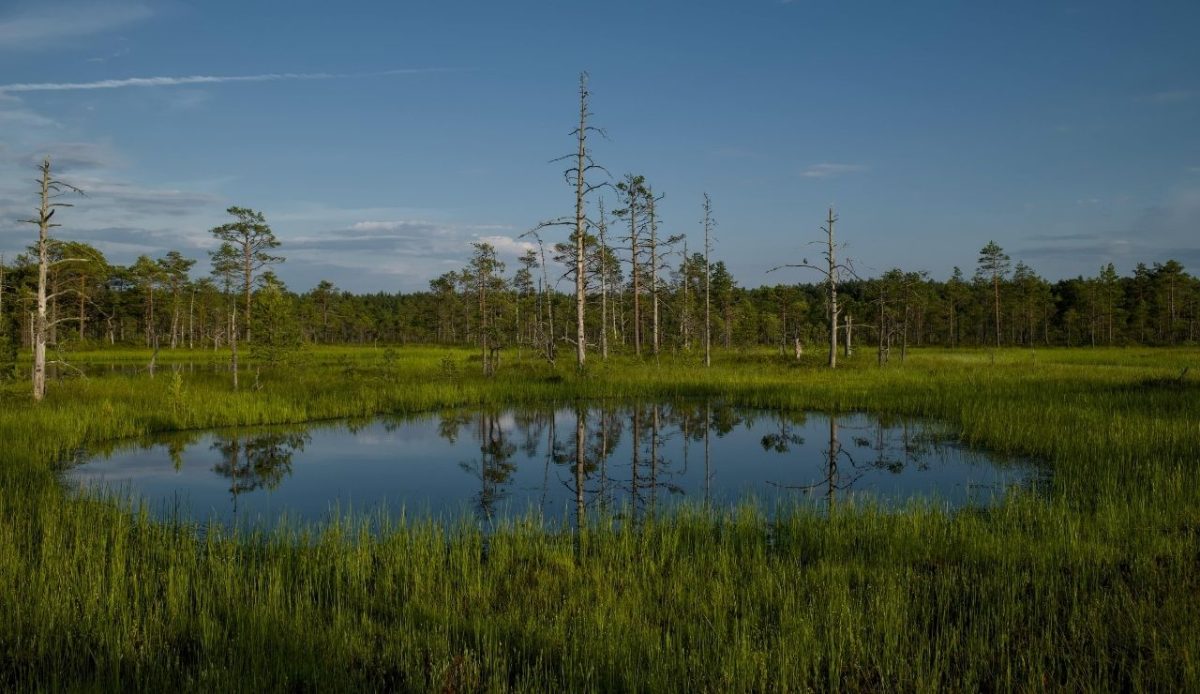
Everglades protection depends on water flow management across a vast wetland, and restoration work aims to reverse decades of diversion. Rising visitation adds pressure on boat ramps, boardwalks, and sensitive mangrove edges.
Airboat noise and high wake traffic can disturb wildlife, while invasive species control requires constant effort. When visitor demand grows, staff time shifts toward enforcement and education rather than field work.
Sea level rise and saltwater intrusion threaten freshwater habitat, making every management choice more constrained. In that setting, expanding tourism capacity can conflict with restoration goals and hurricane readiness.
14. Olympic National Park
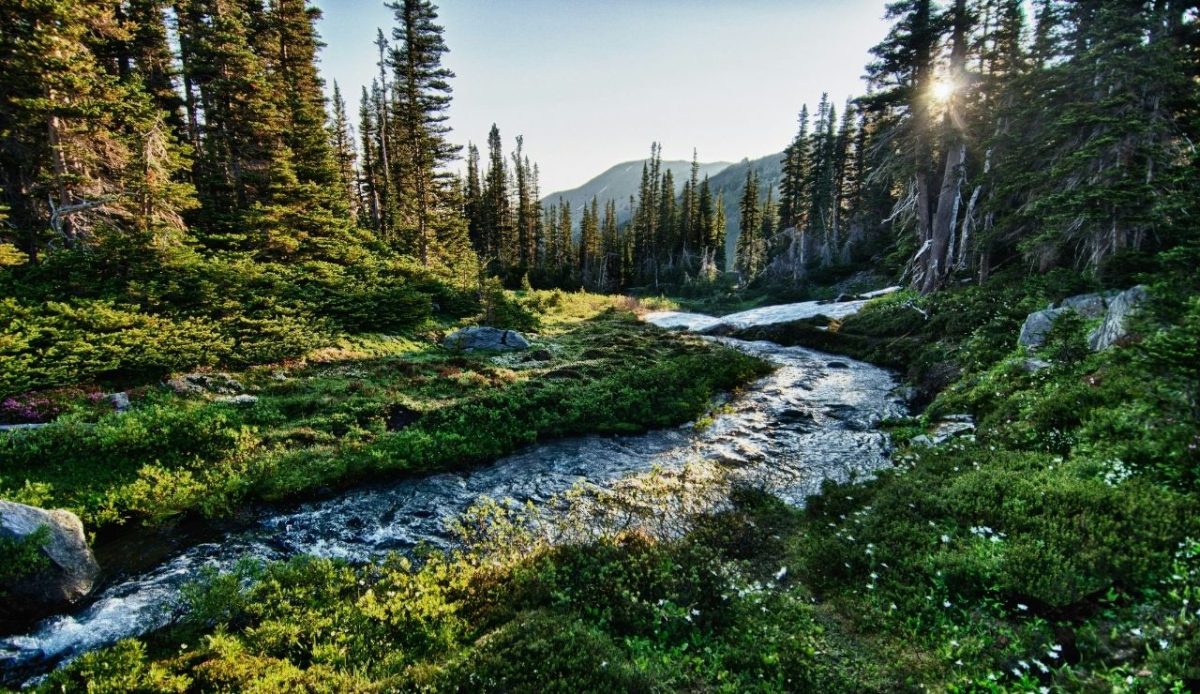
Olympic draws people to distinct zones, rainforest, beaches, and alpine ridges, yet parking is limited at key access points. The Hoh Rain Forest lot often fills early, sending lines onto narrow highways and creating safety hazards in midsummer.
On the coast, tide timing concentrates use into short windows, so boardwalks and beach stairs can be overwhelmed. When people detour around crowds, dune plants and bluff edges are damaged, and erosion increases.
Remote areas slow emergency response, so crowding adds risk when injuries happen far from cell service. With gateway housing tight, staffing often stays limited during the highest demand weeks.
