
Tropical travel is costing more than many travelers budgeted for this year. Strong demand, tight hotel supply, and high airfares have lifted total trip bills. Extra local fees and resort charges are also showing up more often at checkout.
This guide relies on travel budget rankings, official fee schedules, and current rate evidence to flag places where day-to-day costs may shock. Destinations that stay widely affordable were left out, so the list stays aligned with the title.
Each section explains the main cost drivers, including import reliance, limited lodging inventory, required transfers, and mandatory tourism taxes. The goal is practical planning based on what visitors are likely to pay on the ground.
1. Barbados
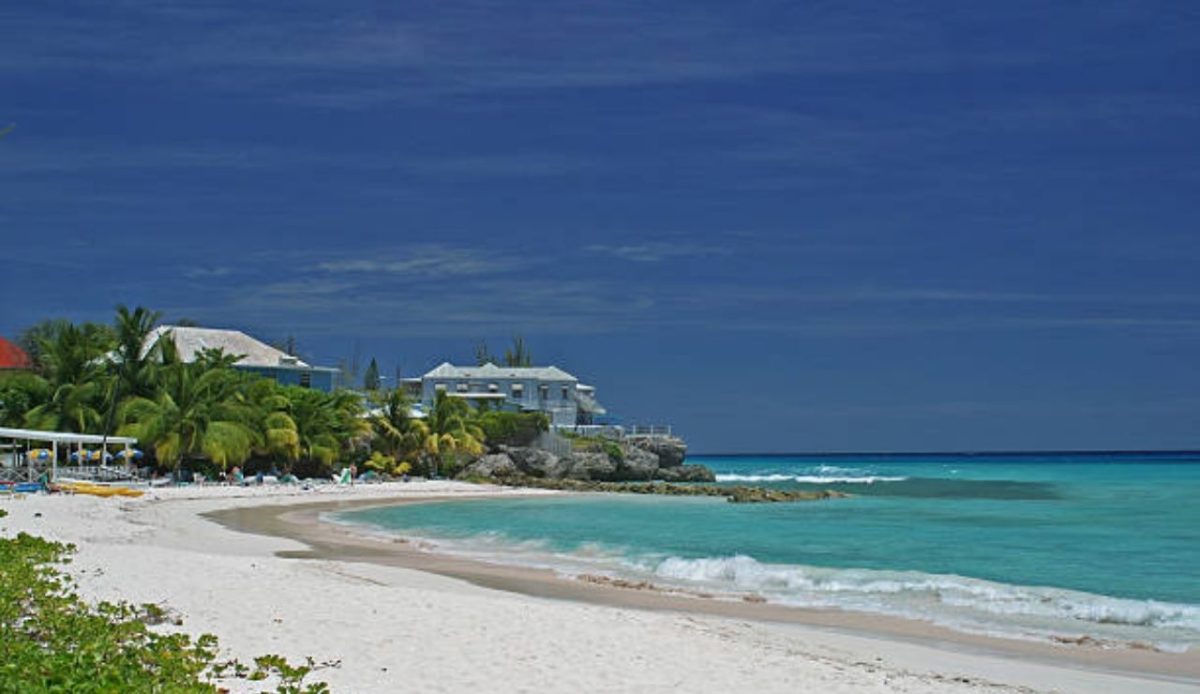
Budget studies have placed Barbados at the top end of daily visitor costs, and pricing on the island supports that signal. Midrange rooms are scarce, and resort rates set a floor that pulls smaller hotels and rentals upward during most months.
Food is a major driver because supplies arrive from abroad and menus target vacation budgets. Even simple meals often include service fees, and local taxes are added at the register, so the paid total can jump above the posted number.
Getting around adds another layer. Public transit covers limited corridors, so taxis or car rentals are used for beach days and attractions. When transport, dining, and lodging are added together, Barbados can outprice many Caribbean peers.
2. Antigua And Barbuda
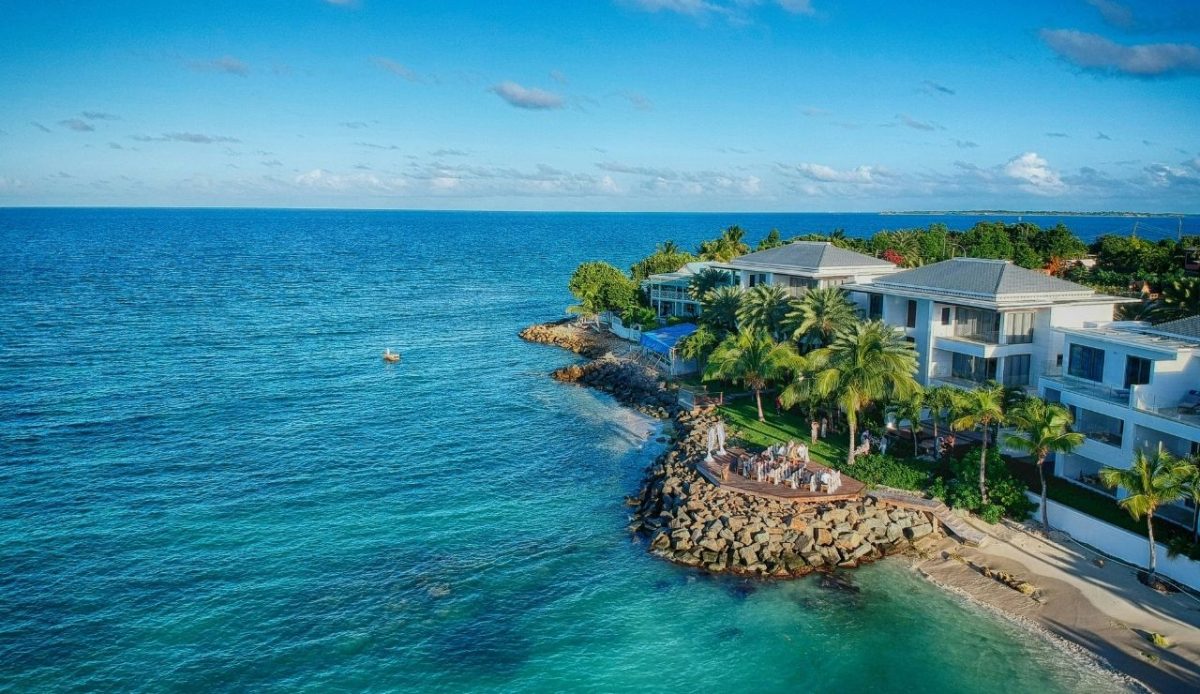
Antigua and Barbuda appears near the top of expensive travel budget rankings because the market is built around premium stays. Large resort footprints and yacht-oriented tourism keep average nightly rates high, even when occupancy is not at a peak.
Independent travelers still face high costs. Limited hotel variety reduces price competition, and restaurant menus reflect import dependence and a small consumer base. Add-on charges, including service fees, can raise a bill without changing what was ordered.
Transport and excursions also run high. Many visitors rely on private taxis, boat trips, or guided tours priced for higher spend profiles. The result is a destination that feels costly across lodging, meals, and activities.
3. Saint Kitts And Nevis
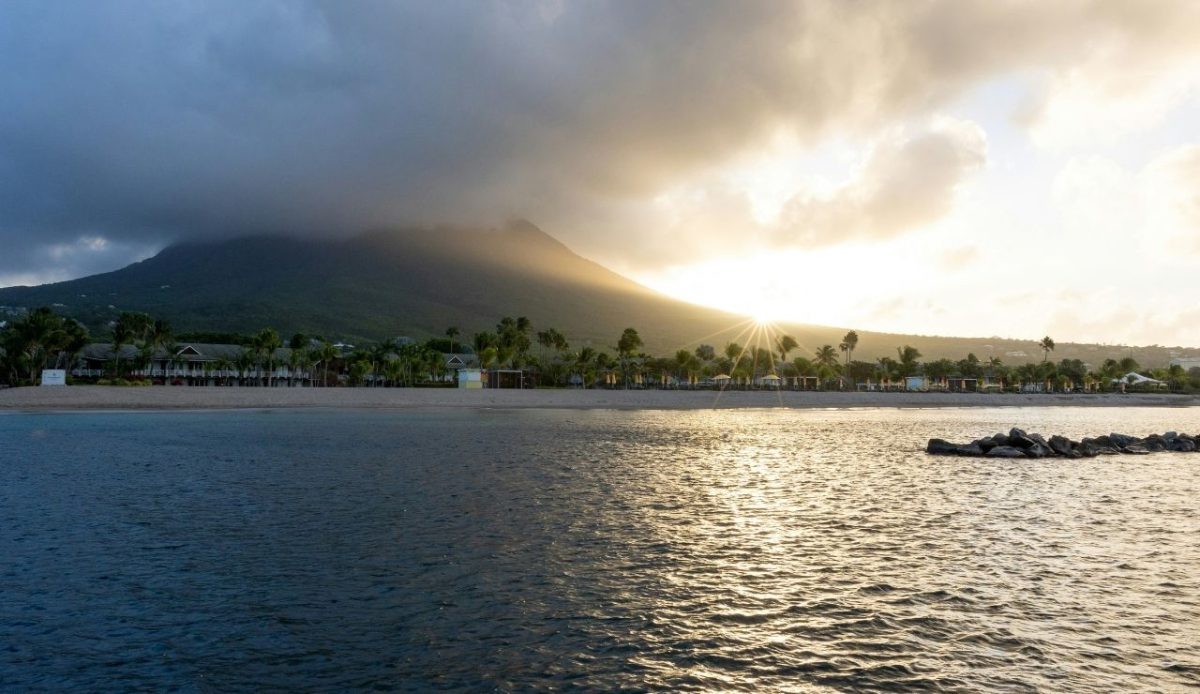
Saint Kitts and Nevis is often ranked among the priciest tropical stops because the scale is limited. With fewer properties and services than larger islands, rates stay firm, and discounts are less common, especially around holiday travel windows.
Lodging is skewed upscale, so even standard rooms can price like resort categories elsewhere. Resort add-ons, service fees, and taxes can be stacked, which makes the final checkout total higher than the headline nightly figure suggests.
Meals and island hopping add more cost. Imported groceries influence restaurant pricing, and moving between the twin islands can involve paid transfers. A modest itinerary can end up matching the spending level of more famous luxury islands.
4. Maldives
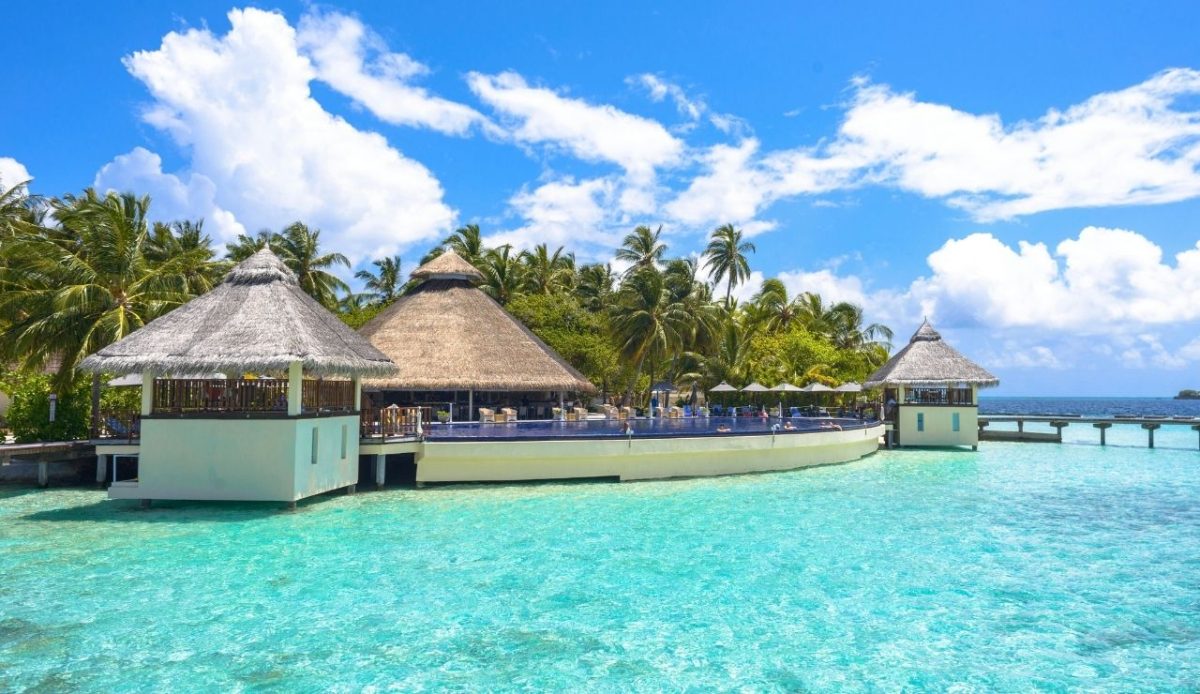
The Maldives stays expensive because the trip is structured around resort islands with few outside options. Transfers by speedboat or seaplane are usually required and can cost as much as several hotel nights before meals are considered.
Mandatory tourism charges add to the baseline. The Green Tax increased for many tourist properties starting in 2025, and it is applied per person per night, so longer stays scale up quickly, even if the room rate looks fixed.
Dining and activities are typically purchased through the same resort operator, which limits price comparison. When transport, taxes, and bundled resort pricing are added together, the Maldives can produce a surprisingly high daily spend for most travelers.
5. Grenada
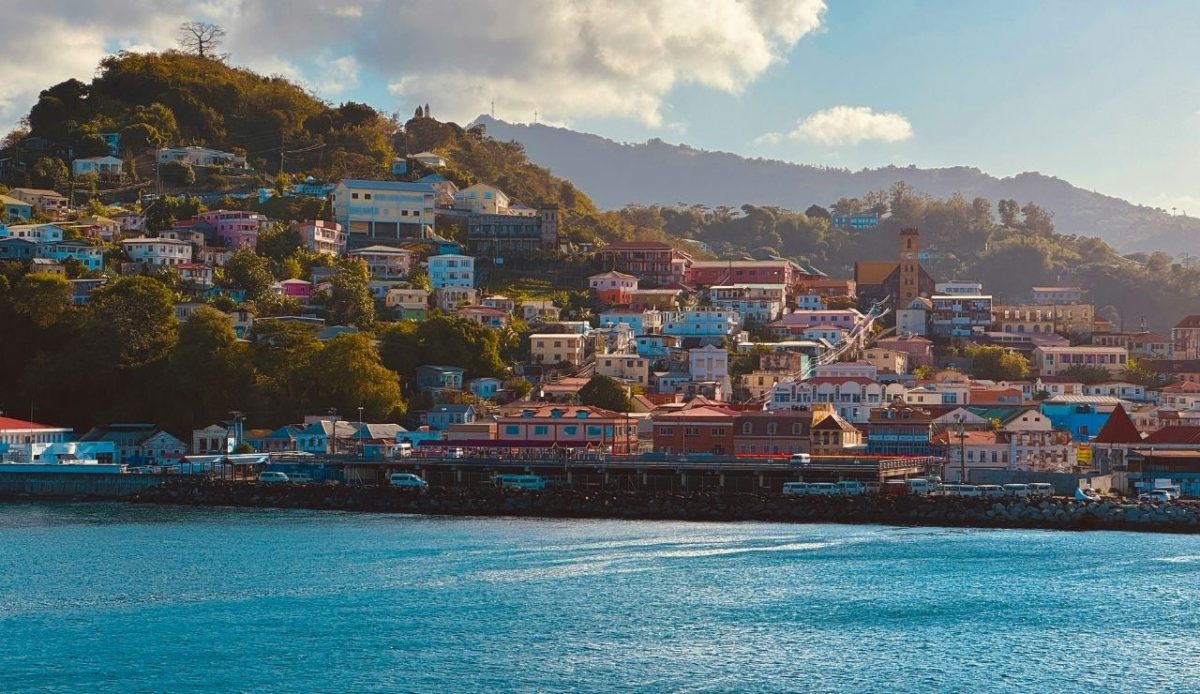
Grenada has been listed among high daily cost destinations in recent travel budget rankings, which can surprise first-time visitors. Hotel inventory is limited, and growing demand has pushed room prices upward, especially during winter travel months.
Even outside luxury resorts, many properties are priced in the upper midrange. Short-stay fees, cleaning charges, and service add-ons can narrow the gap between a rental and a hotel, leaving fewer true budget choices than travelers expect.
Costs extend beyond lodging. Restaurants rely heavily on imported goods, and transport options are constrained, so taxis and tours are common. Once meals, rides, and activities are added, Grenada can rival more famous, pricey islands.
6. Micronesia
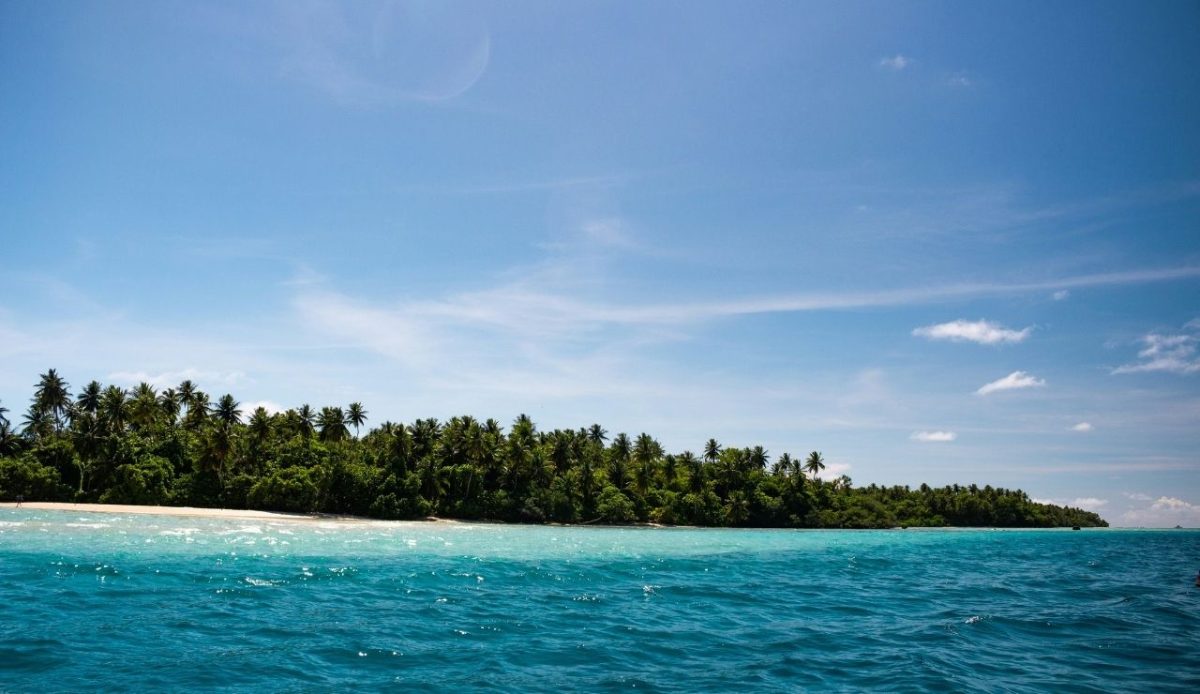
Micronesia’s expense is driven by geography. Limited routes and long distances keep airfare high, and that cost is hard to avoid because alternatives are few. Many trips involve multiple legs, which can add fees and time.
On the islands, supply constraints are reflected in hotel and restaurant pricing. Imported food, fuel, and building materials raise operating costs, and those higher inputs are passed through to visitors in room rates and menus.
Excursions such as diving and boat charters often carry premium rates because equipment and staff are scarce. When flights, lodging, and tours are added together, Micronesia can sit in the same cost bracket as luxury-branded islands.
7. Bahamas
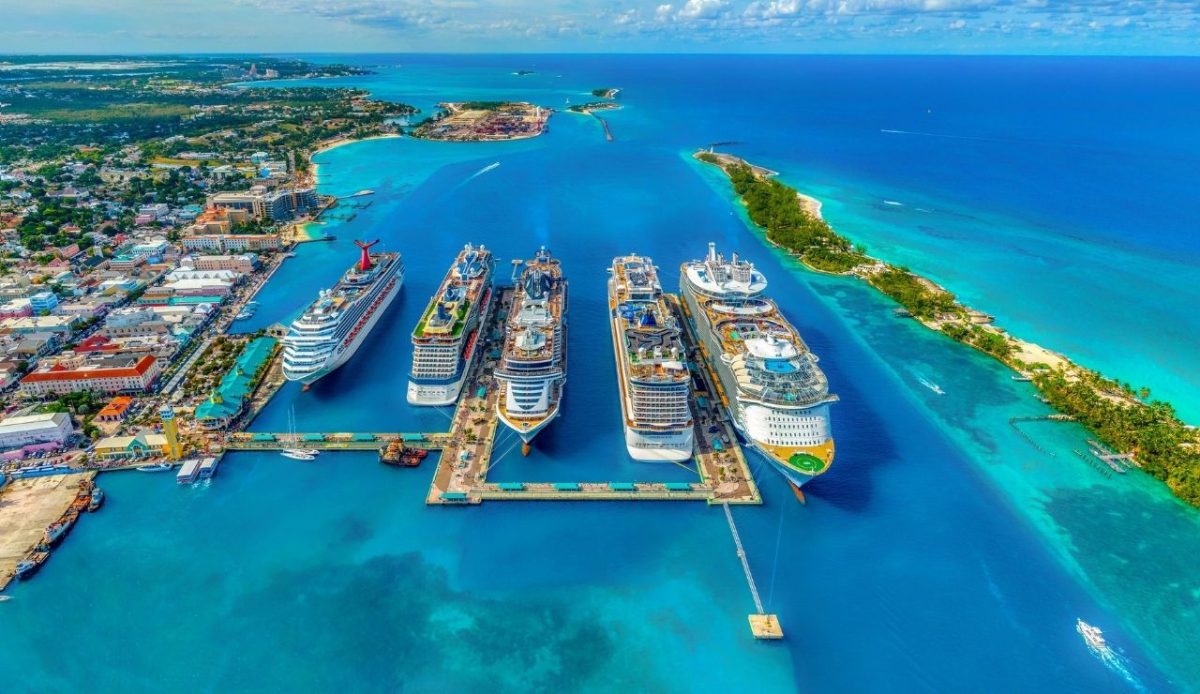
The Bahamas stay costly because demand is concentrated on a few well-known islands and beach corridors. When occupancy climbs, nightly rates can jump quickly, and pricing pressure spreads to smaller hotels and short-term rentals nearby.
Added charges and taxes matter here. Resort fees, service charges, and local taxes can push the final cost well above the advertised rate, which makes short trips feel especially expensive for travelers watching totals.
Food and transport often carry tourist pricing. Much of the menu supply comes from overseas, and taxis or ferries are common for moving between areas. When meals, transfers, and activities are included, the Bahamas can outpace expectations.
8. Sao Tome And Principe
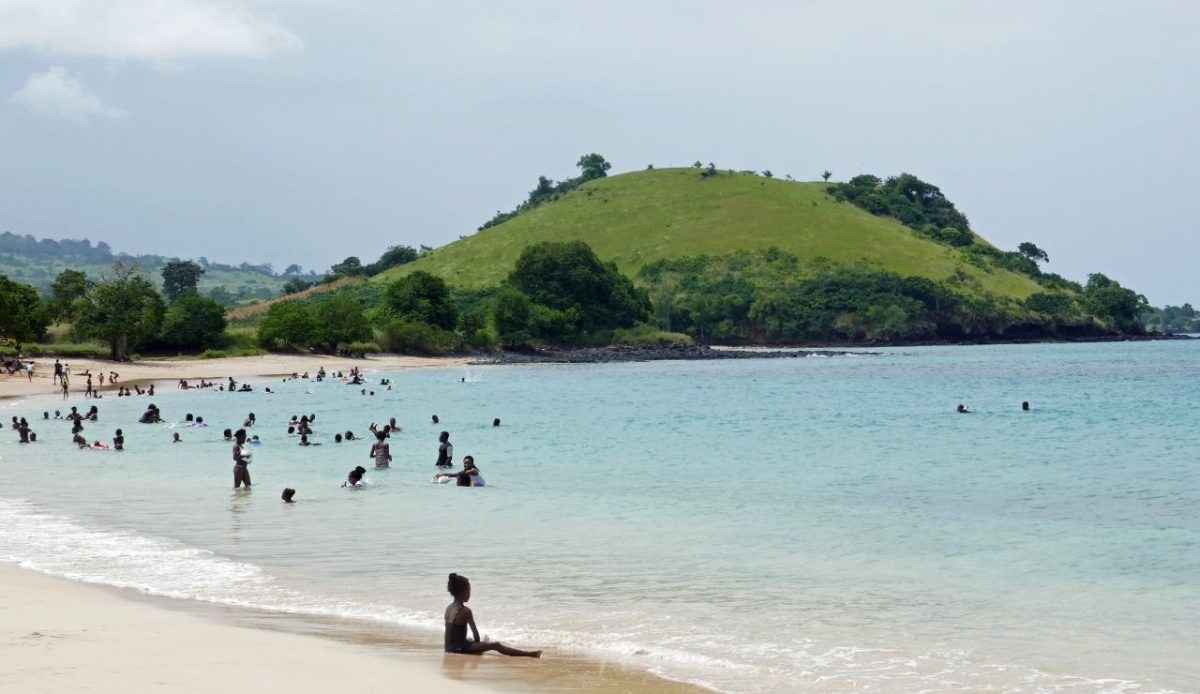
São Tomé and Principe can be expensive because access is limited and the tourism supply is small. Fewer flight options raise entry costs, and lower competition can keep hotel rates firm even when demand is moderate.
Lodging choices are narrow, with many properties targeting higher spend travelers. That shapes pricing for meals and services as well, since fewer volume businesses exist to offer low-cost alternatives within the main visitor areas.
Every day, logistics raise the bill. Imported goods influence restaurant menus, and moving around often requires hired drivers or arranged transport. For travelers expecting a bargain due to low visibility, the overall spend can be a surprise.
9. Puerto Rico
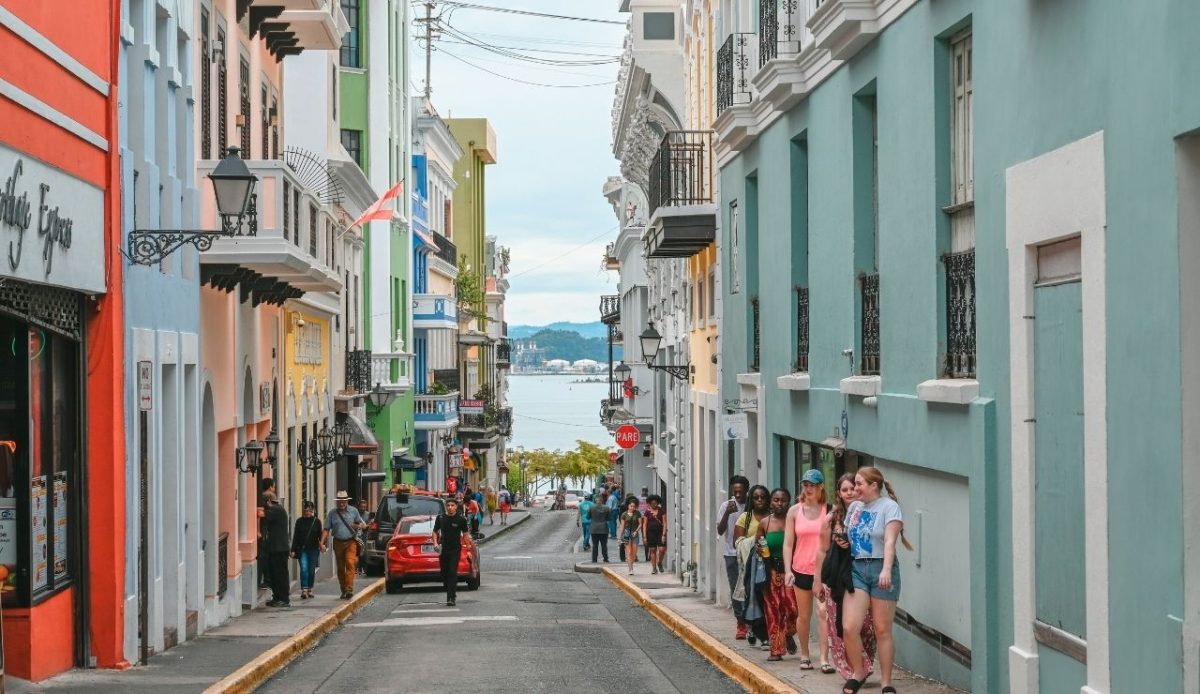
Puerto Rico can be expensive in its top tourist zones, where demand is strong, and hotel supply is limited during peak seasons. Prices in San Juan beach areas and popular coastal towns often resemble mainland resort markets.
Short-term rentals are not always cheaper once platform fees, cleaning, plus local taxesare included. Dining costs also track closer to US pricing than to many Caribbean islands, especially for restaurants in high-traffic neighborhoods.
Transport and entertainment can add up fast. Rental cars, parking, and tolls raise daily costs, while tours and admission tickets are priced for visitors. Travelers who plan for a low-cost island trip may see totals climb quickly.
10. Saint Lucia
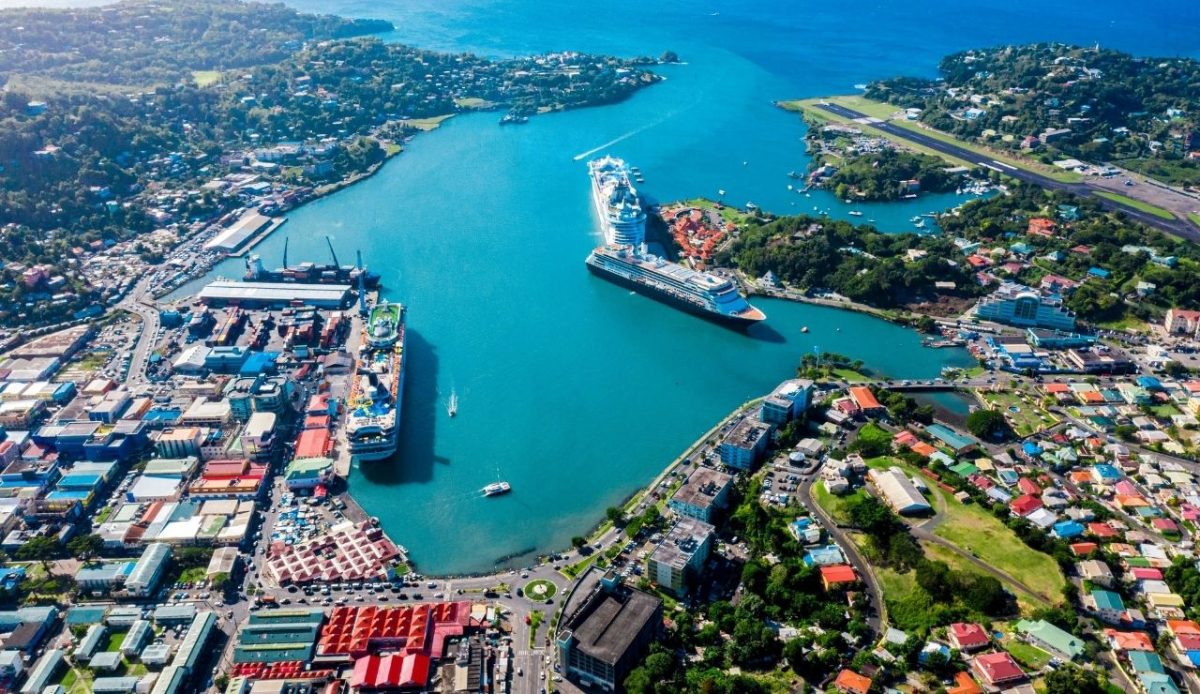
Saint Lucia often looks affordable on paper, yet many travelers face higher real costs since tourism demand is tied to premium resorts and weddings. Prime properties limit discount inventory, which keeps average nightly pricing high.
Independent travelers also pay more for basics. Restaurant pricing reflects import reliance, and service charges are common. Many attractions are sold through packaged tours, which can be convenient but also set a higher baseline for activity costs.
The island’s terrain affects transport. Curvy roads and long transfer times make taxis and drivers a frequent choice, and fuel costs are passed on. When lodging, meals, and transfers are added together, Saint Lucia can feel unexpectedly pricey.
11. Seychelles
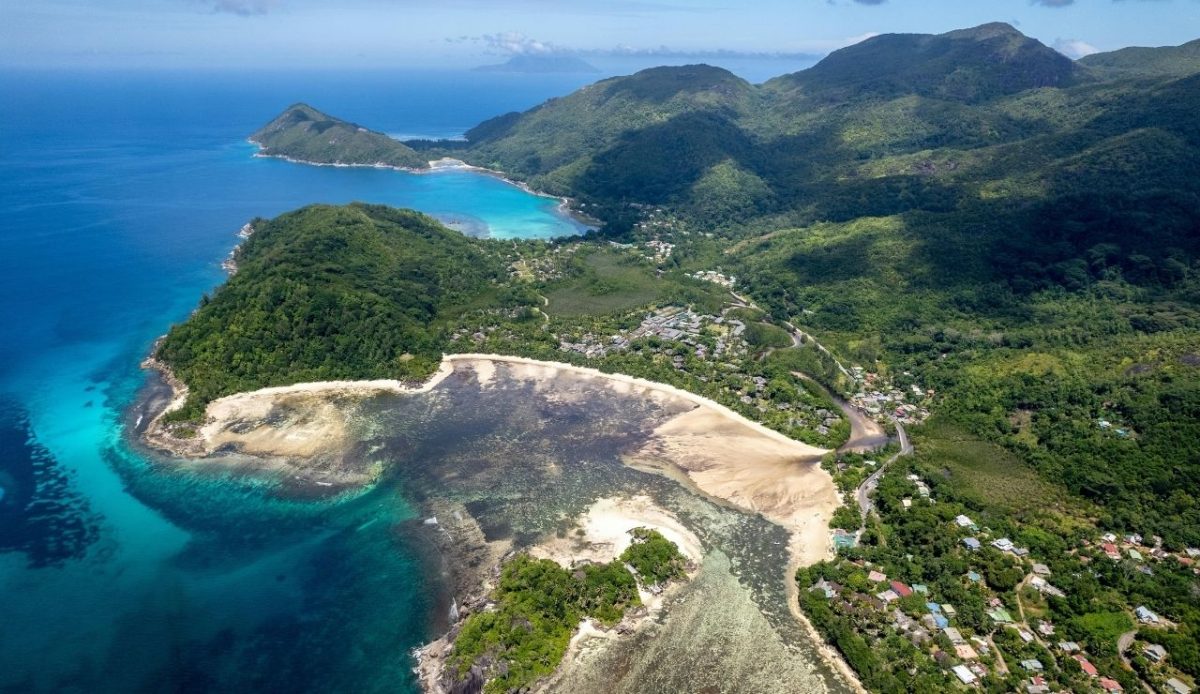
Seychelles is frequently cited as a high-cost long-haul destination, with daily spending pushed up by limited land, strong demand, and premium lodging. Even midrange hotels can price like luxury elsewhere, particularly on the main islands.
Dining is a major factor. Comparative cost baskets have flagged Mahé as especially expensive, in large part because restaurant meals and drinks run high. Import dependence also affects grocery prices, which reduces the savings from self-catering.
Inter-island movement adds expense. Ferries, domestic flights, and private transfers are often needed to reach popular beaches and parks. When accommodation, meals, and transport between islands are counted together, Seychelles can shock budget planners.
12. St. Barts
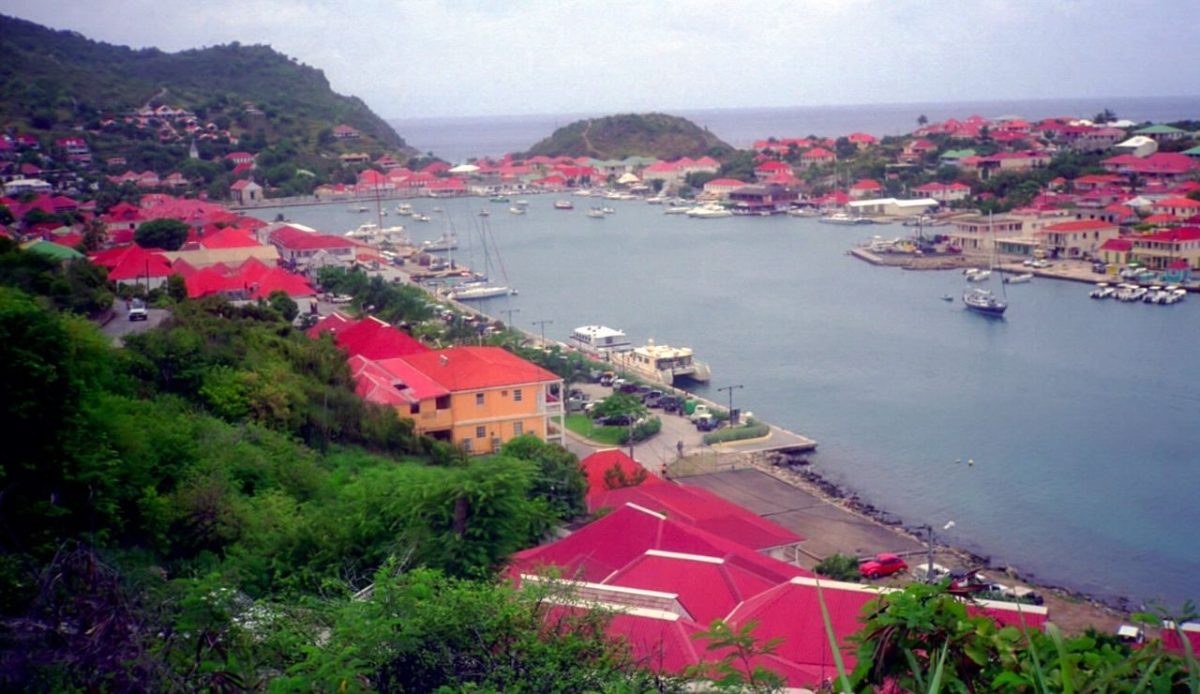
St. Barts is built around luxury travel, so high prices are not limited to a few resorts. Villas and boutique hotels frequently post four-figure nightly rates during busy periods, and minimum stay rules can limit flexibility for cheaper dates.
Daily spending stays high once on the island. Restaurants are priced like major global cities, and many venues add service charges. Grocery costs also run steeply because most products arrive by ship or air in small volumes.
Transport and experiences are positioned at the premium end. Car rentals, beach clubs, and boat trips often target high-income visitors. For travelers used to typical Caribbean pricing, St. Barts can feel shockingly expensive across every line item.
13. Bora Bora
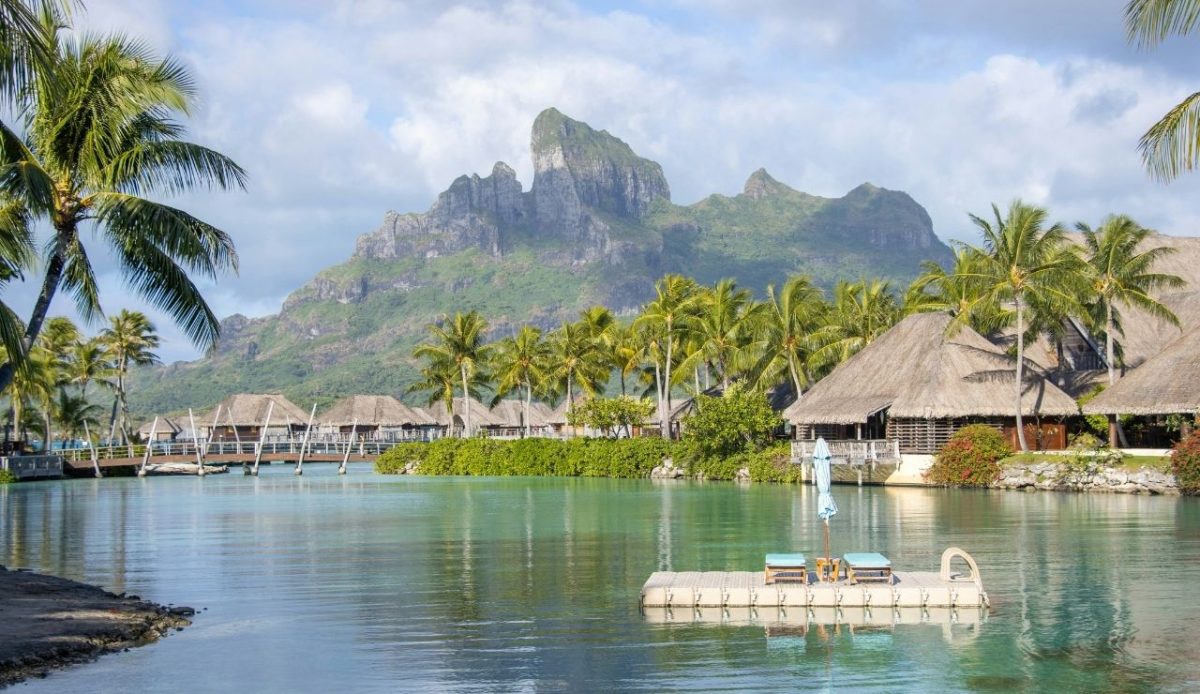
Bora Bora is expensive because lodging supply is dominated by high-end resorts, including overwater bungalows that carry premium pricing year-round. Current rate listings for top properties regularly start in the four figures before taxes and fees.
Transfers raise the baseline. Getting from Tahiti to Bora Bora often involves an inter-island flight, and many resorts add boat transfers on top. Once on the property, meals are frequently purchased in-house, which limits low-cost options.
Activities are also priced at a premium. Lagoon tours, diving, and private charters depend on specialized staff and equipment. When accommodation, transfers, and resort-priced dining are added together, Bora Bora can exceed many travelers’ budgets.
