
Europe is often associated with lush landscapes, rolling hills, and picturesque rivers, but several destinations are surprisingly dry, with minimal rainfall and arid conditions. Visiting these driest places can be a challenge, especially for travelers expecting green scenery and water-based activities. From sun-scorched plains to desert-like plateaus, these regions offer unique landscapes, cultural experiences, and outdoor adventures that differ from typical European destinations. Understanding their climate and planning ensures a safe and enjoyable visit while witnessing Europe’s more unusual, dry environments.
1. Almería, Spain
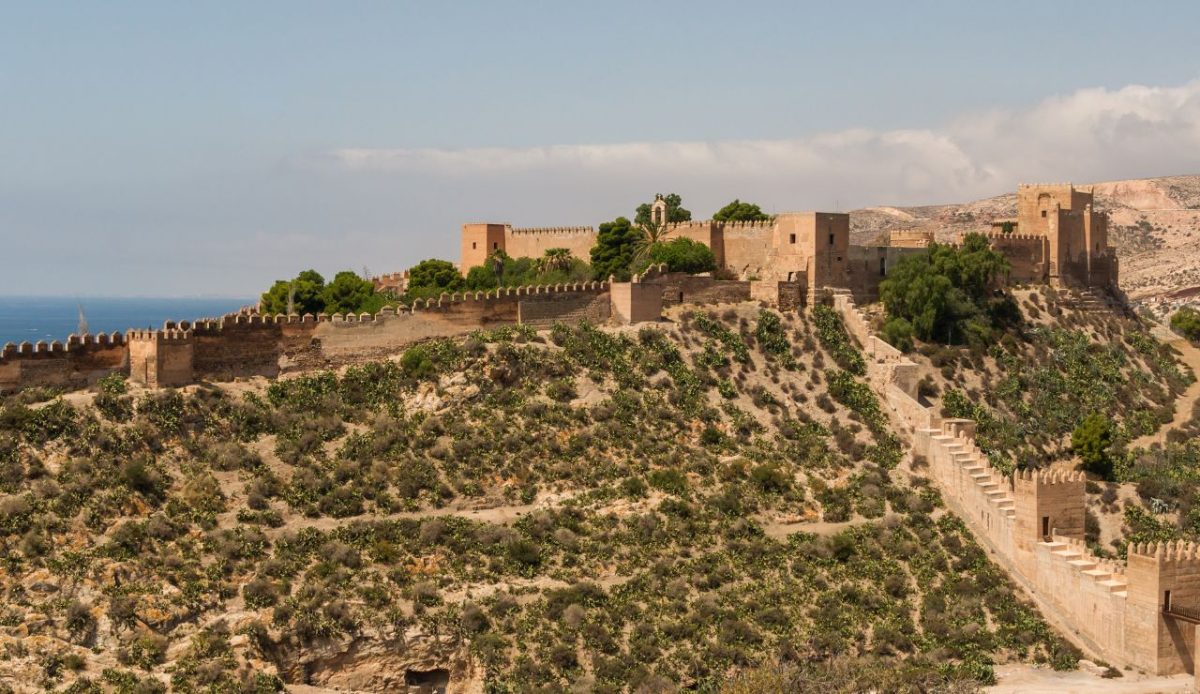
Almería, located in southern Spain, is one of Europe’s driest cities, featuring desert landscapes and scarce rainfall. Its semi-arid climate creates a backdrop of striking sandy hills, rocky terrain, and stunning beaches along the Mediterranean. Travelers often explore the Tabernas Desert, famous for film sets and dramatic scenery. The city’s historic Alcazaba fortress adds cultural depth to the arid surroundings. While the sun-soaked climate is ideal for photography and exploration, travelers must plan for heat, limited water sources, and sun protection when visiting this unique, dry corner of Spain.
2. Murcia, Spain

Murcia experiences extremely low annual rainfall, resulting in dry plains and fertile agricultural lands maintained by irrigation. Known for historic architecture and vibrant festivals, it also offers access to the surrounding semi-arid landscapes. Visitors can enjoy hiking in nearby hills or exploring old city streets lined with baroque buildings. Despite its dryness, Murcia sustains a rich cultural and culinary scene, with markets selling fresh produce. Travelers should carry water, wear sun protection, and be prepared for warm, arid conditions while enjoying the mix of history, local life, and dry terrain.
3. Tabernas Desert, Spain
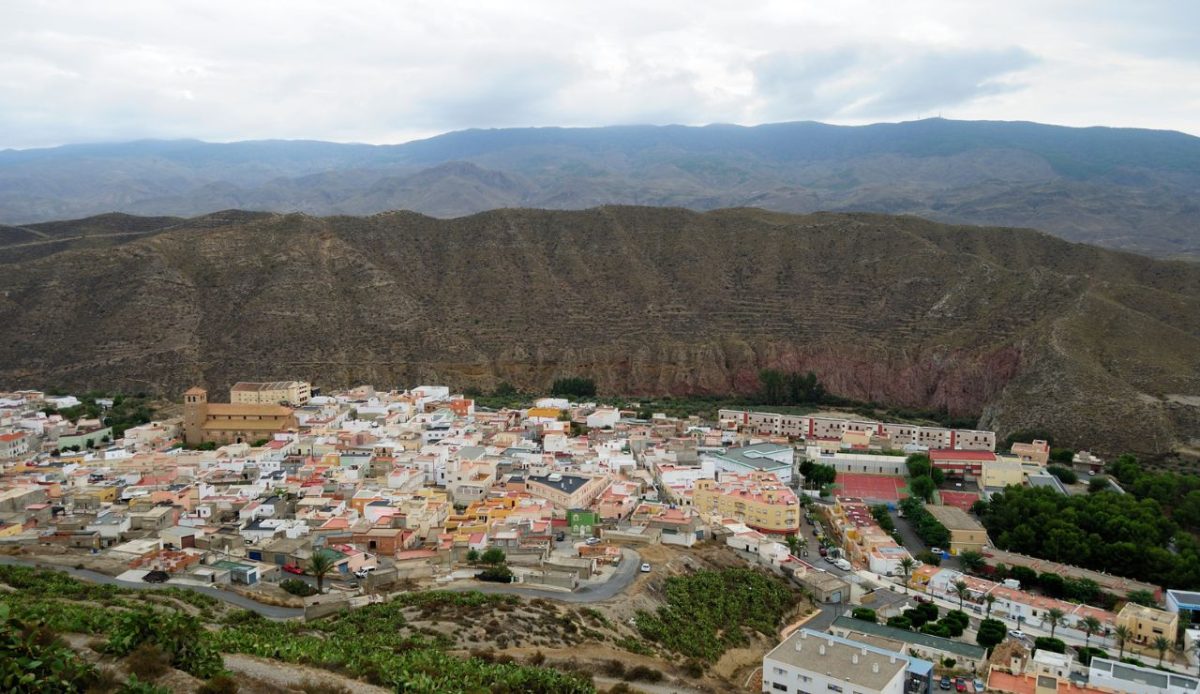
The Tabernas Desert in Almería is Europe’s only true desert, offering an unusual landscape of arid hills, canyons, and sparse vegetation. Famously used as a filming location for Western movies, it provides dramatic backdrops for photography and adventurous exploration. Temperatures can soar during summer, and rainfall is minimal, making it essential to plan visits carefully. Travelers can explore desert trails, small local museums, and recreated film sets. The stark beauty and unique geology make Tabernas a must-see for those seeking a desert experience in Europe, while requiring preparation for sun and heat.
4. Jerez de la Frontera, Spain
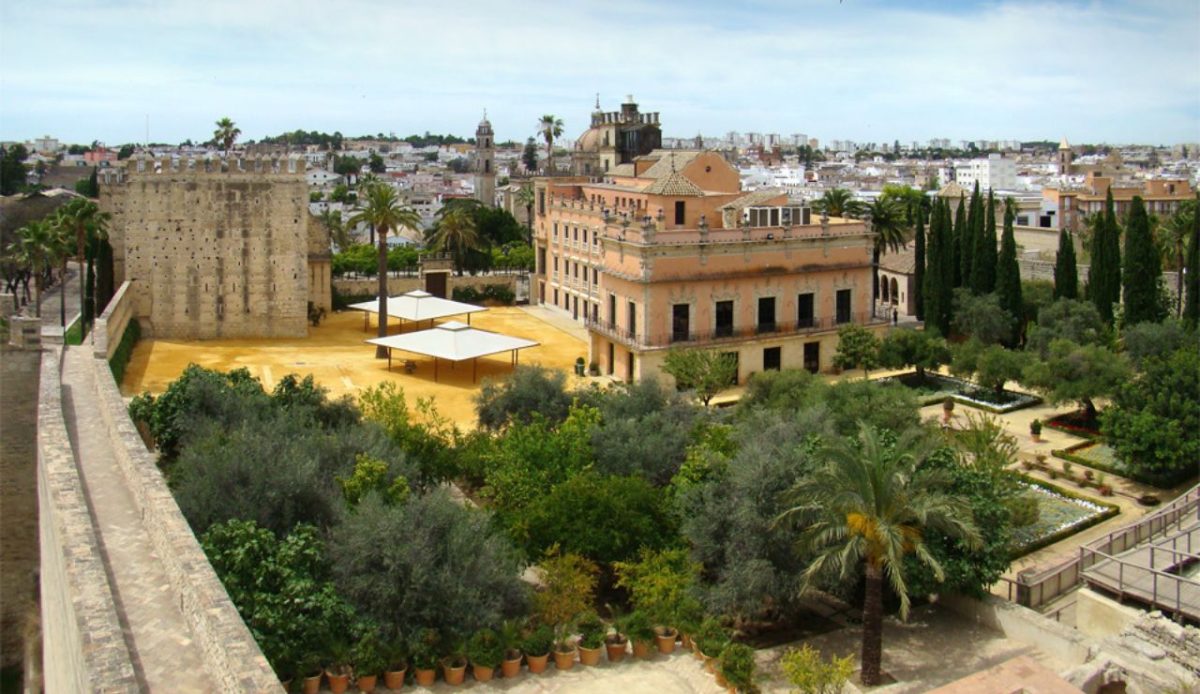
Jerez de la Frontera, part of Spain’s Cádiz province, is known for its dry climate, sherry production, and equestrian culture. Rainfall is limited, and the landscape often appears sun-baked, which contrasts beautifully with historic buildings and vineyards. The city’s equestrian schools, bodegas, and annual festivals attract travelers looking for cultural experiences. Outdoor exploration is best done in the morning or evening hours due to midday heat. Understanding the dry climate ensures visitors enjoy local attractions while staying hydrated and protected from the strong sun, making Jerez both fascinating and manageable.
5. Crete, Greece
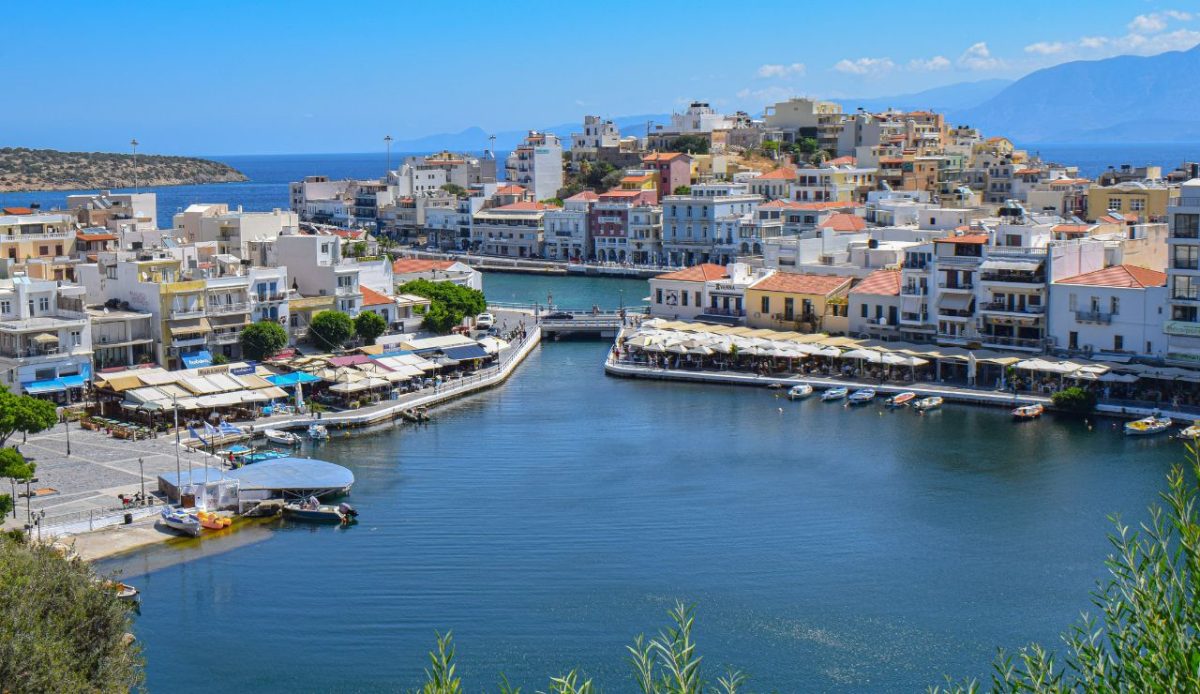
Crete, Greece’s largest island, features arid regions, especially in the southern parts, with limited rainfall during the summer. The island offers stunning landscapes, ancient ruins, and beaches, but travelers should be aware of dry, hot conditions. Hiking trails, such as the Samaria Gorge, and historical sites require preparation for dehydration and sun exposure. The island’s diverse terrain contrasts lush northern areas with drier southern regions, providing unique views and adventures. With proper planning, visitors can enjoy Crete’s history, natural beauty, and Mediterranean culture despite the arid climate in certain parts.
6. Santorini, Greece
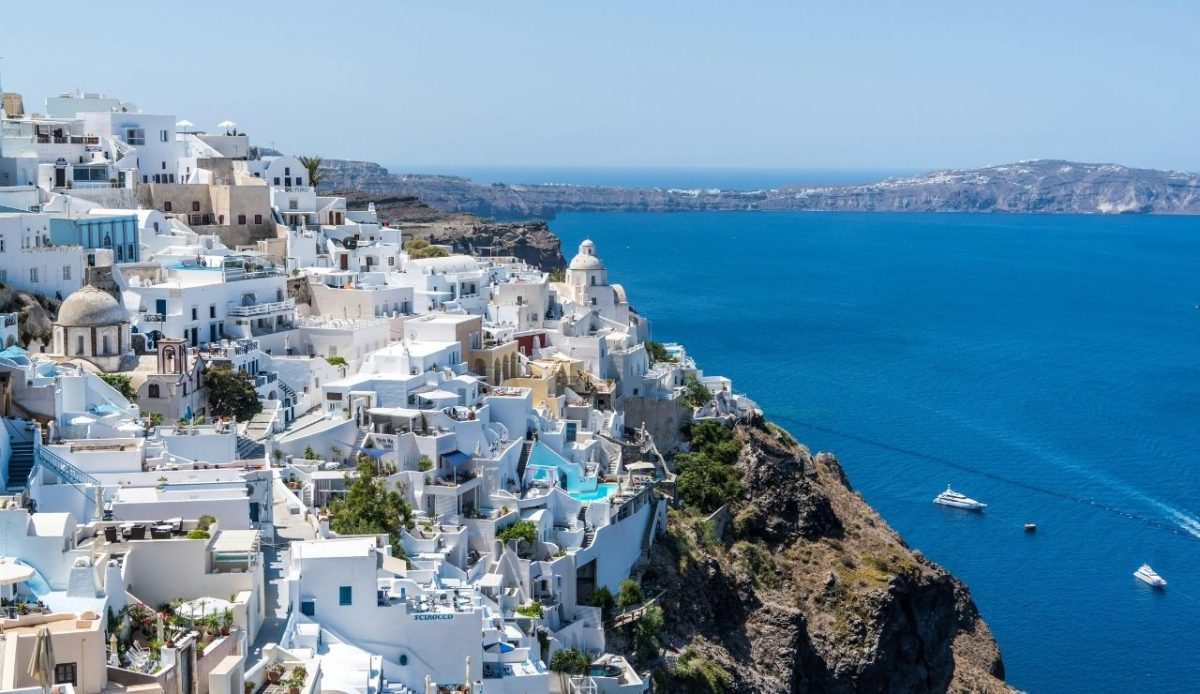
Santorini’s volcanic origin and Mediterranean climate contribute to its dry conditions, particularly during peak summer months. Rainfall is scarce, leaving the landscape rugged with volcanic rocks and minimal vegetation. Travelers can explore cliffside villages, whitewashed houses, and beaches with volcanic sand while planning for sun protection and hydration. The island’s stunning sunsets, caldera views, and historical ruins offer memorable experiences that outweigh its dryness. Understanding Santorini’s arid climate ensures a comfortable visit and lets travelers fully enjoy the picturesque scenery and iconic Aegean atmosphere.
7. Sicily, Italy
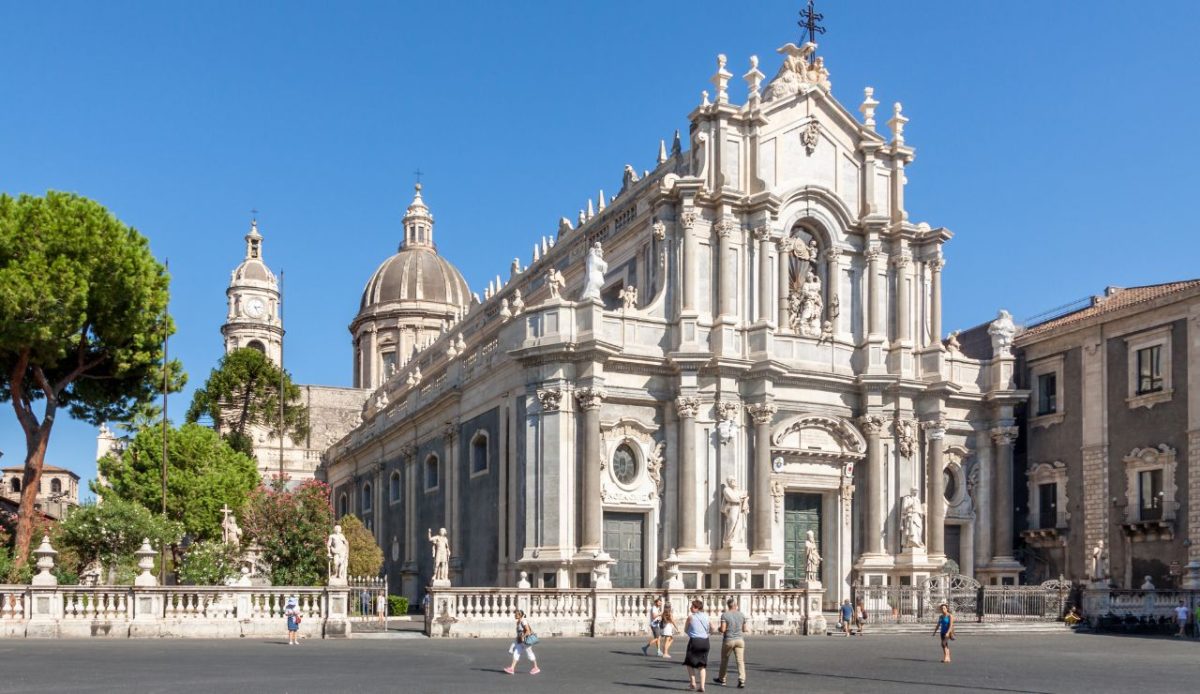
Sicily, especially the southeastern region, experiences dry summers with limited rainfall and intense sun. The island’s volcanic soil supports vineyards, olive groves, and citrus orchards despite the arid climate. Travelers can visit Mount Etna, ancient Greek temples, and charming coastal towns while preparing for hot, dry conditions. Water, sunscreen, and light clothing are essential for comfort. Sicily’s combination of history, scenic beauty, and Mediterranean culture makes it a rewarding destination, even in its driest areas. Visitors can experience Italy’s southern charm and landscapes while adapting to its semi-arid climate.
8. Sardinia, Italy
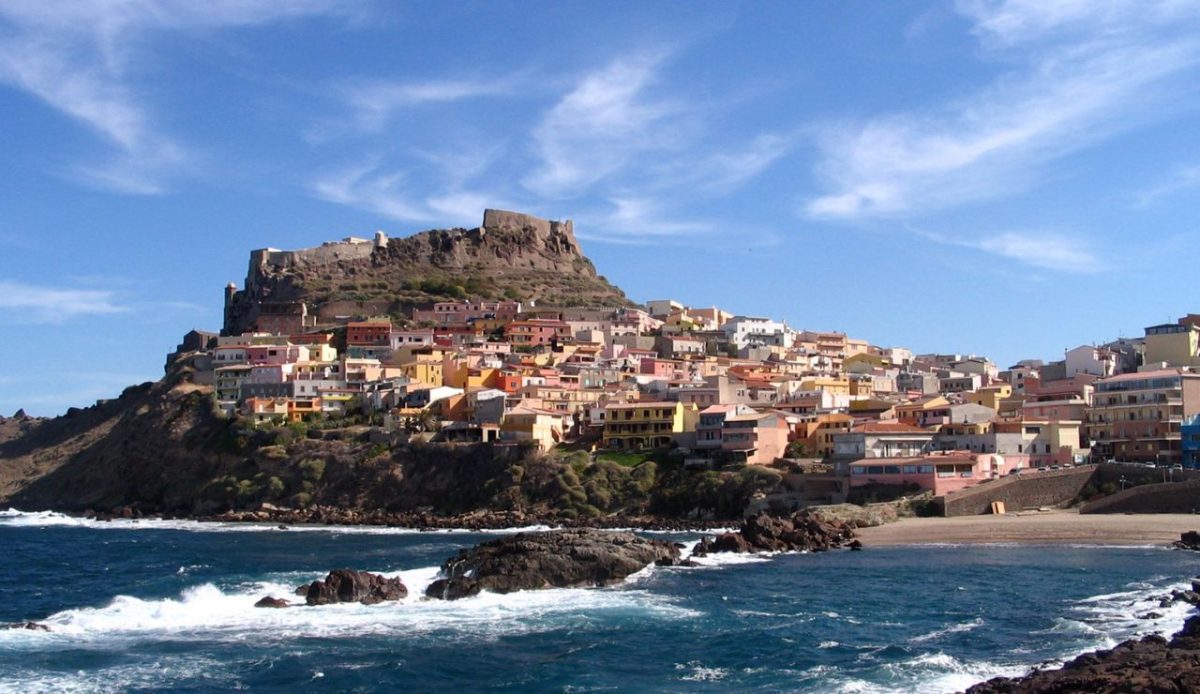
Sardinia has dry regions, particularly in the interior and southern parts, with hot summers and low rainfall. Its beaches, rugged mountains, and ancient ruins attract travelers seeking adventure and natural beauty. Hiking, swimming, and exploring small villages are popular activities, but the arid climate requires careful planning. Travelers should carry water and wear sun protection to enjoy long days outdoors comfortably. Sardinia’s unique combination of culture, history, and breathtaking landscapes provides a memorable experience for those willing to adapt to its dry, Mediterranean environment and vibrant local traditions.
9. Alentejo, Portugal
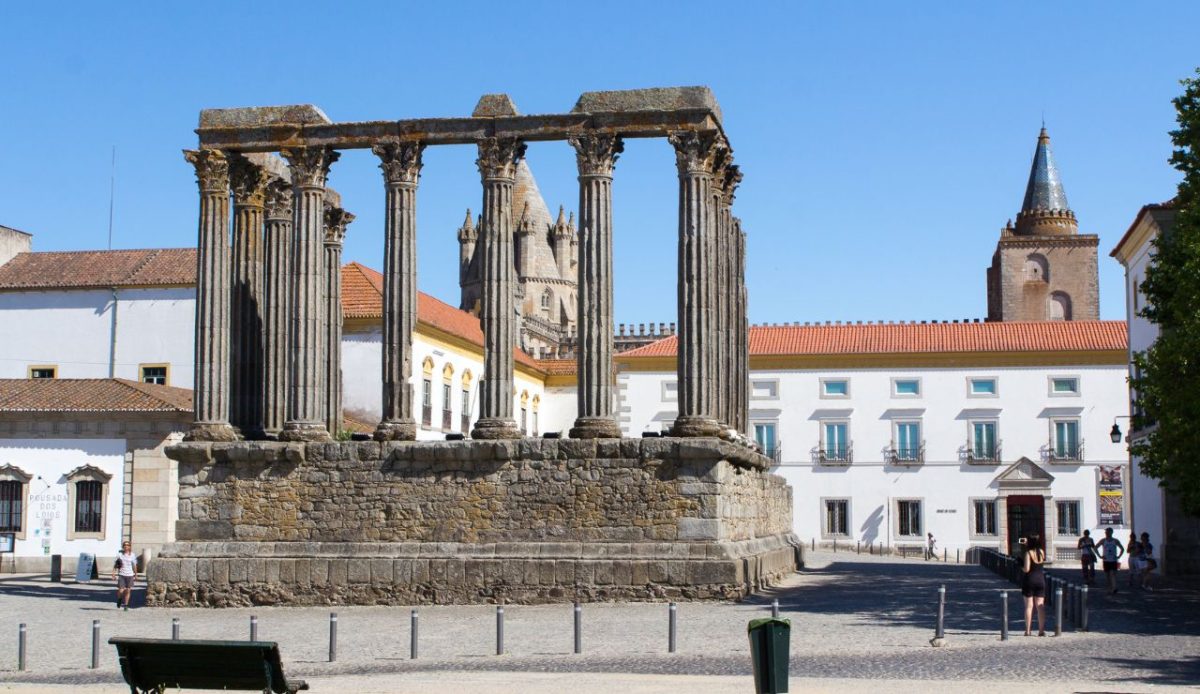
The Alentejo region in Portugal is known for rolling plains, cork oak forests, and vineyards under an arid climate. Rainfall is limited, especially in summer, leaving landscapes golden and sun-drenched. Travelers can explore historic towns, Roman ruins, and traditional villages while enjoying local cuisine. Outdoor activities such as hiking, cycling, and vineyard tours require preparation for dry conditions. The region’s charm lies in its open spaces, warm weather, and cultural heritage. Understanding its arid climate ensures travelers stay safe while enjoying Alentejo’s peaceful landscapes and rural beauty.
10. Tablas de Daimiel, Spain
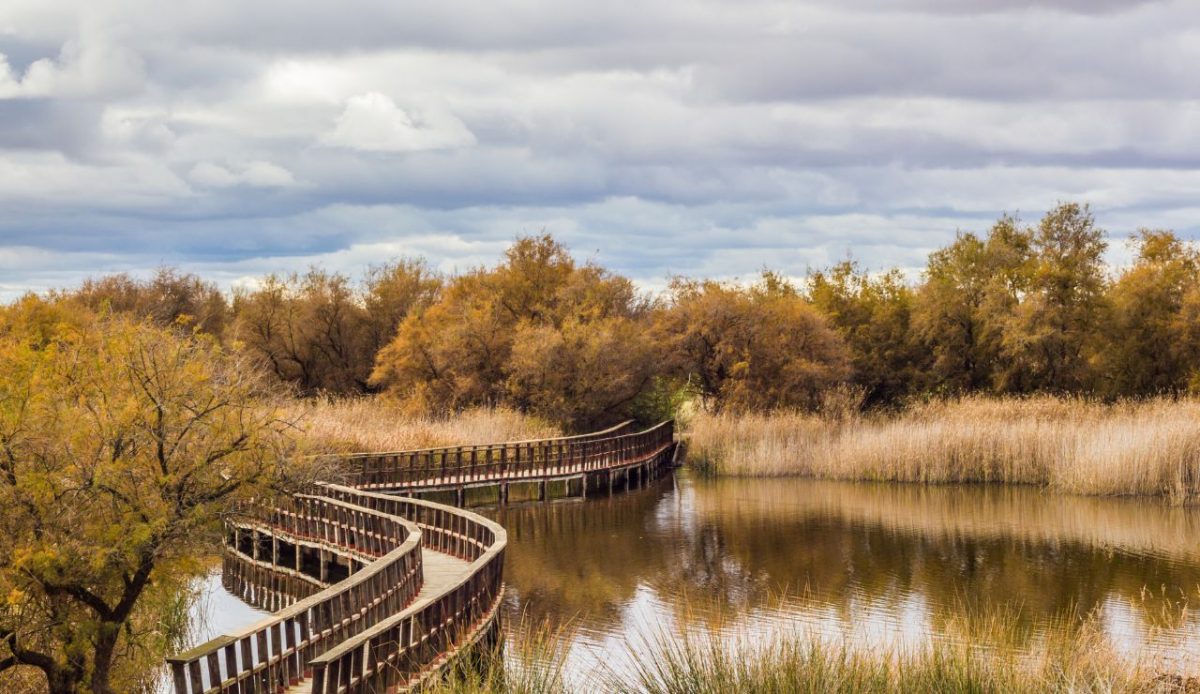
While primarily a wetland, the Tablas de Daimiel National Park experiences periods of dryness due to drought, creating a unique landscape of shallow ponds and arid plains. Visitors can observe migratory birds, dry terrain, and local flora and fauna. The combination of seasonal wet and dry conditions makes it a fascinating destination for families, hikers, and nature enthusiasts. Preparing for the dry season, with water and sun protection, ensures an enjoyable visit. The contrast of aquatic life and dry landscapes highlights Europe’s environmental diversity and the challenges of arid ecosystems.
11. Valencia, Spain
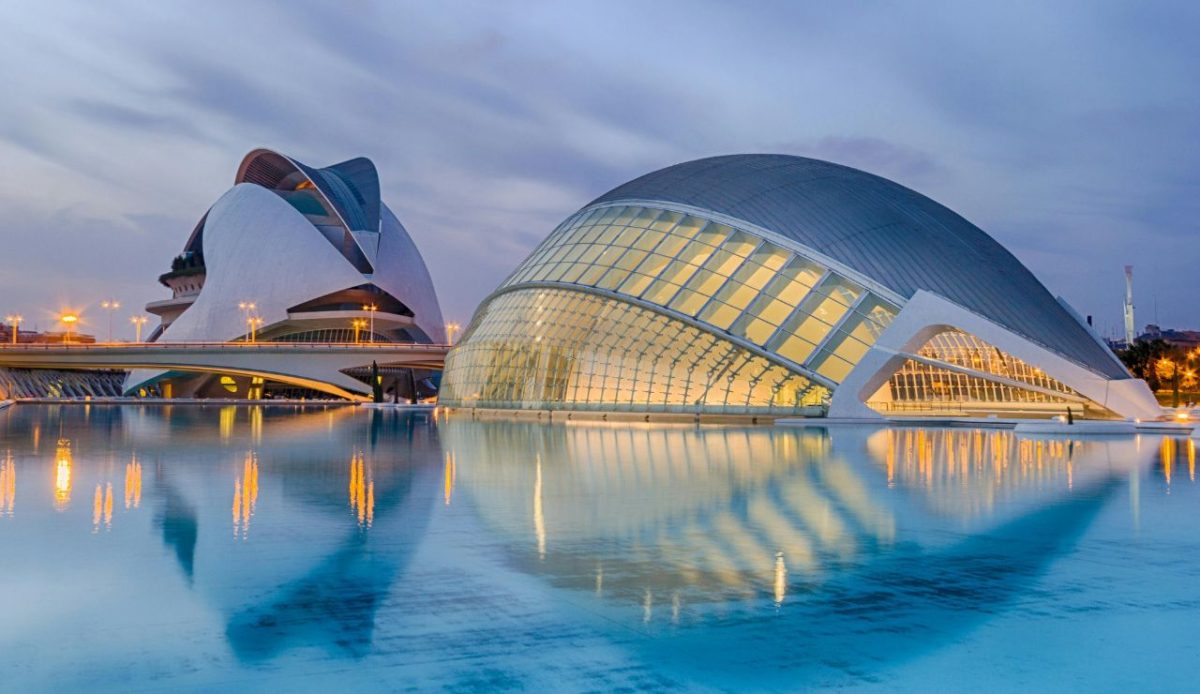
Valencia’s Mediterranean climate includes hot, dry summers, leaving urban parks and surrounding plains sun-soaked. Travelers can enjoy beaches, historic architecture, and futuristic buildings in the City of Arts and Sciences. Outdoor exploration requires sun protection, hydration, and timing activities to avoid peak heat hours. Despite dryness, Valencia offers cultural festivals, cuisine, and beaches that make it an appealing destination. Understanding the climate allows travelers to plan comfortable visits and enjoy the city’s dry yet vibrant environment without being caught off guard by the heat.
12. Alpujarras, Spain
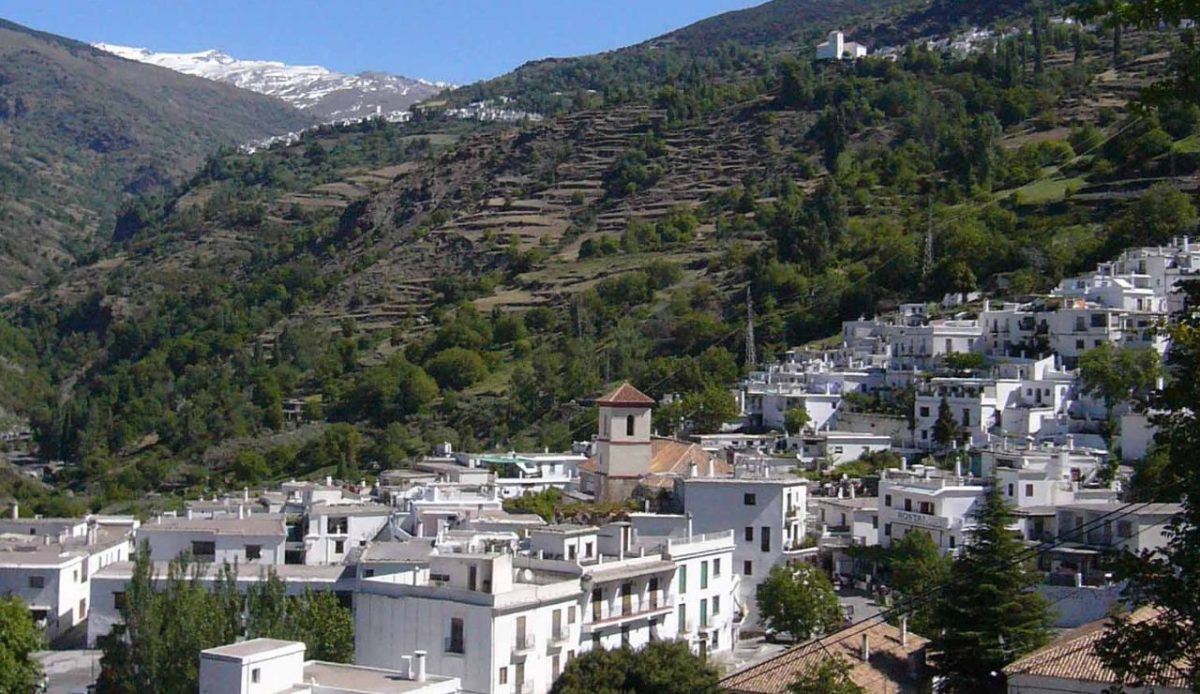
The Alpujarras region on the southern slopes of the Sierra Nevada mountains is characterized by arid terrain, terraced hills, and sparse vegetation. Dry conditions prevail during the summer months, making hiking and outdoor activities challenging but rewarding. Whitewashed villages, local crafts, and breathtaking mountain views offer travelers unique experiences. Planning routes, carrying water, and dressing for sun exposure are essential. The contrast between dry hills and scenic towns showcases Spain’s diverse landscapes, providing a memorable visit for adventurous travelers who want to explore beyond typical tourist spots.
13. Crete Plateau, Greece
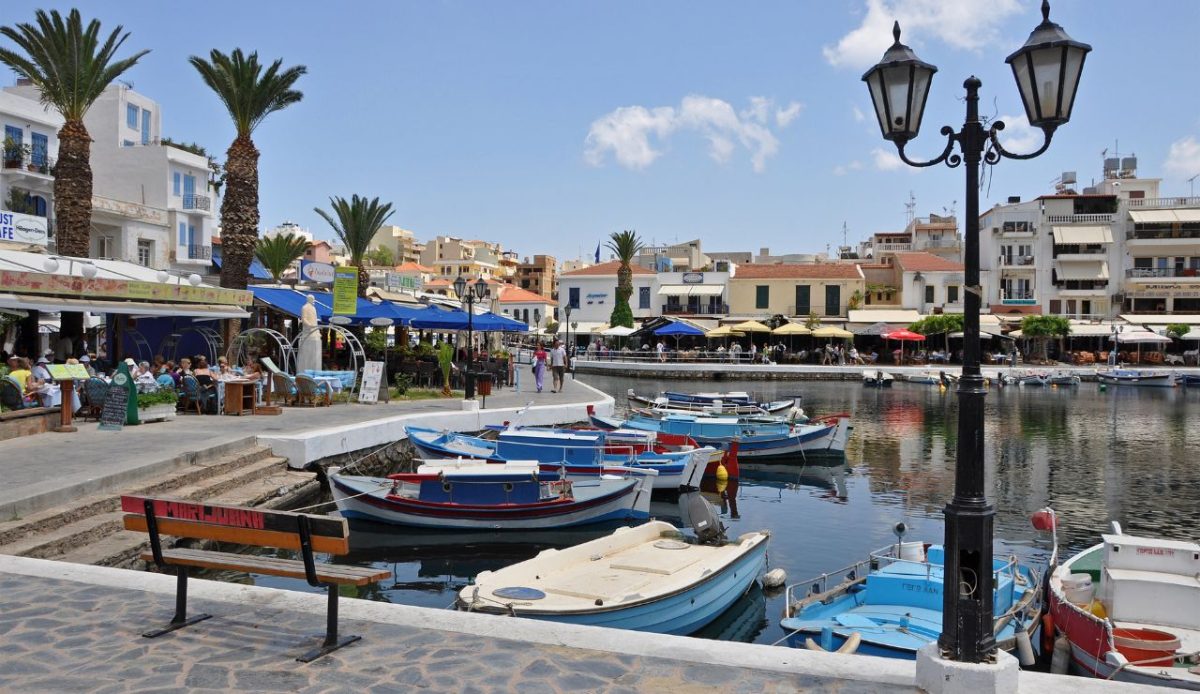
Crete’s interior plateaus, including Lassithi and other regions, feature dry conditions with minimal rainfall during summer. These elevated, arid landscapes contrast sharply with coastal greenery. Travelers can hike, visit traditional villages, and explore ancient ruins while enjoying panoramic views. The dryness emphasizes the island’s rugged charm and historical significance, offering insights into agricultural practices and traditional life in arid conditions. Adequate preparation with water, sun protection, and timing activities ensures a safe, enjoyable trip, making Crete’s plateaus an intriguing stop for adventurous travelers.
