
Wild destinations still exist where rare animals and plants persist because large habitats remain protected and lightly built. Each place below is known for unusual species such as endemics, threatened predators, or breeding colonies that depend on intact land or sea. Selection favors parks and reserves with strict access rules, limited roads, and conservation monitoring. Descriptions focus on what makes wildlife uncommon and why the setting stays close to its natural state for most of the year. Tourism can occur, yet core zones are kept quiet through permits, quotas, or long travel times that naturally reduce pressure.
1. Galápagos Islands, Ecuador
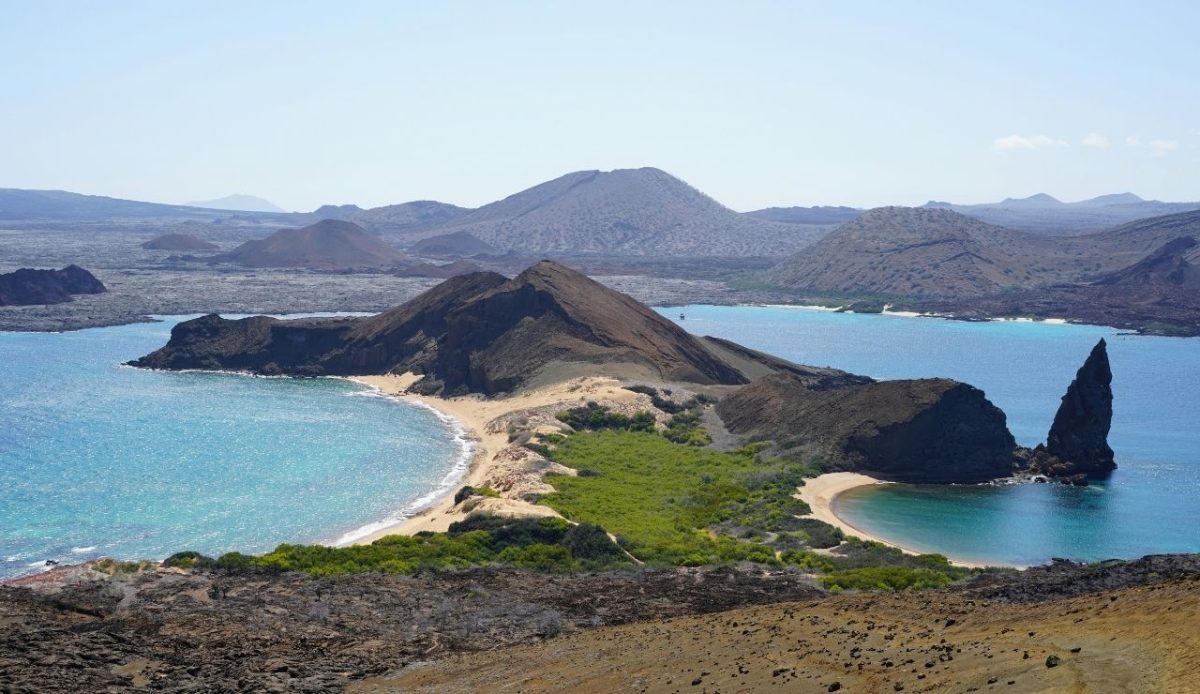
Isolation shaped the Galapagos into a hotspot of endemism where animals evolved without many threats. Giant tortoises, marine iguanas, flightless cormorants, and local finches are key examples. Entry is controlled through the national park, and landing sites are restricted to marked routes. Biosecurity checks limit invasive species, while a large marine reserve protects feeding grounds for sea lions, sharks, and rays. Because pressure is managed, nesting and foraging patterns can be observed in a near-natural rhythm. Seasonal closures and ranger patrols are used to reduce disturbance during breeding, and group sizes are capped on shore.
2. Aldabra Atoll, Seychelles
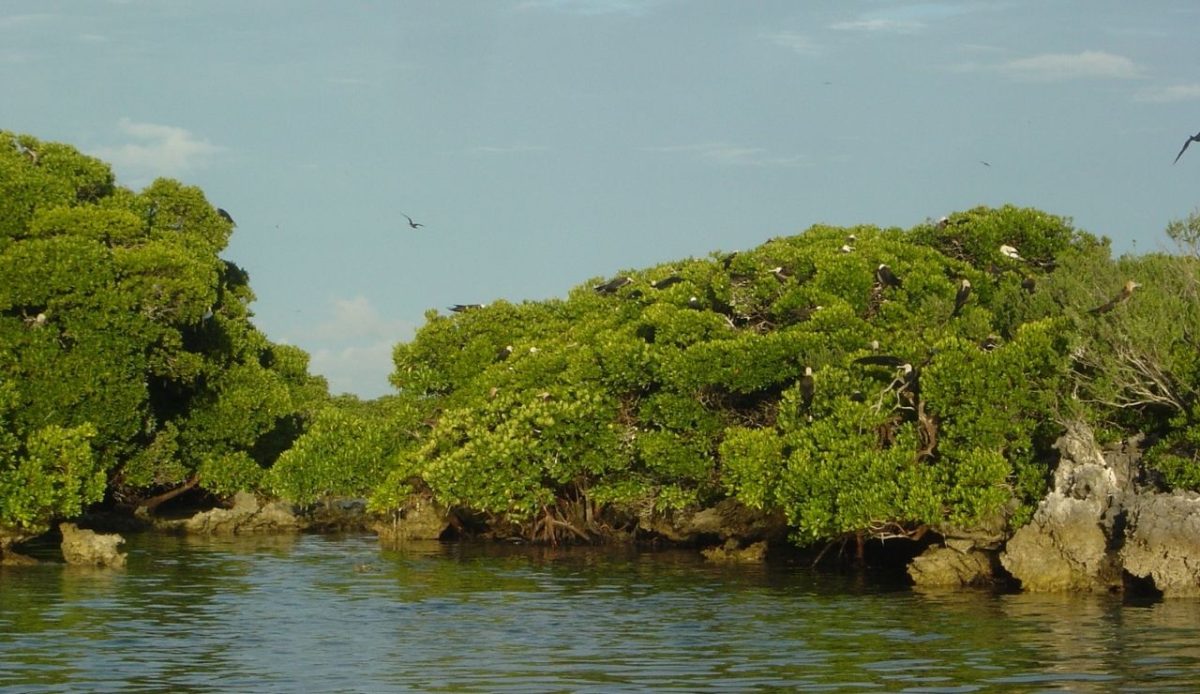
Aldabra Atoll remains one of the least altered island systems in the Indian Ocean, with no towns and very limited access. It supports the largest free-roaming population of Aldabra giant tortoises, plus endemic birds that rely on mangroves and scrub. Reefs, lagoons, and seagrass beds provide nursery habitat for fish and turtles. Visits are permitted only under strict rules, and infrastructure is minimal, so habitat fragmentation is avoided. With few human pressures, ecological processes such as grazing, nesting, and tidal feeding continue largely uninterrupted. Teams monitor colonies, and quarantine rules help block invasives.
3. Socotra Archipelago, Yemen
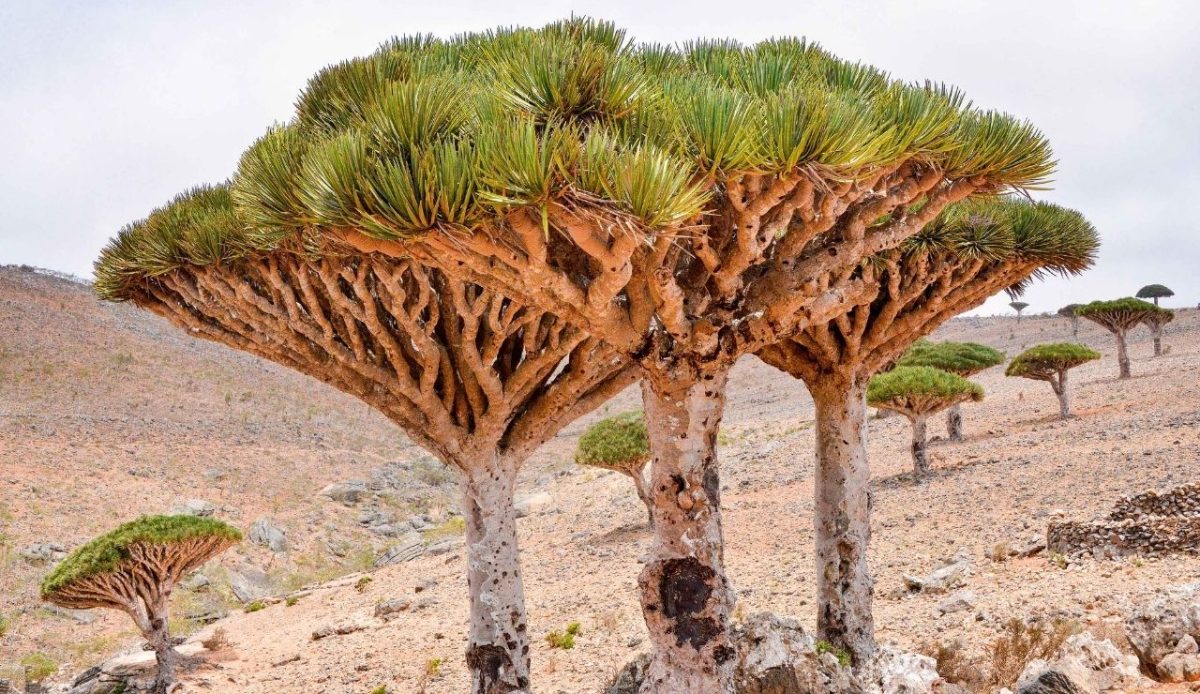
Socotra is an oceanic archipelago where long separation produced high endemism in plants, reptiles, and snails. Dragon blood trees and other native flora form habitats that many local insects and birds depend on. Roads cover only limited areas, and much of the interior plateau is reached by rough tracks or on foot. Because large-scale building has been limited, watershed function and soil structure remain relatively intact. Pressures from grazing and warming are real, yet core areas still support communities found nowhere else on Earth. Permits and guides are used in sensitive areas, so rare species sites are not trampled or collected.
4. Okavango Delta, Botswana
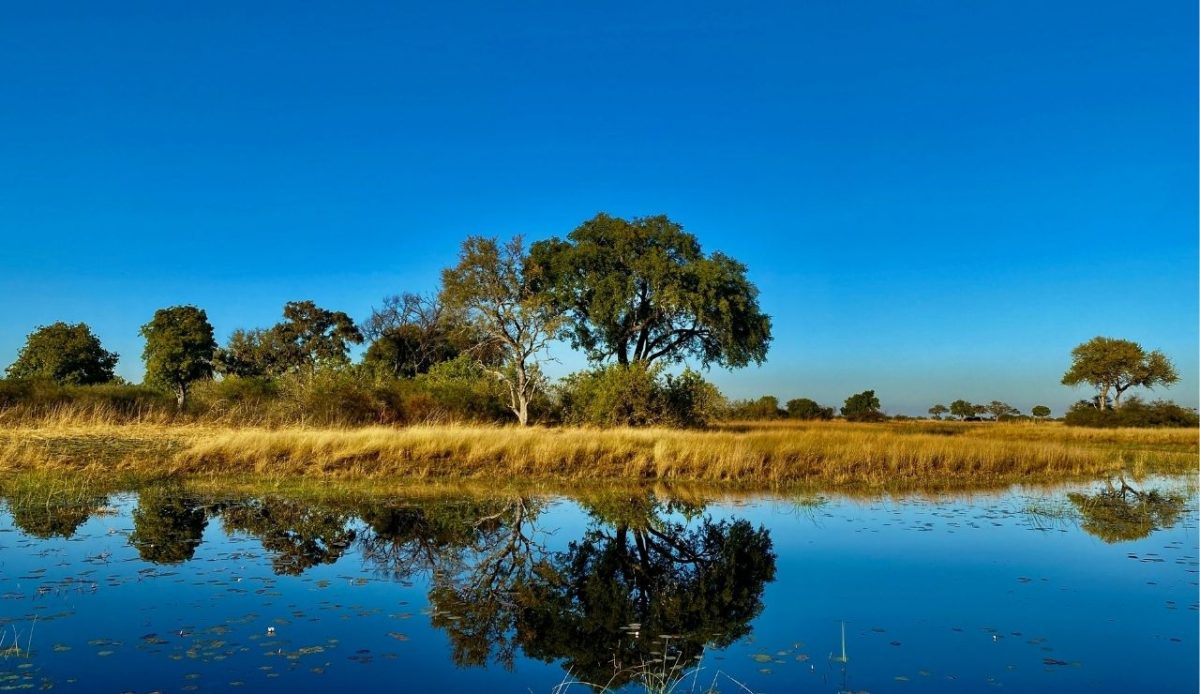
The Okavango Delta is a seasonal wetland that spreads floodwater into the Kalahari, creating islands, channels, and reed beds. Large mammals, including elephants, hippos, and buffalo, are supported, and predators such as lions and wild dogs persist where prey remains abundant. Many camps operate at low density and are reached by light aircraft or shallow canoes, which limits road building. Off-road driving is restricted, and waterways are managed to reduce noise near breeding areas. Because movement follows water cycles, wildlife migration patterns remain largely unblocked. Patrols and fishing limits help keep food chains stable year-round.
5. Manú National Park, Peru
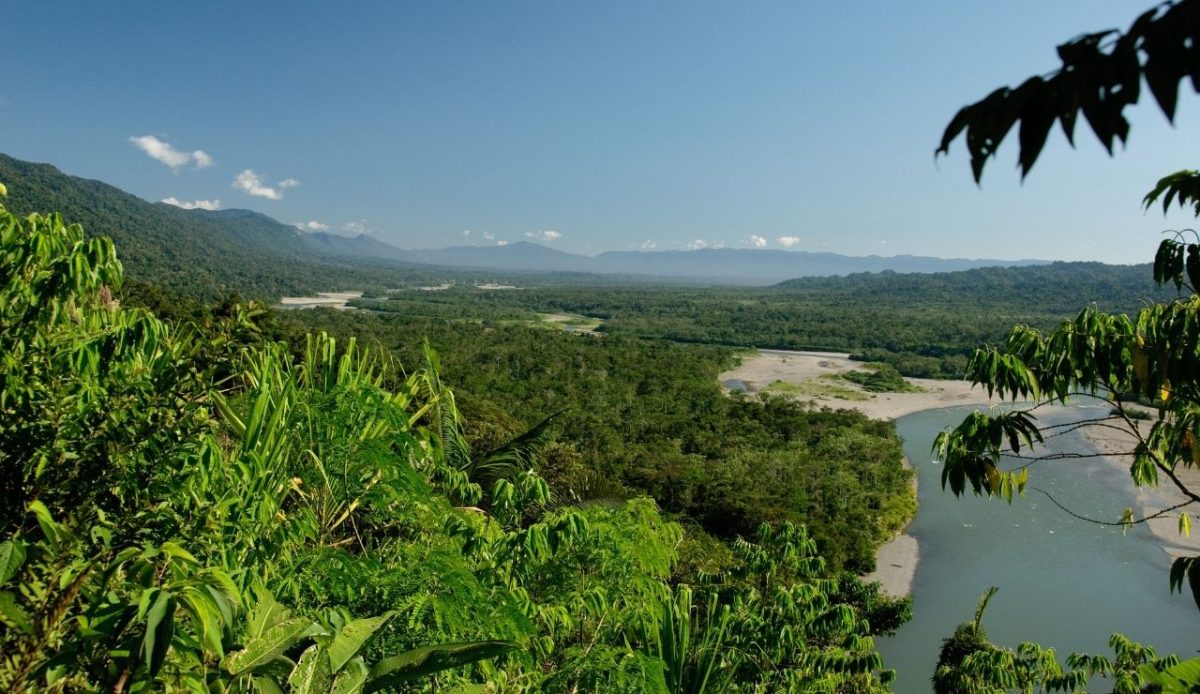
Manu National Park protects a continuous sweep from Andean grasslands to Amazon lowland forest, which creates a huge habitat variety. Harpy eagles, giant otters, and jaguars are recorded here because rivers, oxbow lakes, and canopy layers remain connected. Large zones are reserved for research and Indigenous communities, so tourism is concentrated along limited corridors. New roads are barred across most of the park, and access often requires long river travel. With reduced fragmentation, natural population densities are maintained, and rare species can persist over wide ranges. Visitor numbers are capped to reduce stress at licks and nests.
6. Central Suriname Nature Reserve, Suriname
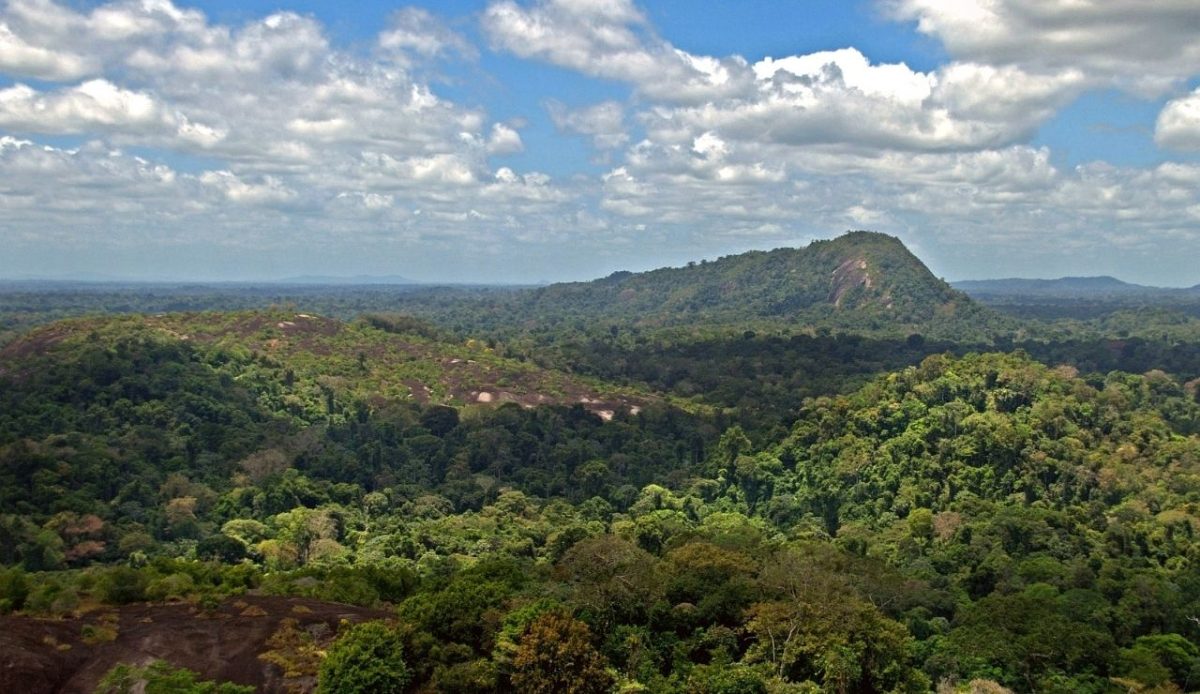
Central Suriname Nature Reserve covers a vast block of primary rainforest in the Guiana Shield with no permanent roads inside. Because large-scale logging and mining are excluded, canopy structure and river systems remain largely intact. Species that need extensive forest, including big cats and several primates, can range without crossing clear-cut edges. Access is mostly by river or small aircraft, so visitor pressure stays low and concentrated. Scientific monitoring has been used to map key habitats and to guide patrol routes that reduce hunting and illegal extraction. The reserve’s size keeps populations connected over long distances.
7. Komodo National Park, Indonesia
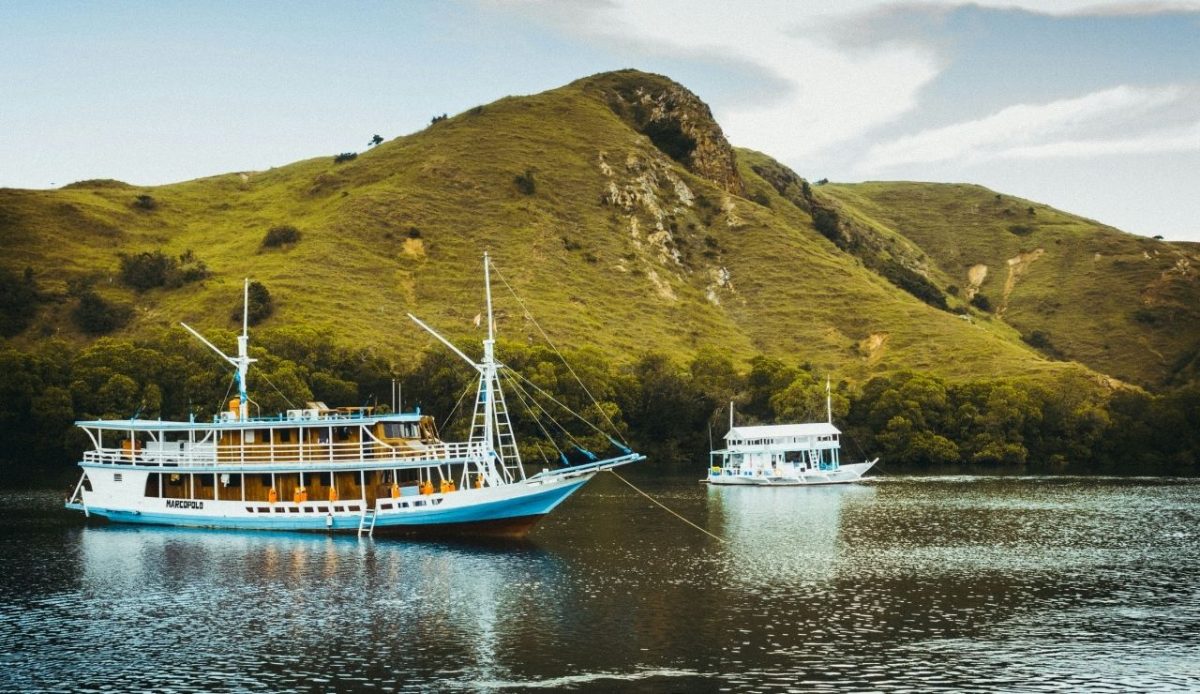
Komodo National Park is the primary stronghold for Komodo dragons, which hunt deer and pigs across the dry savanna and seasonal forest. Ranger-led treks are required in key areas, and routes are kept to set paths to limit disturbance near nests. The park also includes protected waters where coral reefs and currents support sharks, rays, and dense reef fish communities. Anchoring rules and patrols reduce reef damage, while fishing limits protect prey species. By protecting land and sea in tandem, the system supports both the dragons and the marine food web they depend on indirectly. Group sizes are limited, especially during peak heat.
8. Raja Ampat, Indonesia
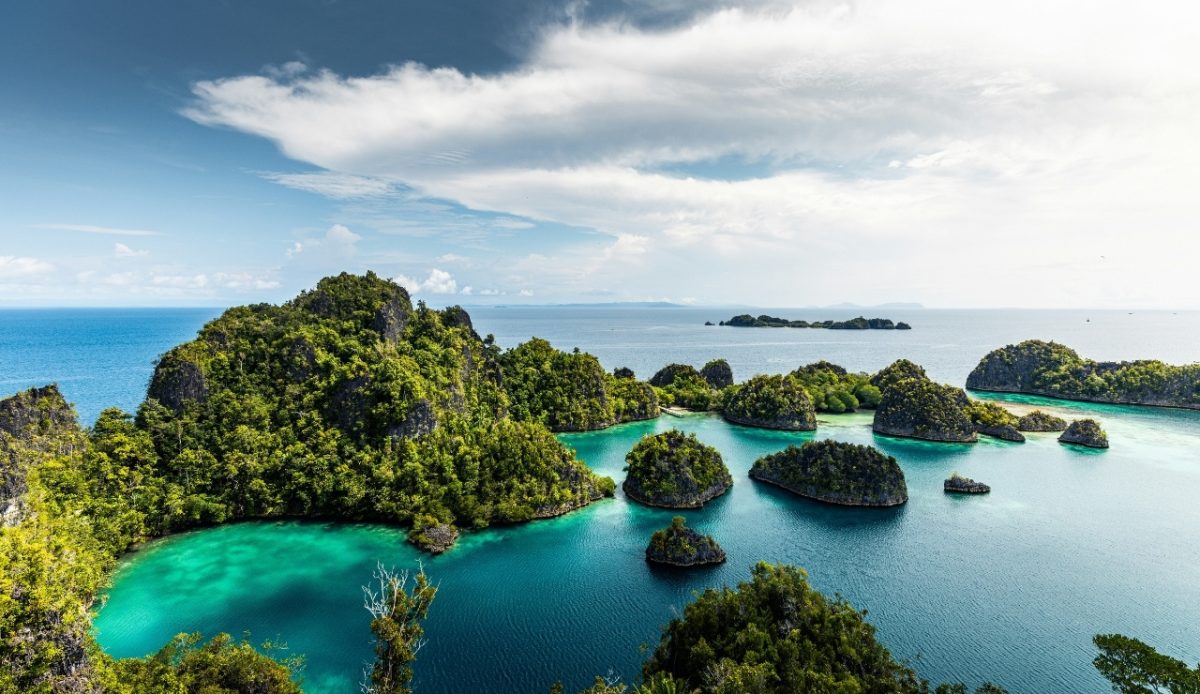
Raja Ampat sits within the Coral Triangle and is known for exceptional reef diversity and high numbers of fish species. Protected zones and community enforcement have helped keep destructive fishing out of key breeding areas. Manta rays, reef sharks, and nesting turtles remain present where seagrass beds and coral gardens are not degraded. Many islands have little infrastructure, so access is coordinated through permits and local transport. Mooring buoys are used at popular dive sites to prevent anchor damage, and visitor activity is spread across a wide seascape to reduce concentrated impact.
9. Danum Valley Conservation Area, Malaysia
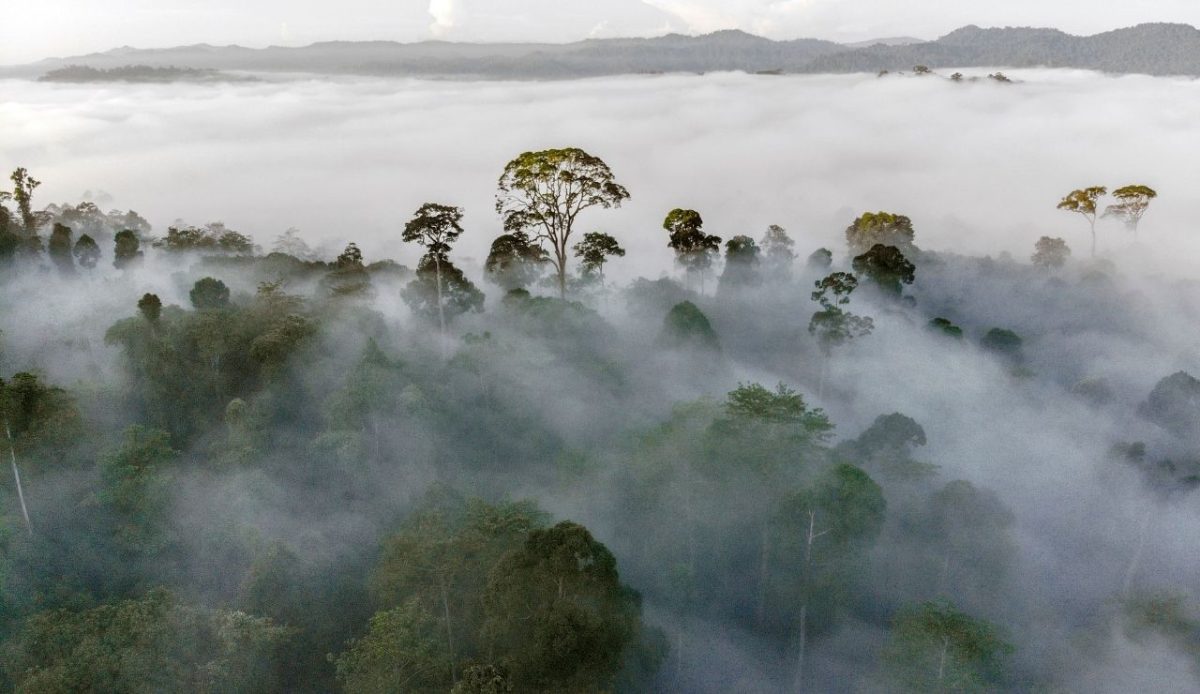
Danum Valley in Sabah protects a rare tract of primary lowland rainforest where tall dipterocarp trees still dominate. Orangutans, hornbills, and the Sunda clouded leopard are among the species associated with deep forest interiors. Road building is limited, and access is routed through research facilities and a small number of lodges. Long-term studies track animal presence, and the data guide patrols and trail use. Because edge clearing is avoided, humidity and canopy layers remain stable, which supports insects, amphibians, and understory plants that disappear quickly in disturbed forests. Night walks are managed to keep noise low.
10. Masoala National Park, Madagascar
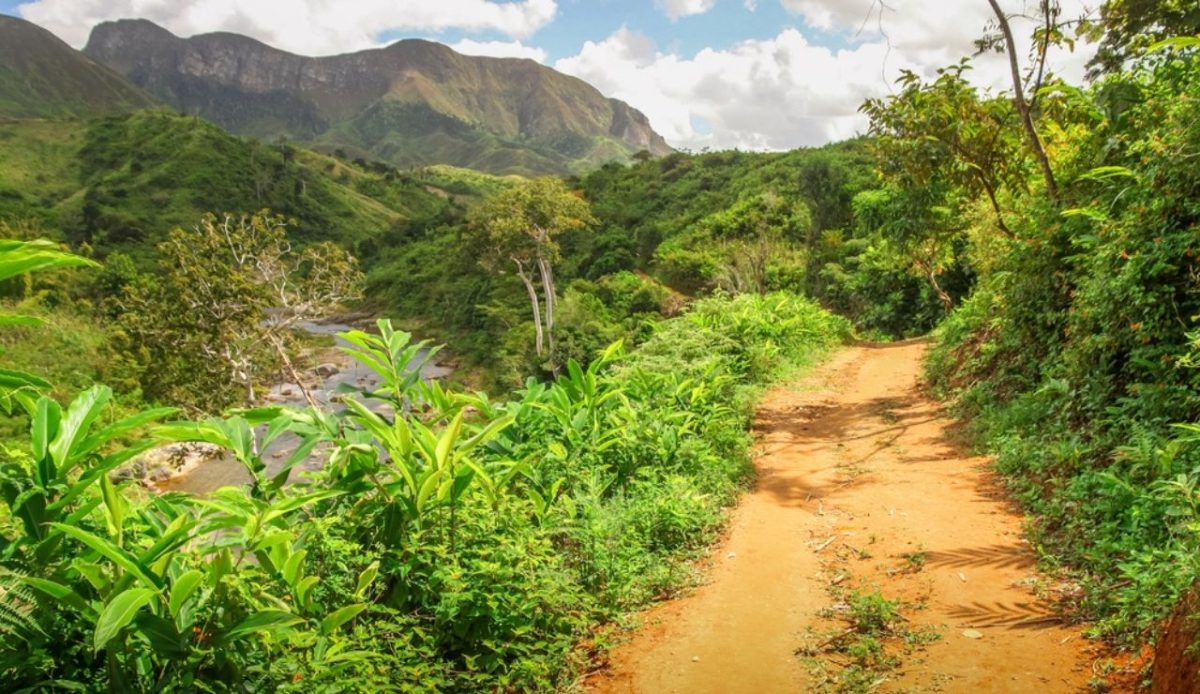
Masoala National Park protects Madagascar’s largest remaining block of coastal rainforest, along with mangroves and nearby reefs. It is important for endemic wildlife such as red ruffed lemurs, specialized chameleons, and rare forest birds tied to humid lowlands. Many areas are reached by boat or long hikes, which naturally limit visitor volume and road expansion. Community patrols are used to reduce hunting, and trail systems keep foot traffic away from sensitive nesting zones. Because large-scale clearing is restricted, forest regeneration continues, and coastal nurseries remain functional for fish and crustaceans.
11. Ogasawara Islands, Japan
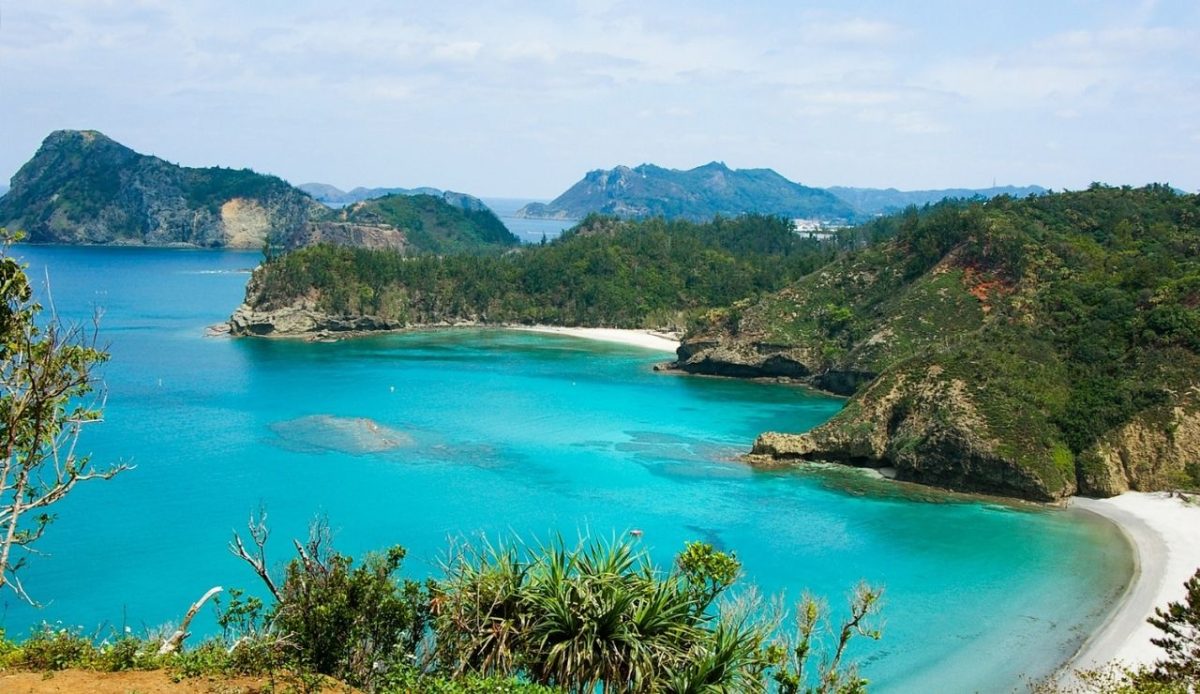
The Ogasawara Islands are remote Japanese oceanic islands that were never connected to a mainland, so endemism is high. Species include the Bonin flying fox and several localized birds, while the surrounding waters support whales and reef communities. There is no airport, and arrivals are limited by ship capacity, which keeps tourism numbers relatively low. Invasive species control is ongoing, and protected zones limit access to seabird nesting slopes and fragile forests. Because development pressure is constrained by distance and regulation, habitats remain connected, and many ecological interactions still play out without human disturbance.
12. The Pantanal, Brazil
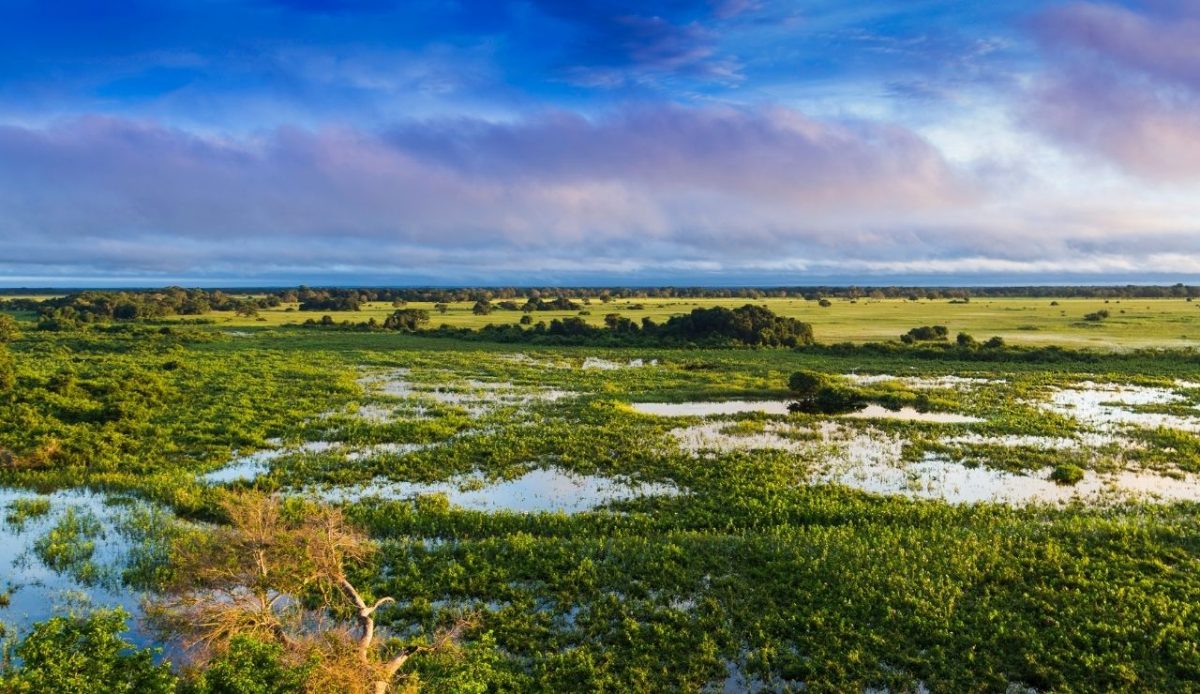
The Pantanal is the world’s largest tropical wetland, shaped by annual floods that reorganize feeding areas across broad plains. Open habitat and abundant prey support unusually high jaguar densities, and large numbers of caiman and water birds persist. Much of the region lacks urban buildout, and many wildlife areas are reached by boat or rough tracks. Private reserves and protected parks help maintain connectivity so animals can move with the water levels. Fire seasons can be severe, yet recovery is supported when flood pulses return, and conservation programs focus on reducing ignition sources and protecting key river corridors for predators.
