
Some cities save their real energy for the evening hours. After sunset, neighborhoods have music, lights, and food that keep people out long past midnight. Streets stay active, public spaces become meeting points, and late-night transport keeps things moving. Teens see these hours as the most exciting part of travel, while older visitors remember when nights carried the same kind of energy years ago. The following cities show how nightlife is not only about fun but also about how communities gather and share their culture after dark.
1. Tokyo, Japan
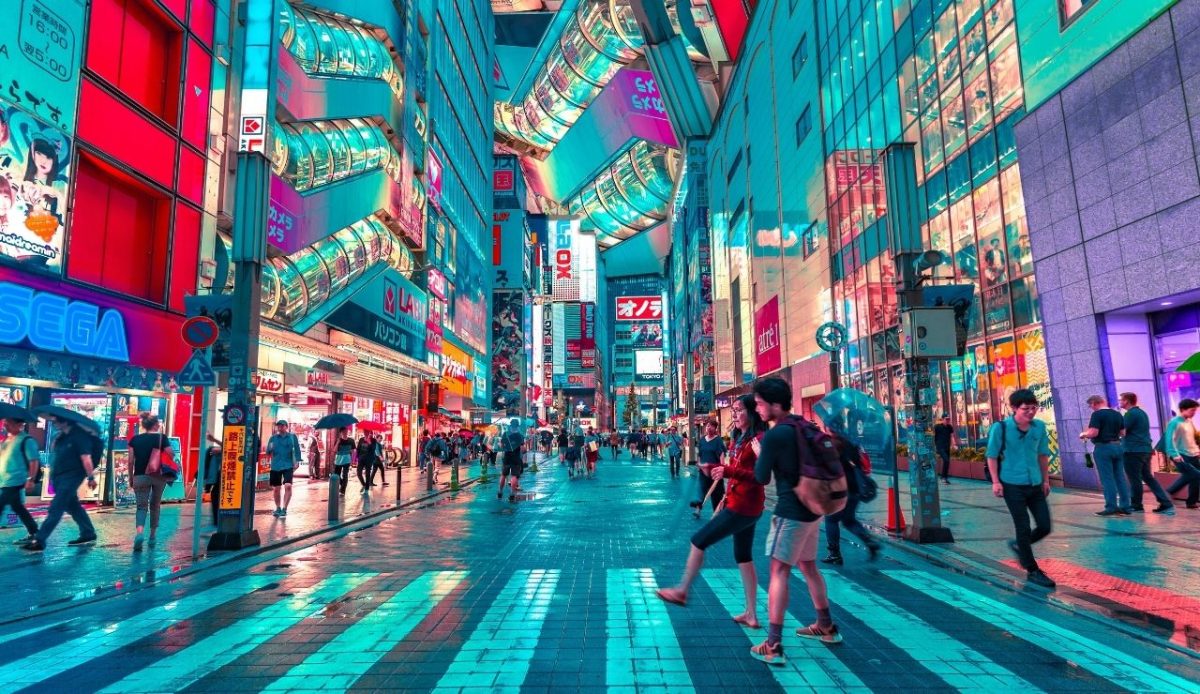
Tokyo shows a different rhythm after dark, with areas across the city staying active well past midnight. Shinjuku is known for restaurants and bars that remain busy, while Shibuya Crossing glows with huge screens above constant crowds. Teens enjoy karaoke spots, gaming centers, and small eateries, while nostalgic visitors recall quiet lanes near Asakusa’s temples where lanterns shine late into the night. Tokyo demonstrates how a city can support both fast nightlife and slower traditions, making its evenings just as memorable as its busy days.
2. New York City, USA
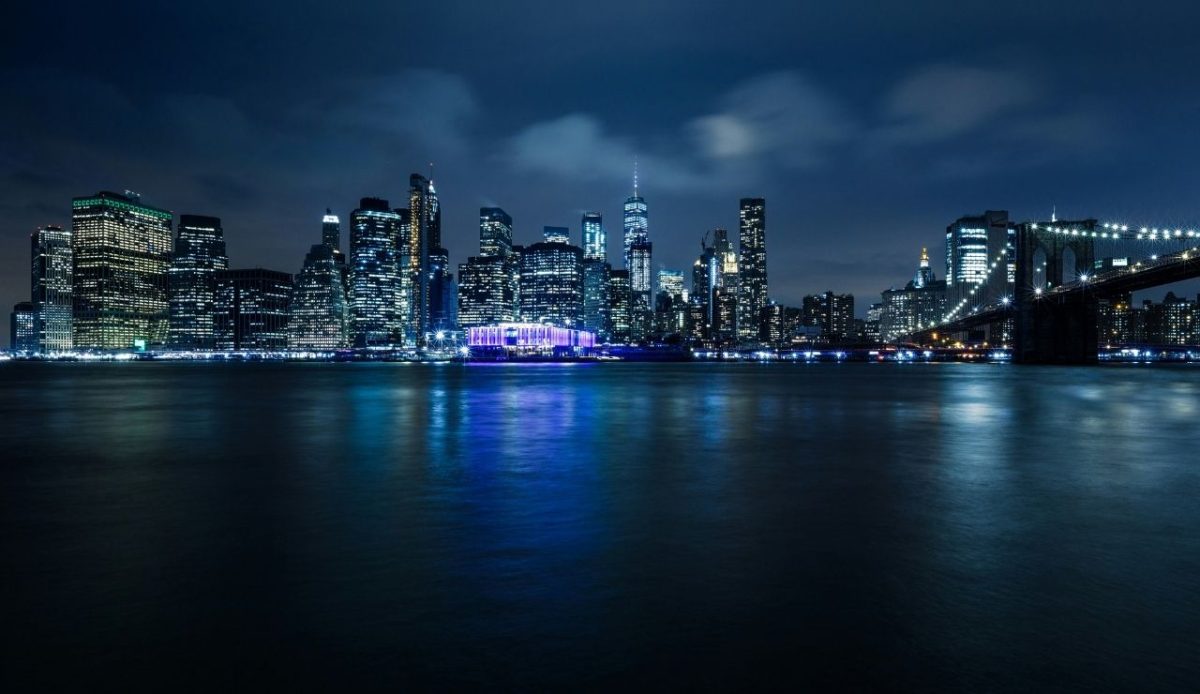
New York has long been called the city that never sleeps, and its nighttime rhythm proves why the name fits. Times Square is crowded with theaters, shops, and glowing lights, while Harlem offers jazz clubs that stay open late. Comedy shows, rooftop lounges, and diners add variety for those seeking more options. Teens often see the city’s subway system as freedom to explore at all hours, while older travelers remember evenings when neon storefronts and music filled the streets. New York shows that its character is strongest when the sun goes down.
3. Bangkok, Thailand
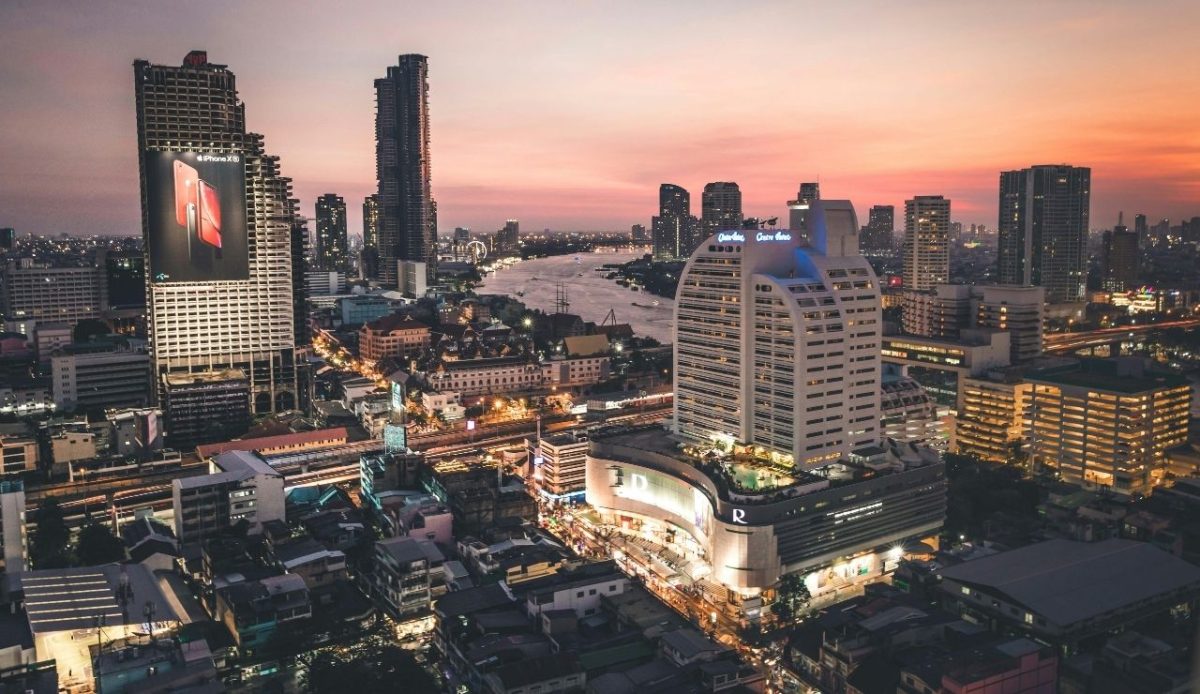
Bangkok reveals a different personality after sunset, when markets, river cruises, and busy streets define the city’s atmosphere. Khao San Road attracts younger travelers with music and dancing, while Sukhumvit offers a nightlife that continues until morning. Rooftop spots give sweeping views of the skyline, and the Chao Phraya River stays active with dinner boats. Teens are drawn to the food, noise, and colors, while nostalgic visitors recall nights where temples lit against the sky provided calm alternatives. Bangkok makes clear that its most defining experiences often happen long after daylight ends.
4. Barcelona, Spain
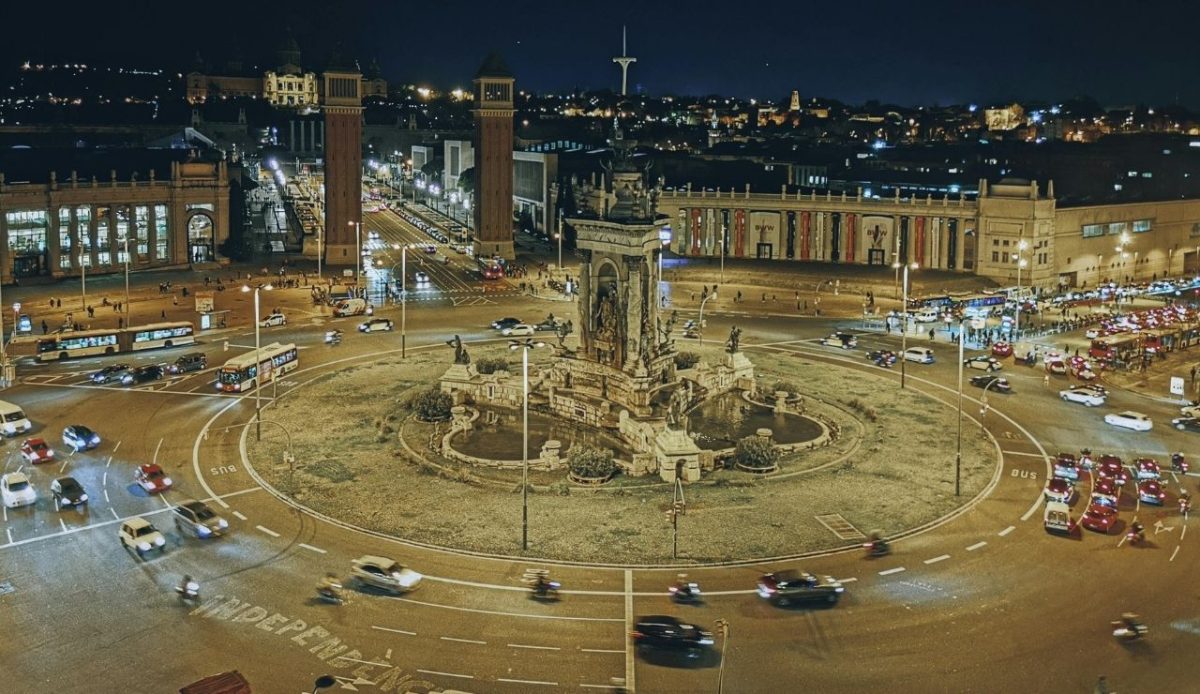
Barcelona remains lively into the evening, with plazas and narrow streets playing an important role in the city’s character. Tapas restaurants stay open late, with groups sharing meals while music spreads across courtyards. Las Ramblas attracts visitors with performers and shops that continue past midnight. Teens find excitement in the constant activity, while older travelers recall nights where conversation, food, and music created memorable experiences. Barcelona highlights how Spain’s culture often moves at a slower pace during the day but comes alive strongly at night, making evenings feel central to daily life.
5. Rio de Janeiro, Brazil
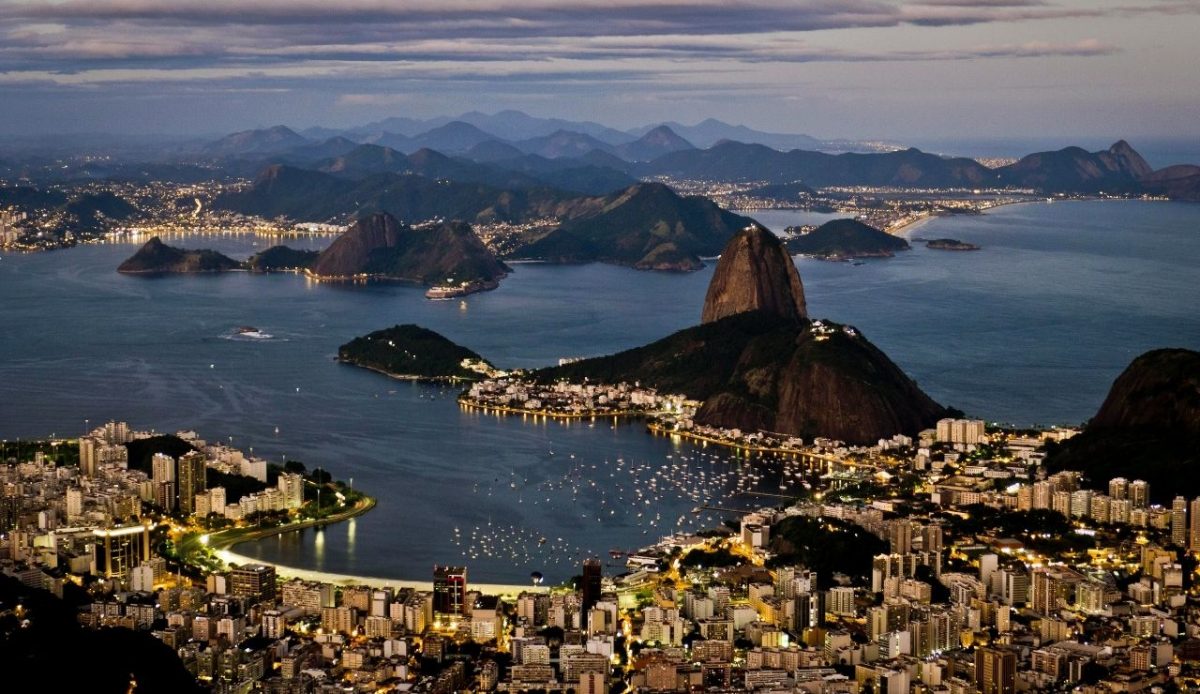
Rio de Janeiro is known for its music and movement, and these qualities continue strongly into the night. Samba clubs spill rhythm and dancing into nearby streets, while Copacabana and Ipanema beaches stay active with soccer games, vendors, and groups that gather until morning. Teens are drawn to the sounds and gatherings across the city, while nostalgic adults recall evenings when laughter, drums, and beach energy stretched endlessly. Rio demonstrates how nightlife can connect communities across different spaces, creating nights that feel just as important as days spent in the sun.
6. Berlin, Germany
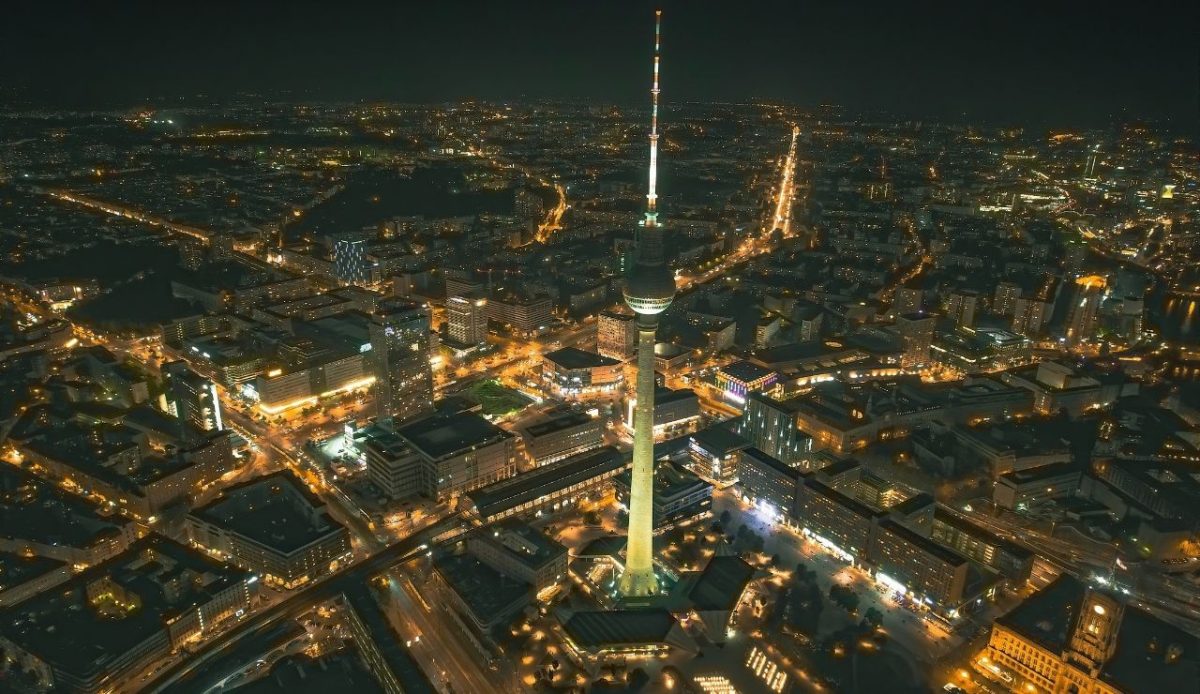
Berlin carries a reputation for its nightlife, and that reputation is built on variety and history. Clubs across the city are famous for staying open until daylight, with music events that last through the night. Beyond clubs, streets with murals and small galleries remain busy, giving neighborhoods a strong cultural character. Teens enjoy the open and welcoming atmosphere, while older visitors recall when Berlin’s nightlife became a symbol of freedom and creativity. Berlin proves that its night hours are as important as its daytime culture, offering music, art, and community that shape the city’s identity.
7. Dubai, United Arab Emirates
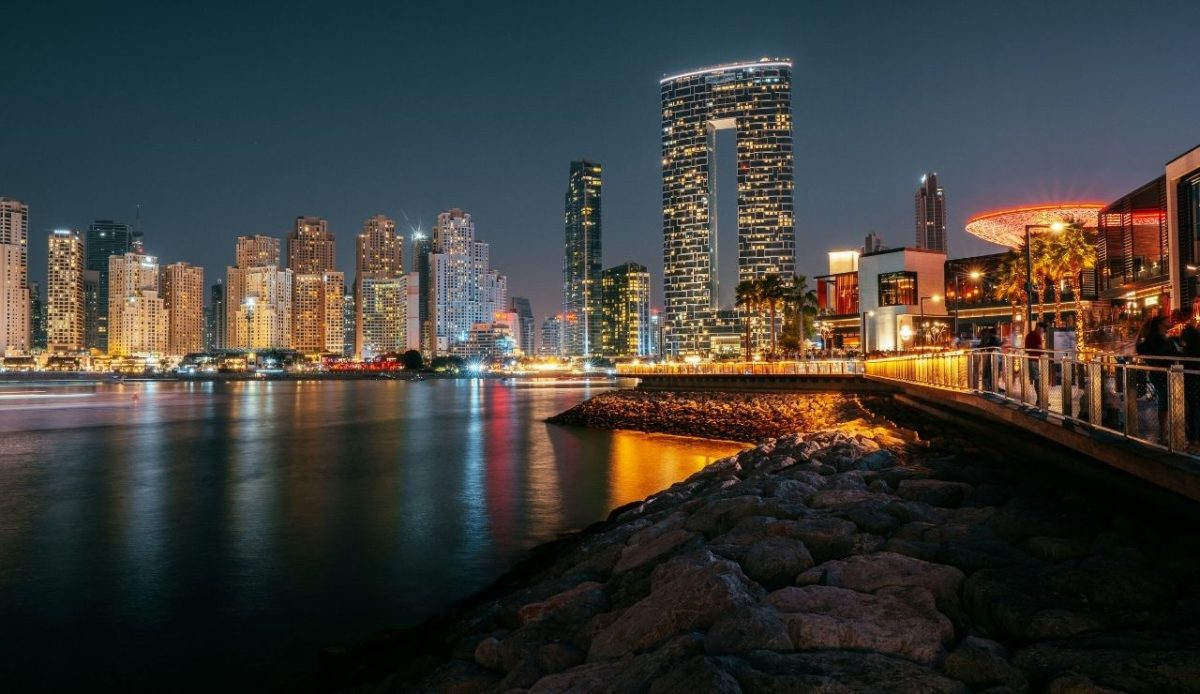
Dubai shows two sides at night, with its towers and shopping centers on one hand and its souks and older traditions on the other. The Burj Khalifa dominates the skyline, while fountains and shopping districts keep people entertained late into the evening. Traditional markets stay open, where gold, spices, and crafts are sold in busy lanes. Teens are impressed by the futuristic look, while nostalgic travelers recall evenings with strong coffee, small gatherings, and open-air stalls. Dubai demonstrates how a city can combine modern ambition with cultural heritage in ways that remain clear after dark.
8. Paris, France
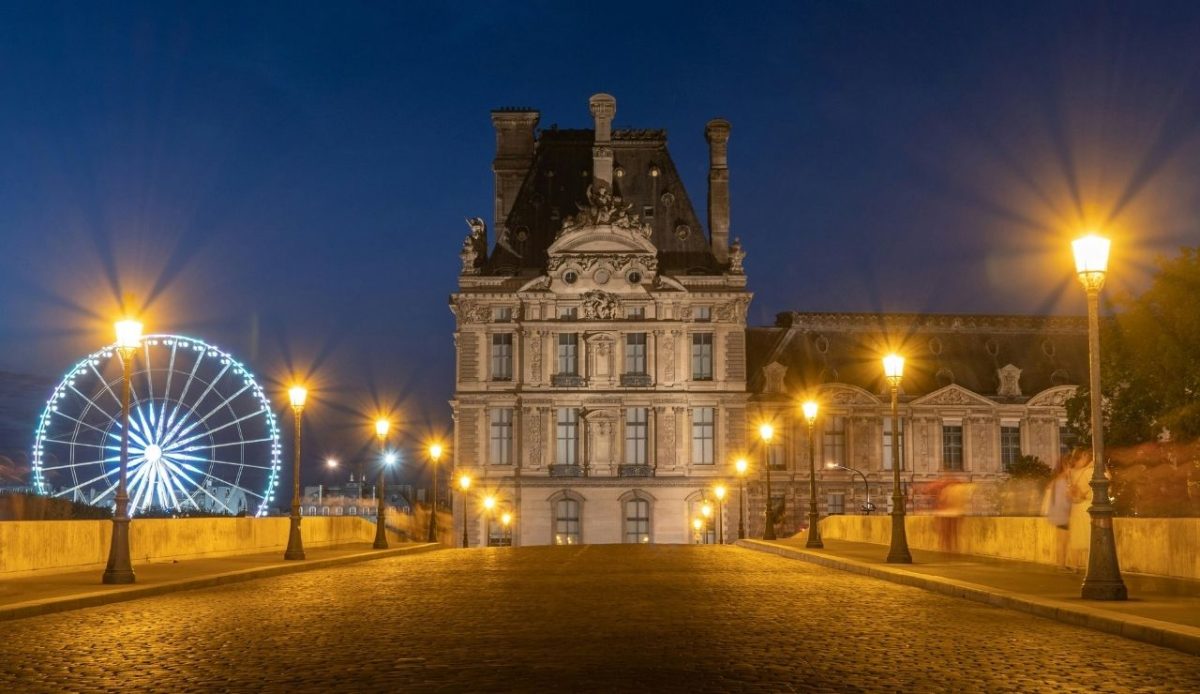
Paris continues to carry its image as the City of Light, especially after sunset when its most famous areas stay active. Cafés in Montmartre remain open late, while the Seine’s bridges and boulevards glow under steady rows of lamps. The Eiffel Tower sparkles regularly, drawing crowds who gather to watch. Teens enjoy the chance to explore public squares and river paths, while nostalgic adults recall nights when musicians and performers gave evenings a familiar rhythm. Paris proves that its character does not end with daytime hours but often grows stronger at night.
9. Hong Kong, China
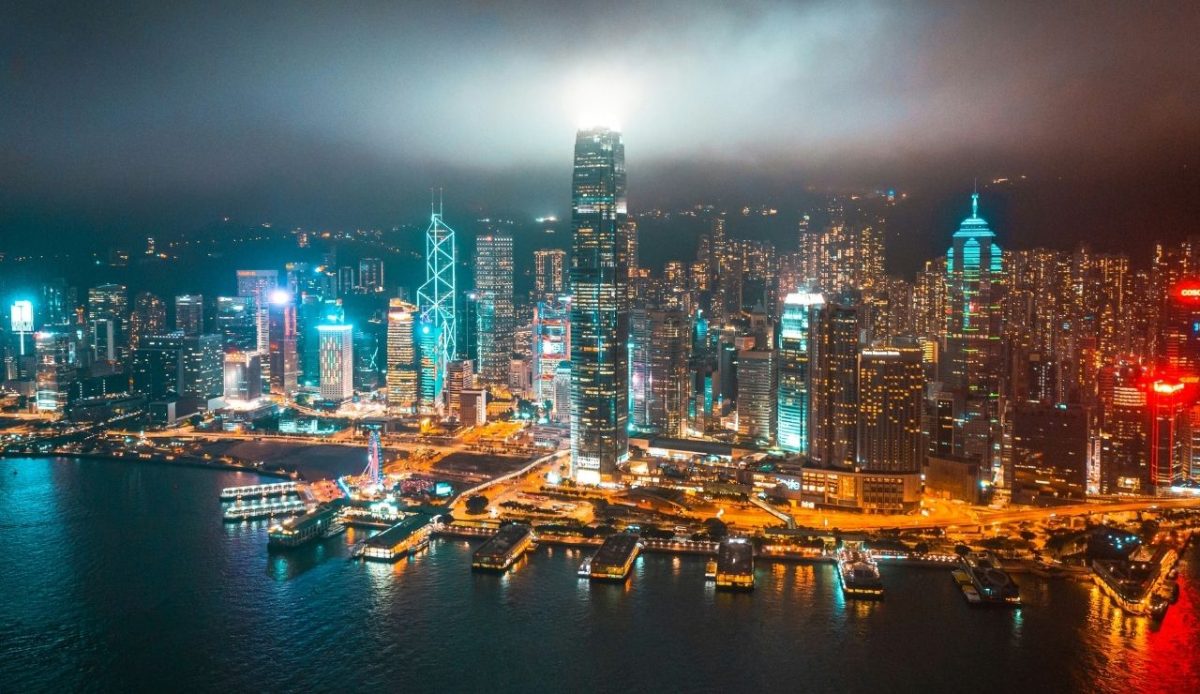
Hong Kong is widely recognized for its skyline, and nighttime brings that view to life. Towers across Victoria Harbor light up, while ferries give visitors a clear perspective from the water. Temple Street Night Market remains active, with food vendors, small shops, and music creating an energetic atmosphere. Teens enjoy the colors and sound of crowded streets, while nostalgic visitors recall evenings when small meals and harbor breezes created a sense of connection. Hong Kong highlights how modern business areas and traditional markets can operate together during night hours.
10. Istanbul, Turkey
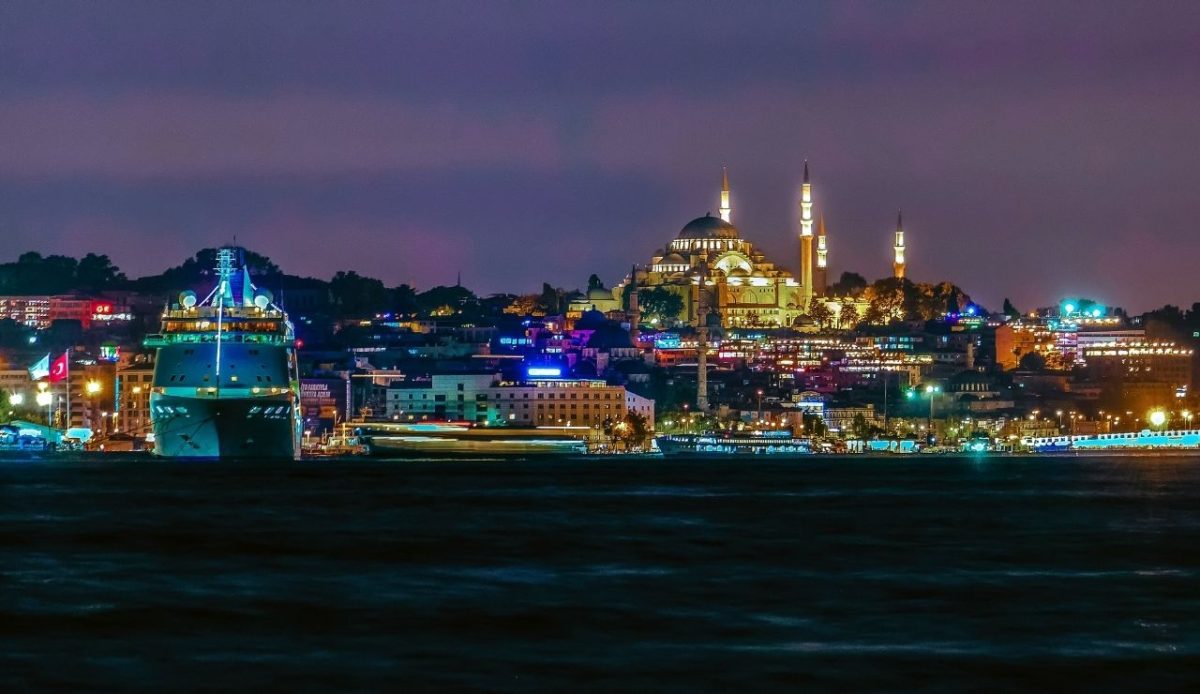
Istanbul blends culture and history into its evenings, offering a strong sense of identity once the sun sets. Hagia Sophia and the Blue Mosque are lit against the sky, showing their architecture in a different way than during the day. Bazaars remain open, with vendors selling food, clothing, and spices to late-night visitors. Cruises along the Bosphorus show bridges and palaces under steady light. Teens enjoy the activity of the streets, while nostalgic adults recall nights when music and prayer calls mixed. Istanbul shows how history and nightlife connect in visible and memorable ways.
11. London, England
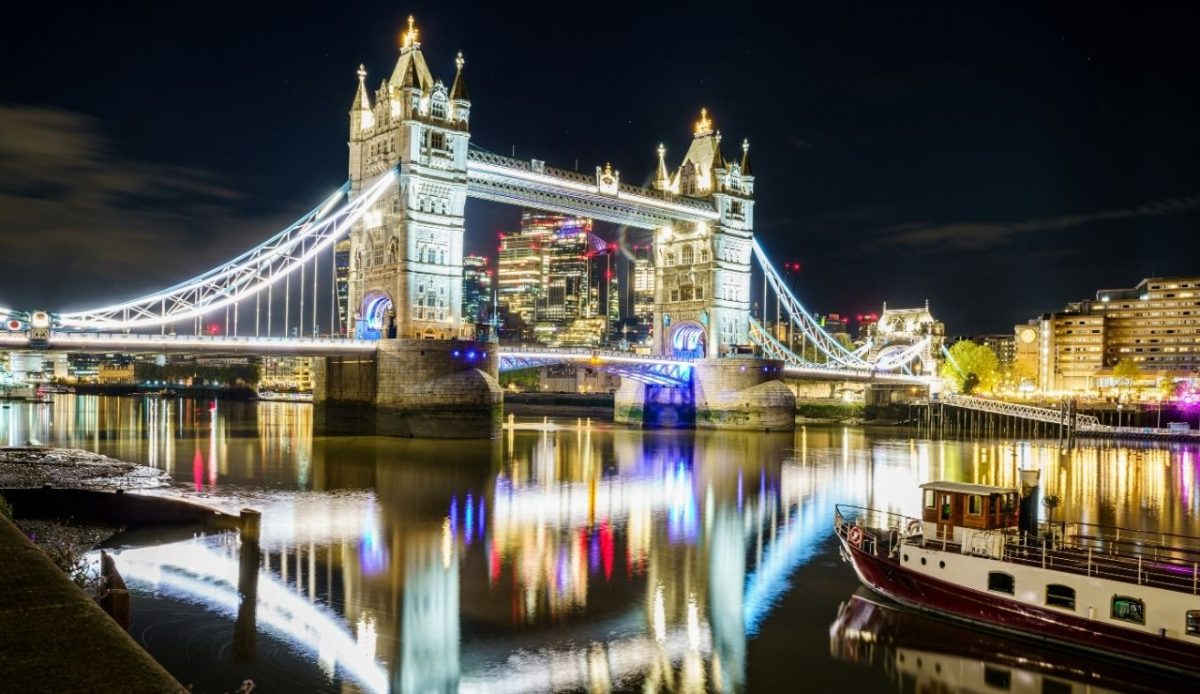
London shows how tradition and modern activity work side by side after dark. The West End attracts crowds with theaters that run shows into the evening, while pubs across the city remain social centers. The Thames provides a backdrop, with bridges and landmarks glowing for nighttime walks. Teens enjoy the variety of markets and live music venues, while nostalgic adults recall nights when buses, diners, and storefronts shaped the atmosphere. London demonstrates that nighttime is not simply an extension of the day but a time with its own culture.
12. Mexico City, Mexico
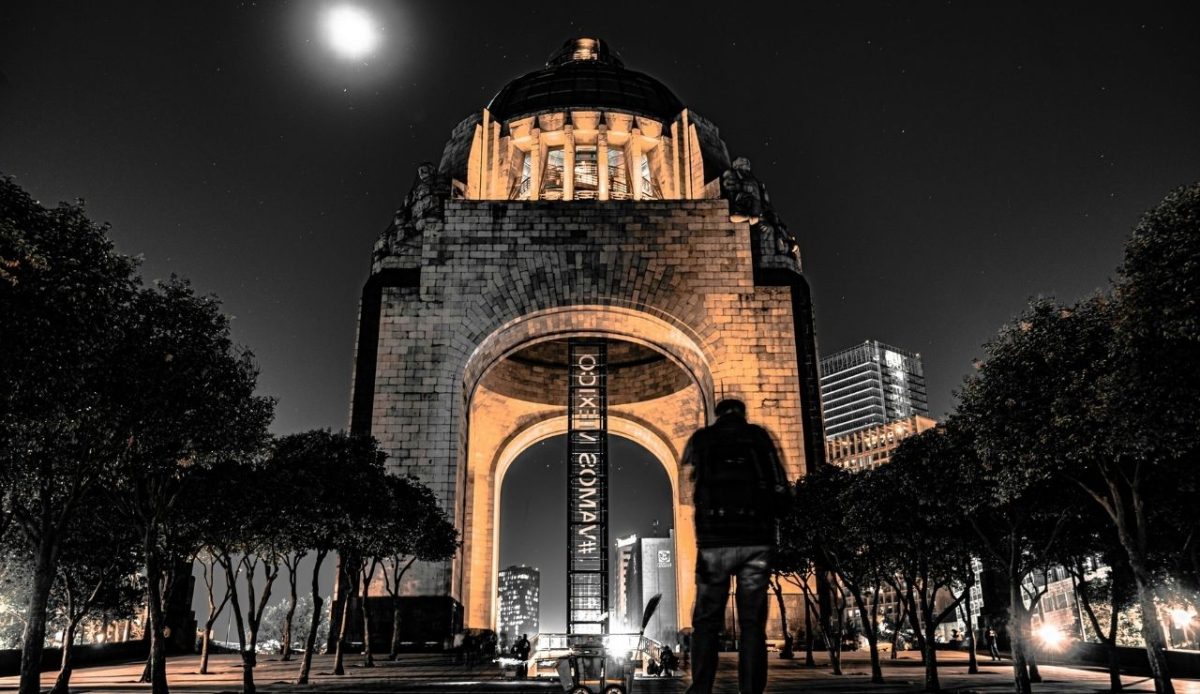
Mexico City stays active through the night, especially in its central plazas. Plaza Garibaldi is known for mariachi bands that play until morning, while Zócalo offers space for music and dance. Street vendors provide tacos, drinks, and snacks long after restaurants close, turning sidewalks into casual gathering areas. Teens enjoy the food and movement, while nostalgic travelers recall nights when music and history combined in the city’s heart. Mexico City demonstrates how food, music, and public space connect people across generations long into the night.
