
Traveling across America can feel like entering a patchwork of unique cultures, where each city and town has its own unwritten rules. From tipping etiquette in diners to subtle traffic norms in small towns, visitors quickly notice local customs that residents take for granted. These rules aren’t in guidebooks, yet they shape daily interactions and experiences in ways that make every visit smoother and more enjoyable. Recognizing and respecting them allows travelers to blend in, enjoy smoother visits, and gain a deeper appreciation for regional quirks that make each American destination distinct and memorable.
1. Always Tip Servers
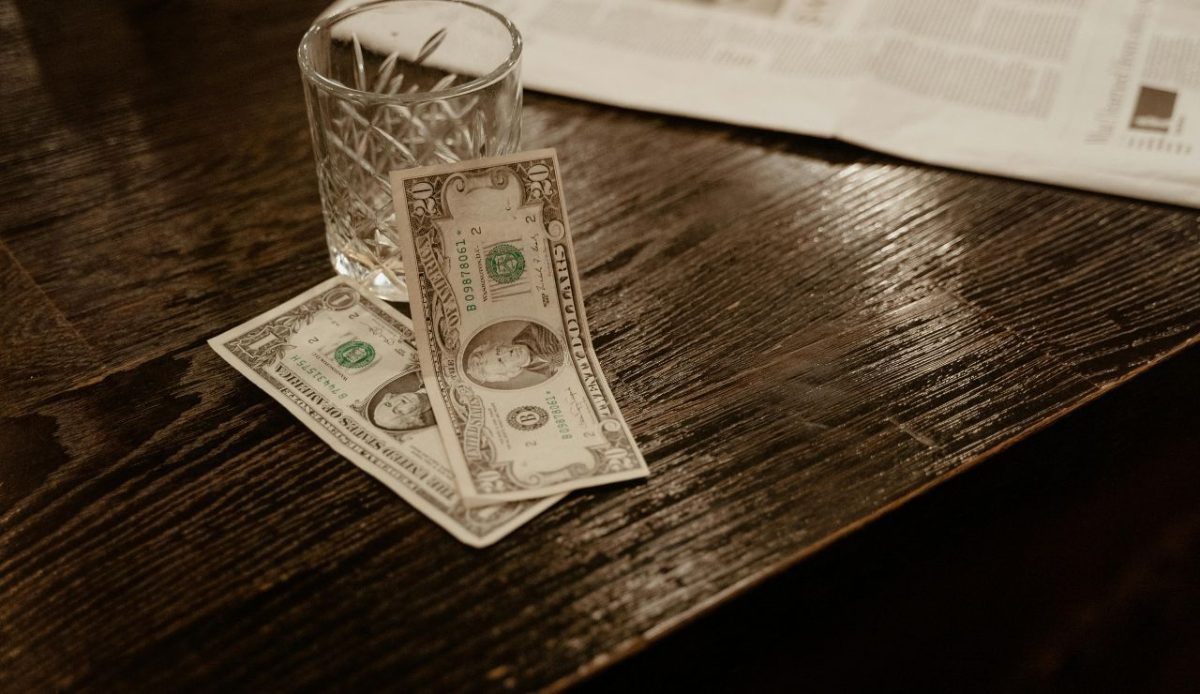
In most of America, tipping at restaurants is expected, usually around 15–20% of the bill. Travelers often notice that service staff rely on tips for income, and ignoring this can be seen as rude or disrespectful. Even casual diners and coffee shops have tipping jars. In some regions, failing to tip is considered a serious faux pas. Learning local tipping customs can prevent awkward moments and ensure polite interactions. Travelers quickly realize that tipping culture varies slightly by city and state, but showing appreciation for good service is universally respected across the country and widely expected everywhere.
2. Keep Right on Highways
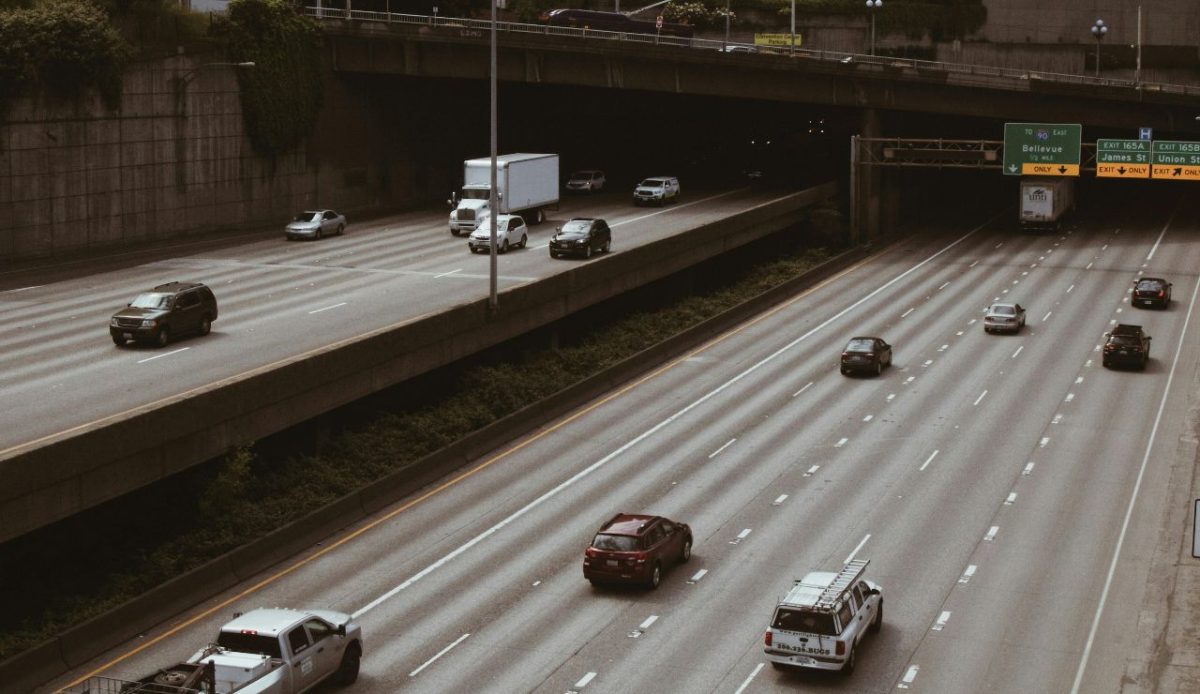
On U.S. highways, slower drivers are expected to stay in the right lane while faster traffic uses the left lane. Tourists often notice impatience from locals if this isn’t followed. Left-lane hogging can lead to honking or flashing headlights, creating stressful situations. Understanding this subtle traffic etiquette helps avoid unnecessary stress while driving. It also ensures a smoother flow of traffic, particularly in busy metropolitan areas. Even in smaller towns, observing lane rules is a sign of courtesy and awareness, demonstrating that visitors respect local driving culture and road safety norms at all times.
3. Queue Properly in Stores
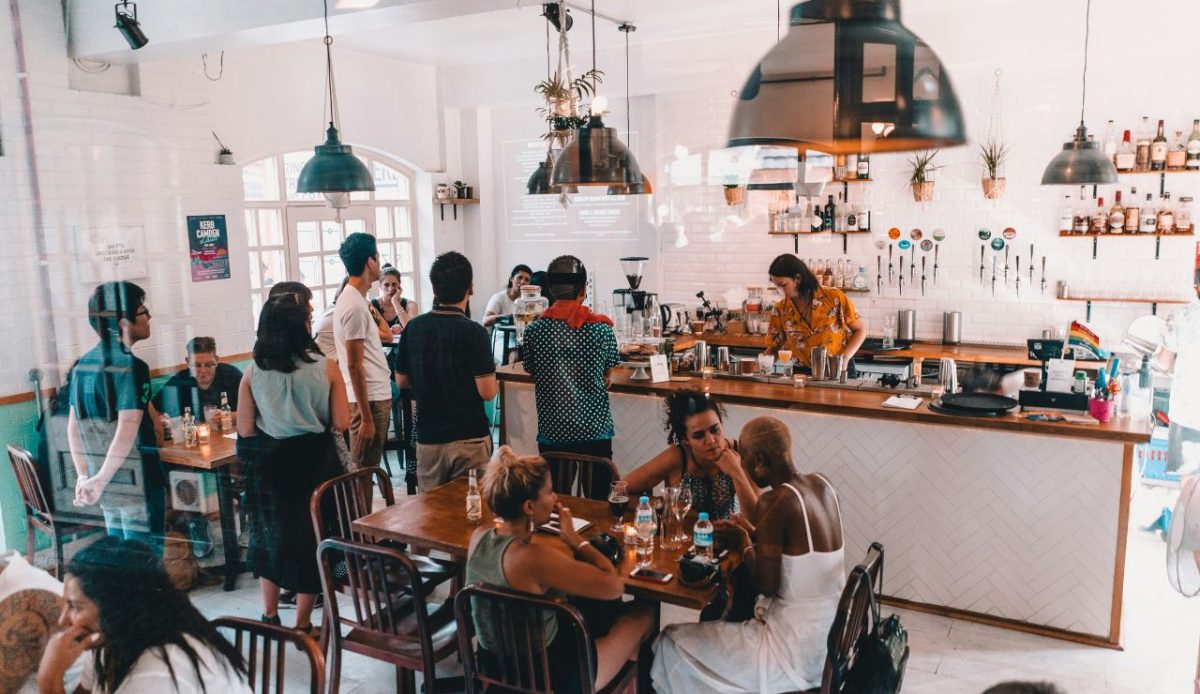
Americans are serious about waiting their turn in lines, whether at grocery stores, coffee shops, or amusement parks. Cutting ahead or trying to merge disrupts the social order and often draws disapproving looks. Travelers quickly notice the importance of patiently queuing and following any posted line markers. Even small gestures, like letting someone ahead if they only have one item, are appreciated. Lines reflect a broader cultural expectation of fairness, politeness, and respect for others’ time, showing that understanding simple queue etiquette helps visitors blend seamlessly into daily life.
4. Respect Personal Space
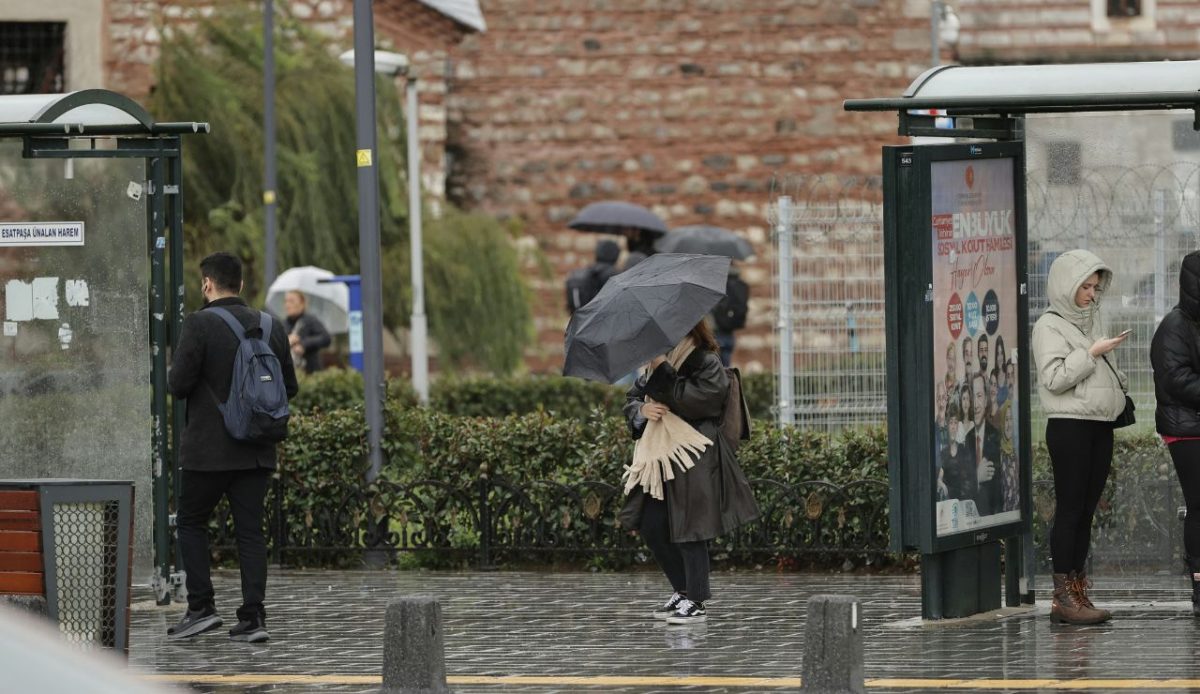
Americans value personal space, often keeping an arm’s length between themselves and strangers. Travelers may be surprised by the preference for distance in public areas, stores, and public transport. Standing too close can feel intrusive, while maintaining appropriate space shows respect. This rule extends to conversations and seating arrangements, emphasizing comfort in social interactions. Recognizing personal space norms allows visitors to navigate crowds without discomfort, demonstrating cultural awareness. Observing subtle cues like body language helps travelers feel more at ease and avoid accidental breaches of etiquette.
5. Observe Crosswalk Signals
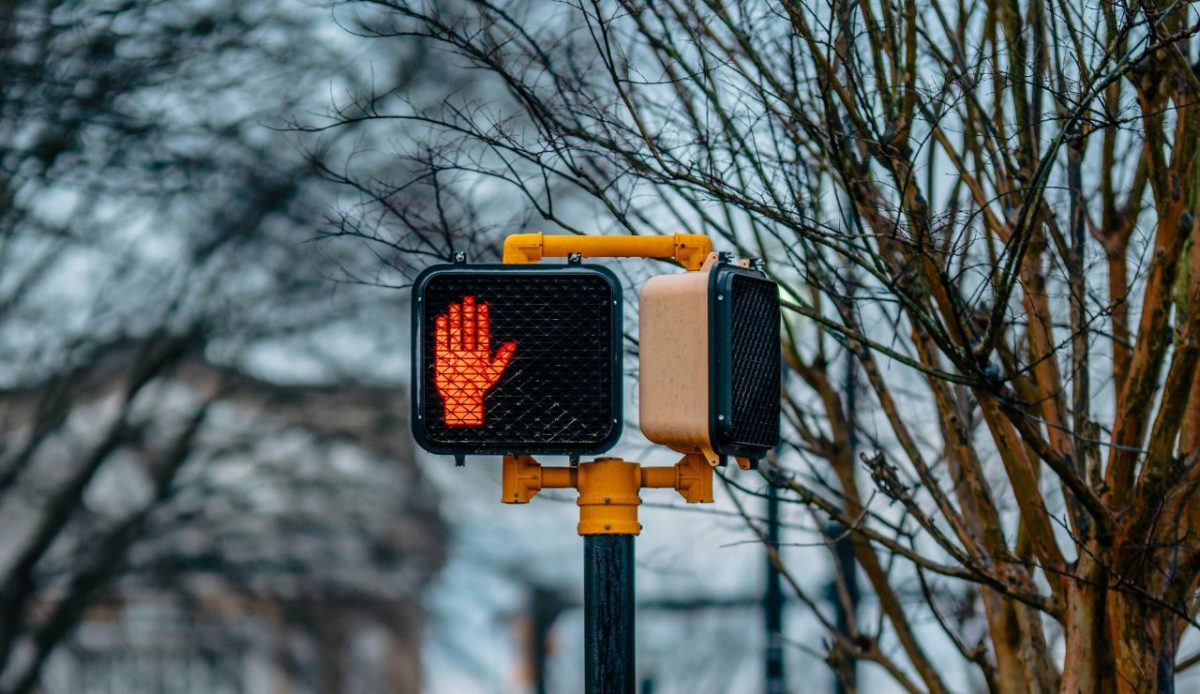
Jaywalking can be common in some countries, but in the U.S., pedestrians are expected to follow crosswalk signals, especially in cities. Locals often wait for the walk sign, and crossing against it may attract annoyed looks or even fines in stricter areas. Travelers notice that obeying these signals keeps them safe and shows respect for local laws. Even in smaller towns where traffic is light, using crosswalks is standard practice. Understanding and following pedestrian rules ensures a smoother experience and signals awareness of community safety expectations, making urban exploration stress-free.
6. Don’t Block Sidewalks
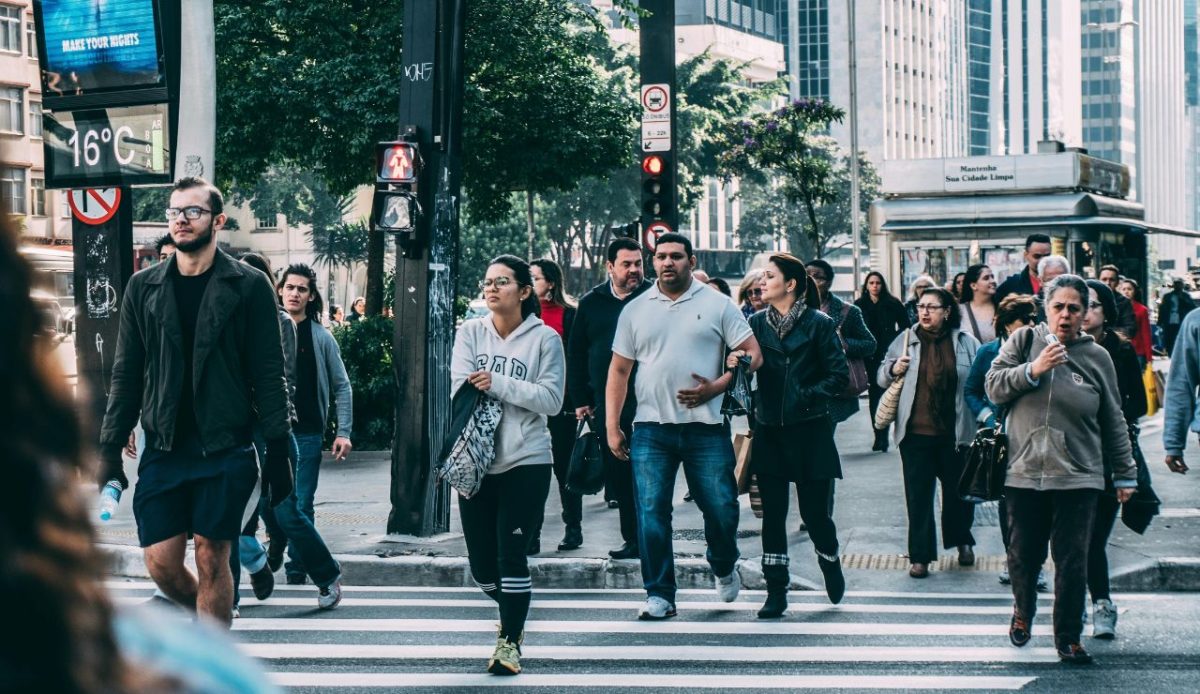
Sidewalks are meant for walking, and standing in the middle can frustrate locals, especially in busy city centers. Travelers notice that crowds tend to flow in one direction, and blocking the path is considered rude. Even casual pauses are best done to the side to allow movement. In urban areas with tourists and commuters, observing this unwritten rule maintains harmony and ensures everyone can move freely without annoyance. It also reflects respect for shared public spaces and the rhythm of local life. Visitors quickly learn that small gestures, like stepping aside when checking phones, are appreciated and help them blend in smoothly.
7. Follow Parking Rules
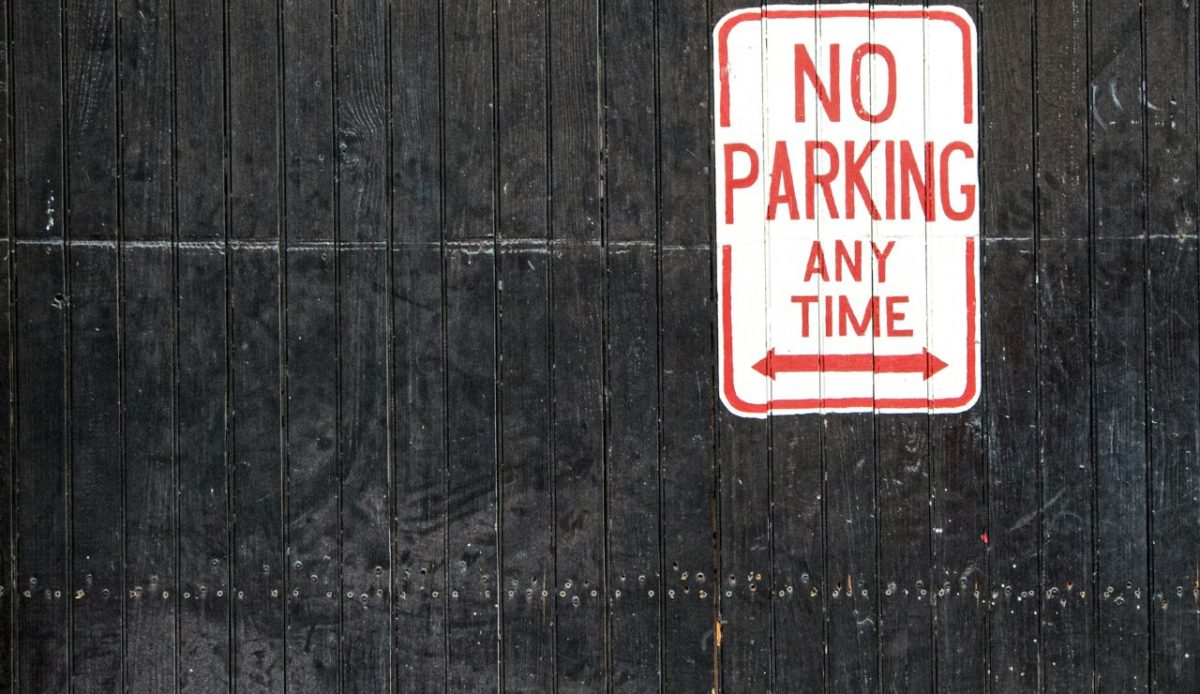
Parking signs in American cities are strict, and ignoring them can result in tickets or towing. Travelers often notice that local drivers meticulously obey restrictions, even for short stops. Understanding time limits, meter regulations, and permit zones helps avoid unnecessary fines. This rule extends to private lots and residential areas. Paying attention to signage and local parking etiquette shows respect for rules and reduces stress. Quick observation of common patterns, like angle parking or clearly marked spaces, ensures that visitors navigate parking responsibly while avoiding conflict with local drivers.
8. Be Polite to Staff
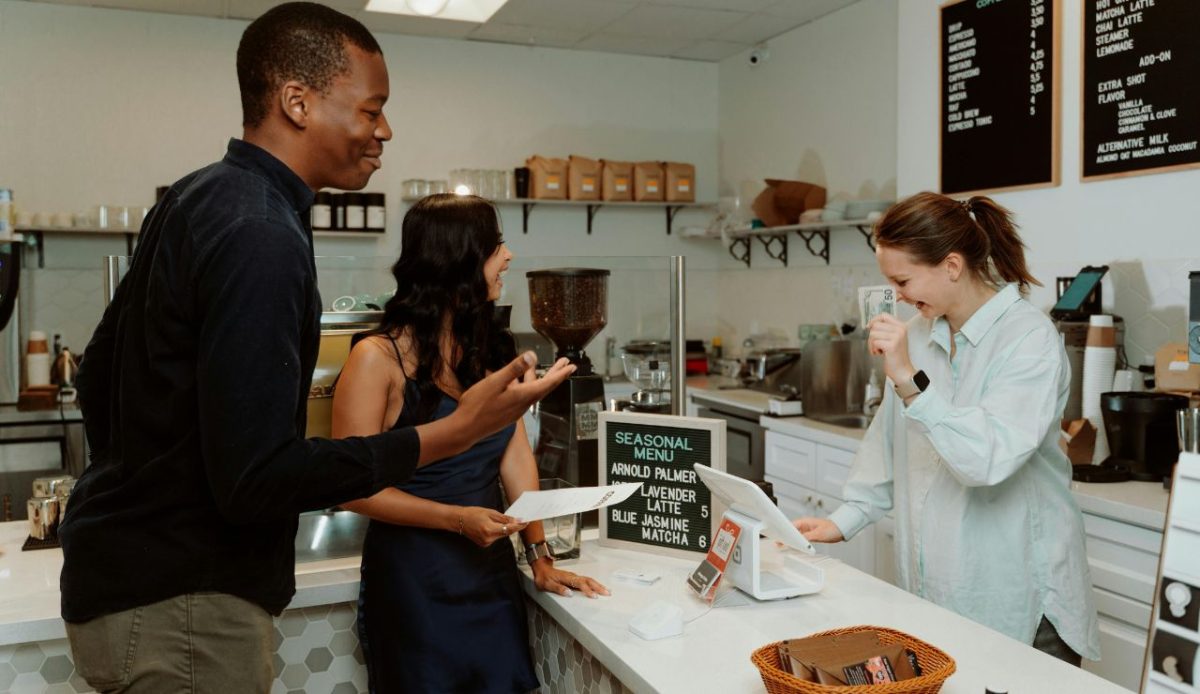
Friendly interactions with cashiers, waiters, and service staff go a long way in America. Travelers notice that politeness is expected, and simple greetings, “please,” and “thank you” make a noticeable difference. Staff often remember courteous visitors, while rudeness is remembered as well. Even brief interactions at coffee shops, stores, or hotels reflect overall social manners. Following this unwritten rule improves experiences and creates positive impressions. Small gestures, like holding doors or acknowledging assistance, demonstrate respect for service roles and contribute to a smoother, more welcoming trip.
9. Respect Quiet Hours

In many neighborhoods, especially residential areas, Americans observe quiet hours during evenings or early mornings. Travelers may notice subtle cues, such as muted music or restrained voices. Ignoring these expectations can draw complaints or unfriendly attention. Hotels, hostels, and Airbnb rentals often reinforce quiet times. Observing these norms demonstrates cultural sensitivity and ensures peaceful interactions with locals. Understanding quiet hours allows visitors to enjoy their accommodations responsibly while showing consideration for community comfort, making travel more pleasant for both guests and residents.
10. Follow Recycling and Trash Rules
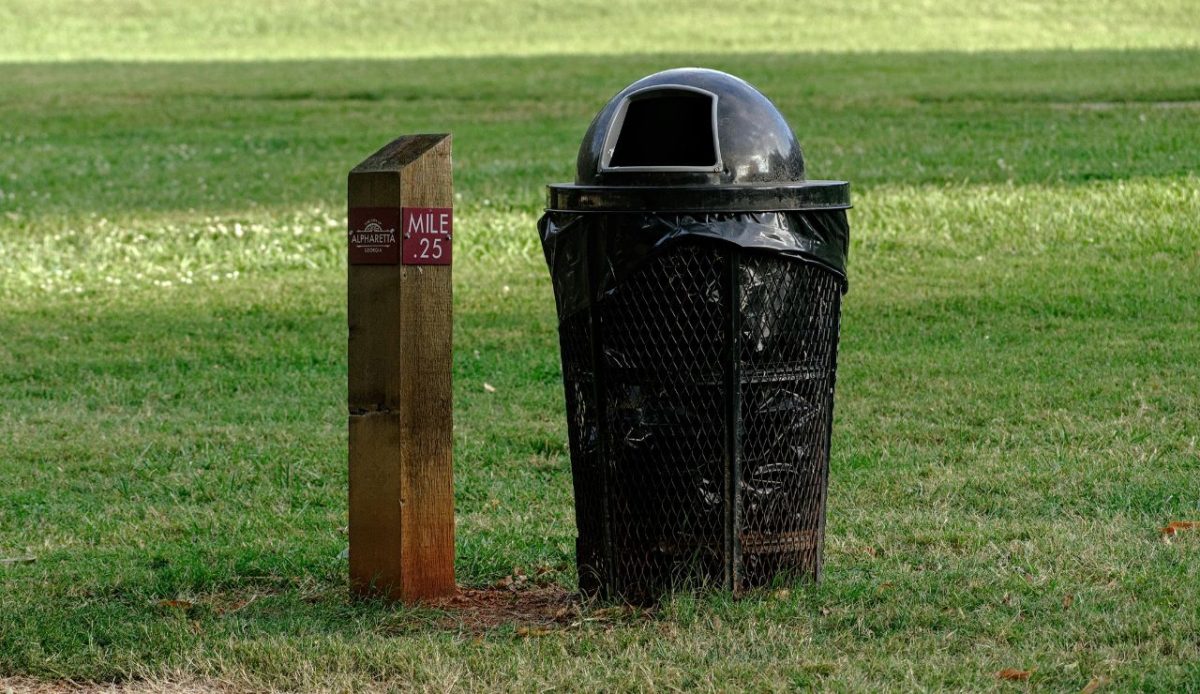
Cities and towns across the U.S. have distinct recycling and trash disposal rules. Travelers quickly notice the separation of recyclables, compost, and landfill items. Residents are diligent, and ignoring these rules can cause embarrassment or minor fines. Trash pickup schedules and bin placement are also carefully followed. Learning local waste etiquette helps travelers reduce environmental impact and respect civic regulations. Awareness of these practices demonstrates responsibility and cultural respect, allowing visitors to blend into everyday routines while contributing to cleaner, more sustainable communities.
11. Don’t Ignore Small Talk

In many parts of America, casual small talk is a social norm, whether at shops, cafes, or public transport. Travelers may be surprised by greetings and polite inquiries about the weather or daily life. Engaging, even briefly, shows friendliness and respect. Locals interpret participation as an appreciation for community culture. Ignoring these cues can make interactions feel awkward. Observing this unwritten social rule allows travelers to build rapport, navigate conversations more comfortably, and enjoy richer, more authentic experiences when interacting with residents across different regions.
12. Respect Local Driving Norms
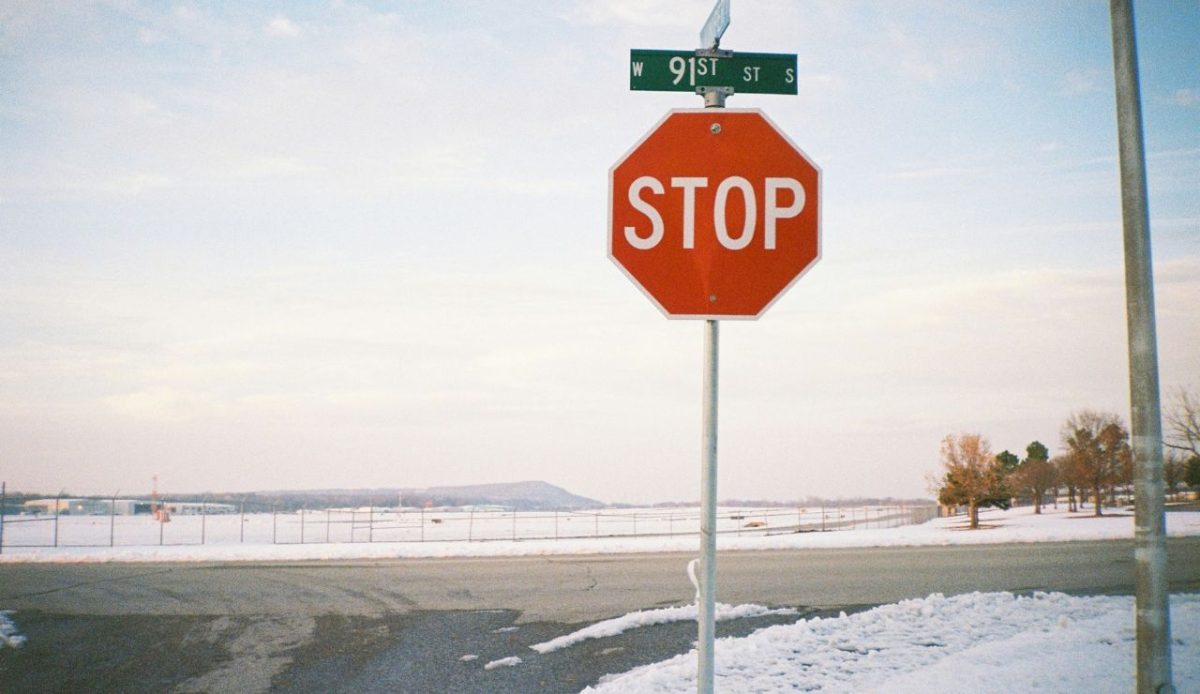
Driving styles vary across the country, and each region has subtle norms, from using turn signals to yielding at four-way stops. Travelers often notice that locals adhere strictly to these unwritten rules. Ignoring them can lead to frustration or unsafe situations. Understanding right-of-way, signaling, and merging habits improves road safety and builds local goodwill. Observing subtle cues, like speed adjustments and courteous lane changes, helps visitors drive confidently and respectfully. These small but important habits are essential for a smoother, more enjoyable experience on America’s roads.
