
Illegal or underground sports persist around the world, hidden from mainstream tourism but still practiced for tradition, adrenaline, or local entertainment.
From clandestine racing circuits to covert fighting arenas, these activities attract daring participants while remaining mostly unseen by outsiders. They often carry high risk, legal consequences, and cultural complexity.
This guide explores twelve destinations where underground sports quietly survive. Travelers can learn about these hidden subcultures, understand the risks, and appreciate the line between thrill-seeking and legality abroad.
1. Bangkok, Thailand
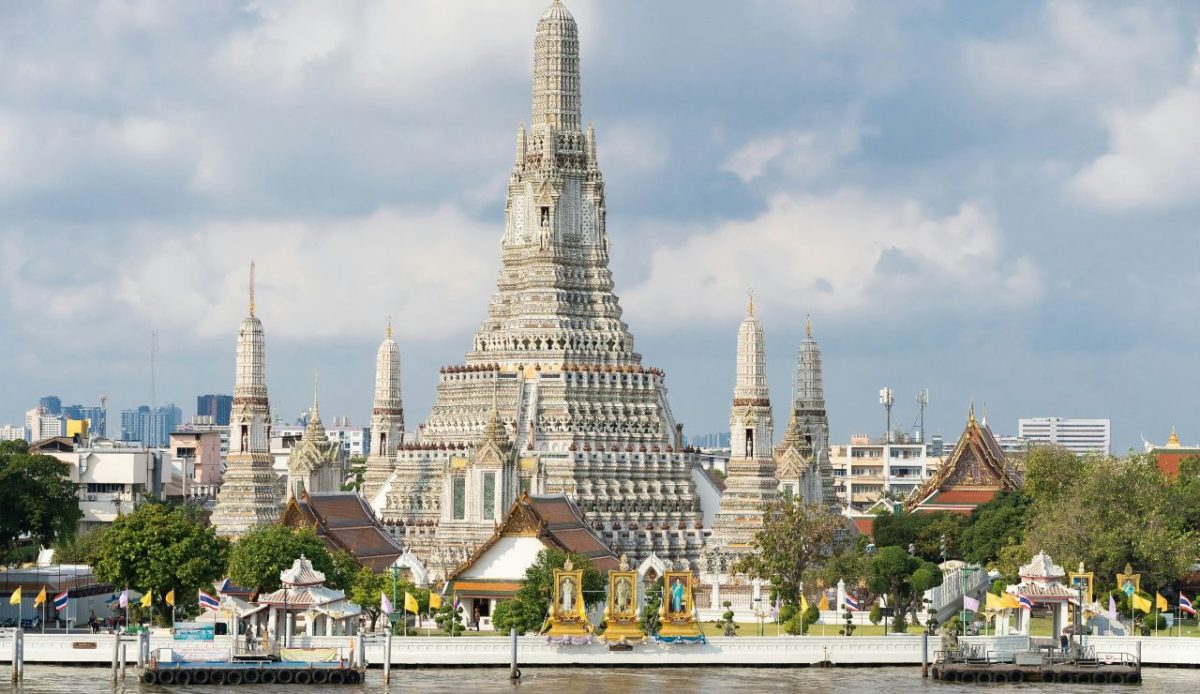
Bangkok’s urban sprawl hides a clandestine world of illegal Muay Thai bouts and unregulated fight rings. Participants risk fines, arrest, or even deportation if caught.
These underground fights attract locals seeking entertainment, gambling opportunities, or the thrill of raw combat outside sanctioned arenas. Events are often improvised in abandoned warehouses, hidden gyms, or private properties, adding an extra layer of danger.
Travelers should admire the culture from a distance. While the combat tradition is rich and culturally significant, attending or participating in illegal matches carries serious legal and personal risks, including potential physical harm.
2. Caracas, Venezuela
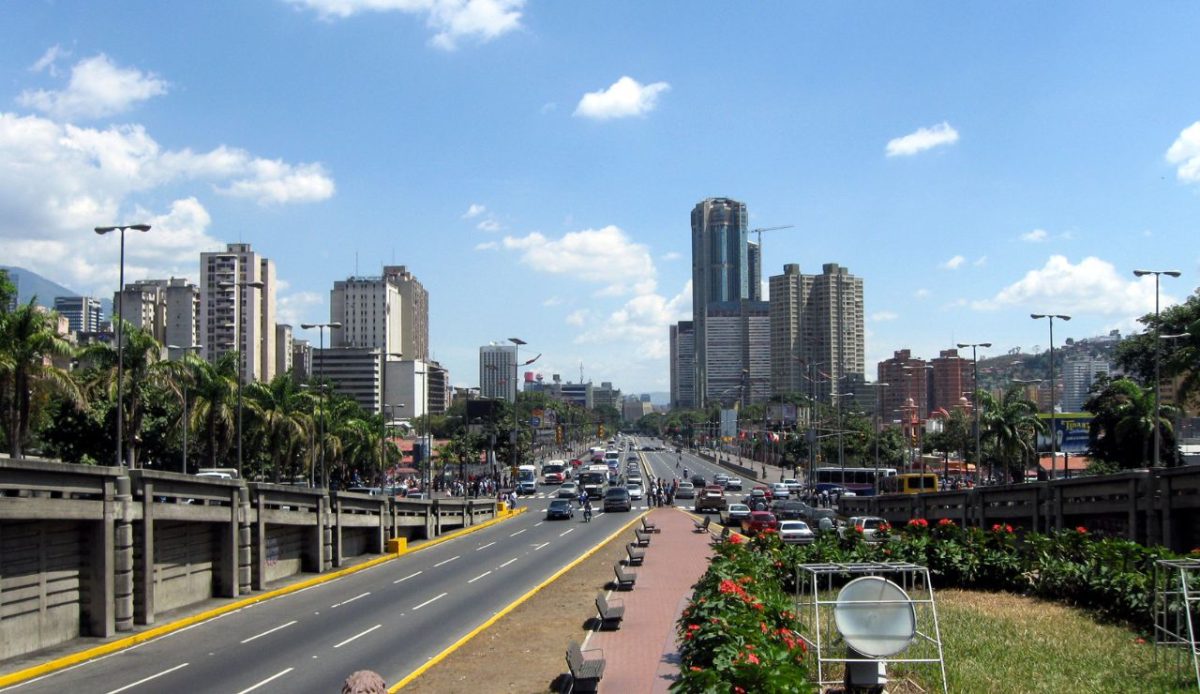
Caracas has a shadowy street racing scene fueled by adrenaline and the city’s chaotic traffic conditions. Illegal races occur in abandoned industrial zones, isolated highways, and secret urban tracks.
Events are organized through word-of-mouth or private social media groups, attracting drivers seeking extreme thrills outside legal circuits. Spectators crowd the streets, often unaware of the high-speed collision risks and police intervention.
While the underground culture is captivating, law enforcement frequently cracks down, and participants risk arrest, heavy fines, or vehicle confiscation. Observers should exercise extreme caution and avoid direct involvement.
3. Madrid, Spain
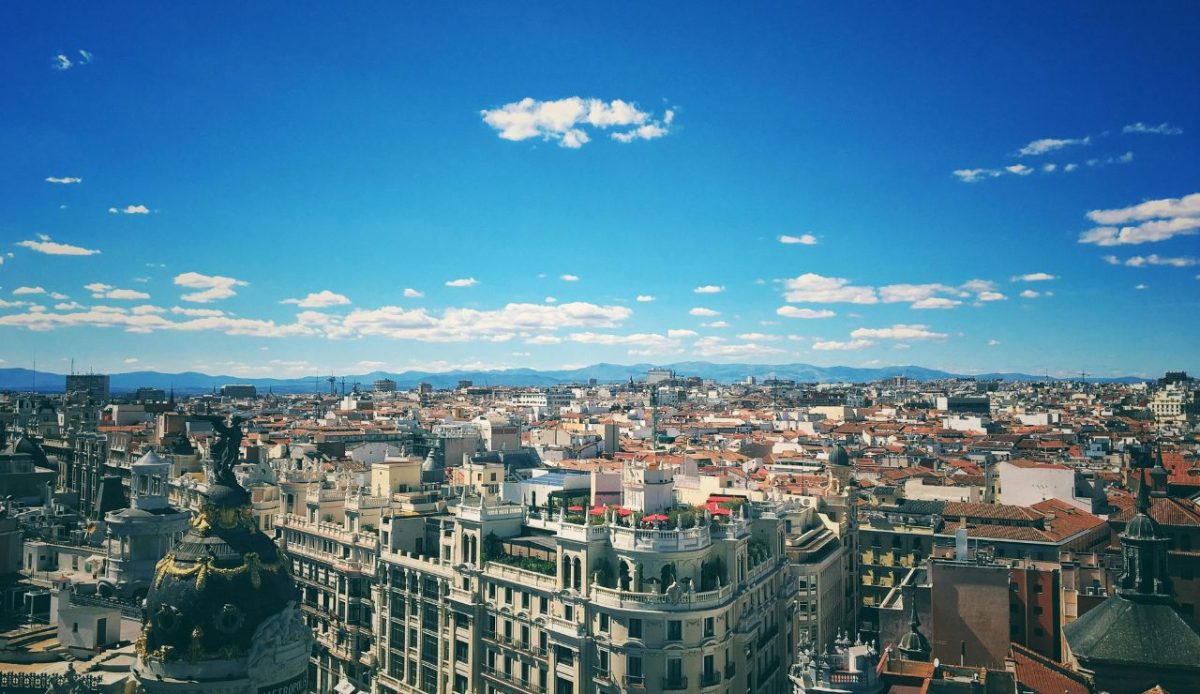
Madrid is home to underground bull-running events outside official festival calendars. These clandestine gatherings attempt to preserve local tradition while avoiding authorities.
Participants risk serious injury from untrained bulls and legal penalties, including fines or imprisonment. Spectators often witness raw displays of courage, adrenaline, and spectacle, though attendance is limited and secretive.
Travelers should approach cautiously. These secret events highlight the tension between heritage and legality, offering insight into local culture, but the risks of injury and legal consequences are high.
4. Manila, Philippines
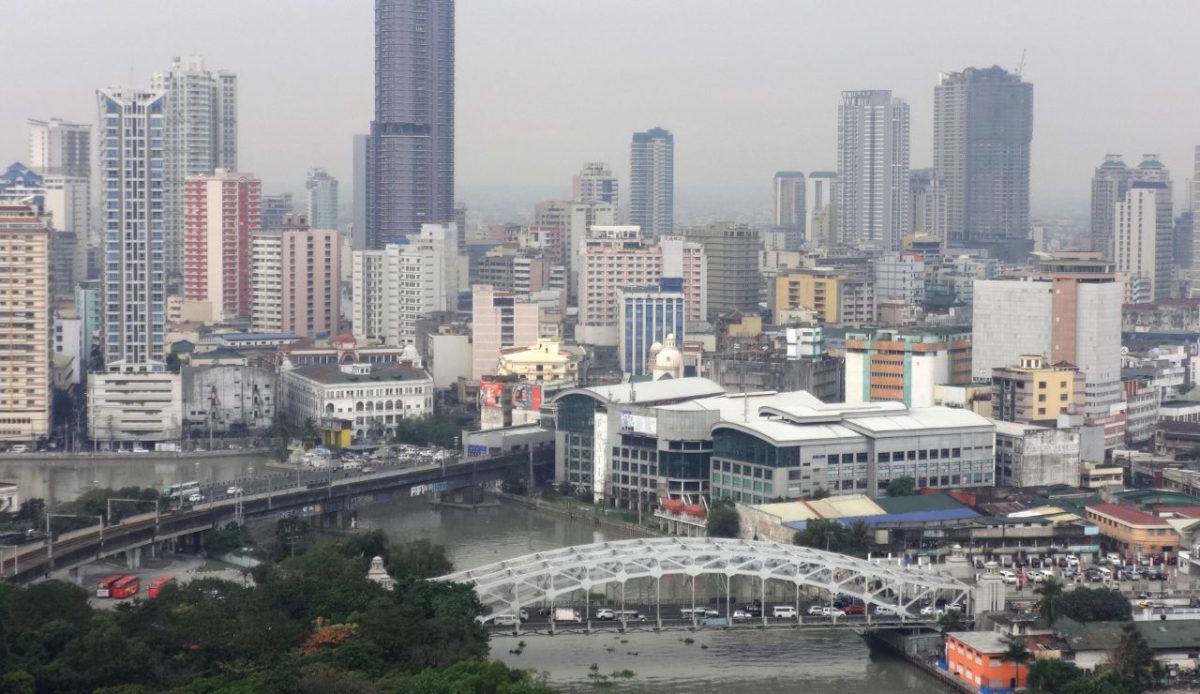
In Manila, underground cockfighting rings persist despite legal restrictions. Matches are often held in hidden locations like private homes or abandoned buildings and attract gamblers seeking high stakes.
Local organizers maintain secrecy to avoid police raids, frequently moving locations. Spectators are mostly locals familiar with the risks, making each event a tightly controlled but dangerous subculture.
Visitors are discouraged from attending. Cockfighting carries severe legal consequences, and the brutality of the sport raises ethical concerns that travelers should respect from a safe distance.
5. Rio de Janeiro, Brazil
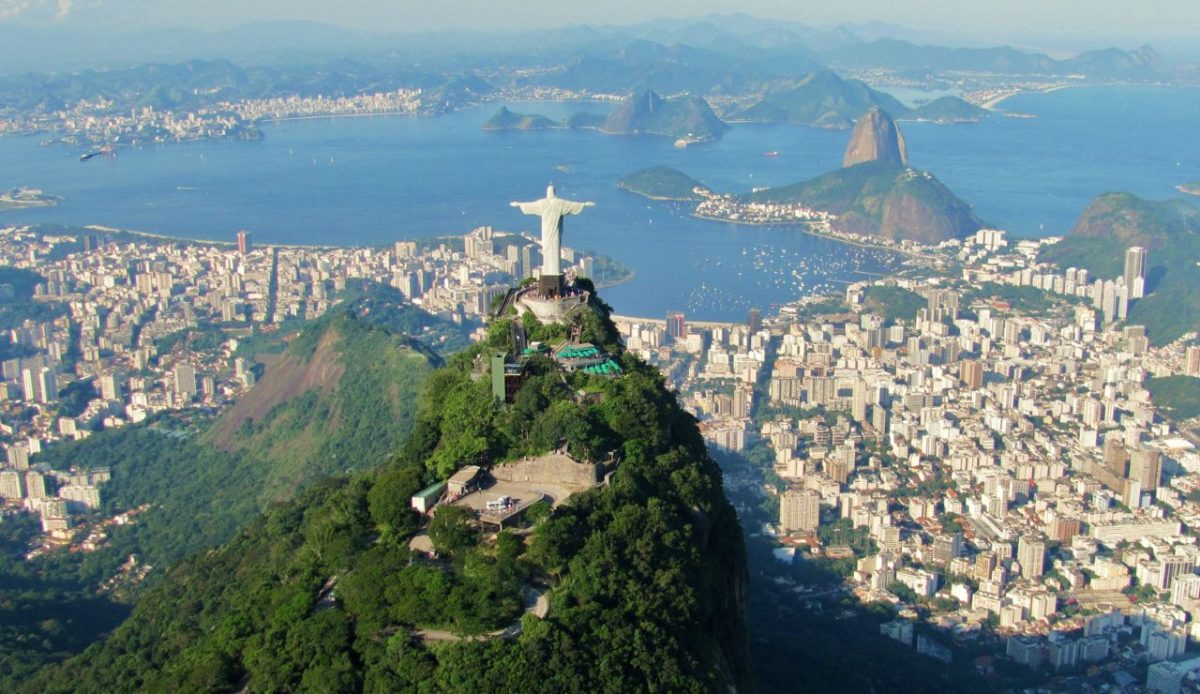
In Rio, illegal favela boxing matches take place in makeshift arenas or vacant lots. These underground bouts often provide young fighters with an outlet for competition, income, and recognition outside mainstream sports circuits.
Matches are unregulated, lacking safety equipment or medical supervision, making injuries common. Betting and crowd dynamics add to the intensity, creating a high-stakes atmosphere that keeps participants and spectators on edge.
Travelers can observe cultural aspects safely, but participating in or entering these unsanctioned arenas is extremely dangerous. Respect for local laws is essential, as fines, detention, or serious injury are real risks for outsiders.
6. Moscow, Russia
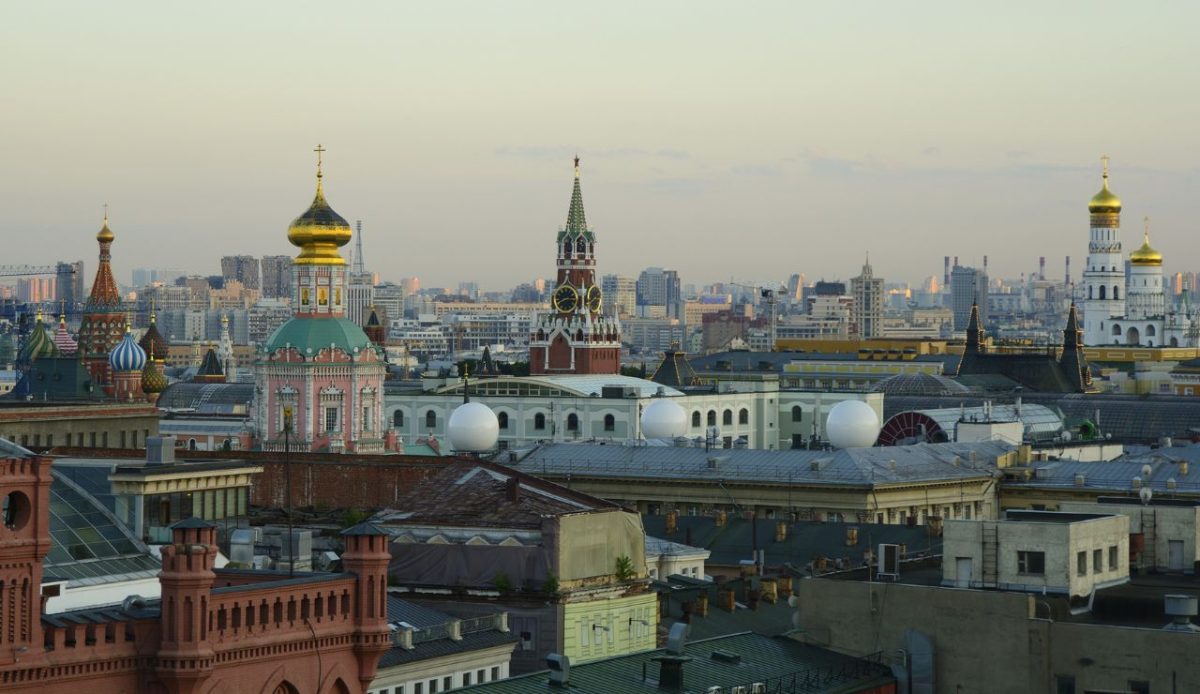
Moscow hosts underground mixed martial arts (MMA) fights in private gyms or basements, often promoted through exclusive networks to avoid legal scrutiny.
Fighters risk injury and arrest, as unsanctioned combat violates strict legal codes. The audience is typically well-informed locals drawn to the exclusivity, raw intensity, and the thrill of witnessing hidden talent in controlled but unregulated environments.
Travelers should admire the skill and dedication from a safe, legal distance. Entering these underground circuits exposes visitors to serious physical danger and potential legal consequences in Russia, making participation highly inadvisable.
7. New Delhi, India
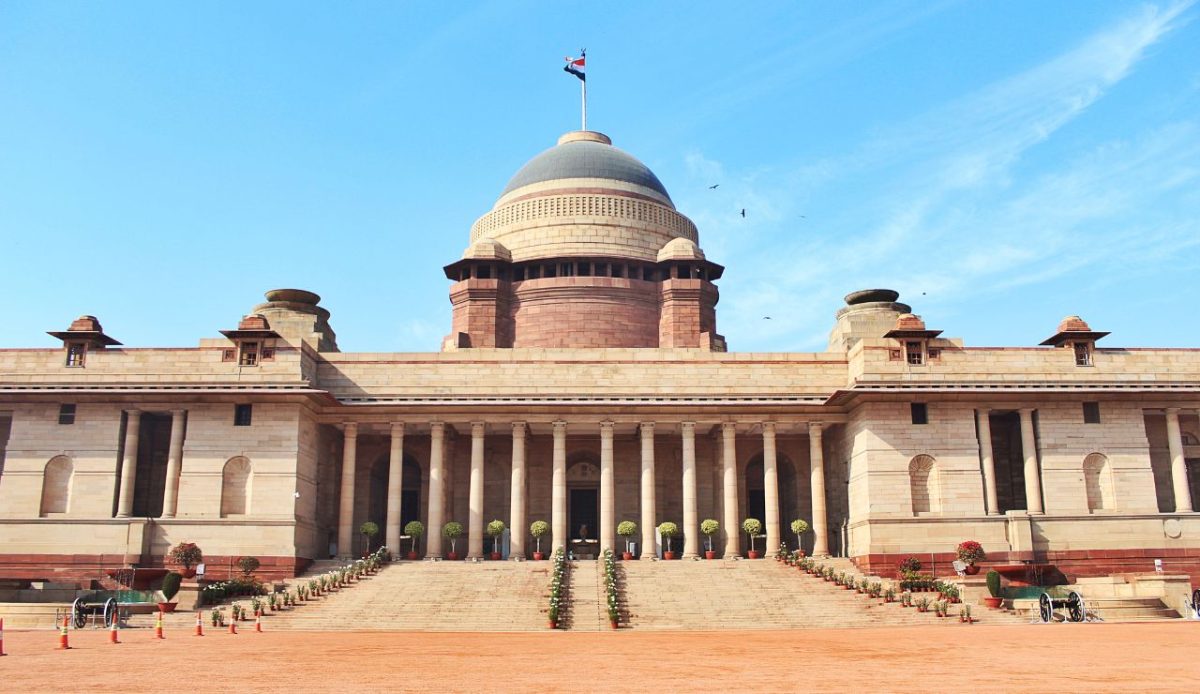
New Delhi has illegal street wrestling events that persist in secluded urban areas. Local participants seek status, income, or recognition outside official tournaments, often gathering at hidden locations.
Spectators assemble discreetly, aware of possible police raids. Injuries are common due to minimal safety precautions, and organizers rely on secrecy to keep these events ongoing. The culture blends tradition, thrill-seeking, and community spectacle.
Travelers should respect boundaries. The tradition is intriguing, but involvement in illegal wrestling can result in arrest, fines, or serious harm. Observing from afar is safest.
8. Lagos, Nigeria
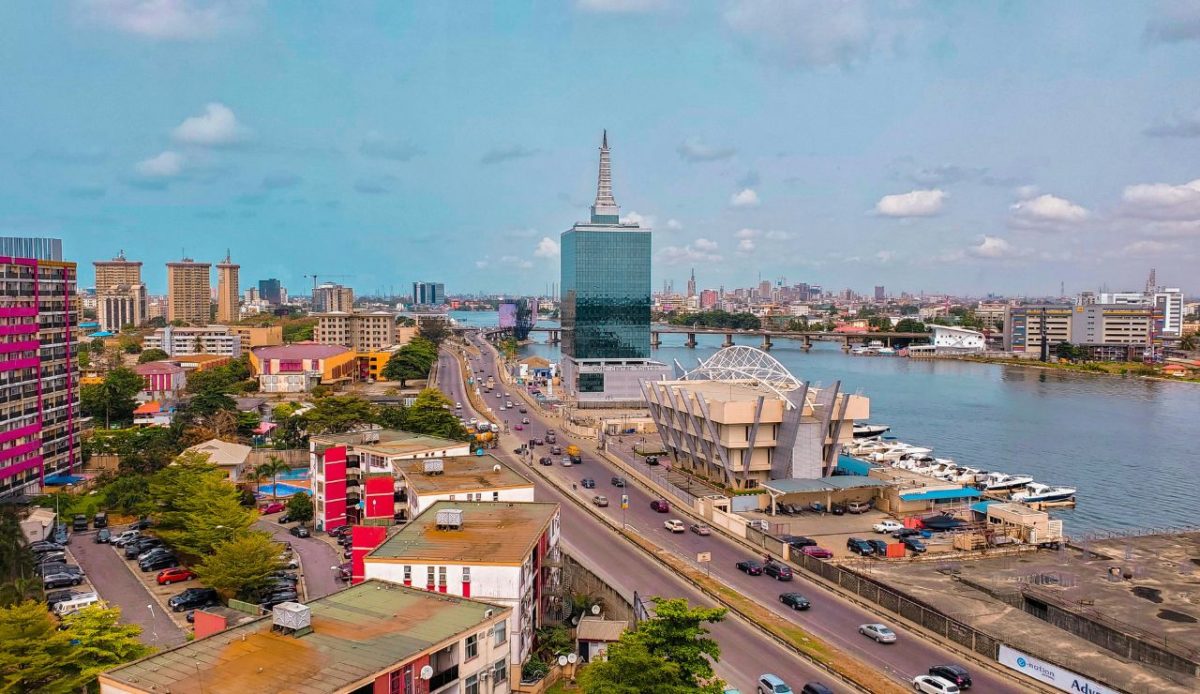
Lagos hosts underground street racing communities using informal urban tracks late at night. Events occur in industrial areas, quiet streets, and abandoned roads to avoid police intervention.
Racers push vehicles to extreme limits while spectators enjoy high-stakes entertainment. Accidents are frequent, and enforcement is unpredictable, making the scene highly dangerous for participants and onlookers alike.
Tourists should avoid participation. While street racing offers insight into youth culture and urban thrill-seeking, legal and personal safety concerns make direct involvement extremely risky.
9. Mexico City, Mexico
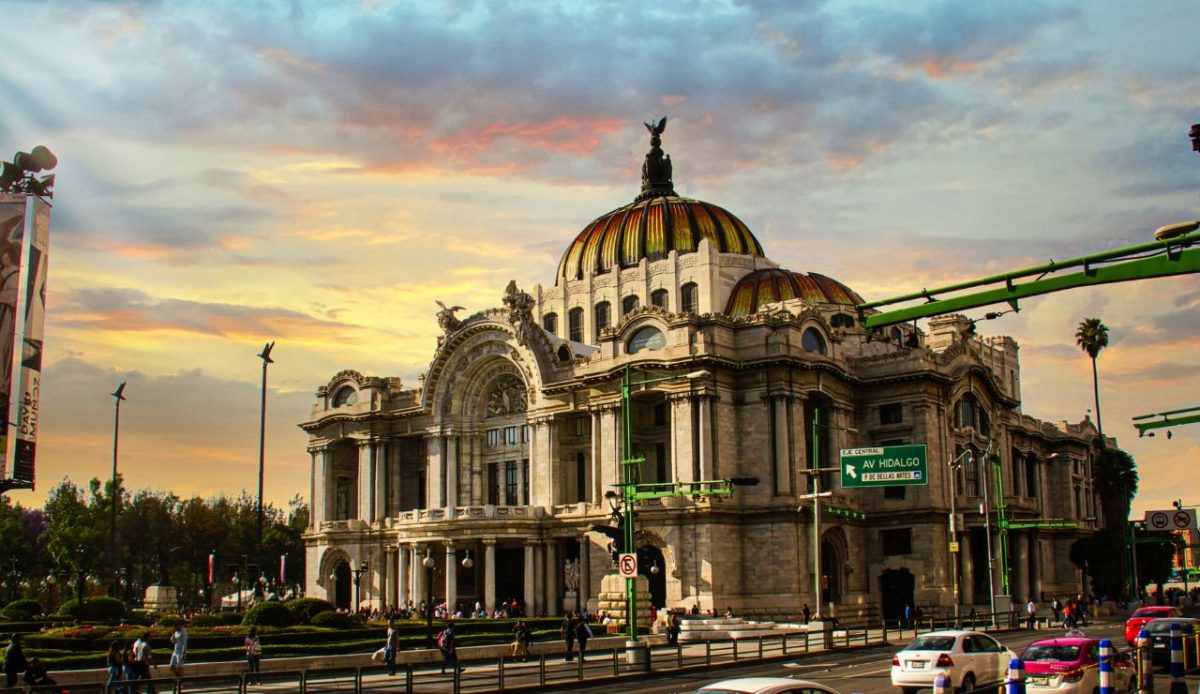
Mexico City hosts clandestine lucha libre-style wrestling events outside official arenas. These secret matches draw local fans, amateur wrestlers, and occasionally gambling enthusiasts seeking an unfiltered adrenaline rush.
The events lack formal safety precautions, with improvised mats and minimal medical oversight. Police raids can occur unexpectedly, adding tension and unpredictability to each event. The thrill of danger keeps locals and spectators engaged.
Travelers may learn about the sport’s rich history safely, but attending unsanctioned matches carries serious legal and ethical risks. Observing from a safe distance allows cultural appreciation without personal jeopardy.
10. Istanbul, Turkey
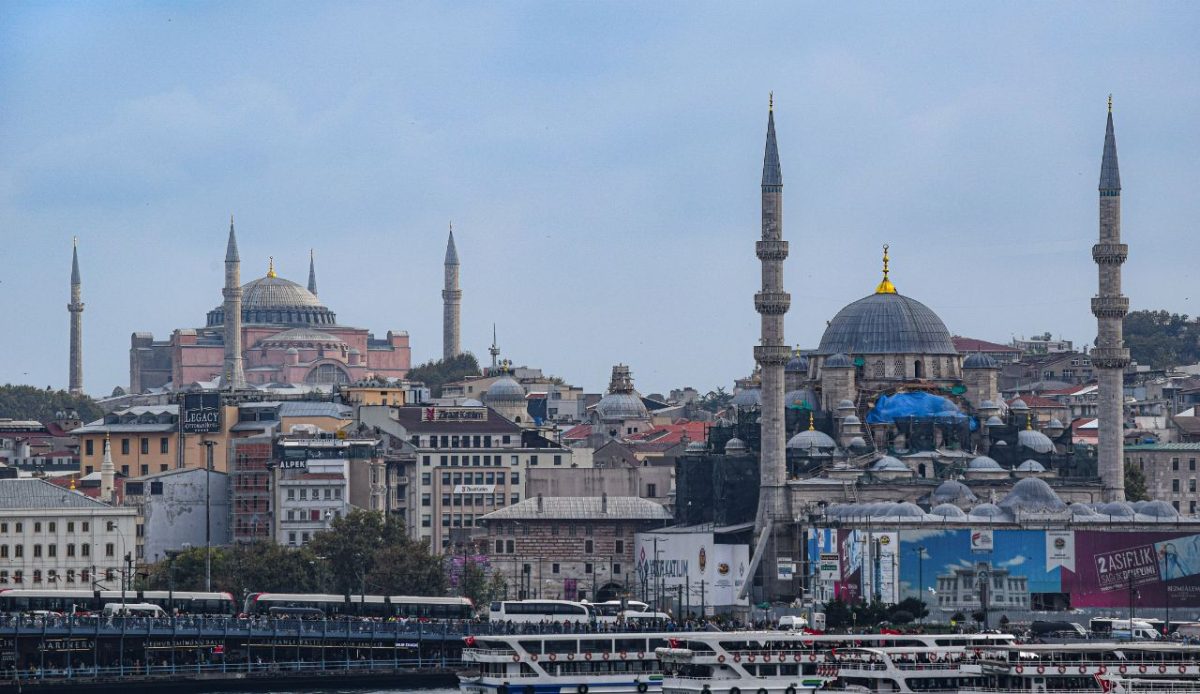
In Istanbul, illegal horse and camel races still occur in remote areas, maintaining a connection to centuries-old traditions. These underground competitions face strict legal restrictions in modern Turkey.
Participants and spectators rely on secrecy to avoid fines, confiscation of animals, or legal repercussions. Betting, rivalry, and the thrill of evading authorities intensify the experience, making each event both exciting and risky.
Travelers should observe responsibly. While fascinating and culturally significant, participating or approaching these unsanctioned races exposes visitors to legal penalties and physical hazards, making caution essential.
11. Ho Chi Minh City, Vietnam
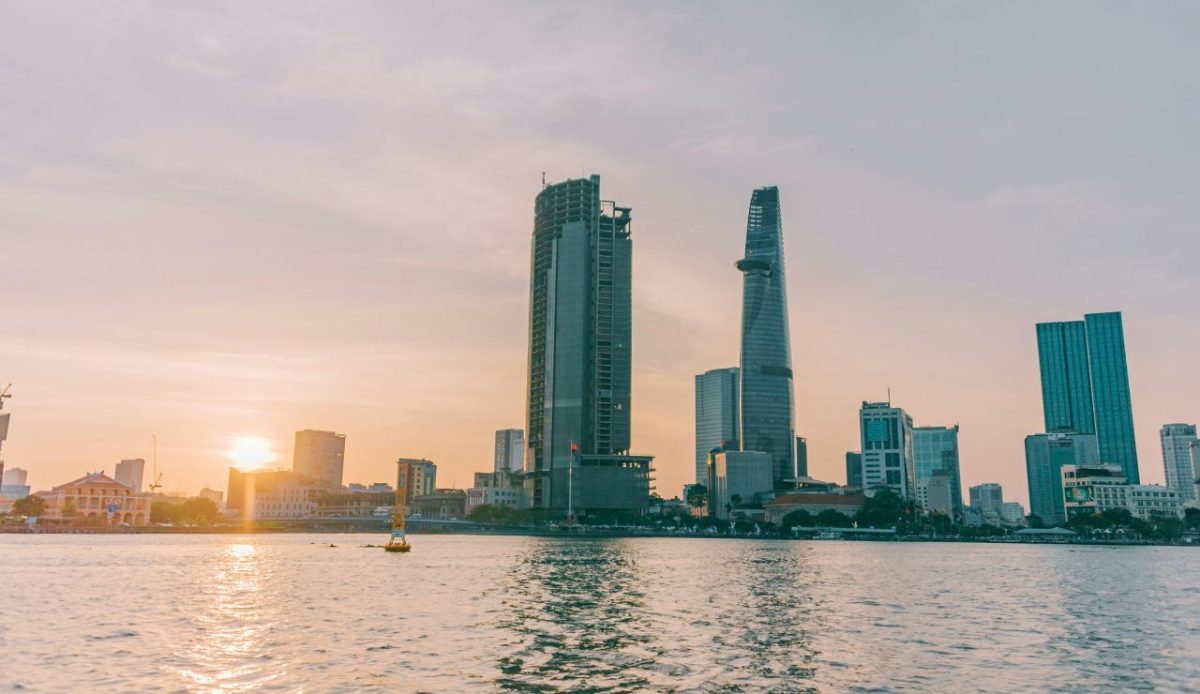
Ho Chi Minh City’s underground cockfighting and animal racing continue in hidden venues, attracting locals and tourists seeking raw, authentic experiences.
Events often move between discreet locations to avoid police, with participants aware of legal and safety risks. Betting, competitive rivalries, and the adrenaline of secrecy contribute to an electrifying atmosphere for both spectators and participants.
Visitors should respect regulations and avoid participation. Observing these practices safely allows cultural insight while minimizing risk, as engaging directly can result in fines, arrest, or personal injury.
12. Johannesburg, South Africa
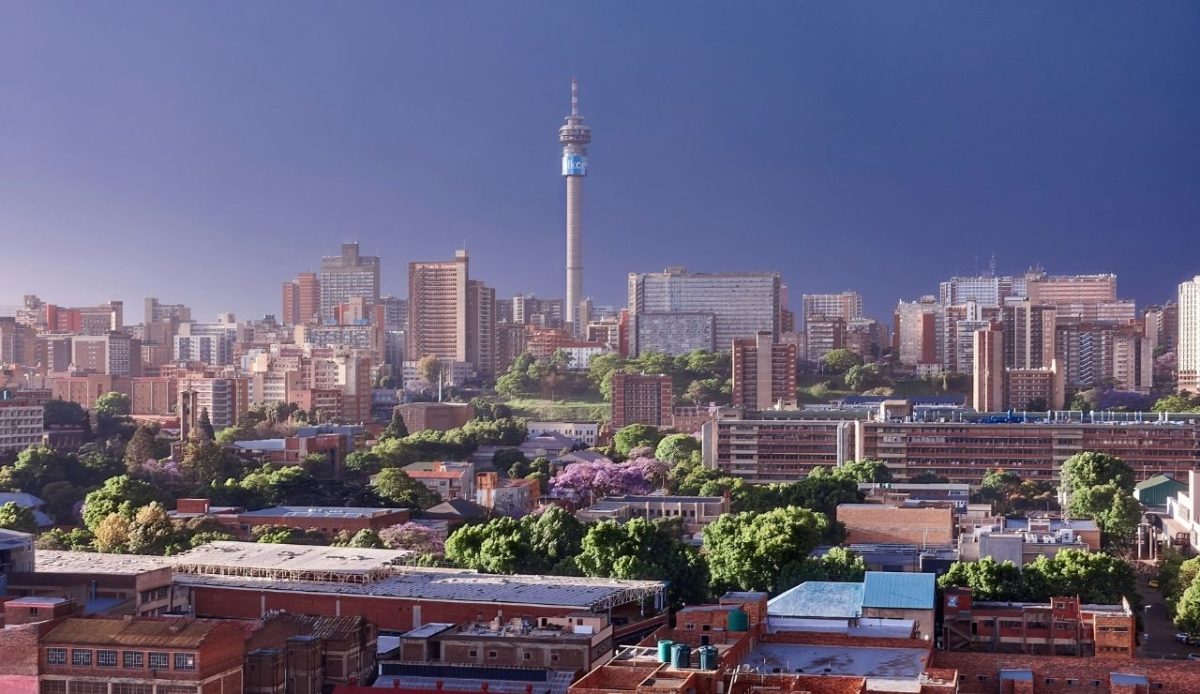
Johannesburg hosts underground street fighting and MMA bouts in warehouses or abandoned areas to evade authorities, attracting locals seeking excitement and recognition.
These fights are entirely unregulated, with no formal medical oversight, making injury likely. Spectators enjoy the thrill of combat, high-stakes betting, and raw competition, but the danger is ever-present for all involved.
Travelers should avoid direct involvement. While underground sports reveal local subcultures and resilience, safety and legality must always come first. Observing from a distance ensures cultural understanding without risking fines, legal trouble, or harm.
