
Rising “public safety warnings” don’t always mean a place is unsafe. More often, it means agencies are posting clearer, more frequent alerts as risks grow: extreme heat, flash floods, wildfire smoke, powerful surf, and wildlife encounters. In 2026, many U.S. tourist areas are leaning harder on signage, ranger advisories, and real-time closures to keep visitors from making one bad decision.
This list highlights destinations where official messaging has become more prominent and specific, think “don’t hike after 10 a.m.” or “the river is closed.” Those warnings can change itineraries, access, and even the best time of day to visit.
Check alerts before you arrive, keep plans flexible, and treat posted rules like the price of admission.
1. Grand Canyon National Park, Arizona
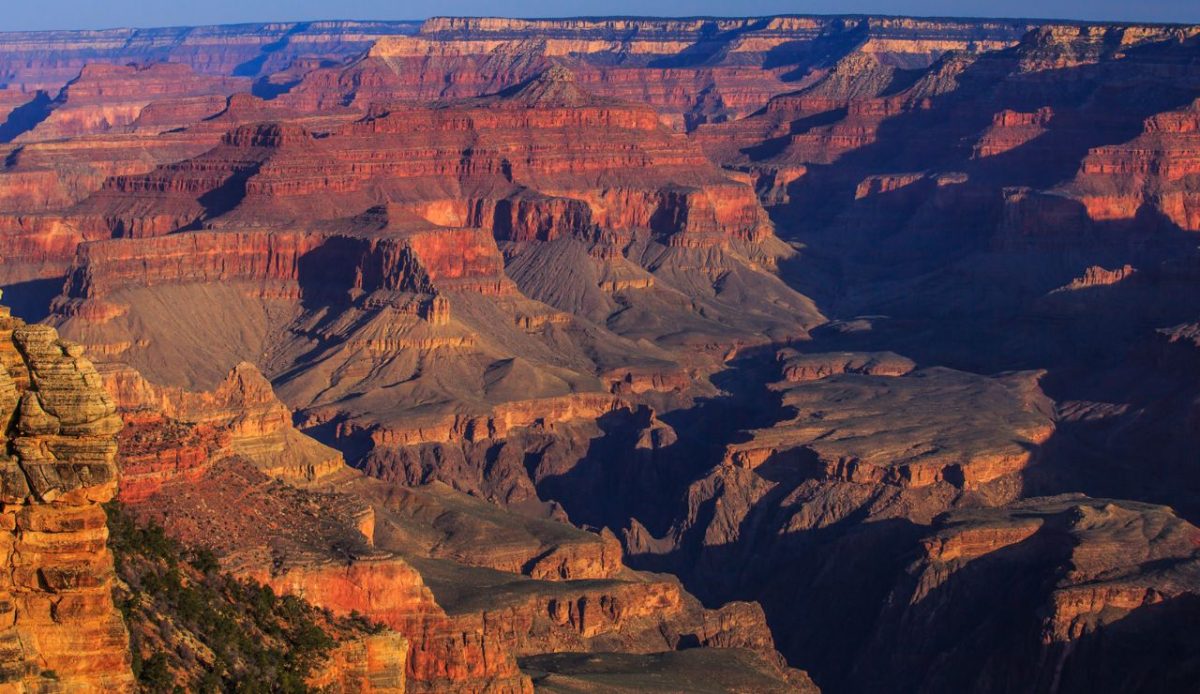
Summer heat messaging here has gotten blunt: hiking below the rim during excessive heat can turn into a rescue call fast. Rangers push early starts, salty snacks, and strict turnaround times because temperatures in the inner canyon can be far higher than at the rim. Cell service is limited, so self-management matters.
The danger window is usually late morning through afternoon, when shade disappears, and dehydration sneaks up. Visitors who feel fine at the top can crash hard once they’re committed to a long climb back out.
Plan sunrise trail time, carry more water than you think is reasonable, and treat posted heat advisories as a hard stop, not a suggestion.
2. Death Valley National Park, California
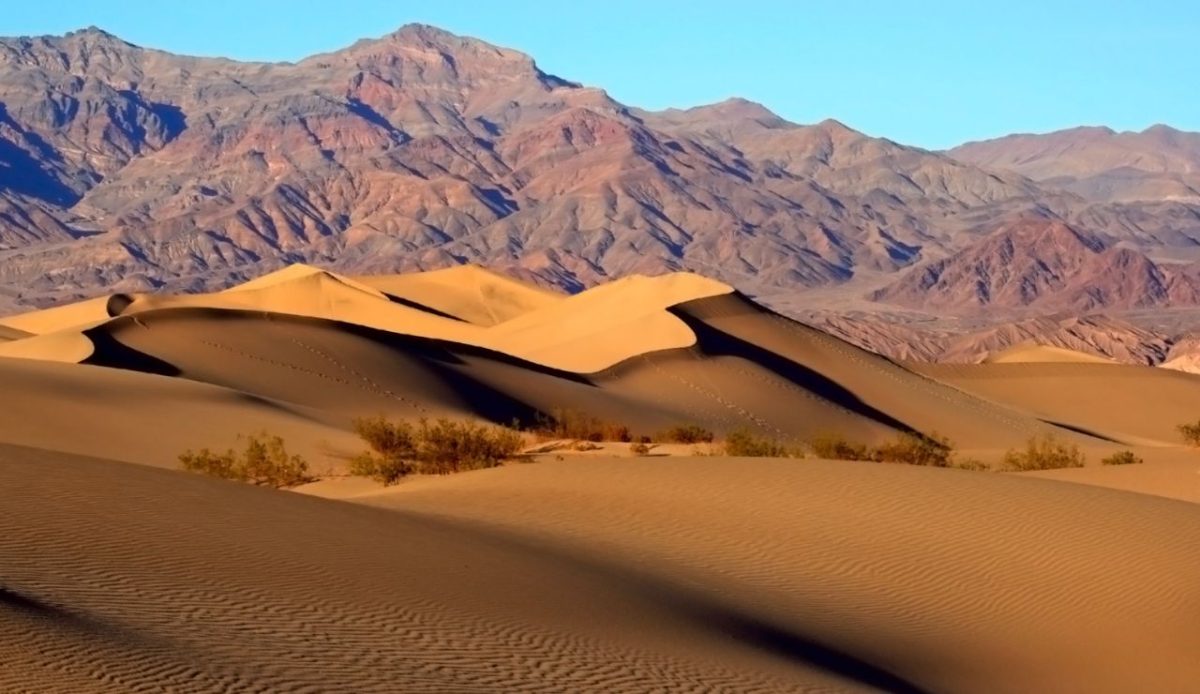
Death Valley’s warnings are about survival, not comfort. Park guidance stresses that low-elevation hikes in summer can be dangerous, and signs often steer visitors toward short viewpoints instead of long walks once the day heats up. Some notices remind that rescues aren’t guaranteed.
The tricky part is how quickly conditions stack: extreme temperatures, low humidity that masks sweat loss, and long distances between help. Even a “quick” stroll can become a medical emergency if you underestimate the heat.
Go early, stay near your vehicle, and keep water in the car for the drive, not just for the trail. If a ranger sign says “do not hike,” treat it as final.
3. Zion National Park, Utah
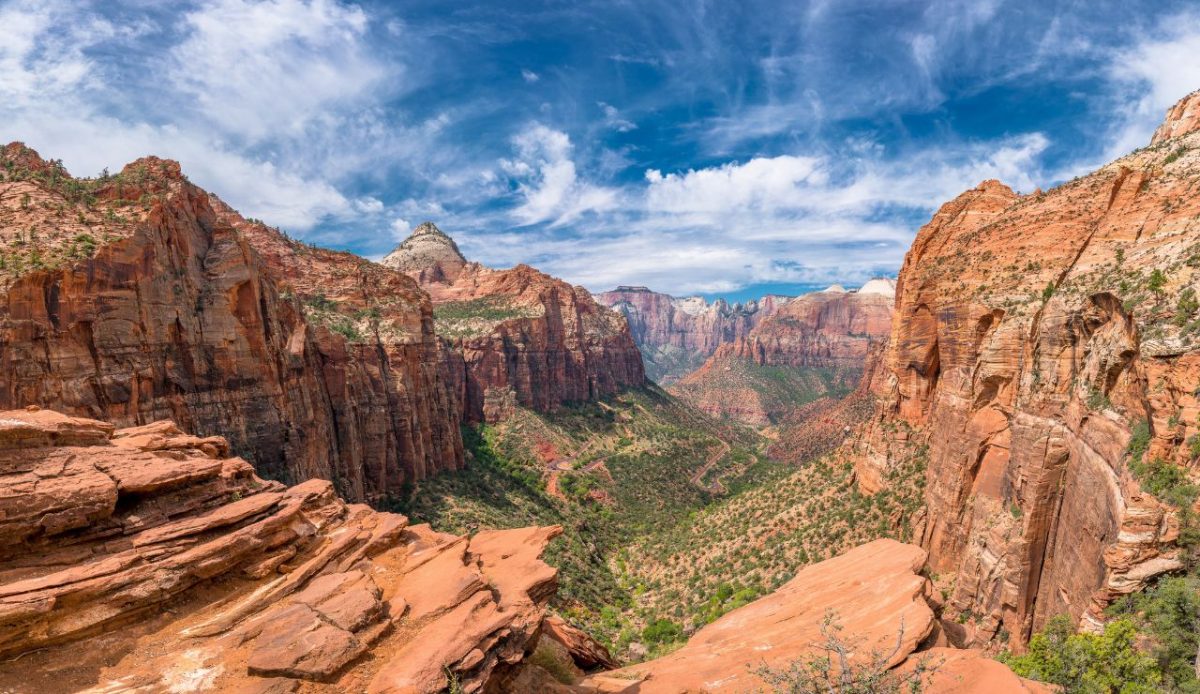
The Narrows is iconic, but the safety rules are strict because flash floods are fast and unforgiving. The park closes the route when a National Weather Service flash flood warning is issued, and conditions can change upstream even when skies look calm in the canyon.
Crowds add pressure: people start anyway, hoping the forecast “holds.” That’s why rangers push real-time checks, not vibes. High water can turn shallow crossings into strong currents, and cold, muddy water makes exits slower.
Before you rent gear or line up, check current conditions, river flow, and closure updates. If the park says no, pivot to a higher trail and come back another day.
4. Yellowstone National Park
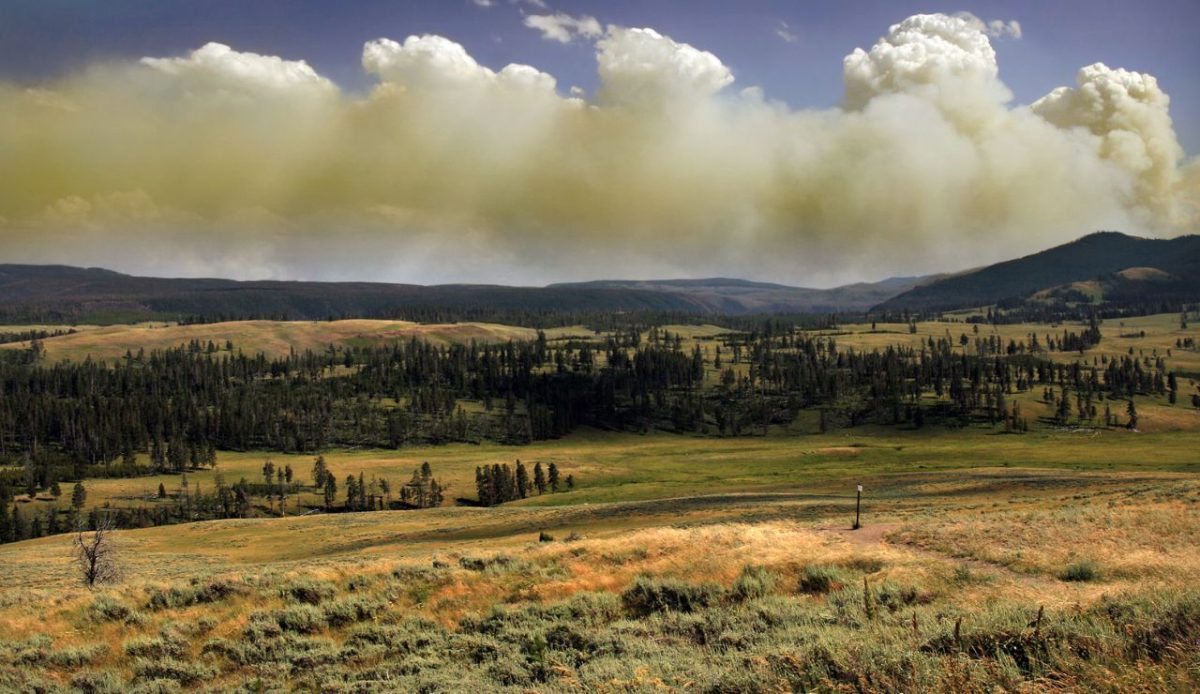
Yellowstone’s warnings are relentless for a reason: thermal areas can injure or kill in seconds. The ground near hot springs may look solid, but it can be a thin crust over scalding water, so the park repeatedly tells visitors to stay on boardwalks and marked paths.
It’s not just about rules, it’s about physics. One step off the trail can punch through, and runoff channels can be hot enough to burn on contact. That’s why closures and “do not enter” signs show up quickly when conditions shift.
Slow down, keep kids close, and don’t chase the perfect photo angle. If a boardwalk is roped off, it’s not a challenge; it’s a warning label with scenery attached.
5. Yosemite National Park, California
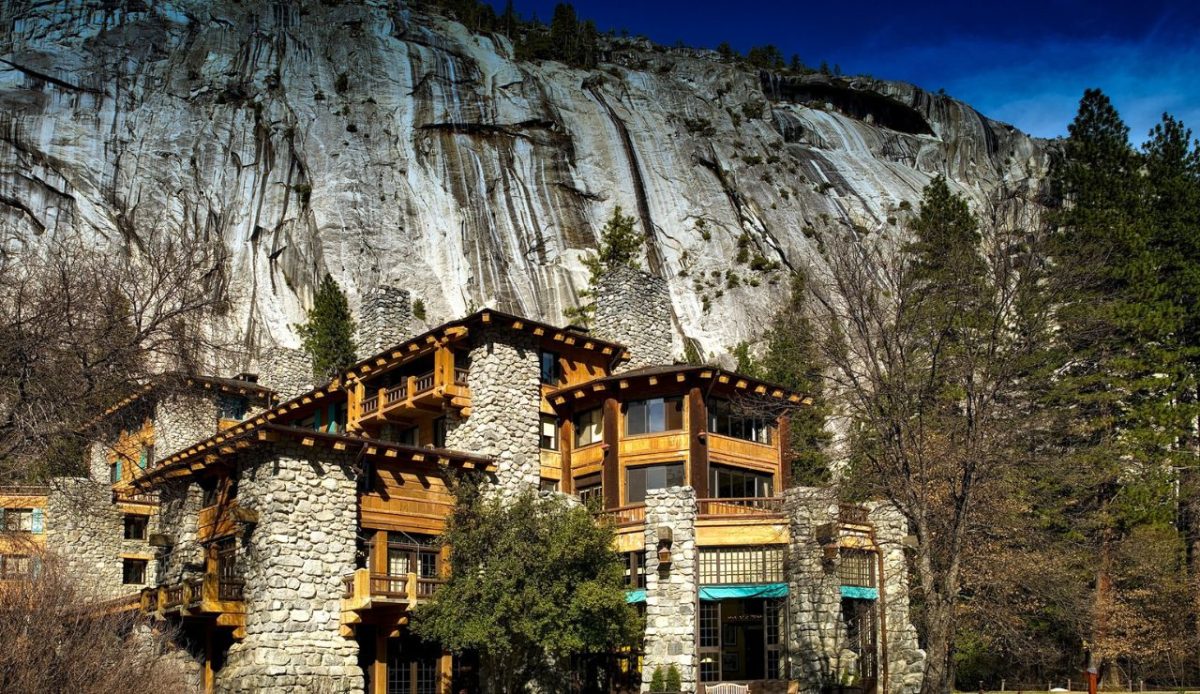
Yosemite’s safety messaging increasingly includes air quality, not just trail etiquette. Smoke from regional wildfires or prescribed burns can push conditions from “hazy” to unhealthy, and the park posts updates that may affect sensitive visitors, strenuous hikes, and even valley visibility.
Unlike a thunderstorm, smoke can linger for days and shift by hour. That uncertainty is why advisories lean conservative: limit outdoor exertion, watch symptoms, and be ready to change plans if particulate levels rise.
Pack a simple backup itinerary, waterfalls, short walks, museums, or scenic drives, so you’re not stuck forcing a long hike in bad air. If you have asthma, treat alerts as trip-critical.
6. Florida Gulf & Atlantic Beaches
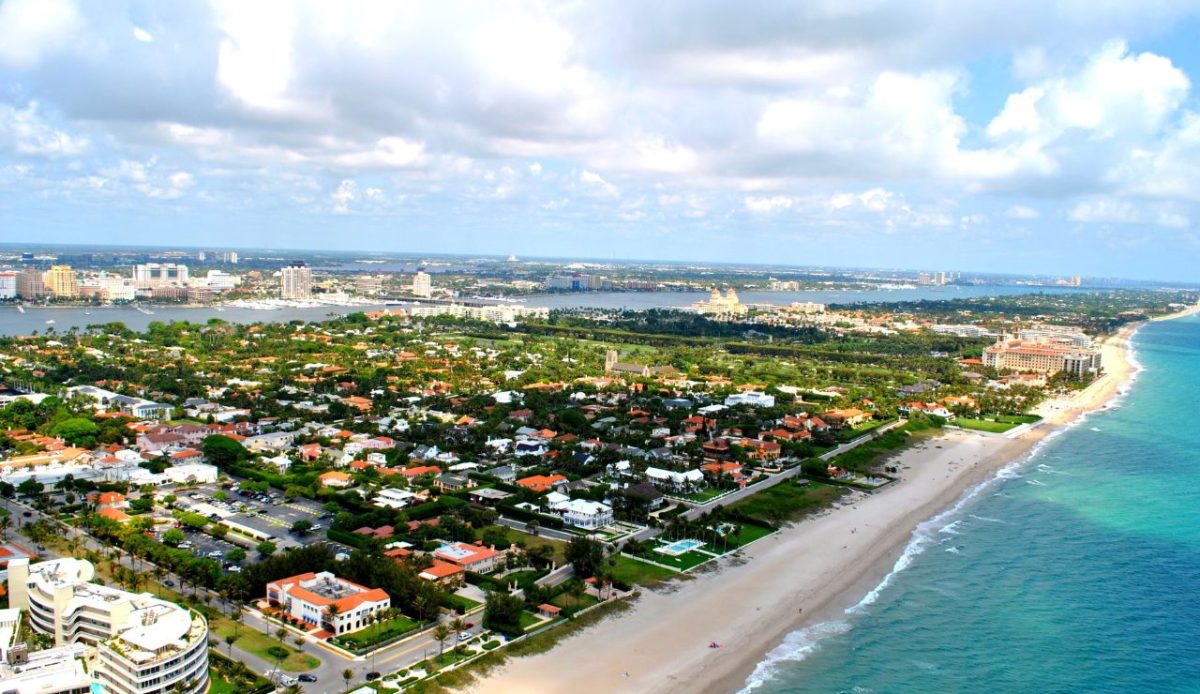
Florida’s beach warnings can ramp up quickly when surf and wind align, because rip currents don’t look dangerous until they are. Forecast outlooks regularly shift to “high risk,” and many coastal counties rely on flags, loudspeaker alerts, and lifeguard instructions to get the message across.
Visitors get caught because the water seems calm near shore, then the current pulls them sideways and out. Panic is the real hazard, which is why safety messaging repeats the same guidance: don’t fight the current, swim parallel, and signal for help.
Choose a lifeguarded beach, learn the flag system, and skip the water if conditions are posted as high risk. A perfect photo day can still be a bad swim day.
7. North-Facing Shores of Hawaii
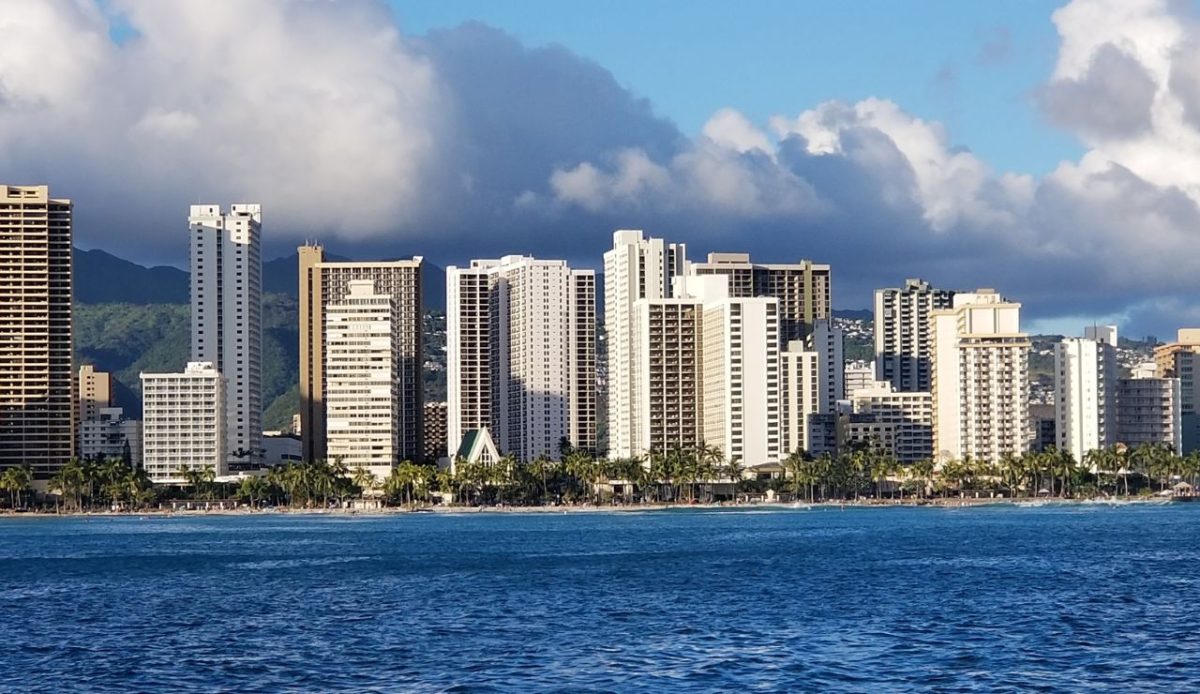
On Hawaii’s north-facing shores, public safety warnings often spike with winter surf and strong shorebreak. Officials sometimes advise no swimming or ocean activities at specific bays when waves and currents become hazardous, and warning signs can appear quickly when conditions turn.
Tourists run into trouble by treating every beach like a pool. Shorebreak can slam people into sand, and rock shelves can make slips serious. Even experienced swimmers can underestimate how quickly sets build, especially when watching from dry land.
Swim only where lifeguards are present, listen to posted advisories, and pick a calmer, south-facing beach when surf is up. If locals aren’t in the water, that’s your signal too.
8. Great Smoky Mountains National Park
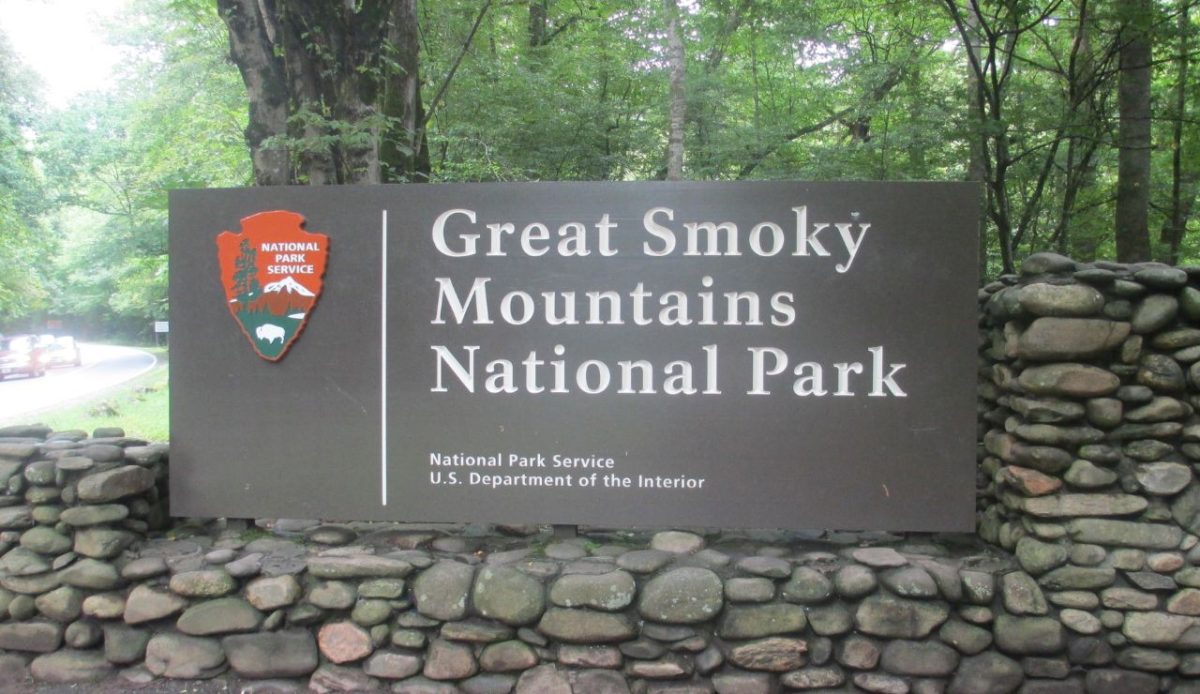
The Smokies draw huge crowds, and safety warnings increasingly focus on wildlife spacing and trail behavior. Black bears are common, and the park’s messaging around food storage, distance rules, and “don’t approach for photos” is constant because visitors’ mistakes train animals into becoming bolder.
The risk isn’t a movie-scene attack; it’s everyday bad habits, leaving coolers out, feeding animals, or blocking trails for a close-up. Once bears associate people with snacks, more aggressive encounters and management closures become more likely.
Keep food sealed, give wildlife the right of way, and don’t stop traffic for animal sightings. If you see a crowd on the road, assume it’s a bear, and keep moving.
9. Rocky Mountain National Park, Colorado
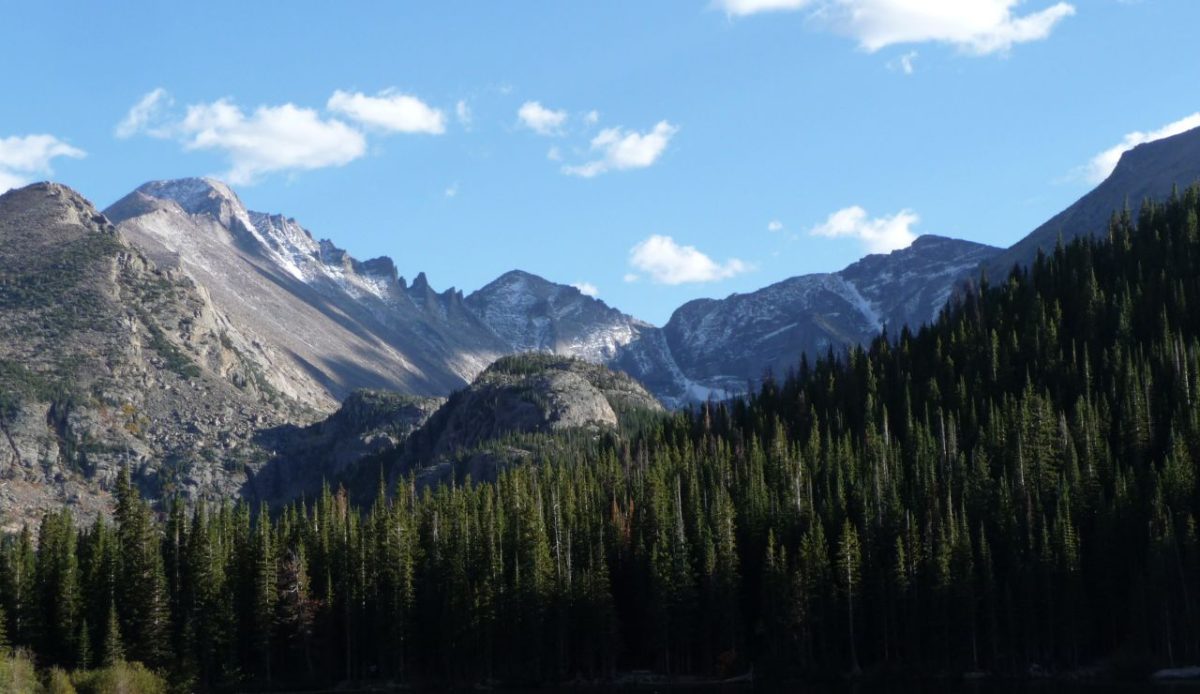
Rocky Mountain National Park adds a different kind of warning: altitude and sudden weather. Visitors who fly in and hike immediately can run into headaches, nausea, and fatigue that feel “mysterious” until you remember you’re at 8,000–12,000 feet.
Then there’s lightning. Summer afternoons bring fast-building storms, and exposed ridges or alpine lakes become dangerous places to linger. That’s why rangers push early starts, turnaround times, and the idea that summiting isn’t worth a hospital trip.
Hydrate, take the first day easy, and plan your big hike for morning. If clouds stack and thunder is possible, get below treeline early.
10. Mount Rainier National Park, Washington
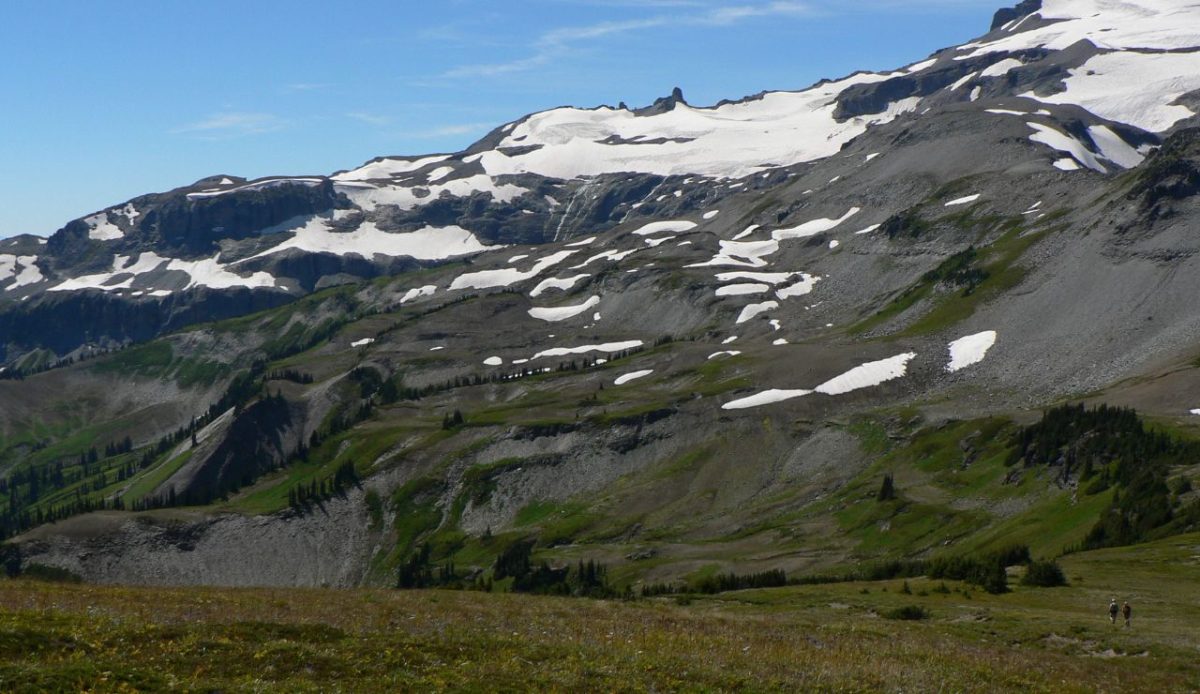
Mount Rainier’s warnings tend to focus on fast-changing mountain hazards: ice, crevasses, and rockfall on steep trails. Even on popular routes, snowfields can linger into summer, and a “short” slide can turn into a long, uncontrollable fall if you’re not prepared.
The danger is how normal it looks from the parking lot. Tourists step onto snow in sneakers, underestimate meltwater channels, and stray from marked paths to chase views. Rangers often emphasize traction, route awareness, and staying out of unstable areas.
Stick to maintained trails, don’t cross snow unless you know it’s safe, and turn around if you’re losing footing. For glacier terrain, hire a guide.
11. Niagara Falls State Park, New York
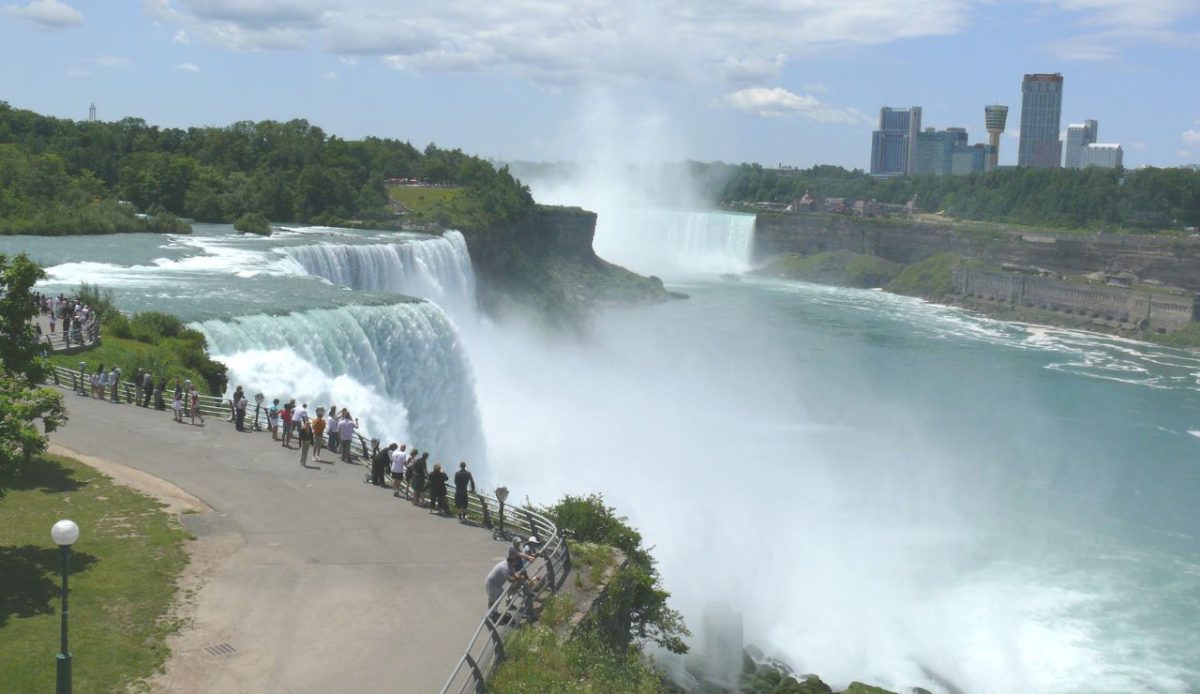
Niagara Falls looks like a postcard, but the park’s safety messaging is serious around the gorge, railings, and slippery viewpoints. Mist, algae, and winter freeze-thaw cycles can make paths slick, and stepping over barriers for a better angle is the shortcut to a rescue.
Crowds also create risk. People back up for photos without watching edges, kids dart between adults, and the sound of the falls can drown out shouted warnings. That’s why staff emphasize staying behind railings and keeping groups together.
Wear shoes with grip, keep phones secured, and don’t climb on rocks near the waterline. You’ll get the same view from the safe side.
12. Moab Area Parks, Utah
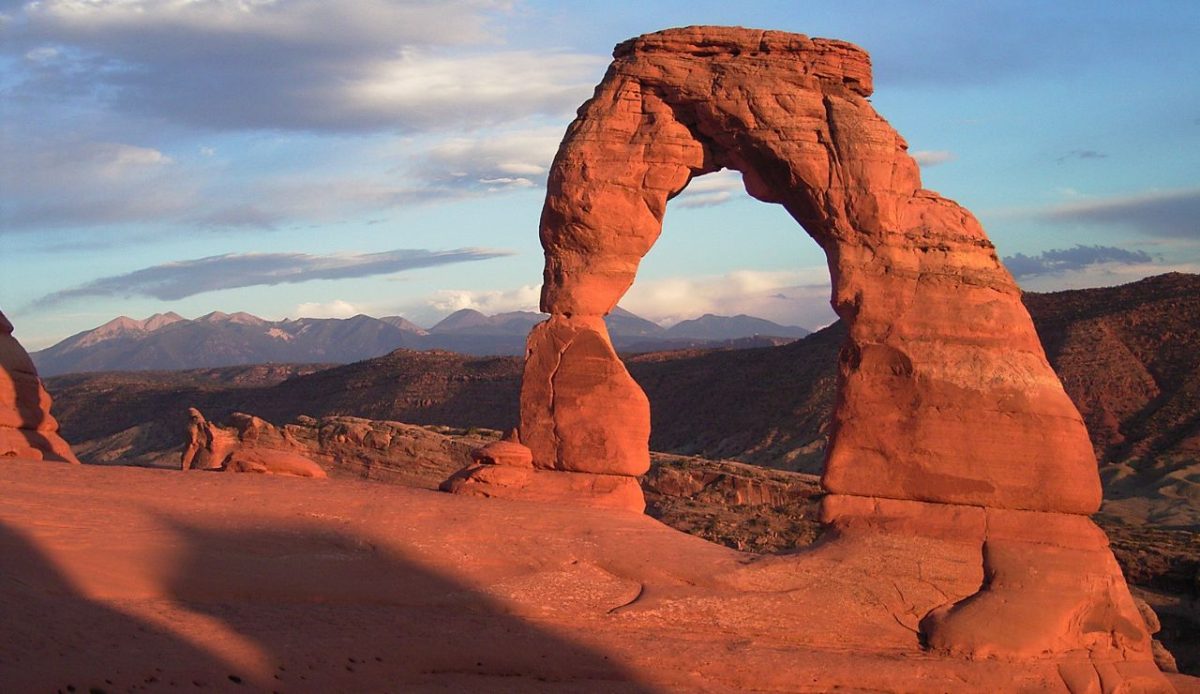
Moab’s parks combine desert heat, exposed slickrock, and limited shade, which is why safety warnings around timing and water have gotten more direct. Arches and Canyonlands look close on a map, but distances and response times can be longer than visitors expect.
Hikers underestimate the “dry heat” effect and start late, then realize there’s no easy shortcut back. Add sudden storms and slickrock can get slippery fast, especially near edges and drop-offs.
Start early, pick shorter trails in peak heat, and carry water you intend to finish, not ration. If you’re unsure about a route, ask at the visitor center.
