
While the U.S. remains one of the most-traveled countries in the world, some states are grappling with rising crime concerns. From property theft and carjackings to spikes in violent incidents, certain areas have seen notable increases in recent years. Understanding where these changes are happening helps travelers stay alert and plan smarter. Here’s a look at twelve states currently facing the fastest-growing crime rates, and what’s behind the shift.
1. New Mexico
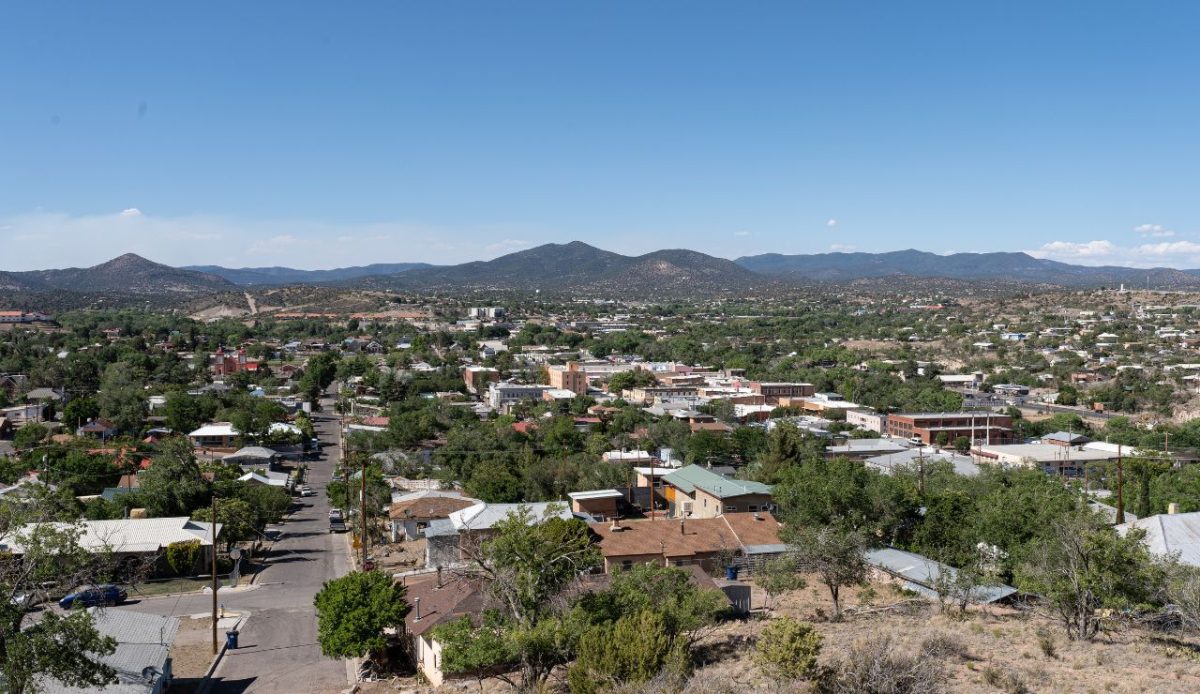
New Mexico has struggled with crime for years, particularly in Albuquerque, where property theft and violent offenses remain high. Economic hardship and drug-related issues have fueled much of the rise. While police reforms are underway, crime rates still outpace national averages. Visitors can stay safe by sticking to well-populated areas, avoiding overnight parking in remote zones, and being aware of local advisories when exploring the state’s scenic attractions.
2. Louisiana
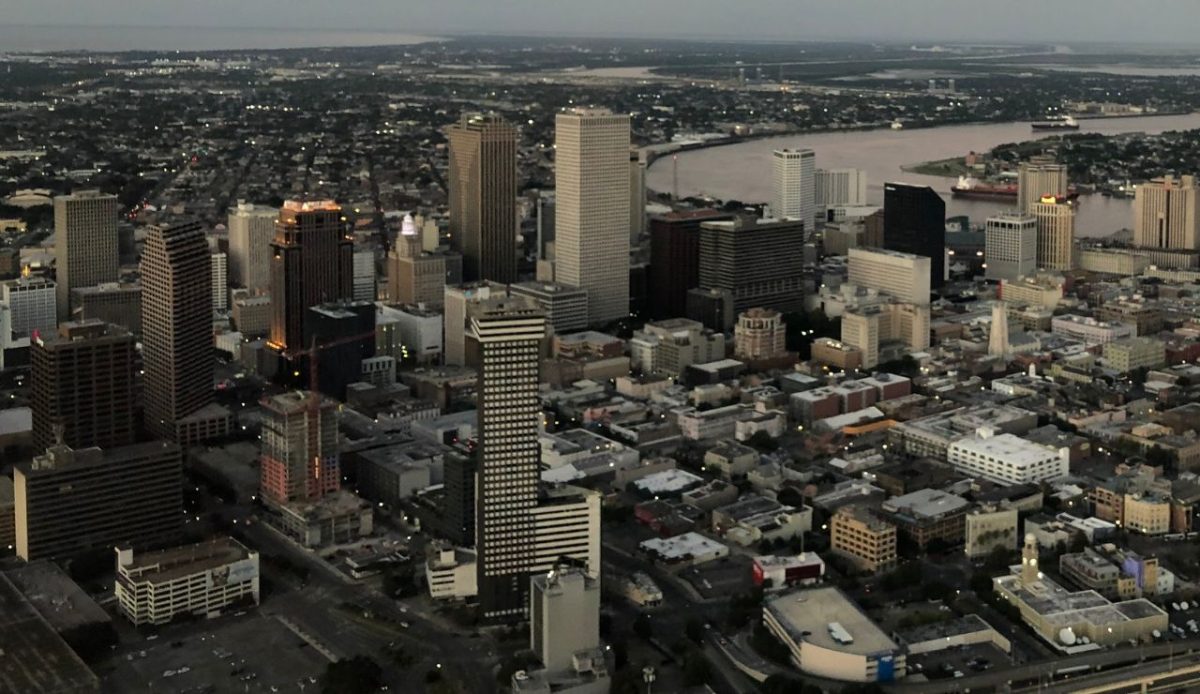
Louisiana ranks among the highest in the nation for violent crime, with New Orleans driving much of the concern. Recent years have brought upticks in car theft and assaults despite community policing efforts. Poverty and inequality contribute to ongoing challenges. Still, tourist districts like the French Quarter remain well-patrolled and lively. Awareness and common-sense safety habits make exploring Louisiana’s culture, food, and music scenes rewarding yet secure.
3. Alaska
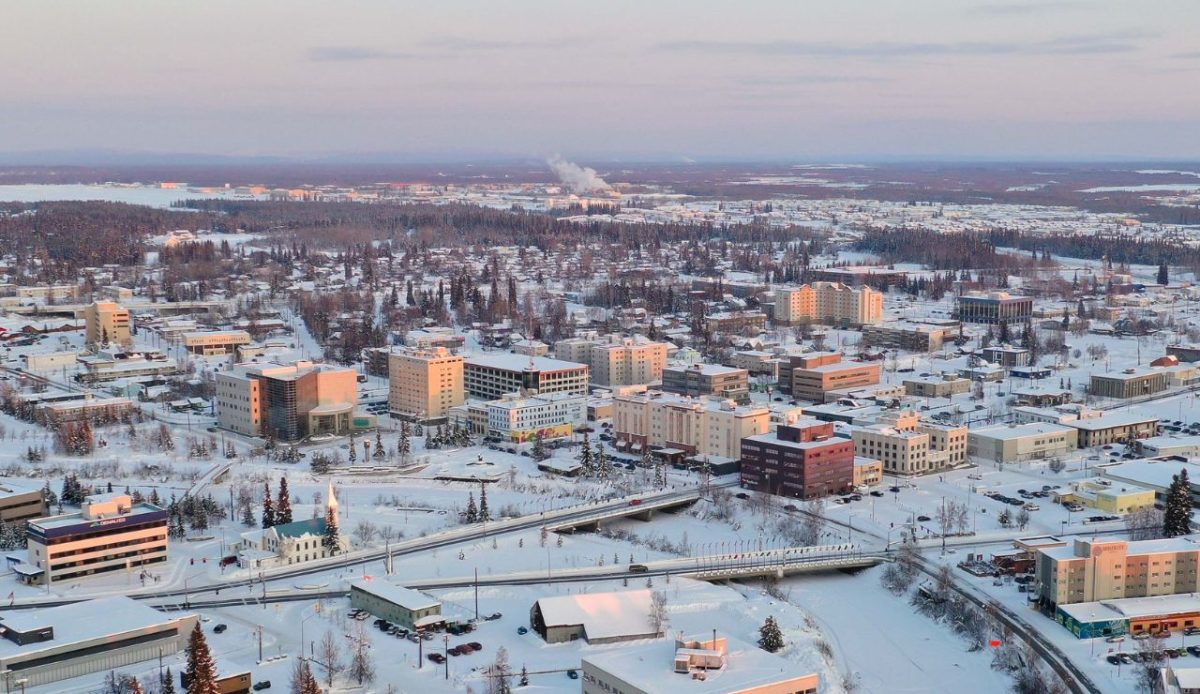
Despite its vast, quiet landscapes, Alaska faces surprisingly high violent crime rates, especially in domestic and alcohol-related cases. Rural isolation and limited law enforcement presence in remote regions make prevention difficult. Anchorage, the state’s largest city, has reported rising theft and assault cases. Visitors should take standard precautions, especially when traveling outside urban centers. Alaska remains breathtakingly beautiful, but situational awareness is essential in its wide-open wilderness.
4. Arkansas
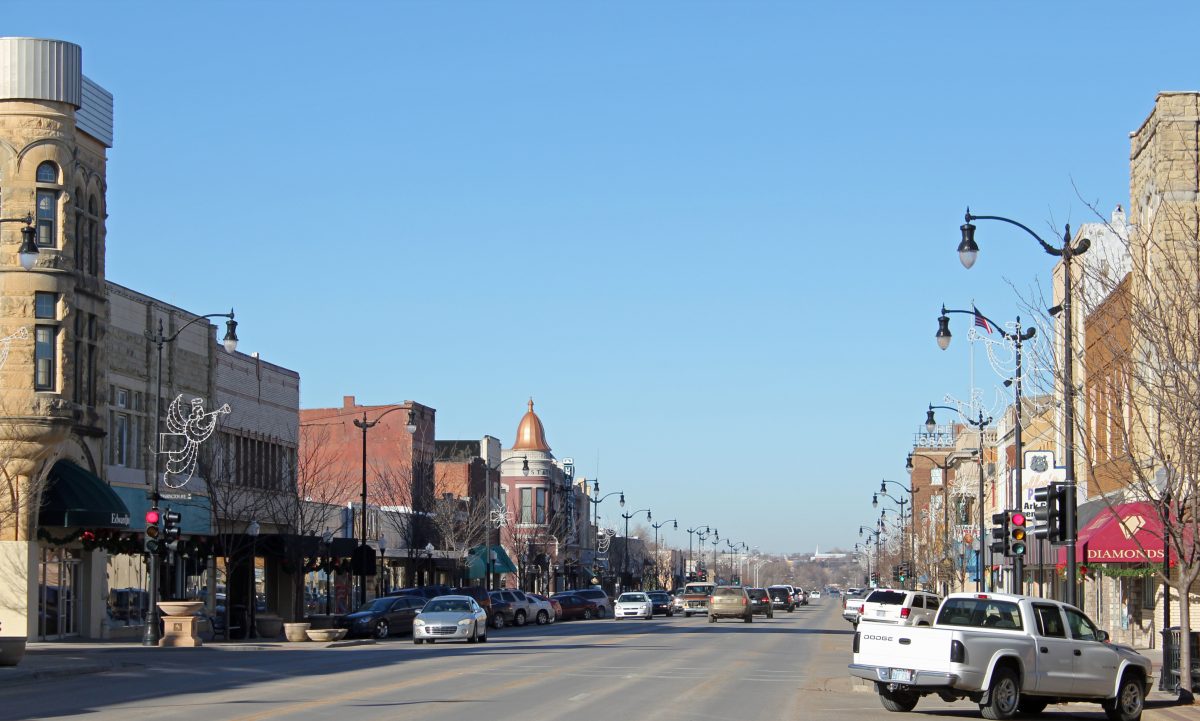
Arkansas has seen a sharp rise in both property and violent crime over the past few years. Little Rock in particular reports frequent incidents linked to drug trafficking and poverty. State leaders have expanded crime prevention programs, but the results are slow. For visitors, well-traveled areas and daylight exploration are safest. Despite challenges, Arkansas’s natural parks and Southern charm continue to draw tourists, with awareness being the best safeguard.
5. Oregon
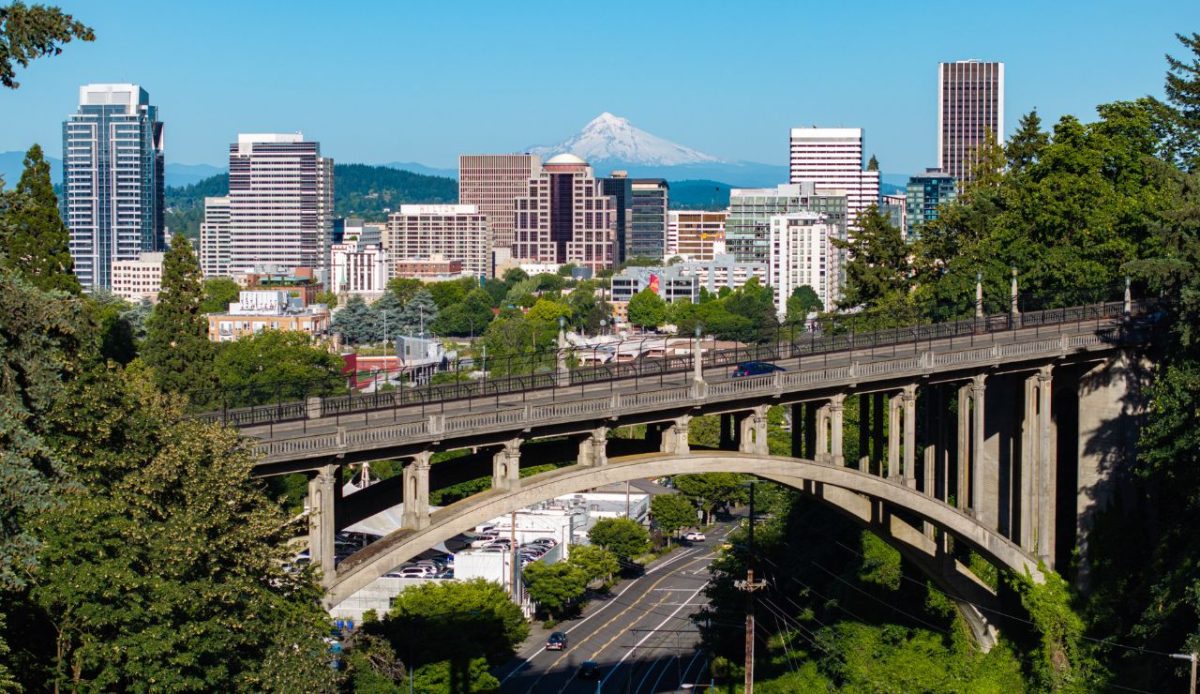
Oregon’s increase in crime, especially property theft and vandalism, has made headlines in cities like Portland. Economic strain and homelessness have contributed to public safety concerns downtown. However, much of the state’s outdoor beauty, from Crater Lake to the Oregon Coast, remains peaceful and secure. Visitors are advised to park in monitored areas and remain cautious at night in urban cores while still enjoying Oregon’s natural serenity.
6. Colorado
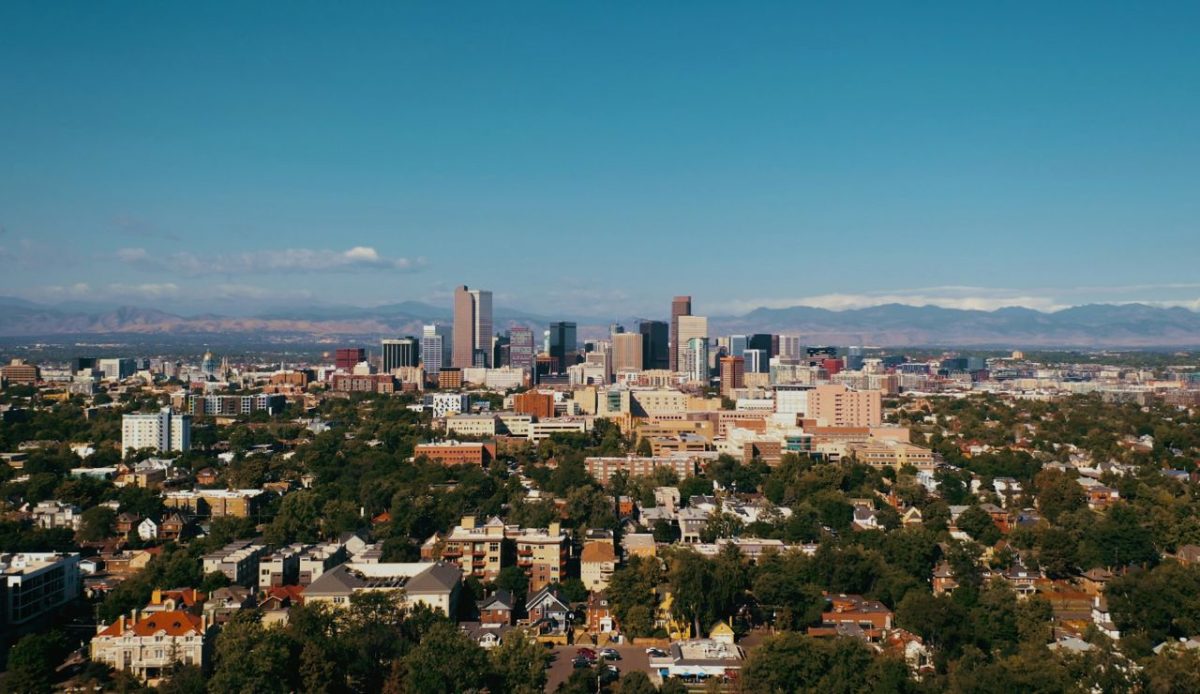
Once ranked among America’s safest states, Colorado has seen rising crime in both urban and suburban areas. Denver and Colorado Springs report increases in motor vehicle thefts and break-ins, partly linked to population growth and housing costs. Law enforcement agencies are working to restore safety measures. Travelers can reduce risk by avoiding leaving valuables in cars and being alert in city centers while still enjoying Colorado’s mountain escapes.
7. Tennessee
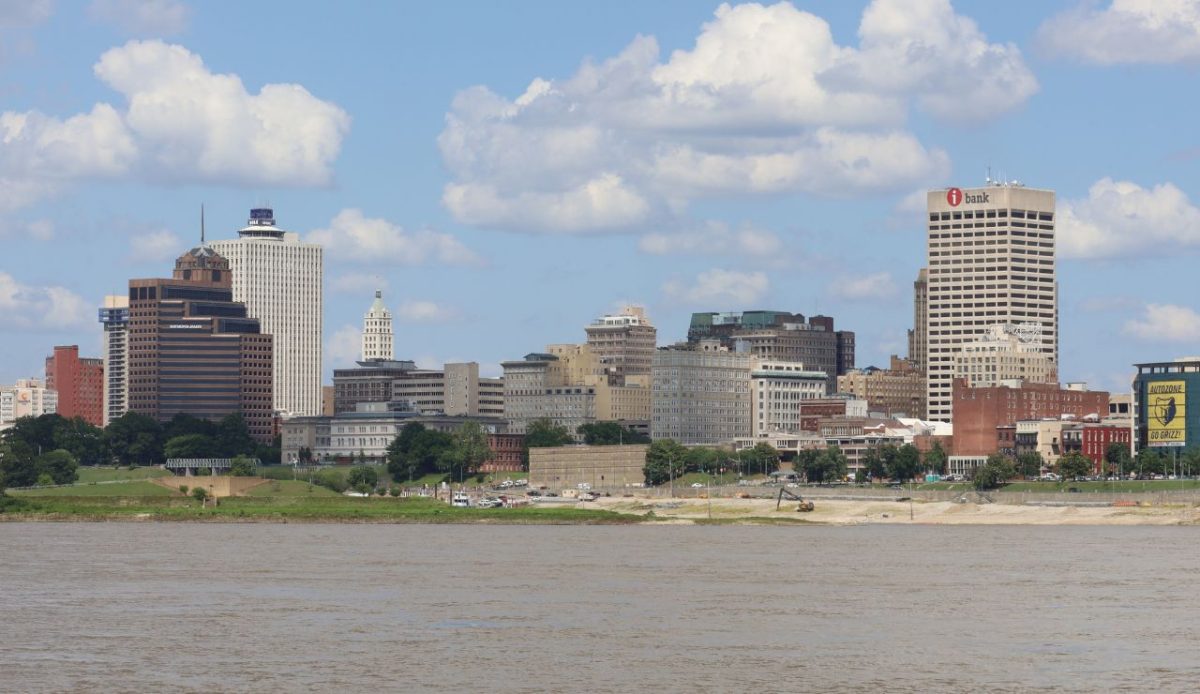
Tennessee has recently reported spikes in violent crime, especially in cities like Memphis and Nashville. Gang activity and economic disparity remain driving factors. The state continues to invest in community policing, but some neighborhoods experience higher risks than others. Tourists generally stay safe in the main entertainment and downtown districts with visible patrols. Tennessee’s hospitality, music heritage, and scenic routes remain major draws, as long as visitors stay aware.
8. Arizona
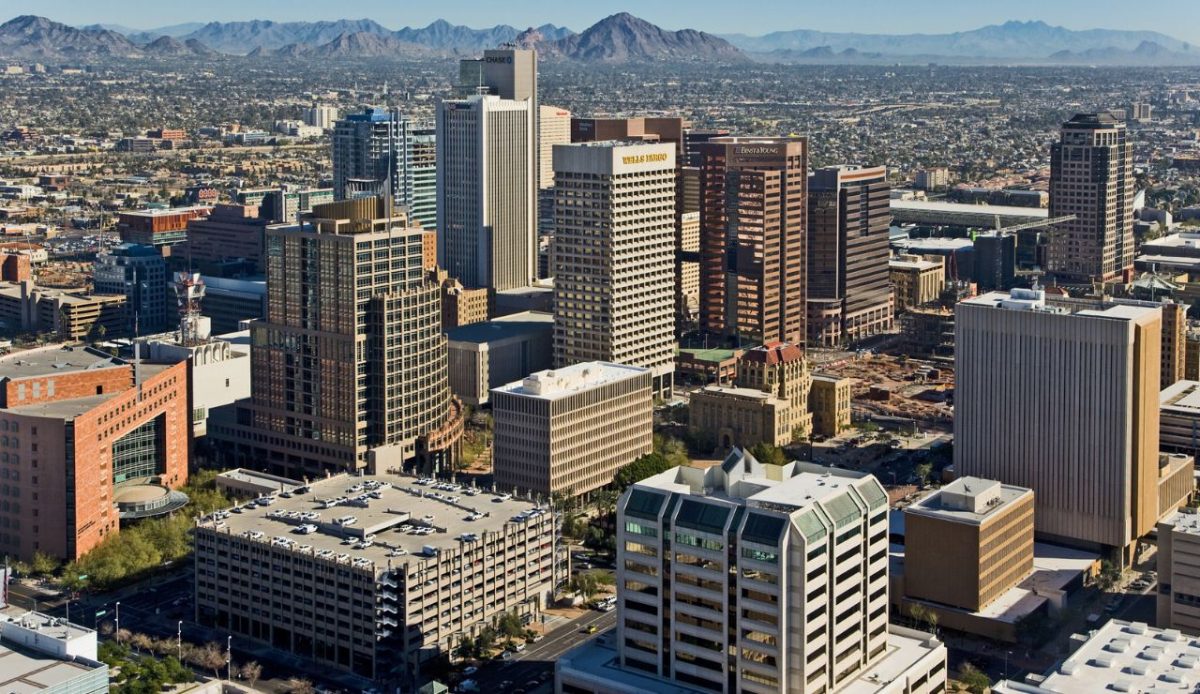
Arizona’s crime challenges stem from both urban and border-related factors. Phoenix has seen increases in property crime, while Tucson reports rising theft and vandalism incidents. Despite these concerns, law enforcement visibility remains strong in key tourist zones. Visitors should secure their belongings and use caution in less-traveled neighborhoods. Arizona’s deserts, canyons, and resorts remain world-class, best enjoyed with practical awareness and local guidance in busier metropolitan areas.
9. Nevada
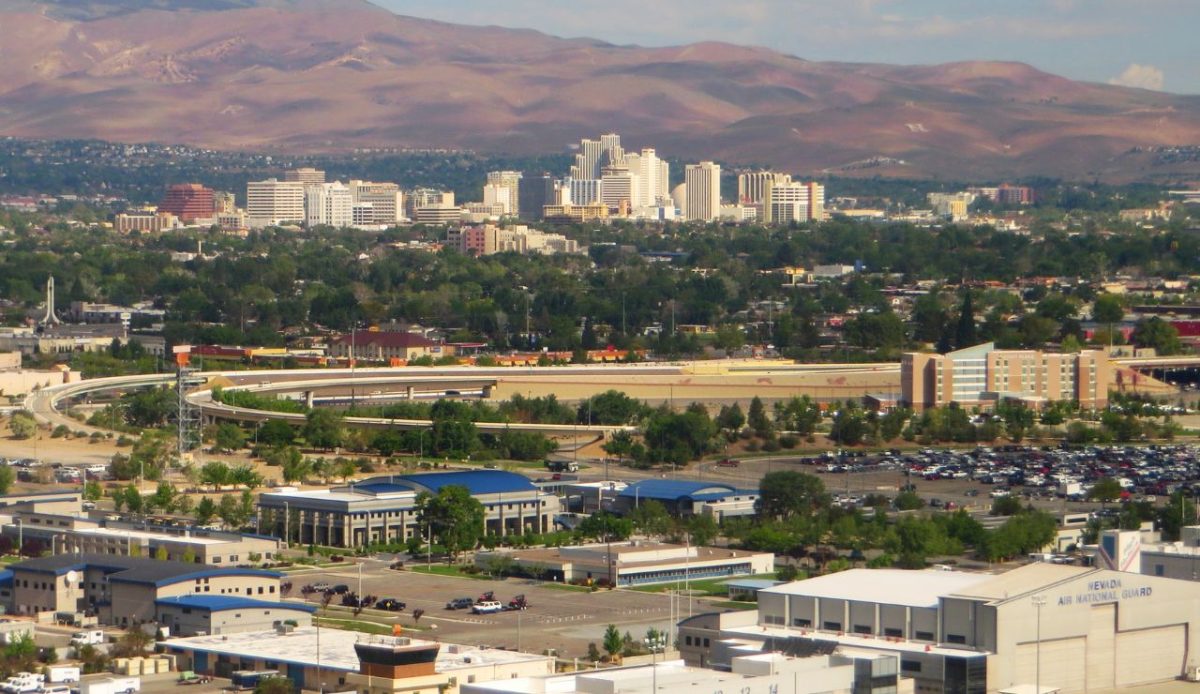
Beyond the bright lights of Las Vegas, Nevada faces broader safety issues. Property crime and fraud have increased, particularly in urban zones tied to tourism and nightlife. Police presence on the Strip remains heavy, keeping main attractions safe, but residential areas have seen more incidents. Travelers should use secure transportation, limit flashy valuables, and remain alert. Nevada’s entertainment magic still shines, provided visitors balance fun with caution.
10. Missouri
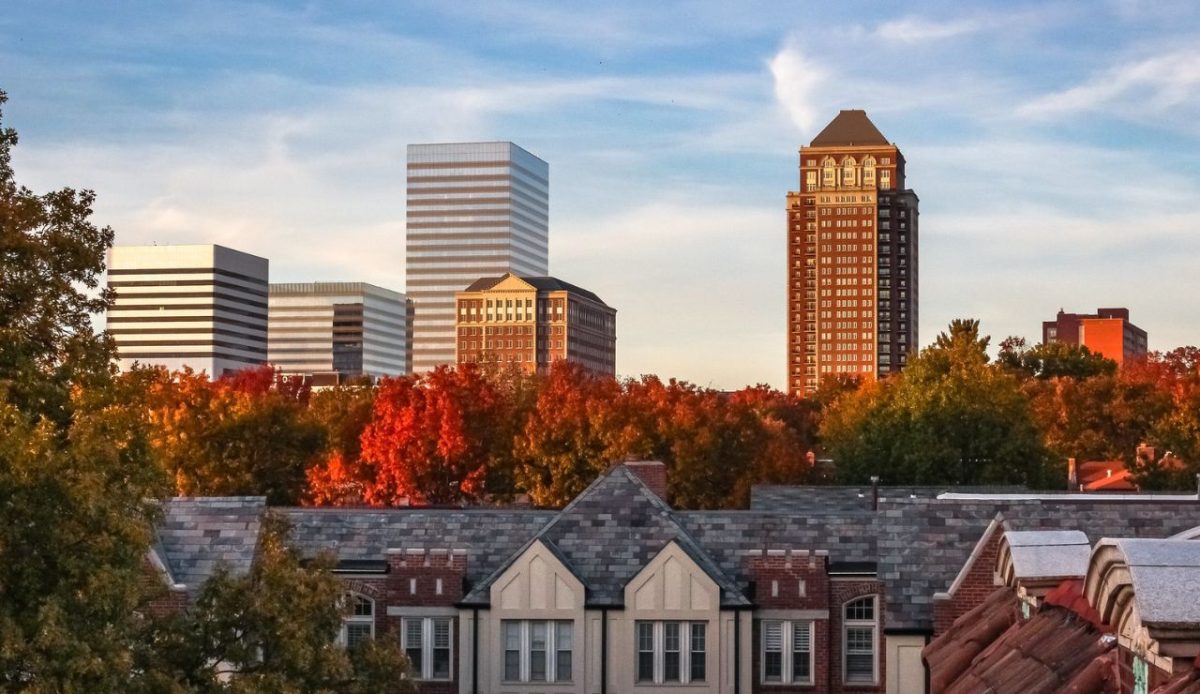
Missouri continues to battle crime spikes in major cities like St. Louis and Kansas City. Gun violence and theft have risen despite law enforcement investments. Socioeconomic challenges and strained community relations contribute to the issue. Visitors can stay safe by focusing on tourist-friendly districts, attending events in groups, and following local updates. Missouri’s blend of jazz history, barbecue, and riverfront culture remains worth exploring with sensible care.
11. California
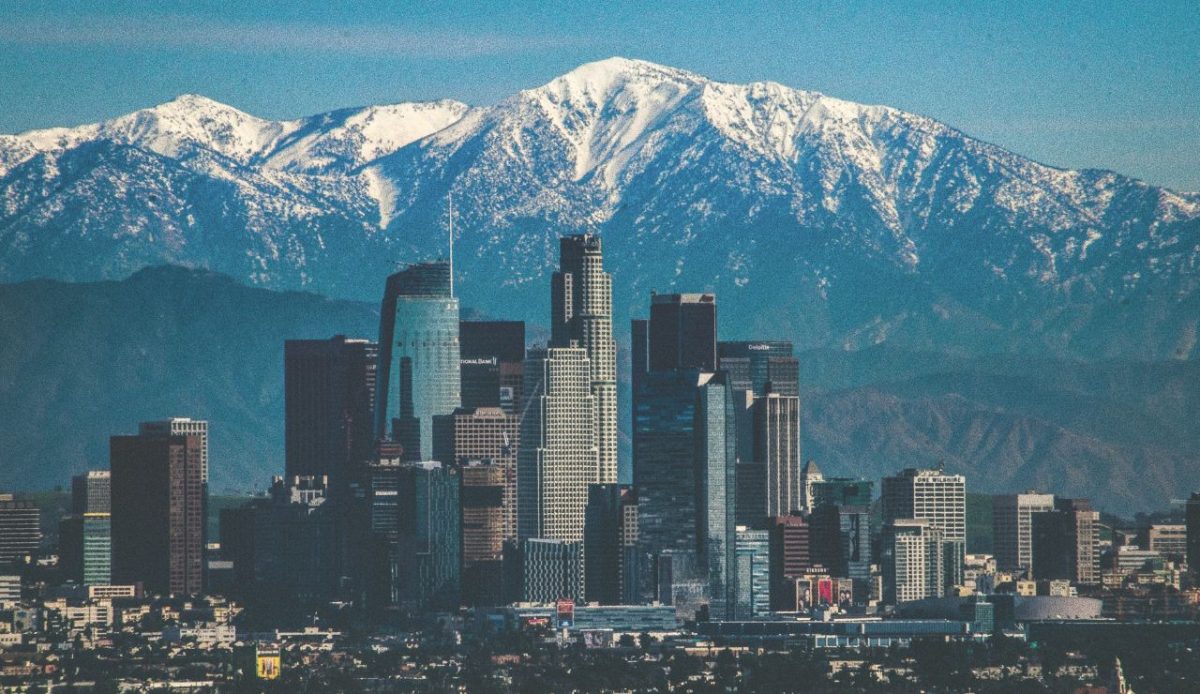
California’s size means safety varies widely, but urban areas like Oakland and San Francisco have seen noticeable rises in theft and car break-ins. Homelessness and economic imbalance continue to strain local systems. Yet most tourist destinations, including Los Angeles, San Diego, and coastal towns, remain secure with standard precautions. California’s diversity and attractions outweigh its challenges when travelers remain aware and practice smart urban habits.
12. Washington
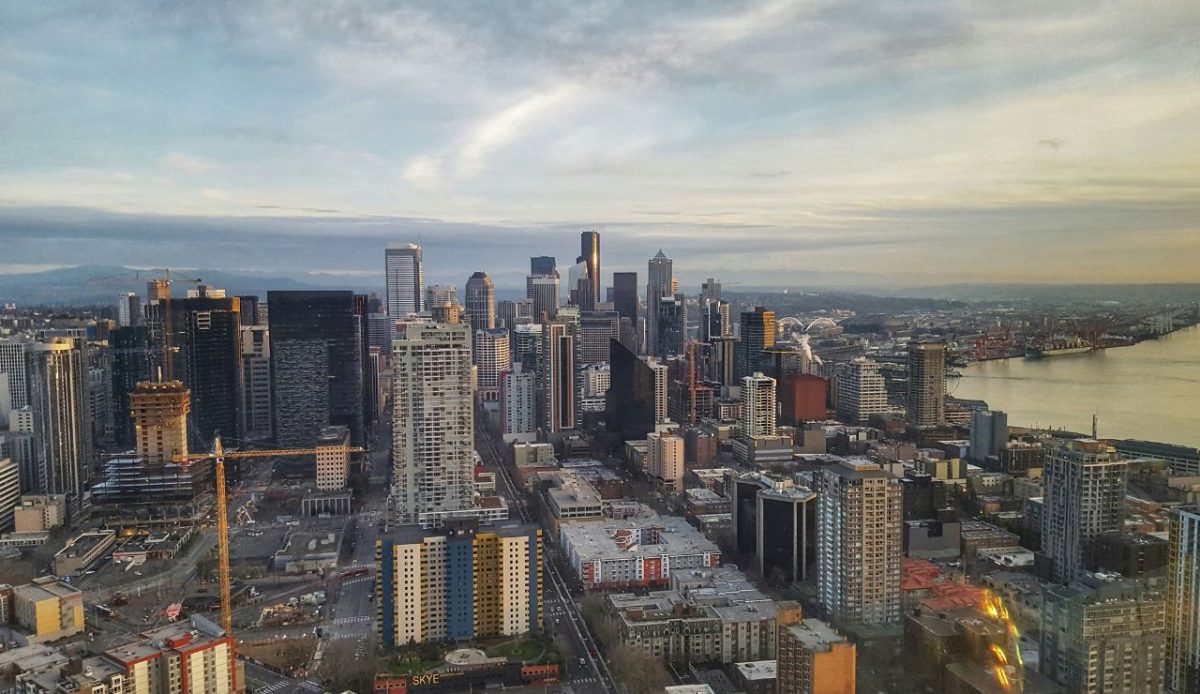
Washington State’s crime growth has centered around Seattle, where property damage, vehicle thefts, and vandalism are increasingly common. While violent crime remains relatively low, urban safety concerns persist due to homelessness and drug issues. Law enforcement reforms aim to balance safety with social support. Visitors can still enjoy Pike Place Market, Mount Rainier, and waterfront walks by sticking to daylight hours and keeping belongings secure.
