
Sleeping in your car can be a lifesaver during long road trips, offering rest without the expense of a hotel. However, rules vary by state, and many restrict overnight parking at rest stops. Fortunately, several states allow travelers to legally sleep in their vehicles for a limited period, often 6–12 hours. These stops typically provide bathrooms, picnic areas, safe parking, and sometimes even scenic surroundings or convenient access to nearby towns. Knowing which states permit this helps road trippers plan routes, avoid fines, and enjoy flexible travel, combining convenience, safety, and budget-friendly options on long journeys.
1. Texas

Texas allows overnight parking at many interstate rest stops, providing a safe option for weary travelers. Most stops permit vehicles to stay 8–12 hours, ensuring safety and turnover. These areas usually feature bathrooms, picnic tables, and lighting. Rules may vary by location, so travelers should check posted signs to avoid fines. Texas’s vast highway network and lenient policies make it ideal for long-distance drivers who need a safe place to rest. Sleeping in your car legally here provides convenience and peace of mind while traveling across the Lone Star State’s wide-open roads and scenic routes.
2. Florida

Certain rest areas in Florida allow travelers to sleep in vehicles overnight for limited periods, usually around 8 hours. Facilities often include bathrooms, picnic tables, and bright lighting, offering a safe and comfortable environment. Travelers should follow posted signage and avoid parking near city exits or congested areas. Florida’s highway system, including I-95, I-75, and the Turnpike, provides many convenient options for road trippers seeking legal overnight rest. This approach allows drivers to rest safely, save on lodging, and continue their journey feeling refreshed and prepared for the long drive ahead.
3. Arizona

Arizona permits overnight parking at designated rest stops, especially along highways like I-10 and I-40. Most stops allow up to 8 hours, giving travelers time to rest safely. Facilities typically include bathrooms, shaded parking, and picnic areas. With long desert stretches and few towns in some regions, these rest stops are invaluable for road trippers and truckers. Following posted signs is essential, as some areas closer to cities may restrict overnight parking. Arizona’s policy ensures travelers can rest legally, manage fatigue, and enjoy scenic drives through desert landscapes without worrying about fines or unsafe roadside stops.
4. New Mexico
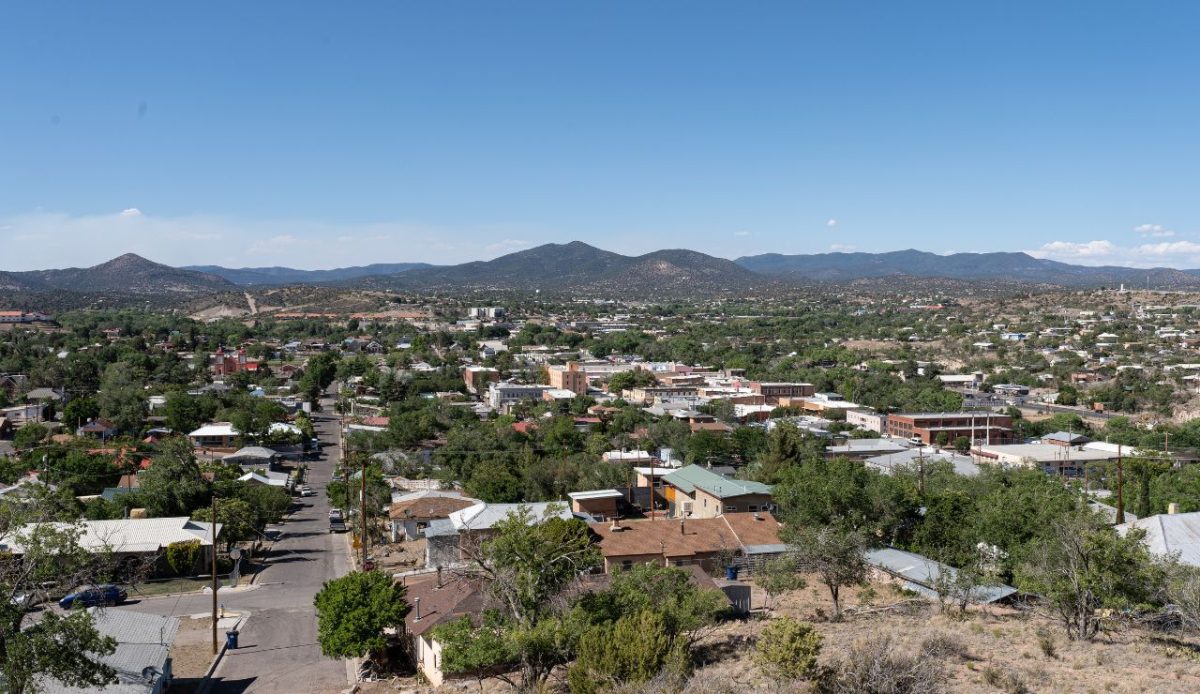
In New Mexico, many interstate rest stops allow overnight parking for travelers needing a break, usually 6–12 hours. Facilities often include bathrooms, vending machines, and picnic areas. The state’s long stretches between towns make legal rest stops critical for safety. Travelers should check signs at each location, as rules can differ. Overnight parking provides budget-friendly rest options for road trippers and long-haul drivers. New Mexico balances accessibility and safety, allowing travelers to rest without paying for hotels, making it an ideal state for those crossing deserts, mountains, or scenic routes on extended road trips.
5. Colorado
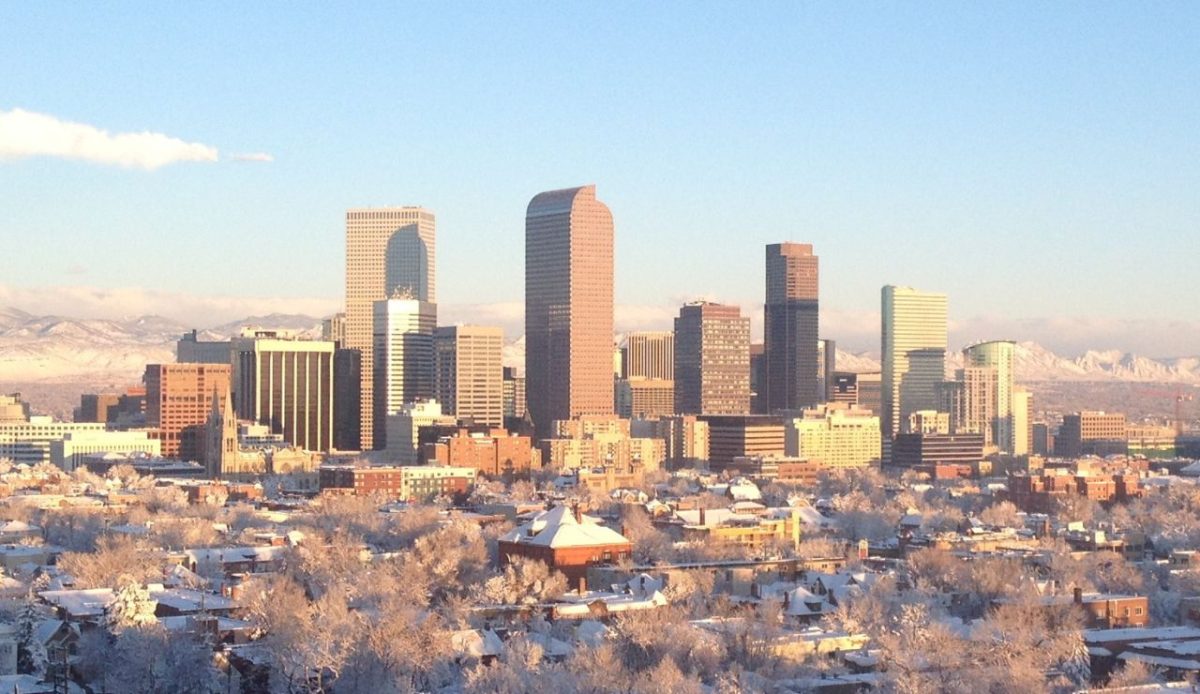
Colorado permits overnight stays at select interstate rest stops, mainly along I-70 and I-25. Time limits typically hover around 8 hours, ensuring safe use and turnover. Rest areas provide bathrooms, picnic spaces, and lighting. Drivers must obey posted rules and avoid areas marked “no overnight parking.” These stops are especially helpful for travelers navigating long mountainous highways or during heavy traffic periods. Colorado’s policy helps drivers rest safely, maintain alertness, and continue their journey without expensive accommodations. Legal overnight parking combines convenience, safety, and affordability in scenic regions.
6. Nevada
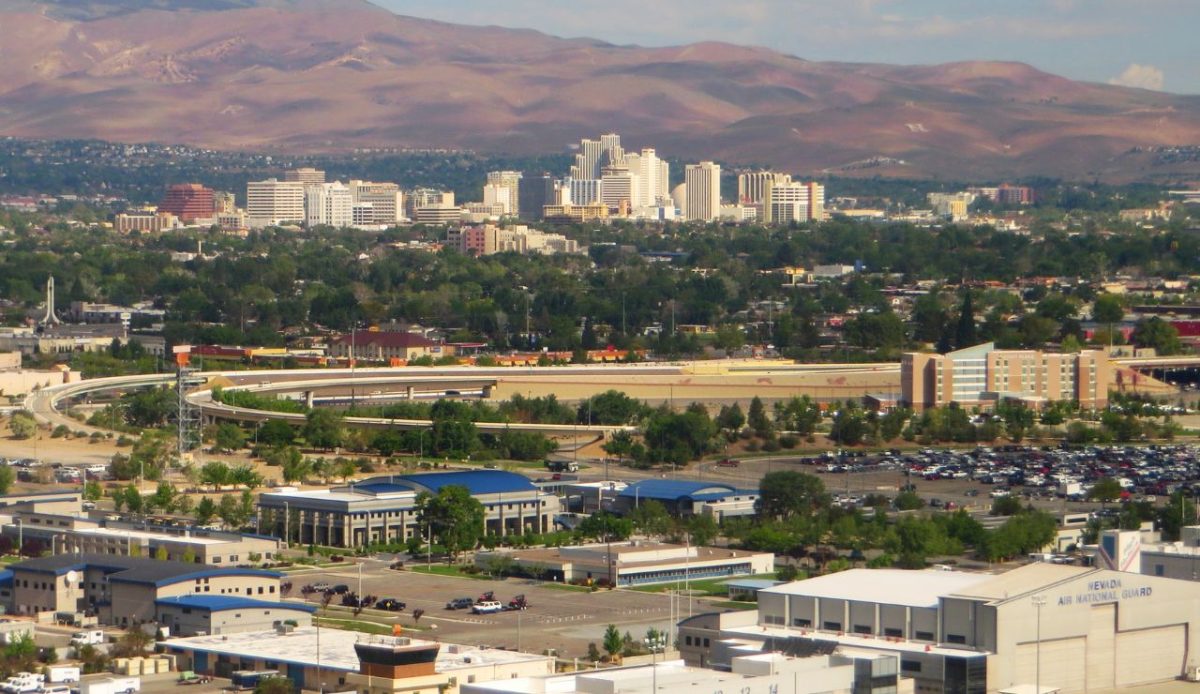
Nevada allows overnight parking at designated rest stops along highways such as I-15 and I-80, usually for 8–12 hours. Facilities often include bathrooms, trash bins, and ample parking, providing convenience for long-distance travelers. These stops are particularly useful for drivers crossing deserts or traveling to destinations like Las Vegas. Adhering to posted time limits ensures safety and legal compliance. Nevada’s approach supports weary travelers, allowing them to rest without paying for hotels while enjoying secure and well-maintained facilities. It balances convenience, safety, and affordability along the state’s highways.
7. Utah
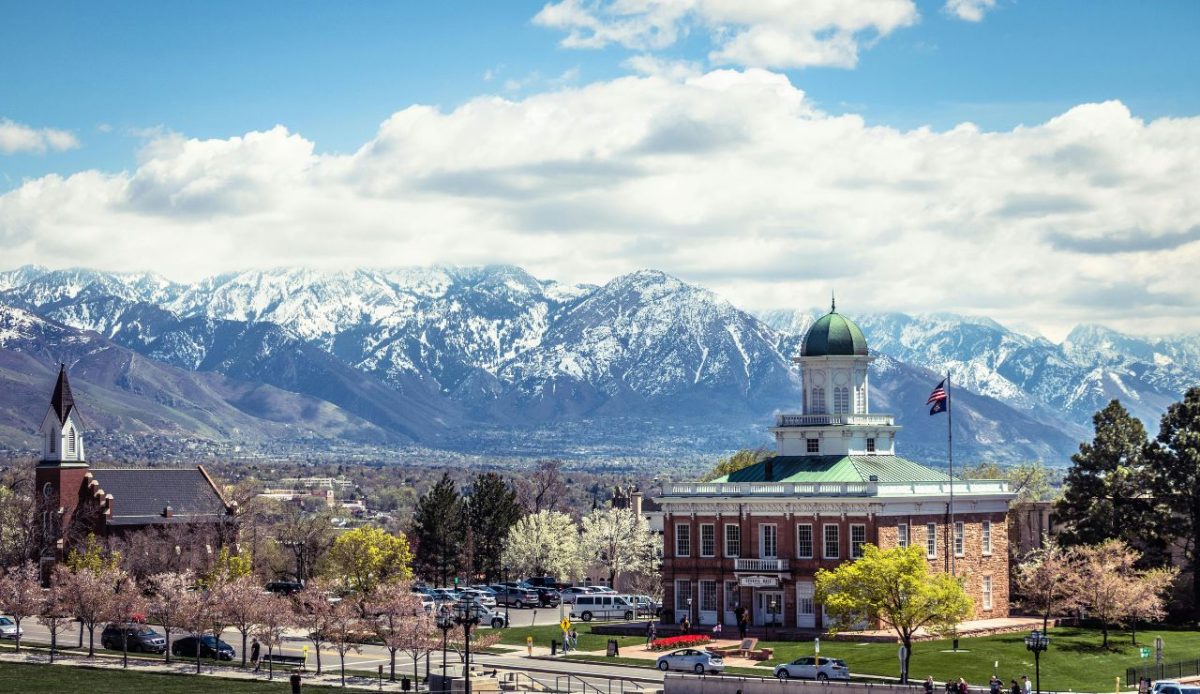
Utah rest stops frequently permit overnight stays along I-15 and I-70, typically for up to 8 hours. Travelers benefit from restrooms, picnic areas, and lighting to enhance safety. These legal overnight parking options are especially valuable on long stretches of highway between towns or scenic locations. Visitors should respect posted rules and avoid areas near city limits. Utah’s policy helps road trippers manage fatigue, maintain safety, and save money on lodging. Legal overnight parking combines convenience, accessibility, and comfort for drivers exploring the state’s desert highways, mountains, and scenic routes.
8. Oregon
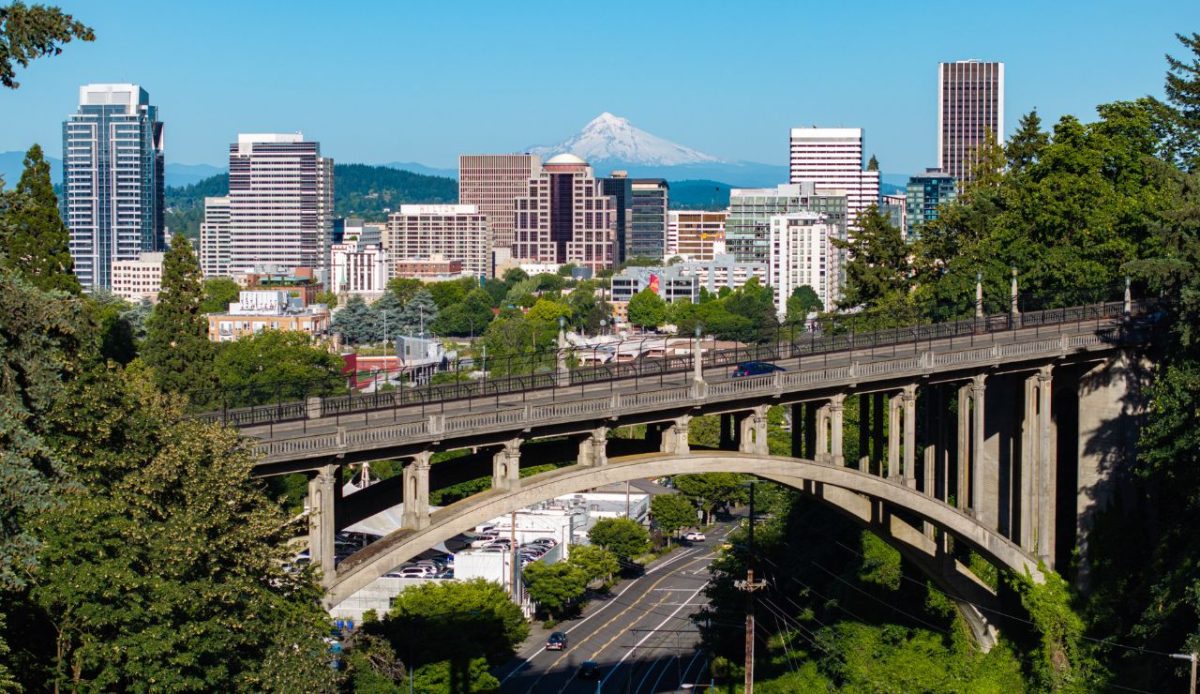
Oregon allows brief overnight parking at many interstate rest areas, usually up to 8 hours. These areas provide restrooms, picnic tables, and safe, well-lit parking. Travelers should respect time limits and posted signs, avoiding congested or restricted zones. Oregon’s rest stops are especially helpful for road trippers exploring I-5, I-84, or coastal routes. They provide legal, budget-friendly options for those needing rest without booking hotels. By balancing accessibility and safety, Oregon ensures travelers can legally sleep in vehicles while enjoying scenic routes and maintaining road safety on long drives.
9. Idaho
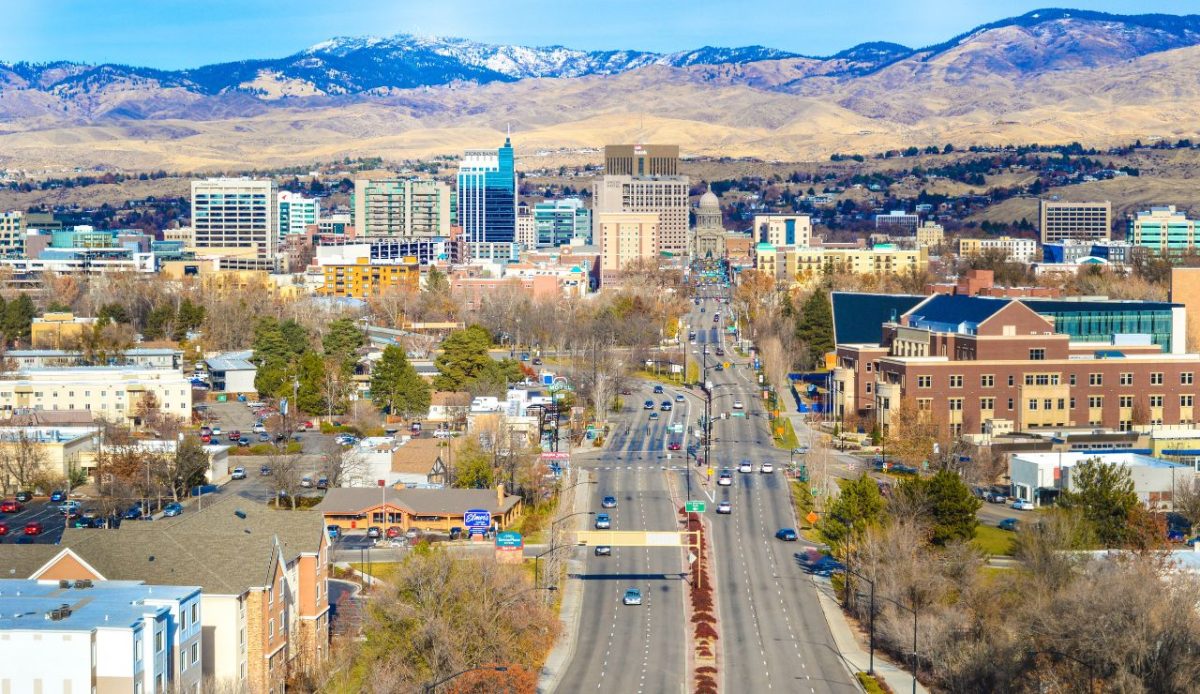
Rest stops in Idaho, particularly along I-84 and I-90, allow overnight parking for limited periods, typically 8 hours. Facilities often include bathrooms, picnic areas, and lighting for traveler safety. Legal overnight parking is vital on long stretches with few towns. Observing posted signs ensures compliance and safety. Idaho’s policy supports long-distance drivers, truckers, and road trippers needing rest without expensive accommodations. It offers a convenient and legal option for safe sleeping in vehicles, combining practicality, affordability, and accessibility for travelers crossing rural highways and scenic routes.
10. Wyoming
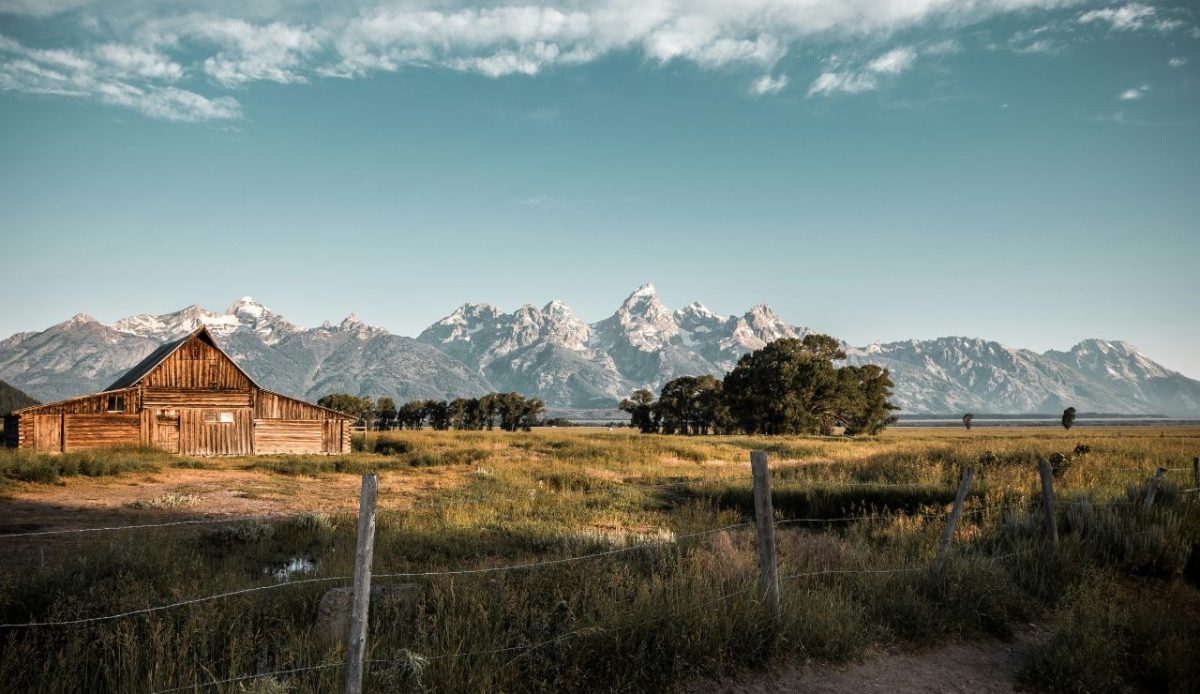
Wyoming permits overnight vehicle stays at select rest stops along I-80 and I-25, generally limited to 8 hours. These areas offer bathrooms, picnic spaces, and safe parking. Rules are posted at each location, and travelers should comply to avoid fines. With vast distances between towns, legal overnight parking ensures drivers can rest safely. Wyoming’s approach balances traveler convenience, safety, and resource management, providing cost-effective alternatives to hotels. This policy allows road trippers to enjoy extended drives across scenic plains and mountains while maintaining alertness and avoiding fatigue.
11. Montana
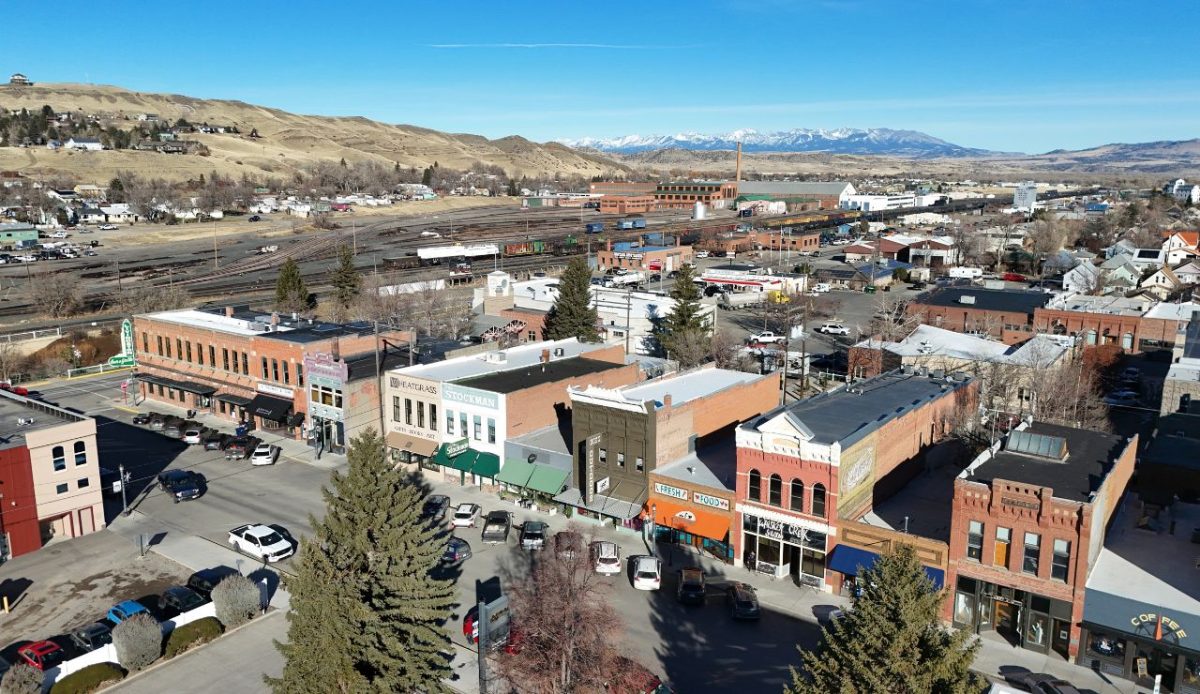
Montana allows overnight parking at rest stops on highways such as I-90 and I-15, usually for up to 8 hours. These stops provide bathrooms, lighting, and open parking spaces for travelers’ safety. The state’s wide-open stretches make them essential for long-distance drivers. Posted signage should always be followed to avoid fines or towing. Montana’s policy provides a budget-friendly, legal way to rest, helping road trippers and truckers manage fatigue. Safe, convenient, and affordable rest options make it easier to explore the state’s scenic routes without worrying about lodging or restricted parking areas.
12. Maine
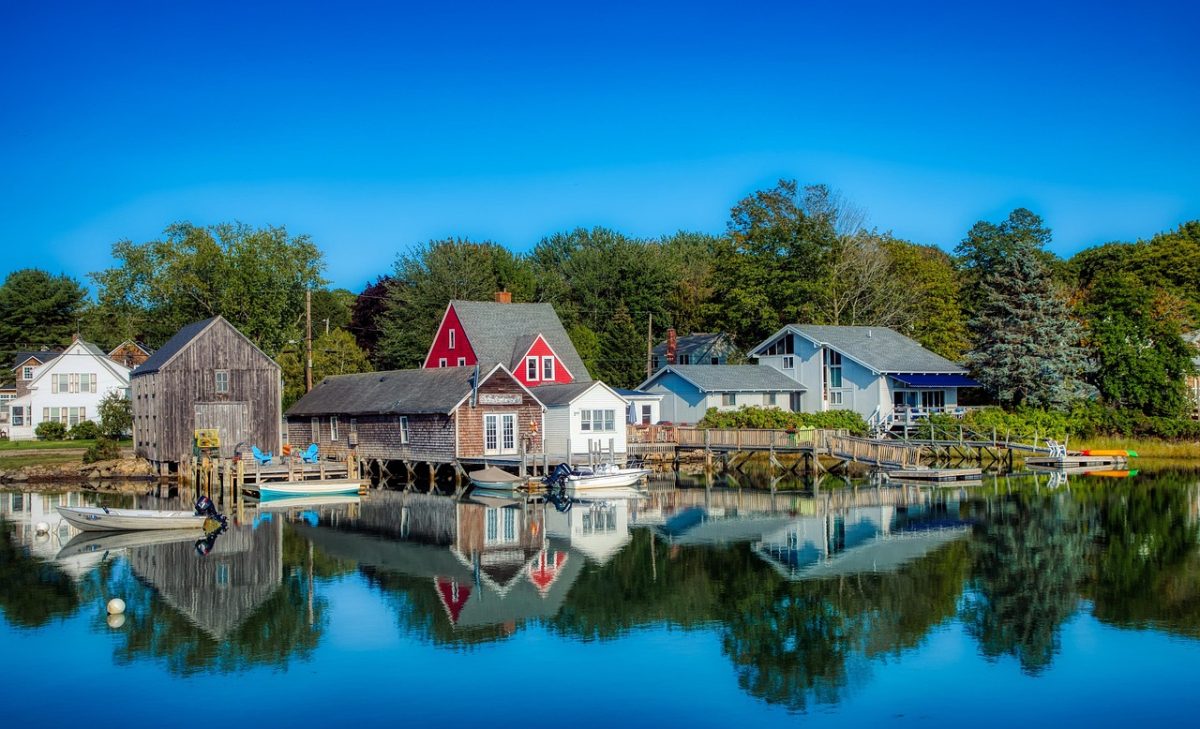
Maine permits overnight parking at certain rest areas, mainly along I-95, typically for 8–10 hours. Facilities usually include bathrooms, picnic areas, and well-lit spaces. Travelers should follow posted signage to ensure compliance. Legal overnight parking is crucial for road trippers traversing rural stretches with limited lodging. Maine’s policy combines safety, convenience, and affordability, providing a reliable option for those driving long distances. By allowing brief, legal overnight stays, Maine ensures travelers can rest safely and continue their journey without costly hotel stops along scenic or isolated routes.
