
Traveling in extreme cold can be exhilarating, but staying warm is crucial for comfort, safety, and enjoyment. Freezing temperatures challenge the body in unexpected ways, from frostbite to fatigue, and poor preparation can quickly ruin your trip. Planning, choosing the right clothing, and using smart strategies ensures you can explore snowy landscapes, icy cities, and winter wonderlands without discomfort. These twelve tips help travelers maintain body heat, stay safe, and enjoy outdoor adventures in extreme cold, making every trip memorable even in the harshest conditions, no matter the location.
1. Layer Clothing Strategically
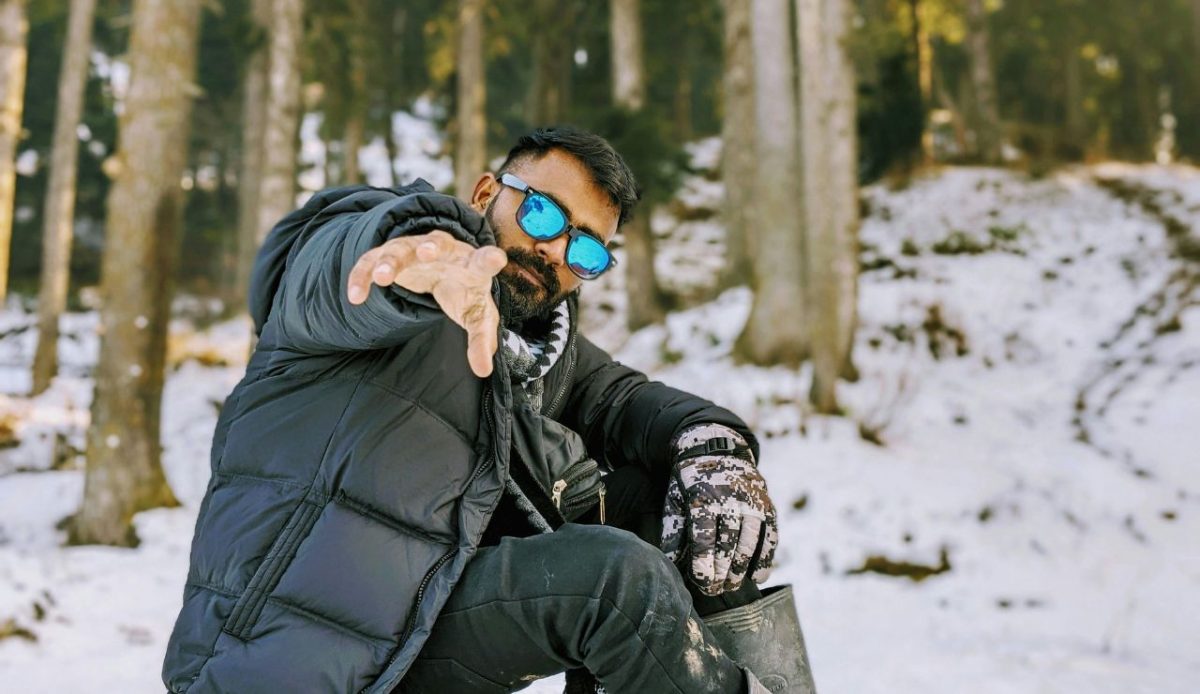
Layering clothing is the key to staying warm in extreme cold and allows you to adjust for changing conditions. Start with a moisture-wicking base layer to keep sweat off your skin, add a thermal or fleece mid-layer for insulation, and finish with a windproof, waterproof outer layer. Each layer has a purpose: moisture control, heat retention, and protection from wind and precipitation. Avoid cotton, which traps moisture. Adjust layers throughout the day to regulate temperature, whether hiking, sightseeing, or waiting outdoors, ensuring maximum warmth without overheating or bulk, even during sudden snowstorms or wind chills.
2. Invest in Quality Winter Gear
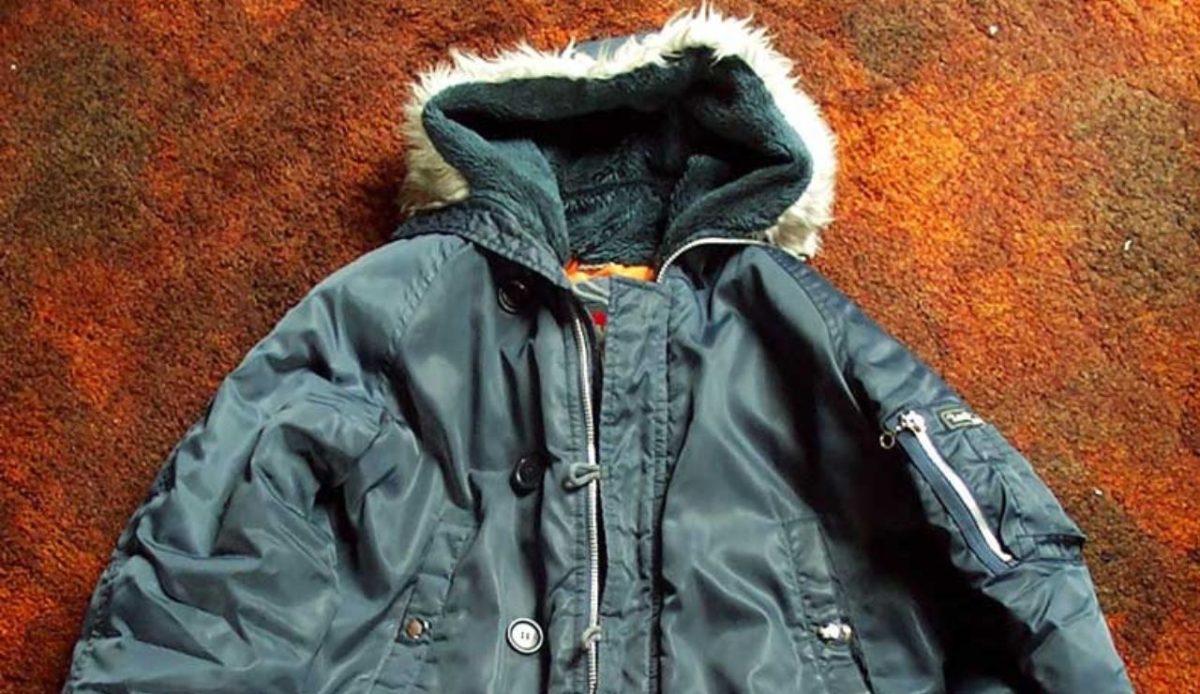
High-quality winter gear is essential for comfort and safety in frigid climates. Insulated jackets, thermal pants, waterproof boots, gloves, hats, and scarves make a huge difference. Look for clothing rated for sub-zero temperatures that retains heat without restricting movement. Features like adjustable hoods, fleece linings, and windproof shells improve warmth and comfort. Well-designed gear also keeps you dry in snow or rain and provides durability for extended trips. Investing in reliable winter equipment allows travelers to explore, hike, or sightsee confidently while staying warm, safe, and comfortable in extreme cold.
3. Keep Extremities Covered

Hands, feet, and head lose heat fastest, so keeping them well-covered is essential. Use insulated gloves or mittens, thermal socks, warm hats, and scarves or balaclavas to protect extremities from frostbite. Layered socks and waterproof boots add extra protection against snow and icy conditions. Even small gaps in coverage can lead to rapid cooling and discomfort. Prioritizing extremities helps stabilize core body temperature, allowing longer outdoor exposure safely. Covering these areas prevents numbness, improves circulation, and ensures that travelers can enjoy winter activities without pain or risk of cold-related injuries.
4. Use Hand and Foot Warmers

Hand and foot warmers are small, portable tools that make a big difference in extreme cold. Disposable or rechargeable warmers can be inserted into gloves, mittens, or boots, providing hours of additional heat during hiking, sightseeing, or waiting outdoors. They are especially useful for mornings, evenings, or periods of inactivity when extremities cool rapidly. Combining warmers with layered clothing maximizes comfort and warmth. Using them strategically reduces the risk of frostbite, prevents numbness, and allows travelers to stay outside longer. Proper use ensures enjoyable winter experiences even in icy, harsh conditions.
5. Choose Insulated, Waterproof Footwear
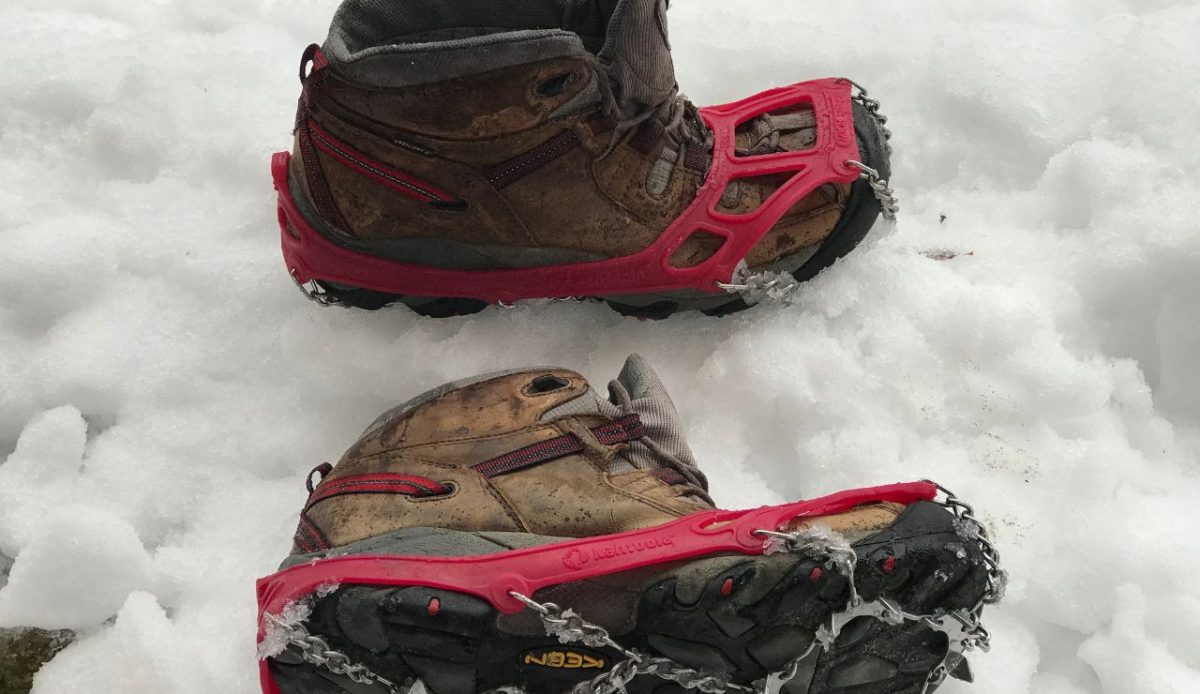
Insulated, waterproof boots are crucial for protecting feet from cold and wet conditions. Thermal linings keep feet warm, while waterproof membranes prevent snow and ice from soaking socks. Pairing boots with wool or thermal socks increases insulation. Proper footwear prevents discomfort, frostbite, and heat loss during long walks or outdoor adventures. Features like sturdy soles and traction help prevent slips on icy terrain. By investing in high-quality boots, travelers can confidently explore snowy streets, winter trails, and icy landscapes without compromising warmth, safety, or mobility during extreme cold travel.
6. Stay Dry in Snow and Rain
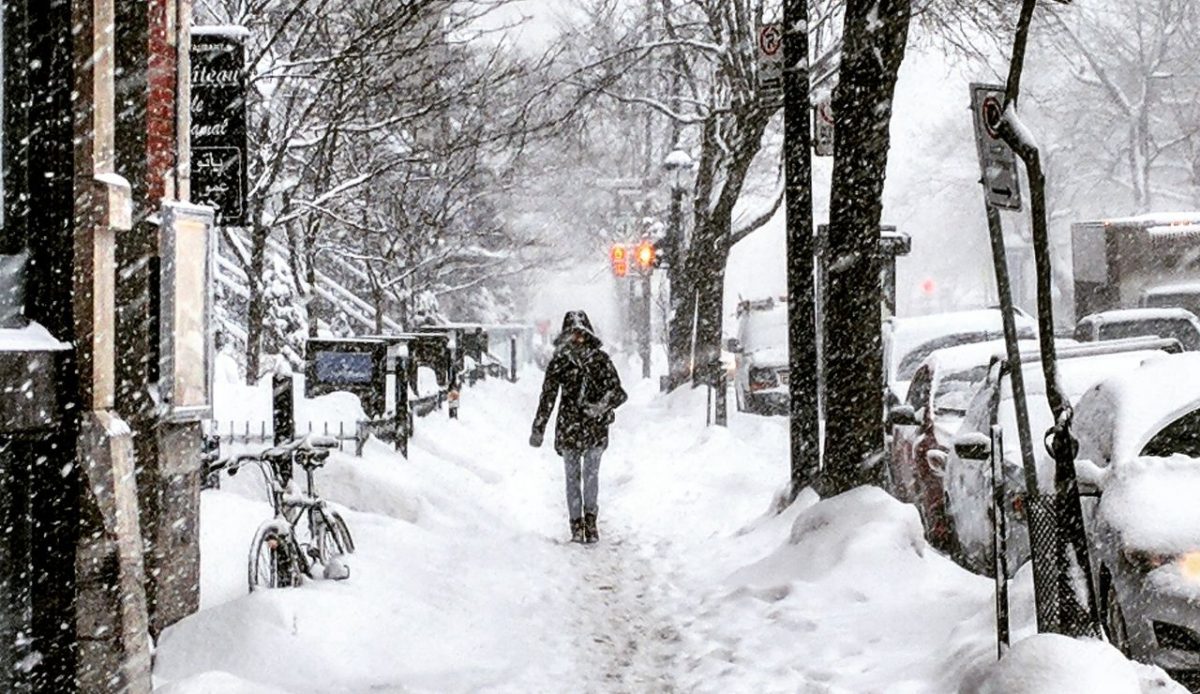
Moisture dramatically reduces warmth, so staying dry is essential in extreme cold. Waterproof jackets, snow pants, gloves, and boots protect against snow and rain, while moisture-wicking base layers manage sweat. Even light dampness from snow or condensation can chill the body. Change wet clothing immediately to maintain comfort. Staying dry not only preserves warmth but also prevents cold-related illnesses, including hypothermia. Combining waterproof gear with insulated layers ensures travelers remain safe and comfortable during winter activities, enjoying snowy landscapes without discomfort.
7. Eat Warm, Calorie-Rich Meals
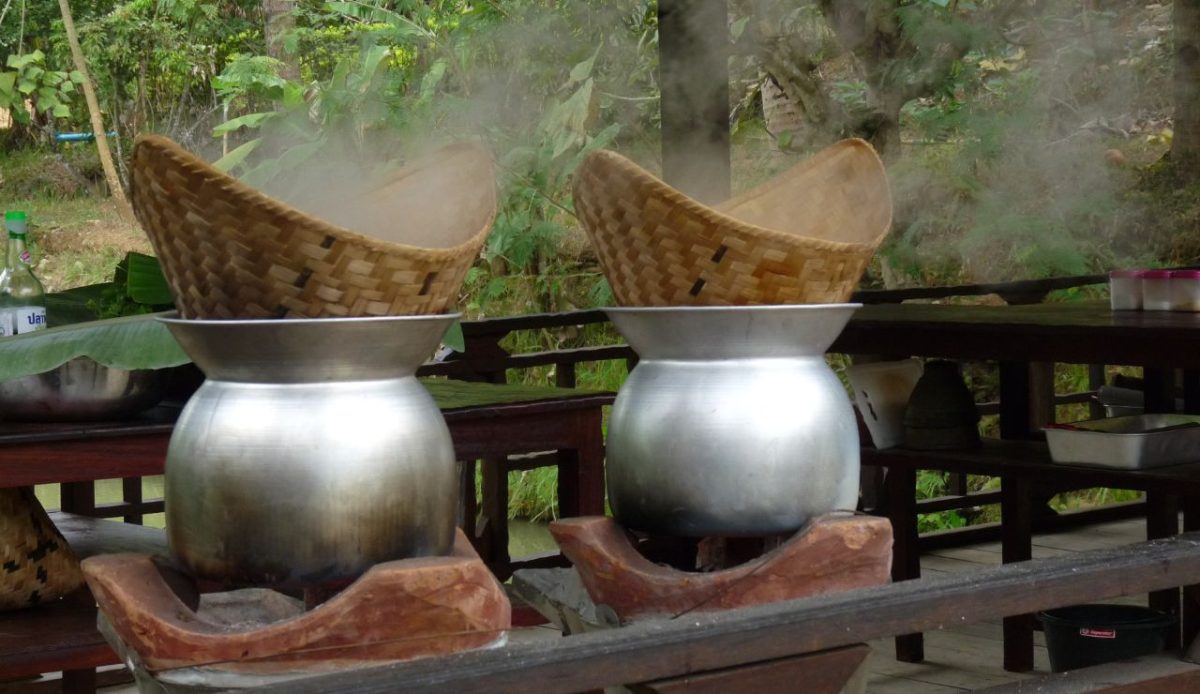
Eating warm, high-energy meals helps the body generate heat and maintain energy in extreme cold. Soups, stews, and hot drinks provide immediate warmth, while foods rich in protein and healthy fats fuel sustained energy. Frequent, small meals prevent dips in body temperature and maintain stamina during outdoor activities. Carry portable snacks, like nuts or energy bars, during long excursions. Proper nutrition and hydration enhance circulation and overall comfort. Combining warm meals with insulated clothing and movement helps travelers stay active and enjoy cold destinations safely without fatigue.
8. Drink Plenty of Warm Fluids
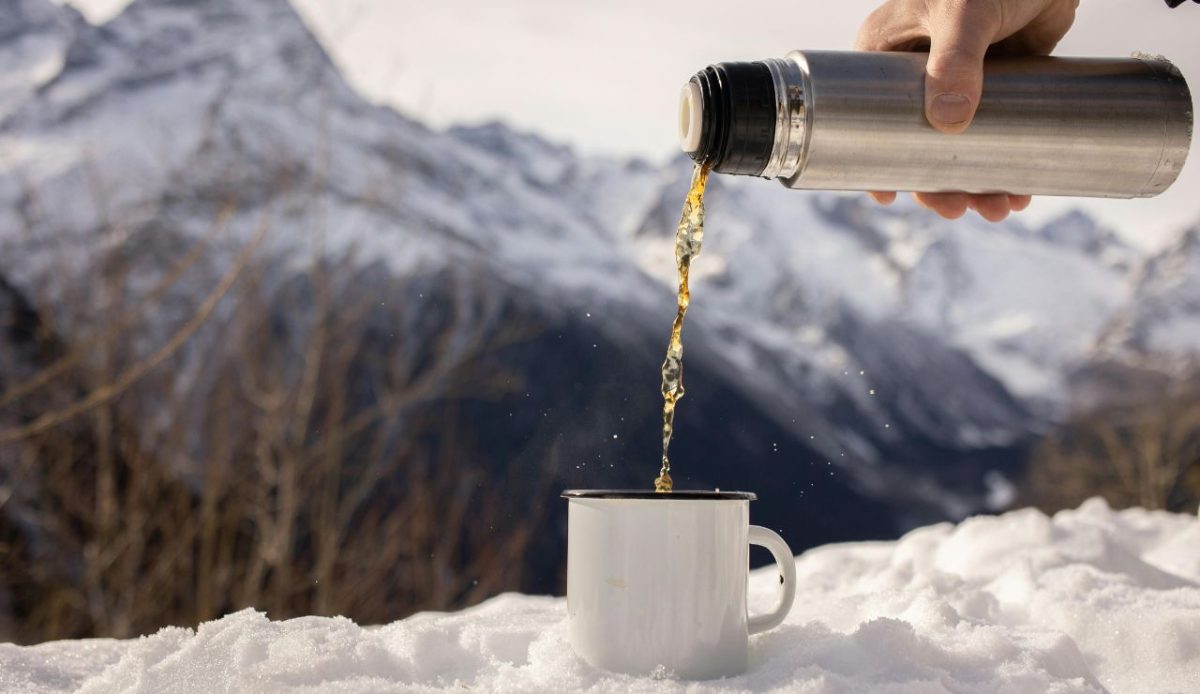
Hydration is essential in cold weather, even if you don’t feel thirsty. Warm beverages like tea, cocoa, or broth stabilize body temperature and prevent dehydration, which can impair circulation and increase cold sensitivity. Avoid excessive alcohol, which lowers heat retention. Carrying a thermos during excursions ensures warm drinks on the go. Regular sips maintain energy and internal warmth. Combining hydration with nutritious meals and proper clothing helps travelers enjoy winter landscapes longer. Drinking warm fluids consistently reduces the risk of cold-related issues and enhances the travel experience.
9. Move Frequently to Generate Heat
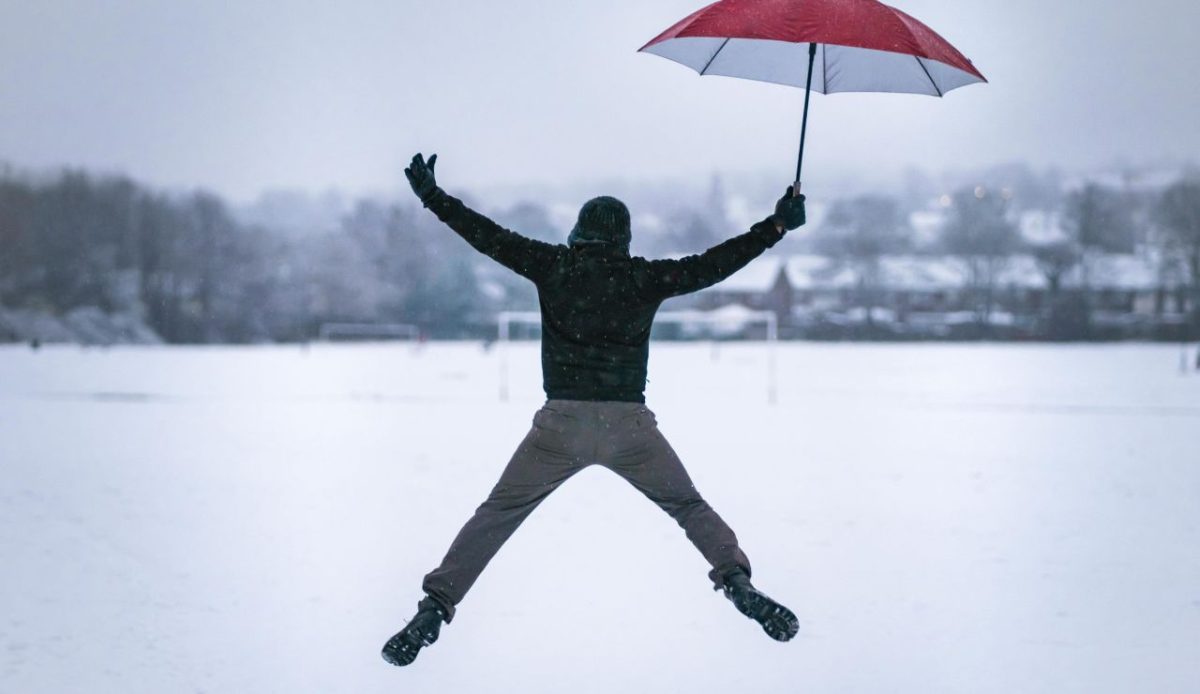
Physical activity produces body heat, helping travelers stay warm in extreme cold. Walking, light jogging, or stretching improves circulation and keeps extremities warmer. Avoid long periods of inactivity, which accelerates heat loss. Layered clothing allows comfortable movement without overheating. Frequent movement also prevents stiffness during outdoor excursions. Incorporating short bursts of activity while sightseeing, hiking, or waiting outdoors ensures continuous warmth. Combining motion with proper insulation allows travelers to enjoy snowy trails, icy streets, and winter adventures safely in sub-zero temperatures.
10. Protect Your Face From Wind and Frostbite
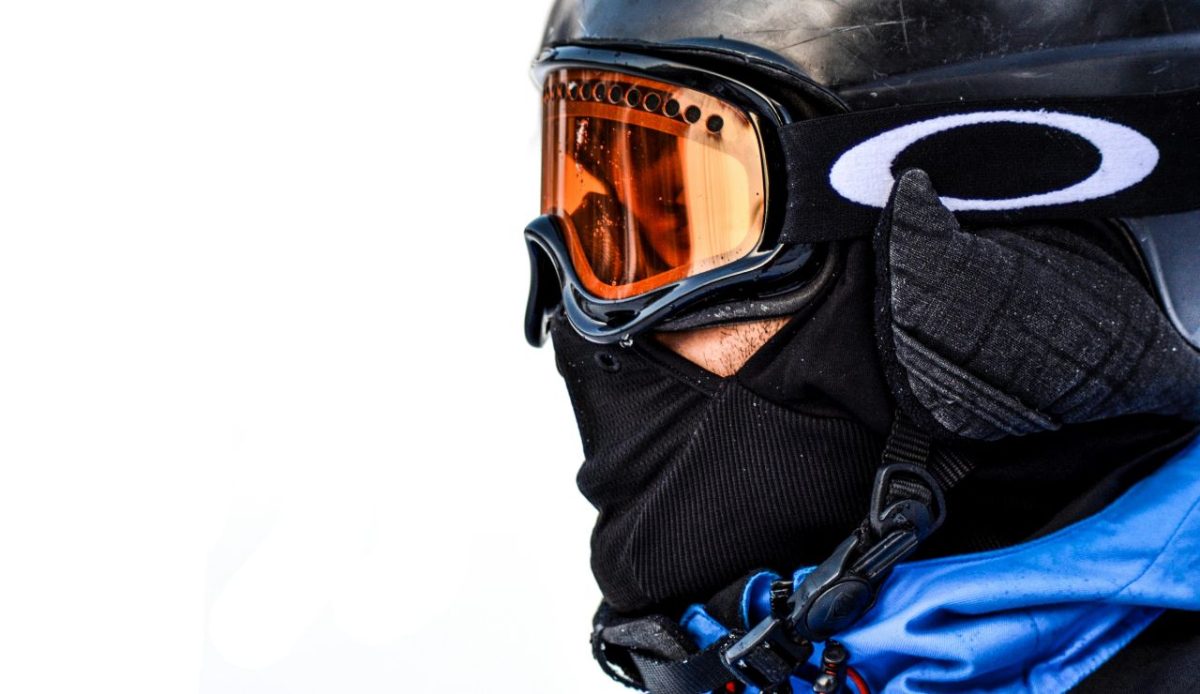
Exposed skin, especially on the face, can freeze quickly in strong winds. Cover cheeks, nose, and chin with scarves, balaclavas, or face masks, and use goggles to protect eyes. Frostbite can occur even at moderately cold temperatures when the wind chill is high. Proper facial protection retains core warmth and reduces overall heat loss. Combining windproof accessories with hats, insulated jackets, and gloves maximizes comfort. Protecting the face allows travelers to spend longer periods outdoors safely, enjoy winter landscapes, and avoid painful cold injuries. It ensures a more comfortable and secure extreme cold travel experience.
11. Use Thermal Sleeping Gear for Overnight Trips
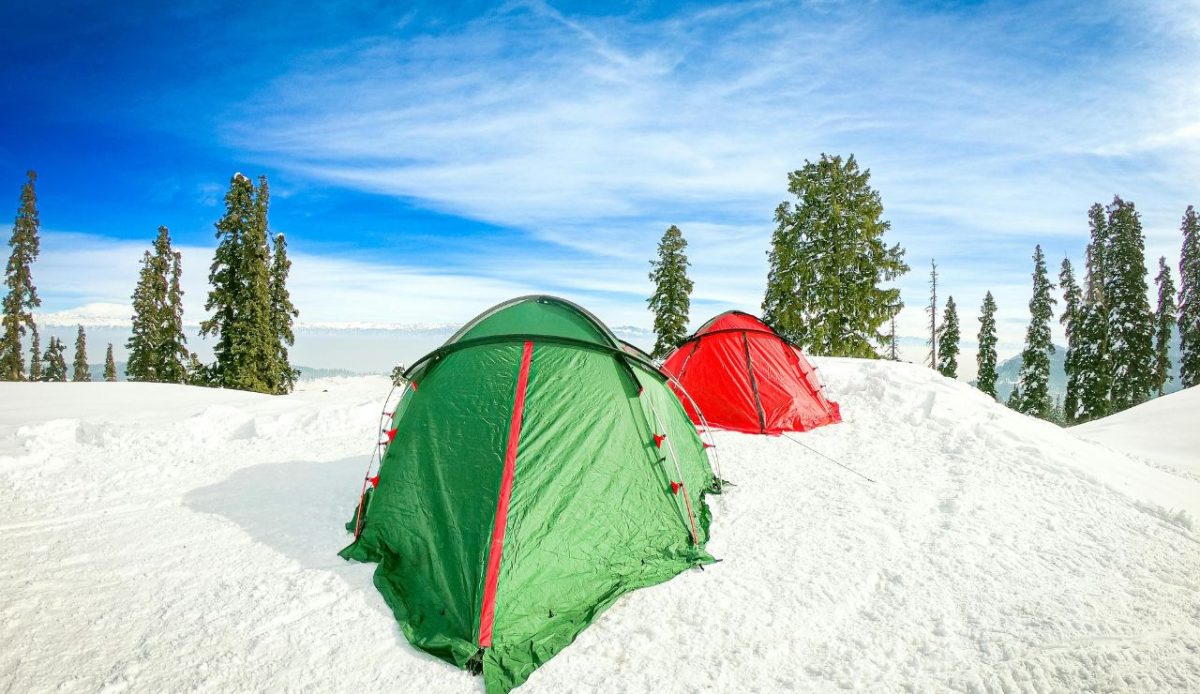
For overnight stays in extreme cold, thermal sleeping bags and insulated pads are essential. Sleeping gear rated below expected temperatures ensures warmth throughout the night. Layering blankets and using insulated mats prevents heat loss to the ground. Combine sleeping gear with warm clothing, hats, and socks for maximum protection. Proper arrangements prevent hypothermia and ensure restful sleep. Well-chosen sleeping equipment allows travelers to experience winter camping, mountaineering, or remote adventures safely. Planning with thermal gear ensures comfort, safety, and energy for outdoor exploration in extreme cold conditions.
12. Plan and Monitor Weather

Planning and monitoring the weather is critical for extreme cold travel. Check forecasts, wind chill, snow conditions, and temperature fluctuations before heading out. Schedule activities during warmer parts of the day when possible. Pack backup clothing and gear to handle sudden weather changes. Awareness prevents exposure, frostbite, and hypothermia. Combining planning with proper clothing, nutrition, and movement strategies ensures travelers remain safe, warm, and comfortable. Effective preparation allows enjoyment of winter landscapes, snowy cities, and outdoor adventures without disruption during extreme cold trips.
