
Many well-known Asian capitals dominate attention, yet several quieter cities offer stronger insight into local routines, regional history, and community life. These capitals help travelers understand how people manage work, food traditions, and public gatherings without heavy tourism pressure. Markets, religious centers, and neighborhoods show long-term habits that remain important in daily planning. Each place below offers steady value for travelers who want reliable culture, walkable districts, and meaningful contact with residents who shape the rhythm of these cities from morning to evening.
1. Vientiane, Laos
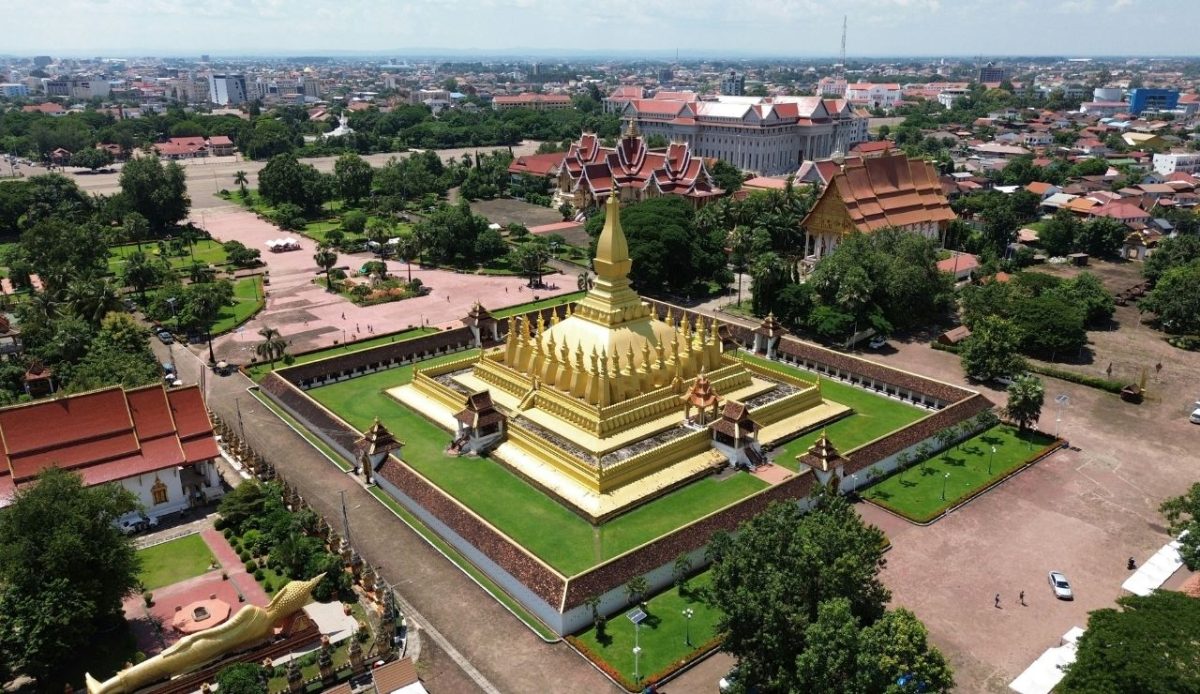
Vientiane moves at a pace that encourages observation rather than constant motion. Monks walk past bakeries influenced by French traditions, while golden temples rise only a few streets from the Mekong River. Life revolves around early markets, quiet afternoons, and evenings along the riverfront where locals gather to eat and talk. Instead of rushing between sights, visitors tend to slow their schedule, share meals, and watch daily routines unfold naturally. This gentle rhythm creates an atmosphere that feels welcoming and unforced, especially for travelers seeking calm rather than stimulation.
2. Thimphu, Bhutan
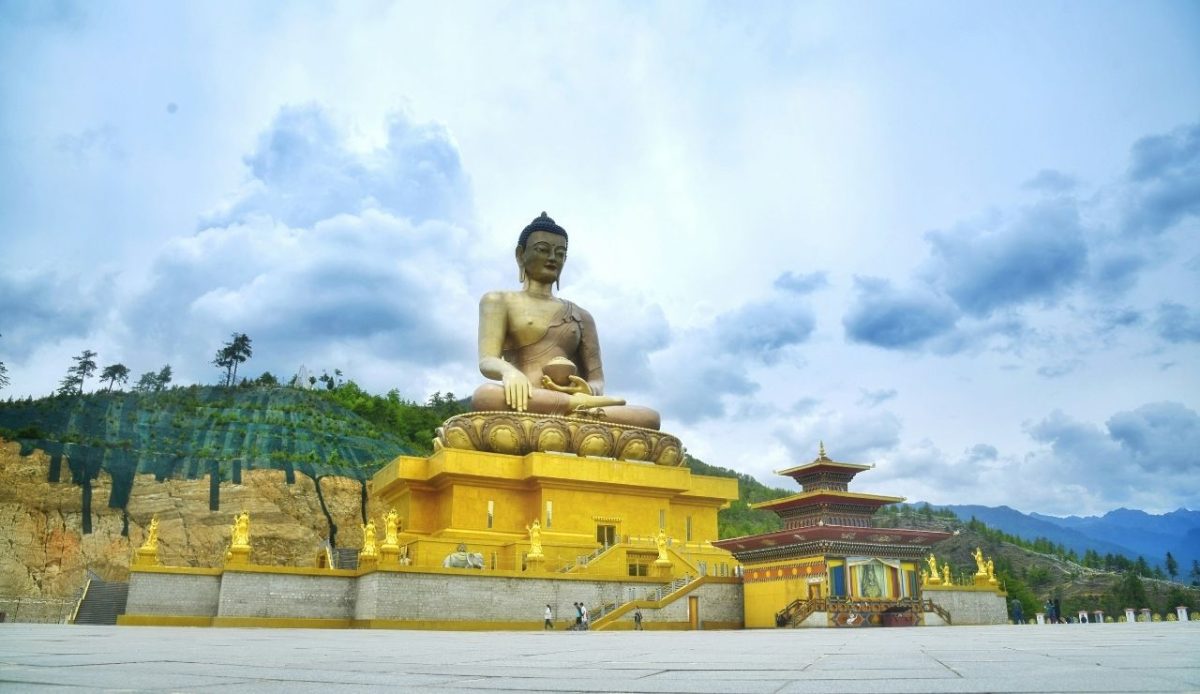
Thimphu blends national administration, spiritual practice, and everyday life without separating them into districts. Government buildings stand near monasteries, prayer wheels, and open courtyards used for casual gatherings. Traffic moves without signals, guided by attendants whose presence reflects local values. Museums, fortress-monasteries, and weekend markets reveal how tradition continues to influence modern choices. Visitors notice how planning favors balance over speed, creating a capital that feels thoughtful and deliberate. Time spent here often leaves a strong impression through subtle moments rather than headline attractions.
3. Ulaanbaatar, Mongolia
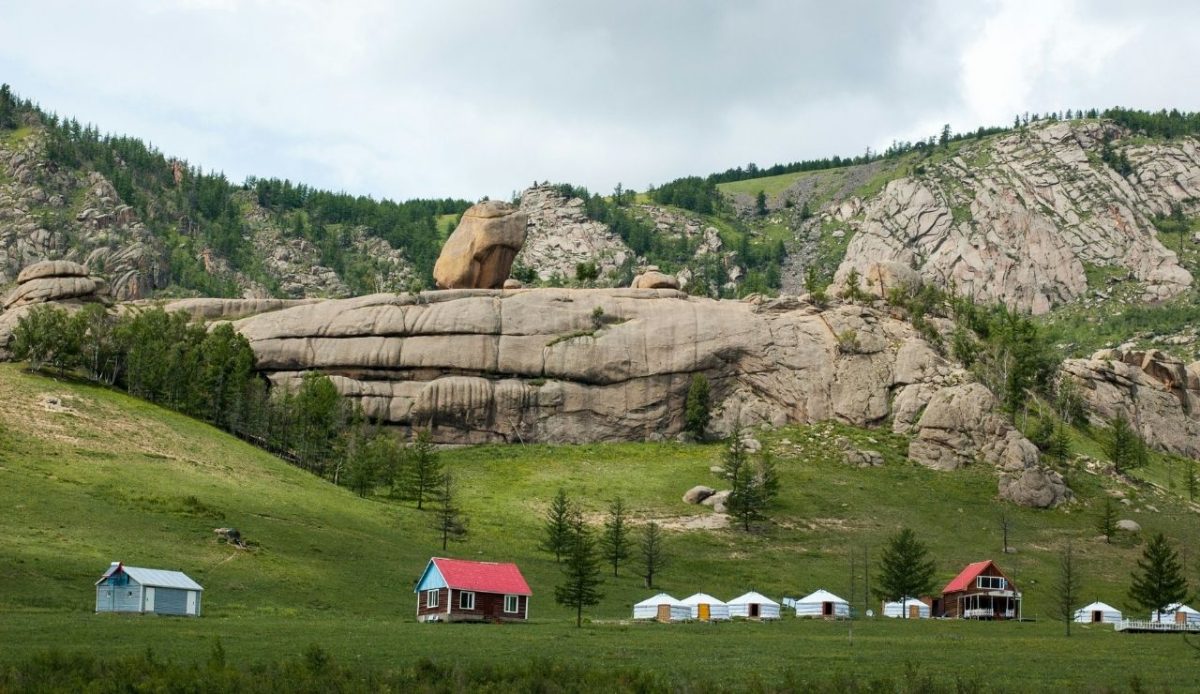
Ulaanbaatar reflects Mongolia’s transition from nomadic traditions to modern city life. Buddhist temples, Soviet-era housing, and newer cultural venues appear within close range, offering a clear timeline of political and social change. Markets demonstrate long-standing trade patterns, while museums show how the region adapted through major shifts. Winter conditions influence transportation and daily planning, giving travelers a sense of local resilience. The open steppe located just outside the city provides direct access to rural life, offering valuable context for understanding Mongolia’s wider identity.
4. Bandar Seri Begawan, Brunei
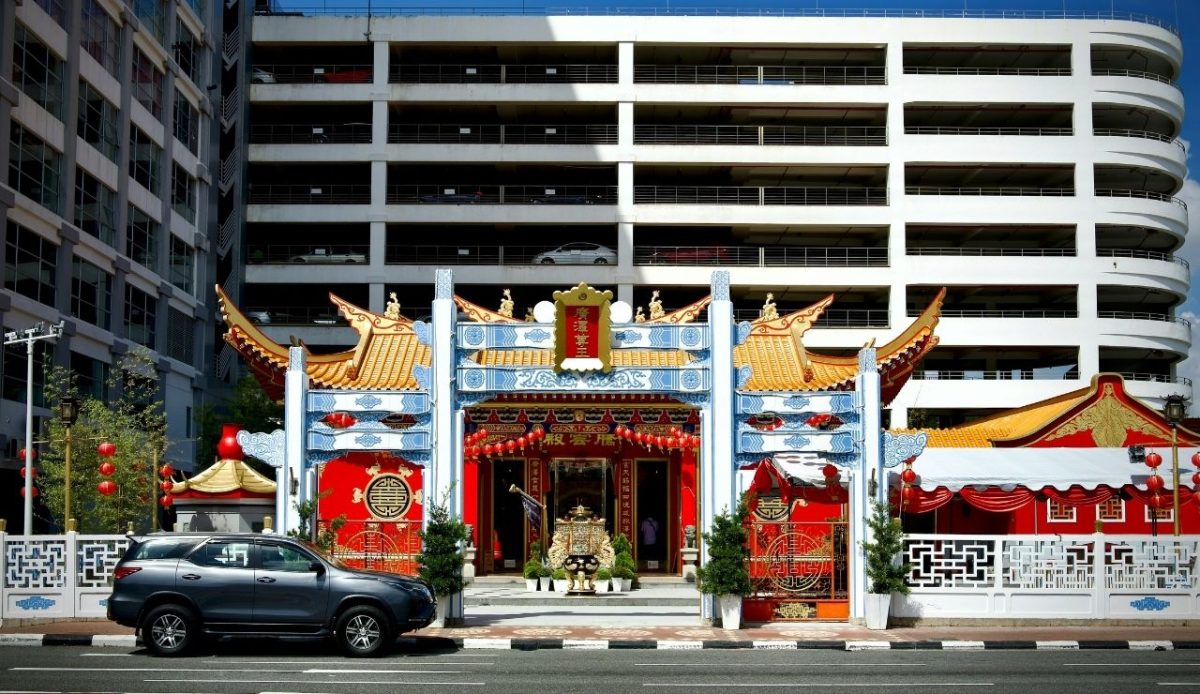
Bandar Seri Begawan presents a quiet capital shaped by clear planning, organized districts, and long-standing coastal communities. The Omar Ali Saifuddien Mosque functions as a central landmark, while water settlements display historic living patterns that continue today. Streets remain calm and simple to navigate, allowing visitors to move easily between cultural sites. Public structures emphasize stability, reflecting national priorities. The city offers dependable insight into Brunei’s social organization, religious practices, and daily routines without the distraction of large crowds or dense commercial zones.
5. Dili, Timor-Leste
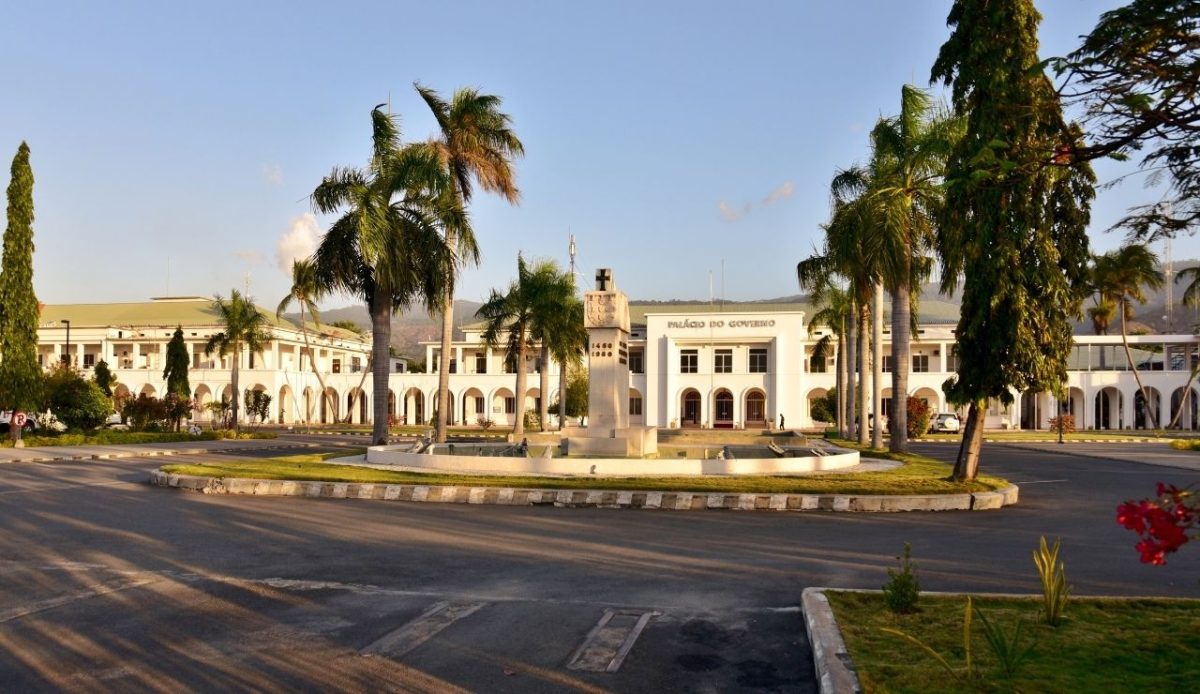
Dili offers a capital experience shaped by independence, coastal life, and a strong local identity. Colorful buildings line seaside roads, while fishing boats and informal cafes define the shoreline. Portuguese influence remains visible in language, food, and civic culture, giving the city a tone unlike nearby capitals. Daily life feels open and social, with evenings spent walking near the water or gathering in small groups. Offshore reefs and surrounding hills add natural interest without long travel. Visitors often remember conversations and shared moments more clearly than landmarks, which makes Dili feel personal rather than programmed.
6. Hanoi, Vietnam
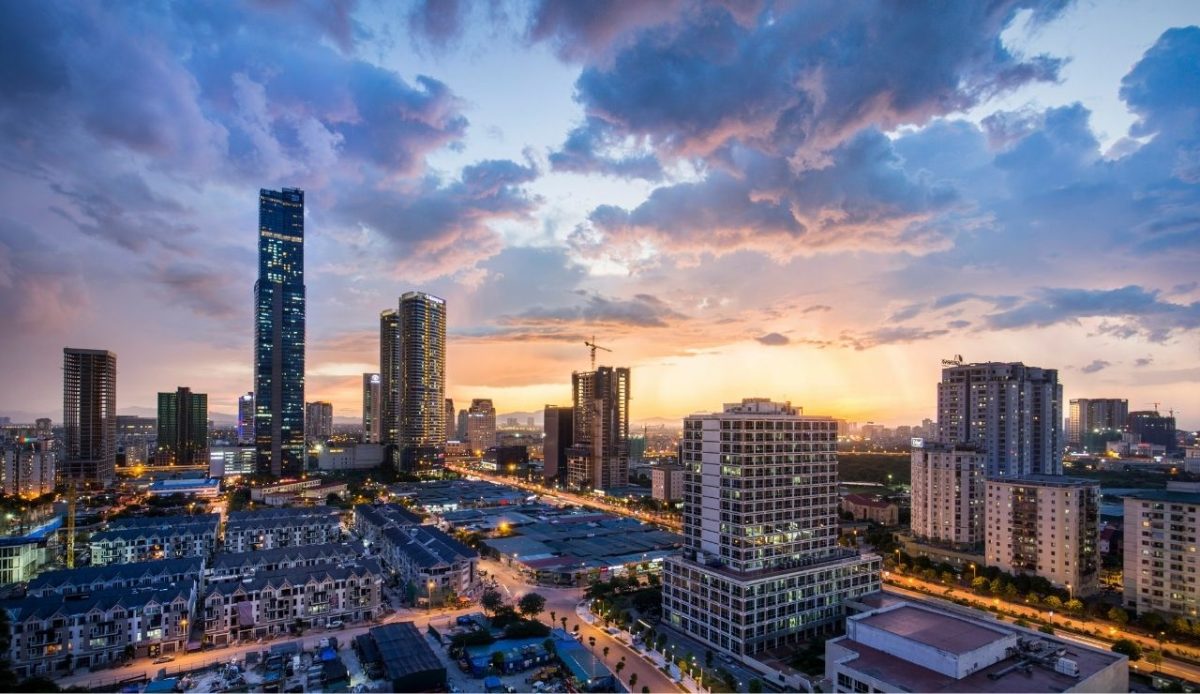
Hanoi moves with constant motion, yet it rewards those who slow their pace. Narrow streets carry scooters, vendors, and conversations that spill onto sidewalks, while lakes and shaded boulevards provide natural pauses. Layers of history appear everywhere, from temples and colonial buildings to postwar neighborhoods. Food defines daily routines, with small family kitchens serving dishes refined over decades. Walking between districts reveals how residents balance tradition and modern pressures. Travelers who stay attentive begin to see patterns that explain the city beyond surface noise.
7. Tashkent, Uzbekistan
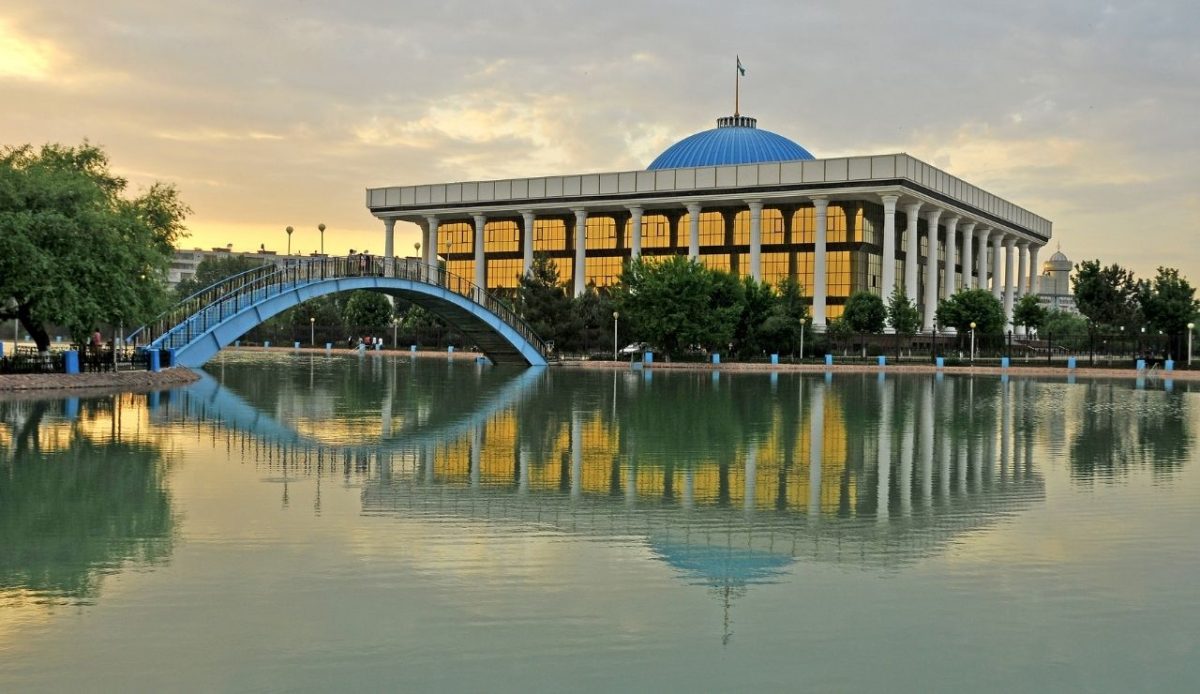
Tashkent combines Soviet planning, Islamic heritage, and modern rebuilding, giving visitors a clear look at Uzbekistan’s evolving structure. Wide avenues and parks create easy movement, while older neighborhoods show earlier community layouts. The metro features detailed artwork and remains part of daily transport. Markets explain trade patterns and household needs across regions. Travelers often use Tashkent as a transit point, yet staying longer reveals how the capital manages growth through organized districts, predictable routes, and practical public services that support residents across varied backgrounds.
8. Astana, Kazakhstan
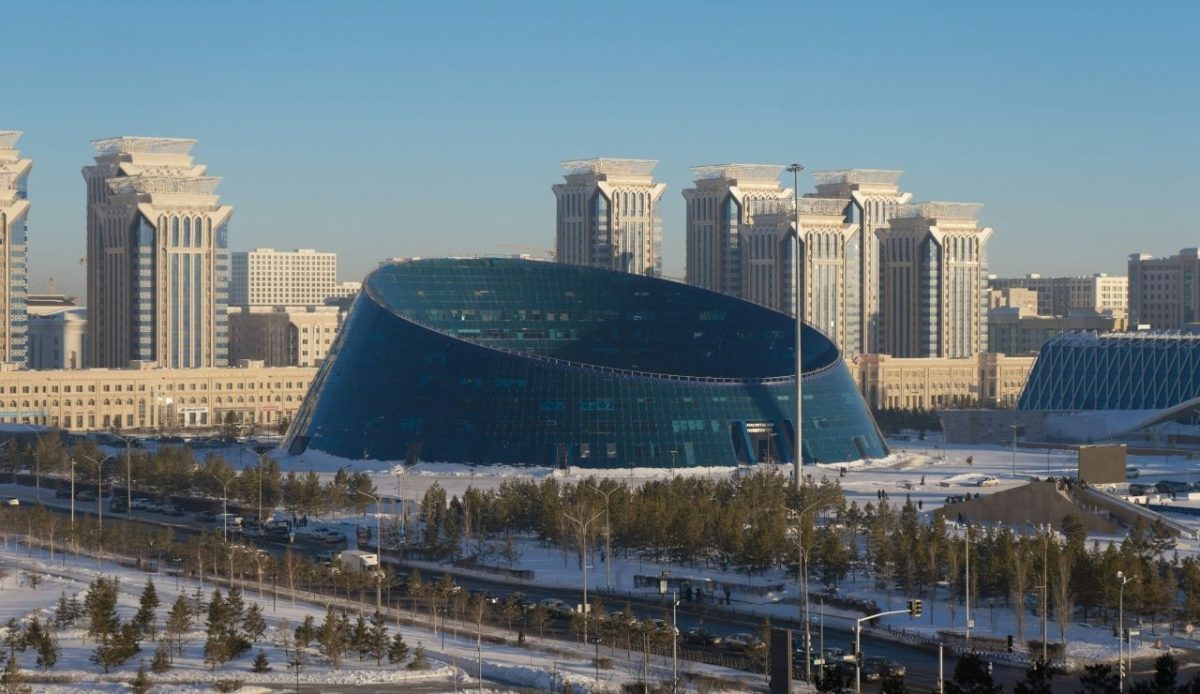
Astana presents itself through striking architecture and deliberate planning. Government buildings, museums, and cultural centers dominate the skyline, signaling ambition and national direction. Beneath this exterior, daily life moves steadily along river paths, plazas, and residential districts. The weather strongly influences routines, especially during winter when indoor spaces become social hubs. Cafes, theaters, and community centers play an important role in maintaining connection. Visitors who look beyond visual impact begin to notice how residents adapt the city to practical needs.
9. Manila, Philippines
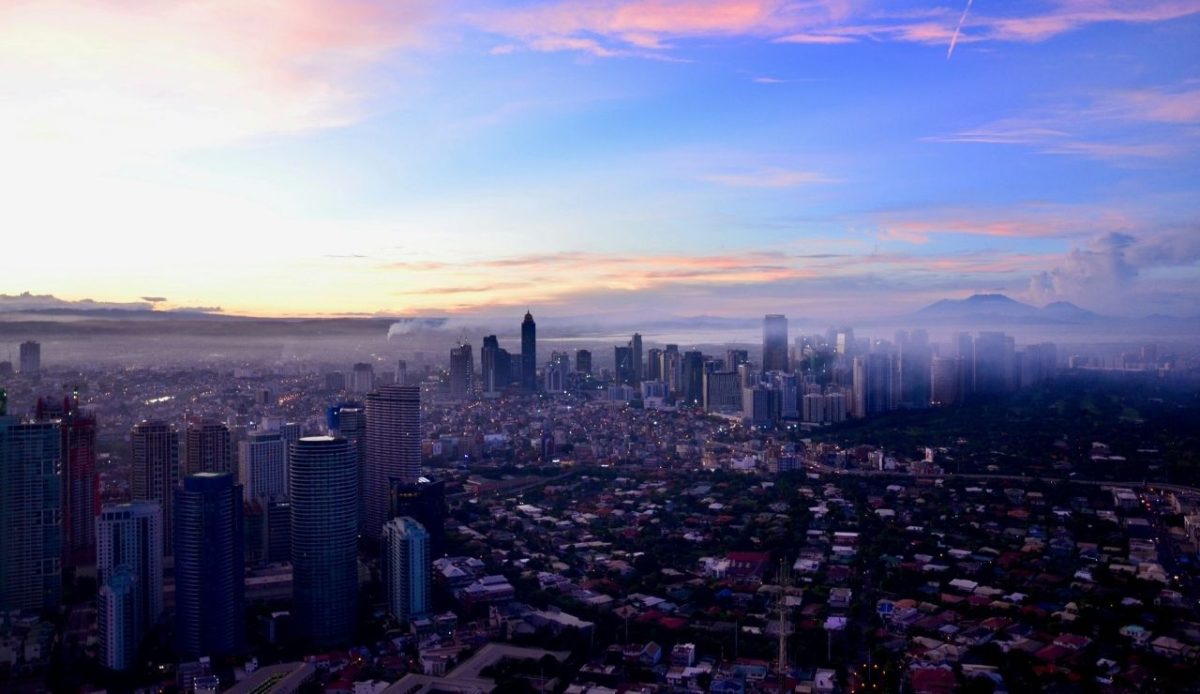
Manila’s structure reveals how trade, colonial history, and strong neighborhood ties influence daily planning. Intramuros and Binondo show clear historical layers, while dense commercial zones highlight modern challenges. Churches, street kitchens, and markets demonstrate long-standing routines that guide food habits and community gatherings. Movement across the city reflects practical adjustments residents make each day. Travelers who observe these patterns gain direct understanding of Manila’s resilience and social organization, which remain central to how families, workers, and vendors operate within a busy and varied urban setting.
10. Islamabad, Pakistan
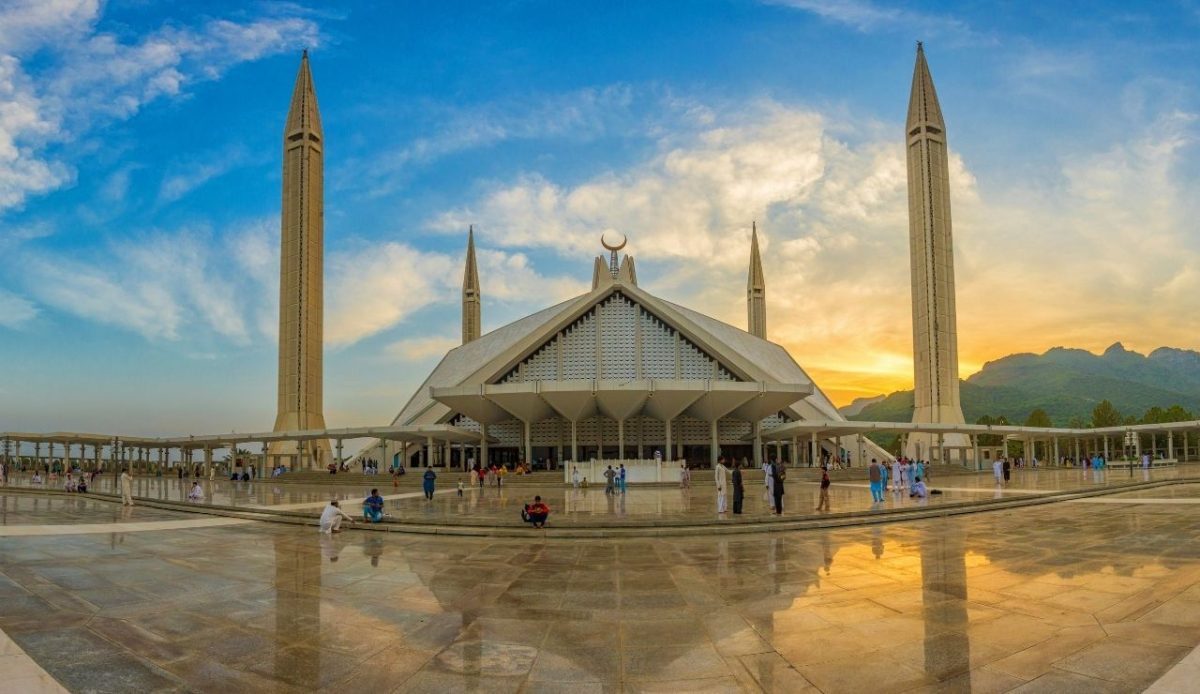
Islamabad operates on a planned grid divided into sectors for housing, commerce, and administration. Greenbelts, wide roads, and proximity to the Margalla Hills influence recreation and transportation choices. The Faisal Mosque stands as a major cultural site and represents modern regional architecture. Markets and community centers support predictable daily routines. Travelers studying these systems gain a clear understanding of how Islamabad balances government functions with public needs, maintaining steady movement, organized districts, and accessible outdoor spaces that shape daily life across the city.
11. Bishkek, Kyrgyzstan
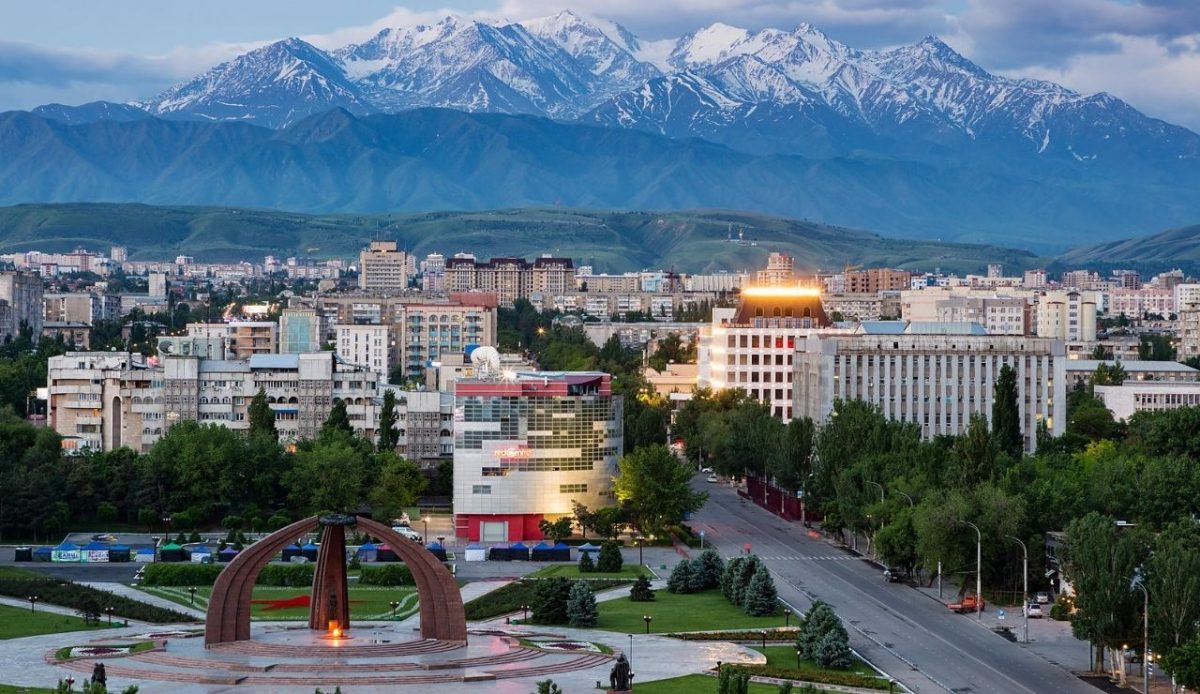
Bishkek offers an approachable capital shaped by Soviet-era planning, regional trade, and strong ties to nearby mountains. Wide streets and open squares support casual movement, while parks provide essential gathering spaces. Markets outline household patterns across the region, and small cafes show how residents adapt older layouts to current needs. Weather influenced by mountain proximity affects daily decisions and recreation. Travelers gain insight into Kyrgyzstan’s social rhythm by observing how public space, commerce, and outdoor culture interact across neighborhoods with steady, predictable routines.
12. Phnom Penh, Cambodia
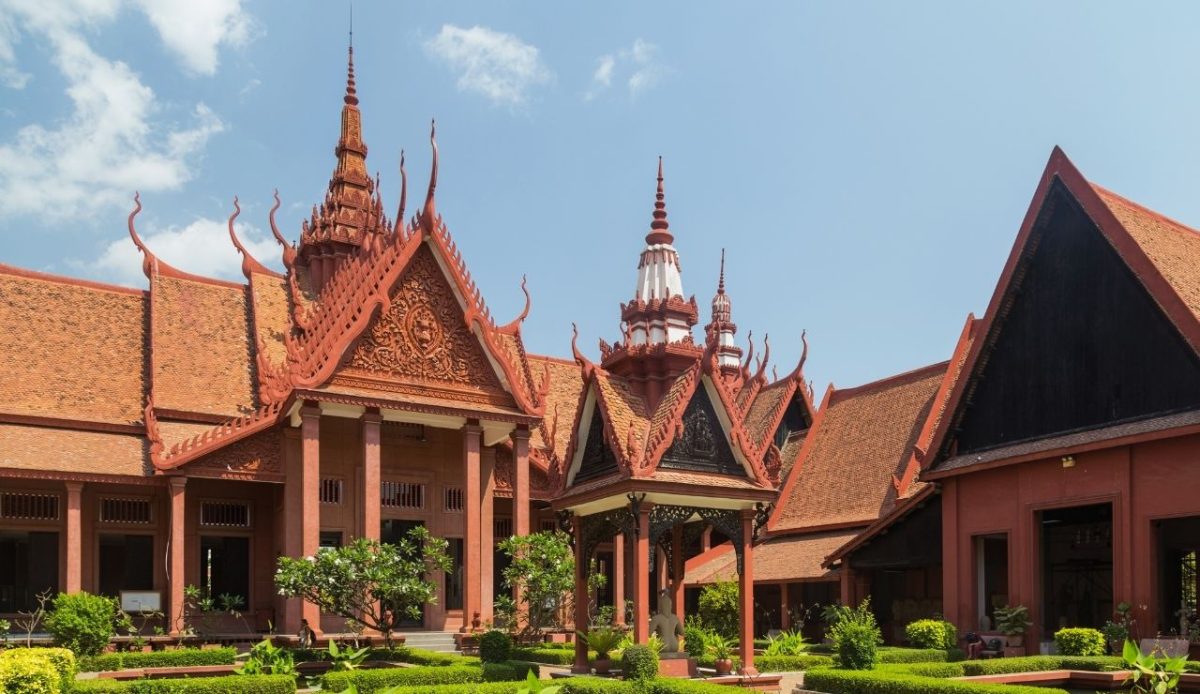
Phnom Penh displays its history through royal architecture, riverfront activity, and traditional markets that remain important in daily routines. Museums explain national memory and help visitors understand social discussions that continue today. Modern businesses operate beside older districts, showing how growth progresses while past events remain visible. Evenings along the river illustrate local habits through exercise, food, and gatherings. Travelers gain a reliable understanding of Cambodia’s contemporary identity by observing how Phnom Penh balances development with community patterns that shape everyday life.
