
Mombasa’s informal settlements have grown as port work, tourism services, and manufacturing draw new residents from across Kenya. Most arrivals rent single rooms built on subdivided plots where legal tenure is unclear, and public utilities were never scaled for today’s demand.
When population climbs faster than pipes, drains, roads, and clinics, basic systems fail in predictable ways. Water pressure drops, shared toilets overload, and waste piles up because access lanes are too tight for regular collection.
Each section links crowding to one observable breakdown in a named settlement cited in county planning and urban studies. The focus stays on mechanisms that turn density into loss of health, safety, or mobility.
1. Bangladesh Overcrowding Driving Extreme Sanitation Ratios
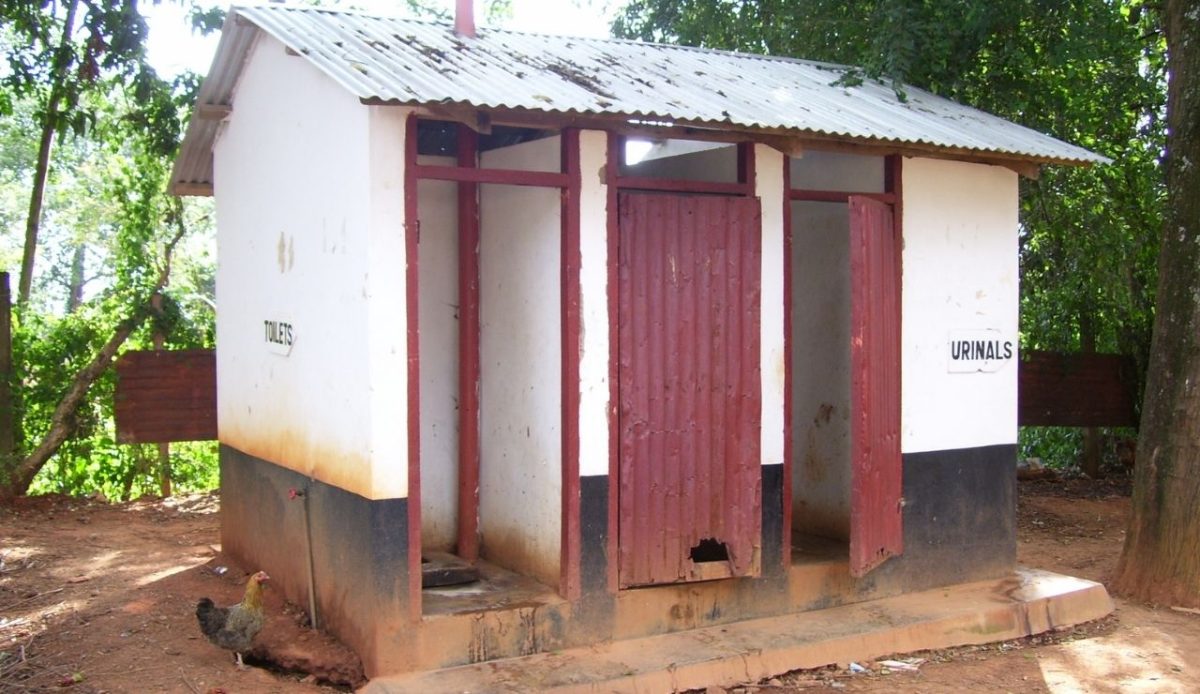
Bangladesh in Changamwe is repeatedly identified in county planning as a major slum area, and it sits near jobs that attract tenants. Plots were split into rows of rentals, leaving little space for private toilets or safe wastewater handling.
Shared pit latrines serve many households, so fill rates rise, and cleaning becomes sporadic. During rains, overflow can mix with surface runoff because drainage is shallow and pathways are low.
Health risk increases with greater exposure to contaminated water and flies, not through a single dramatic event. Density is the driver because the same facilities must serve far more users than their design assumed.
2. Mishomoroni Water Supply Gaps Worsened by Rapid Household Growth

Mishomoroni in Kisauni is named among Mombasa’s slum areas in county documents, and its growth has been fueled by steady migration. Older distribution lines and standpipes were installed for a smaller customer base.
As landlords added rooms, more taps and hoses were connected to the same mains. Pressure drops at peak hours, queues lengthen, and households store water in containers that can become contaminated.
Rationing then pushes residents toward vendors, raising daily costs and widening inequality within the same block. Informal connections and leaks reduce supply for neighbors and complicate repairs, locking in recurring scarcity for long periods.
3. Mikindani Rental Spikes Triggered by In-Migration
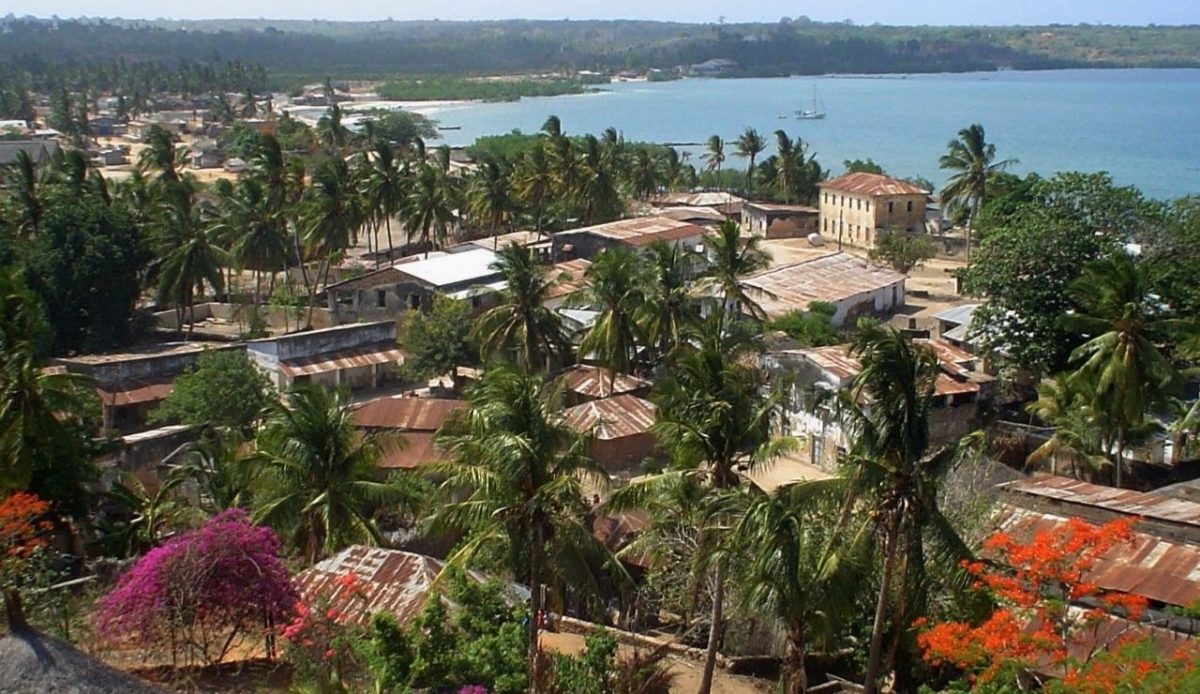
Mikindani sits along the A109 corridor and is often described as a working-class area tied to industrial and port employment. Room demand increases whenever hiring rises, so owners pack more tenants into the same built footprint.
Rents climb while unit size stays small, and families share rooms to cope. More occupants per room raises indoor heat and accelerates wear on wiring, taps, and shared toilets.
Overcrowded rooms also make illness spread faster because isolation is not possible. The mechanism is straightforward: density inside homes pushes utilities and health conditions past safe limits without matching upgrades to pipes or power at all.
4. Mtongwe Ferry Corridor Congestion Increasing Informal Housing Spread
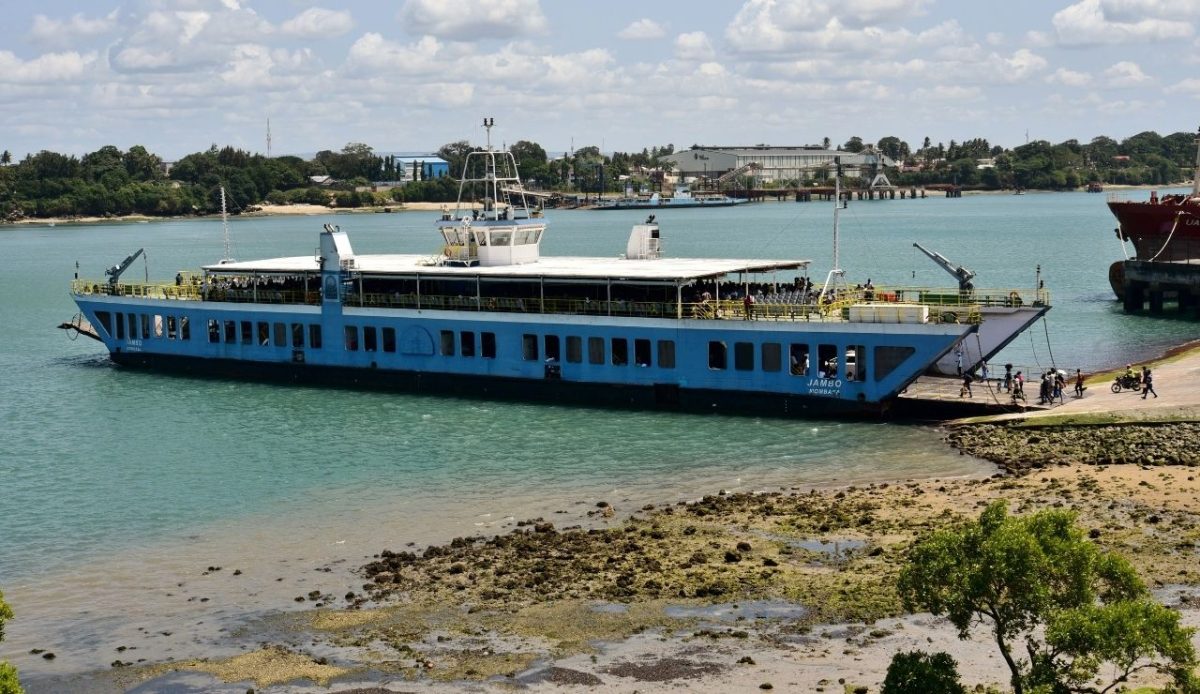
Mtongwe on the Likoni side benefits from ferry links that move workers to the island each day. That access attracts renters, and housing expands along approach roads faster than road width, and drainage can be improved.
Tight lanes fill with pedestrians, boda bodas, and deliveries during commute peaks. Foot traffic erodes shoulders, creating ruts that trap water and force people into the road.
Emergency vehicles struggle to pass, and response times worsen when crowds spill into the carriageway. The crowd effect shows up as mobility loss and higher crash risk, driven by population concentration around a transport bottleneck that cannot easily expand.
5. Mtopanga Flood Exposure Intensified by High-Density Construction
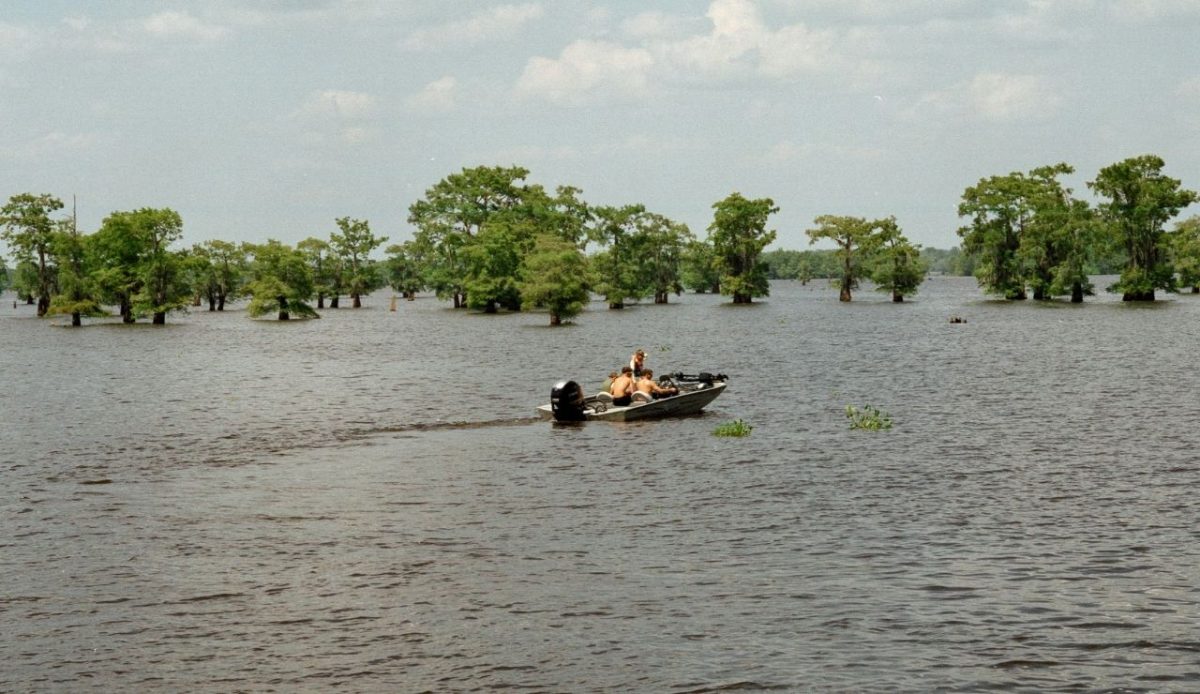
Mtopanga in Kisauni is described in local planning as a rapidly built-up area where low-cost rentals spread across limited land. As open ground disappears, rainwater has fewer places to soak in before it reaches homes.
More roofs and compacted yards increase runoff speed, while drains remain shallow or discontinuous. Waste blocks culverts, so water ponds, carries fecal matter, and seeps into foundations.
Flood harm grows because more families now live on the same low ground, not because the weather suddenly changed. Density expands the exposed population and reduces the natural drainage capacity that was once moderated by heavy rain in earlier years.
6. Ziwa la Ng’ombe Solid Waste Overflow Under Population Clustering
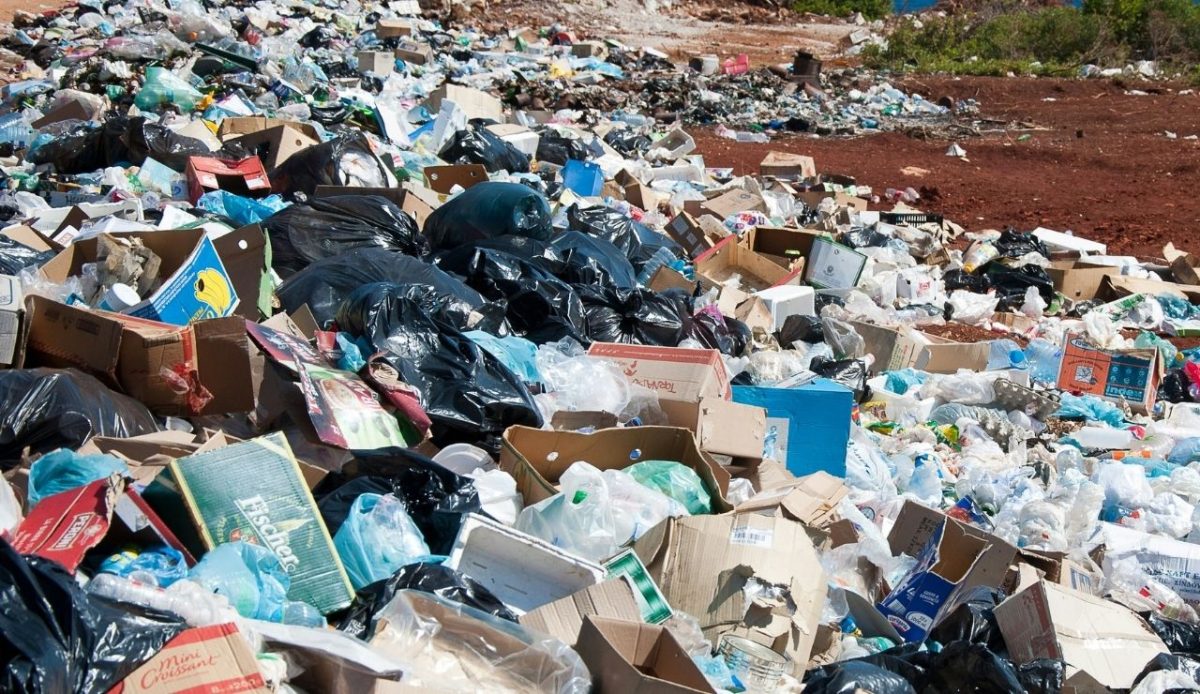
Ziwa la Ng’ombe in Kisauni is frequently cited in upgrading discussions because services lag behind the population. Land tenure disputes and tight plots slow public works. Households generate more refuse than collection points and schedules can handle.
Bins overflow, and dumping shifts to drains and vacant corners when access lanes are too narrow for trucks. Plastics and food waste clog outfalls, worsening standing water and raising mosquito breeding.
Residents burn waste to reduce piles, adding smoke exposure inside close-packed homes. The link to crowding is measurable through volume and frequency as removal capacity stays fixed each week.
7. Magongo Industrial Expansion Pressuring Residential Space
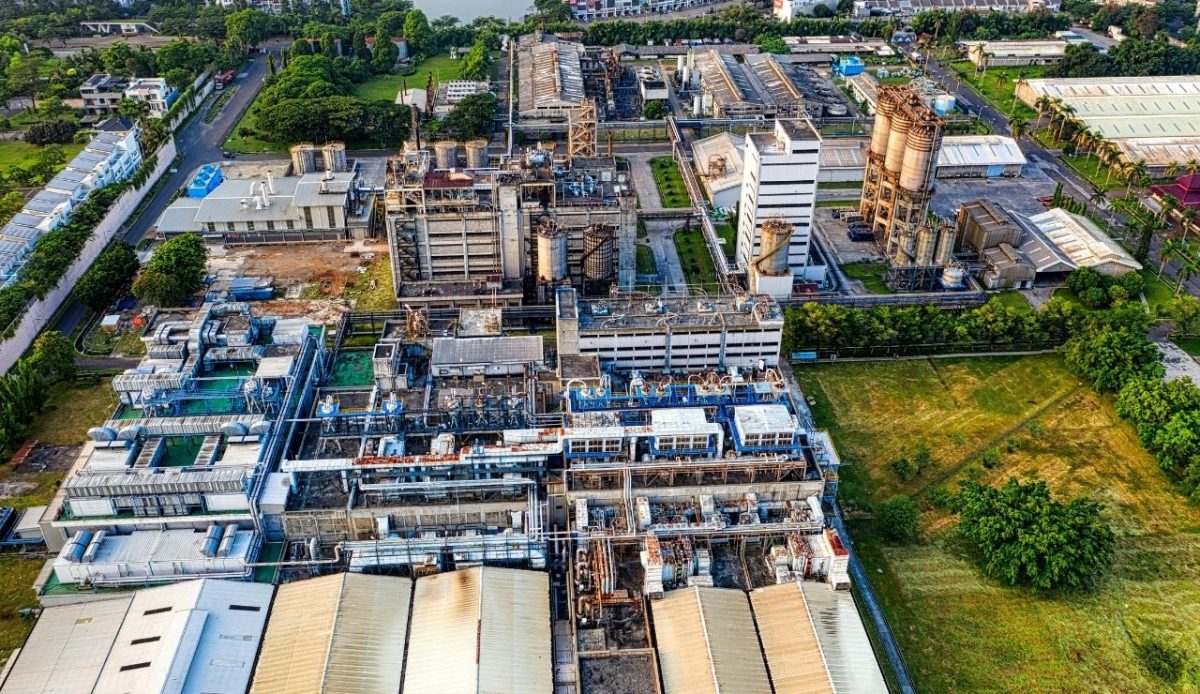
Magongo lies beside industrial and logistics areas on the mainland, and it is often described as lacking full water and sewer coverage. Jobs nearby pull in renters, compressing housing into a narrow strip between facilities and major roads.
As rooms multiply, traffic, noise, and air pollution rise in the same streets used for loading and commuting. Shared services are stretched while heavy vehicles damage road surfaces that were not built for that mix.
Crowding turns proximity to work into a health tradeoff because more households share the same exposure zone. The settlement’s decline is tied to density near industry, where growth adds residents faster than protective infrastructure can be added.
8. Shika Adabu Land Fragmentation Raising Household Crowding Levels

Shika Adabu in Likoni is identified in county planning as a slum area linked to landlessness and settlement schemes. Slow land adjudication keeps tenure uncertain, which delays formal investments in sewers and paved access.
Demand for rentals encourages owners to partition land into smaller holdings with more structures. Fragmentation reduces open space for toilets, soak pits, and safe walking routes, so facilities must be shared.
As tenants increase per plot, shared taps and latrines reach capacity sooner, and maintenance becomes sporadic. Density pushes the user to facility ratio past safe levels, and upgrades are blocked by a lack of space and tenure disputes.
9. Maweni Health Clinic Overload Caused by Service Area Saturation

Maweni is described in urban studies as part of the mainland north housing mix, where lower-income rentals sit beside higher-value areas. As nearby clusters expand, primary care facilities must serve a larger catchment without proportional staffing.
Patient loads rise, wait times extend, and stockouts become more likely when procurement is based on older population estimates. Close housing also increases the spread of respiratory and diarrheal diseases, raising demand further.
Clinic strain is a crowding outcome because health systems are sized to expected usage. When settlement density rises quickly, routine services are swamped, and preventable illness becomes harder to manage in time.
10. Junda School Congestion From Accelerated Settlement Growth

Junda in Kisauni is listed among the county’s slum areas, and it has grown as families seek cheaper rents away from the island. Public schools serve dense neighborhoods that expand faster than classrooms are added.
Enrollment increases lead to larger class sizes, double shifting, and shortened teacher contact time. Temporary rooms are sometimes used, but they lack ventilation and secure storage.
Sanitation blocks and water points on school grounds are used more heavily, raising hygiene risk. Homework support also falls when homes are crowded and quiet space is scarce, so density harms learning both at school and after class for many students.
11. Mkomani Coastal Erosion Risk Amplified by Dense Settlement Patterns
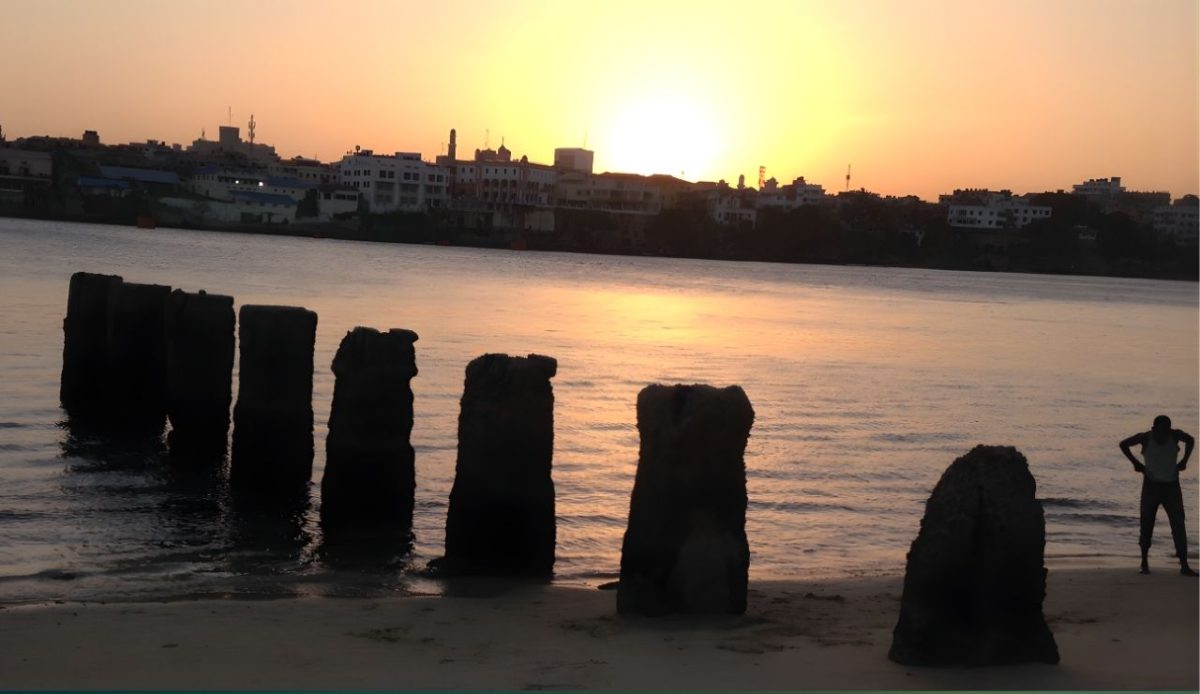
Mkomani is a coastal neighborhood in the wider Nyali area where both formal and informal housing sit near the shoreline. When low-cost structures spread toward unstable edges, more households are placed inside erosion and surge zones, with few relocation options.
Dense building removes natural buffers such as vegetation and open sand that absorb wave energy. Drain outlets can also be obstructed, worsening backflow during high tide and storms.
Risk rises because exposure increases with each added dwelling. Crowding near the coast means more people and assets are affected when shoreline retreat or flooding occurs, even if the hazard level stays constant.
12. Bombolulu Road Access Bottlenecks From Compact Housing Layouts
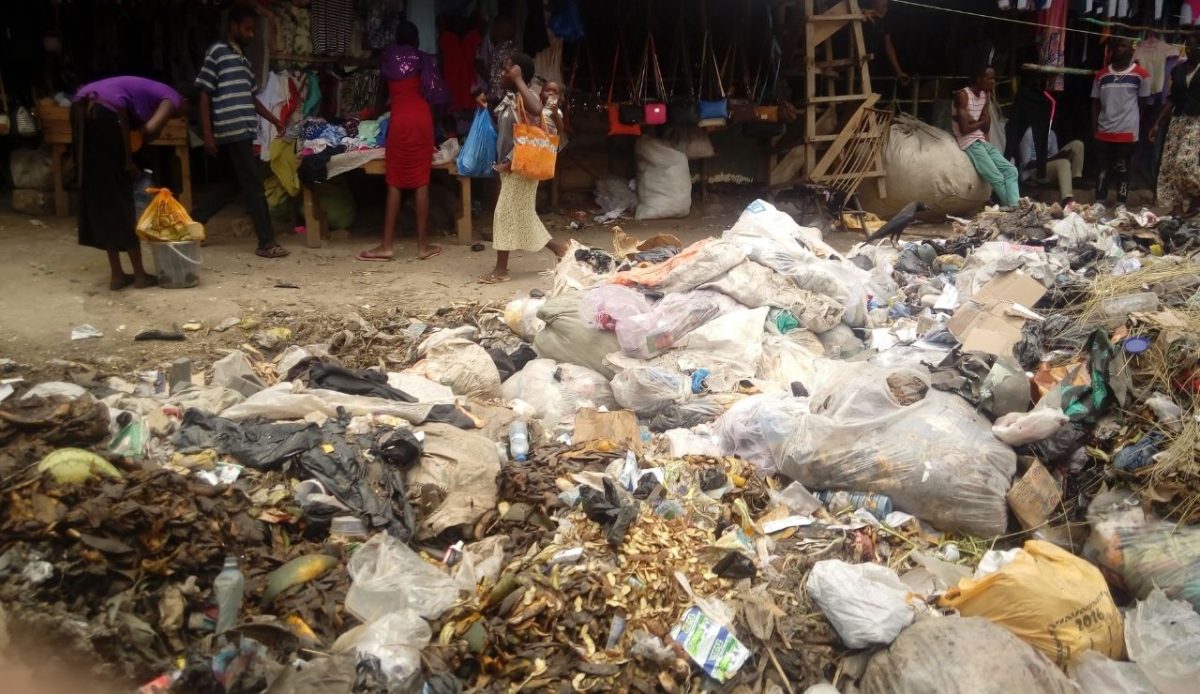
Bombolulu is a mainland northern area where older estates and informal pockets sit along busy corridors. As rentals increase, footpaths become the main circulation network because roads are limited and plots are tightly packed.
Narrow lanes slow ambulances and fire response, especially when vendors, building materials, and parked motorcycles occupy the edges. Deliveries and refuse removal are delayed because vehicles cannot reach inner clusters.
During rain, ruts and standing water force pedestrians into traffic, raising crash risk. Mobility loss is a crowding effect because the same right-of-way must serve more trips without widening year-round.
