
Heritage towns are meant to hold real lives inside older streets, not just photo ops. Visitor demand can steer planning choices, storefront turnover, and how sidewalks and parks get managed. The result can make a workplace feel staged.
Theme park behavior shows up when movement is choreographed. Ticket bundles, mapped routes, timed shuttles, and scripted shows pull people through highlights. Homes convert to short stays, and everyday services relocate as the center becomes an experience zone.
This piece explains twelve U.S. heritage towns where the core is being refit for spectatorship. Each section tracks one mechanism that pushes daily routines aside, from event calendars to housing conversion. Popularity alone is not the test.
1. Salem, Massachusetts
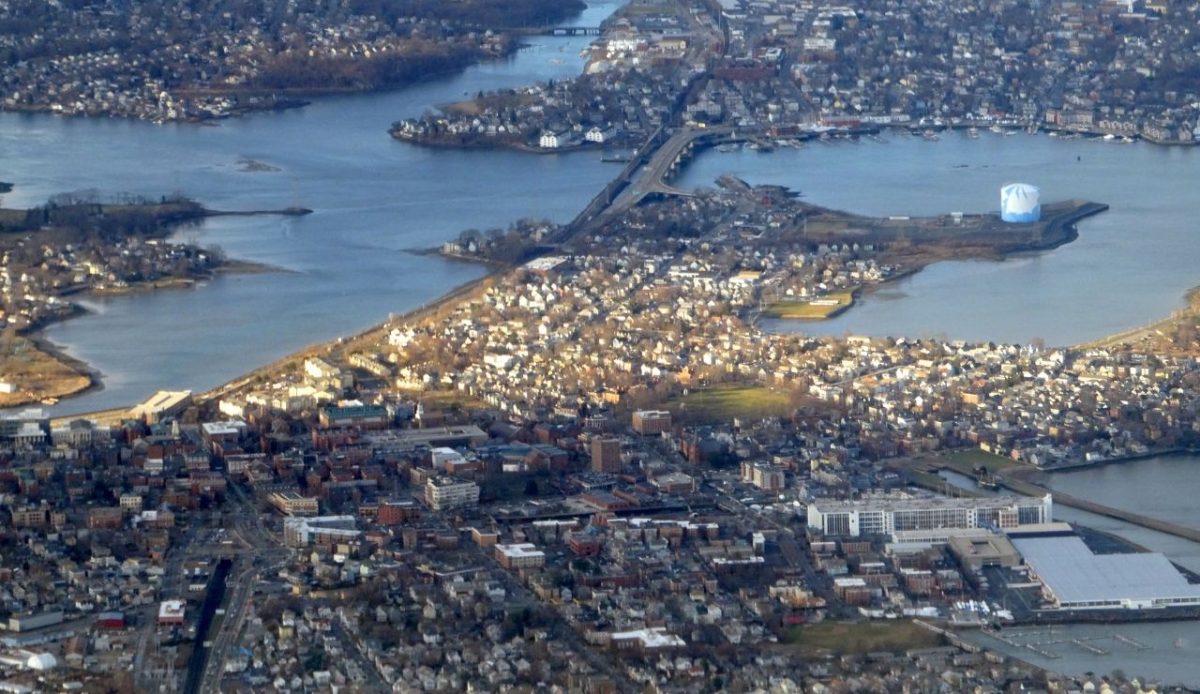
Salem’s older blocks still show seaport wealth and early New England street grids. Much of the center sits within protected areas that draw history-minded visitors beyond October. Residents still use the same compact streets for errands and school runs.
The change comes from a festival economy that expands into long seasons. Sidewalk space is allocated to queues, pop-up vending, and guided groups. Retail leans hard into themed goods, pushing normal shops toward side streets or out of town.
Local voices often argue that public space is being treated like a set. Complaints target crowd control plans that favor spectacle over access for neighbors. It leaves a downtown that works like a programmed attraction district.
2. Charleston, South Carolina
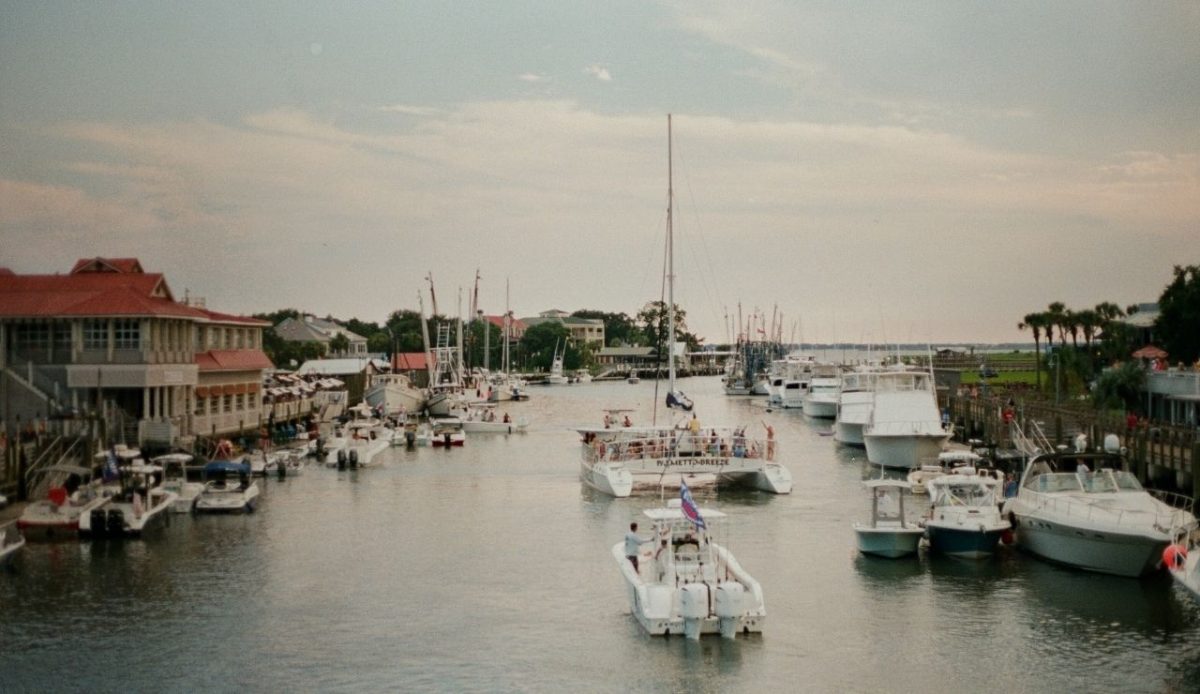
Charleston’s peninsula contains one of the nation’s most intact collections of early urban fabric. Design review and protected structures were built to keep neighborhoods livable while conserving architecture. That balance now faces heavy visitor demand.
A key driver is housing conversion. When dwellings shift to short stays, turnover rises, and services aimed at locals lose foot traffic. Street use is adjusted for tour buses, pedicabs, and large groups, changing noise and curb priorities.
Residents and preservation advocates warn that curated streetscapes can become a product. Their concern is that rules preserve façades while daily life drains away. When consumption becomes the main purpose, the district behaves like a themed venue.
3. Santa Fe, New Mexico
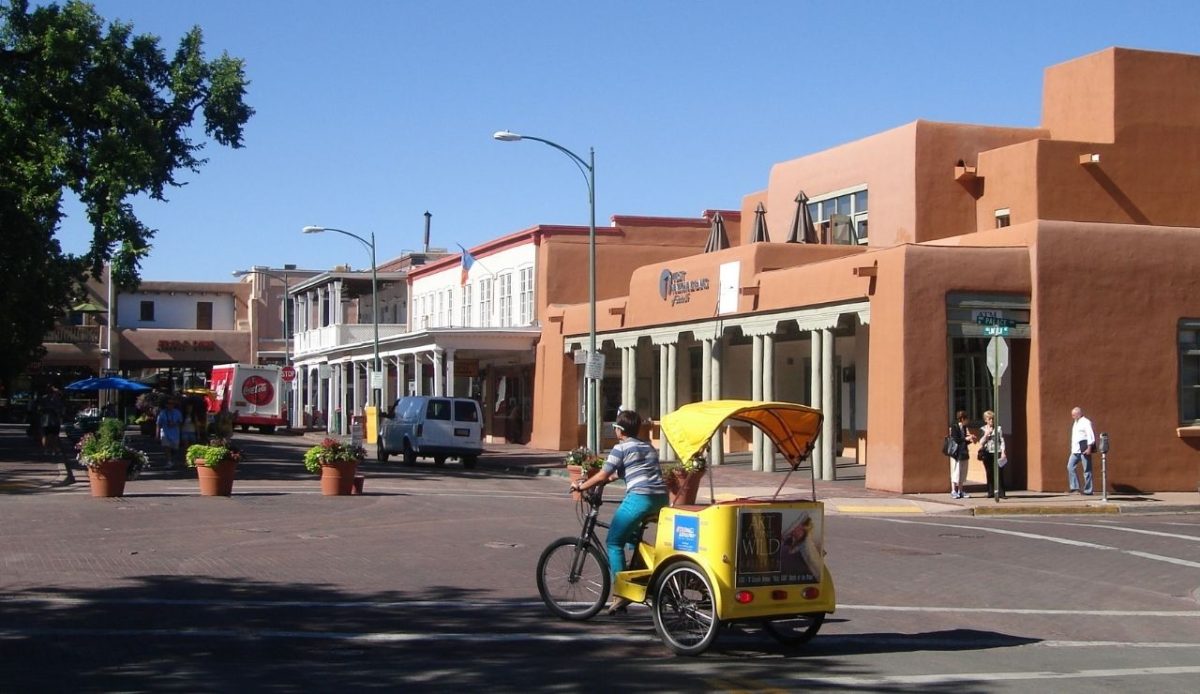
Santa Fe’s heritage blends Pueblo lifeways with Spanish and territorial periods, visible in building forms and public plazas. Visual standards keep a consistent look, supporting identity and protecting the core from abrupt change.
Tourism pressure can lock culture into a display model. Downtown leasing favors galleries, luxury retail, and short-term lodging over practical services. Festivals and markets set rhythms that may not match local needs, especially for housing and transit.
Officials and residents sometimes caution against turning living culture into a backdrop. The tension is not with visitors, but a system that rewards performance. When daily functions are priced out, the center becomes a controlled experience rather than a town.
4. St. Augustine, Florida
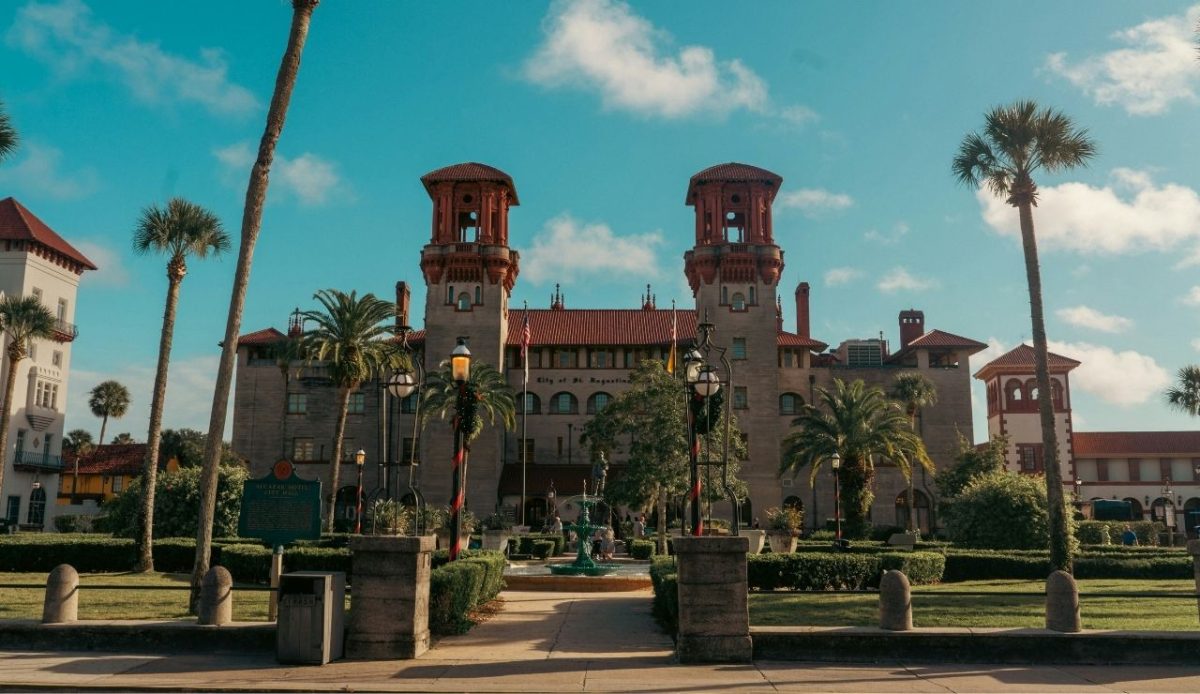
St. Augustine carries rare continuity of settlement and a colonial-era layout, with preserved streets near key landmarks. The compact center once held civic uses, housing, and small commerce alongside interpretation sites that explained the past.
The mechanism is route design. Trolley loops, bundled tickets, and stop-based narration guide people through a set path, concentrating spending and crowding. Shops that serve residents struggle with rents shaped by visitor traffic and peak days.
Residents often describe a loss of normal access as sidewalks and curb space are tuned for tours. Heritage remains visible, yet daily life is displaced. The town begins to run like an attraction corridor that must keep guests moving and buying.
5. Mackinac Island, Michigan
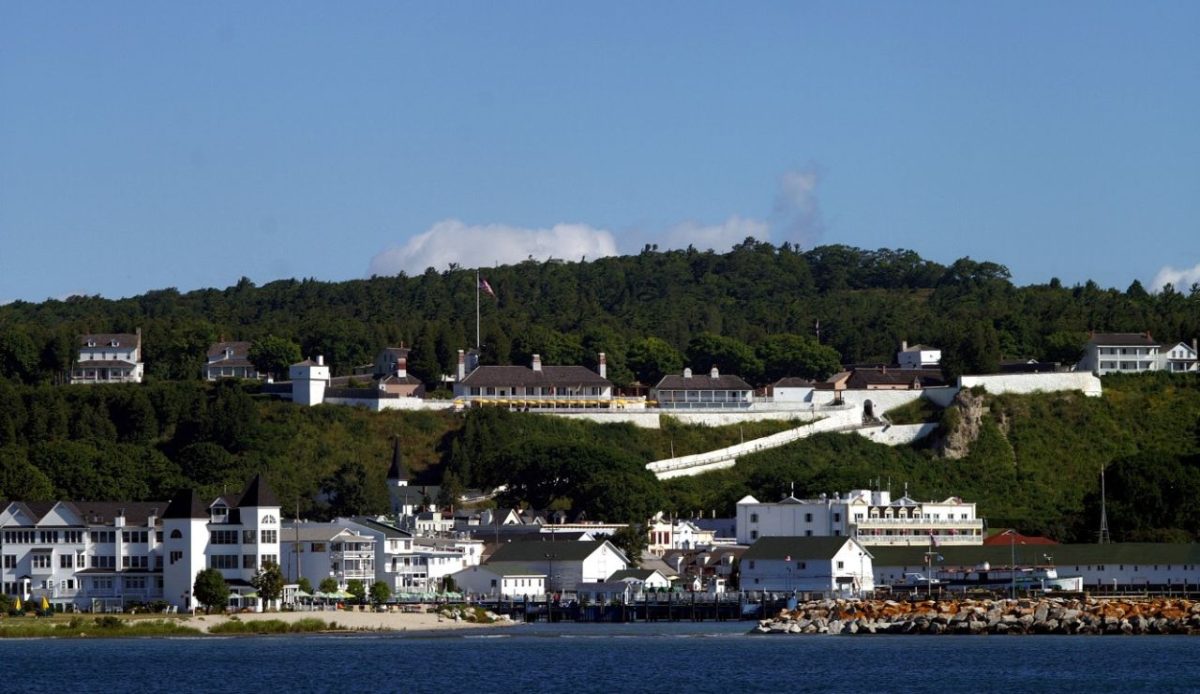
Mackinac Island’s historic buildings, forts, and Victorian streetscapes are protected within a nationally recognized district. Limits on cars and development help keep the place intact, and the landscape itself is part of the heritage draw.
Seasonality drives the theme park feel. Businesses, staffing, and even basic services pivot around summer arrivals, while winter life shrinks. Housing stock is pulled toward seasonal labor and visitor demand, reducing year-round stability.
When nearly every storefront targets vacationers, the center reads like one continuous attraction strip. Local groups stress that preservation should support residents, too. Without that balance, the island’s core acts more like a managed resort stage.
6. Astoria, Oregon
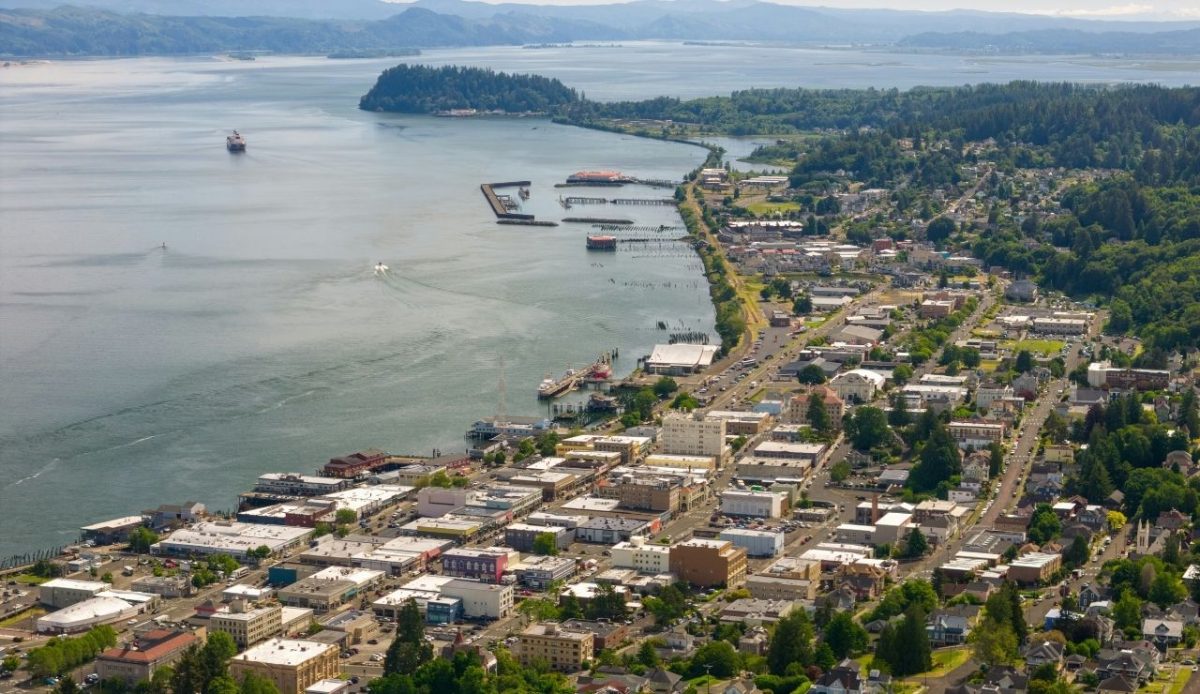
Astoria grew as a river port with maritime work, immigrant communities, and a ruggedly built shoreline. Historic structures and working docks coexist, and the town’s identity comes from industry as much as from its older architecture.
Tourism branding can reframe that identity into a nostalgic script. Development pitches focus on viewpoints, photo stops, and themed itineraries. As leases shift toward gift shops and tasting bars, working uses, and everyday shops lose central space.
Community debate has pushed back against being marketed as a set. The worry is that residents become background for visitor narratives. When planning favors, curated impressions over function, the downtown starts to behave like a themed display zone.
7. Tombstone, Arizona
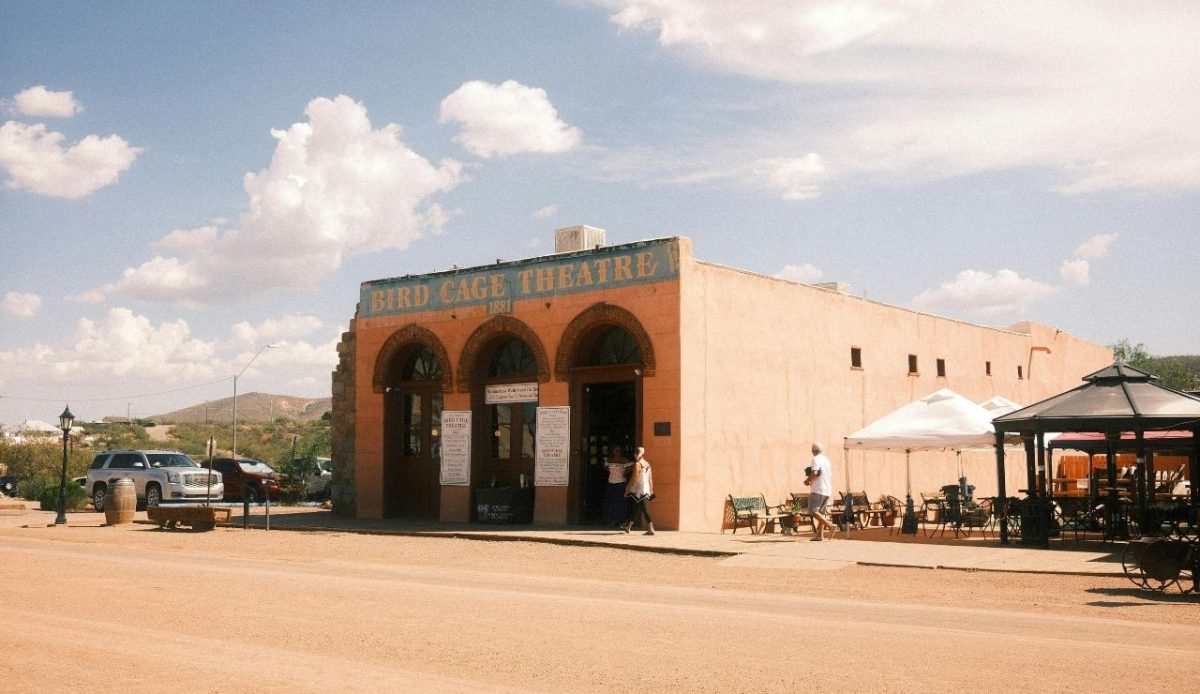
Tombstone’s frontier era streets and preserved facades are protected as a nationally significant historic area. The town’s story is tightly tied to a short period of mining wealth and famous law enforcement conflicts that visitors expect to see.
Interpretation relies on performance. Reenactments, costumed staff, and staged scenes shape what the streets are for. Retail concentrates on themed goods, and the public realm is organized around showtimes and photo access rather than everyday errands.
That setup can crowd out normal town functions. When most activity is built to entertain, residents have fewer reasons to use the core. Heritage becomes a product with a script, and the district operates like an open-air attraction lot.
8. Skagway, Alaska
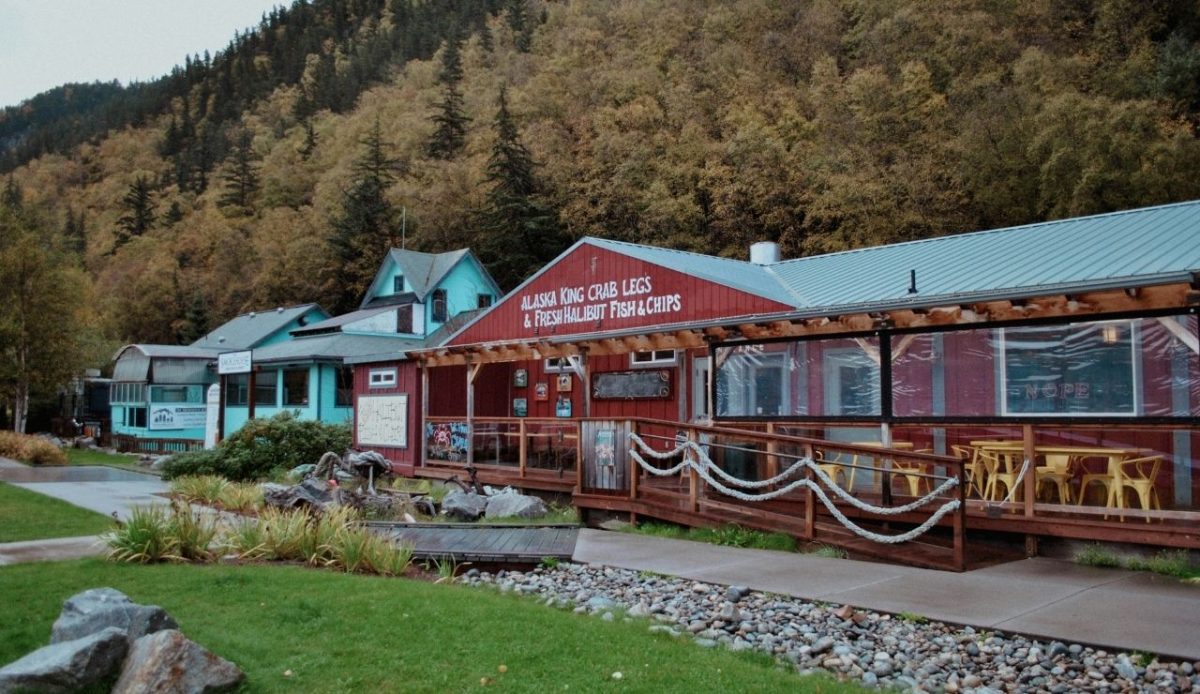
Skagway’s Gold Rush era grid and preserved storefronts remain unusually intact for a boomtown. Protection efforts keep the historic look, and the small scale makes changes in use obvious when visitor systems dominate public space.
Cruise schedules are the main mechanism. Arrivals create timed surges, and businesses align hours, staffing, and inventory to those windows. Sidewalks become funnels, and the mix of shops shifts toward quick purchases designed for short port calls.
Residents note that the town can feel like it exists for a few days. When the calendar is set offshore, local routines get squeezed. The historic center runs like a controlled visitor circuit, with little room for unprogrammed community life.
9. Leavenworth, Washington
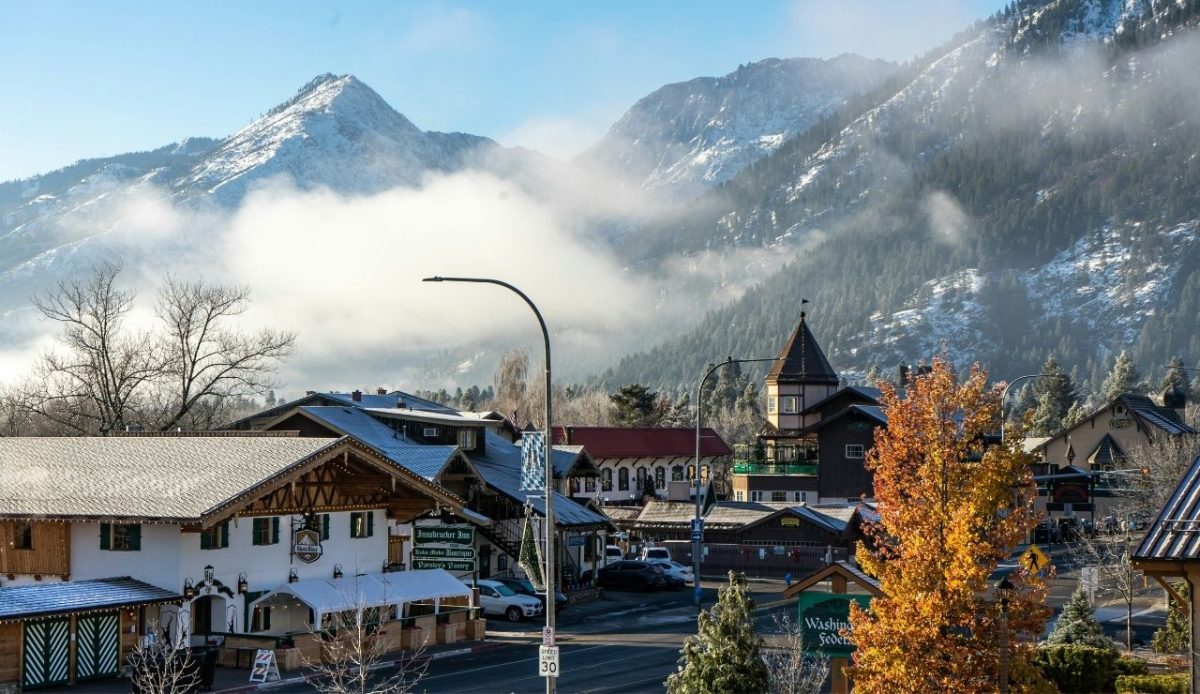
Leavenworth is a small mountain town that adopted a Bavarian exterior to reverse economic decline. The building program reshaped façades, signage, and events, turning the town’s image into a single story that visitors can recognize fast.
The theme park effect comes from immersion requirements. New projects are pressured to match the motif, and the event calendar reinforces it through parades and seasonal markets. Commerce is tuned to souvenirs, food, and short visits.
Because the theme drives revenue, deviation carries risk. That dependence can limit the normal evolution of a town center. What looks like preservation is brand management, and downtown functions as a curated set with rules for staying in character.
10. Gettysburg, Pennsylvania
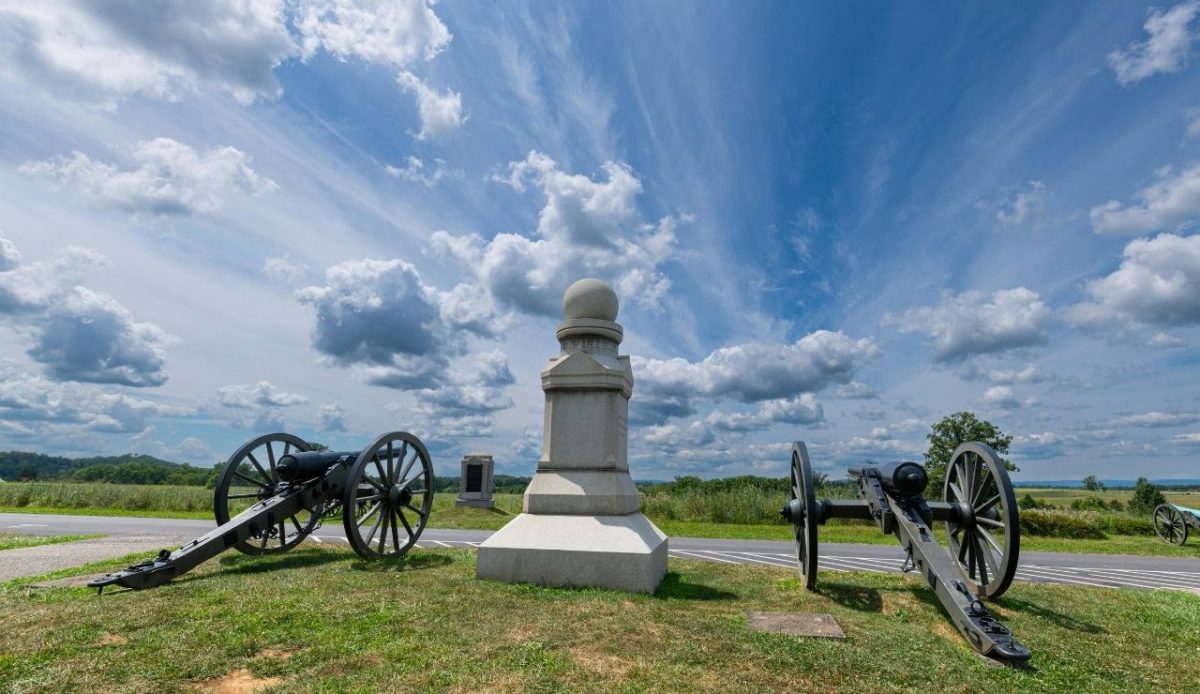
Gettysburg’s significance rests on its battlefield landscape and the town fabric that surrounded the 1863 fighting. Historic resources are protected, and interpretation aims to explain the military, political, and human consequences of the conflict.
Theme park dynamics appear when interpretation becomes consumption. Large museums, bundled tours, and retail tied to iconic stories can compress nuance. Visitor flow is guided through highlights, shifting attention from hard context to easy scenes.
Locals and scholars debate how commercial framing reshapes memory. The risk is that the town center becomes a gateway mall for a single narrative. When history is reduced to products and photo moments, the place behaves like a managed attraction.
11. Bar Harbor, Maine
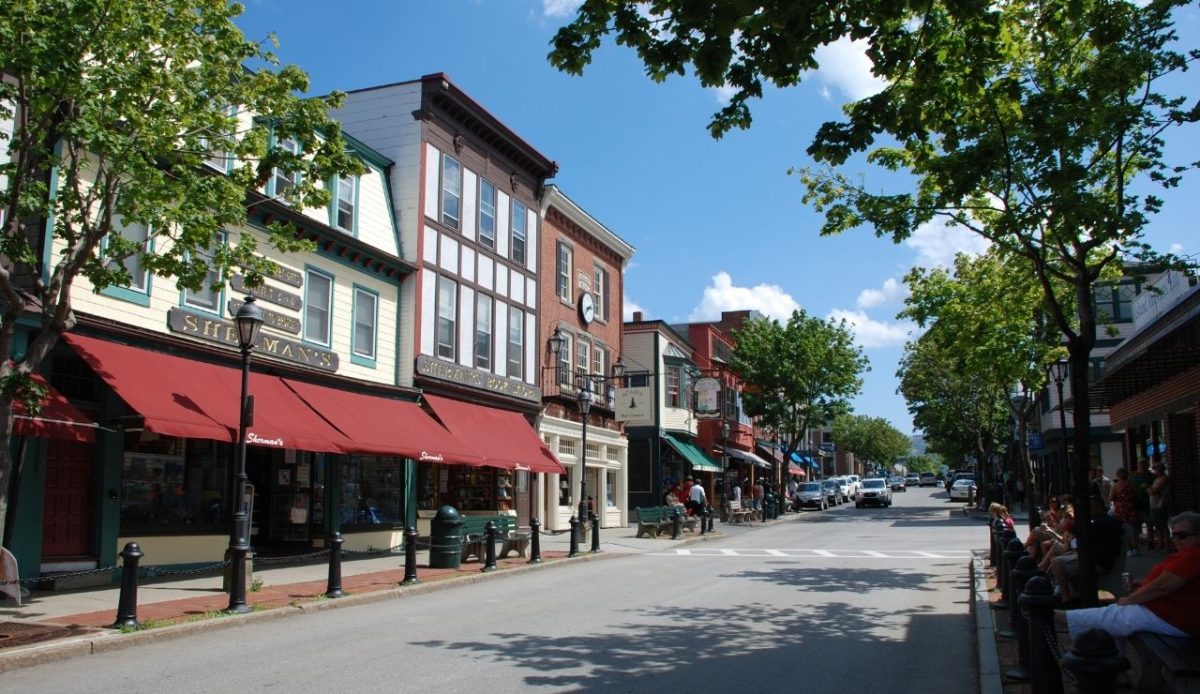
Bar Harbor developed as a historic resort gateway near a major protected coastline, with older streets shaped by early tourism and maritime trade. Its small center served residents and seasonal guests, but recent demand strains that model.
A major driver is short-stay growth. Housing shifts toward rentals, workers commute farther, and storefronts pivot to visitor spending. Street management focuses on parking turnover, tour stops, and peak pedestrian flow, changing how locals move.
When the core serves mostly transient users, it starts to feel like a resort stage. Residents raise concerns about losing everyday services and stable neighbors. Heritage remains, yet the center runs as an experience hub more than a community.
12. Solvang, California
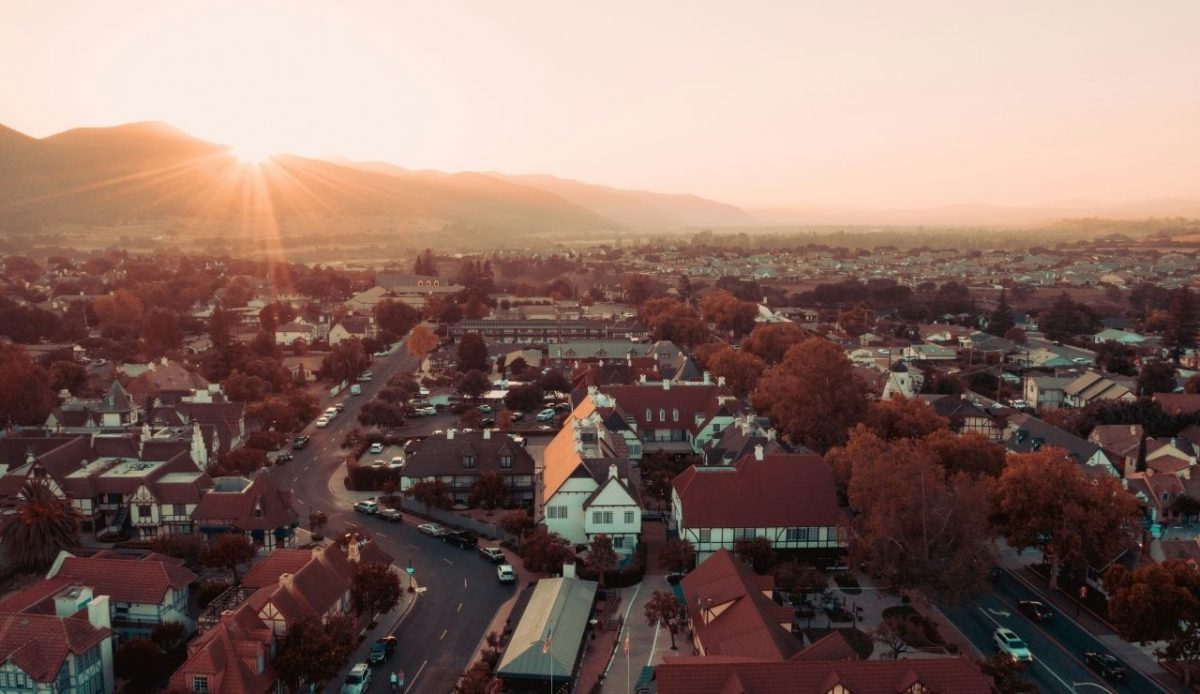
Solvang was founded by Danish immigrants and still displays distinctive architecture and cultural markers. The town has kept a recognizable identity for decades, and its main streets hold concentrated heritage cues that visitors expect.
The theme park push happens through visual amplification. Renovations often heighten the storybook look to match marketing images. Commercial leases favor photo-friendly boutiques plus tasting venues, while practical services struggle with visitor-driven rents.
As the visitor image becomes the planning target, authenticity can narrow. Residents may feel the center is designed for snapshots and quick spending. It becomes a heritage center running as a perpetual set, with little space for ordinary use.
