
Revolutionary leaders are often buried in places meant to serve as public memory, so vandalism or theft at those sites lands like a second political message. This article looks at twelve graves and mausoleums linked to revolutionary movements or independence struggles that have been damaged, defaced, or targeted over time.
The goal here isn’t sensationalism. It’s practical travel context: where these memorials are, what visitors typically see, and why access, security, and etiquette can be stricter than at ordinary cemeteries.
If you plan to visit any of these sites, check local rules and opening hours, stay on marked paths, and treat memorial areas as quiet spaces, especially when restoration work or investigations are ongoing.
1. Karl Marx (Highgate Cemetery, London)
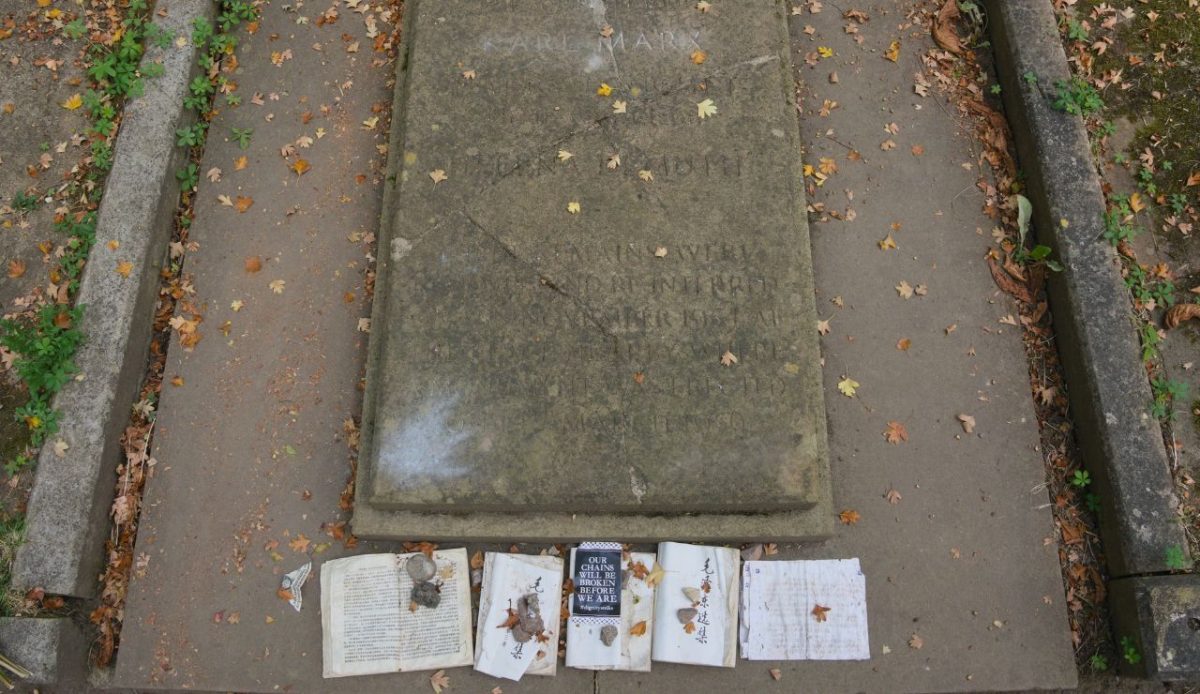
In London’s Highgate Cemetery, Karl Marx’s tomb is one of the most visited political graves in Europe, but it has also been attacked. In early 2019, the cemetery trust reported deliberate vandalism that damaged a marble plaque and later involved red paint on the monument.
Visitors today still find a heavily managed site: clear pathways, signage, and staff attention, because even minor defacement can harm listed stonework. The memorial sits in a working cemetery, so quiet conduct matters as much as curiosity.
If you go, buy a timed ticket when required, and expect limited access during repairs. Photos are usually allowed, but touching the monument or leaving items outside designated areas can trigger removal during clean-ups.
2. Vladimir Lenin (Lenin’s Mausoleum, Moscow)
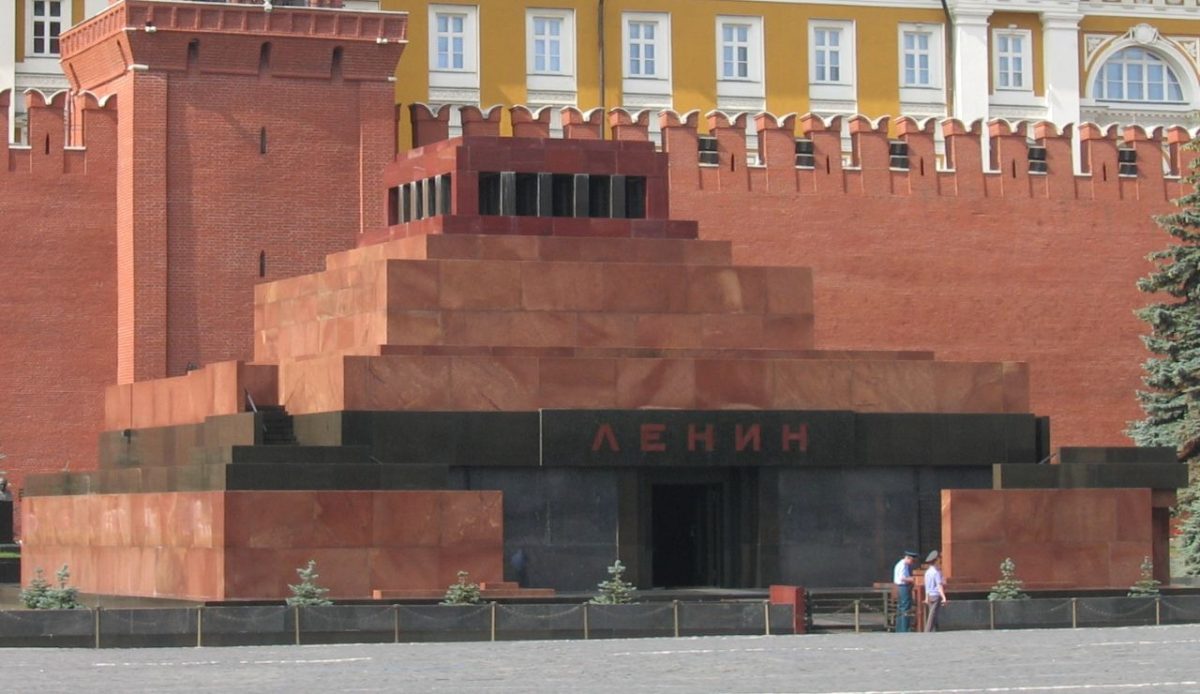
Lenin’s Mausoleum on Moscow’s Red Square is a rare case where the grave is also a state monument, with tight security and strict visitor rules. Even so, the site has faced serious incidents, including vandalism of the glass sarcophagus and later explosive attacks that prompted stronger protective measures.
For travelers, the practical impact is that entry procedures can change quickly. Lines, bag restrictions, and closures for ceremonies or heightened security are common, and photography rules are enforced.
If the mausoleum is open when you visit, expect airport-style screening and a fast-moving route through the interior. Plan nearby stops as backups in case access is suspended without long notice.
3. János Kádár (Kerepesi Cemetery, Budapest)
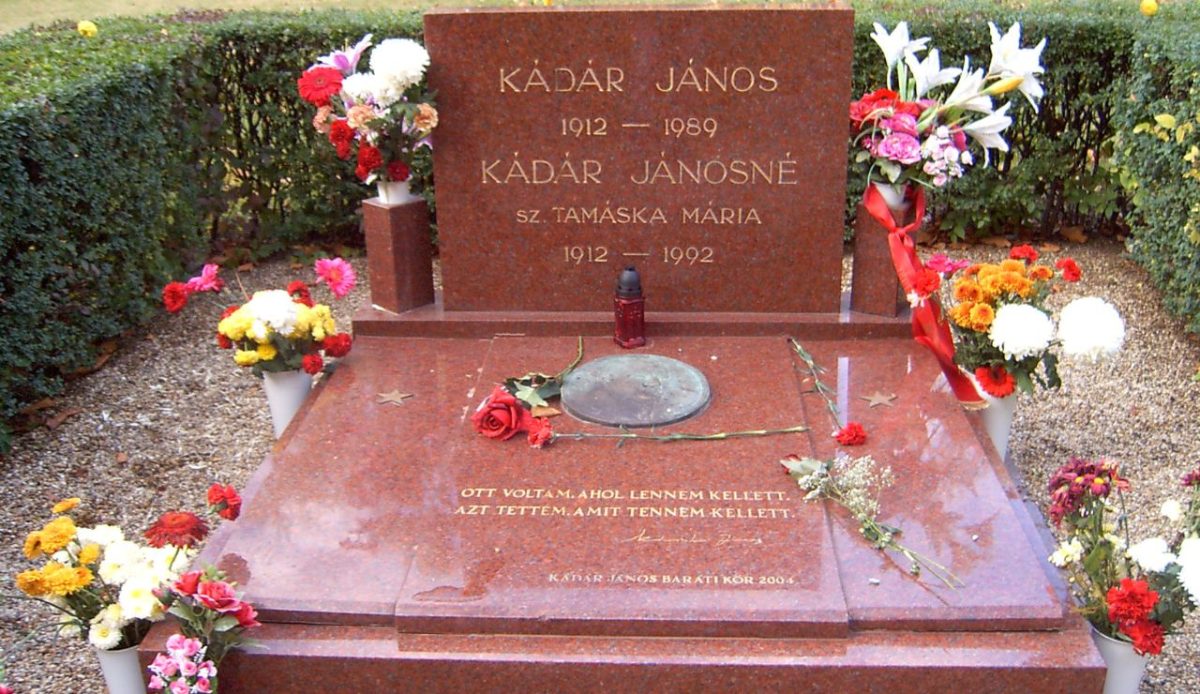
At Budapest’s Kerepesi Cemetery, the grave of former Hungarian leader János Kádár became notorious after a 2007 break-in. Reports described vandals digging into the grave, opening the coffin, and taking remains, alongside hostile graffiti aimed at his legacy.
The cemetery itself is a major historical site, with prominent Hungarian cultural and political burials, so staff take damage reports seriously. Visitors can still walk the lanes and see many monuments, but some areas may be roped off after incidents.
For respectful visits, treat it like a museum space rather than a photo stop. Stay on paths, avoid climbing on stonework, and don’t place political messages at graves.
4. Jonas Savimbi (Luena, Angola)
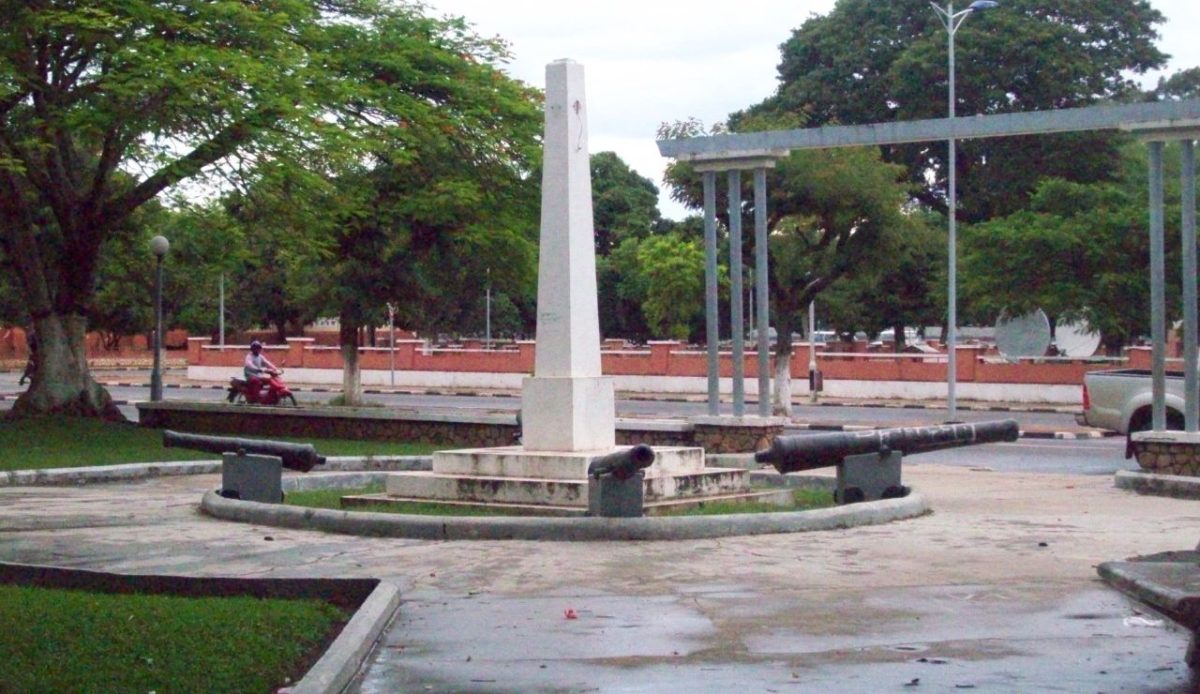
In Angola, the tomb of UNITA founder Jonas Savimbi was reported vandalized in early 2008, including theft of a plaque honoring his life. Savimbi remains a contested figure, seen by some as a liberation leader and by others as responsible for brutal war, so his burial site has carried political tension.
For travelers, this is a reminder that memorial sites tied to civil conflicts can be sensitive locations, not standard tourist stops. Local guidance matters, and access may depend on community attitudes and security conditions.
If you are in the region, rely on local operators who understand what is appropriate and safe. Keep the visit brief, avoid flags, and don’t assume photography is welcome around a politically charged grave.
5. Stepan Bandera (Munich, Germany)
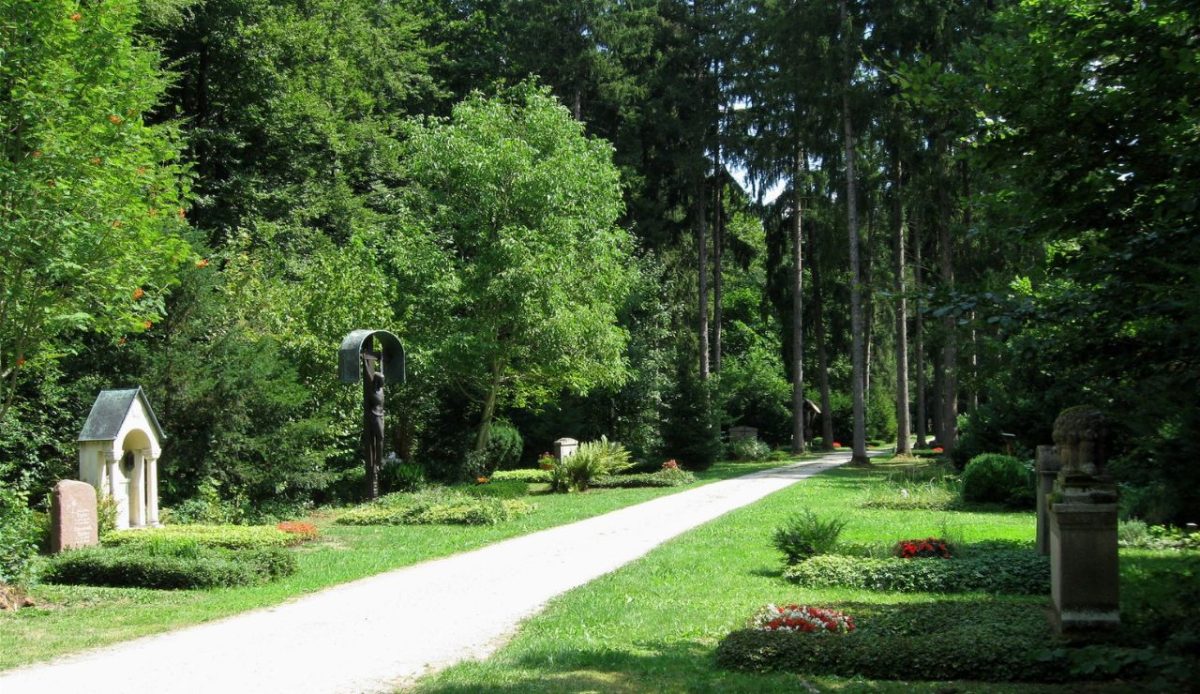
In Munich, the grave of Ukrainian nationalist Stepan Bandera was vandalized in 2014, with police reporting a large marble cross torn down and soil disturbed. Bandera’s role in history is fiercely debated, which is one reason the site can attract provocation as well as commemoration.
For visitors, the main point is that this is an ordinary cemetery setting, not a curated museum. That means limited on-site interpretation and a strong expectation of privacy for other families visiting nearby graves.
If you choose to visit, keep it low-key and avoid turning the stop into a political performance. Follow cemetery rules and be prepared for heightened sensitivity during anniversaries or regional tension.
6. Patrice Lumumba (Mausoleum, Kinshasa)
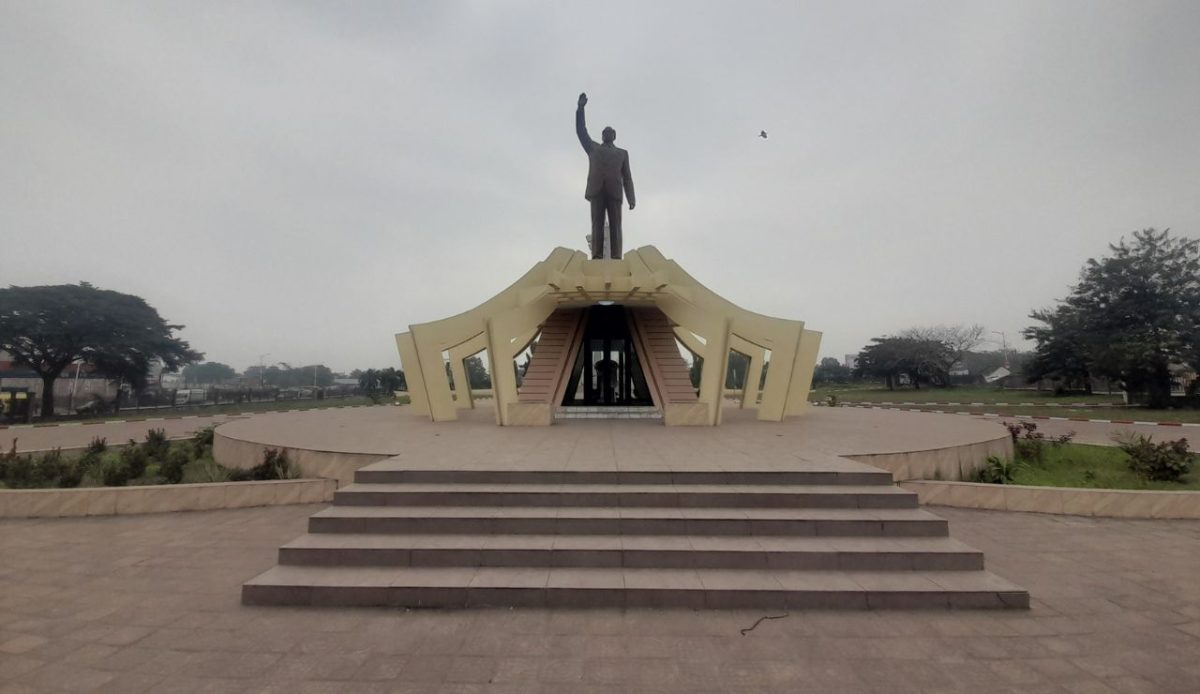
In Kinshasa, the mausoleum for Congolese independence leader Patrice Lumumba was reported vandalized in late 2024, with glass doors smashed and the display case holding his gold-capped tooth broken. Because Lumumba’s body was destroyed after his 1961 assassination, that tooth is treated as a rare national relic.
For travelers, this site sits closer to the civic monument than the cemetery visit. Security and access can shift quickly, and authorities may limit entry while repairs or investigations are underway.
If you visit, expect rules on bags and filming, and listen to staff directions. Keep conversation respectful and quiet; for many locals, the mausoleum represents independence history.
7. Rosa Luxemburg (Friedrichsfelde, Berlin)
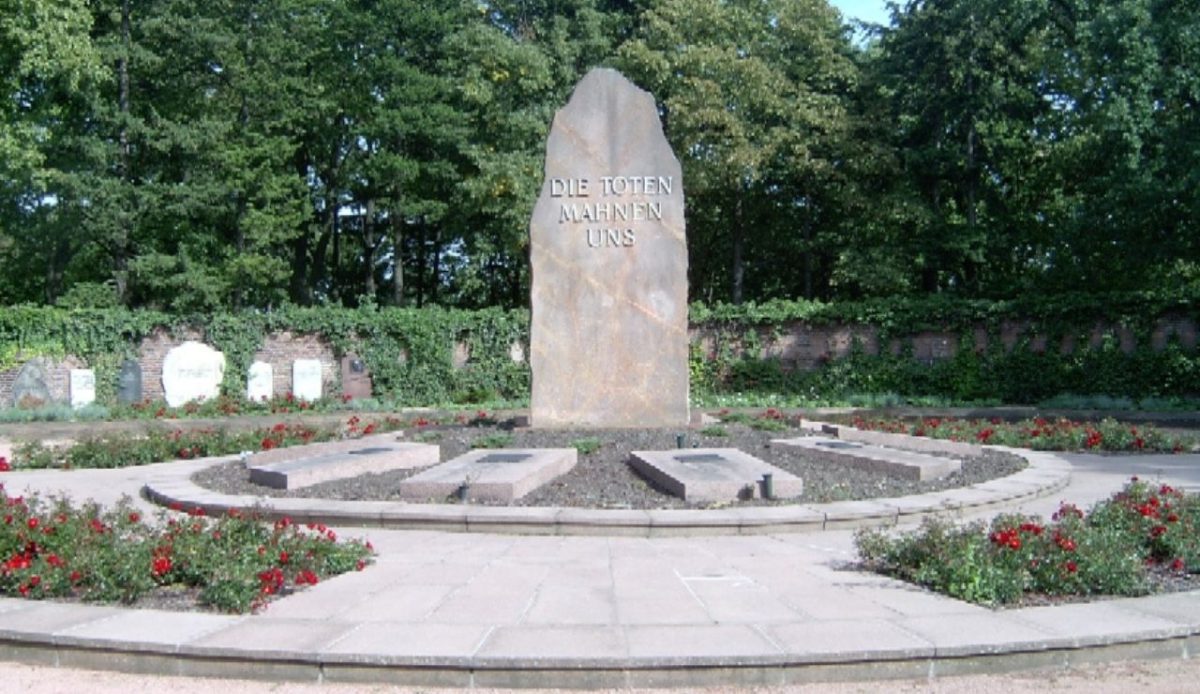
At Berlin’s Friedrichsfelde Central Cemetery, Rosa Luxemburg is commemorated at the Memorial to the Socialists, a key site for Germany’s labor history. In 2025, memorial plaques in the area were reported stolen, leaving some graves and stones without their identifying markers for a time.
The cemetery is calm and park-like, but it carries political symbolism, which can attract targeted theft or provocation rather than random damage. Visitors will see a mix of official design, flowers, and quiet routines.
If you go, treat it as a reflective historical stop. Avoid leaving messages, don’t step onto grave borders, and visit in daylight when staff presence and foot traffic are higher.
8. Karl Liebknecht (Friedrichsfelde, Berlin)
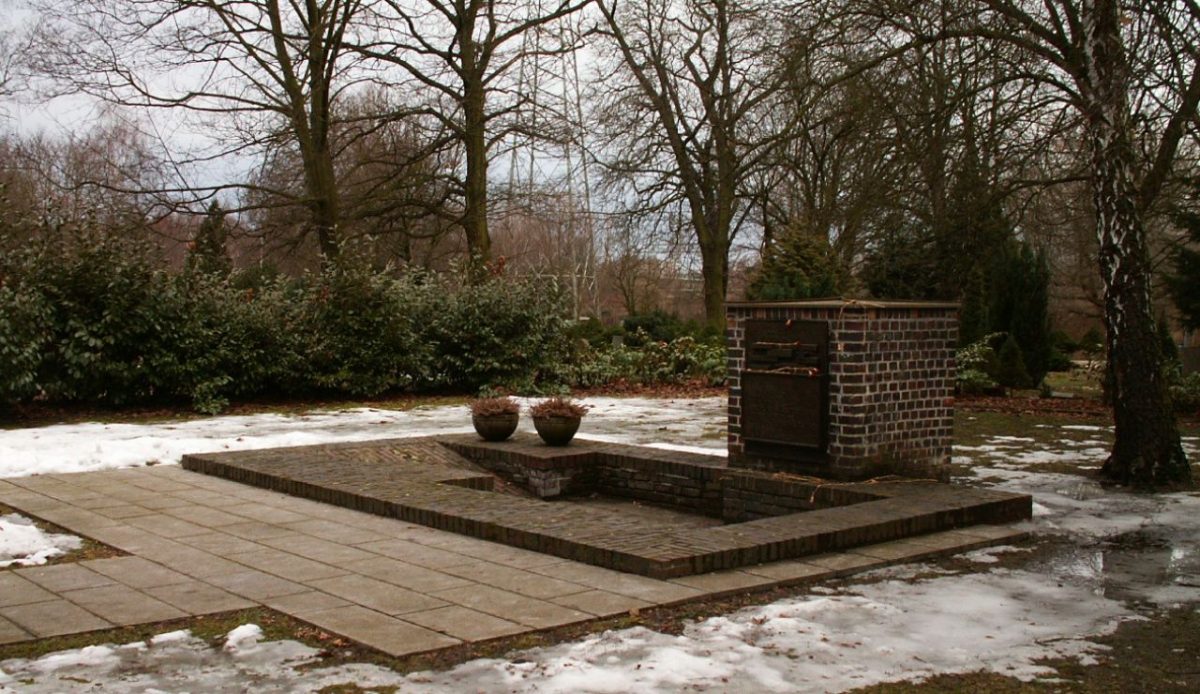
Karl Liebknecht is remembered at Berlin’s Memorial to the Socialists in Friedrichsfelde, where many labor-movement figures are buried or memorialized. In 2025, theft of metal name plaques affected multiple stones in the memorial area, including Liebknecht’s marker.
For travelers, the experience is less about a single grave and more about a designed memorial landscape. When plaques are removed, the space can look incomplete until replacements are installed.
Go with realistic expectations: you may see temporary gaps, restoration work, or added security. Keep photos discreet, avoid standing on memorial stones, and remember this is an active cemetery used by locals.
9. Ernst Thälmann (Friedrichsfelde, Berlin)
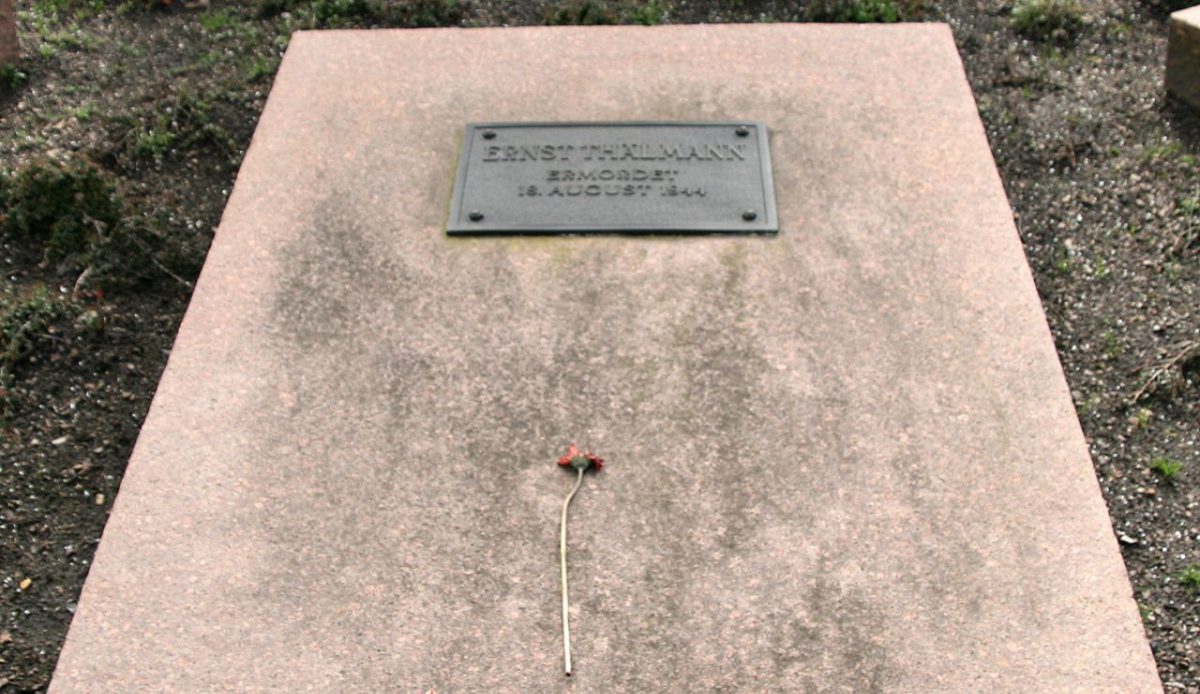
Ernst Thälmann, a German communist leader later presented as an anti-fascist martyr, is memorialized at Berlin’s Friedrichsfelde cemetery. In 2025, theft of metal name plaques around the Memorial to the Socialists was reported to police, affecting multiple stones linked to well-known figures.
This is a designed memorial area, so details like plaques matter: removing them changes how the place “reads” to visitors. You may see gaps, temporary labels, or maintenance work while replacements are arranged.
Visit with a museum mindset. Read posted notices, keep voices down, and don’t touch stone surfaces. Well-meaning “cleaning” can do more harm than the original vandalism.
10. Steve Biko (Ginsberg, South Africa)
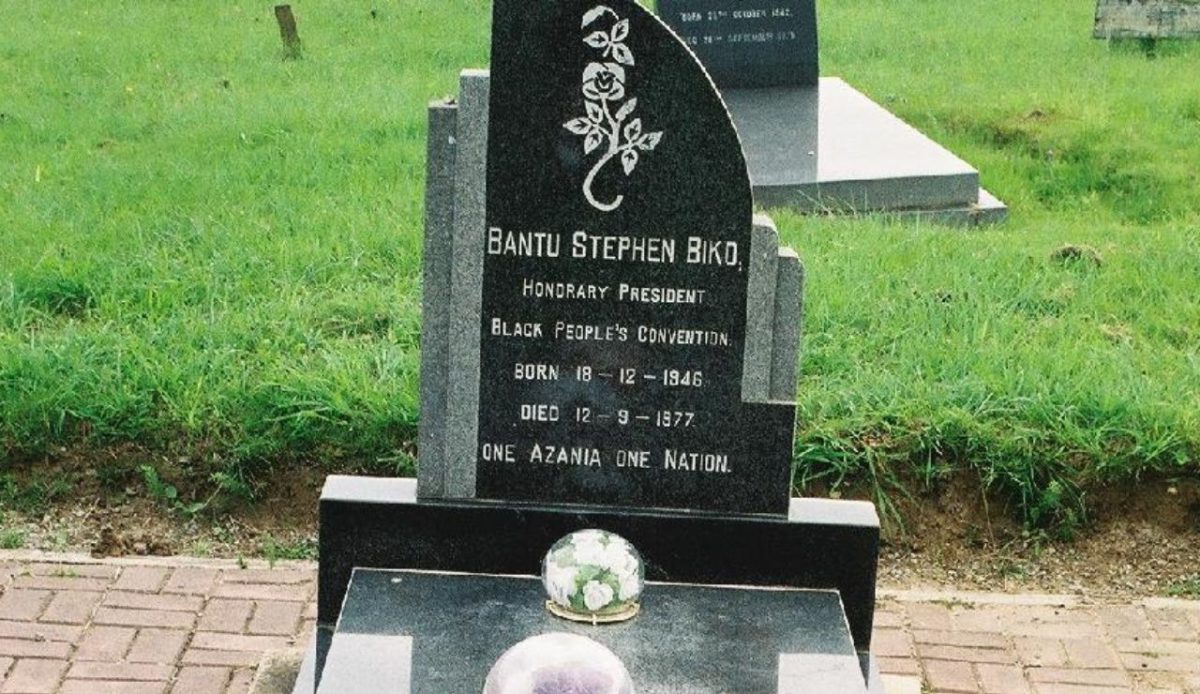
Steve Biko, a key figure in South Africa’s Black Consciousness Movement, is buried at the Garden of Remembrance in Ginsberg near King William’s Town. In 2024, reports said his gravesite was vandalized, and bronze elements were stolen and sold as scrap, prompting arrests.
For visitors, the site is part memorial, part civic space, and it can feel very personal for those who come to pay respects. Because theft has occurred, you may notice extra security or a more controlled layout than older photos show.
If you visit, keep it simple: no staging, no loud commentary, and ask before filming anyone nearby. Pair the stop with a local museum or foundation resource so the visit is grounded in history, not just the grave.
11. Chris Hani (Boksburg, South Africa)
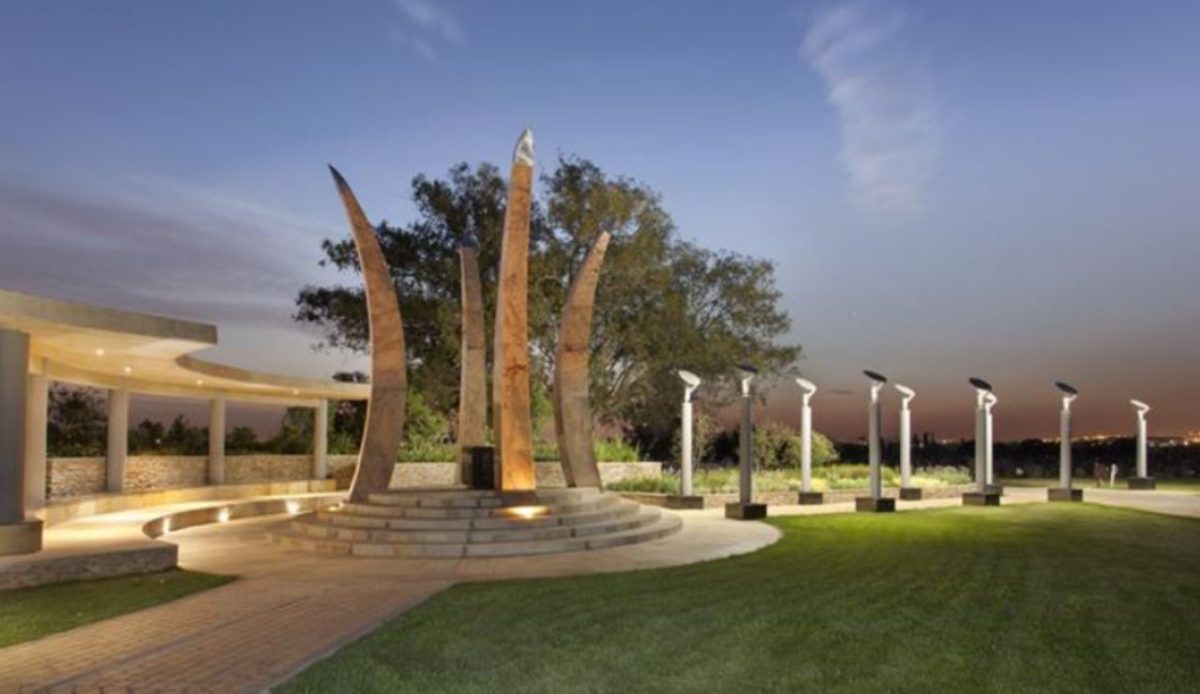
Chris Hani, a prominent anti-apartheid leader and head of the South African Communist Party, is buried at a memorial site in Boksburg on the East Rand. In late 2022, officials reported the grave monument was vandalized, with parts of the structure damaged.
The site is both remembrance and modern history, so it can draw visitors on anniversaries and during major news moments. That visibility can also raise the risk of opportunistic damage.
If you visit, go during staffed hours and follow the posted rules on photography and movement. Keep conversations respectful, avoid leaving slogans, and be mindful that families and community groups may be holding commemorations nearby.
12. Robert Mangaliso Sobukwe (Graaff-Reinet, South Africa)
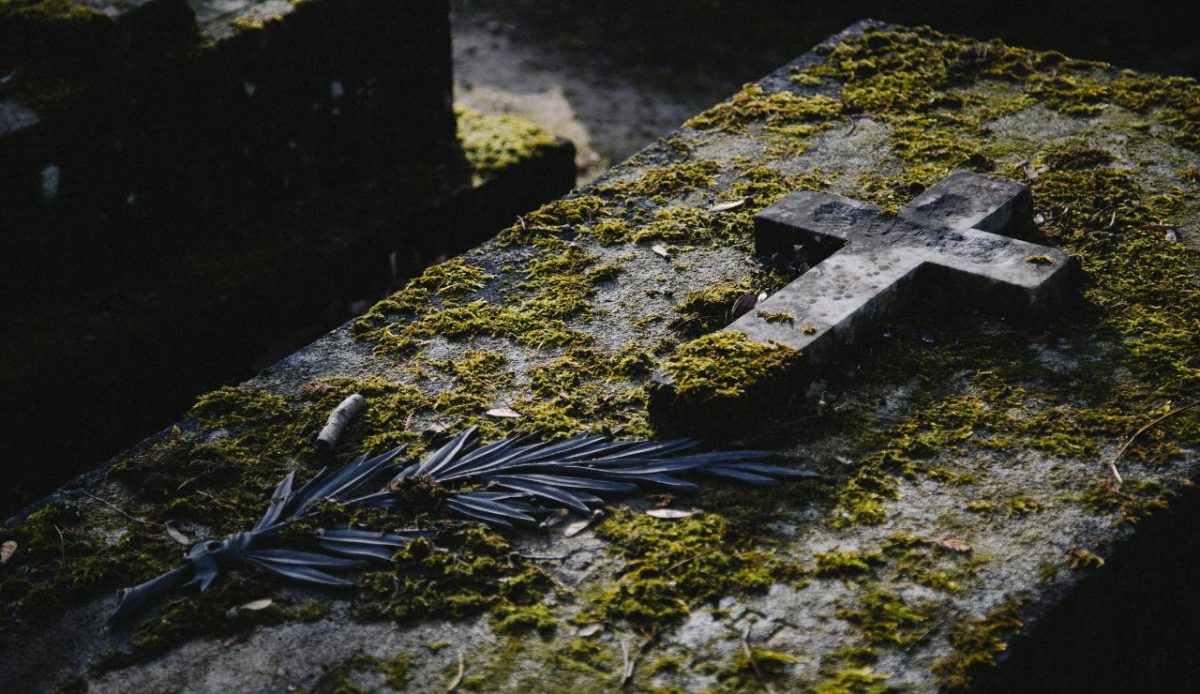
Robert Mangaliso Sobukwe, founder of the Pan Africanist Congress, is buried in Graaff-Reinet in South Africa’s Eastern Cape. His gravesite has faced repeated vandalism, and in 2023, the PAC again condemned damage at the grave and called for stronger protection of the heritage site.
For travelers, this shows how important graves to have the staffing and security of major national monuments. That can affect what you see, from repaired stonework to temporary fencing.
If you visit, treat the site as a community space first and a history stop second. Ask locals or caretakers about etiquette, avoid touching damaged stone, and consider supporting nearby heritage efforts that help keep the grave maintained.
