
Stress in a city is rarely about one issue. It is felt when safety worries, high costs, traffic delays, and crowded services stack up in daily routines and short trips. The places below are included because several measurable pressures tend to be reported there, including higher crime severity, tight housing markets, and slower commutes. Seasonal weather and transit gaps can add strain, so the list reflects overlapping conditions rather than one statistic. It is written for travelers and locals who want context on why a visit can feel tense, and why errands may take more planning than expected in certain metros.
1. Winnipeg, Manitoba
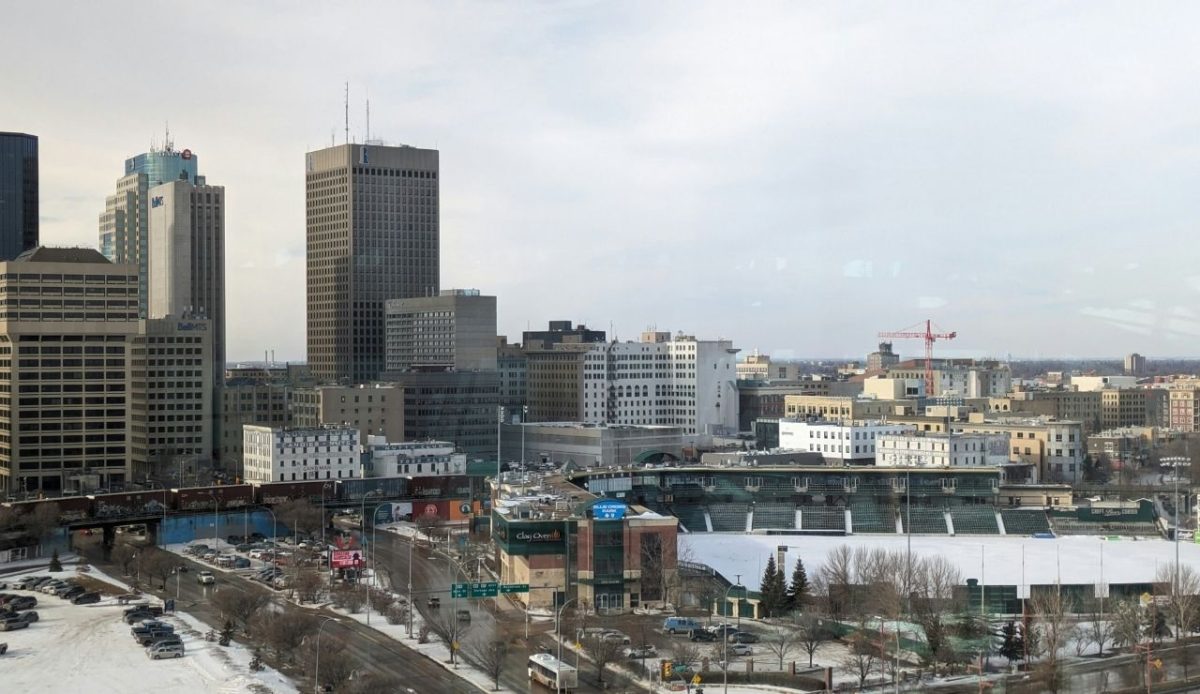
Winnipeg can feel stressful because safety planning becomes part of normal movement. With crime severity reported at high levels, many residents choose routes, parking spots, and hours with extra care. Visitors may notice fewer late-night options and more guarded behavior near bars and transit stops. Winter cold and early darkness reduce walking, and delays appear when roads narrow under snow. Home prices are lower than in bigger metros, yet wages can trail, so a tight budget is felt quickly during heating months and surprise car repairs. Emergency response and social services can be stretched, which adds worry when problems appear.
2. Vancouver, British Columbia
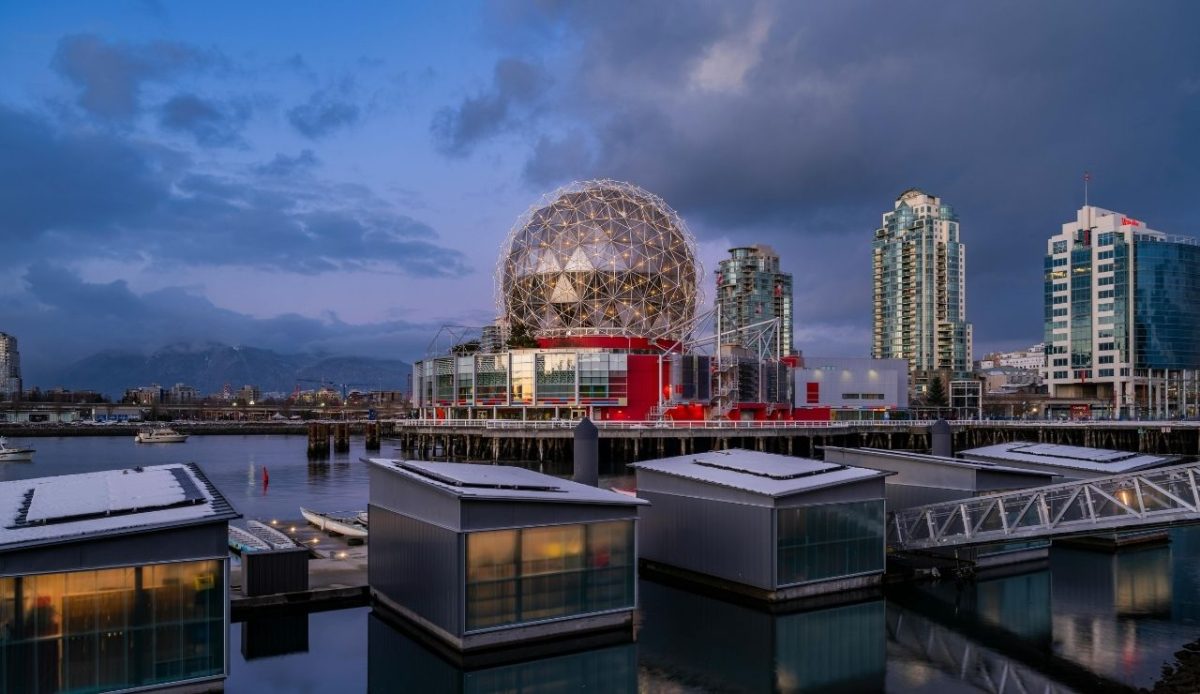
Vancouver is stressful for many people because everyday costs stay high while travel times add friction. Rents and home prices keep pressure on household budgets, and long commutes are common for workers pushed outward. Traffic backups around bridges and tunnels can turn short errands into long waits, and crowded transit raises tension at rush hour. Visitors also face high hotel rates and expensive meals, which can limit flexibility. Street disorder in some central areas may be encountered, so extra awareness is used when moving at night or near transit hubs. Even with views and parks close by, the day can feel tightly scheduled and costly.
3. Toronto, Ontario
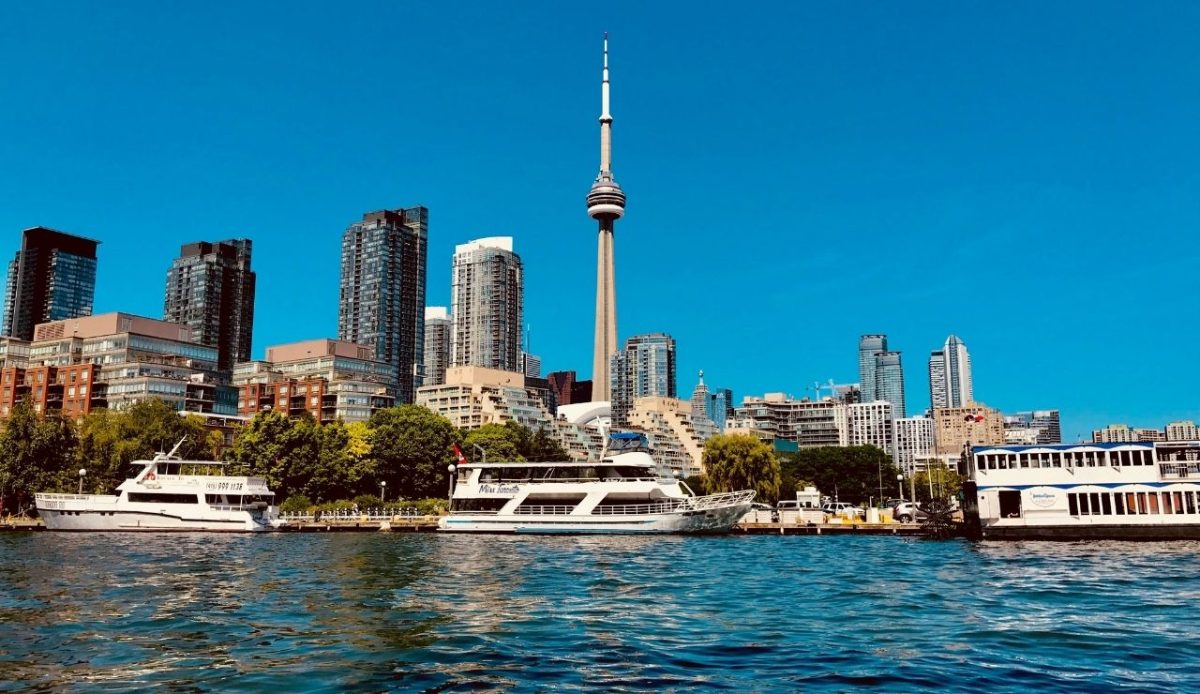
Toronto can be stressful because the city moves fast, and time is consumed by queues and travel. High rents and steep home prices force many people into smaller spaces or long commutes from outer suburbs. Road congestion and packed trains can slow workdays, and delays ripple into appointments and school pickups. Visitors may face long lines at major attractions, expensive parking, and surge-priced rideshares during events. Crime severity is not the main driver, yet uneven neighborhood comfort means extra planning for where to stay and how to return late. Winter slush can make walks harder, pushing more riders onto already crowded transit.
4. Edmonton, Alberta
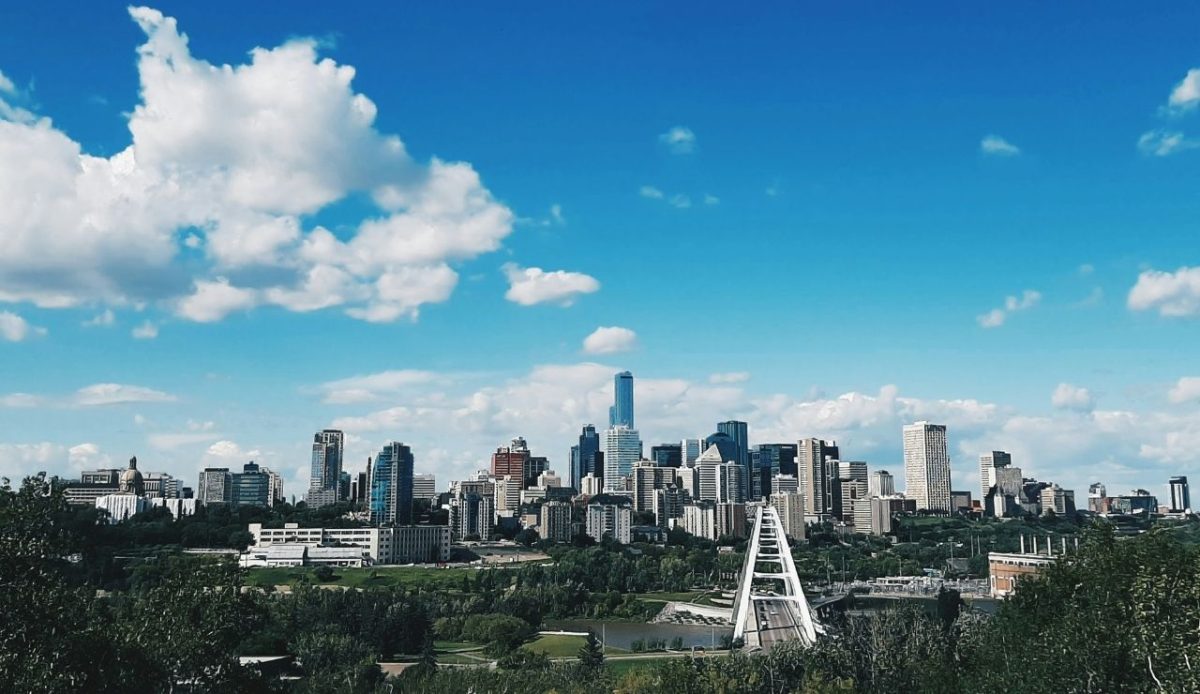
Edmonton is stressful for some residents and travelers because crime concerns and sprawl work together. Reported crime severity has been high in recent years, so routines are adjusted around lighting, parking, and transit stops. The city is wide, and many trips require driving, which adds cost, weather risk, and time pressure when roads ice over. Economic swings tied to energy jobs can affect household stability, which is felt in rental turnover and service demand. Visitors may find attractions far apart, and a late return to hotels can feel tense in districts where street activity is unpredictable.
5. Surrey, British Columbia
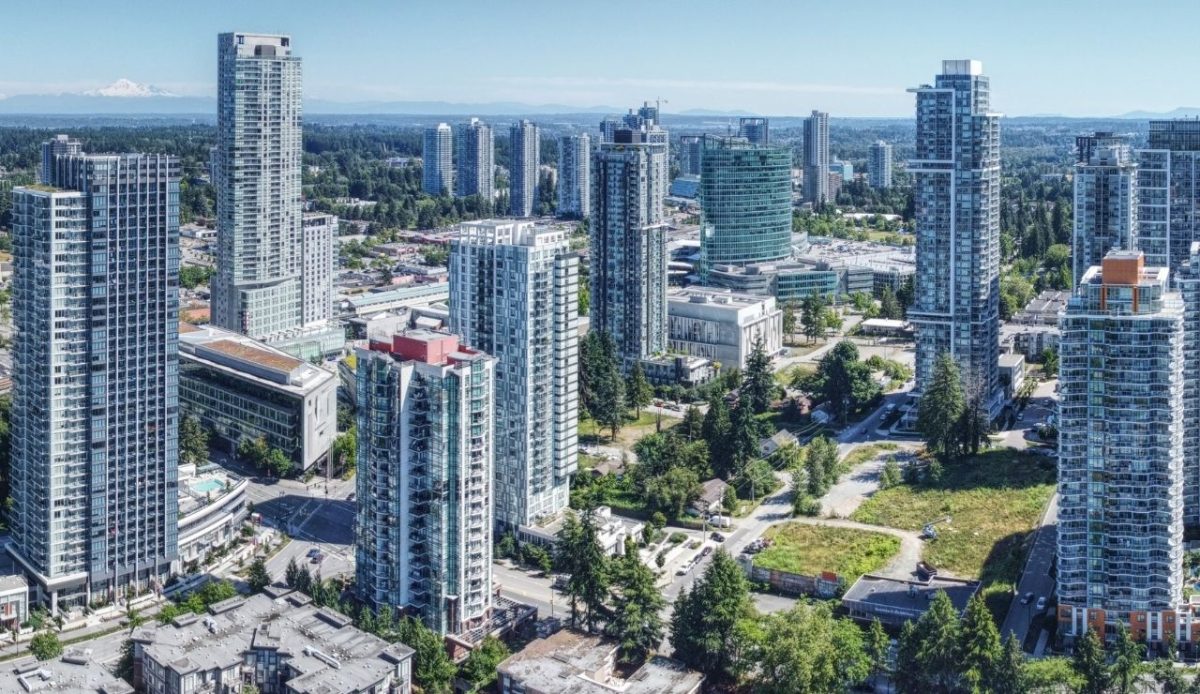
Surrey can feel stressful because growth has been rapid, and infrastructure has struggled to keep pace. Heavy traffic on key corridors and crowded buses can stretch commute times, especially for people connecting to the rest of Metro Vancouver. Public safety concerns vary by neighborhood, and that uneven feel can affect where visitors choose to walk after dark. Housing costs have climbed as demand spills over from Vancouver, while local wages do not always match the jump. For newcomers, the spread-out layout and constant roadwork can make navigation tiring, turning simple outings into planned missions.
6. Hamilton, Ontario
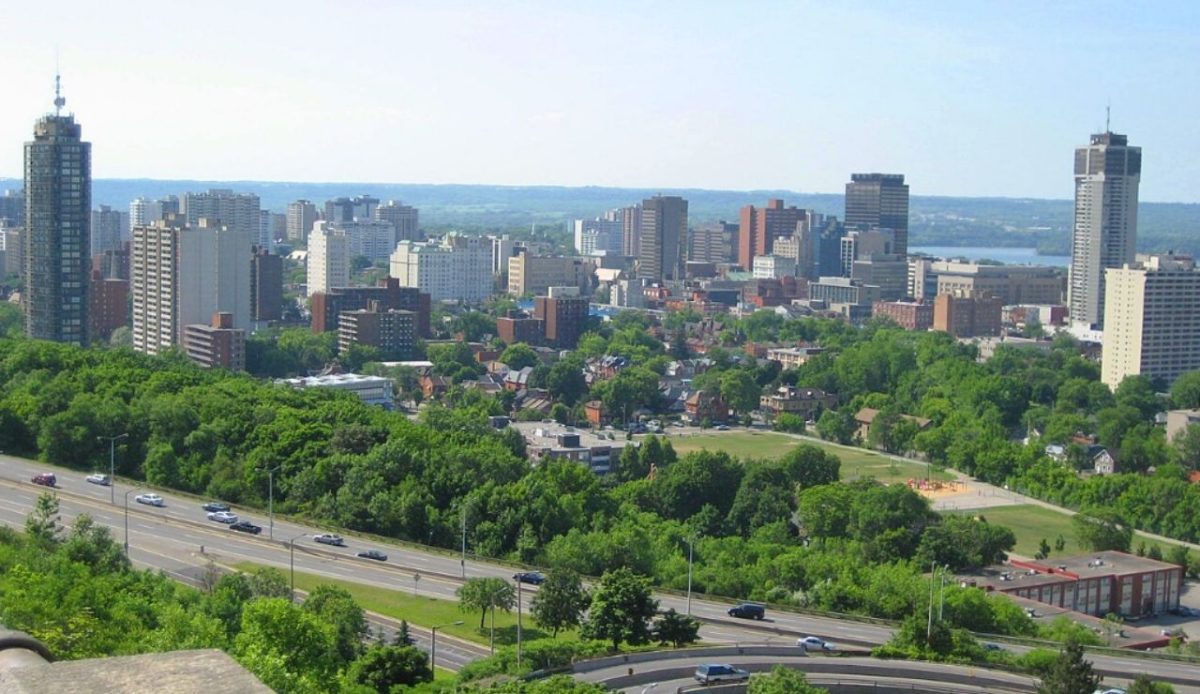
Hamilton carries stress from affordability strain and health-related pressures tied to industry and traffic. Home prices rose quickly in recent years, drawing commuters who still work in Toronto and spend hours on the QEW or GO trains. That long travel day can be draining, and delays are common when weather or incidents slow down highways. Parts of the core report higher crime and visible addiction issues, which can affect comfort for visitors near stations. Noise from major roads and freight movement is felt in nearby neighborhoods, so quiet breaks can be harder to find. On concert or game weekends, rooms can sell out, pushing costs up fast.
7. Regina, Saskatchewan
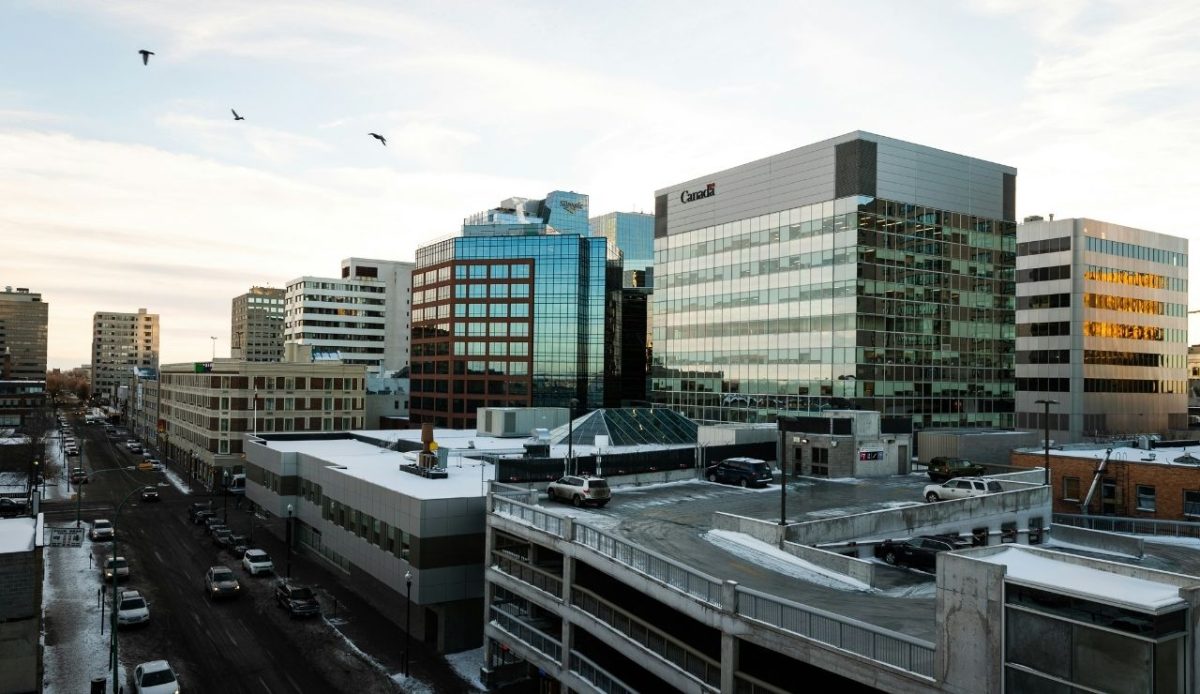
Regina can rank as stressful because safety concerns show up alongside a smaller set of distractions and late-night options. Crime severity has been reported at elevated levels, and that can influence how people use downtown parks, transit, and parking lots. Winters bring long, cold stretches, and outdoor relief is limited when wind chills drop sharply. Housing may look affordable at first, yet wages and job variety can be narrower, which raises anxiety when bills rise. Visitors may find fewer walkable entertainment blocks than in larger cities, so trips often require driving and careful timing.
8. Saskatoon, Saskatchewan
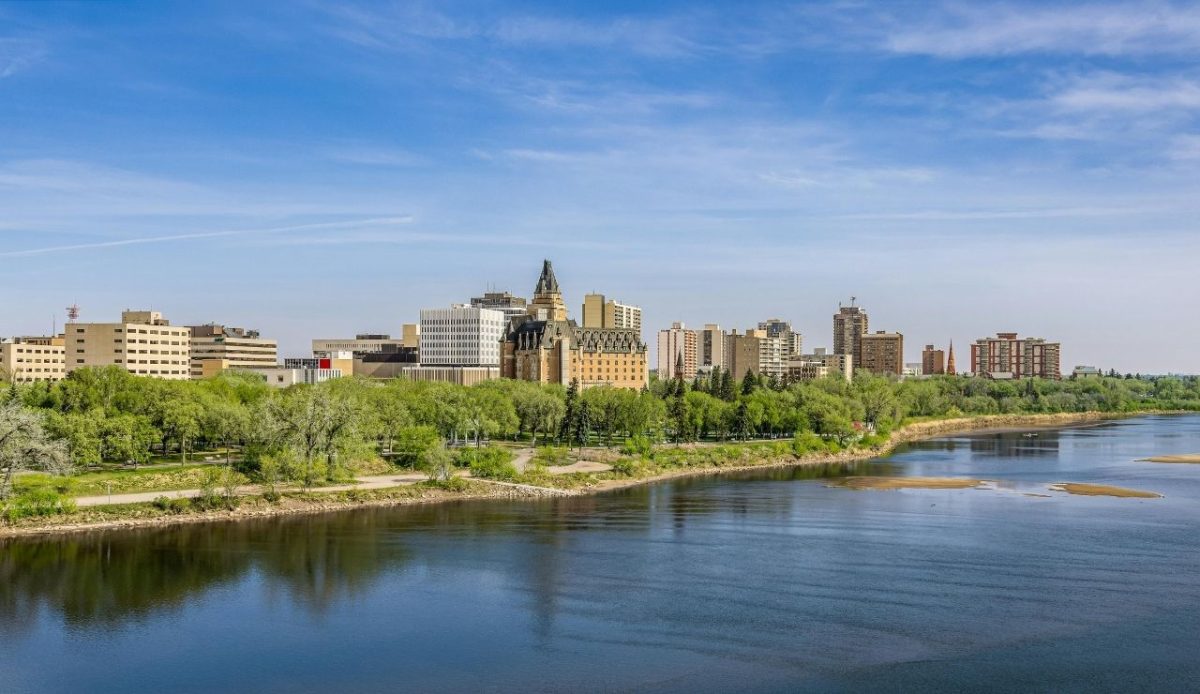
Saskatoon can feel stressful when safety worries and social needs collide in a compact downtown. Police reported crime severity has been high, and residents may avoid certain underpasses, riverbank paths, or bus stops after dark. At the same time, services for housing and addiction can be stretched, so visible crisis scenes are encountered more often than visitors expect. Winter adds another layer because sidewalks can ice over and daylight fades early, limiting casual strolling. Travelers who stay near the core can enjoy food and museums, yet they may need rides at night instead of walking. Costs for taxis add up.
9. Montréal, Quebec
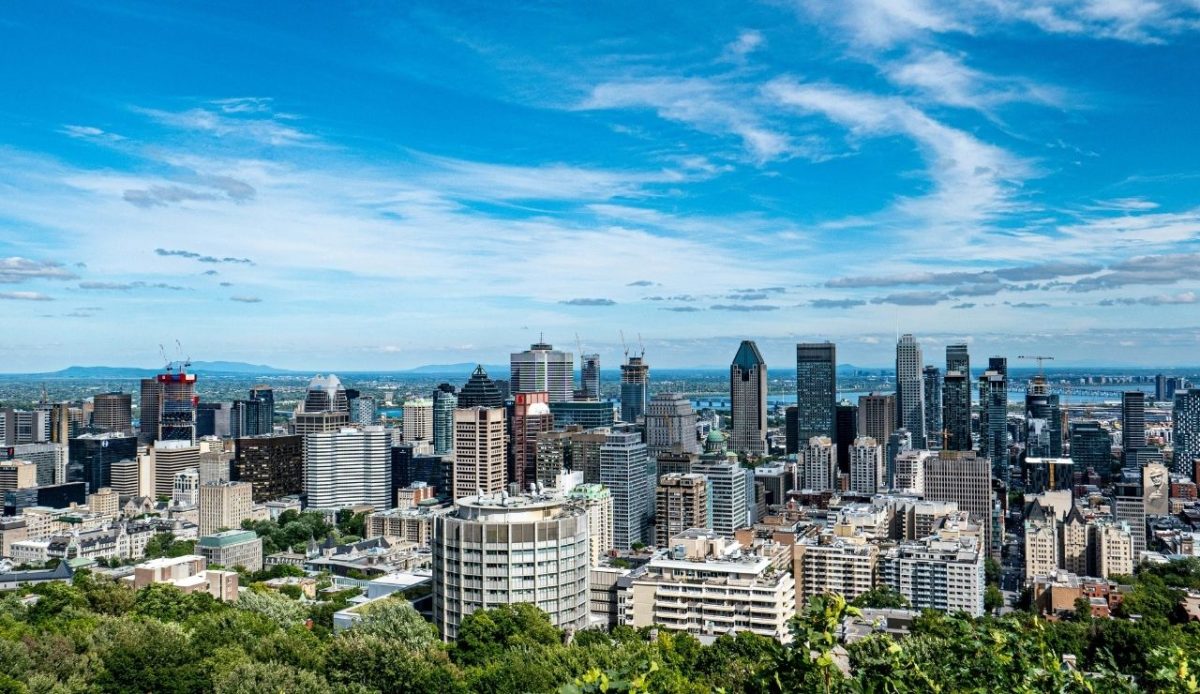
Montréal can be stressful for residents and visitors because dense neighborhoods bring noise, construction, and traffic detours. Roadwork is frequent, and lane closures can extend short trips, especially during the summer festival season. Rents have risen quickly, and finding an apartment has become more competitive, adding pressure for newcomers and students. While the metro is useful, service interruptions and crowded platforms can create frustration at peak times. Tourists also manage language expectations, winter ice, and pickpocket-style theft in busy areas, which can add low-level anxiety to an otherwise lively trip.
10. Calgary, Alberta
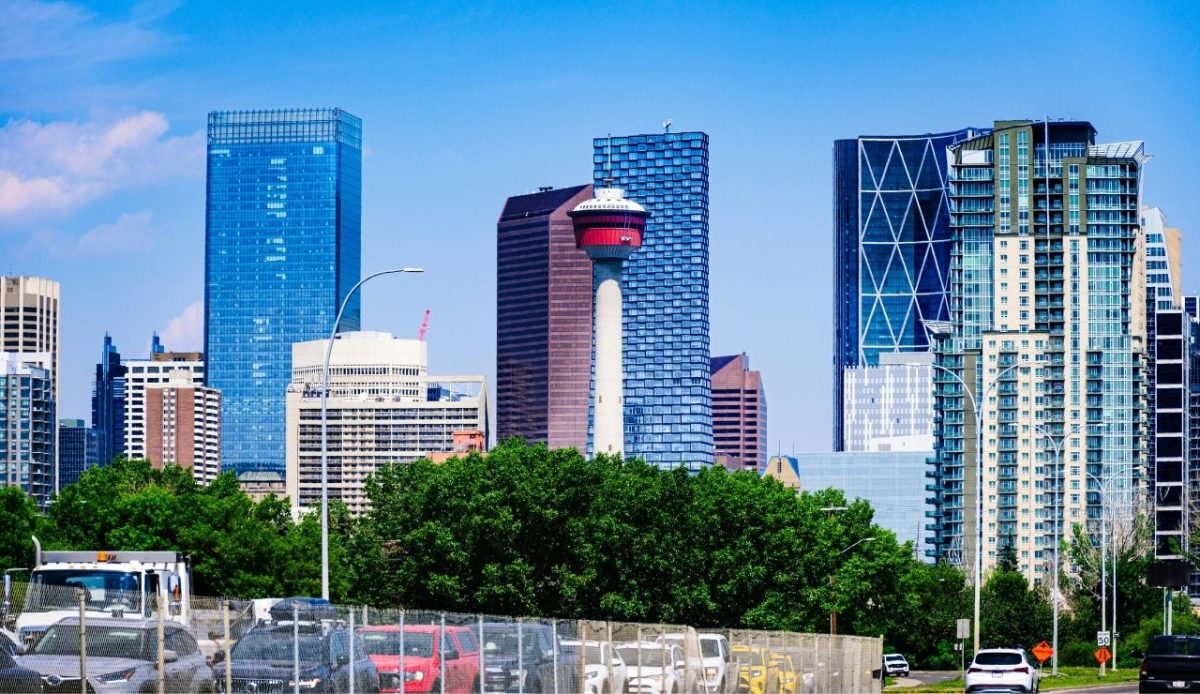
Calgary can feel stressful because housing costs have surged while the city remains car-dependent for many trips. Rapid population growth has tightened rentals, and new arrivals can face bidding and strict screening. Commutes depend on long distances, and winter storms can slow Deerfoot Trail and key interchanges, causing missed appointments. Downtown has seen more visible disorder in recent years, so some residents adjust their routines around transit stations and shelters. Visitors during Stampede may encounter packed streets and higher prices, and those crowds can make even simple dining plans harder.
11. Thunder Bay, Ontario
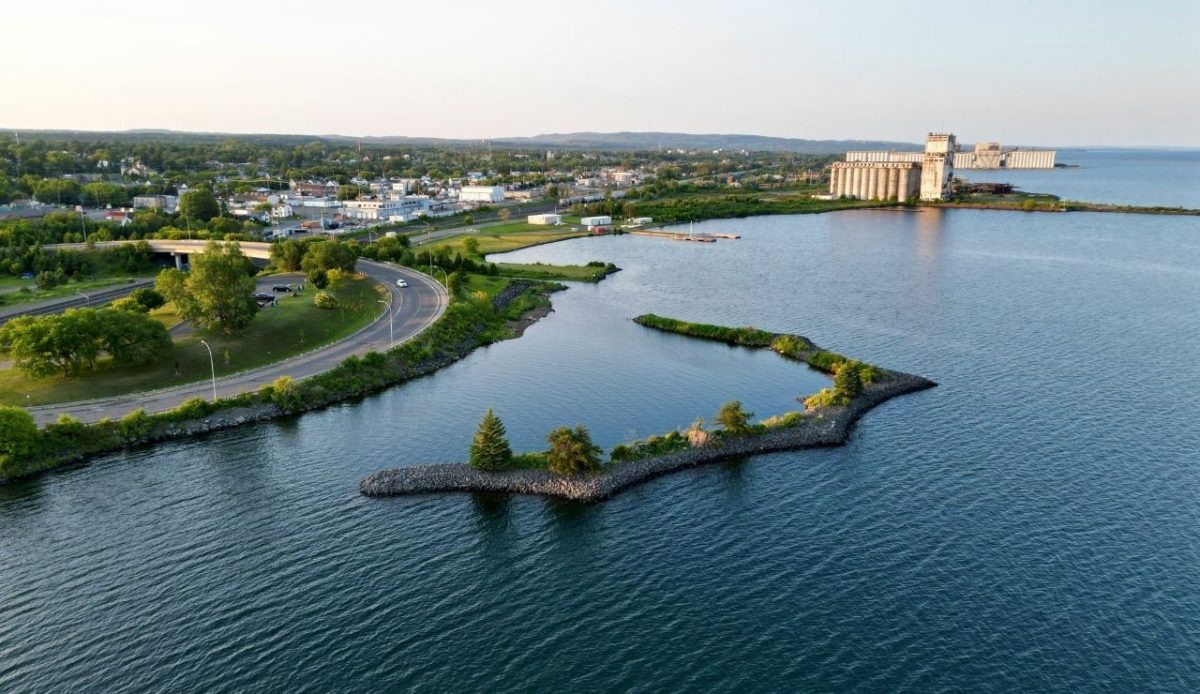
Thunder Bay can be stressful because a smaller city still faces serious safety and health pressures. Crime severity has been reported as high, and residents may limit nightlife and avoid certain areas near the waterfront at late hours. Services can be harder to reach, since specialized health care and supports may require long waits or travel to larger centers. Winter weather is intense, and storms can disrupt driving and deliveries, adding worry for people on tight schedules. Visitors enjoy Lake Superior scenery, yet hotel choices are limited, and taxis can be scarce, so a trip may require more planning than expected.
12. St. John’s, Newfoundland and Labrador
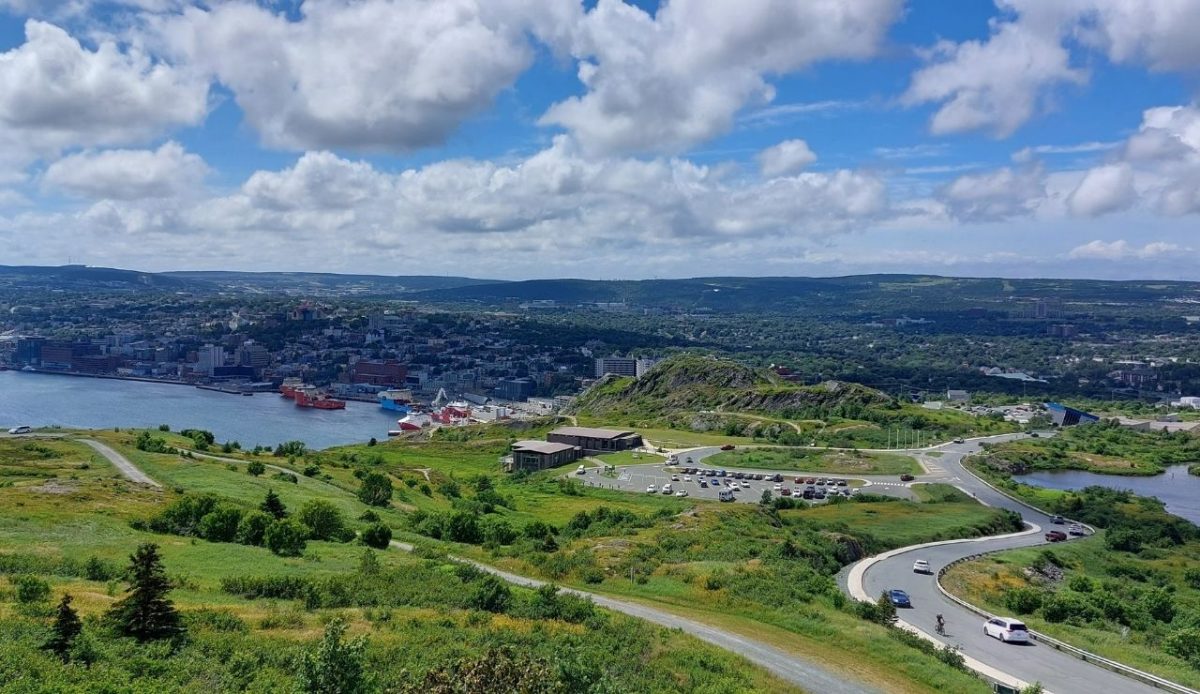
St. John’s can feel stressful because weather and geography shape daily movement and visitor logistics. Fog, wind, and sudden storms can disrupt flights and road conditions, which is tough for short itineraries. Housing costs and rents have risen, and limited supply can push residents into long searches or shared units. Steep hills and narrow streets make driving and parking challenging, especially when snow and ice build up. Nightlife is friendly, yet late transport options are limited, so many people rely on rideshares that may be scarce. That uncertainty can turn a relaxed evening into a carefully timed return.
