
Charleston-area plantation visits can still be scenic, but the strongest ones now give travelers a more useful frame for understanding labor, land, architecture, and memory. The best tours do not treat history as decoration for gardens and house museums.
Instead, they connect grand homes and designed landscapes to the systems that funded them and the people who sustained them. Some focus directly on slavery and emancipation, while others explain rice cultivation, preservation, or the long afterlife of plantation sites.
These 12 Charleston and Lowcountry stops stand out for offering more than atmosphere. Each gives travelers a clearer way to read place, power, and history across the region.
1. Magnolia Plantation
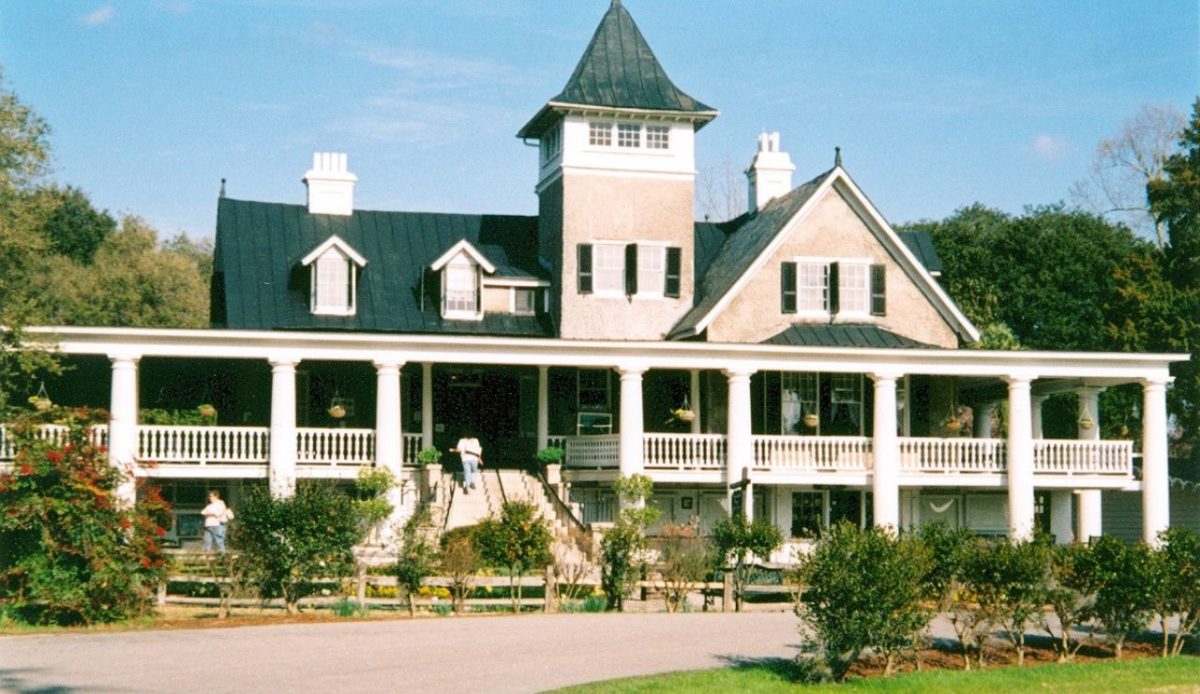
Magnolia Plantation works well for visitors who want several layers of interpretation in one place. Official offerings include the Magnolia House Tour, the “From Slavery to Freedom” Tour, the Nature Train Tour, and a seasonal Wildlife Boat Tour, allowing travelers to combine house history with context about labor and landscape.
That mix matters because Magnolia is easy to misread as a garden’s first stop. Its strongest historical value comes from pairing scenic experiences with the slavery-focused tour, which places the property within Charleston, plantation labor, and the wider American story.
For travelers seeking depth, Magnolia earns its place because different parts of the plantation story can be seen together instead of in isolation.
2. Boone Hall Plantation
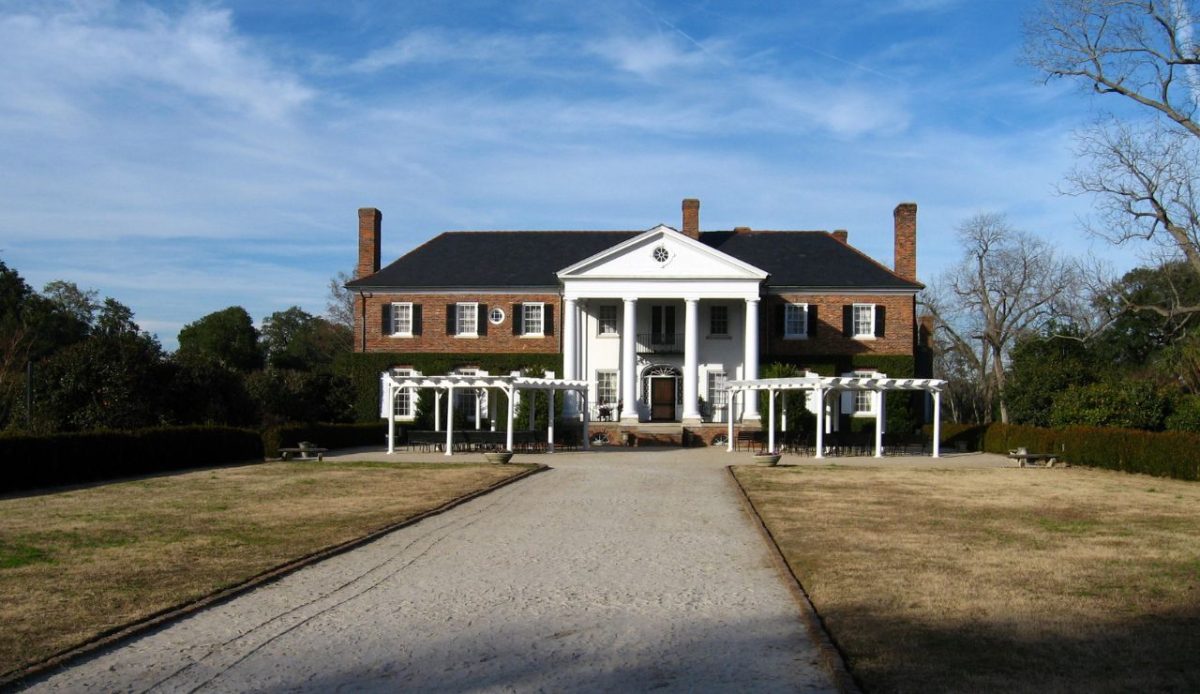
Boone Hall Plantation is strongest when visitors begin with history rather than imagery. Official information highlights its Slave History Presentation and the Black History in America exhibit in original brick cabins, moving the site beyond its famous avenue of oaks and into harder historical ground.
That shift is useful because Boone Hall can easily be reduced to a postcard setting. The history programming instead directs attention to the lives of enslaved people, the cabins, and the structures that supported the estate over time.
Travelers who want deeper insight should treat Boone Hall’s visual appeal as secondary. The site is most rewarding when approached as a place to examine labor, memory, and interpretation.
3. Middleton Place
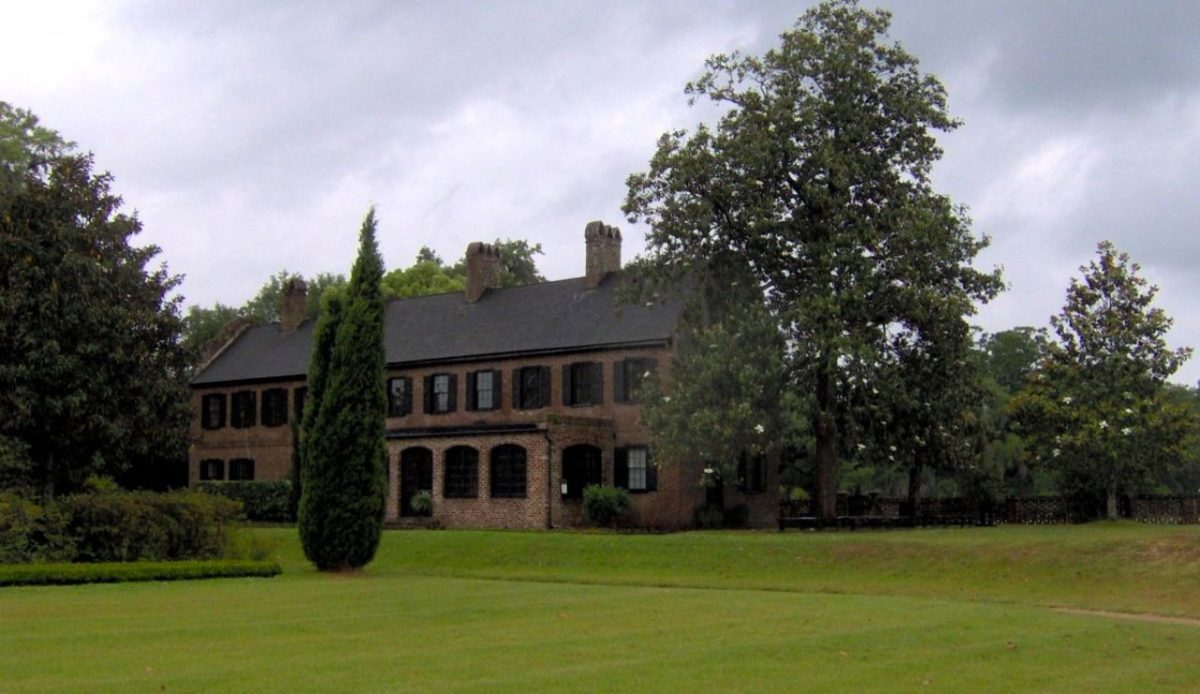
Middleton Place stands out because it builds interpretation into the visit instead of leaving it to signage alone. Its official lineup includes the garden tour and “Beyond the Fields: Enslavement at Middleton Place,” linking the beauty of the landscape to enslaved Africans and African Americans who designed, created, and maintained it.
That combination makes Middleton useful for travelers who want context alongside scenery. The gardens remain a draw, but the site’s public framing keeps labor, skill, and coercion in view instead of presenting the grounds as detached refinement.
Middleton offers more than a simple house-and-garden stop. It rewards visitors looking for a plantation site that connects formal beauty to the labor behind it.
4. Drayton Hall
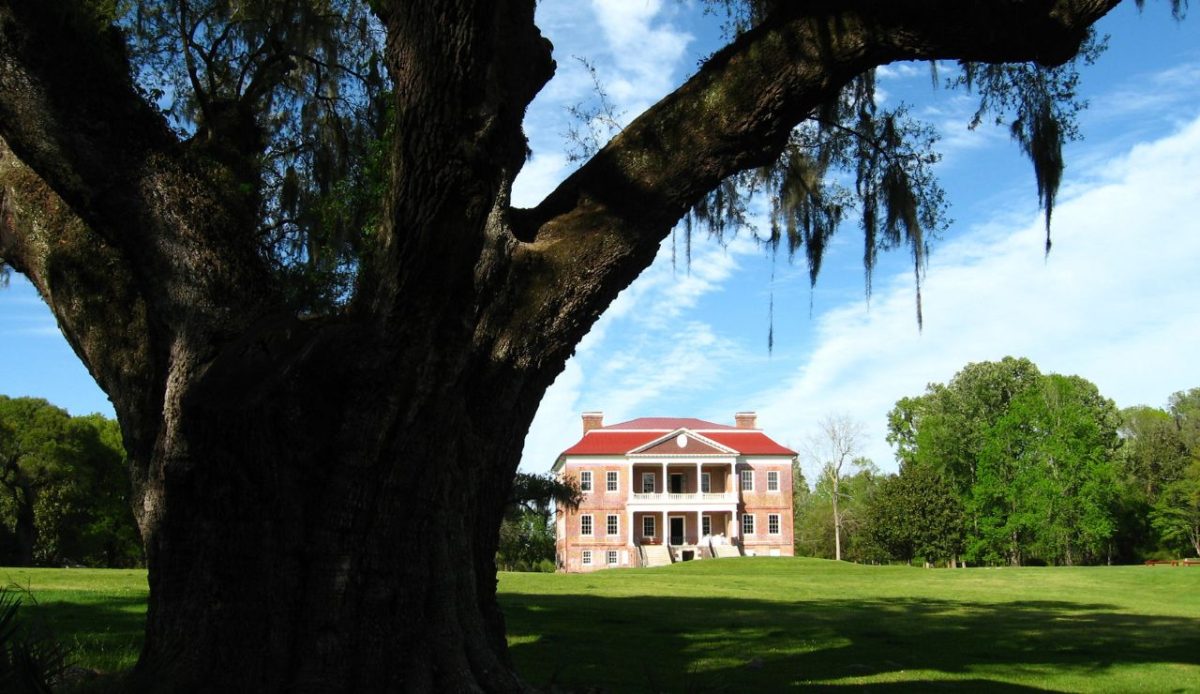
Drayton Hall suits travelers who prefer preservation and research over heavy staging. Its main house, galleries, and landscape are open to visitors, and official details emphasize guided house tours plus access to the grounds, exhibits, and cemetery.
That matters because Drayton Hall feels less like a restored showpiece and more like a place where architecture, archaeology, and memory stay in conversation. The preserved structure encourages visitors to think about ownership, survival, and the people tied to the estate across centuries.
For readers seeking a more reflective plantation visit, Drayton Hall offers depth through restraint. The experience depends less on spectacle and more on reading the house and landscape as evidence.
5. McLeod Plantation Historic Site
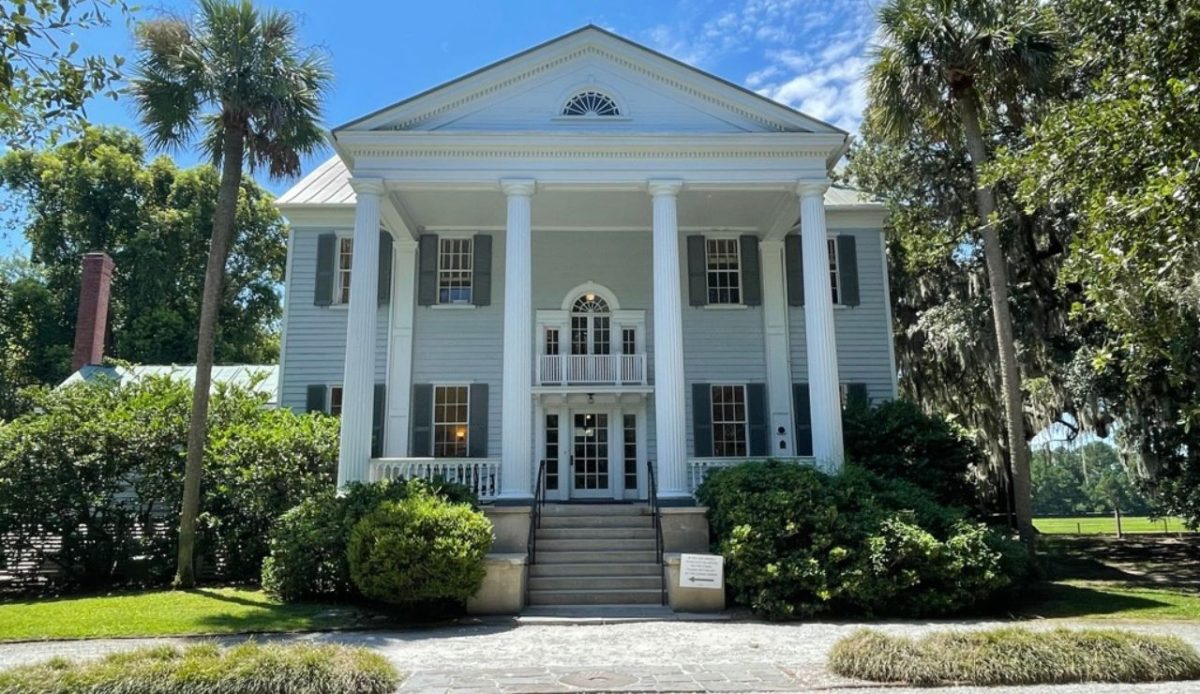
McLeod Plantation Historic Site is one of the most direct and historically grounded visits in the Charleston area. Official information says visitors compare the McLeod family home with dwellings built for enslaved families while learning about daily life, sea island cotton, Civil War events, and emancipation.
That framing gives the site unusual clarity. Instead of centering nostalgia, McLeod places slavery, labor, military history, and African American experience at the core of the tour, helping travelers understand how plantation history shaped the Lowcountry before and after the Civil War.
For visitors who want a serious interpretive stop, McLeod is hard to overlook.
6. Hampton Plantation State Historic Site
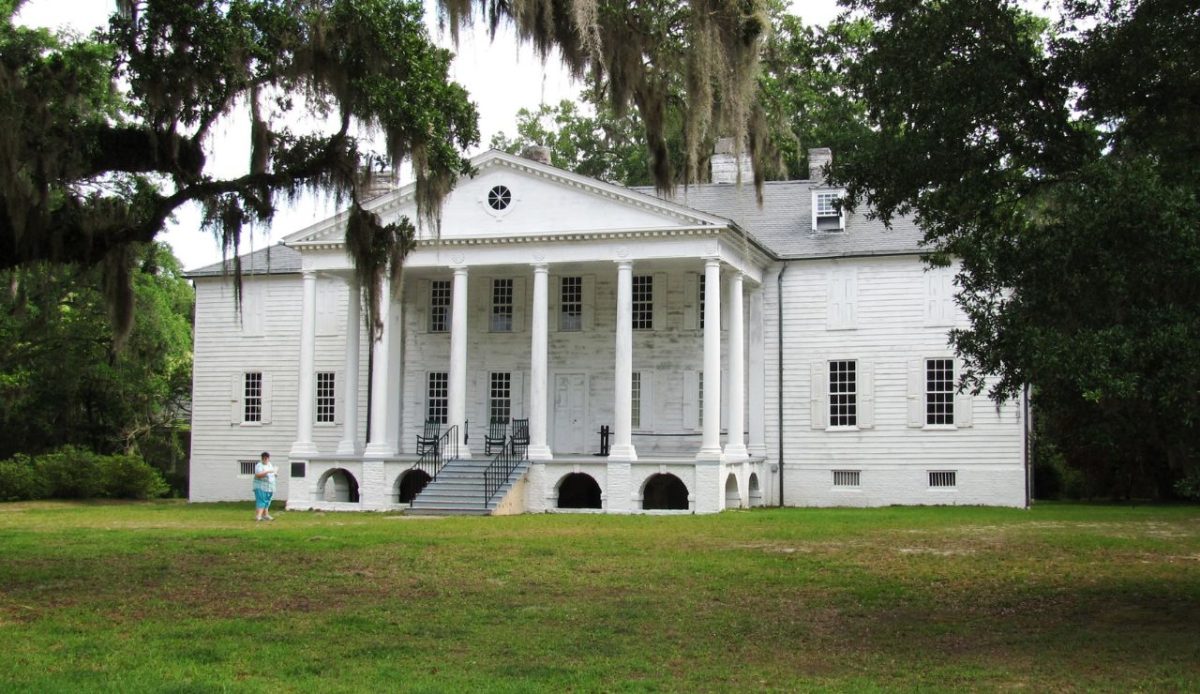
Hampton Plantation State Historic Site offers a broader colonial-to-postbellum frame than many better-known stops. South Carolina Parks describes it as the final remnants of a colonial-era rice plantation and an interpretive site for slavery, rice cultivation, and the freed people who remained in the Santee Delta after emancipation.
That makes Hampton useful for travelers interested in plantation history beyond mansion rooms. Official listings also show mansion tours, while the wider interpretation connects the house to agricultural systems, postwar change, and lives often pushed out of older plantation narratives.
Hampton presents the plantation as a working and changing landscape, not just a preserved residence.
7. Hopsewee Plantation
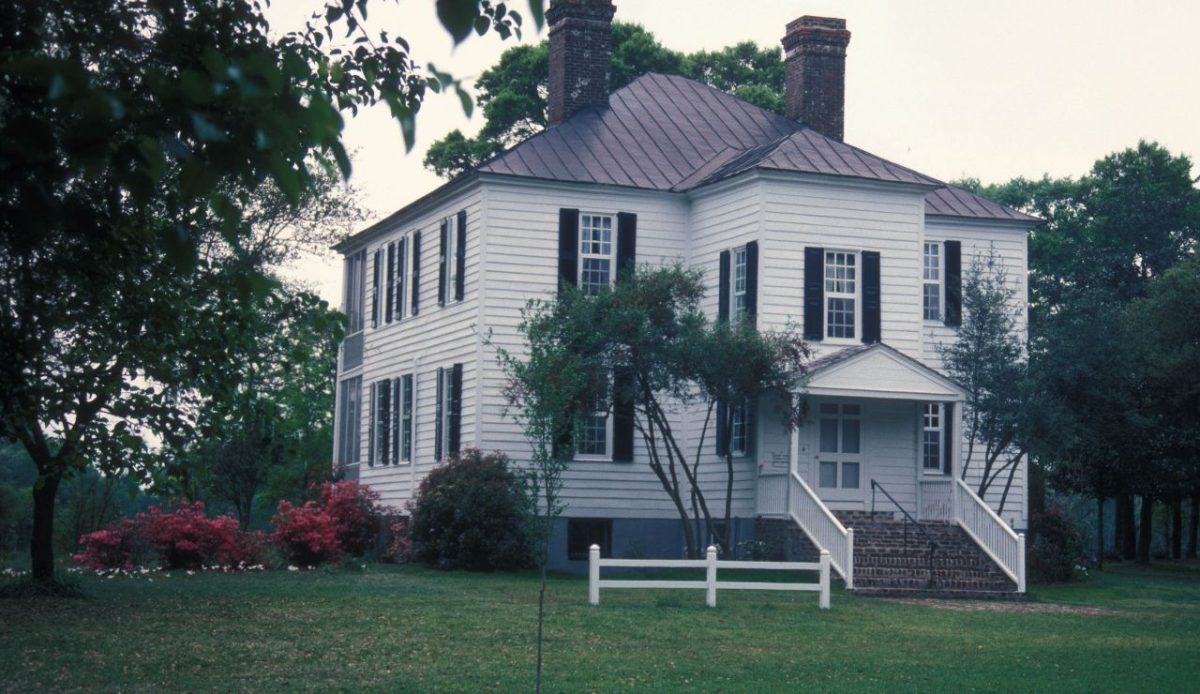
Hopsewee Plantation, in Georgetown, works well as a history-focused day trip beyond Charleston proper. Official information presents it as a guided tour of an 18th-century house and plantation, with grounds that also allow visitors to view slave cabins and the surrounding Santee Delta landscape.
That setting matters because Hopsewee is not only about an early house tied to Thomas Lynch Jr. It also gives travelers a clearer feel for how a rice plantation fit into river geography, labor, and regional power in the Lowcountry before and after the Revolution.
For MSN-style travel coverage, Hopsewee offers a strong mix of architecture and setting. The visit feels most worthwhile when treated as a whole environment rather than only an interior tour.
8. Redcliffe Plantation
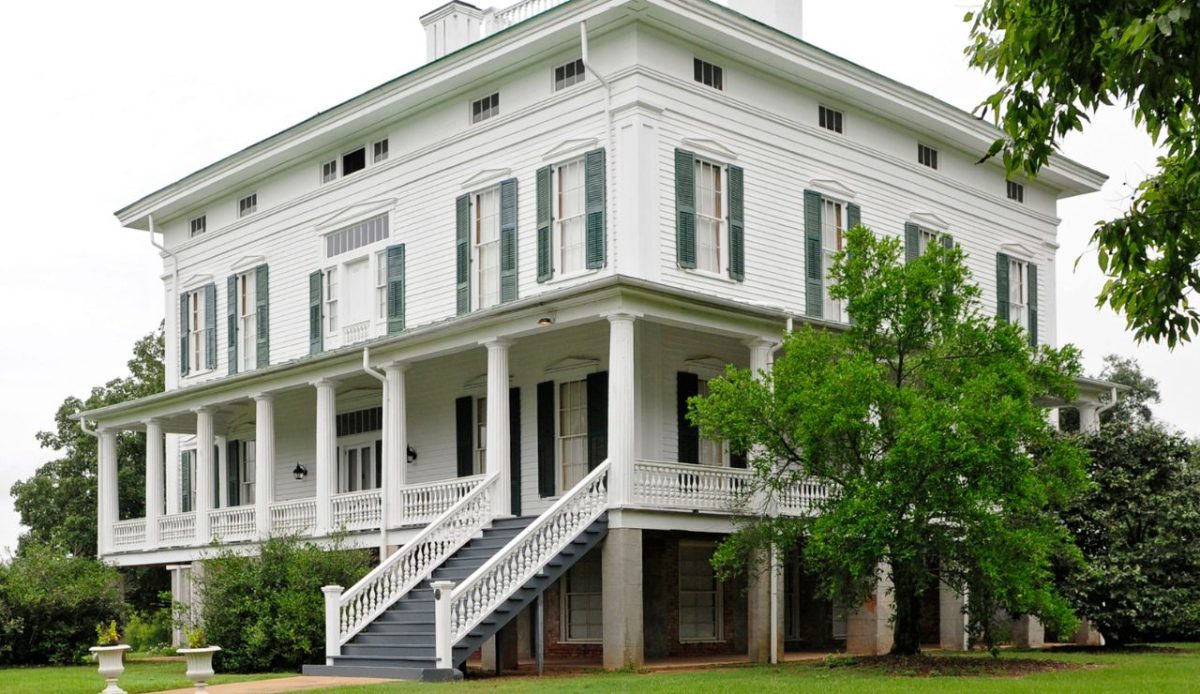
Redcliffe Plantation adds stronger historical depth because the site’s official interpretation centers on both the mansion and the Black families connected to the property across generations. South Carolina Parks notes guided tours of the house, two surviving circa-1857 slave cabins, and year-round interpretation tied to enslaved people, sharecroppers, and paid workers.
That broader frame keeps the visit from becoming a simple house tour. Visitors can read the plantation through labor, domestic life, politics, and the long transition from slavery into later forms of work.
For a Charleston-area plantation roundup, Redcliffe brings a more people-centered perspective and fits the article’s deeper historical focus.
9. Rose Hill Plantation
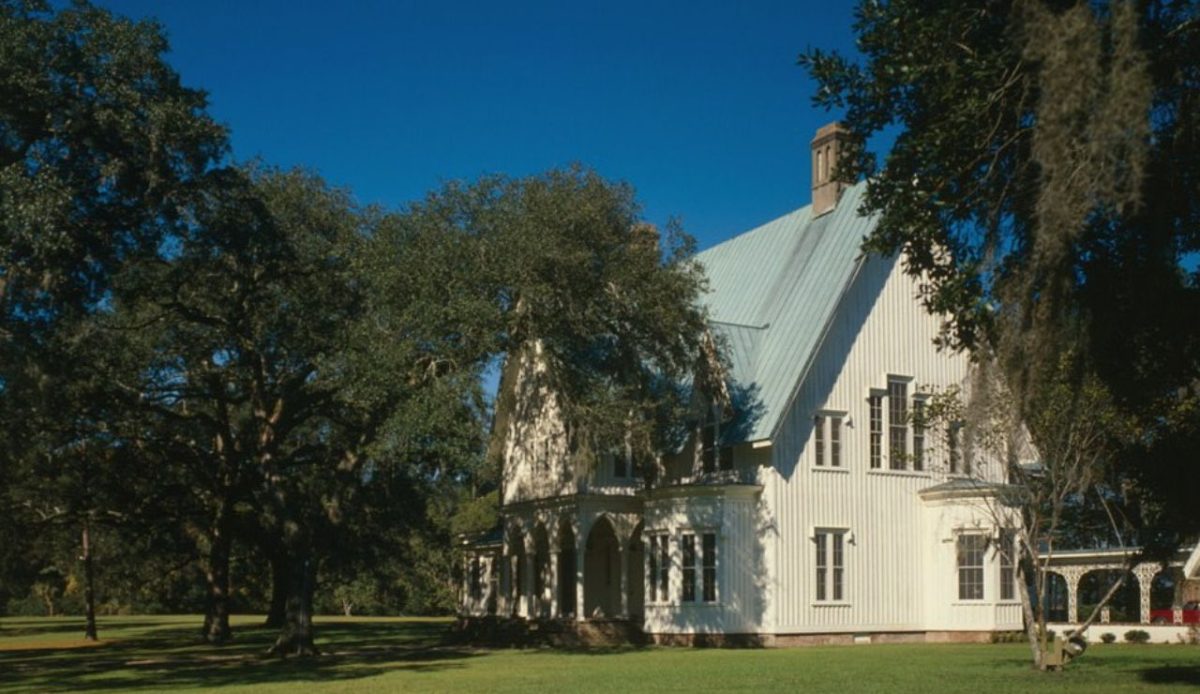
Rose Hill Plantation works better for this list because the official site does not stop at the mansion. South Carolina Parks presents it as a plantation where generations of African Americans lived during and after slavery, with stories of resistance and survival highlighted through guided tours and interpretation.
That gives the visit more substance than a scenic house stop. The site also links visitors to William Henry Gist, secession-era politics, cotton cultivation, and the plantation’s long history after emancipation, which helps widen the story beyond the antebellum period alone.
For readers who want context rather than atmosphere, Rose Hill adds variety while still matching the article’s historical aim.
10. Charleston Tea Garden
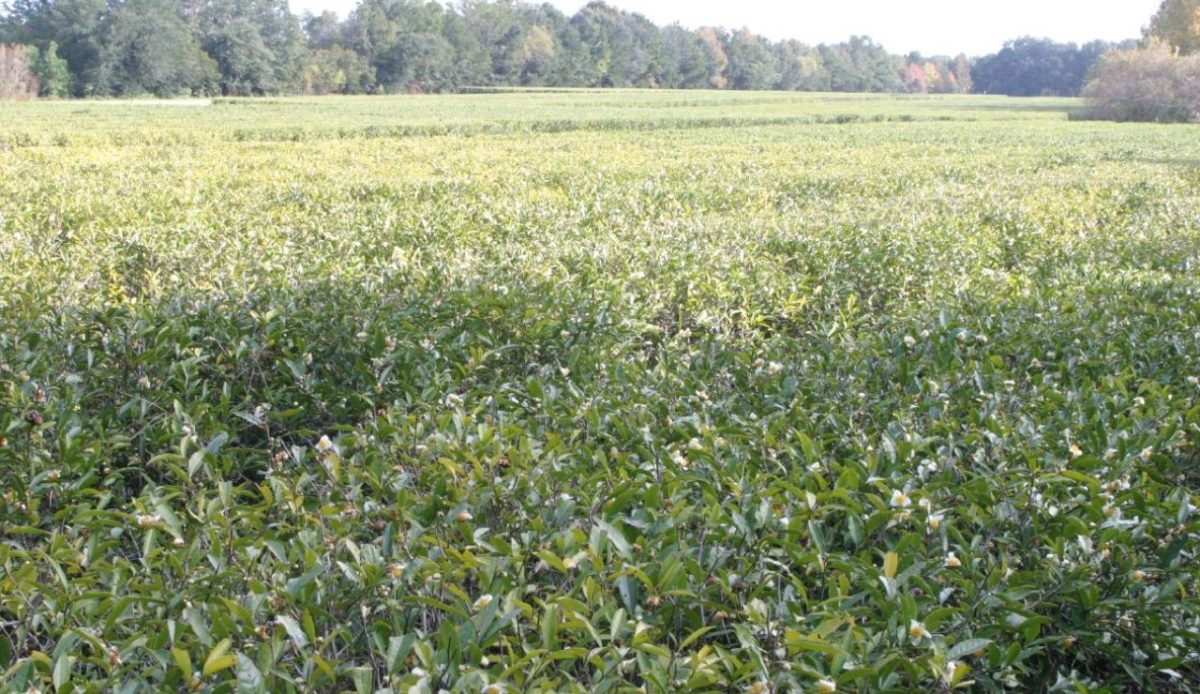
Charleston Tea Garden adds a useful agricultural layer to a Lowcountry history itinerary. Official information highlights a free factory tour and a trolley tour through the tea fields, while the site history traces the modern operation to earlier research on Wadmalaw Island farmland.
That makes it less essential for slavery interpretation than McLeod or Middleton, yet still worthwhile for travelers interested in how large agricultural properties near Charleston evolved over time. It shows how land use in the region shifted with new crops and commercial models.
Charleston Tea Garden works as a contrast stop and broadens the story into the region’s longer agricultural history.
11. Brookgreen Gardens
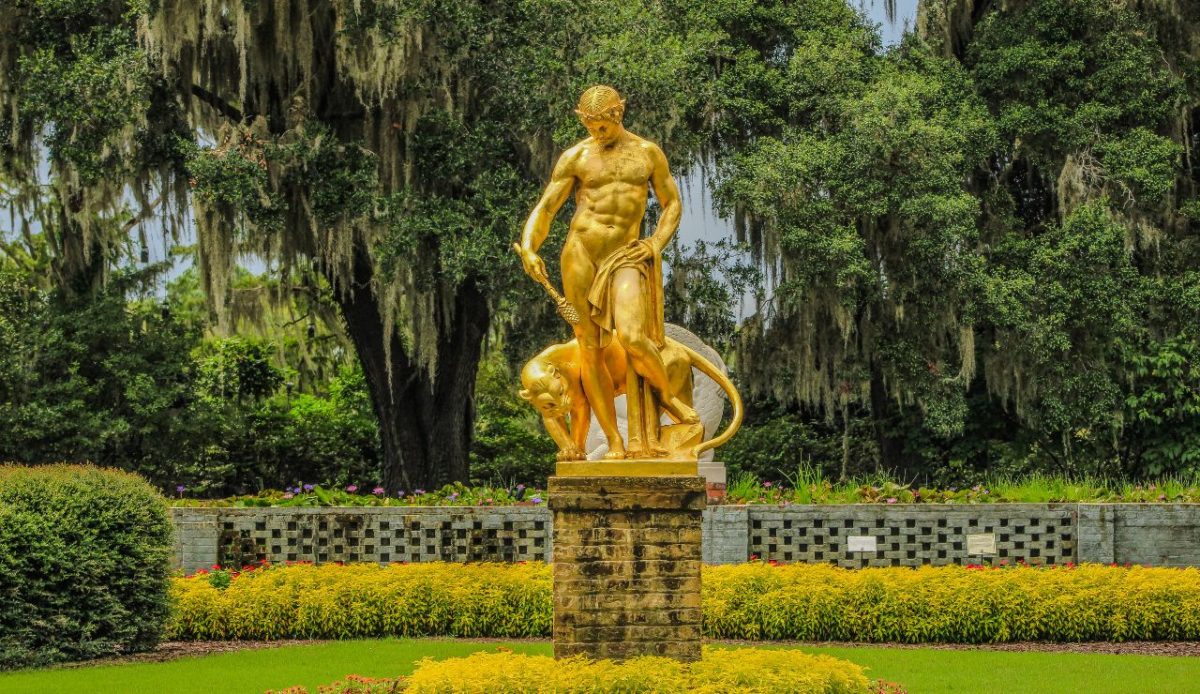
Brookgreen Gardens sits farther up the coast, but its historical excursions make it relevant for tracing plantation landscapes beyond Charleston’s core. Official program descriptions note interpreter-led rides and creek excursions past plantation cemeteries, rice fields, mill remains, and landscapes shaped by enslaved Africans’ expertise in rice cultivation.
That setting helps travelers see plantation history as a regional system rather than a single-house experience. The historic landscape is read through waterways, field patterns, and surviving infrastructure instead of relying only on domestic architecture.
Brookgreen offers something distinct for readers who want plantation history explained through terrain and movement.
12. Mansfield Plantation
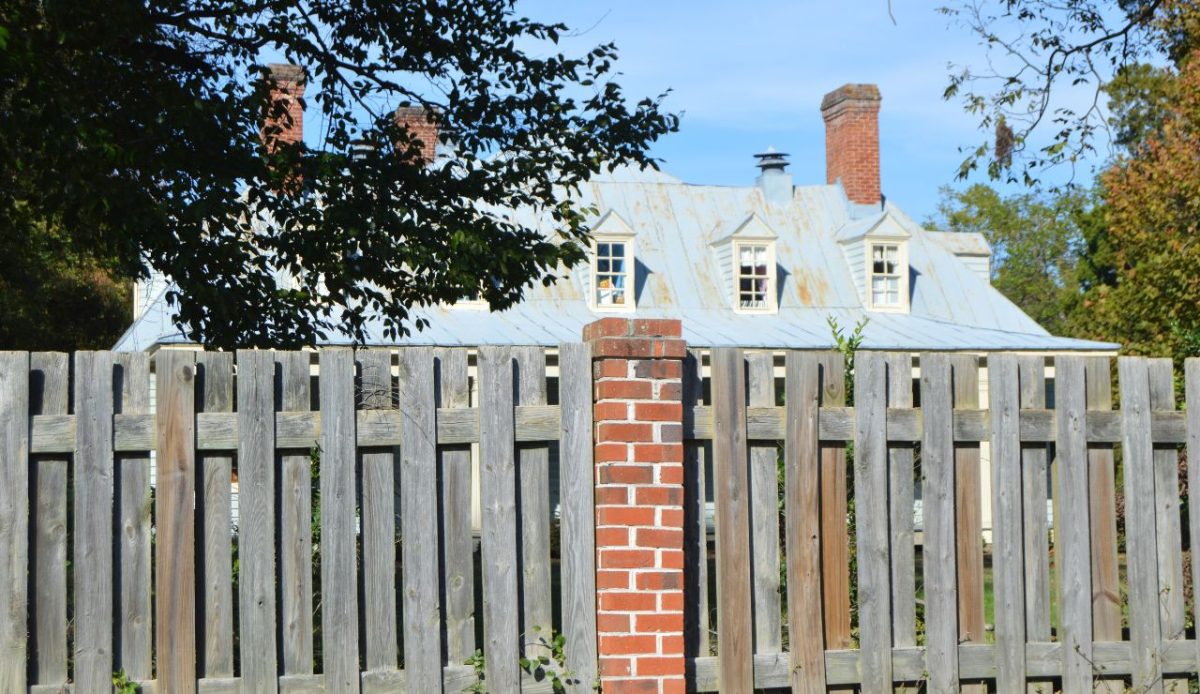
Mansfield Plantation is better known today as a historic inn than as a formal tour site, but it still adds useful context for travelers exploring Lowcountry plantation landscapes. Located in Georgetown County, the property reflects the scale and environmental setting that once supported the rice economy.
That makes it less interpretation-heavy than sites with dedicated slavery or house-history programming. Even so, the grounds help visitors picture how land, water, and distance shaped plantation life and agricultural work across the region.
Mansfield works best as a supporting stop, not a centerpiece. Paired with more fully interpreted plantations, it adds visual and geographic context that helps the wider history feel clearer.
