
Americans love a big promise: the “must-see” spot, the iconic photo, the story you’ll tell forever. Problem is, hype spreads faster than reality, and some attractions land in travelers’ memories as more hassle than wow, especially when time and budgets are tight and lines eat half a day, too.
This list isn’t a dunk on places people still enjoy. It reflects the complaints that pop up again and again in reviews, crowds, cost, short experiences, or an expectation gap that leaves visitors shrugging.
If you’re planning a trip, treat these as a heads-up, not a ban list. Go at the right time, manage expectations, and you can still have a solid visit.
1. Times Square, New York City
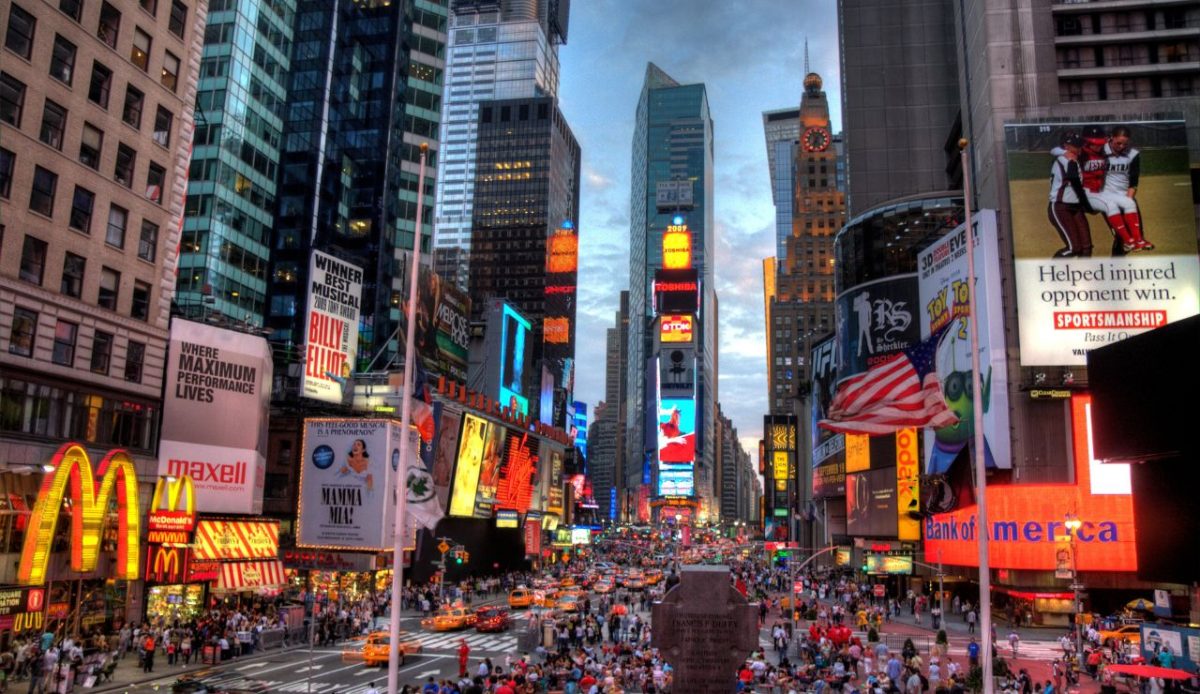
Times Square sells itself as the neon heart of New York, a place where you feel the city’s energy instantly. For many first-timers, the reality is less movie magic and more human traffic jam, with little room to breathe.
Common gripes focus on shoulder-to-shoulder crowds, aggressive costumed solicitors, and prices that spike the moment you step into the area. At night, the lights impress, but the experience can feel like walking through a loud outdoor mall.
If you want the spectacle, go early morning or late evening, stay alert, and keep moving. Then pivot to nearby Bryant Park, the High Line, or a Broadway show for a payoff that feels more “New York.”
2. Hollywood Walk of Fame, Los Angeles
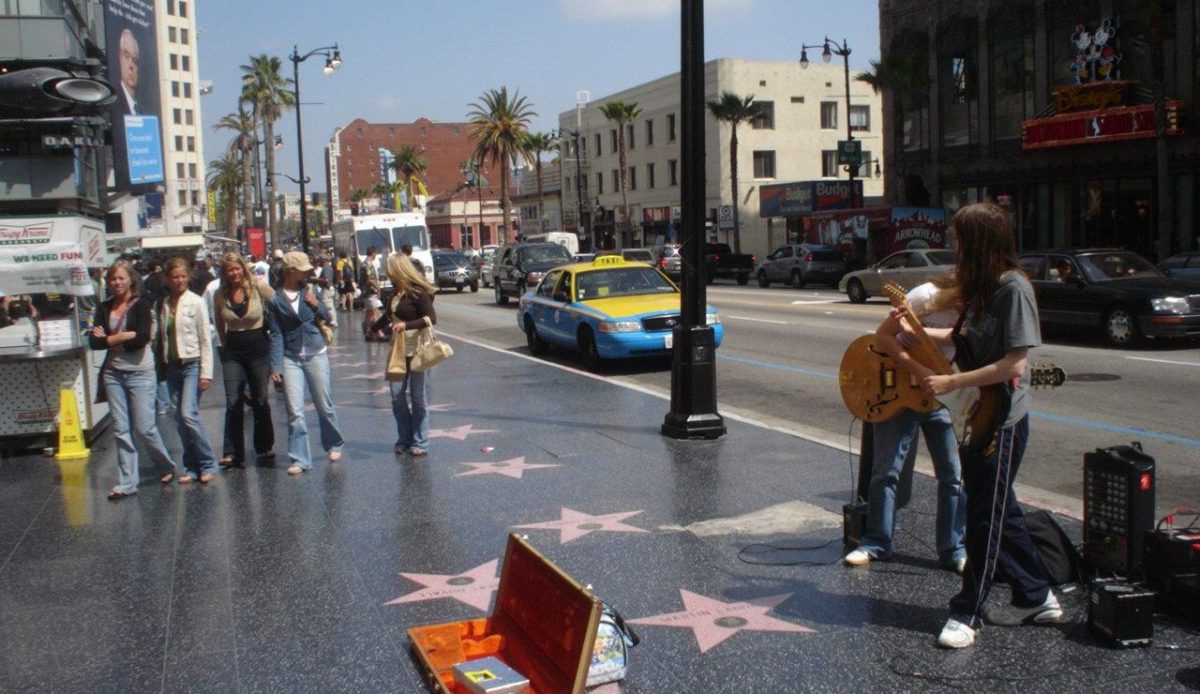
The Hollywood Walk of Fame sounds glamorous: stars underfoot and a brush with celebrity history. Visitors often expect a polished boulevard and get a busy stretch of city sidewalk instead.
Complaints tend to mention cracked pavement, souvenir stands, and the mismatch between the iconic idea and the everyday surroundings. If you arrive hunting for celebrities, you’ll likely be disappointed, because the “fame” is mostly symbolic and spread across blocks.
Go with realistic expectations, snap a few star photos, and move on. For a more rewarding day, pair it with a studio tour, Griffith Observatory views, or a hike in Runyon Canyon when the air is clear.
3. Four Corners Monument, Southwest
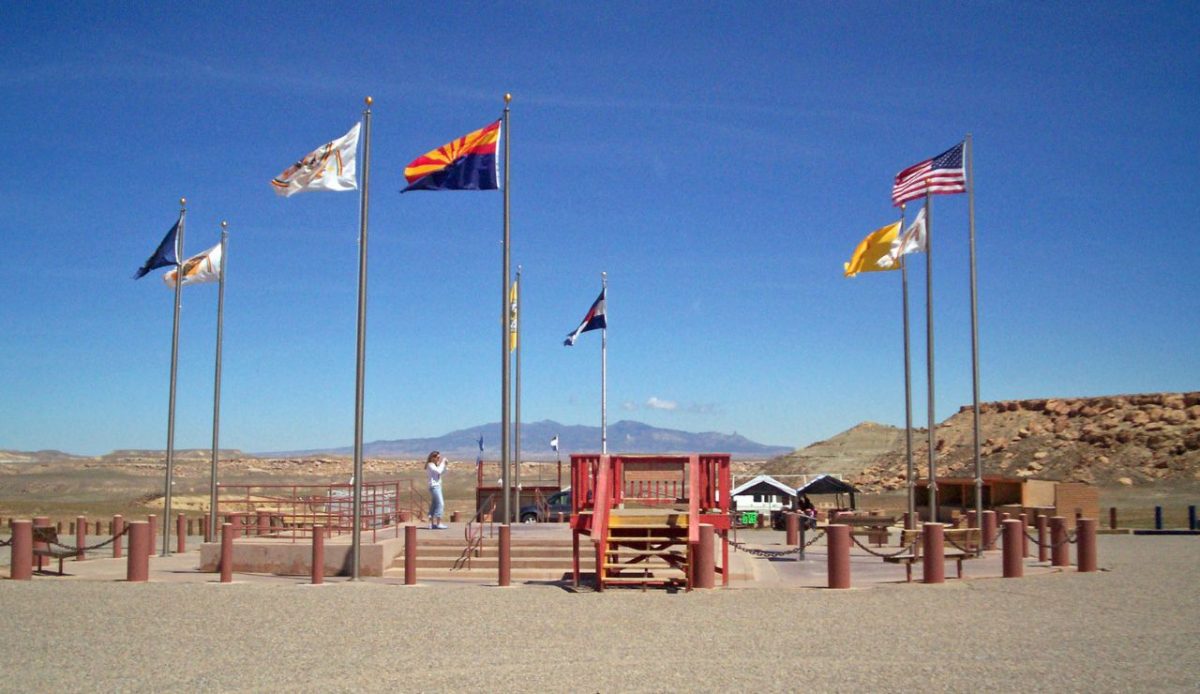
Four Corners Monument is marketed as a once-in-a-lifetime geography moment: standing in four states at the same time. In practice, it’s a quick photo stop that some travelers feel doesn’t match the drive, especially from major highways.
Reviews often point to long waits in the sun, an entry fee for a brief experience, and confusion about the exact survey point. After the snapshot, there isn’t much to do on-site, so the “wow” can fade fast.
If you’re already road-tripping the Southwest, it can be a fun checkbox. Otherwise, consider spending that time at nearby Monument Valley viewpoints or on Navajo Nation tours that deliver scenery you’ll remember longer.
4. Plymouth Rock, Massachusetts
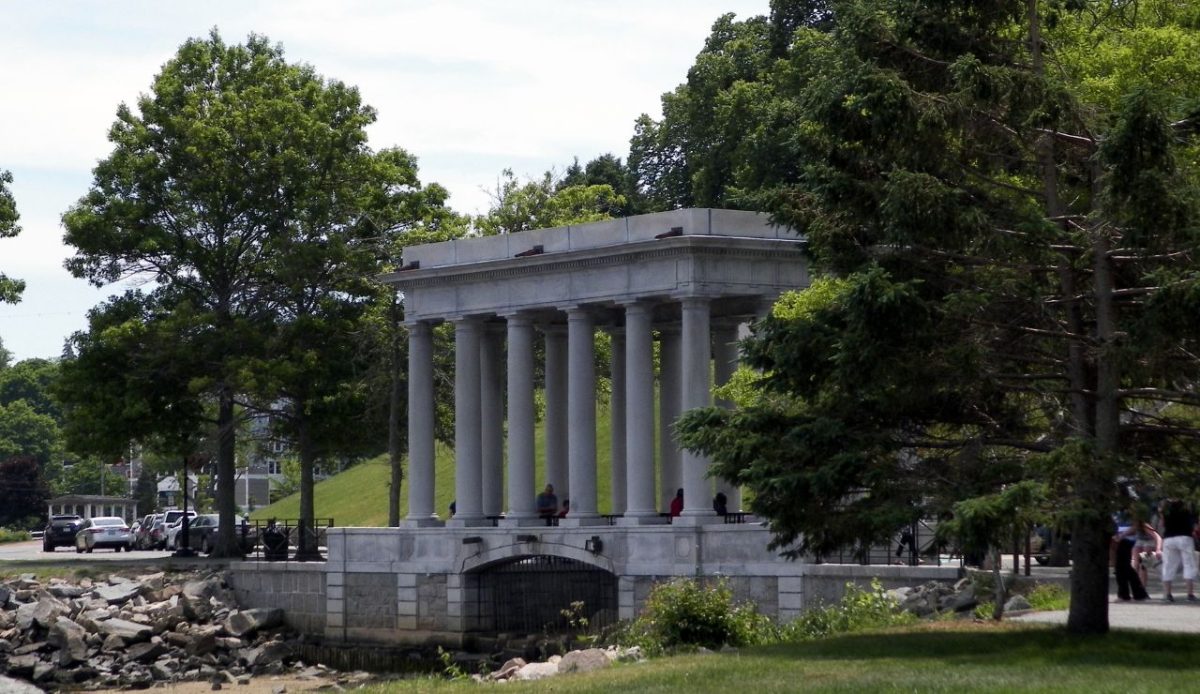
Plymouth Rock carries huge historical weight in American storytelling, so many visitors picture a dramatic landmark. What they find is a modest boulder behind railings, with the famous date carved on it, and the visit is over quickly.
Travelers frequently say the build-up feels bigger than the moment, especially if they arrive expecting a museum-scale centerpiece. The site is tidy and meaningful for history buffs, but the rock itself can look underwhelming in photos.
To make the stop feel worth it, pair it with Plimoth Patuxet Museums, the Mayflower II, or a guided walk through Plymouth’s waterfront history. Those add context that the rock alone can’t deliver.
5. Liberty Bell, Philadelphia
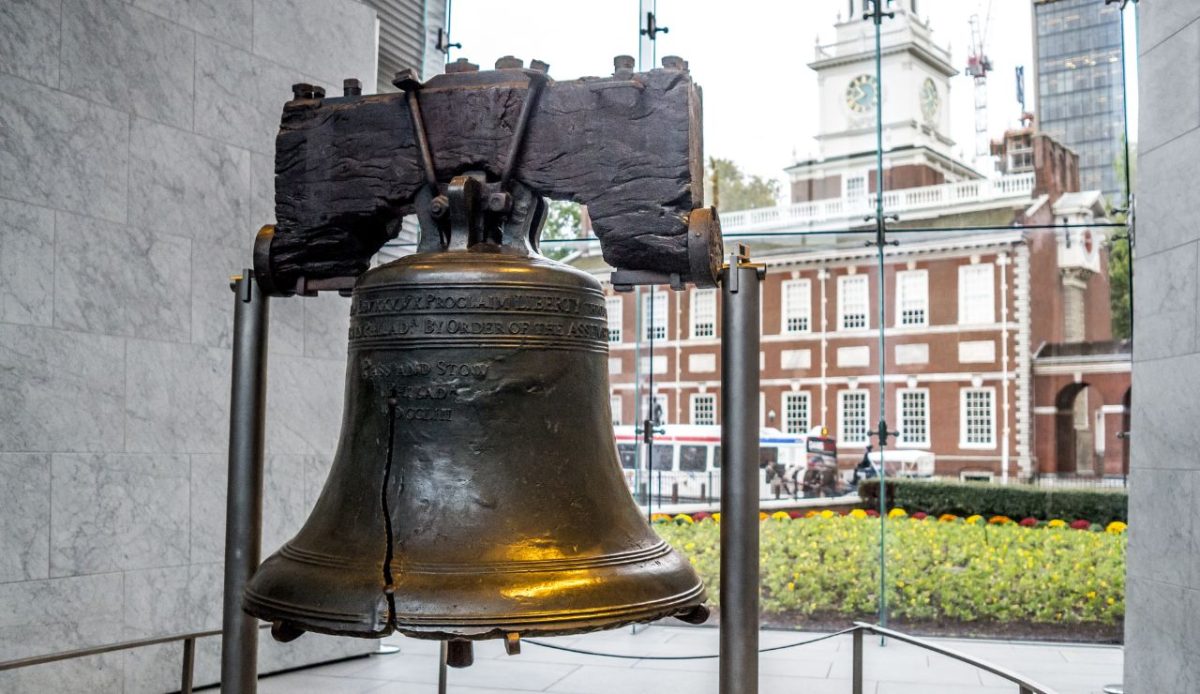
The Liberty Bell is one of the most recognizable symbols of U.S. independence, and visitors often expect a grand reveal. The actual experience is a brief indoor viewing, usually with security screening and a steady flow of people.
Some travelers say the crowds make it hard to linger, and the bell’s size can surprise those imagining something larger. The crack is the main visual feature, so if you’re not into the story behind it, the stop may feel like a fast photo line.
To get more value, read the exhibits carefully and combine it with Independence Hall and the nearby historic district. Going early helps, and a ranger talk can turn a quick look into a more memorable history moment.
6. Navy Pier, Chicago
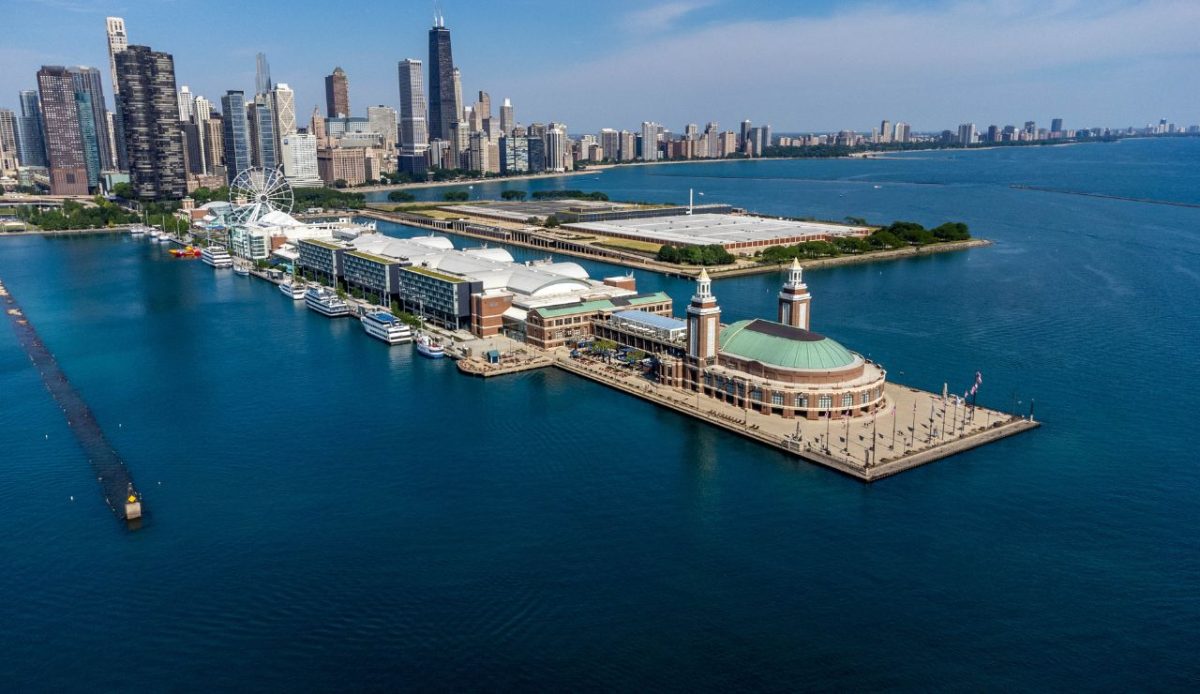
Chicago’s Navy Pier is pitched as a lakeside playground with views, rides, and family-friendly energy. Visitors who expect a uniquely local experience sometimes find it feels more like a generic entertainment complex.
Critiques often mention pricey parking, tourist-oriented restaurants, and crowds that peak on weekends and summer nights. The Ferris wheel is fun, but some say the overall vibe leans mall-like rather than “classic Chicago.”
It can still be worthwhile for fireworks, museums, or a boat cruise, especially with kids. For a more city-specific payoff, pair it with a walk along the Riverwalk, Millennium Park, or neighborhoods where the food and bars feel rooted.
7. Bourbon Street, New Orleans
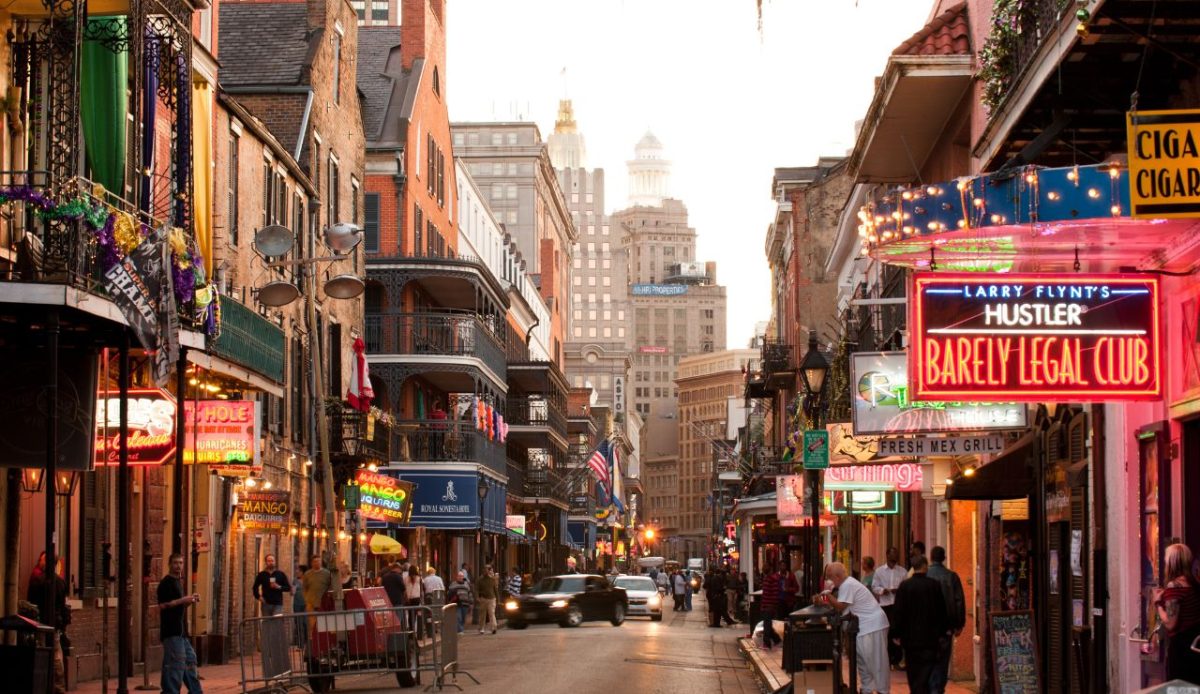
Bourbon Street is marketed as nonstop New Orleans nightlife, with music spilling out of every doorway. First-time visitors can be surprised by how narrow, crowded, and messy it gets after dark.
Frequent complaints focus on strong odors, loudness that drowns out conversation, and a party atmosphere that can feel more chaotic than charming. If you’re expecting a jazz club vibe, the reality can lean toward plastic cups and bar-to-bar hopping.
For a better balance, visit earlier in the evening, keep your belongings close, and take breaks on quieter side streets. Then explore Frenchmen Street, live music venues, or a daytime food crawl that showcases the city’s culture without the crush.
8. South of the Border, South Carolina
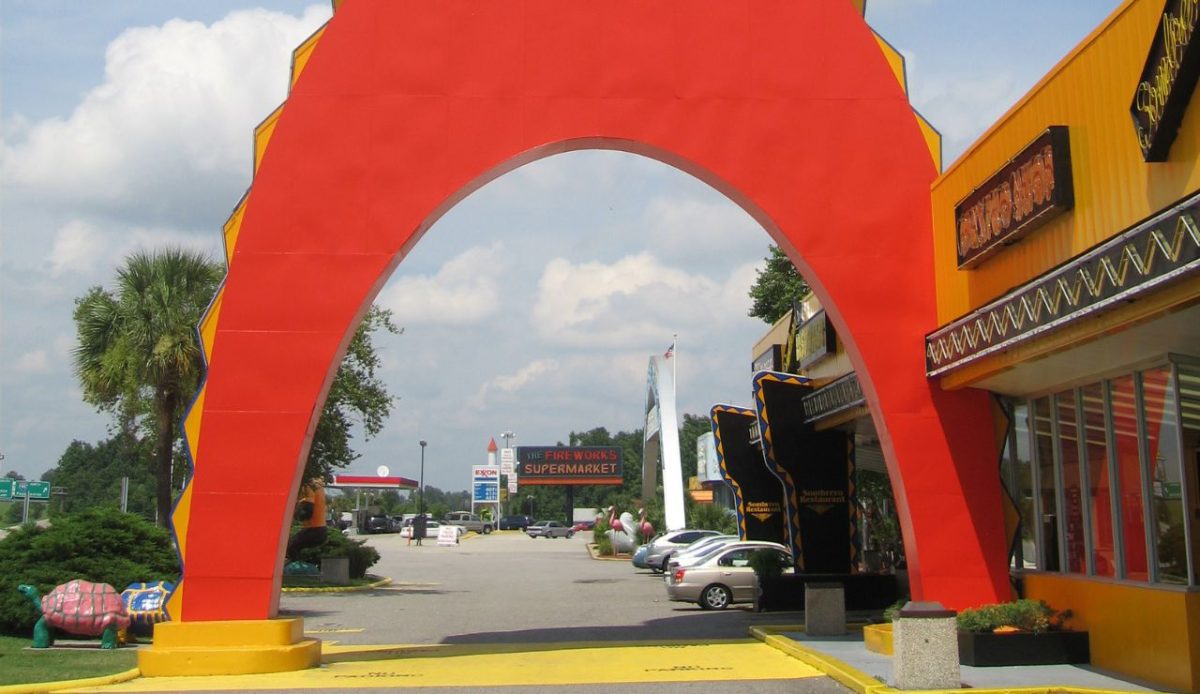
South of the Border has long promised quirky road-trip fun, pulling drivers off I-95 with billboards for miles. Many travelers arrive expecting a lively roadside destination and instead find a sprawling, dated complex.
Reviews often call out aging attractions, uneven upkeep, and souvenir-heavy shopping that doesn’t always justify the stop. The novelty can be real for kids or nostalgia seekers, but others feel the hype outpaces what’s actually open and engaging.
If you’re curious, treat it as a quick stretch-and-photo break rather than a major itinerary anchor. Nearby beaches, small towns, or local barbecue spots can deliver a more satisfying break on the same drive south.
9. Wall Drug, South Dakota
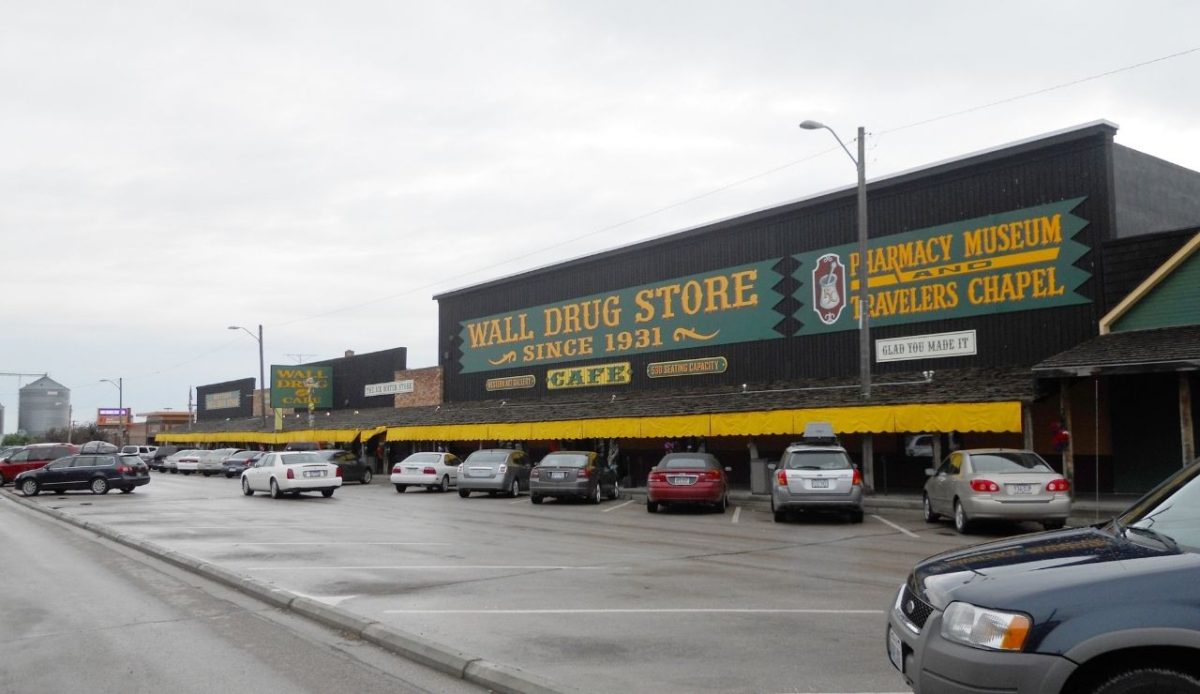
Wall Drug is famous for turning a simple drugstore into a Western road-trip legend, complete with free ice water and endless signs. Some visitors love the kitsch, while others feel it’s more shopping maze than attraction.
Common criticisms mention crowded corridors, tourist-priced snacks, and the sense that the “experience” is mostly browsing gift shops. If you’re expecting a strong local history component, the commercial vibe can feel overwhelming.
It works best as a quick stop for families, restrooms, and a break from driving. To balance the day, pair it with Badlands scenic overlooks or a short trail, where the landscape delivers the kind of payoff billboards can’t.
10. Cloud Gate “The Bean,” Chicago
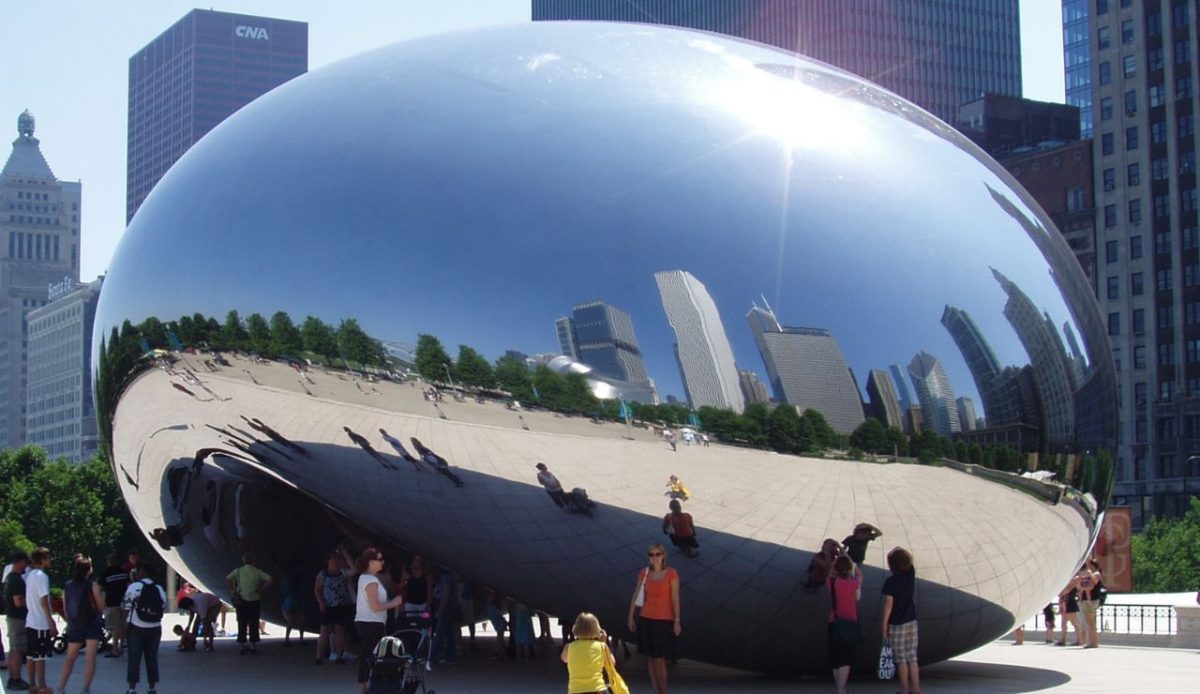
Cloud Gate, better known as “the Bean,” looks like a can’t-miss Chicago icon in photos, especially with the skyline reflected. In person, the experience is mostly a brief look and a few mirrored selfies.
Visitors sometimes complain about dense crowds, limited space to get a clean shot, and the feeling that it’s over in minutes. When it’s fenced for maintenance or weather, disappointment spikes because the main activity is simply being near it.
If you go, aim for early morning and then explore the rest of Millennium Park, including the gardens and nearby museums. That turns a quick photo stop into a fuller downtown walk, rather than a trip built around one shiny object.
11. Fisherman’s Wharf, San Francisco
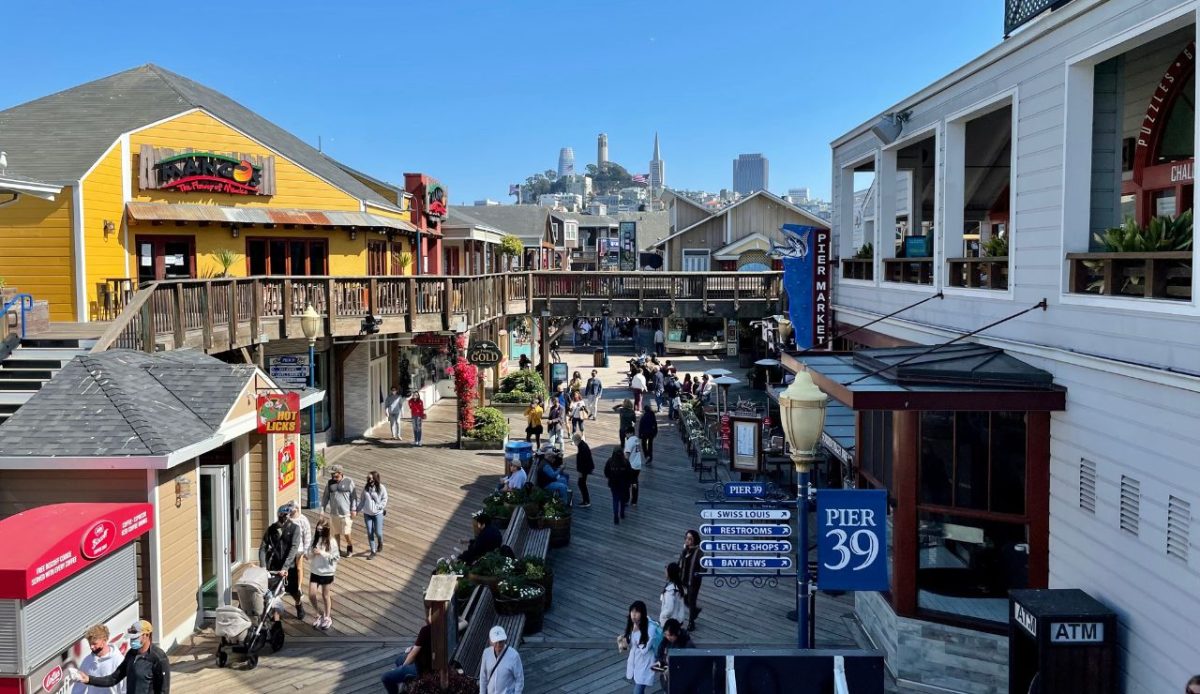
San Francisco’s Fisherman’s Wharf is sold as classic waterfront fun: sea lions, sourdough, and postcard views of the bay. Many travelers enjoy it, but others say it feels built for tourists rather than the city’s best side.
Complaints often target pricey seafood that doesn’t always impress, crowded sidewalks, and shops that look similar from block to block. If you’re expecting a relaxed harbor stroll, the density can make it feel more like an outdoor shopping strip.
To keep it worthwhile, come for the sea lions and bay views, then branch out quickly. A ferry to Alcatraz or Sausalito, a walk in North Beach, or a Golden Gate lookout can deliver a stronger “San Francisco” experience.
12. Graceland, Memphis
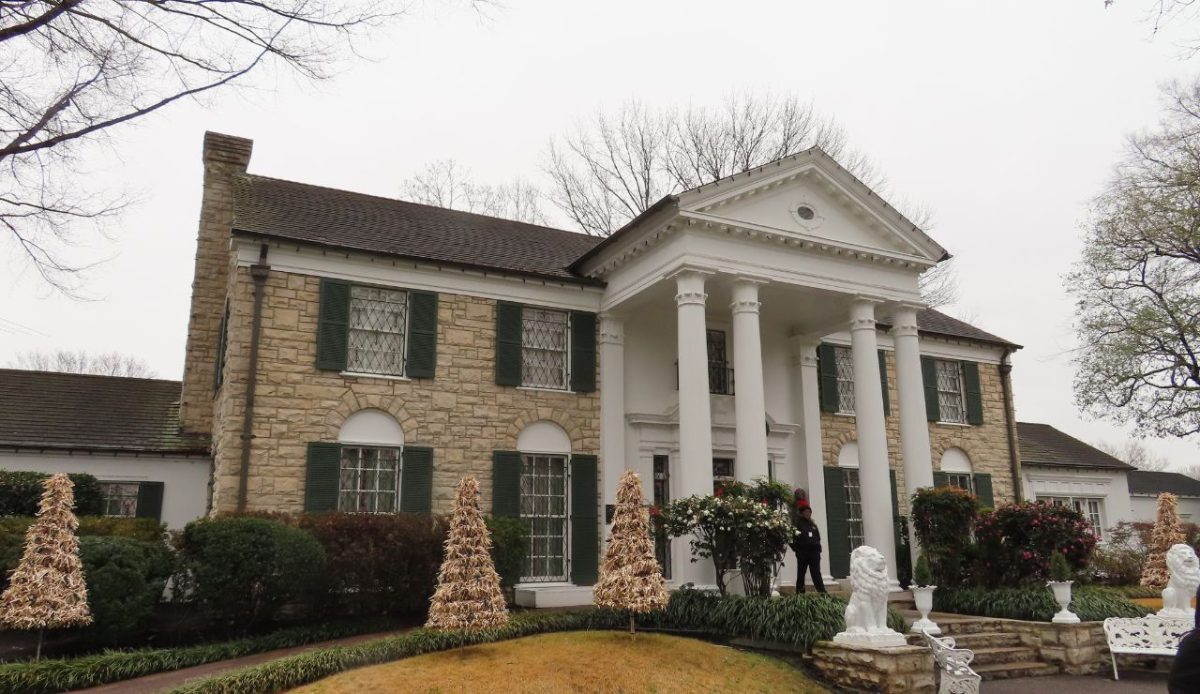
Graceland is billed as an essential pilgrimage for Elvis fans, with the promise of stepping into music history. Visitors who aren’t devoted can find the experience pricey and more curated than intimate.
Critiques often mention ticket costs, add-on upsells, and a tour flow that keeps you moving rather than letting you absorb details. Some also expect the mansion to be grander, so the gap between legend and scale can surprise first-timers.
If you go, lean into the exhibits and plan time for the car and costume collections, which many find most engaging. Memphis also rewards travelers with live music, barbecue, and the National Civil Rights Museum for a broader, more lasting day.
