
Vacation days shouldn’t come with a side of second-guessing your evening plans, but plenty of U.S. travelers say some popular spots feel sketchier after dark than they remember.
That doesn’t automatically mean a place is “unsafe” overall; most trips go fine, but crowds thin out, lighting changes, and petty crime risks can feel more obvious when you’re tired, distracted, and navigating unfamiliar streets.
Below are 11 vacation hotspots where Americans commonly report feeling less comfortable at night, plus practical ways to keep your plans smooth: stick to busy corridors, use rideshares late, and lean on hotel staff for real-time local guidance.
1. New Orleans, Louisiana
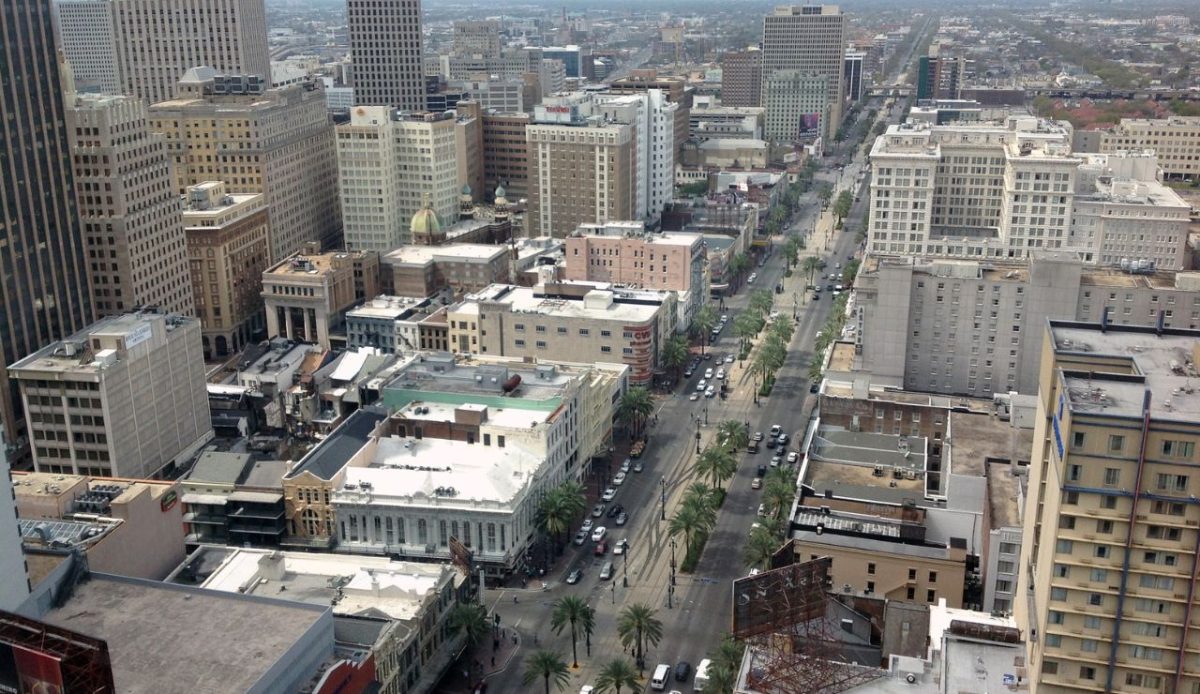
By day, New Orleans’ French Quarter is all music, balconies, and beignets. After dark, some visitors say the same narrow streets can feel chaotic once the family crowds fade.
Late-night Bourbon Street can bring heavy drinking, loud confrontations, and pickpocketing worries, especially when you’re weaving through shoulder-to-shoulder foot traffic and watching your phone for directions.
To stay comfortable, keep to well-lit blocks closer to major venues, skip isolated side streets, and use a door-to-door ride for anything beyond the Quarter. Carry only what you need, and ask your hotel which routes are busiest that night and which corners to avoid.
2. Las Vegas, Nevada
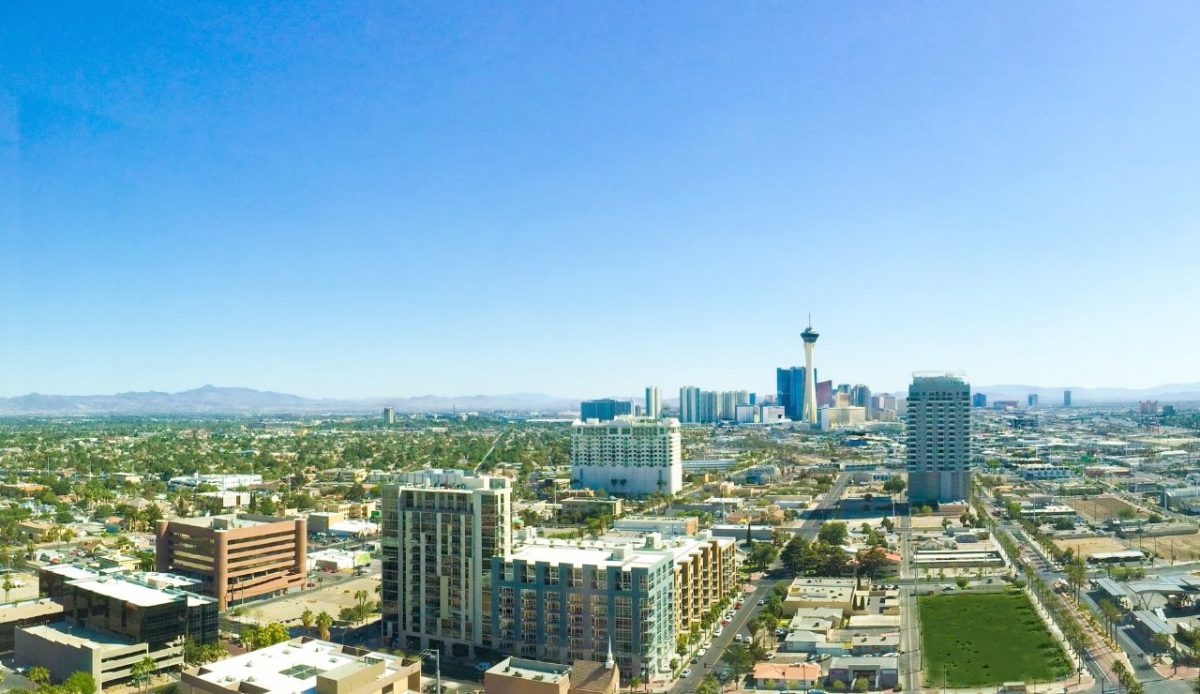
Las Vegas is built for nighttime, yet travelers still report a split feeling: the Strip itself is bright and busy, while the moment you drift behind casinos it can feel noticeably different.
Visitors mention distractions like street performers, crowds, and open containers, plus the risk of wallet snatches when people stop to film fountains or check maps near packed pedestrian bridges.
Stick to main resort corridors, avoid long walks to budget hotels after midnight, and take a short rideshare if you’re cutting across unfamiliar blocks. Keep bags zipped, say no to unsolicited “VIP” offers, and pick a clear meetup spot if your group gets separated.
3. San Francisco, California
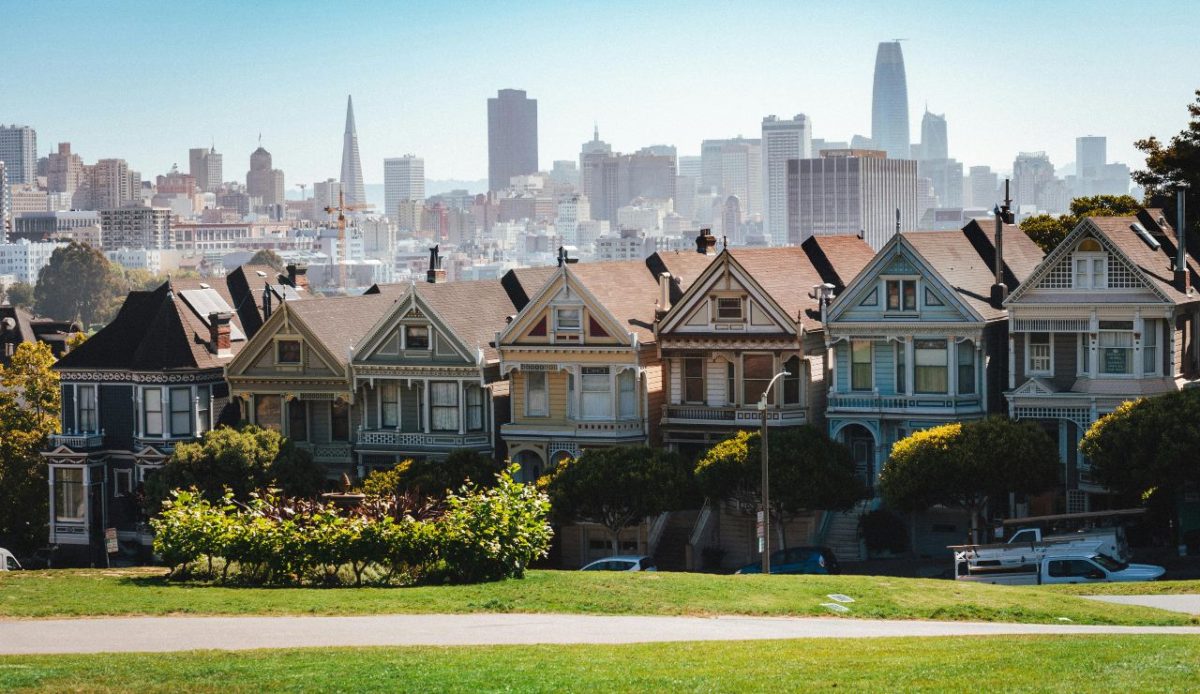
San Francisco’s downtown is a classic base for tourists, but many travelers say the vibe changes fast at night around Market Street and the edges near the Tenderloin.
People report feeling uneasy with fewer open businesses, more visible drug activity, and unpredictable encounters at bus stops or near BART entrances, even when they aren’t directly threatened or followed, especially late.
For evening plans, favor well-lit routes between major hotels, theaters, and busy restaurant strips, and don’t hesitate to grab a quick ride for the last mile. Keep your phone stowed when not using it, and ask locals which streets stay active later in the evening.
4. Chicago, Illinois
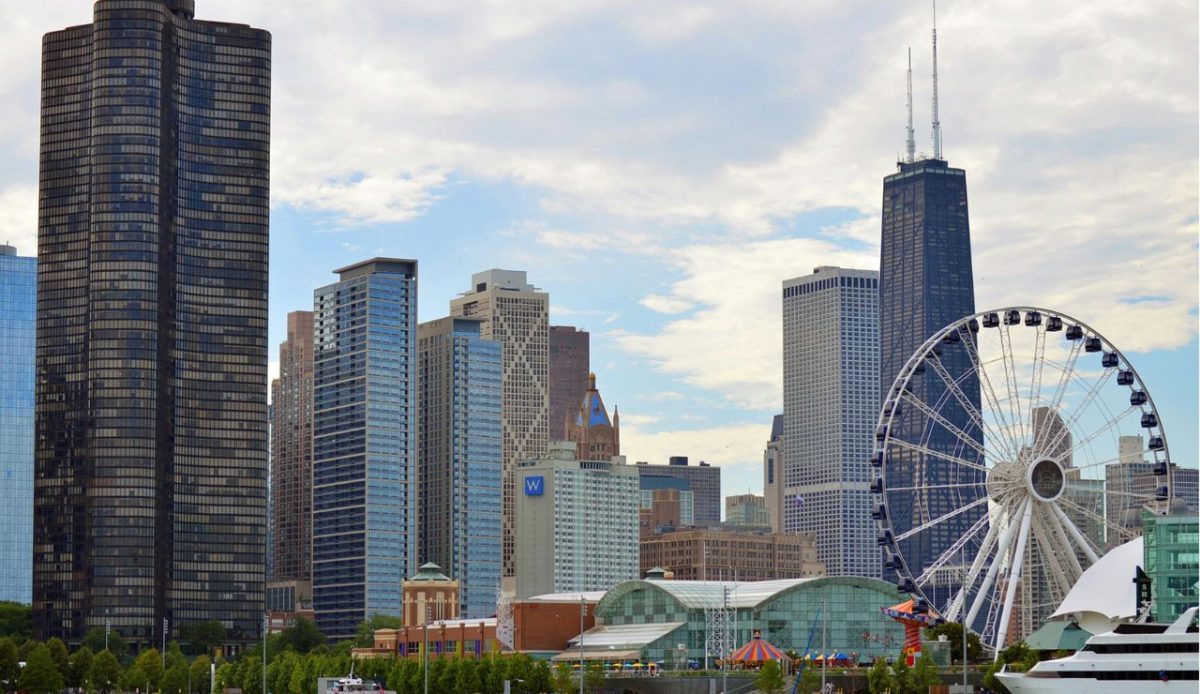
Chicago’s Loop and riverfront can feel polished in daylight, but some visitors say it becomes harder to read the mood after dark once office workers clear out.
Travelers often cite quieter sidewalks, long blocks between “eyes on the street,” and the occasional spillover from nightlife that can turn a simple walk back to the hotel into a tense one, particularly near transit entrances.
Plan dinner and shows around well-trafficked streets, keep to routes with open businesses, and use transit or rideshares instead of wandering to save a few minutes. If you’re taking the L late, stand near other riders, avoid empty platforms, and switch cars if anything feels off.
5. Miami Beach, Florida
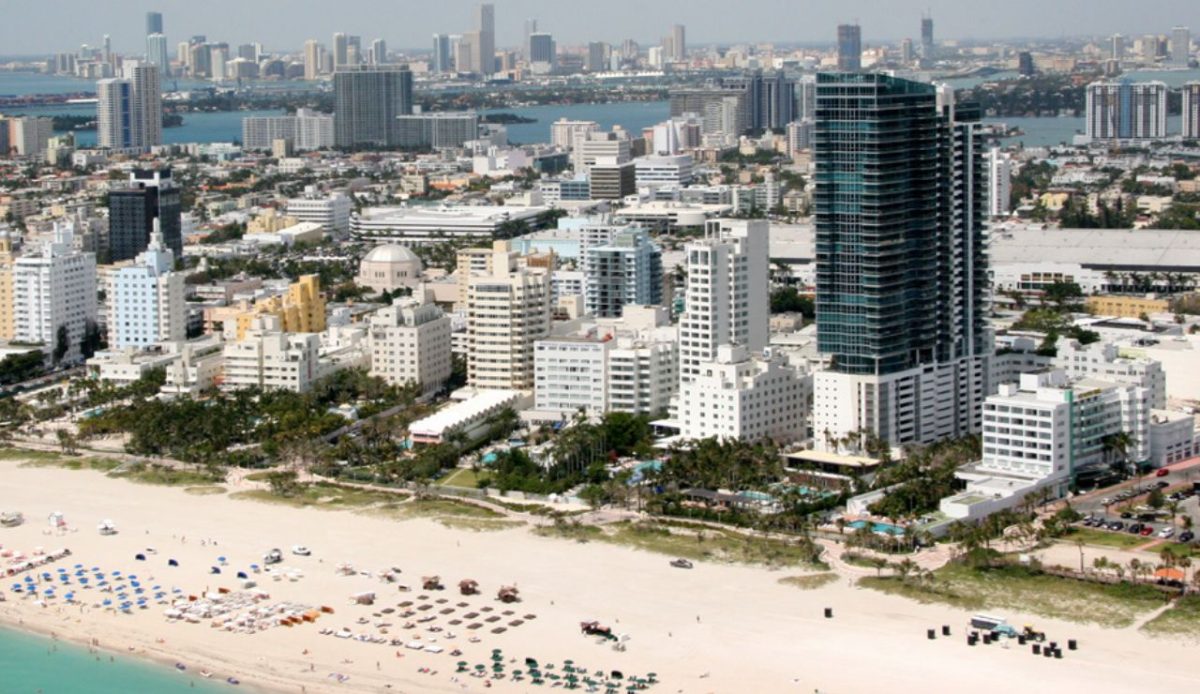
South Beach sells nightlife like a headline, yet some Americans say it feels less carefree after dark than it used to, especially away from Ocean Drive’s brightest stretch.
Visitors describe crowded sidewalks, intoxicated arguments outside clubs, and opportunistic theft when people leave phones on café tables or walk the sand paths back to quieter hotels.
Keep your night anchored to busy, well-lit corridors, and consider a short ride instead of cutting through the beach or residential streets. If you’re going club-hopping, set a check-in time with friends and keep valuables minimal. Hotel staff can flag which blocks are calmer for late returns.
6. New York City, New York
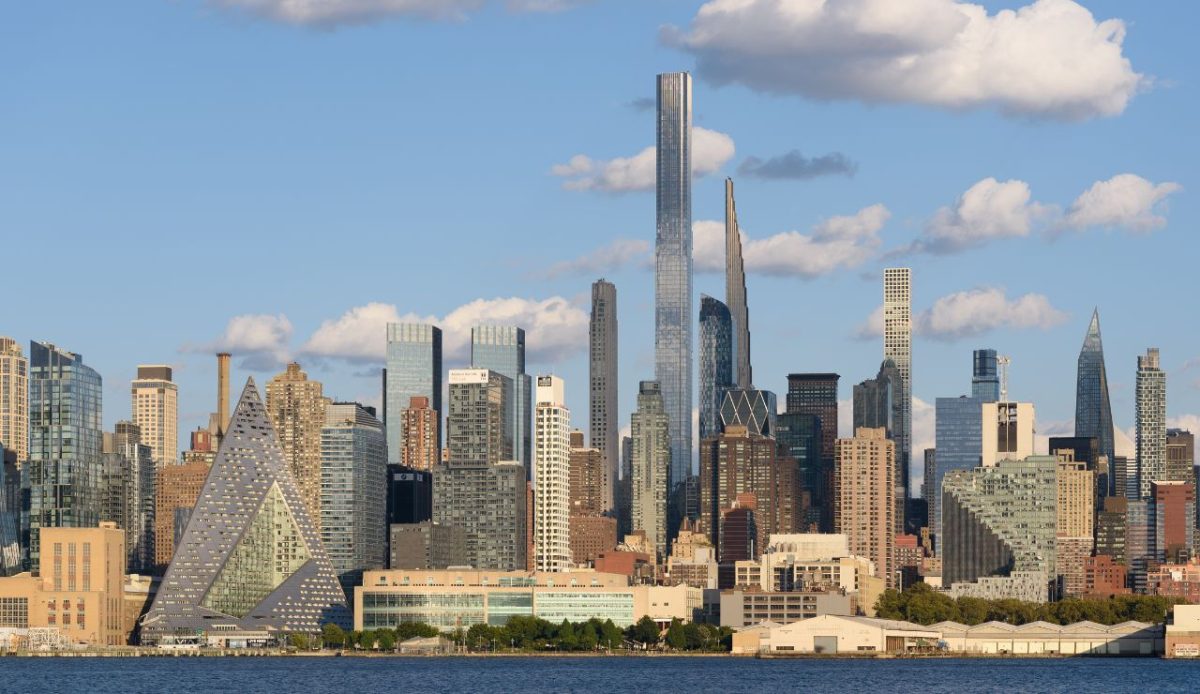
Midtown Manhattan looks like it never sleeps, but travelers say the energy shifts after dark once Broadway crowds thin and the streets fill with a different mix of late-night commuters.
Visitors mention feeling on edge around Times Square’s edges, Penn Station approaches, and quieter subway entrances where distractions are everywhere, and personal space is limited, especially after midnight.
Stay on main avenues, keep your bag in front of you in dense crowds, and avoid staring at your phone while walking. If you’re taking the subway late, wait near conductors or busier platform areas, and don’t be shy about changing cars at the next stop if the vibe feels wrong.
7. Los Angeles, California
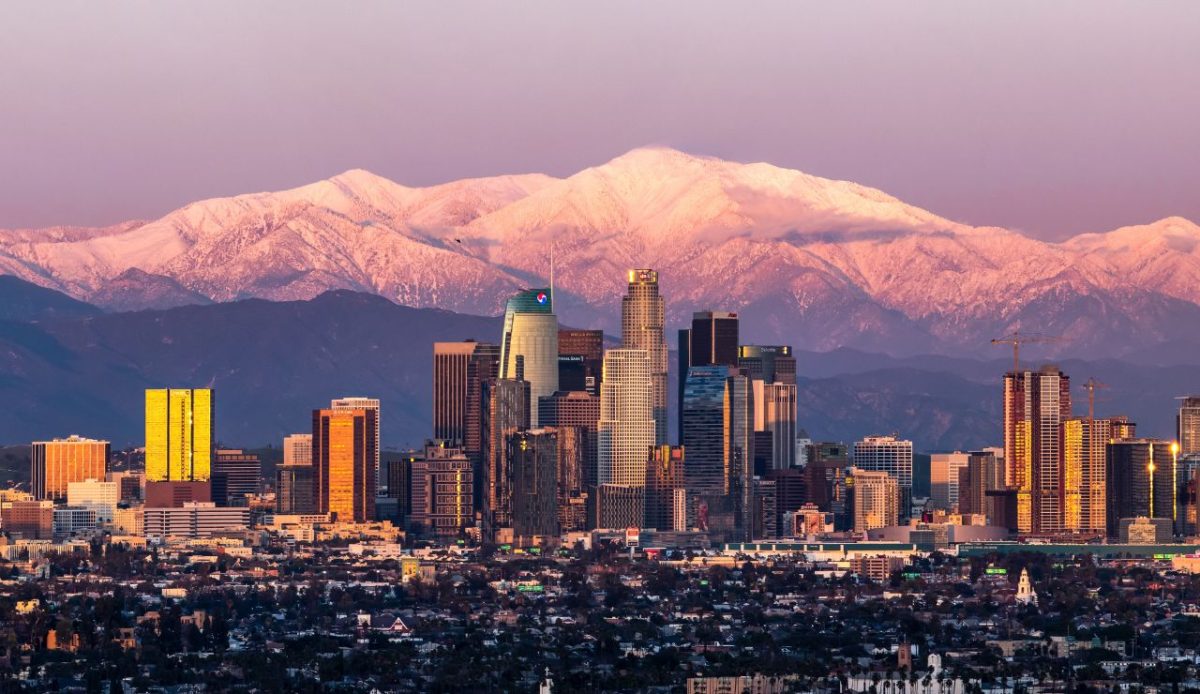
Hollywood Boulevard draws tourists day and night, but many visitors say it can feel rougher after dark when crowds shift from sightseers to late-night bar traffic.
Travelers report aggressive solicitation, tense interactions near parking lots, and petty theft concerns when people stop for photos on the Walk of Fame or line up at venues.
Choose hotels within a short, well-lit walk of your evening plans, and use a rideshare rather than wandering several blocks to find cheaper parking. Keep cameras and bags close, skip deserted side streets, and head indoors if a situation is escalating. Local staff can suggest the safest routes between theaters and transit.
8. Seattle, Washington
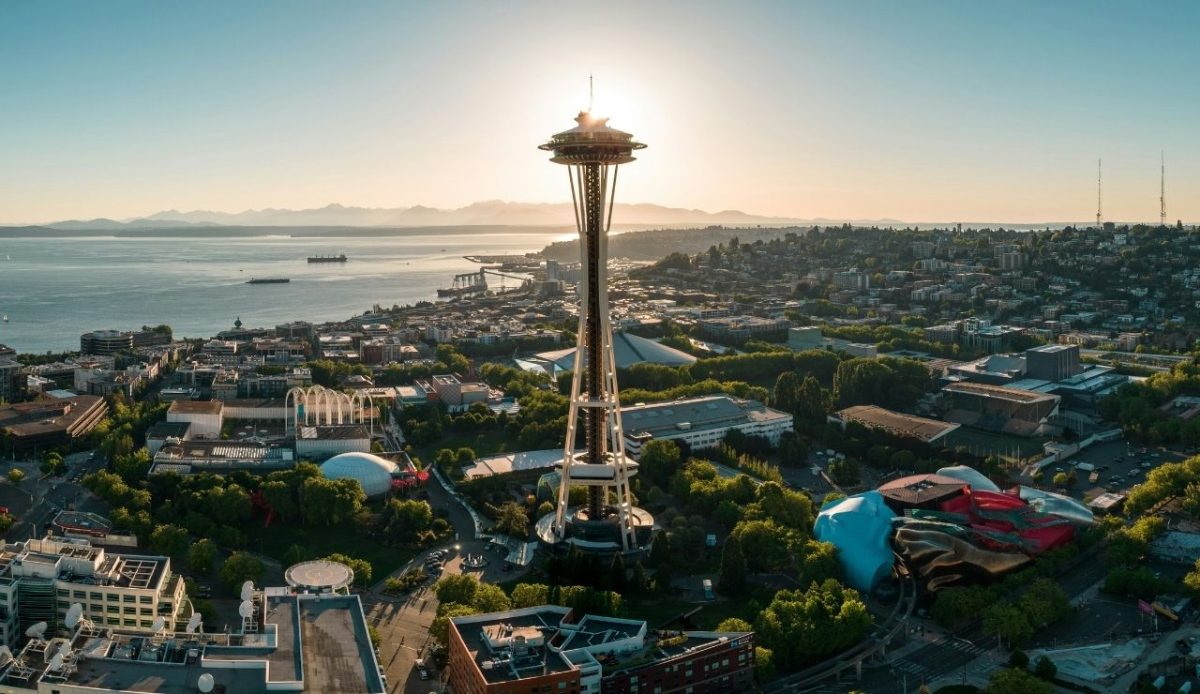
Seattle’s waterfront and downtown attractions are easy to pair with dinner, but some travelers say areas like Pioneer Square feel less predictable after dark.
Visitors point to fewer open storefronts, visible drug use, and scattered encampments that can make a short walk feel uncomfortable, even if you aren’t being approached.
For evening outings, stick to streets with steady foot traffic and open businesses, and consider transit or a quick ride instead of walking through quieter underpasses. Keep your route simple, avoid headphones, and choose well-reviewed late-night restaurants where you won’t be standing outside alone. Your hotel can tell you which blocks stay lively later.
9. Washington, D.C.
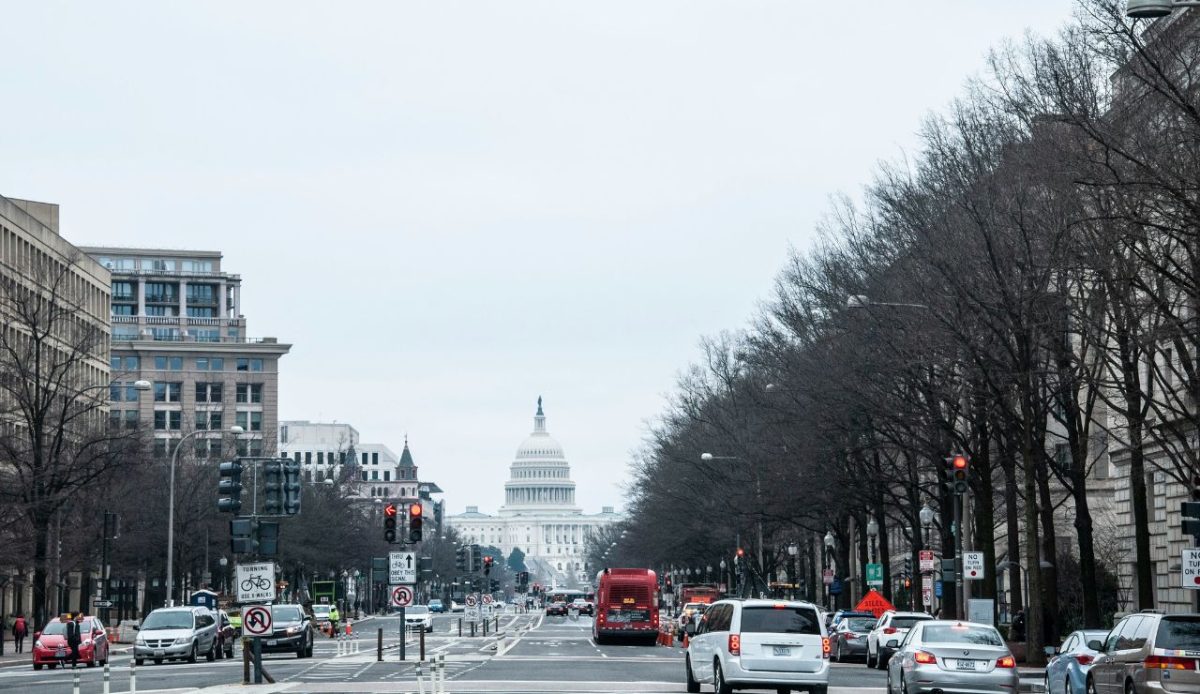
Washington, D.C., is packed with must-see monuments, but tourists often say the National Mall area feels surprisingly empty after dark once museums close.
The wide lawns and long paths can mean fewer people nearby, and travelers mention feeling uneasy walking between memorials or heading to a Metro stop without many other pedestrians.
Enjoy sunset views, then plan a clear exit: pick one well-lit route, travel with someone, and use a rideshare if your hotel is more than a few blocks away. Keep your belongings secure during nighttime photo stops, and check park or transit updates for any closures. Staying near active neighborhoods for dinner can make the evening feel calmer.
10. Atlanta, Georgia
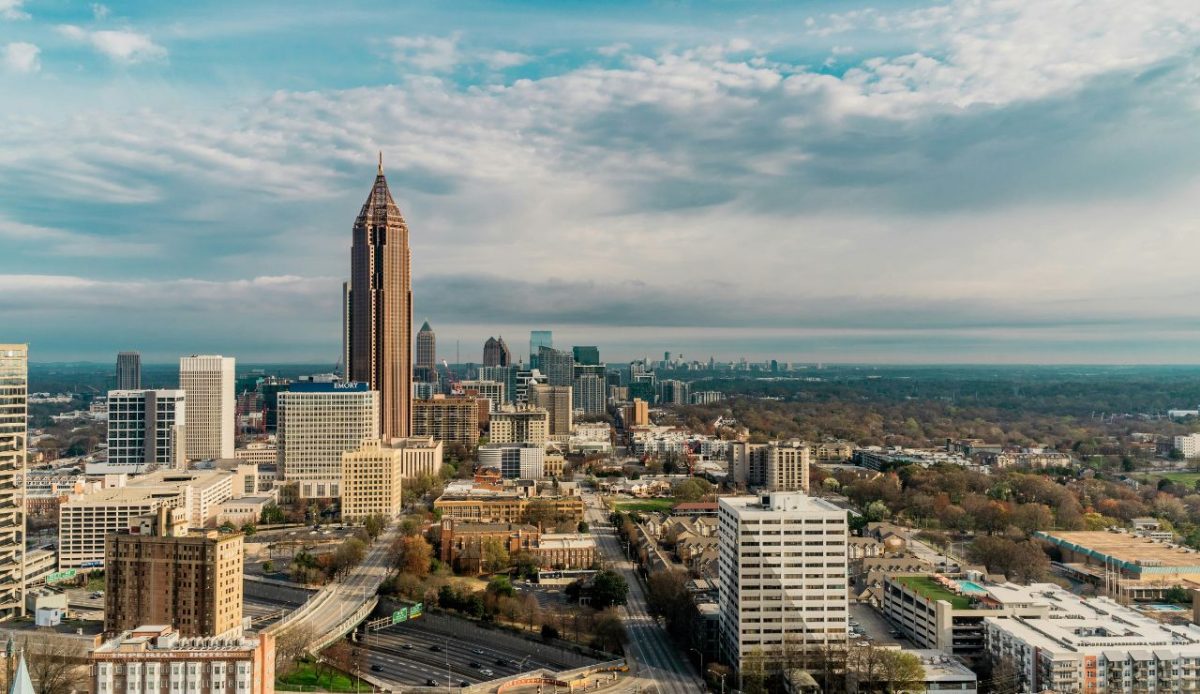
Downtown Atlanta is a hub for big attractions, but some visitors say it feels less comfortable after dark once event crowds disperse and streets quiet down.
Travelers commonly mention long blocks, limited late-night foot traffic, and the risk of opportunistic theft around parking decks or transit areas when they’re navigating back from games or concerts.
If you’re staying downtown, time your walks around busy restaurant zones and avoid cutting through empty lots to save a few minutes. Use well-rated rideshares for late returns, keep valuables out of sight, and set pickup points in bright, staffed locations like hotel entrances. Asking the front desk which streets are best for walking can reduce stress fast.
11. Denver, Colorado
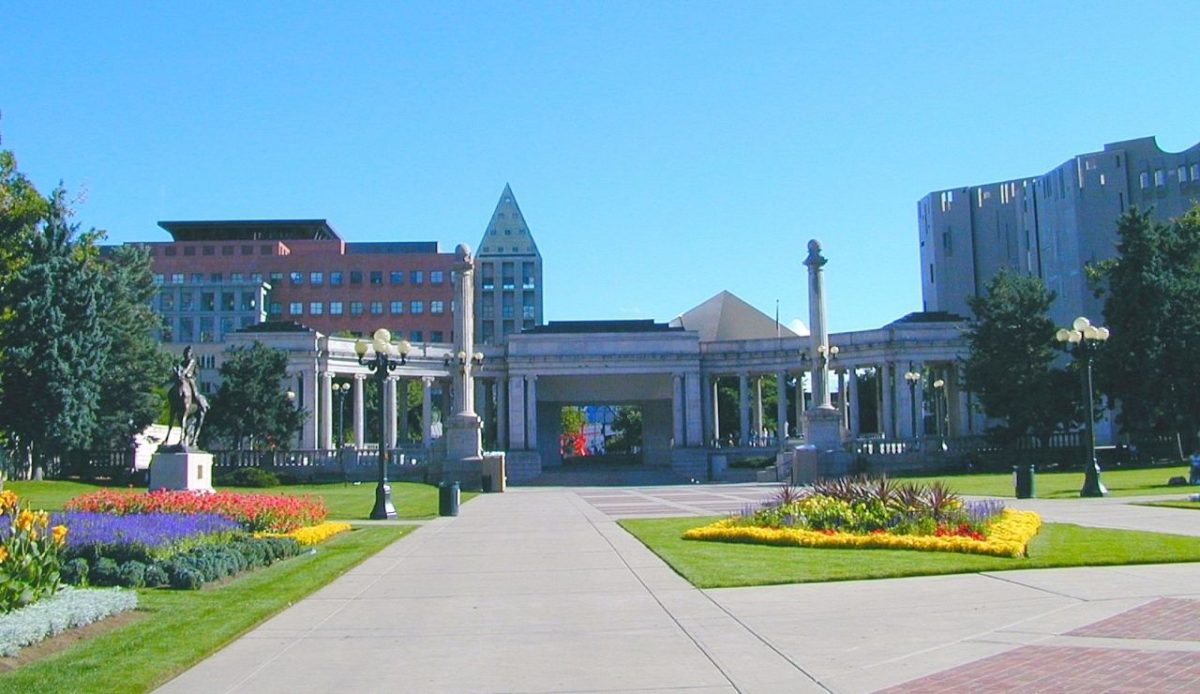
Denver’s LoDo and Union Station area are popular for breweries and games, yet some travelers say the nightlife can feel uneven after dark as busy blocks sit next to quieter stretches.
Visitors report feeling unsettled by isolated sidewalks, late-night disorder near bars, and occasional break-ins targeting parked cars when people leave gear visible.
Keep your evening centered on well-lit streets with open venues, and don’t leave anything in the car, even for “just a minute.” If you’re walking back, choose direct routes, stay with your group, and consider a short ride when temperatures drop and streets are empty. Hotels and bartenders can point you toward the most active corridors for late hours.
