
Cannibal traditions have been reported in a small set of places, usually as ritual acts tied to mourning, warfare, or social sanction. Many stories were amplified by outsiders, so this list uses only destinations where credible ethnography, historical documentation, or community accounts connect the practice to a named location. Several examples ended decades ago, and the aim here is context rather than shock. Each section explains what was practiced, why it mattered locally, and how the tradition was later reduced or stopped. Where evidence is disputed, that uncertainty is stated so readers can separate documented custom from rumor.
1. Okapa District, Eastern Highlands, Papua New Guinea
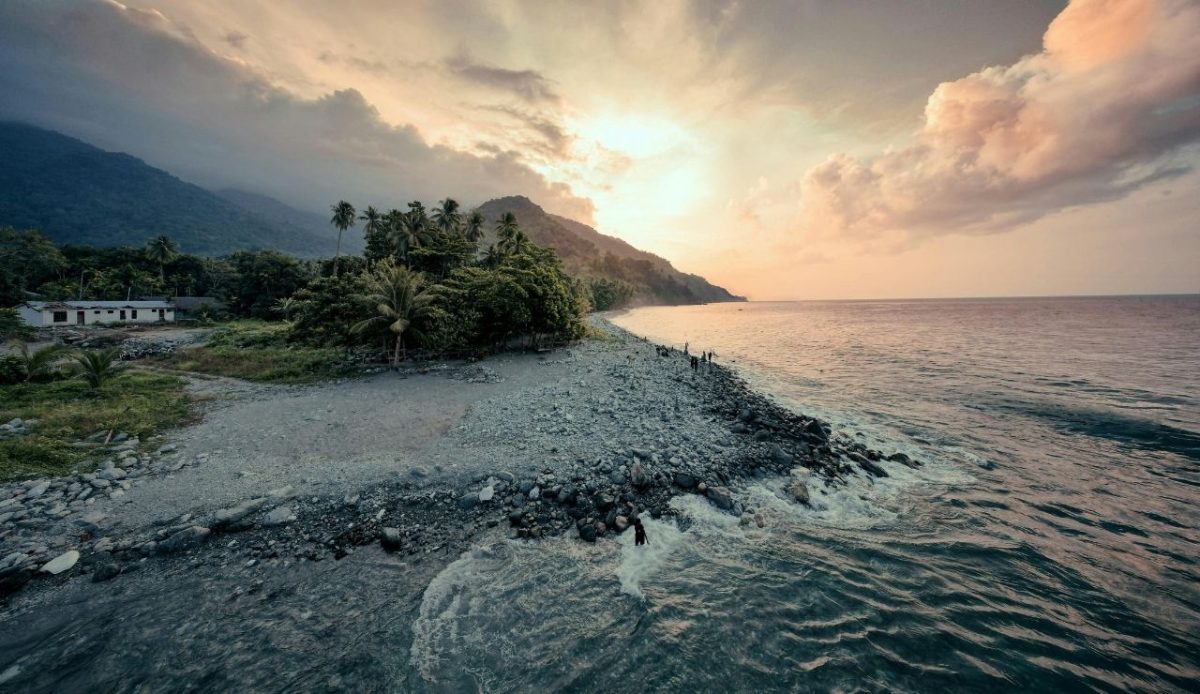
Okapa in Papua New Guinea’s Eastern Highlands is linked to Fore mortuary transumption during the twentieth century. Relatives were consumed during funerary rites intended to keep bonds intact and ease grief. The practice drew medical attention when kuru, a fatal brain disease, was traced to infectious material passed through these ceremonies. After public health work discouraged the rite, transmission fell, and new cases largely vanished. Okapa is notable because cultural explanation and biological evidence were documented together. Researchers recorded local reasoning and dates that show when the shift took hold.
2. Rondônia State, Brazil
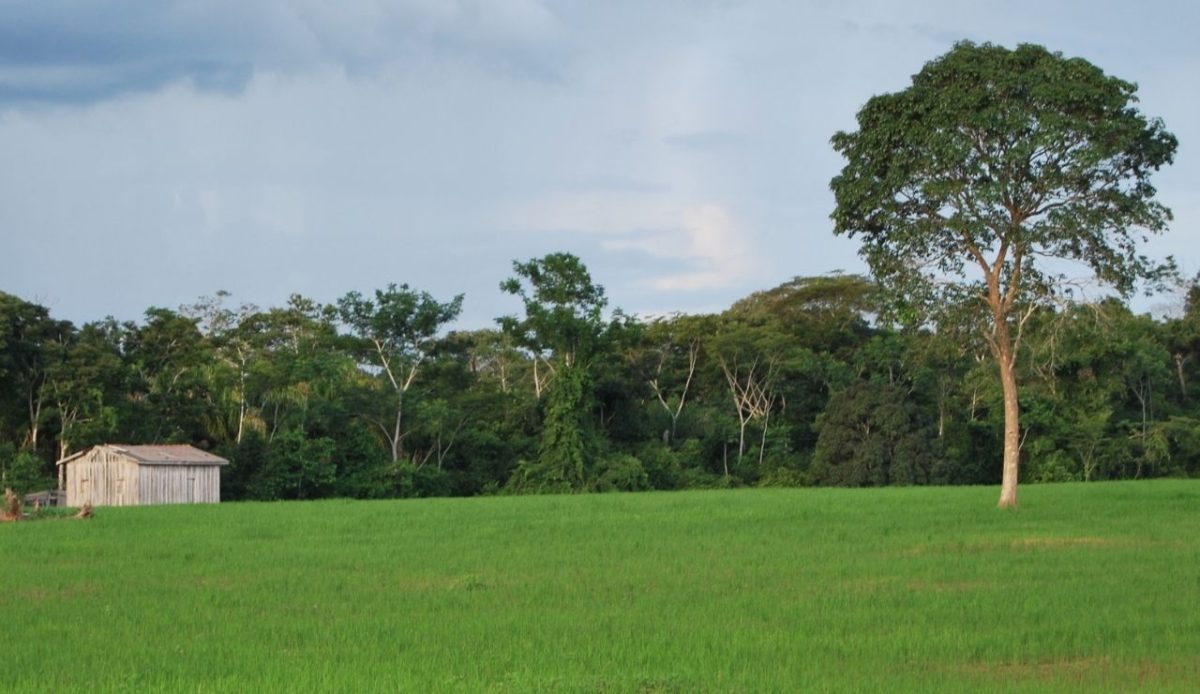
Rondônia in western Brazil is associated with the Wari, whose funerary cannibalism was described in detailed ethnographic work. For the Wari’, burial could be viewed as troubling, while consumption by affines was treated as an act of respect that helped the living release sorrow. The rite followed clear rules and was not framed as criminal aggression within the group. It ended in the mid-twentieth century under mission influence and broader state pressure, leaving a well-dated record of change. Accounts were gathered from participants, which reduces reliance on hostile outsiders. That testimony makes the destination relevant to the title.
3. Bau Island, Fiji
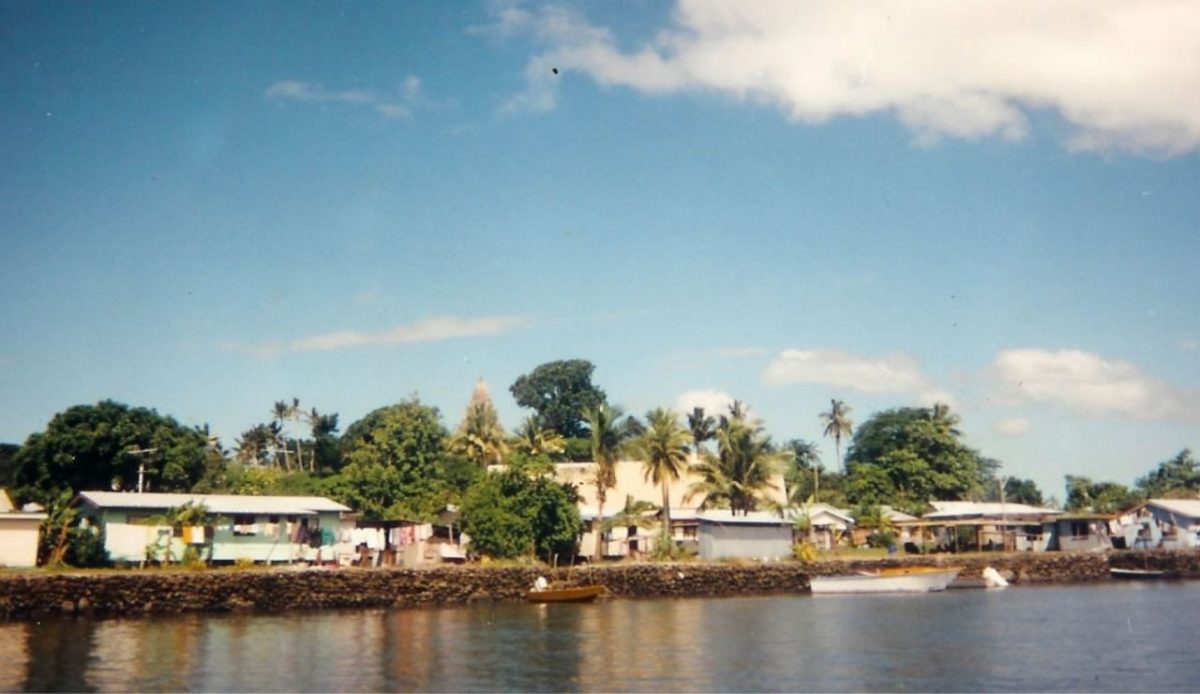
Bau Island near Viti Levu is repeatedly named in nineteenth century records about Fijian power and ritual violence. Cannibalism was reported as part of warfare, punishment, and chiefly authority rather than an everyday diet. Feasts could be staged to signal dominance and to enforce political order among rival groups. Later travel writing often inflated numbers, yet Bau remains a fixed location where multiple historical sources point to a structured practice that later declined under colonial rule and Christianity. Modern historians treat the sources cautiously, but the island’s central role in those accounts is consistent.
4. Malakula Island, Vanuatu
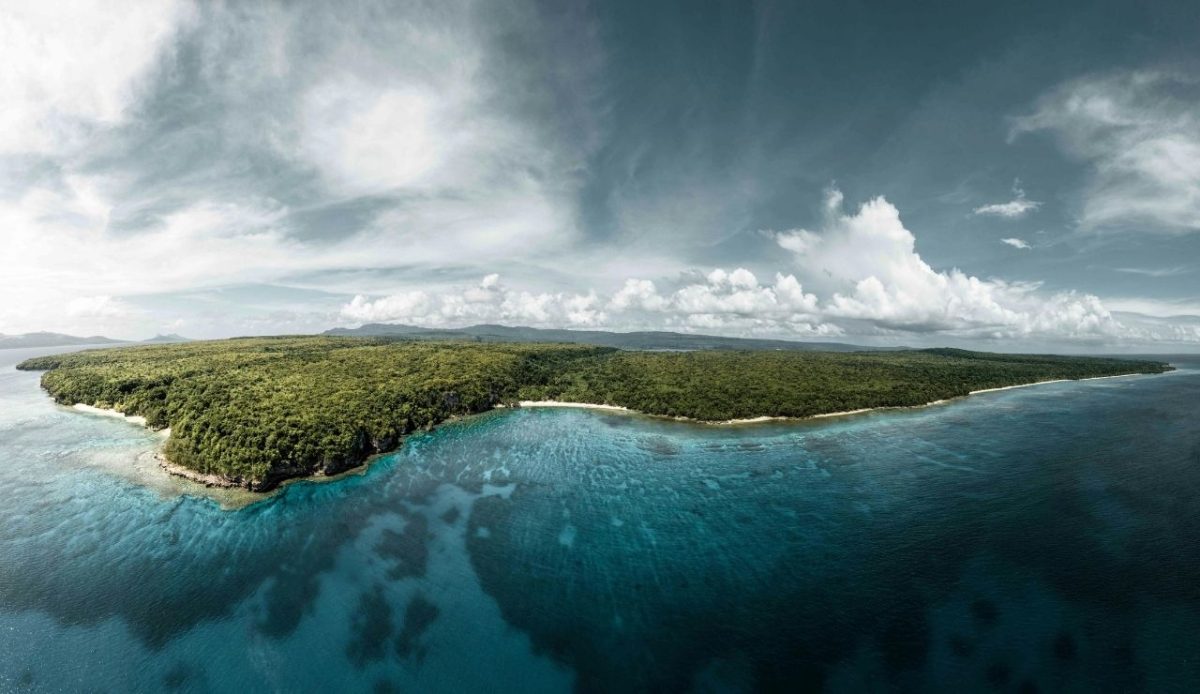
Malakula in Vanuatu has long been cited for ritual cannibalism connected to warfare and spiritual belief. Early visitors described consumption after killings tied to revenge or sorcery fears, and later fieldwork compared such reports with local explanations. Because accounts span different decades, exaggerations can be tested against patterns that repeat across sources. The practice was reduced as mission stations expanded and law enforcement grew, so Malakula is remembered as a specific island where a custom was documented, then curtailed. What survives today is mainly historical memory rather than an ongoing rite.
5. Erromango, Vanuatu
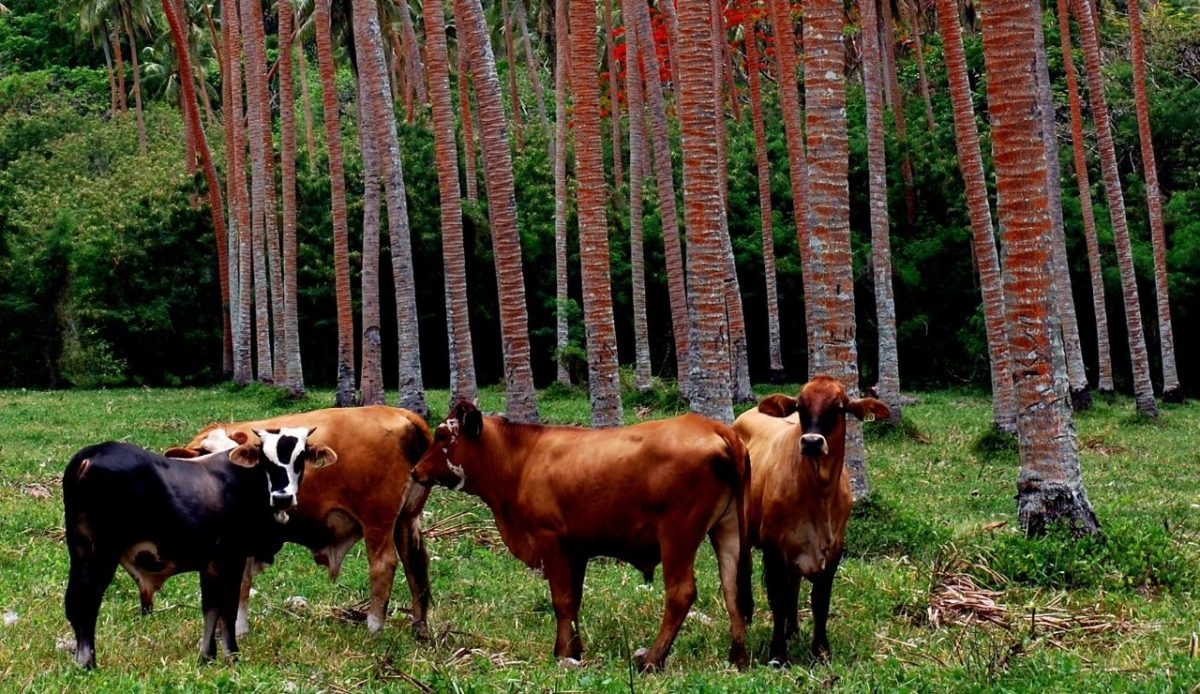
Erromango, also in Vanuatu, became widely known through nineteenth century missionary encounters that ended in violence. Several well-recorded incidents describe ritual consumption after killings during conflict, which later shaped the island’s reputation abroad. Researchers have noted that retellings were sometimes sensational, so the strongest evidence comes from tightly dated events with named individuals and locations. Over time, outside control and new religious structures altered local practice, leaving Erromango as a destination tied to specific historical cases rather than broad legend.
6. Agats and the Asmat Coast, Indonesia
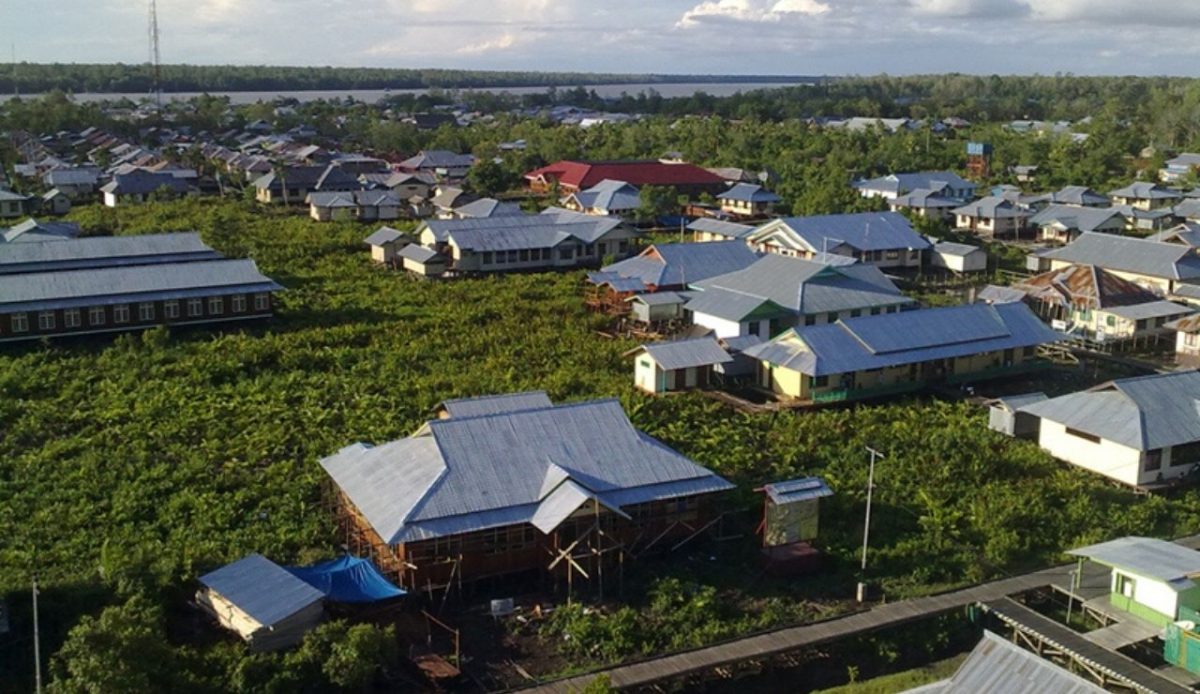
Agats and the surrounding Asmat coast in South Papua, Indonesia, are linked to headhunting rituals that included cannibal elements. Consumption was described as part of completing warfare rites and managing spiritual balance, not as routine nutrition. Missionaries, administrators, and anthropologists recorded related ceremonies across the twentieth century, allowing cross-checking of details. As government presence increased, the associated violence was suppressed, and many rituals shifted toward art and commemorative forms. The place remains important because the geographic area is clearly defined in the record.
7. Merauke Region, South Papua, Indonesia
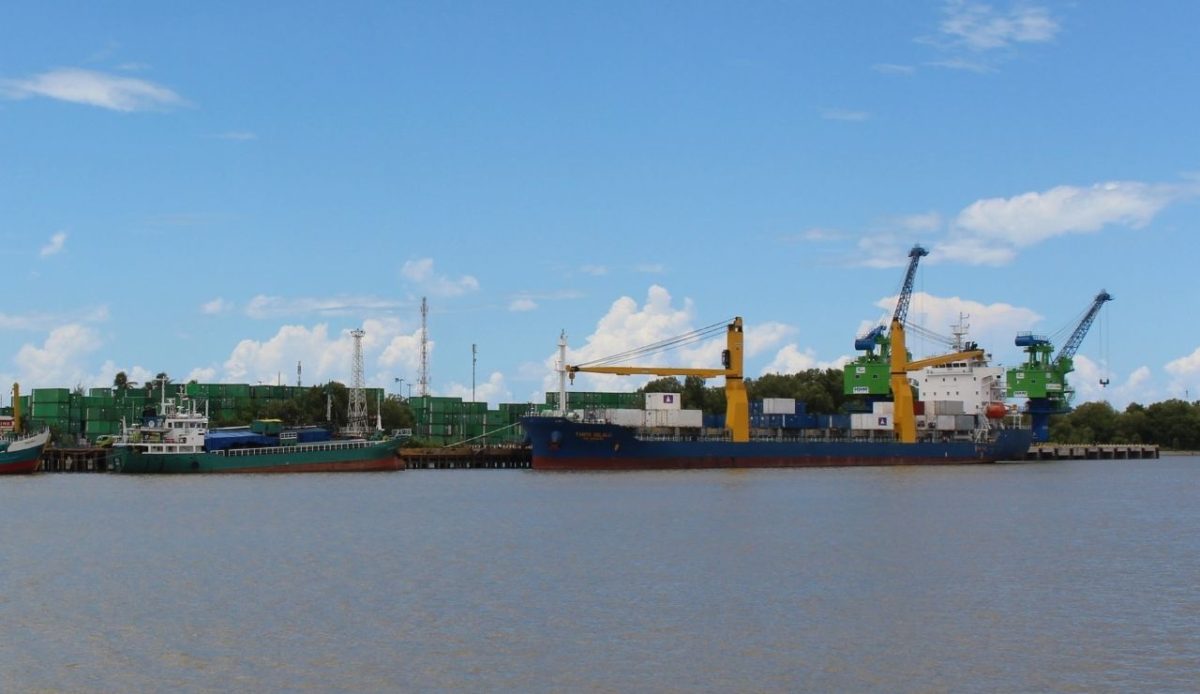
The Merauke region of South Papua is associated with Marind Anim ritual systems described in early twentieth century studies. Cannibal acts were reported within ceremonies tied to fertility, warfare, and social order, where meaning was assigned through strict rules. These practices were later restricted by colonial administration and mission influence, so the tradition faded within a documented historical window. Merauke fits the title because the reports refer to a specific region and a named group, not a vague claim about an entire island. Scholars also analyze the sources for bias, which helps keep the account grounded.
8. Upper Eilanden River Area, Papua, Indonesia
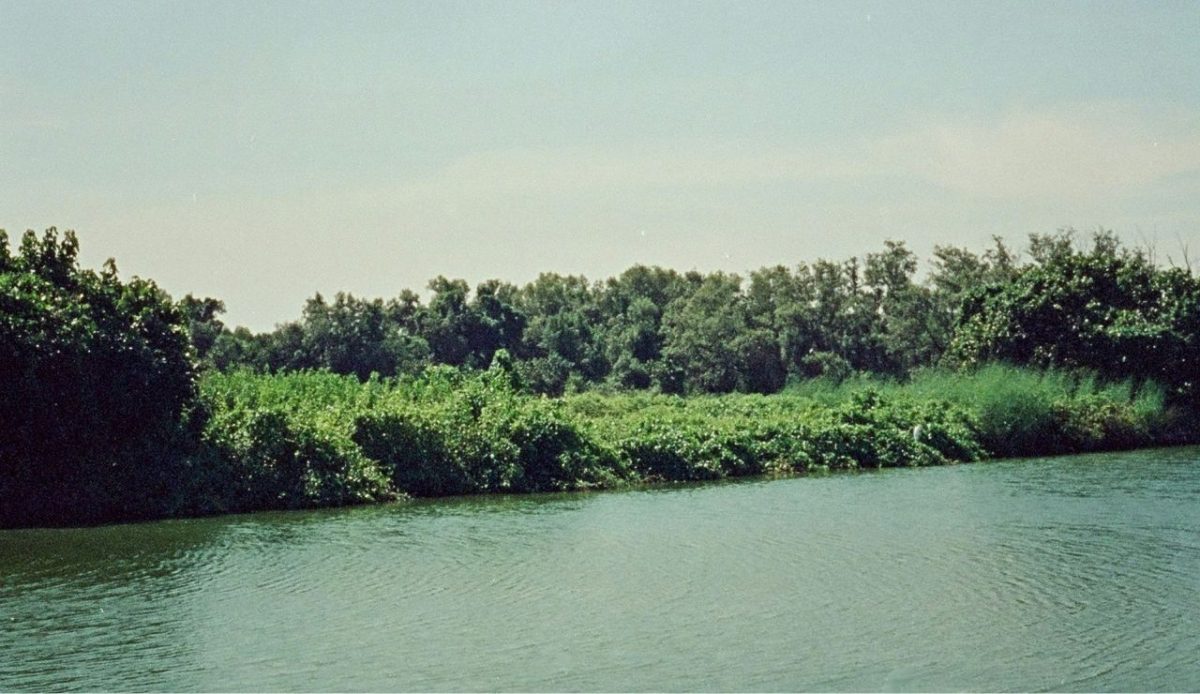
Reports from the upper Eilanden River area in Papua, Indonesia, have linked Korowai groups to cannibalism used as punishment for suspected sorcery. In this framing, the act functioned as a social sanction against a perceived lethal threat, and it was embedded in local ideas of justice. Media portrayals have been questioned for exaggeration, yet credible ethnographic writing still places the claims within a defined river region rather than across all of Papua. Because the evidence is debated, the destination is best treated as contested, with location-specific reporting that requires care. Some reports were later revised.
9. Nuku Hiva, Marquesas Islands
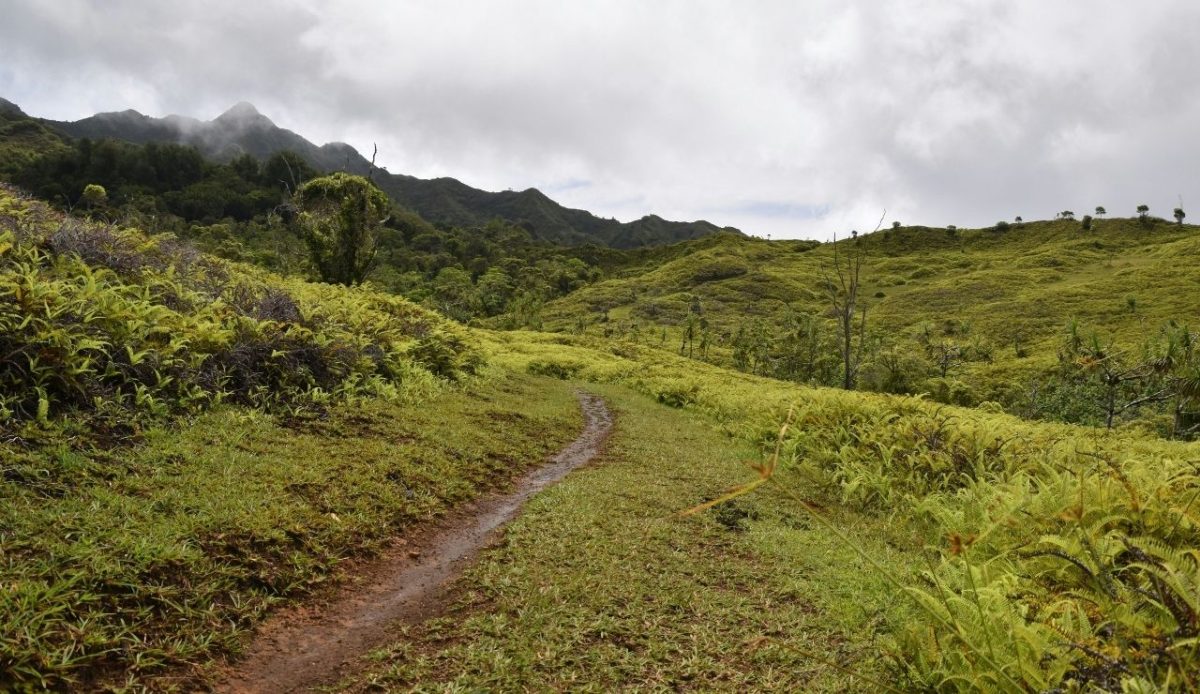
Nuku Hiva in the Marquesas Islands has been associated with warfare-related cannibalism in early European narratives and later scholarly reassessment. Consumption was described as a way to degrade enemies and signal status between rival groups, while strict taboos shaped who could take part. Some nineteenth-century writers overstated frequency, so modern work compares travel accounts with oral history and material evidence where available. The result is a cautious picture of limited ritual practice tied to a named island, which keeps the entry aligned with the topic. Its reputation was exported, then reexamined.
10. Malaita Island, Solomon Islands
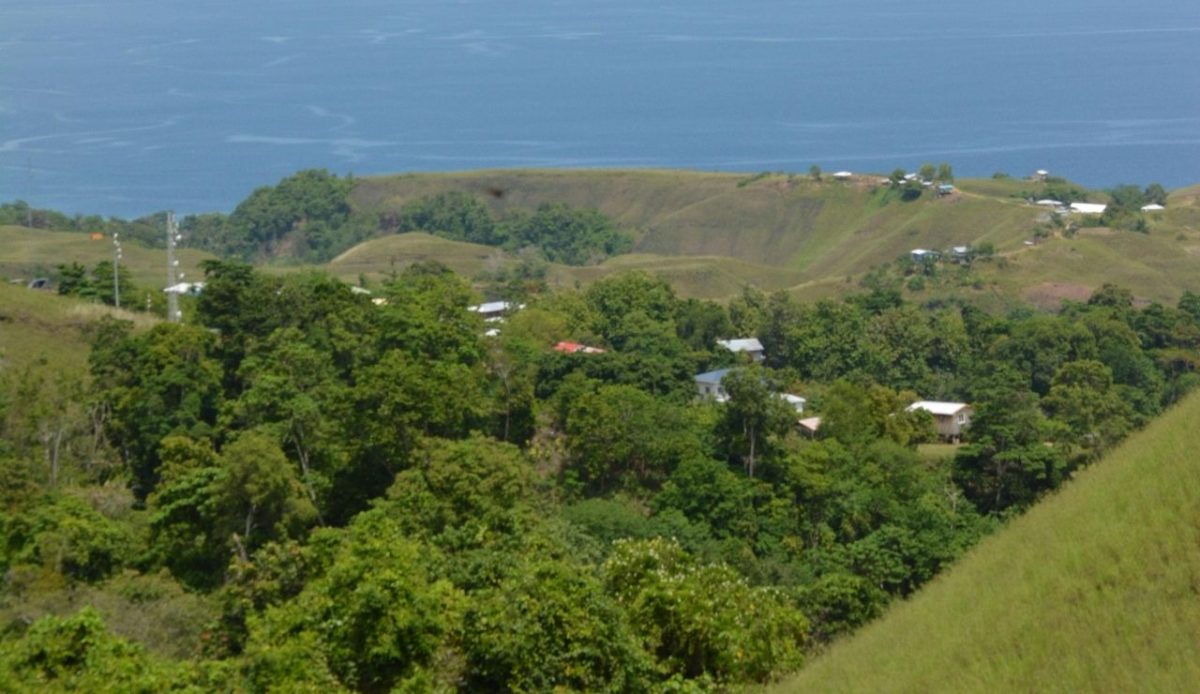
Malaita in the Solomon Islands appears in historical accounts that describe cannibalism within warfare and local justice. Early descriptions emphasize customary rules, including limits on who could be consumed and when, rather than random violence. At the same time, later authors are known to have exaggerated stories to justify control, so the evidence has been weighed carefully by historians. Even with that caution, Malaita remains a specific destination where repeated records point to practices that were later reduced as administration and mission networks expanded. The timeline of decline is documented.
11. Atlantic Forest Coast, Brazil
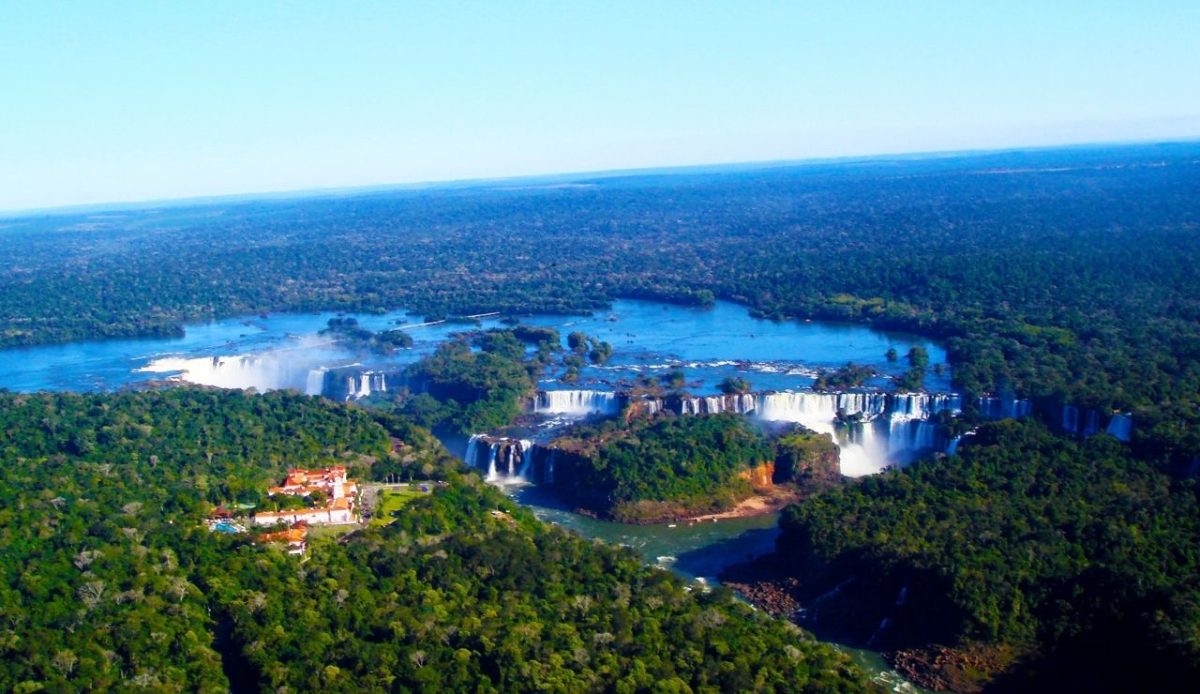
Coastal zones of Brazil’s Atlantic Forest are tied to Tupinambá war rituals described in sixteenth century European chronicles. Captives were said to be consumed after structured ceremonies meant to take strength from an enemy and honor allied warriors. Those texts carry colonial bias, yet they remain foundational and have been compared with linguistic, archaeological, and ethnographic clues by later scholars. Because the accounts repeatedly center on identifiable coastal communities, the region functions as a destination associated with a documented tradition that later disappeared under conquest and disease.
