
Nightlife is more than entertainment in many Asian cities; it’s a vital part of the local economy. Beyond the tourist hotspots, several underrated urban centers thrive after dark, with bars, clubs, live music venues, and street parties fueling economic activity. Restaurants, hotels, and local businesses benefit from nighttime visitors, while cultural events and festivals bring energy and revenue. These cities may not always appear on mainstream travel lists, yet their dynamic evening scenes offer unique cultural insights. Here are eleven underrated Asian cities where nightlife plays a pivotal economic role.
1. Phnom Penh, Cambodia
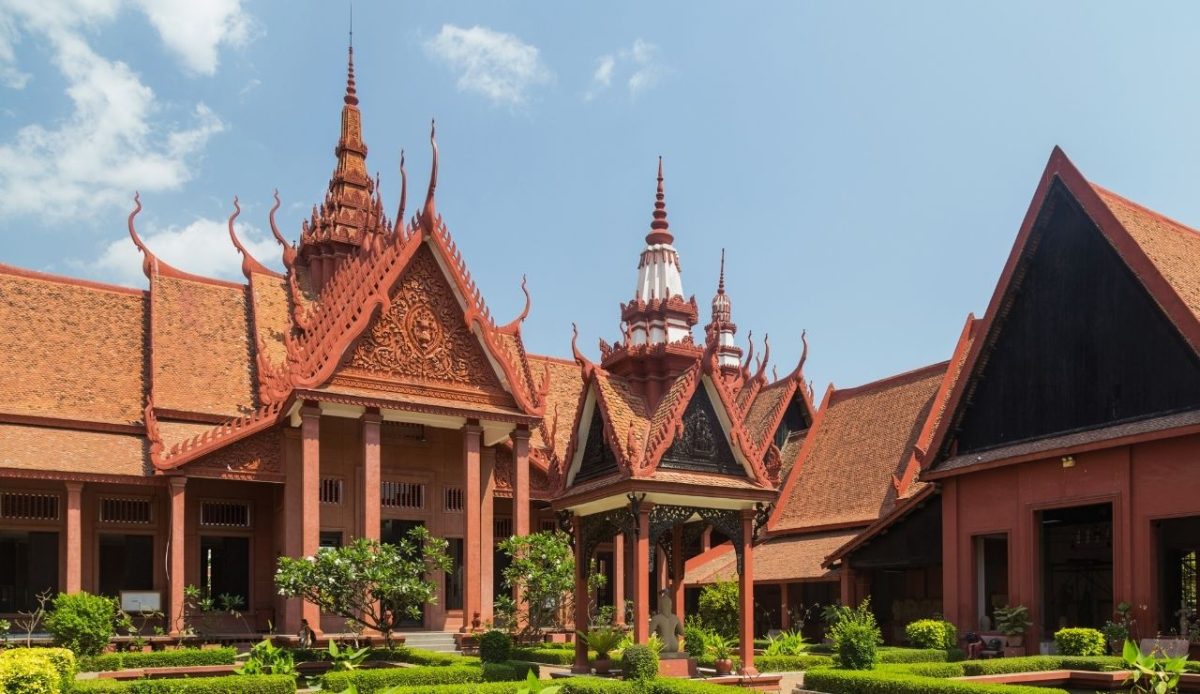
Phnom Penh’s nightlife is a blend of modern bars, rooftop lounges, and lively riverside venues, drawing both locals and tourists. The city’s entertainment sector has grown alongside increased tourism, creating jobs in hospitality, food, and services. Street parties and local music events add vibrancy, contributing to the city’s identity. While it may not rival Bangkok or Ho Chi Minh City in scale, Phnom Penh’s nightlife significantly impacts the local economy, sustaining small businesses and attracting international visitors seeking an off-the-beaten-path party scene without overwhelming crowds.
2. Cebu City, Philippines
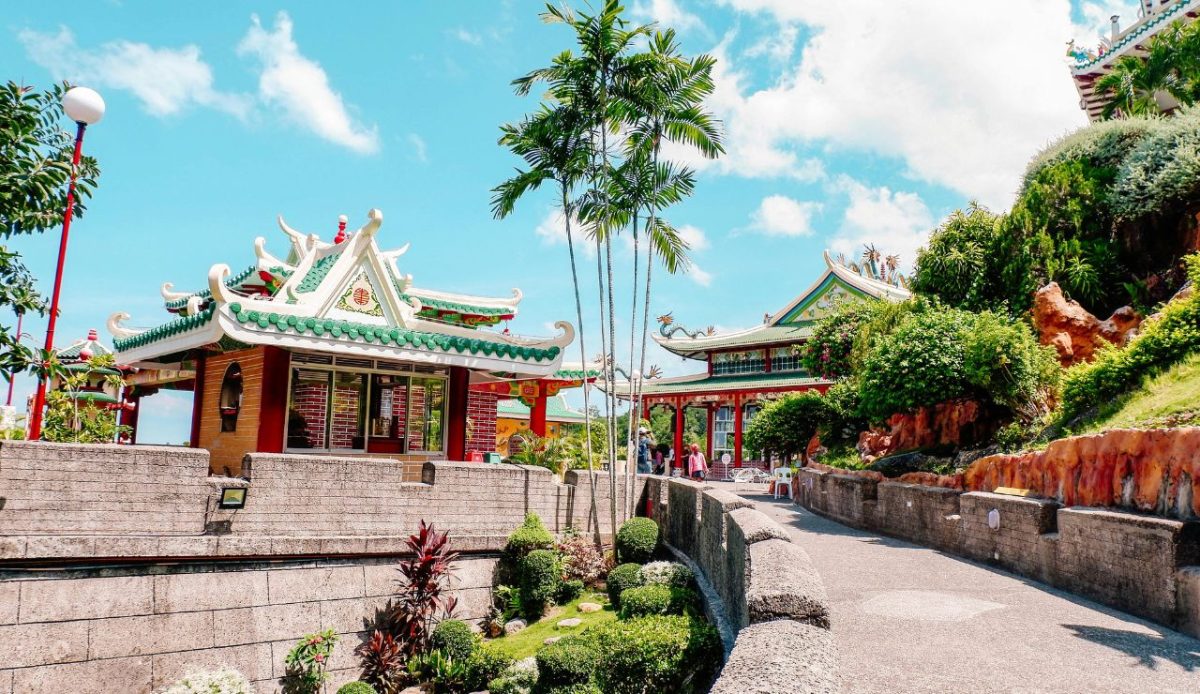
Cebu City has developed a dynamic nightlife scene that fuels the local economy. From beachfront bars to urban clubs, the city attracts both tourists and students seeking lively entertainment. Night markets, live music events, and themed parties contribute to consumer spending and business growth. Small local restaurants and taxi services thrive as nightlife expands. Visitors often find Cebu’s evening culture authentic and accessible compared to larger, more commercialized destinations. The city demonstrates how nightlife can create economic opportunities while preserving a relaxed and approachable party environment.
3. Taipei, Taiwan
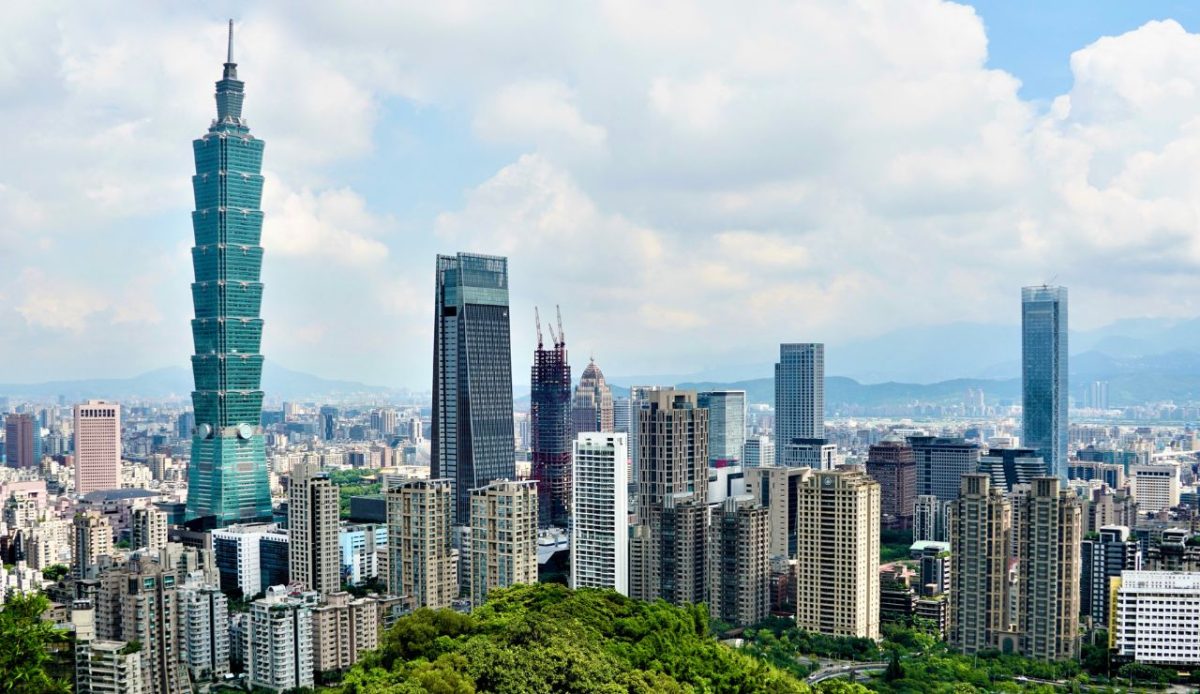
Taipei combines cultural richness with an energetic nightlife that supports local commerce. Night markets, live music venues, and vibrant bars attract locals and tourists alike, generating revenue for restaurants, shops, and transportation providers. The city’s club scene blends international trends with Taiwanese creativity, making evenings a hub for socializing and spending. By integrating traditional markets and modern entertainment, Taipei demonstrates how nightlife can shape economic activity while preserving cultural identity. Travelers enjoy a balance of authenticity, excitement, and accessibility after dark.
4. Da Nang, Vietnam
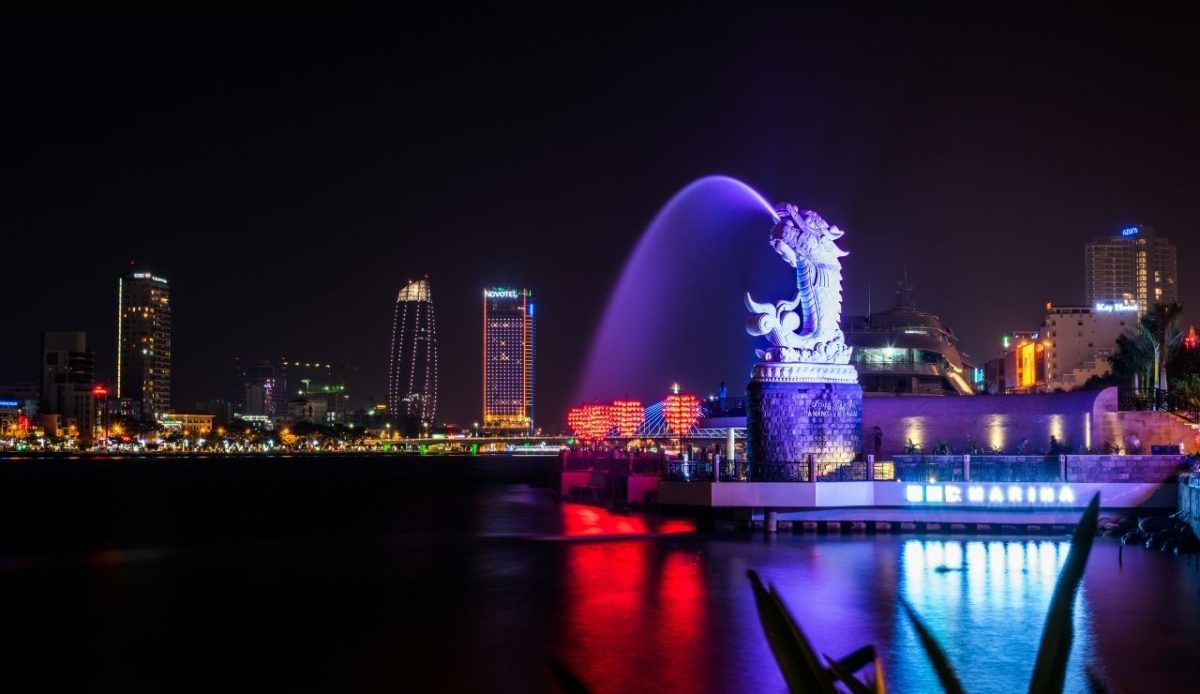
Da Nang, known for its beaches and riverside charm, has developed a thriving nightlife that boosts the local economy. Rooftop bars, beach clubs, and live music venues draw young travelers and locals alike. Seasonal festivals, fire shows, and street performances enhance the evening appeal, generating income for food vendors, taxi drivers, and hotel operators. Unlike more crowded destinations, Da Nang offers accessible nightlife experiences without overwhelming tourist density. This combination of economic impact and relaxed atmosphere makes it a prime example of how nightlife can invigorate a growing city while retaining local character.
5. Busan, South Korea
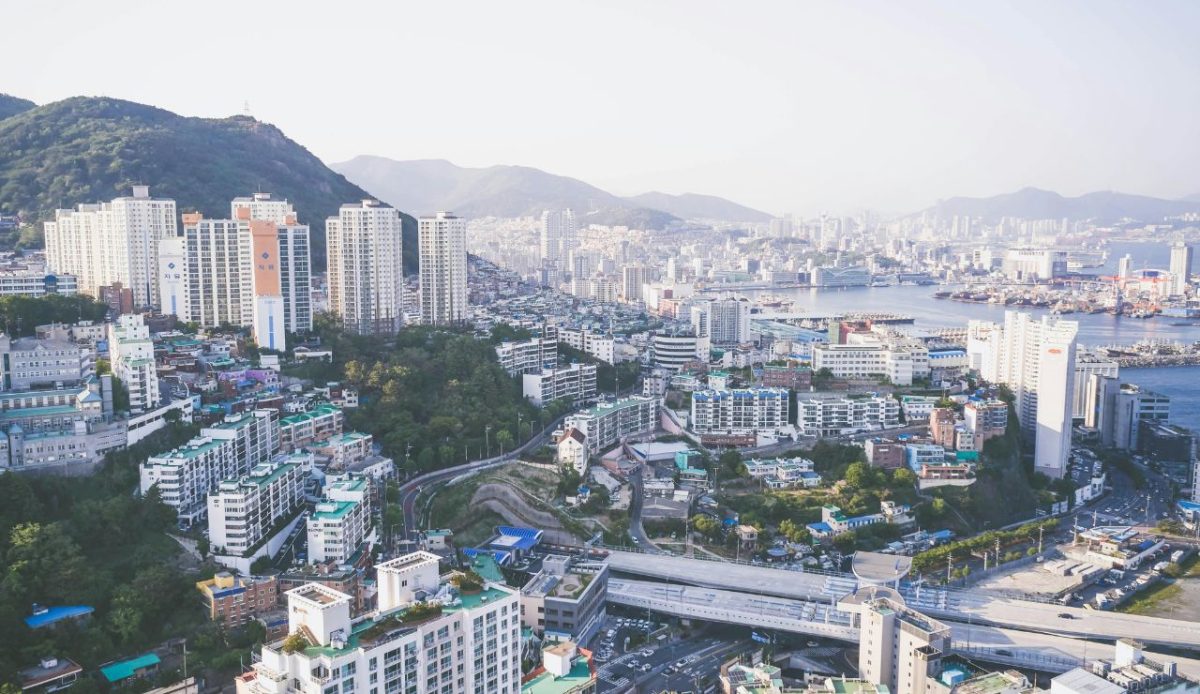
Busan’s nightlife thrives in coastal districts, blending seaside bars, karaoke lounges, and night markets. The city’s evening economy fuels tourism and local businesses, providing jobs in hospitality, food service, and entertainment. International visitors and residents enjoy a mix of modern clubs and traditional experiences, creating diverse revenue streams. Festivals, cultural events, and music performances add vibrancy after sunset. Busan’s nightlife supports small businesses and opportunities that complement daytime tourism. Travelers can explore a lively, yet less crowded alternative to Seoul’s bustling scene.
6. Chiang Mai, Thailand
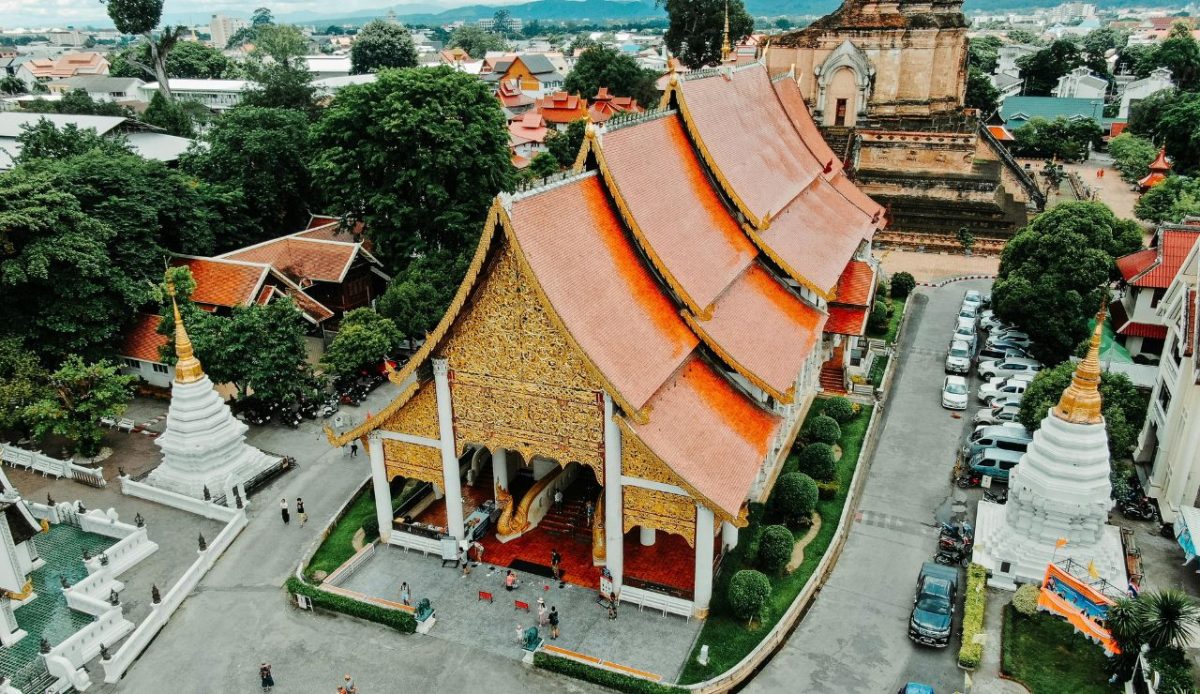
Chiang Mai offers a unique nightlife experience that combines traditional culture with modern entertainment. Night markets, craft beer bars, live music venues, and street food stalls attract tourists and locals, generating revenue for local businesses. Festivals like Loi Krathong and New Year celebrations bring additional spending to restaurants, hotels, and transportation. Unlike Bangkok’s high-paced nightlife, Chiang Mai provides a more intimate and authentic experience. This combination of culture, commerce, and celebration illustrates how nightlife significantly shapes the local economy while preserving the city’s charm.
7. Kota Kinabalu, Malaysia
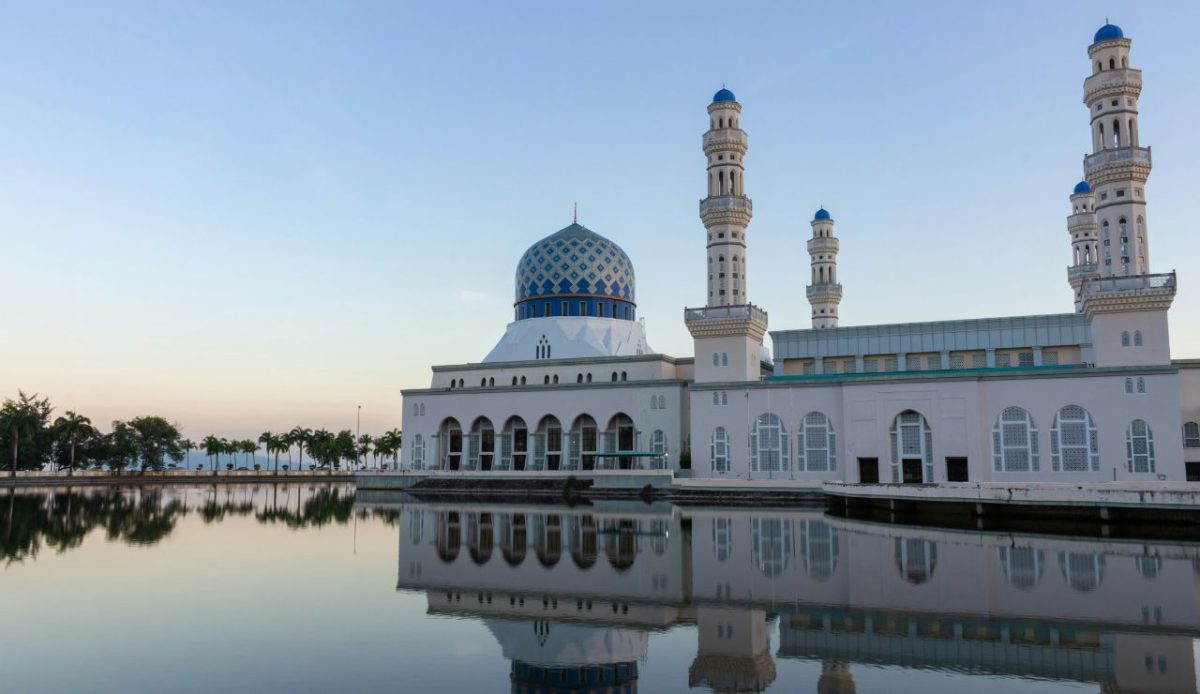
Kota Kinabalu, on Borneo’s west coast, blends tropical beaches with an emerging nightlife scene. Waterfront bars, music venues, and night markets cater to travelers seeking evening entertainment. The growth of nightlife supports restaurants, hotels, and local service providers. Cultural festivals and weekend parties boost consumer spending, sustaining the economy even in off-peak tourist months. While lesser-known internationally, the city’s nightlife scene offers a relaxed, tropical alternative to larger Malaysian cities, demonstrating how off-the-beaten-path destinations can thrive economically after dark.
8. Ho Chi Minh City, Vietnam
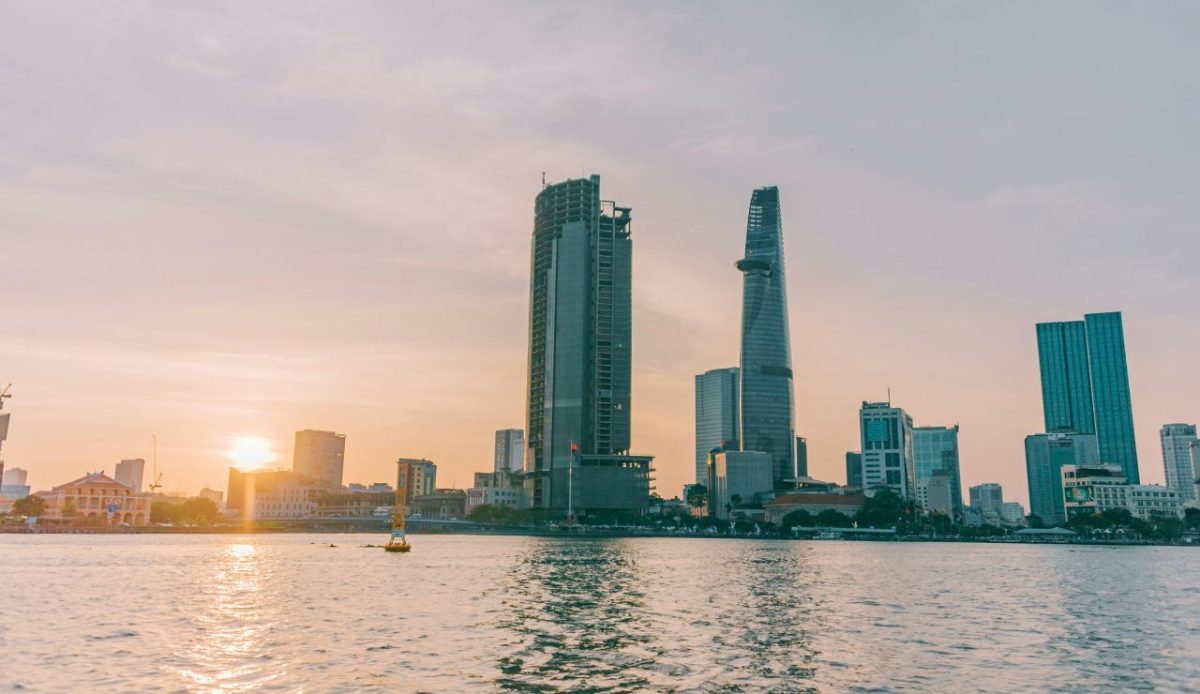
Ho Chi Minh City’s nightlife is a vibrant mix of street food, rooftop bars, and bustling clubs. The evening economy contributes heavily to local revenue, supporting hospitality, transportation, and food sectors. Tourists and locals participate in live music events, night markets, and cultural festivals, creating a lively urban ecosystem. While popular among travelers, many districts retain an authentic, approachable vibe. Ho Chi Minh City exemplifies how nightlife not only entertains but also sustains businesses, drives employment, and strengthens the economic fabric of a fast-growing metropolis.
9. Vientiane, Laos
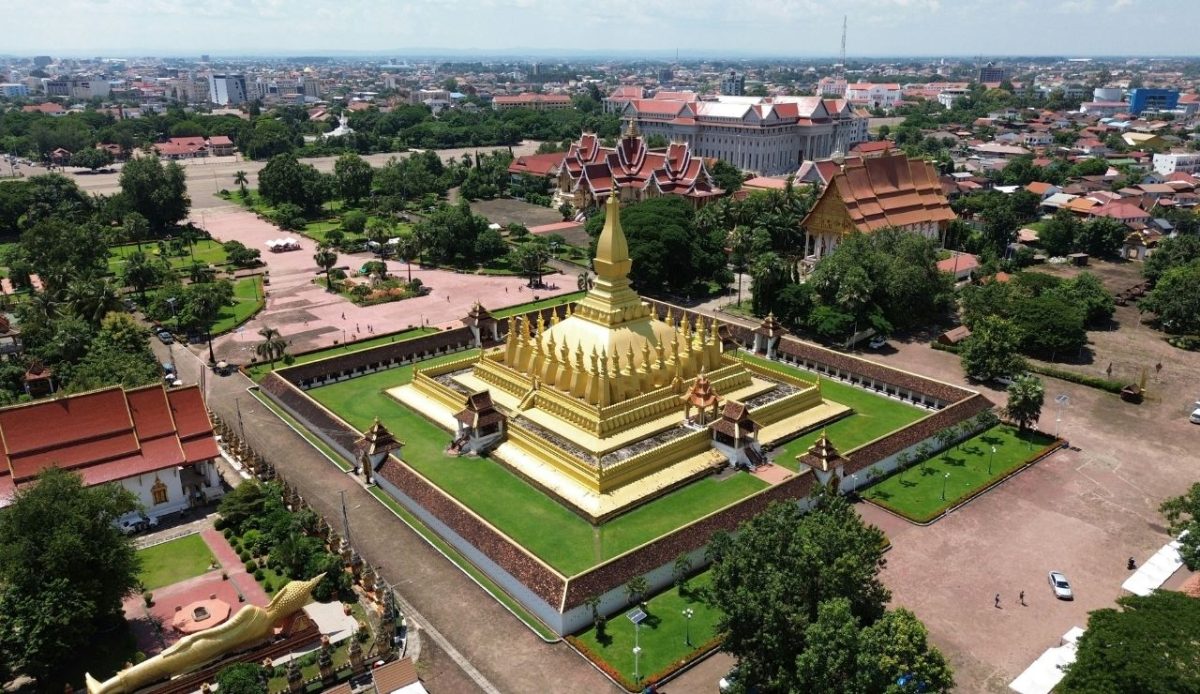
Vientiane may not be the first city travelers consider for nightlife, but its growing evening culture has economic significance. Bars, cafes, and night markets generate employment and boost spending for small local businesses. Cultural performances and festivals in the evenings attract both locals and visitors, stimulating commerce in hospitality and transportation. Its slower pace compared to neighboring capitals provides an intimate nightlife experience. Vientiane demonstrates how even smaller, underrated cities can benefit economically from night-time activities while maintaining a balance between tourism growth and local culture.
10. Ulaanbaatar, Mongolia
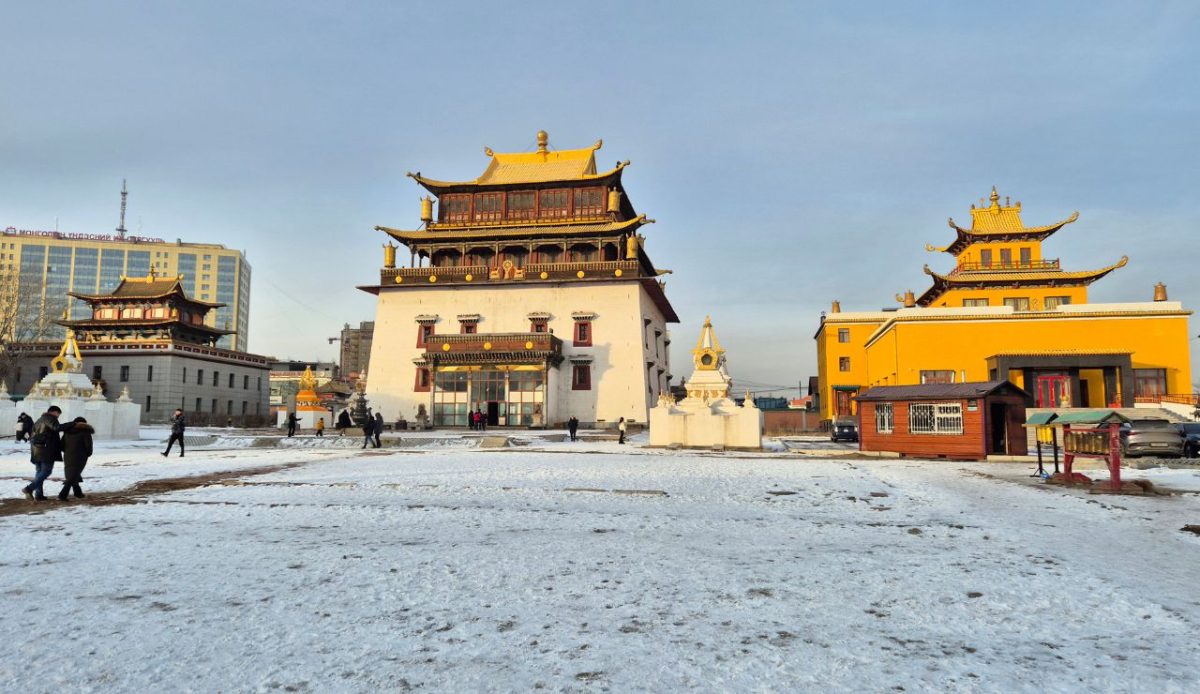
Ulaanbaatar’s nightlife scene has evolved to meet the interests of young professionals and international travelers. Bars, live music venues, and traditional cultural performances support the city’s service industry and hospitality sector. Local restaurants, taxis, and event spaces benefit from night-time spending, which helps diversify economic activity. Festivals and cultural nights add to the vibrancy, drawing locals and tourists into shared experiences. Ulaanbaatar’s nightlife illustrates how even less-visited cities in Asia can rely on evening activities as a significant driver of the local economy and cultural exchange.
11. Taipei’s Neighboring City: Taichung, Taiwan
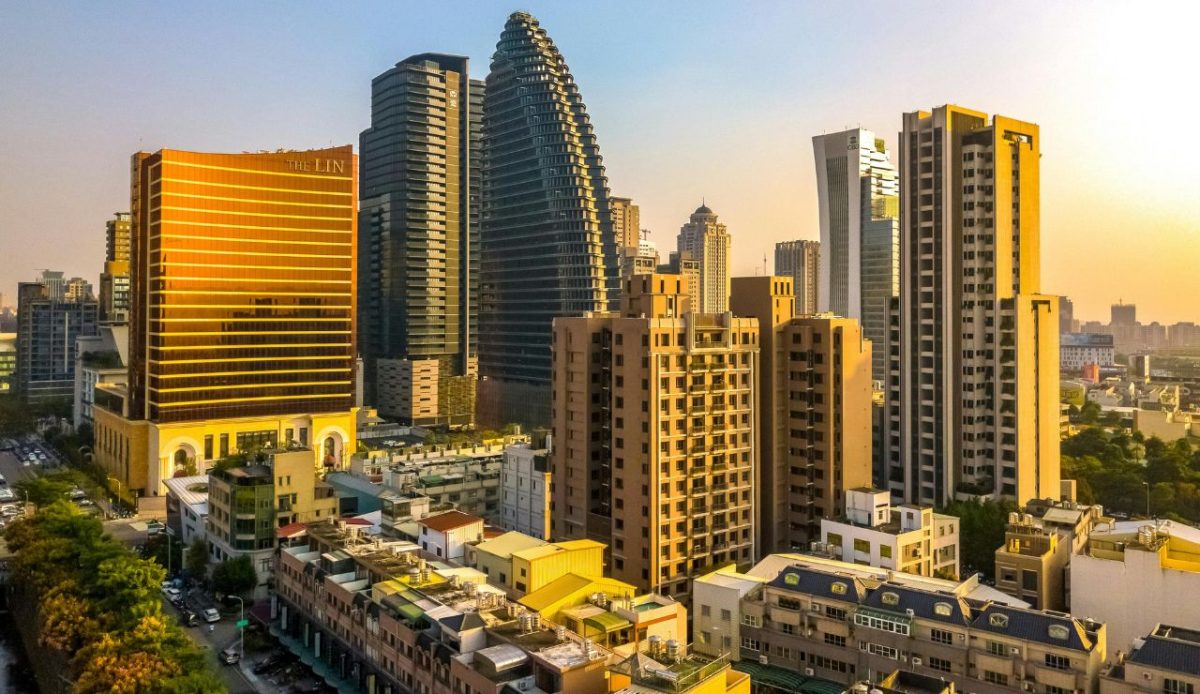
Taichung, Taiwan’s third-largest city, has an emerging nightlife scene influencing the local economy. Night markets, craft cocktail bars, and music venues draw crowds after sunset, benefiting restaurants, transportation, and entertainment businesses. Local festivals and street events increase visitor spending, supporting small vendors. Unlike Taipei’s larger attractions, Taichung offers a more relaxed, intimate nightlife experience. This combination of cultural engagement, economic contribution, and manageable crowds highlights how second-tier cities can develop thriving evening economies while remaining authentic for travelers.
