
Arabia holds famous destinations like Dubai, Doha, and Riyadh, yet many quieter cities offer strong culture, nature, and history without heavy crowds. These places give travelers peaceful scenery, local food, and friendly neighborhoods. You get markets that still feel local, heritage areas that stayed true to tradition, and landscapes not overrun by tour buses. Each city below gives a real sense of place, and it suits travelers who want an authentic time on the ground instead of a fully commercial scene.
1. AlUla, Saudi Arabia
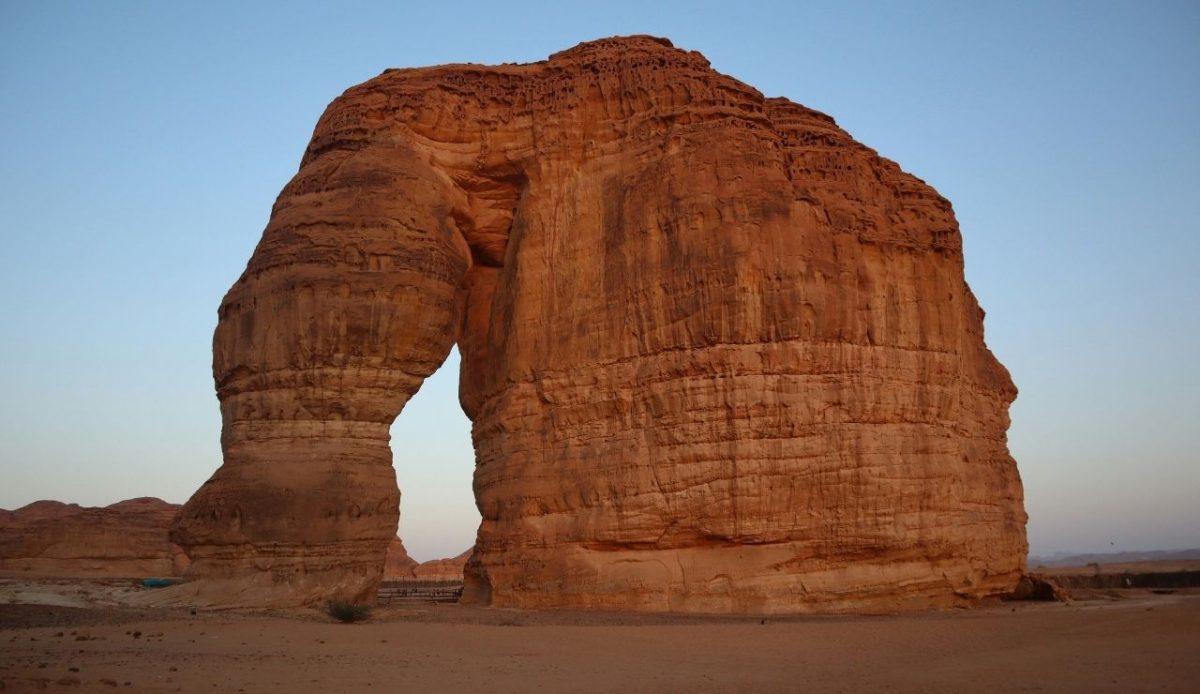
AlUla gives travelers sandstone canyons, date farms, and ancient structures that stand in a wide desert space. The star is Hegra, a site carved by the Nabataeans with rock tombs that feel almost untouched. Travelers enjoy guided walks through old mud villages, quiet evenings under clear skies, and smooth desert roads that lead to dramatic viewpoints. Art installations appear across the valley during cultural seasons, and boutique lodges offer privacy instead of tower hotels. In winter, mild weather supports hiking and stargazing sessions with astronomy guides. Visitors can also join cooking lessons that feature local flavors. AlUla works well for slow travel, so travelers do not rush.
2. Abha, Saudi Arabia
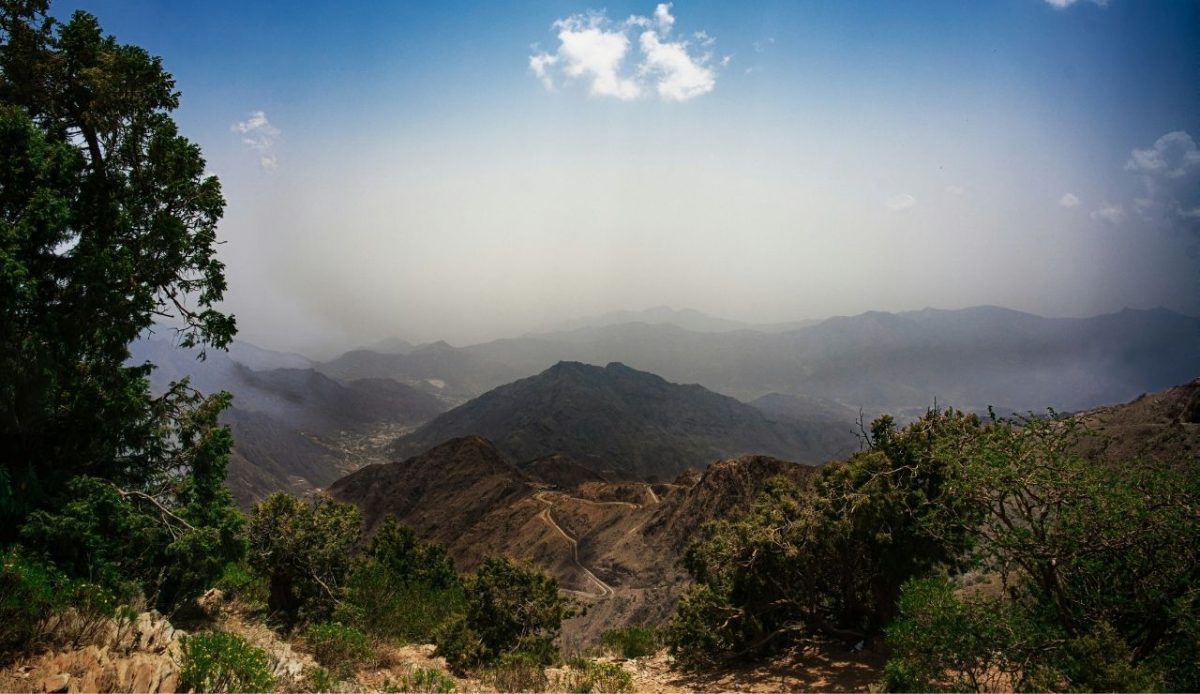
Abha brings mountain air, green slopes, and cool seasons that refresh travelers who want a break from the typical Gulf heat. Cable cars glide over valleys, and the Aseer National Park offers hiking among juniper trees with distant peaks in view. Old neighborhoods display stone architecture and wooden balconies that show regional craft. The city has lively markets where locals sell honey and spices from nearby farms. During summer, temperatures stay far lower than in coastal cities, so walking tours become pleasant. Travelers also visit the village of Rijal Almaa, known for striking layered houses in warm earth tones. Food stalls serve hearty regional dishes that match the climate well.
3. Al Ahsa, Saudi Arabia
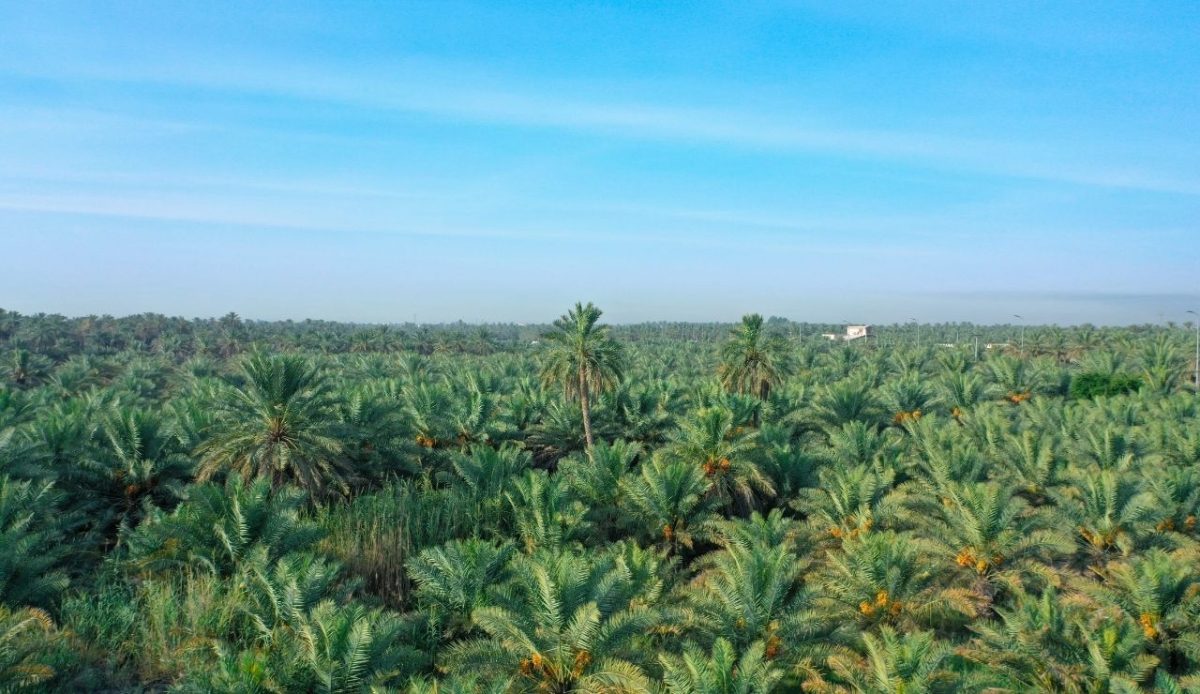
Al Ahsa centers around one of the world’s largest natural oases, giving travelers palm groves, freshwater springs, and fertile farmland in a region often linked to desert images. The city holds historic forts, quiet souqs, and clay villages that show its long role in trade routes. Travelers enjoy date tasting, pottery markets, and handwoven palm items. Al Qarah Mountain provides caves that stay cooler than the outside air, and pathways lead to lookouts over farms and rooftops. Cafes set near palm clusters serve breakfast with regional bread and eggs. Many travelers pair heritage visits with soft outdoor time and watch farmers irrigate fields that go back centuries.
4. Hail, Saudi Arabia
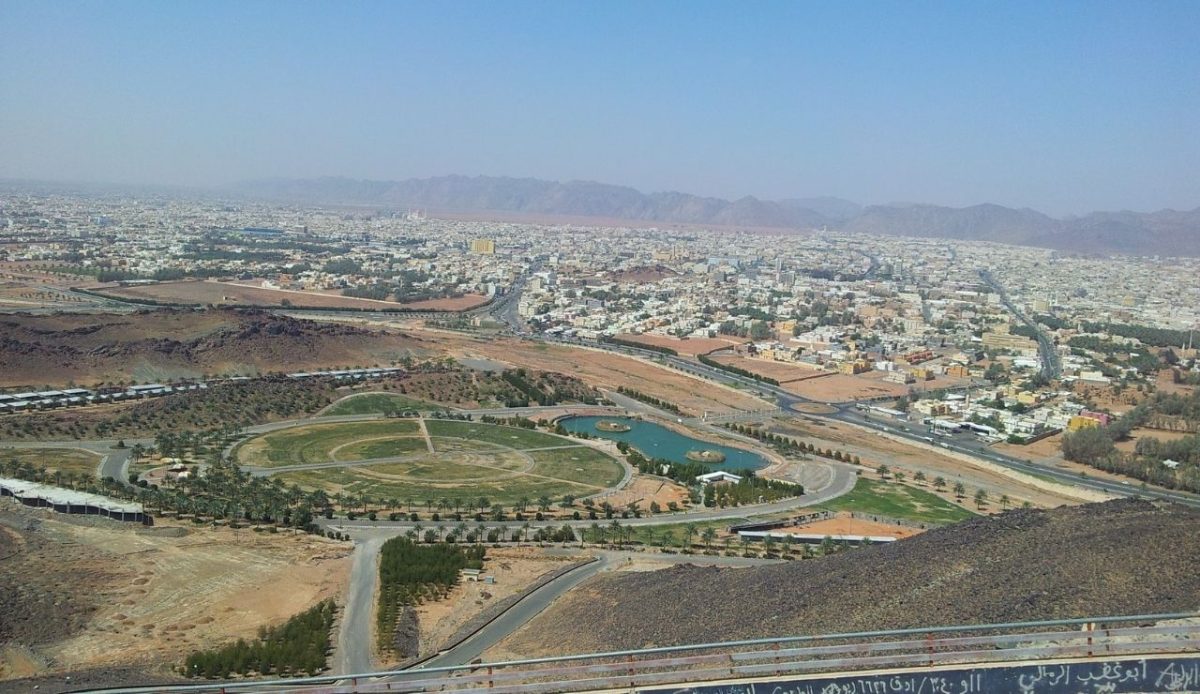
Hail serves as a gateway to ancient rock carvings in Jubbah and Shuwaymis, where scenes of hunters, animals, and daily life appear across sandstone walls. The city center has a relaxed rhythm with traditional markets, friendly tea houses, and a restored palace that explains local history. Travelers often rent cars to reach open desert areas, then join guides who point out petroglyphs that date to early human civilizations. Cooler months bring festivals, camel events, and cultural nights. Hail also offers strong local cuisine, with slow-cooked meat and rice dishes that suit the desert setting. Parks in town give families space for picnics and evening walks.
5. Salalah, Oman
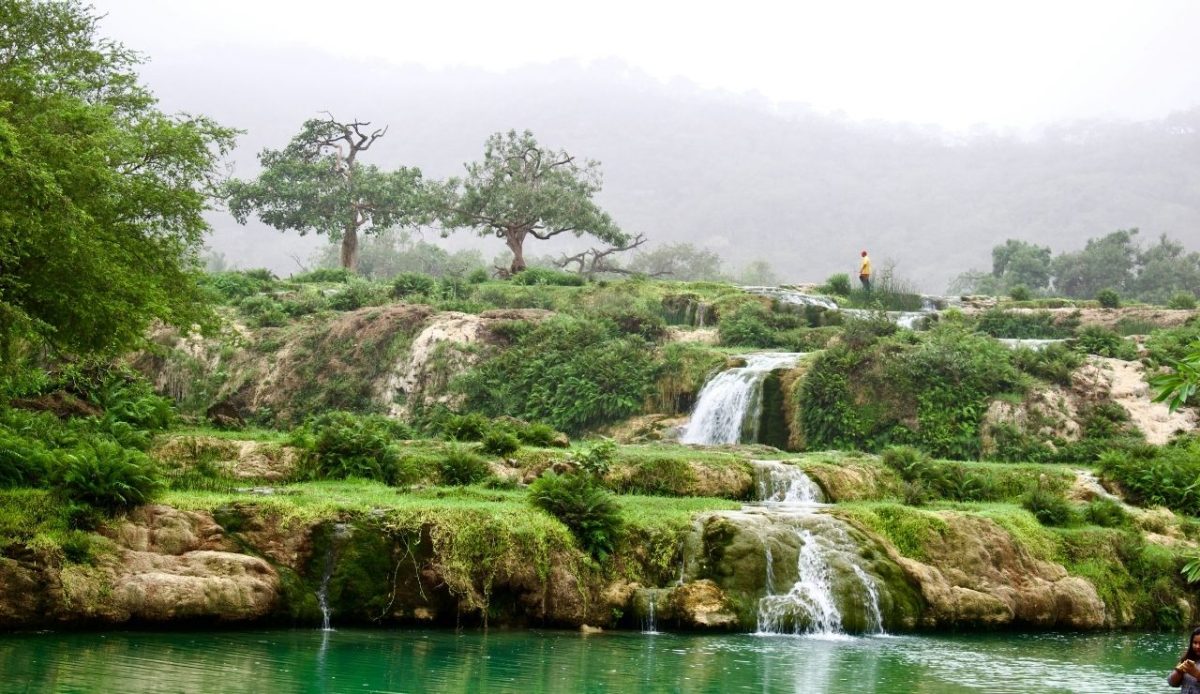
Salalah brings a surprise in the Arabian Peninsula because summer rains turn hills green and draw visitors seeking cool air. This season, called khareef, creates misty paths, roadside fruit stalls, and small waterfalls across Dhofar’s cliffs. Beaches curve along turquoise water, and fishermen bring fresh catch to simple shoreline grills. Travelers can walk through frankincense groves and visit museums that tell the story of trade routes that once crossed the region. Many visit Al Baleed Archaeological Park at sunset and watch birds circle over calm water. Off-season months stay quiet, giving travelers wide beaches and warm evenings without crowded spots.
6. Sur, Oman
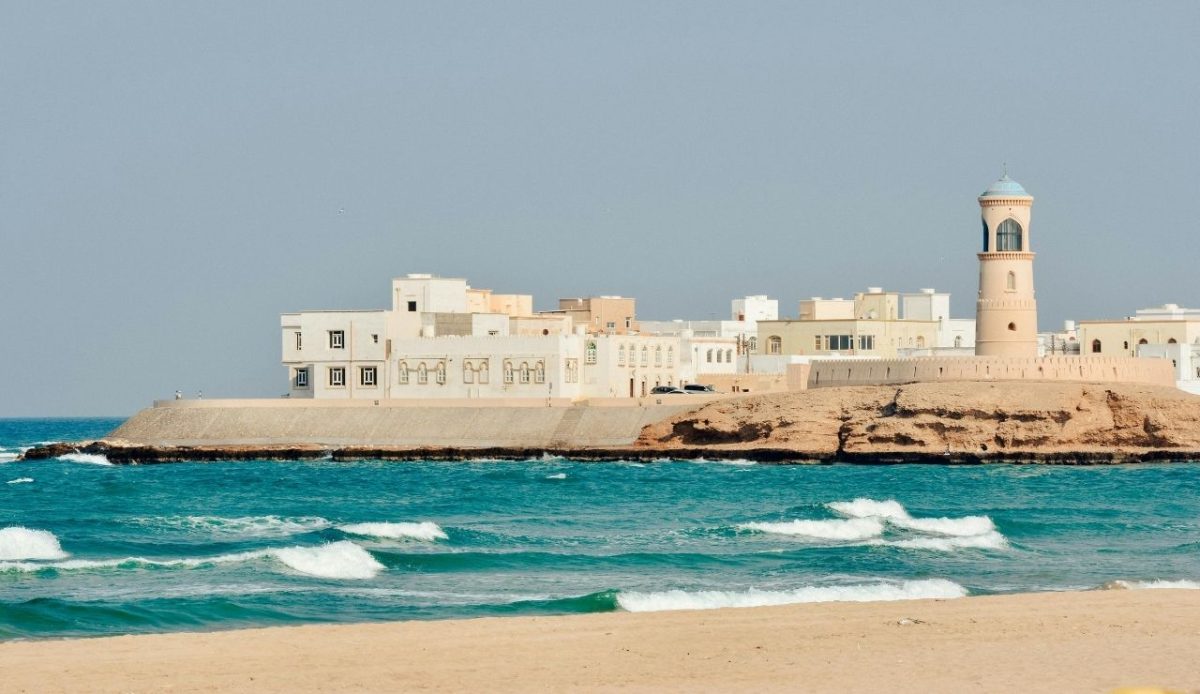
Sur has a strong maritime identity, and wooden boats remain a major draw. Visitors watch craftsmen shape dhows in open yards along the water, and the sound of tools carries across the harbor in the morning. A coastal walkway gives calm views, with seagulls gliding near gentle waves. Simple seafood stalls fry fresh fish, and evenings bring warm breezes that suit strolls. Older neighborhoods feature white houses, narrow lanes, and low doorways that show long long-standing building style. Travelers also reach Ras Al Jinz nearby, where sea turtles come to shore during nesting seasons, creating memorable night tours.
7. Khasab, Oman
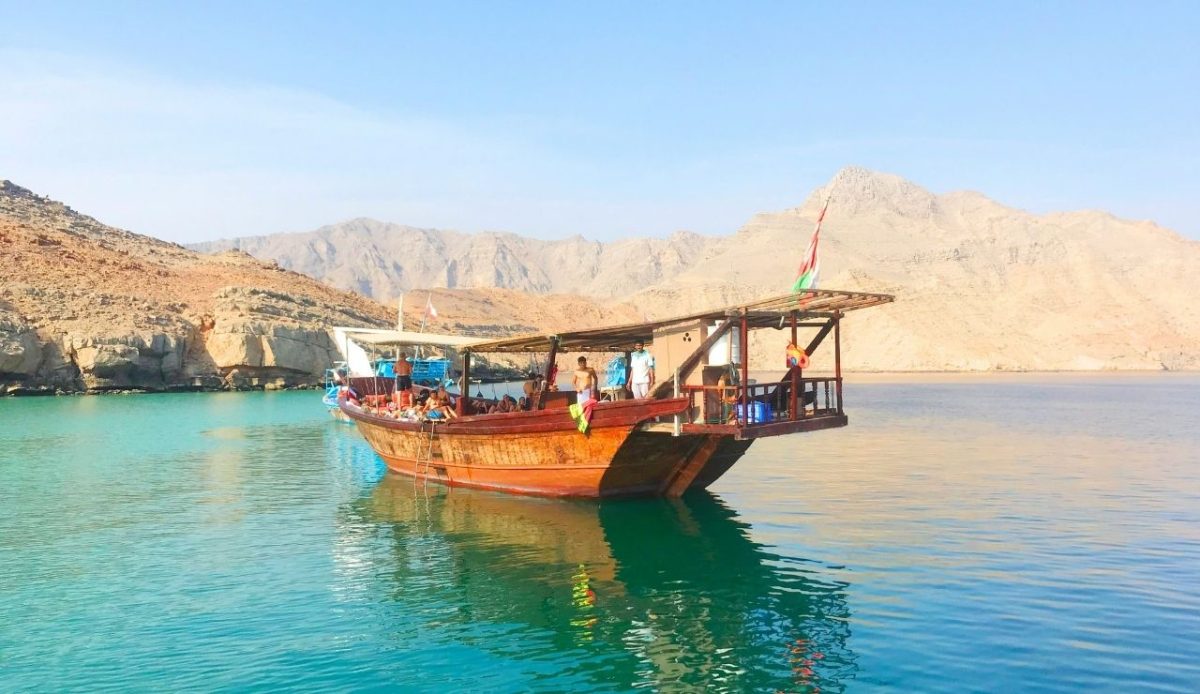
Khasab sits at the edge of the Musandam Peninsula, where rugged cliffs rise above water channels often compared to Nordic fjords. Travelers board wooden boats to watch dolphins follow the bow and glide alongside calm waves. The coastline gives quiet fishing villages and lookout points that remain peaceful even during the travel season. Drivers take mountain roads for wide views of stone ridges and clear water far below. Local markets sell dried fish and handmade baskets, while forts show Portuguese influence and local defense style. Khasab works best for travelers who like boat time, simple seafood meals, and relaxed coastal evenings.
8. Al Ain, United Arab Emirates
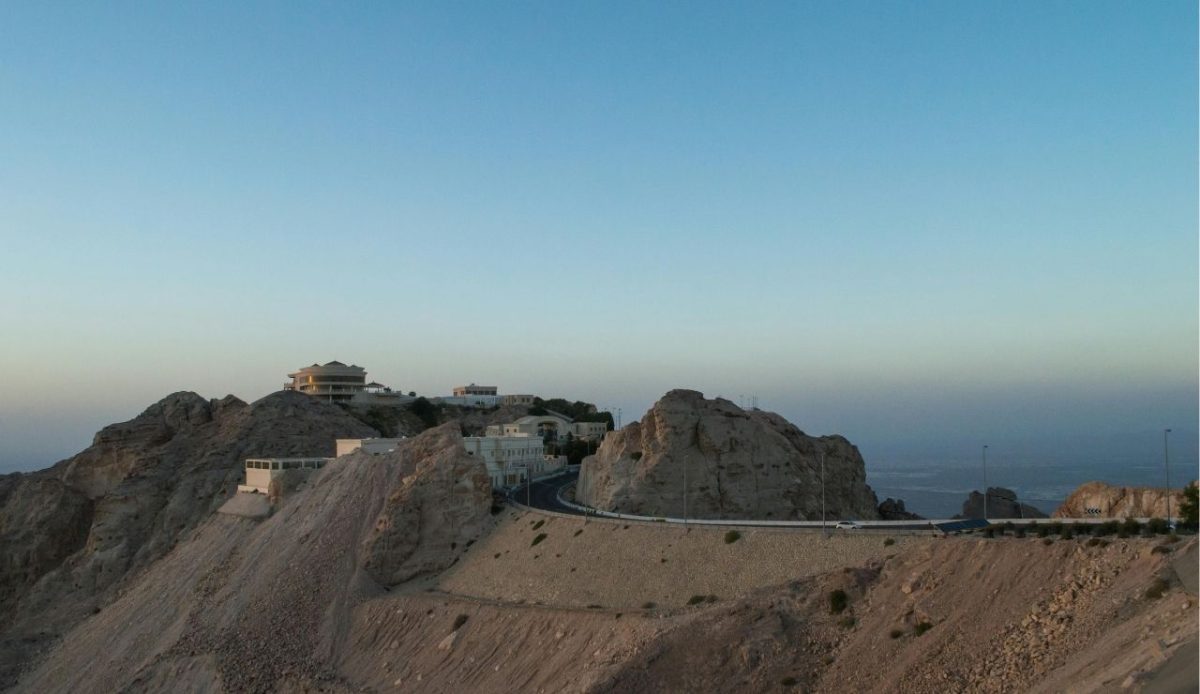
Al Ain provides shady pathways, ancient irrigation channels, and green palm gardens in a region known for modern cities. The oasis system earned UNESCO status, and walking paths give direct access to quiet tree clusters and flowing water. The national museum and old forts explain tribal history and show how families lived with limited rainfall. Outdoor gardens, camel tracks, and mountain drives offer a pleasant time in daylight hours. Jebel Hafeet gives sunset views across the desert, and warm evenings invite simple dinners in open-air cafes. Travelers also visit heritage villages that teach craft skills and music traditions.
9. Fujairah, United Arab Emirates
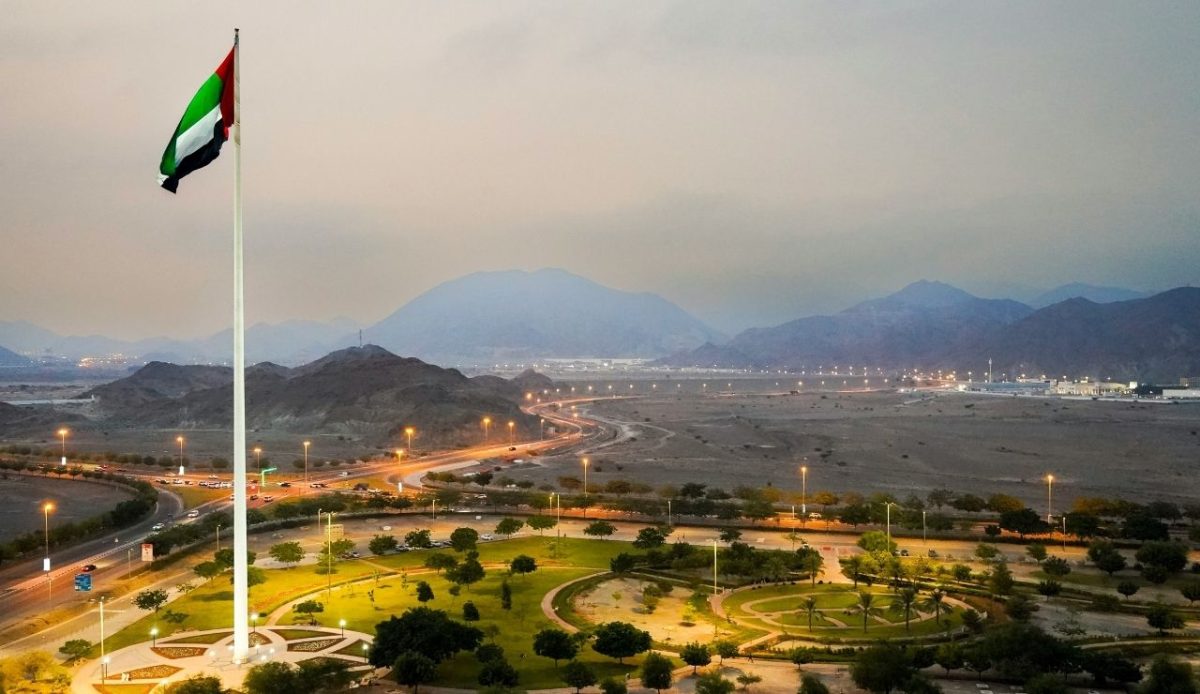
Fujairah gives a calmer coast on the Gulf of Oman, with long beaches, rocky headlands, and deep blue water that suits diving and snorkeling. Travelers visit Al Badiyah Mosque, known as the oldest in the country, where the simple mud and stone design reflects early building traditions. Mountains rise close to the shore, so short drives bring quiet wadis with shallow pools and shade. Resorts stay lower in height compared to big city towers, so sea views stay open and relaxed. Local markets sell fresh fish in the morning, and evenings feel easy with waterfront walks and simple cafes offering grilled seafood.
10. Al Wakrah, Qatar
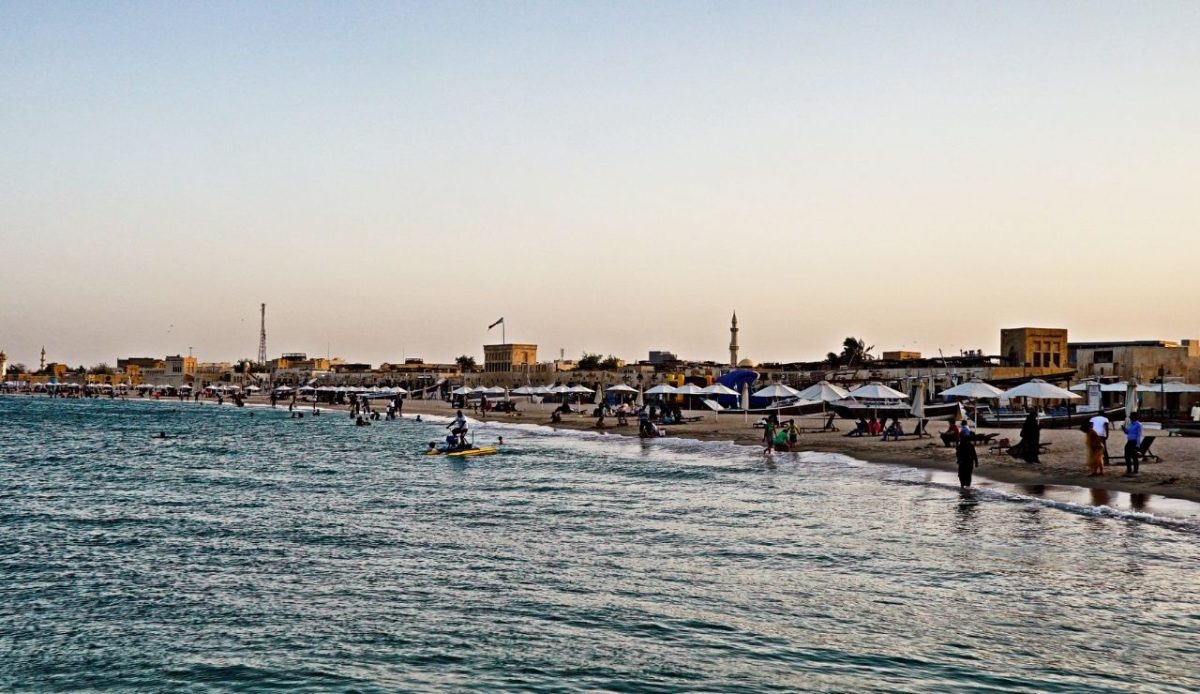
Al Wakrah gives travelers peaceful waterfront walks, a traditional harbor, and a long sandy beach south of Doha. The old souq sits near the sea, and narrow lanes show carved doors, plaster walls, and shaded seating areas that feel calm in the afternoon. Fishing boats anchor close to shore, and grills prepare fresh fish for diners who enjoy outdoor tables with sea views. Parks by the Corniche offer bike paths and covered play spaces, useful for family trips. Many visitors take morning strolls, then stop at cafes serving light pastries and strong coffee. Modern stadiums nearby show the city’s growing sports presence.
11. Madaba, Jordan
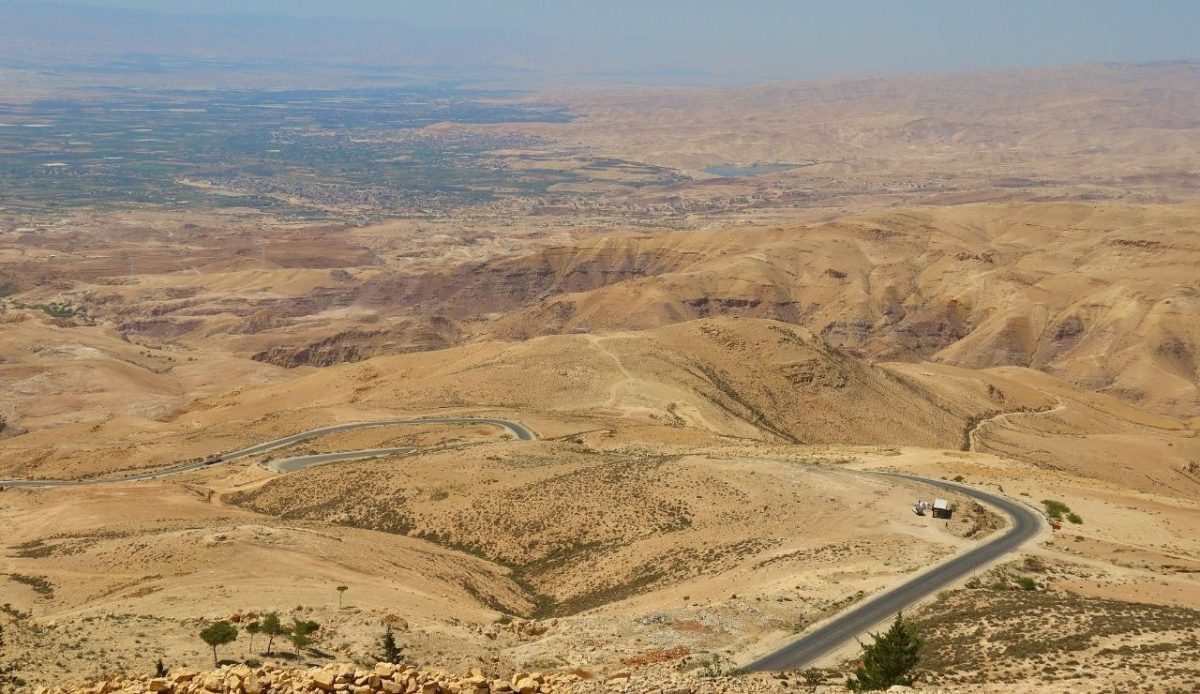
Madaba is known for its intricate mosaics, yet it stays far quieter than the capital scenes. Travelers visit ancient churches, climb small bell towers for gentle city views, and see the famous mosaic map that shows early holy sites across the region. Streets stay walkable, with bakeries spreading warm bread scent early in the day. Local workshops explain craft work, and small shops sell pottery and handwoven items. A short drive leads to Mount Nebo for sunset overlooks, and desert landscapes stretch quietly beyond town edges. Madaba also serves hearty meals with olive oil, herbs, and fresh vegetables grown in nearby fields.
