
Some flowers exist only in the most unusual corners of the world, blooming where conditions seem almost impossible for life. These uncanny locations host flora that are rare, endemic, and often invisible to casual travelers.
Extreme climates, isolation, or fragile ecosystems challenge these plants’ survival. Yet, through evolutionary marvels, they flourish, offering a glimpse of nature’s adaptability and beauty in the most unexpected places.
For travelers, exploring these regions is more than sightseeing. It’s a chance to witness botanical wonders that are threatened, rare, and mesmerizing, where delicate petals defy odds to brighten the world in secret corners.
1. Socotra Island, Yemen
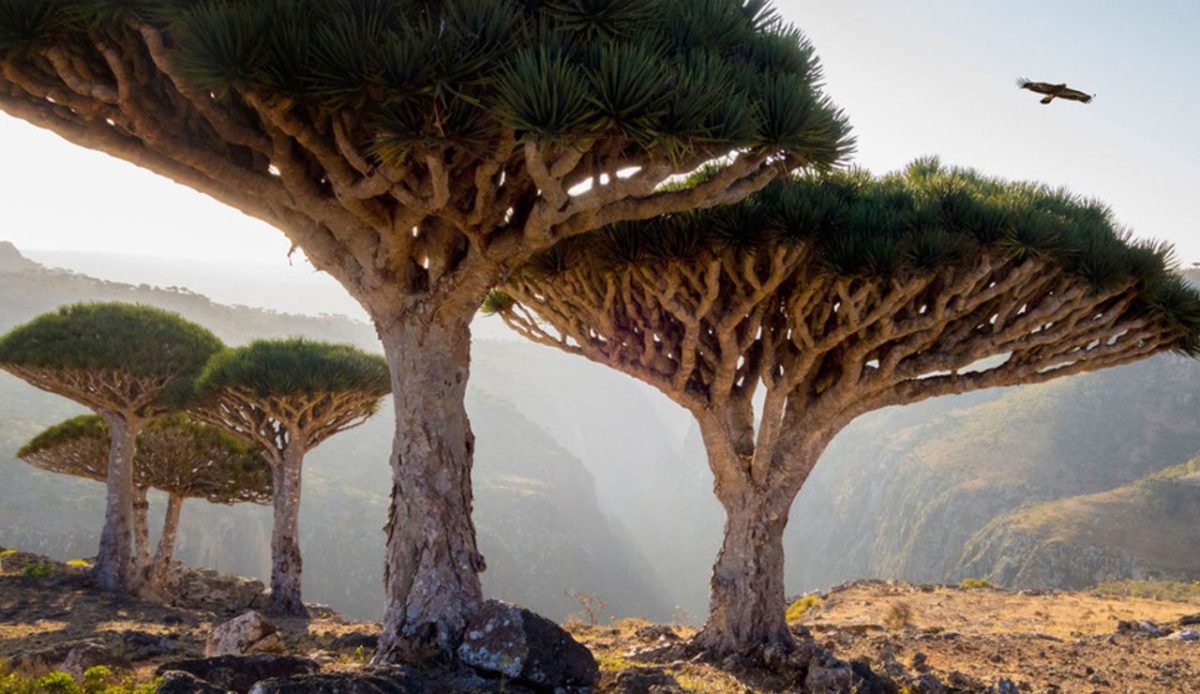
Socotra Island is home to some of the rarest flowers on the planet, growing in isolation amid rugged cliffs and desert plains. Its endemic flora, like the Socotran fig and dragon’s blood tree blooms, seems otherworldly.
Harsh winds, scarce rainfall, and rocky terrain make survival a challenge, yet these extraordinary plants thrive, evolving unique shapes and colors unseen elsewhere. Travelers are treated to landscapes where flowers appear sculpted by alien hands.
Visiting Socotra offers a rare chance to witness botanical resilience firsthand. The island’s uncanny flowers exemplify nature’s creativity, surviving in a fragile ecosystem shaped by isolation and extreme conditions.
2. Mount Kinabalu, Malaysia
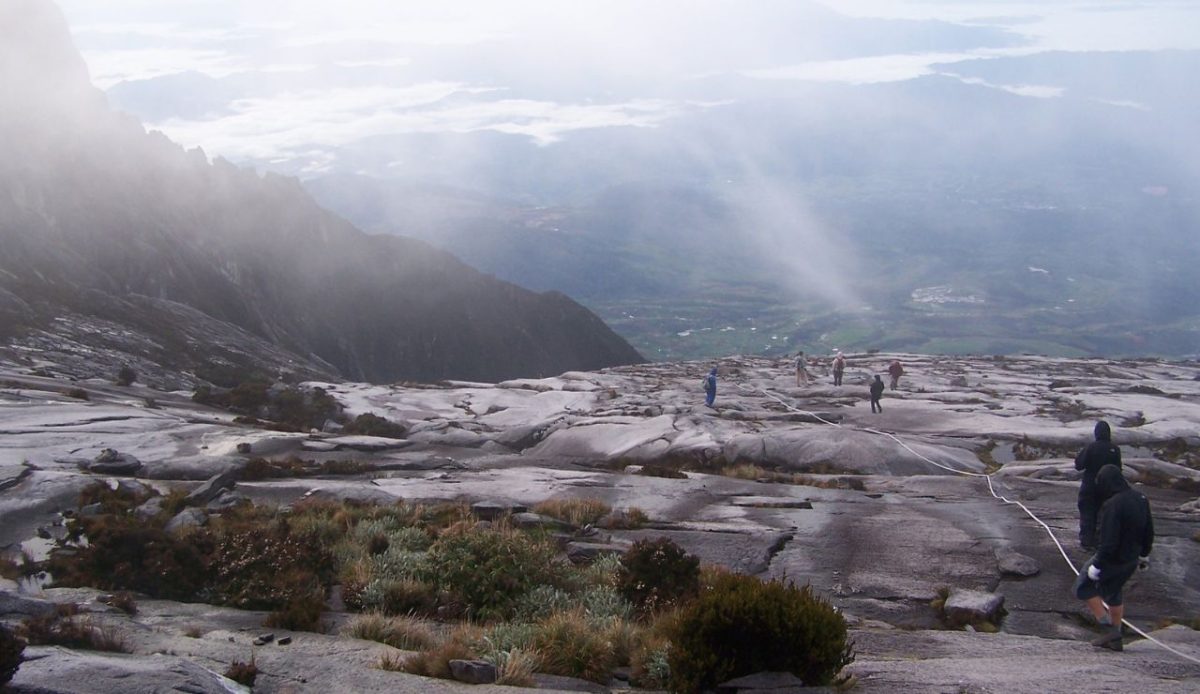
Mount Kinabalu’s varying altitudes host an array of rare flowers that adapt to diverse climates. Orchids, pitcher plants, and alpine blooms decorate slopes from tropical rainforest to cold summit zones.
Steep terrain, nutrient-poor soil, and temperature extremes challenge survival, yet these plants have evolved extraordinary adaptations. Specialized leaves, water retention systems, and vibrant blooms help them endure and attract pollinators.
Hiking Mount Kinabalu reveals layers of botanical wonders. These flowers showcase the uncanny ability of life to thrive at the edge of climatic extremes, making the mountain a living, blooming laboratory.
3. Andes Mountains, South America
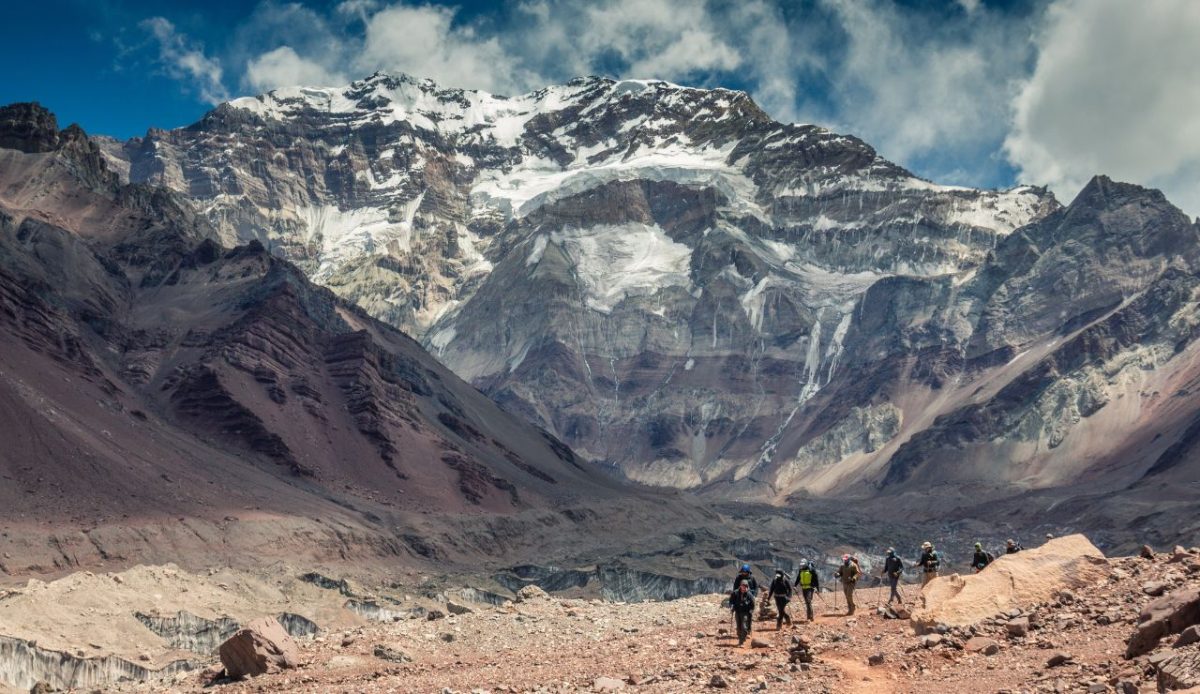
The Andes harbor rare high-altitude flowers that bloom in rocky soils and thin air. Species like Puya raimondii, the world’s tallest bromeliad, survive in isolation at extreme elevations.
Harsh sunlight, freezing nights, and steep slopes make the region inhospitable to most plants, yet these blooms thrive through specialized adaptations. Their vibrant flowers punctuate stark landscapes, creating striking contrasts.
Travelers venturing here witness flora that seems almost impossible. The Andes’ uncanny blooms demonstrate nature’s resilience and the extraordinary diversity of life adapted to extreme mountain conditions.
4. Madagascar Rainforests
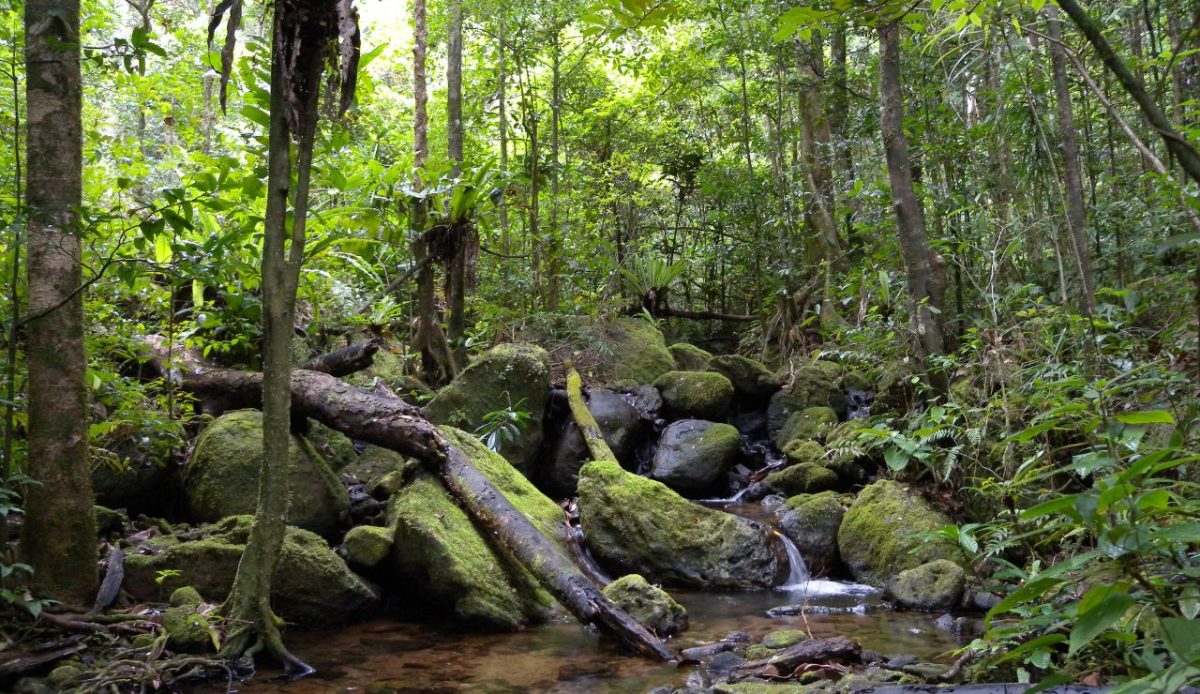
Madagascar’s rainforests host flowers found nowhere else on Earth. Orchids, baobab blossoms, and endemic lilies flourish in a tropical climate shaped by isolation and evolutionary separation.
Deforestation and habitat loss threaten these rare species, yet pockets of intact forest allow them to persist. Each bloom tells a story of adaptation to unique soil, rainfall, and pollinator interactions.
Exploring Madagascar’s rainforests allows travelers to see vivid, rare flowers thriving against odds. The uncanny beauty of these blooms highlights how isolation fosters extraordinary botanical diversity.
5. Galápagos Islands, Ecuador
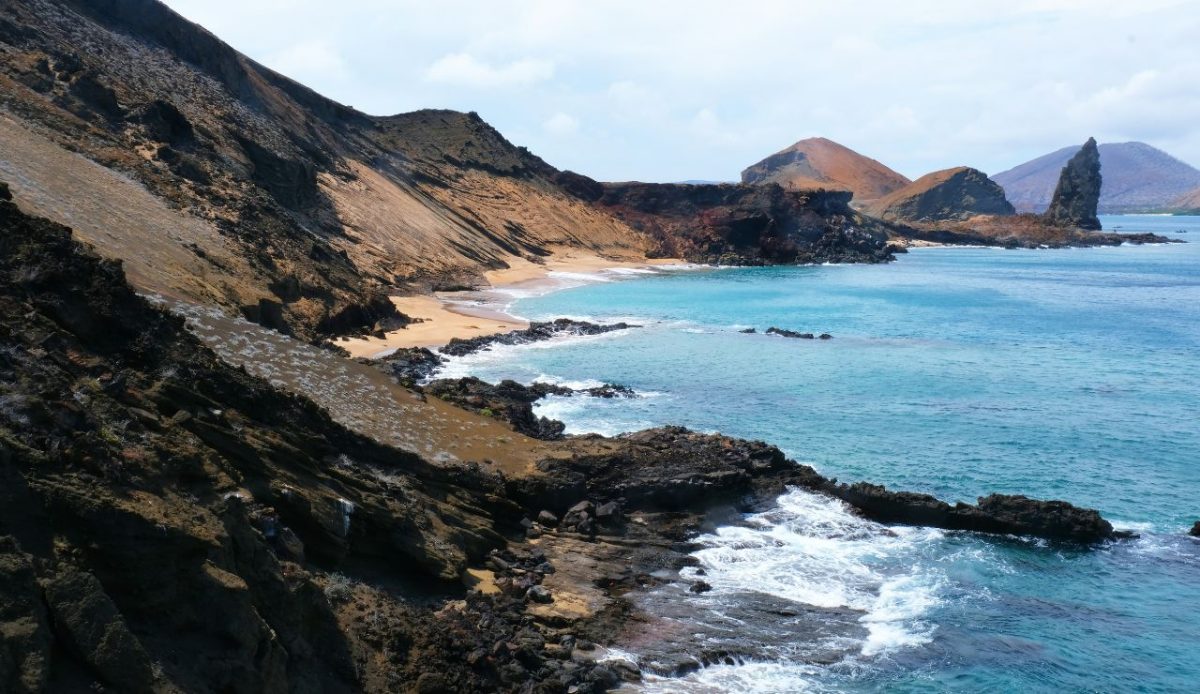
The Galápagos Islands’ volcanic soils host rare flowers that survive intense sun, poor nutrients, and salt-laden winds. Endemic species like the lava cactus and Scalesia thrive in these conditions.
Isolation has allowed these blooms to evolve independently, creating a unique flora found nowhere else. Adaptations include water storage, thick leaves, and blooms timed to maximize scarce pollination opportunities.
For travelers, the islands reveal uncanny flowers that defy extreme conditions. Their persistence illustrates how ecosystems in isolated islands produce some of the rarest and most extraordinary blooms on Earth.
6. Western Ghats, India
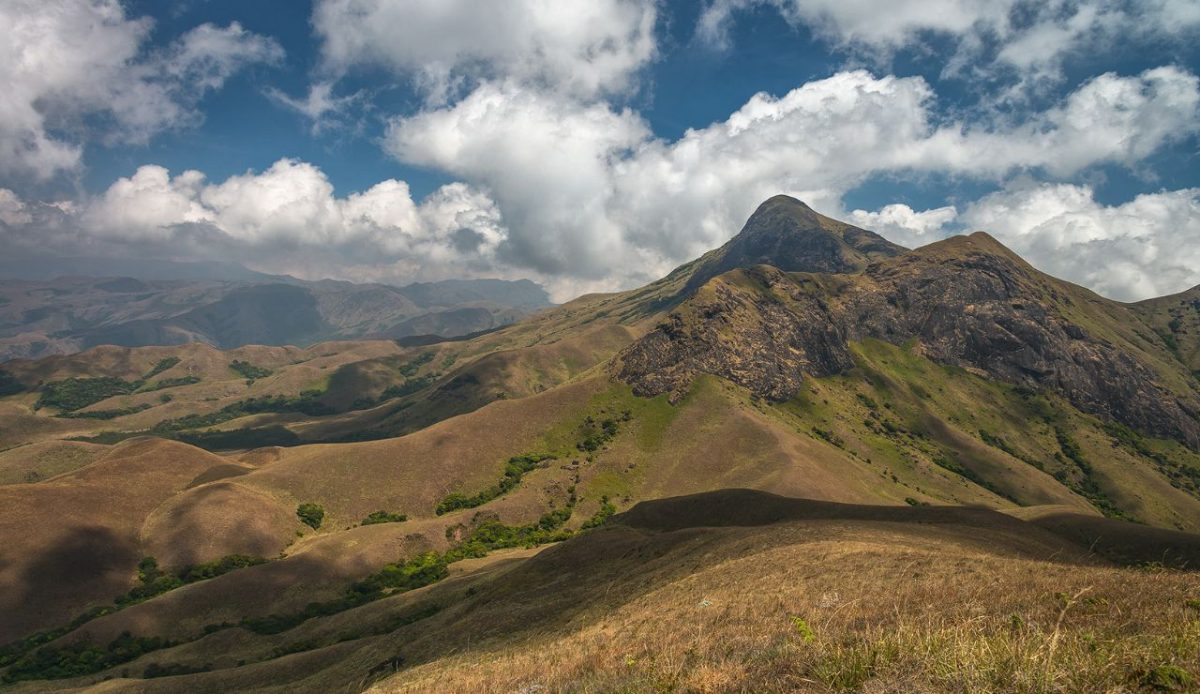
The Western Ghats are home to flowers that have survived for millions of years, evolving in mist-covered hills, dense forests, and river valleys. Many orchids and lilies are endemic to this region.
Steep slopes, heavy monsoon rains, and fragmented forests challenge their survival. Yet these rare blooms thrive by adapting to local microclimates, pollinator interactions, and human-protected areas that support their continued existence.
Travelers visiting the Western Ghats encounter uncanny floral diversity. Each flower illustrates resilience, evolution, and the beauty of isolated ecosystems preserving rare botanical treasures that continue to inspire botanists and nature lovers alike.
7. Himalayas, Nepal
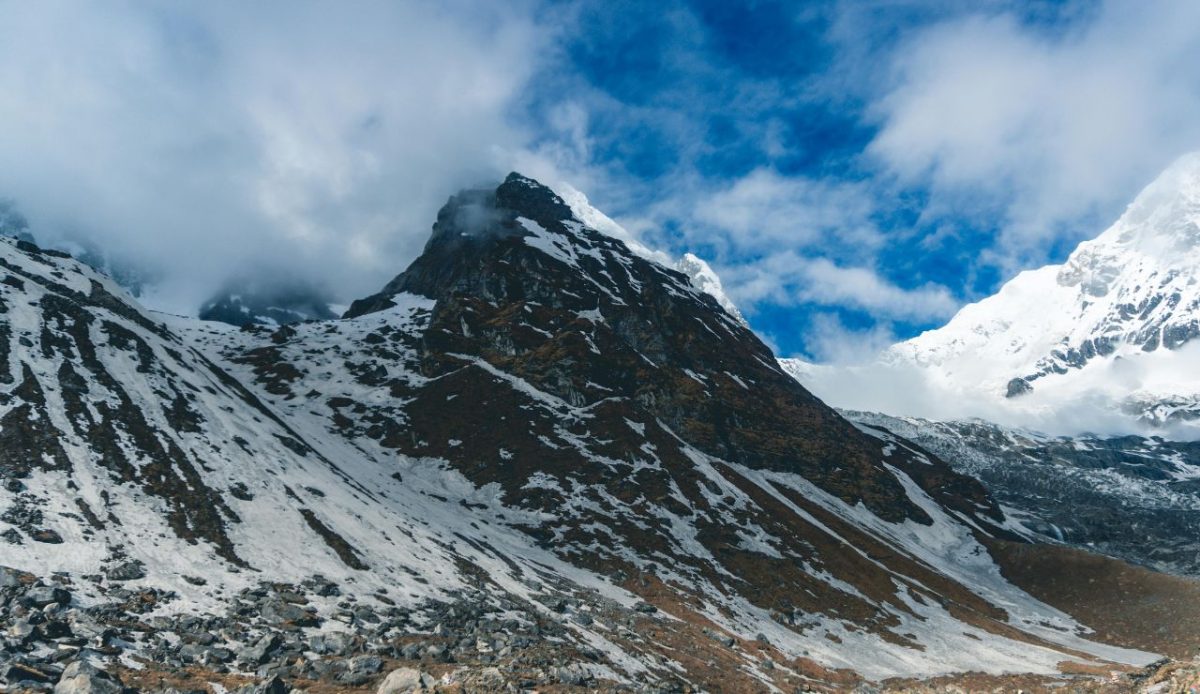
The Himalayas shelter rare alpine flowers that bloom in harsh, high-altitude environments. Rhododendrons, primulas, and gentians appear in vivid colors among rocky slopes and snow patches.
Extreme cold, intense UV radiation, and steep terrain create difficult survival conditions. Many plants rely on short growth periods, frost-resistant leaves, and compact blooms, thriving in microhabitats protected from wind and avalanches.
Trekking these mountains offers travelers a glimpse of uncanny flora thriving at the limits of life. The Himalayas’ blossoms demonstrate nature’s ingenuity and the persistence of life in extreme isolation, making every encounter unforgettable.
8. Canary Islands, Spain
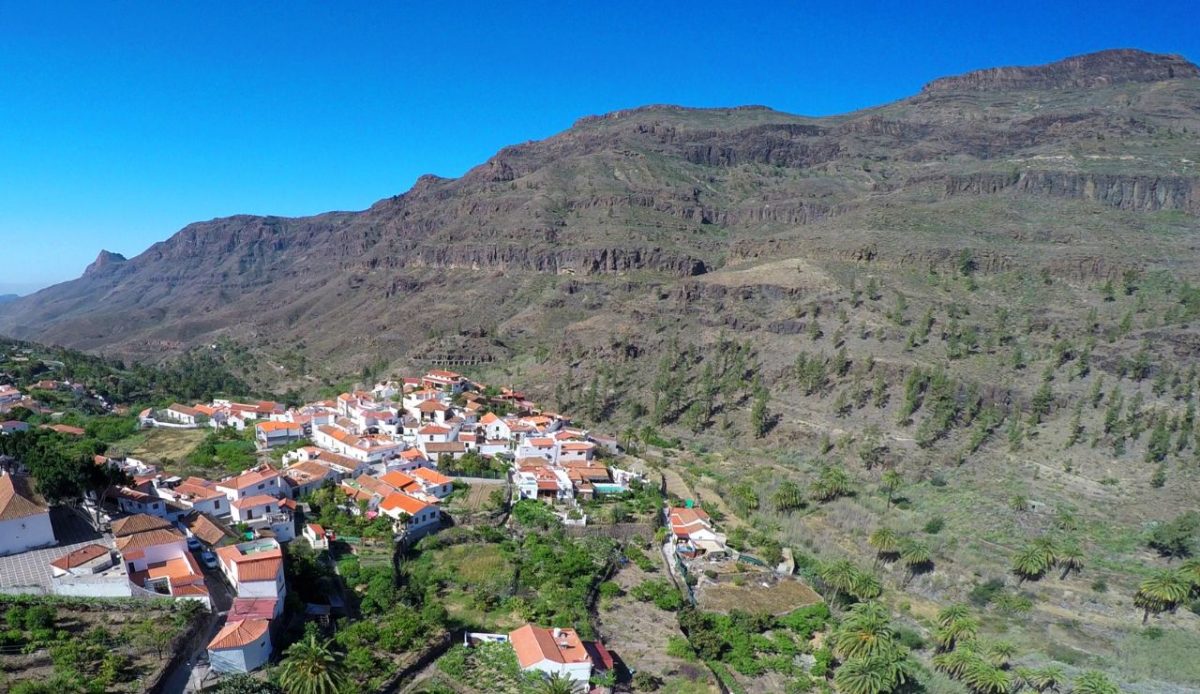
The Canary Islands’ volcanic soils and microclimates support rare flowers adapted to arid, sun-baked landscapes. Species like the Canary Island spurge bloom vividly despite harsh conditions.
Wind, drought, and nutrient-poor volcanic rock challenge growth, yet the flora persists, often forming dense, vibrant clusters. Adaptations such as thick leaves and drought-resistant roots help ensure survival in this unforgiving terrain.
Visitors find uncanny beauty in these islands where flowers defy the odds. The Canary Islands demonstrate that even in seemingly inhospitable environments, rare plant life can flourish spectacularly, rewarding explorers with unforgettable natural displays.
9. New Zealand Subantarctic Islands
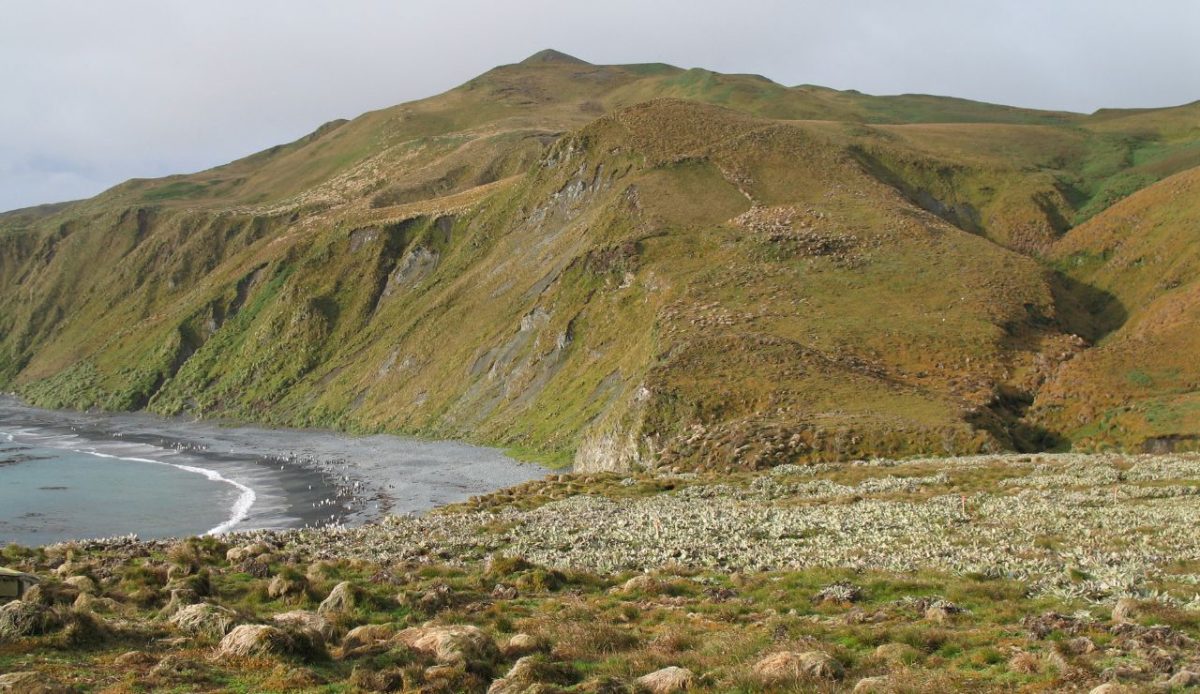
The Subantarctic Islands of New Zealand host rare, cold-adapted flowers such as megaherbs, which grow large leaves and vibrant blooms to survive wind and low temperatures.
Harsh winds, salty air, and limited sunlight make survival difficult. Yet these species thrive using adaptations like moisture retention, low growth forms, and flowering timing aligned with short summer periods to maximize reproduction.
For travelers visiting these remote islands, the uncanny flowers illustrate nature’s creativity. Each bloom is a testament to resilience, thriving against extreme cold and isolation that few ecosystems endure, leaving a lasting impression on visitors.
10. California’s Death Valley, USA
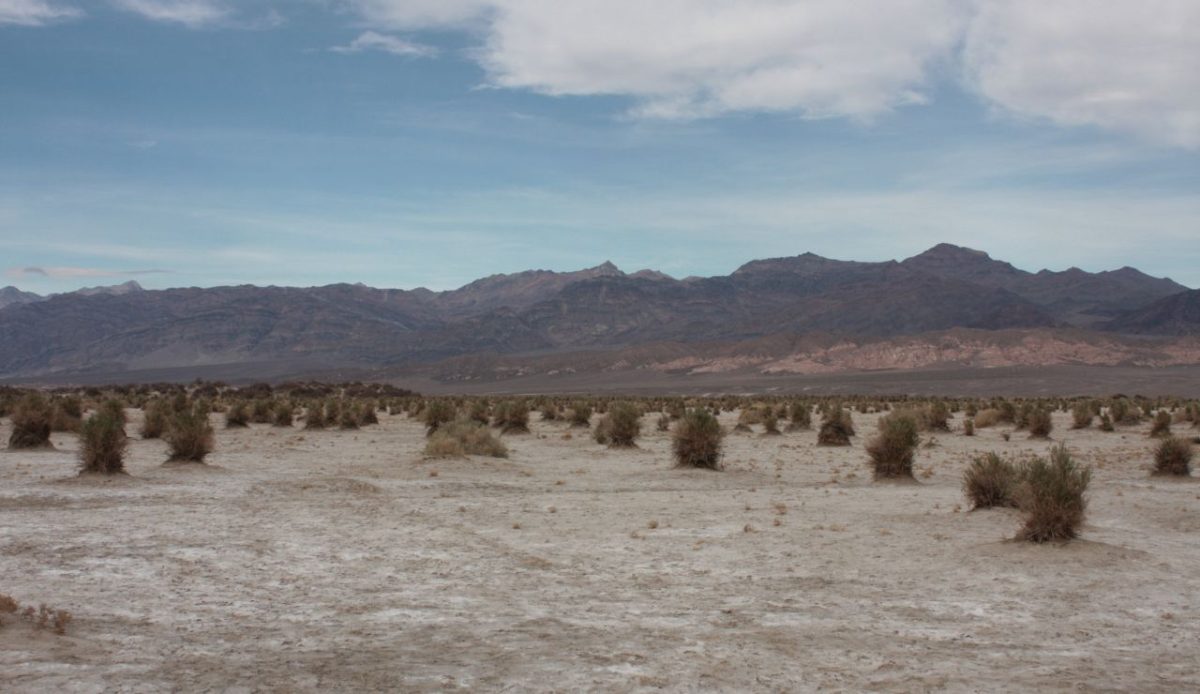
Death Valley surprises visitors with rare desert blooms that appear after scarce rainfall. Flowers like desert lilies and sand verbena carpet arid plains in sudden bursts of color.
Extreme heat, low precipitation, and poor soil create challenging conditions. Plants survive by remaining dormant for years, then blooming explosively when water is available, forming ephemeral carpets that transform the harsh desert into a vivid spectacle.
Travelers witness uncanny floral resilience in this harsh landscape. Death Valley’s blooms show that even the world’s most inhospitable deserts can host rare, spectacular plant life when conditions allow, offering a once-in-a-lifetime experience.
11. Mount Roraima, Venezuela
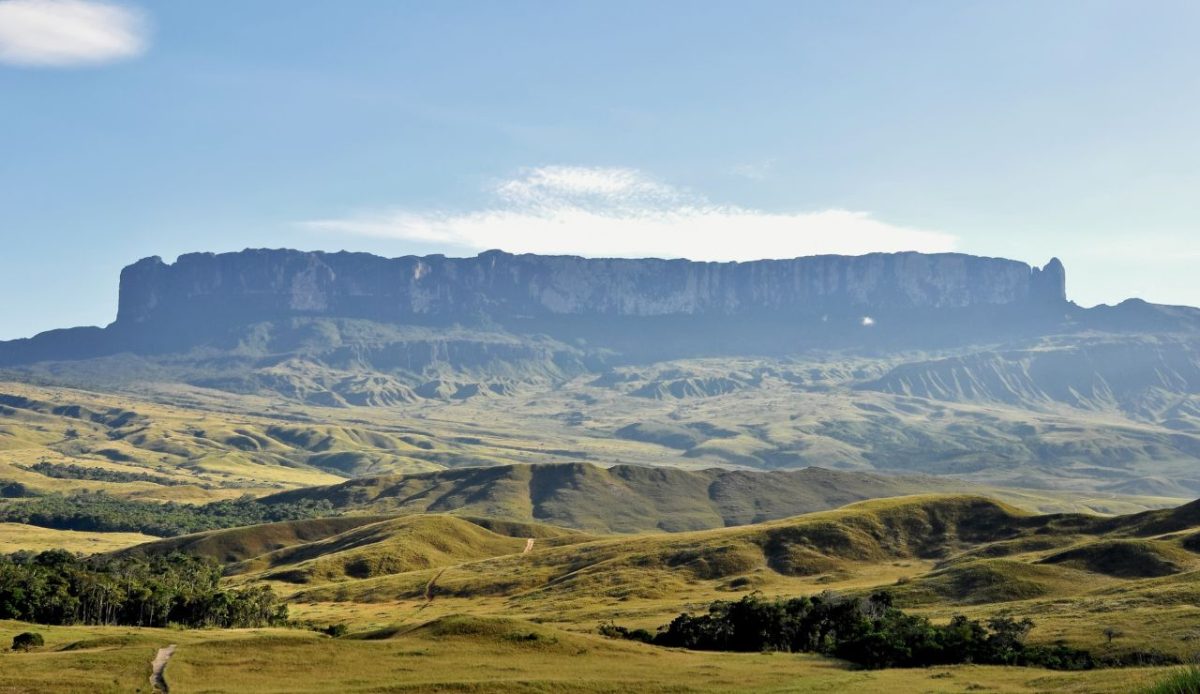
Mount Roraima’s tabletop summit isolates rare flowers from surrounding forests. Endemic species like carnivorous plants and unique bromeliads thrive on nutrient-poor, wind-swept soils.
The plateau’s high rainfall, mist, and harsh sunlight create a challenging environment, yet flowers adapt with thick leaves, specialized root systems, and vivid blooms to attract scarce pollinators, making the summit a botanical treasure.
Visitors climbing Mount Roraima encounter uncanny flora that seems prehistoric. These blooms exemplify how extreme isolation and adversity can produce the rarest and most remarkable botanical life, inspiring awe and scientific curiosity alike.
