
Night safety changes when crowds thin and daily routines end. Lighting, transit, and open shops drop, so street contact shifts. In cities with high violent crime, that change can raise the odds of robbery or assault.
Here, unsafe at night means a higher chance of violent victimization during late hours. Violent crime includes homicide, rape, robbery, and aggravated assault under U.S. reporting terms. Citywide averages hide hot spots.
Each section explains why the city fits the title using persistent violence levels and known night risk settings such as nightlife spillover, weak late transit, and uneven guardianship. The aim is clear guidance without drama.
1. Memphis, Tennessee
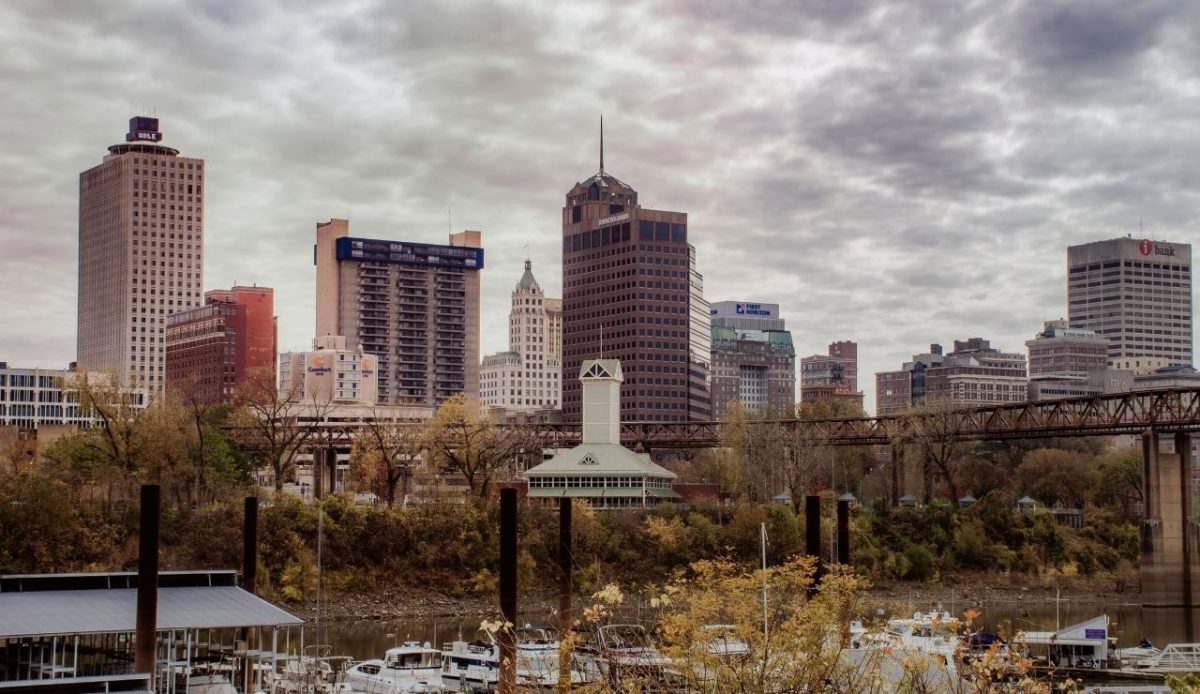
Memphis has reported very high levels of violent crime for years, with aggravated assaults and robberies driving much of the total. Night hours can concentrate risk because fewer bystanders are present and routine traffic falls.
Some corridors shift quickly after closing time. When bars, stores, and bus service thin out, trips that feel normal at noon can become more exposed, especially on blocks with poor sight lines and limited lighting.
Reliable night plans matter here. Using direct rides, staying on well-used routes, and avoiding long walks between venues can reduce exposure in a city where baseline violence remains elevated across many districts.
2. Detroit, Michigan
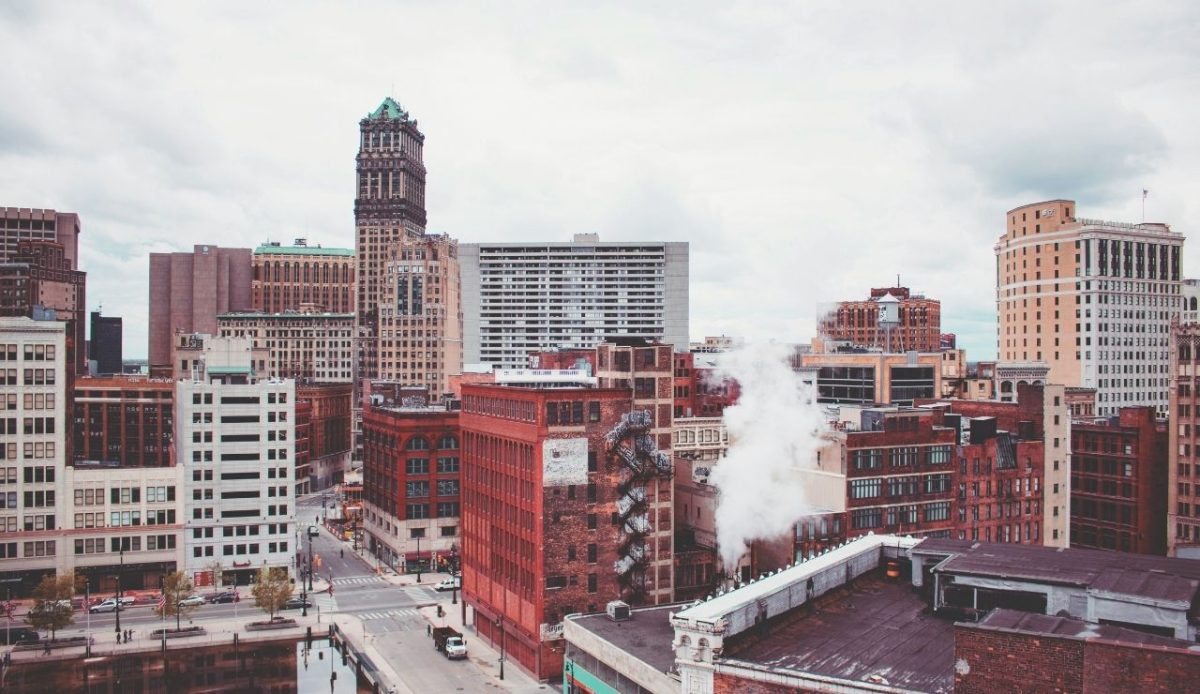
Detroit’s violent crime burden stays high compared with many large U.S. cities, with assaults and robberies remaining common in police reports. After dark, risk rises in areas where activity drops, and streets become sparse.
The city’s wide footprint creates gaps between active nodes. Long blocks, vacant lots, and limited late transit can reduce natural surveillance, which is the everyday watchfulness that helps prevent street predation.
Night movement is safer when it stays concentrated. Choose destinations in busy districts, limit time on deserted side streets, and avoid waiting alone for rides. These steps fit the city’s uneven night conditions.
3. Baltimore, Maryland

Baltimore has long faced high levels of lethal and nonlethal violence, and the effects are felt after dark in many parts of the city. Robbery and aggravated assault are key drivers of night concern, not only headline cases.
Nighttime patterns often follow specific corridors. When offices close, foot traffic drops outside core areas, and nearby blocks can lose the informal guardianship created by steady passersby and open storefronts at night.
Practical choices reduce risk. Staying within active zones, traveling with others, and keeping transfers short helps in a place where violence can cluster by block and hour. Awareness matters more than confidence.
4. Houston, Texas
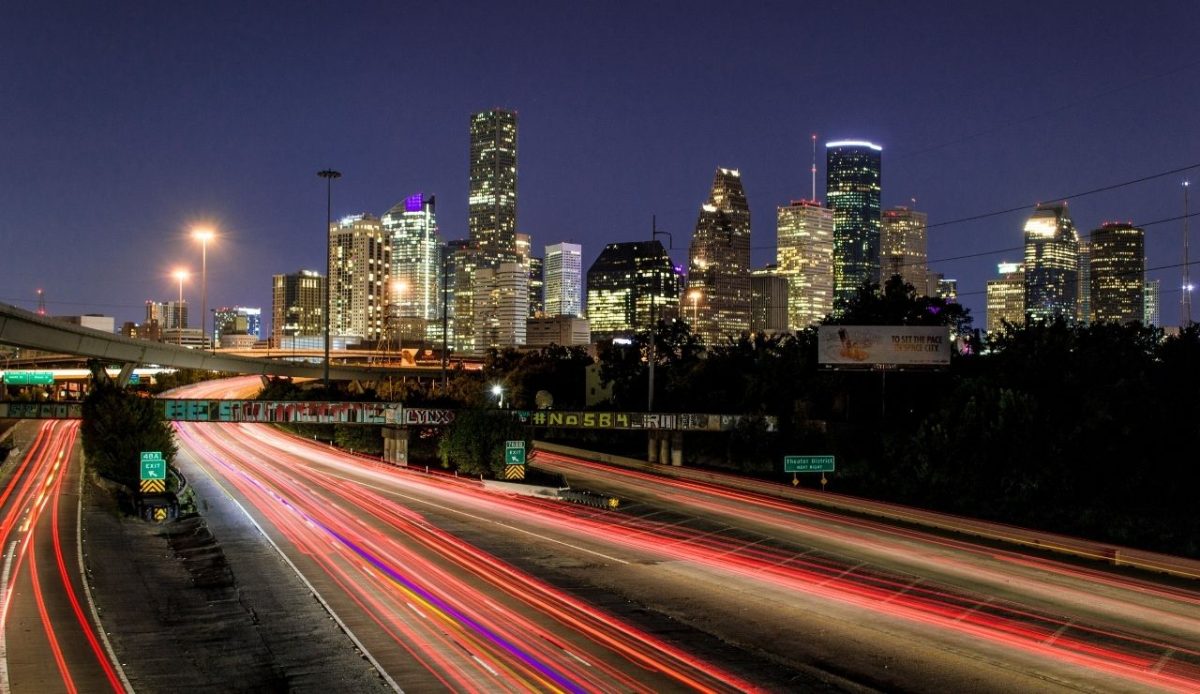
Houston is a large, car-oriented city with a violent crime rate that remains high among major U.S. metros. Robbery and assault reports often increase during late hours near commercial strips, bars, and certain transit corridors.
Distance changes the night experience. Because many trips require driving, a person can end up in low-visibility areas such as parking lots, service roads, or poorly lit blocks between destinations, where help is farther away.
Night risk drops when movement is simple and direct. Use well-staffed locations, avoid isolated stops, and do not linger outside closed businesses. These habits match how incidents concentrate during late-night travel.
5. Nashville, Tennessee
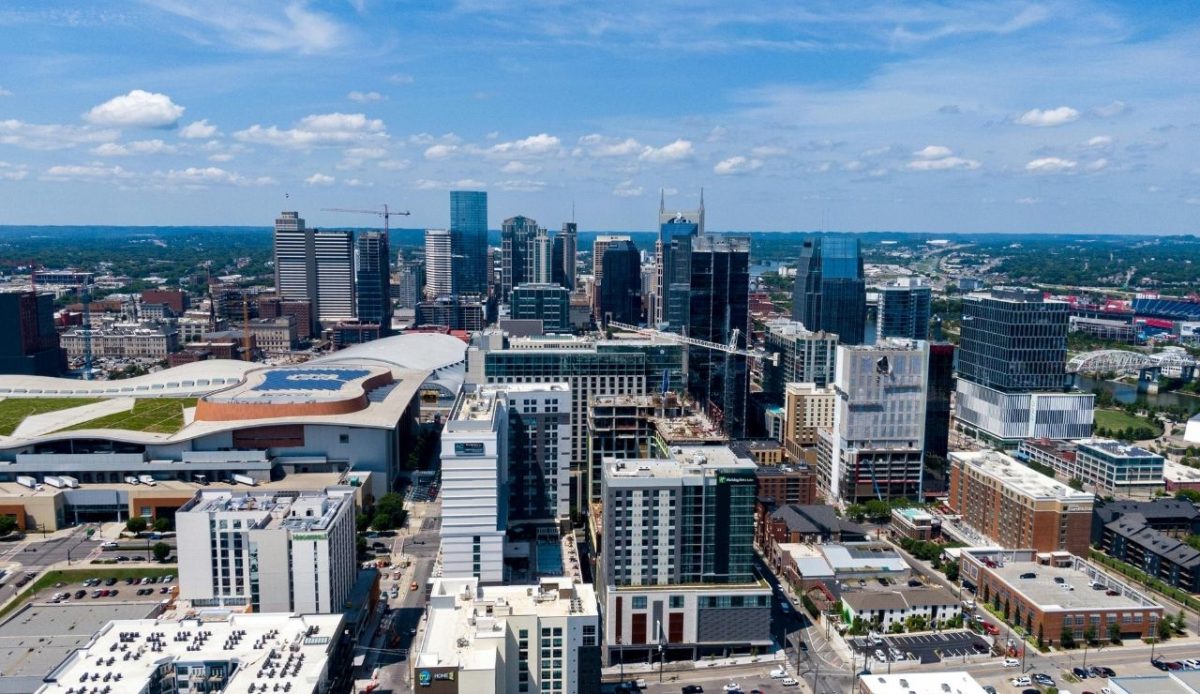
Nashville’s nightlife economy draws large late crowds, while its violent crime level remains high for a city of its size. That mix can raise night risk as intoxication, disputes, and opportunistic theft feed assault and robbery incidents.
Conditions can change fast after the bar closes. Busy streets empty in waves, leaving transitional blocks less watched. Parking areas and side streets become common trouble points when groups split, and rides are delayed.
Safer nights come from planning exits early. Keep routes short, stay with a group, and pick up points in bright, staffed areas. These steps address the city’s late-night volatility without overstating danger.
6. Denver, Colorado

Denver has seen violent crime stay elevated in recent years, with assaults and robberies contributing heavily in city data. Nighttime risk is often linked to entertainment districts and nearby transit nodes where crowds thin after venues close.
Growth has produced uneven street activity. Some blocks remain busy while adjacent areas go quiet, especially near large roadways. That contrast can create pockets where victims are easier to isolate, and witnesses are fewer.
Late travel is safer when it is structured. Stick to active corridors, avoid shortcuts through empty areas, and limit time waiting outdoors. These habits fit the city’s pattern of clustered night incidents.
7. Washington, D.C.
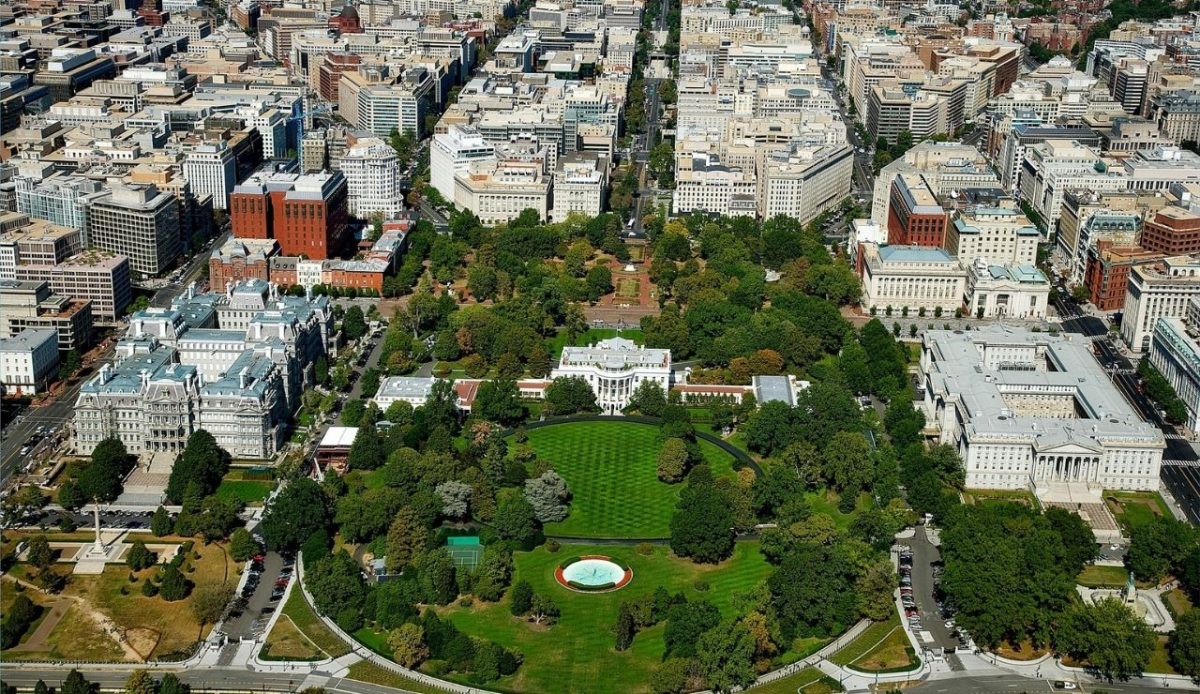
Washington, D.C., combines dense nightlife, tourism, and residential streets, yet violent crime levels remain higher than those of many peer cities. Robbery and assault are the main nighttime concerns, especially when crowds disperse and foot traffic falls.
Risk varies sharply by micro area. A well-lit corridor can sit next to quieter blocks where incidents cluster. Metro access helps mobility, but station areas can become vulnerable when service slows and platforms empty.
Reducing exposure means staying on main routes and timing returns. Choose rides from busy entrances, keep valuables out of view, and avoid long walks from stations late at night. These steps match how incidents concentrate.
8. Philadelphia, Pennsylvania

Philadelphia has persistent violent crime pressure, with shootings, robberies, and serious assaults affecting multiple districts. Night hours can raise exposure because fewer people are outside, and some corridors lose the steady presence seen during daytime.
Late risks tend to follow nightlife spillover and transit links. When crowds thin, opportunistic robbery becomes easier, and disputes can escalate without quick intervention. Some areas also have long blocks that reduce sight lines.
Night movement is safer when it stays predictable. Use well-traveled streets, keep transfers minimal, and avoid isolated parks or underpasses after dark. These choices align with known patterns of night incidents in the city.
9. Indianapolis, Indiana
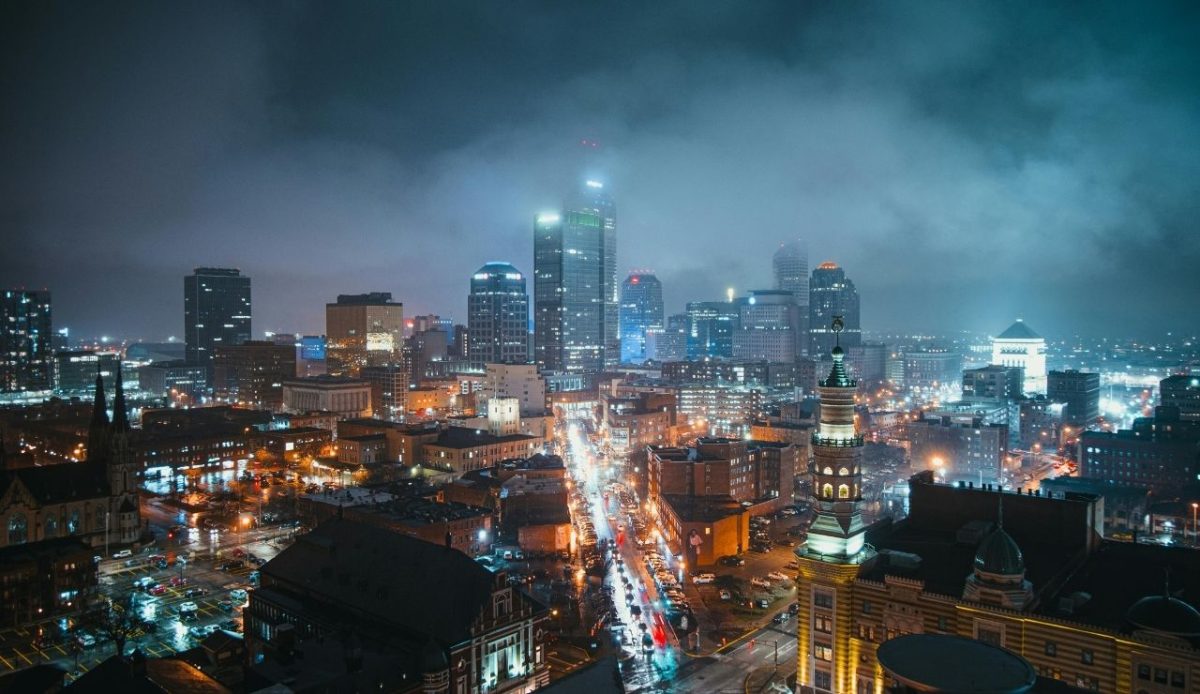
Indianapolis reports violent crime levels that remain elevated for a mid-sized major city, with aggravated assaults and robberies forming a large share. Nighttime concerns rise when entertainment areas thin and traffic shifts to fewer corridors.
Several risks are situational rather than constant. Parking lots, gas stations, and poorly lit stops can become common settings for robberies and assaults, especially when people are alone or distracted by phones while waiting.
Safer nights come from limiting exposure time. Park close to entrances, keep pickup points in bright areas, and avoid wandering between venues. These habits help in a city where incidents often cluster by place and hour.
10. Phoenix, Arizona
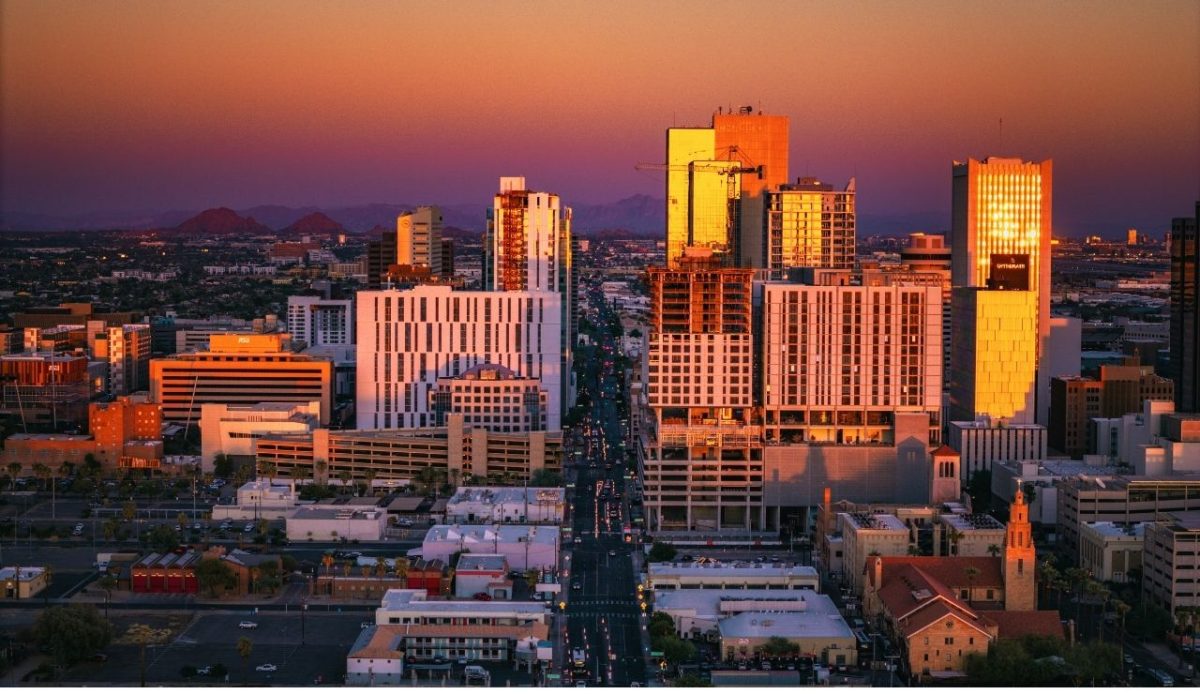
Phoenix is a large, spread-out city where violent crime rates remain high compared with many peers. Robbery and aggravated assault drive much of the risk, and night incidents often cluster near late open retail, bars, and transit connectors.
Heat and distance shape behavior. Many people move by car, so exposure may occur in parking structures, dark side lots, or long walks across wide roads. After midnight, fewer open businesses reduce witnesses and quick help.
Reduce risk by keeping trips direct and staying near staffed locations. Avoid isolated paths, choose pickup spots with steady activity, and do not linger at empty stops. These steps address the city’s common night settings.
11. Seattle, Washington
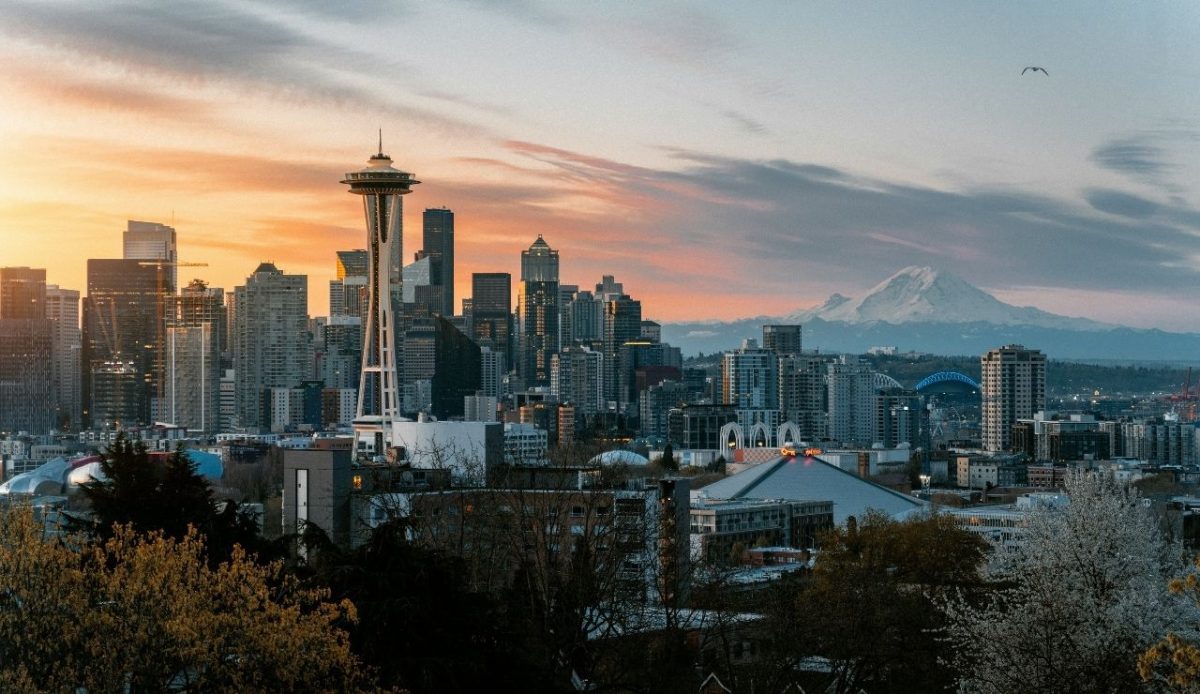
Seattle’s violent crime rate is driven largely by robbery and aggravated assault, and night incidents often cluster near transit hubs and entertainment areas. When crowds thin, the same streets can feel less watched and more prone to opportunistic offenses.
Certain conditions can add risk after dark. Stations, bus stops, and areas with open-air drug activity can create unpredictable encounters. Low light and wet weather can also reduce visibility and shorten reaction time for pedestrians.
Night safety improves with route discipline. Stay on active streets, keep headphones low, and avoid secluded waterfront paths late. Choose rides from bright, staffed places. These actions fit the city’s pattern of concentrated night trouble spots.
