
Ghost towns make great photos, but some carry toxic legacies that are easy to underestimate. In 2026, agencies and local officials continue to warn visitors about hazards like unstable ground, contaminated dust, and unsafe water around former mines, smelters, and underground fires.
The risk is rarely “one quick look.” It’s the small stuff: touching tailings, breathing windblown dust, wandering into collapsing buildings, or letting kids and pets play where heavy metals linger.
This guide flags 11 places that still attract curious travelers, while posted warnings, cleanup rules, or active investigations signal real danger. Visit only where public access is allowed, stay on marked routes, and treat “no trespassing” as a hard stop.
1. Centralia, Pennsylvania
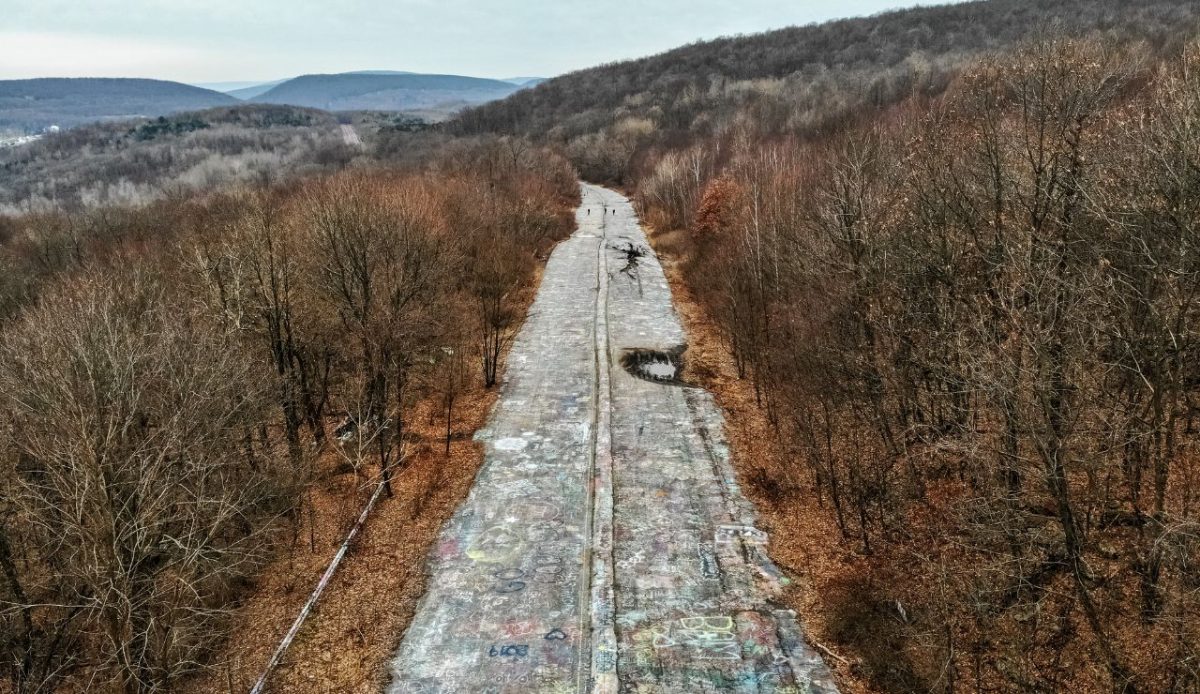
Centralia looks like a quiet place to stretch your legs, but the ground beneath it has been burning for decades. Pennsylvania’s DEP warns the mine-fire area can release dangerous gases and can collapse without notice, even when the surface looks solid.
Tourists still arrive for the “abandoned town” vibe and leftover street grids, yet the biggest hazard is invisible. Hot zones shift, cracks open, and fumes can collect in low spots, especially on calm days.
If you go, keep it strictly to permitted public areas, don’t explore basements or tunnels, and leave immediately if you smell fumes or see steam. This is not a site for wandering or nighttime exploring.
2. Picher, Oklahoma
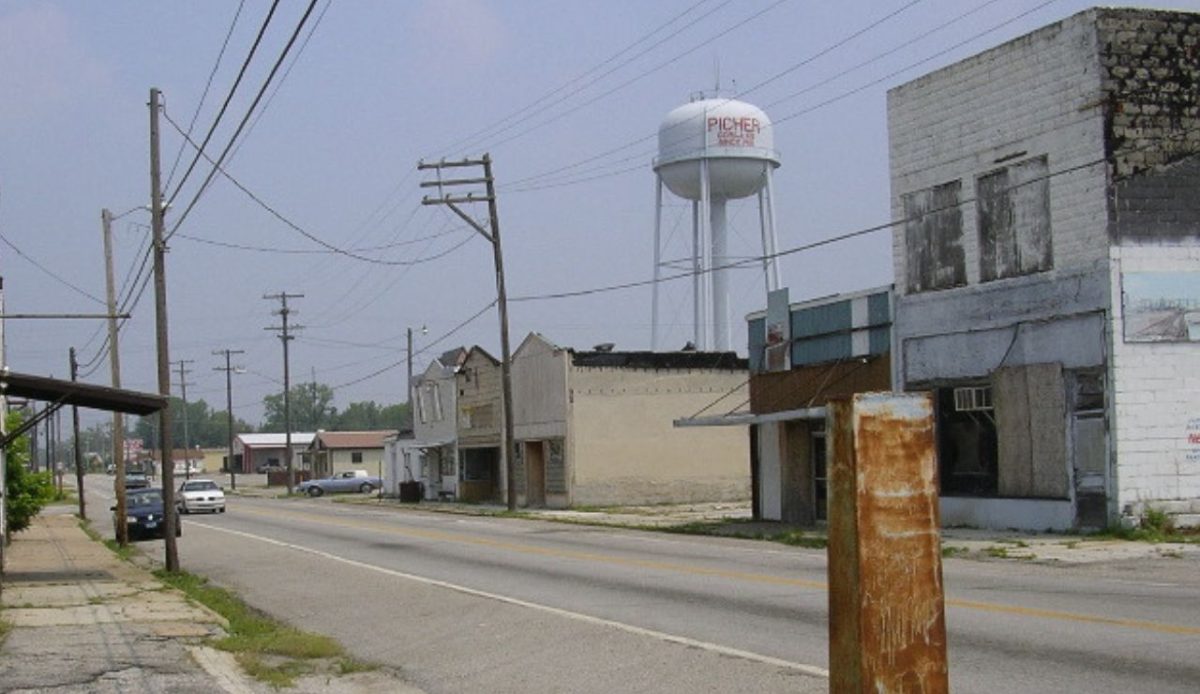
Picher sits inside the Tar Creek mining district, where “chat” piles and mine waste left widespread heavy-metal contamination. Oklahoma’s environmental agency notes chat can contain lead, zinc, and cadmium at levels that pose health risks, and it advises people to avoid contact.
The town’s near-empty streets lure photographers, but windblown dust is the real problem. Walking or driving through disturbed waste can track contaminated soil into vehicles, and open shafts and subsidence add physical danger.
If you stop, keep distance from tailings, don’t climb piles for a view, and keep kids and pets close. Wash hands before eating, and treat any unposted path as potentially unstable or off-limits.
3. Treece, Kansas
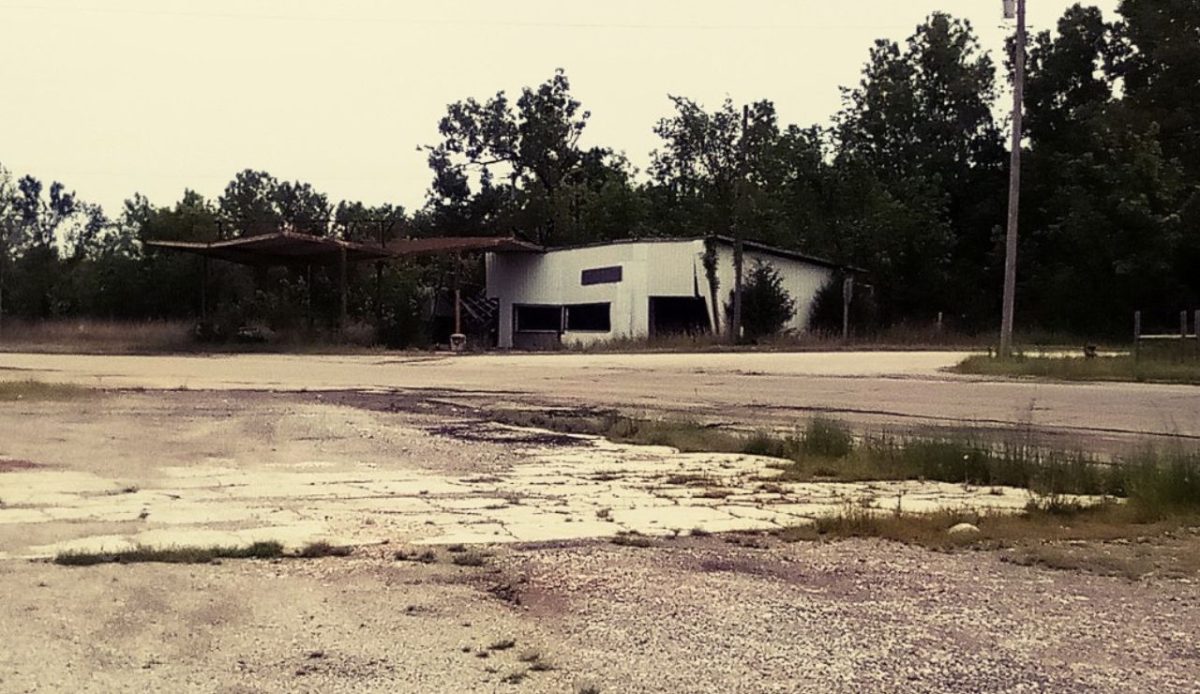
Treece was bought out and largely abandoned after decades of lead pollution tied to mine tailings and chat piles in the Tri-State Mining District. It still draws “last town standing” curiosity, but contamination doesn’t disappear when houses do.
The problem is exposure pathways that feel harmless: dust on shoes, hands after touching gravel, and soil that can be tracked into cars. On windy days, fine particles can move far beyond obvious piles, and flooded mine workings can create hidden sinkholes.
If you visit, stay on public roads, don’t enter lots or debris fields, and don’t let anyone play in bare soil. Keep windows up when driving through, and clean footwear and gear afterward so you don’t carry the site home.
4. Gilman, Colorado
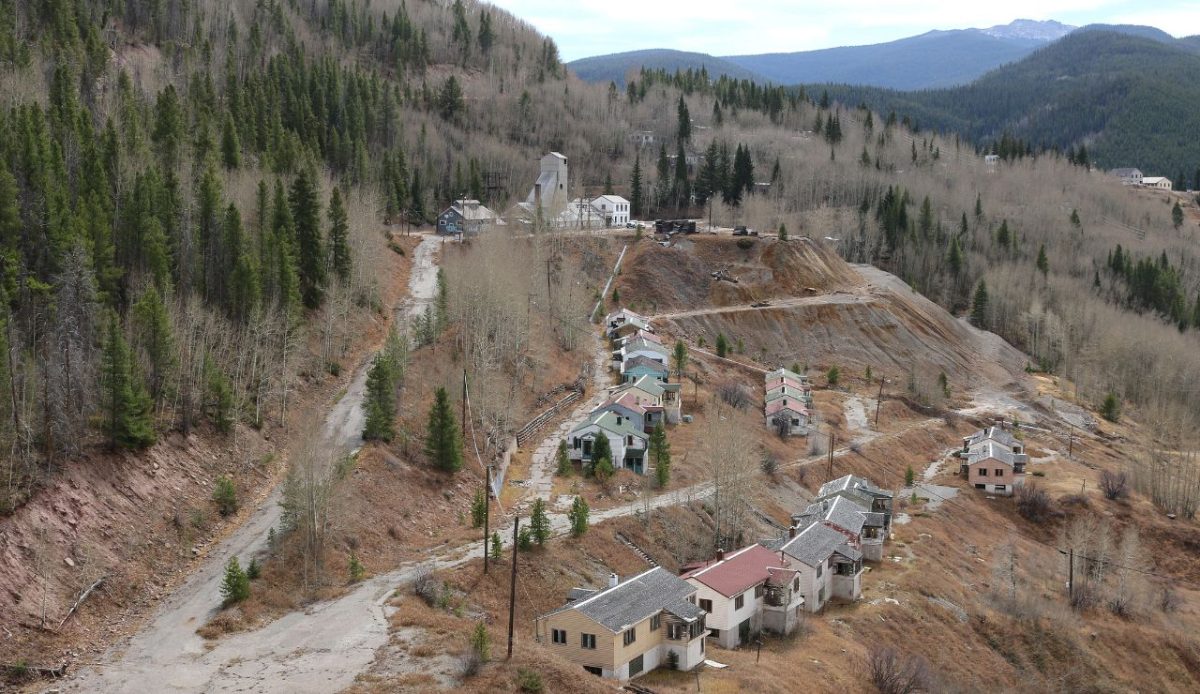
Gilman is a classic Colorado ghost town, but it sits beside the Eagle Mine Superfund legacy. State and federal cleanup has focused on controlling contaminated mine waste and protecting groundwater, and access restrictions plus signage help keep people away from hazards.
That’s why “quick trespass photos” are a bad idea. Abandoned industrial sites can hide unstable structures, contaminated soils, and debris that concentrates metals. Even if parts of the site are addressed, the townsite is largely private and treated as off-limits.
If you’re passing by, view from legal pullouts only and don’t cross fences. The safest choice is treating Gilman as a roadside story, not a walk-around attraction with empty buildings to explore.
5. Gilmore, Idaho
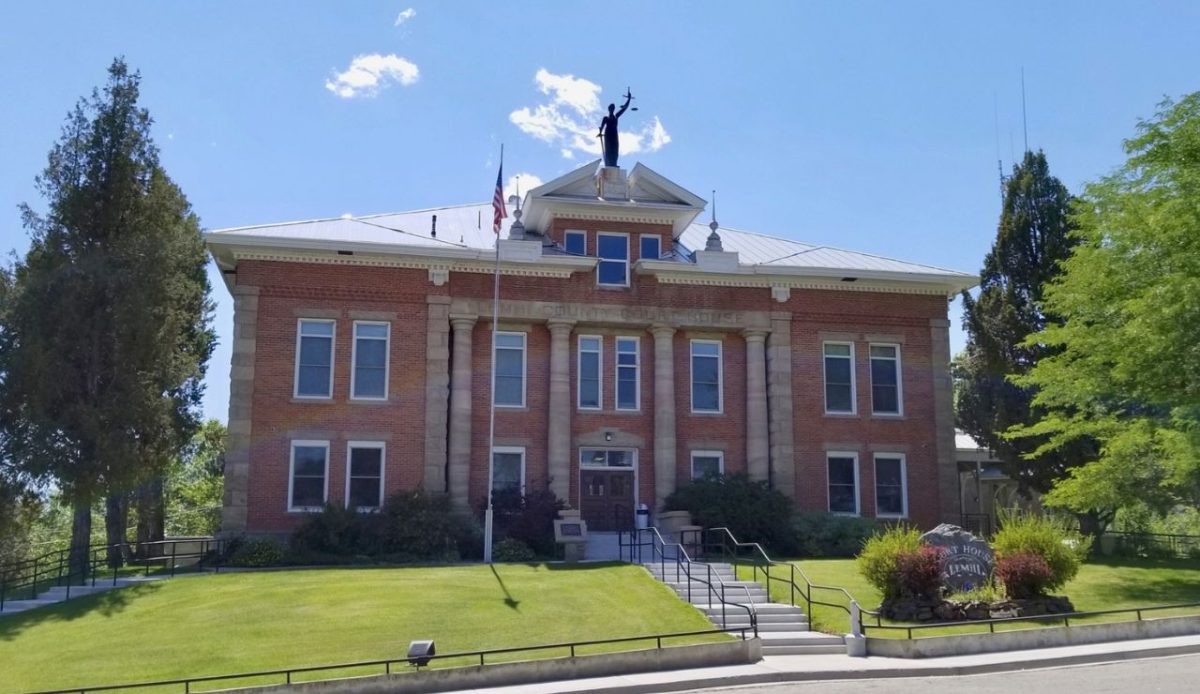
Gilmore is a remote Idaho ghost town that looks like a perfect detour, but state officials warn the area has high levels of lead and arsenic in soil and dust. The hazard isn’t just old boards and nails; it’s what you can’t see on your hands after touching ground or artifacts.
Visitors often wander between foundations, tailings, and waste piles without realizing they’re crossing contaminated zones. Dust can stick to shoes and clothing, and kids are especially vulnerable if they snack without washing up.
If you stop, stay on established paths, don’t climb waste piles, and avoid letting anyone dig, sit, or play in bare soil. Bring hand wipes, clean footwear after, and keep pets from sniffing or licking dusty surfaces.
6. New Idria, California
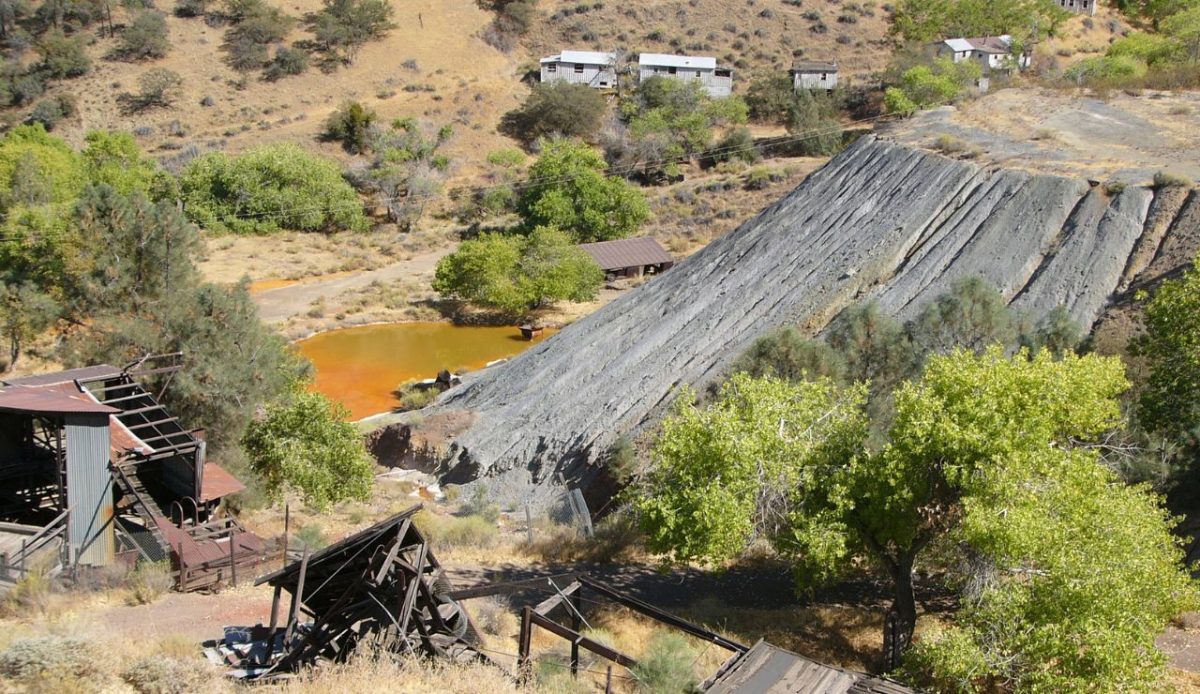
New Idria, a former mercury-mining settlement in California, has been flagged for contamination linked to historic quicksilver operations. Health agencies have assessed risks from mine tailings that can carry metals like arsenic, so the safest move is avoiding contact with dusty waste and washing up after any touch.
Its isolation adds to the lure: empty roads and abandoned remnants. But mercury-mine landscapes can leave contaminated dust and sediments that spread with wind and runoff, especially around tailings and drainages.
If you’re nearby, respect closures and private-property rules and skip building entry. Don’t touch soil, don’t eat on site, and clean hands and footwear afterward. This is a distance view, not a souvenir stop.
7. Kennecott, Alaska
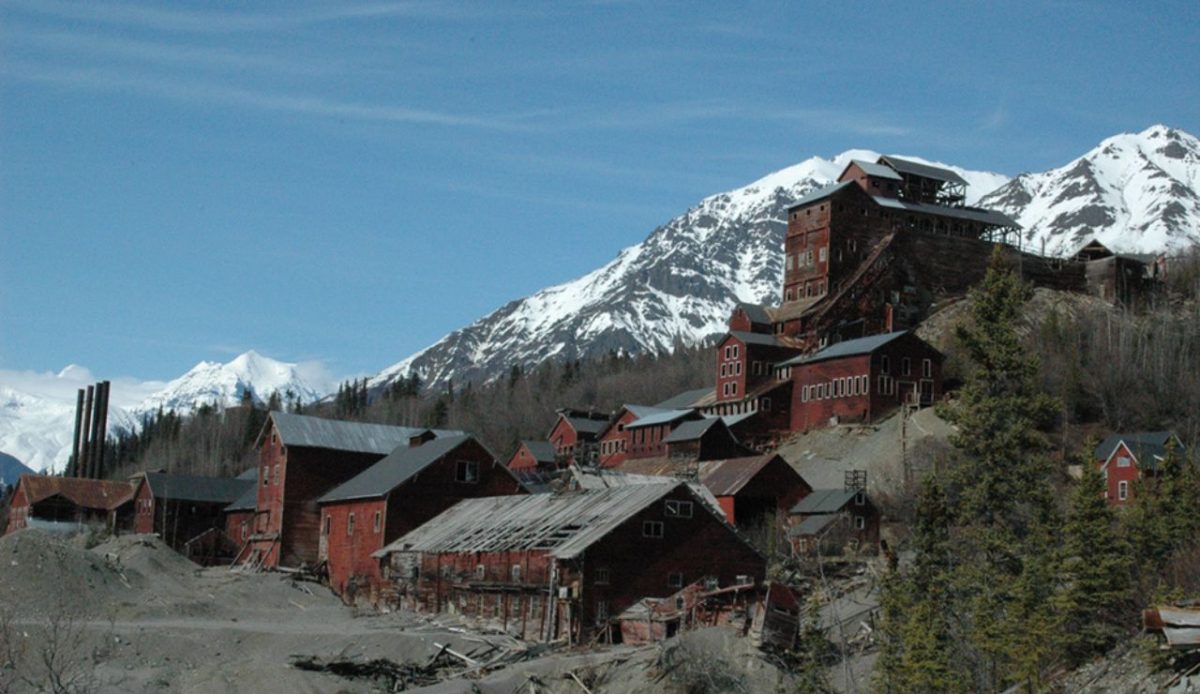
Kennecott’s mill town in Wrangell–St. Elias is a famous “abandoned” stop, but the National Park Service has documented hazards from historic mining and ore processing. Old industrial landscapes can leave contaminated soils, unsafe materials, and debris that shouldn’t be handled.
The temptation is to roam beyond maintained areas for better photos. That’s where risk spikes: loose boards, sharp metal, unstable platforms, and ground that can hide residues from decades of ore handling. In remote Alaska, a minor injury can become a rescue problem.
Stay on maintained trails and official tour areas, keep hands off artifacts, and don’t enter closed buildings. If you want the story, take it through guided interpretation, not DIY exploration.
8. McDermitt, Nevada
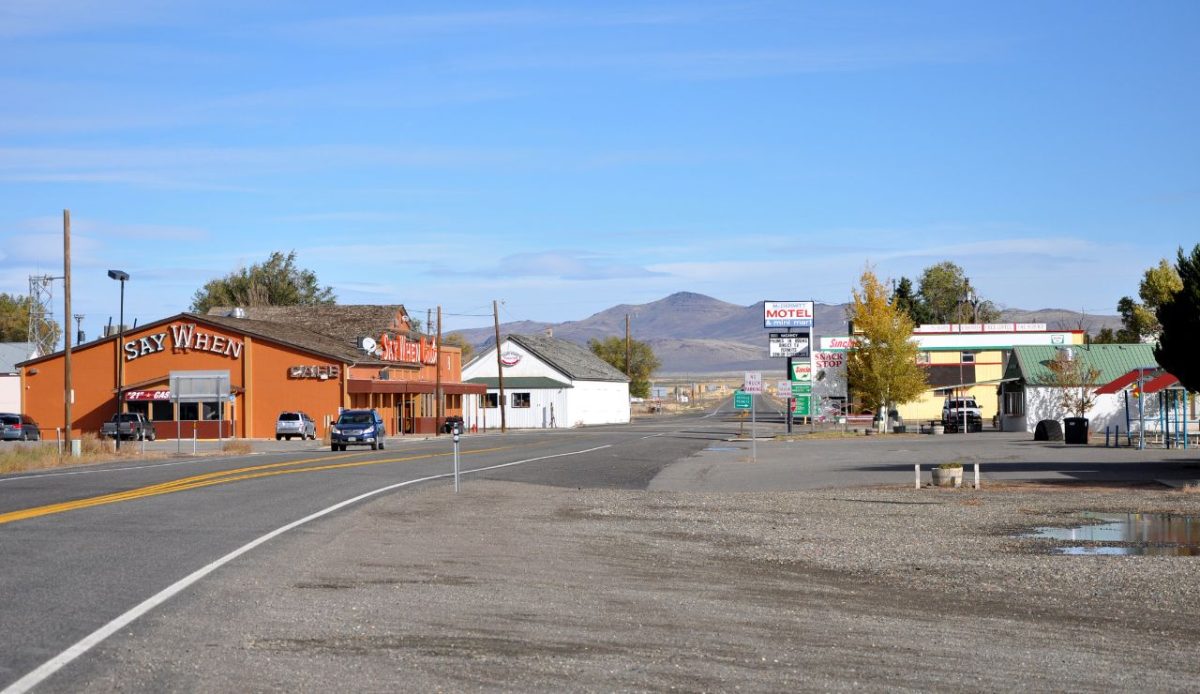
McDermitt isn’t a classic ghost town, but nearby abandoned mine areas have drawn Superfund attention tied to toxic runoff and groundwater concerns. Superfund work signals contamination risks serious enough to require investigation, controls, and limits on land use.
The travel trap is treating mine features as harmless “ruins.” Tailings and waste rock can concentrate metals, and windblown dust can spread beyond obvious piles. Remote terrain adds a second danger: falls, pit edges, and collapses become harder to respond to fast.
If you stop, don’t wander into mine footprints for a photo. Stay on public roads, avoid tailings and drainage beds, and follow posted access rules. Curiosity is fine; contact with contaminated ground isn’t.
9. Hinkley, California
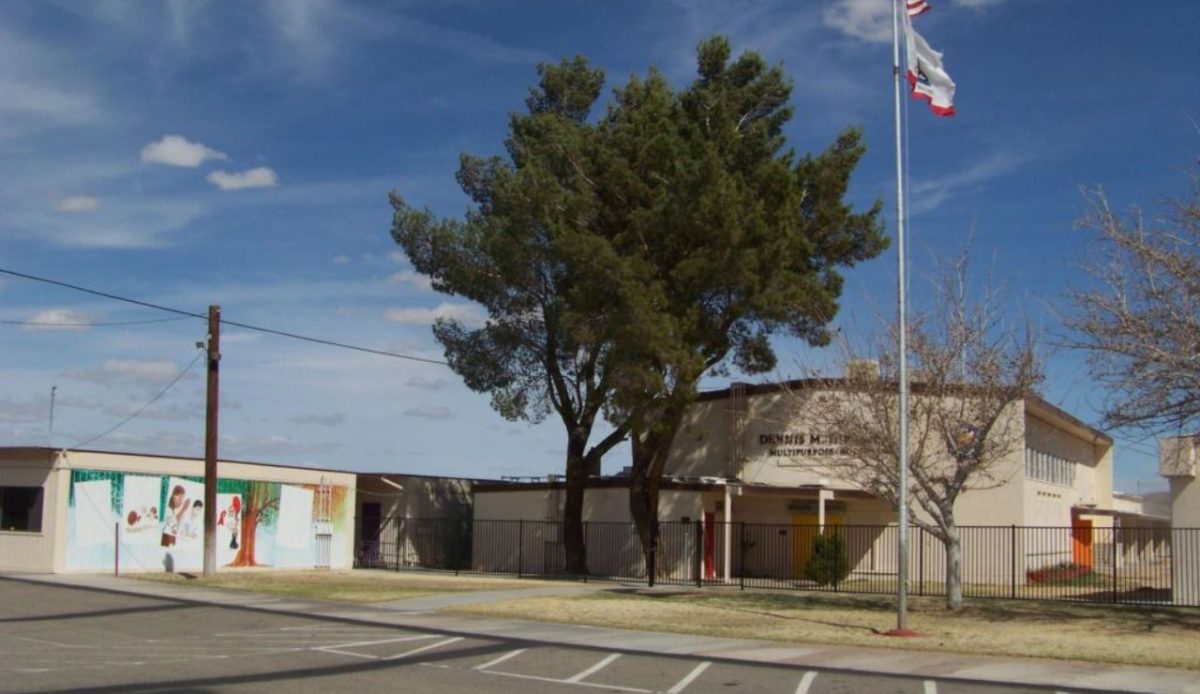
Hinkley is often described as “ghost town-ish” because much of it emptied out after the chromium-6 groundwater case made national headlines. State water regulators still track cleanup progress and plume maps, and the key point is that contamination here isn’t folklore; it’s monitored and managed.
Tourists show up for the Erin Brockovich association and odd roadside landmarks, but risk comes from treating private wells, dusty lots, or fenced areas like attractions. Cleanup work zones exist for a reason.
If you pass through, stick to public businesses and marked public stops. Don’t drink from unknown water sources, don’t enter fenced parcels, and don’t treat cleanup gear as a photo prop. Respect boundaries and move on.
10. Hayden, Arizona
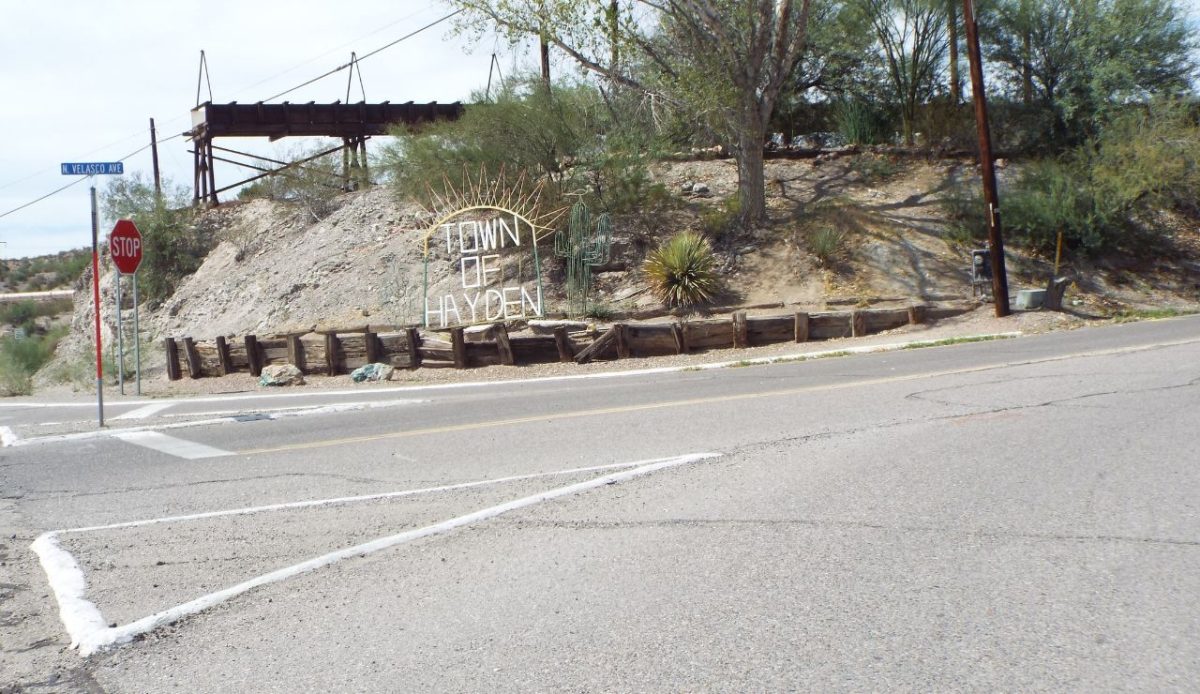
Hayden has been shaped by decades of copper smelting, and the town’s story is often told through pollution and population decline. Smelter communities can leave legacy contamination in soils and dust, which is why monitoring around old industrial footprints matters.
For visitors, the risk isn’t a single “toxic hot spot” you can spot on arrival. It’s the mix of dusty lots, restricted parcels, and aging industrial remnants where exposure and injury risks overlap. Trespassing adds danger fast near unstable structures.
If you’re curious, keep your visit to public viewpoints and town areas, not industrial edges. Don’t enter fenced properties, don’t pick up slag as a souvenir, and wash hands after dusty contact. Come to learn, then move on.
11. Opalite, Oregon–Nevada Border
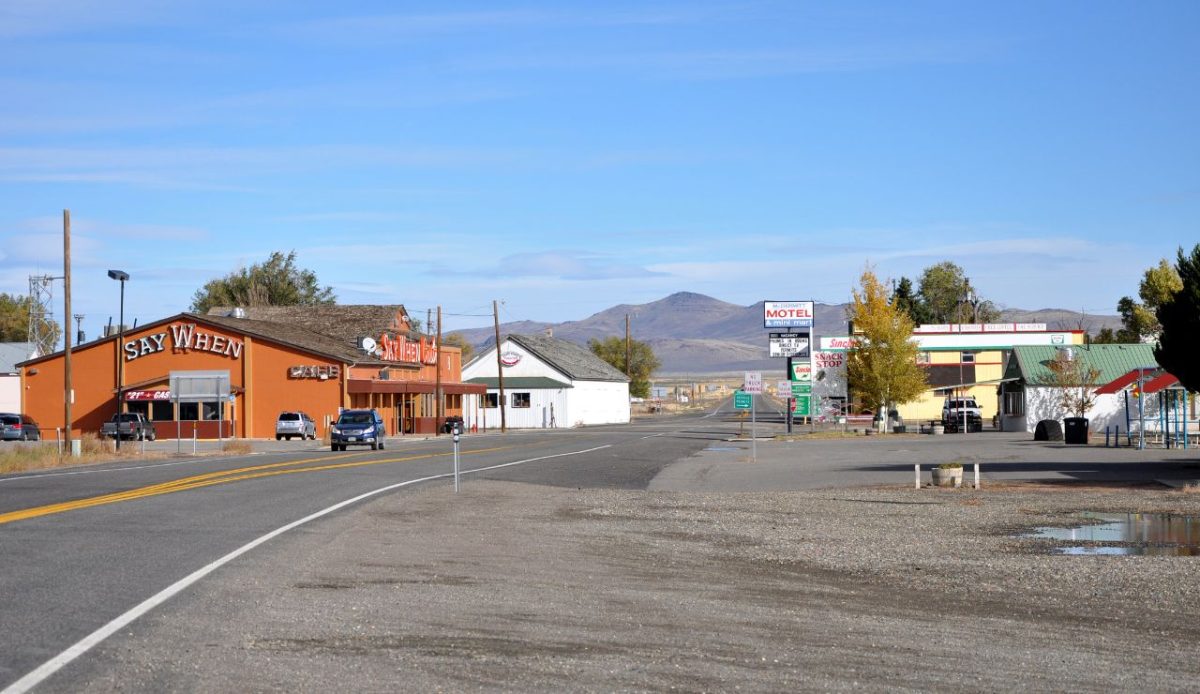
Opalite’s mercury-mine ruins in the high desert look like an easy photo stop, but Oregon DEQ and EPA restricted access because waste piles contain heavy metals including arsenic, mercury, and antimony. They also warn that dust from the waste rock can be hazardous if inhaled.
That matters because the landscape invites casual climbing. The “hills” are often mining waste, and wind can kick dust into your face and onto your clothes. Add rusted metal and unstable ground, and it’s a hazard combo.
If you’re traveling nearby, respect fencing and warning signs and don’t treat waste piles like viewpoints. Stay on legal roads, keep windows up in dusty stretches, and avoid eating until you’ve cleaned hands and gear. The safest souvenir is a photo.
